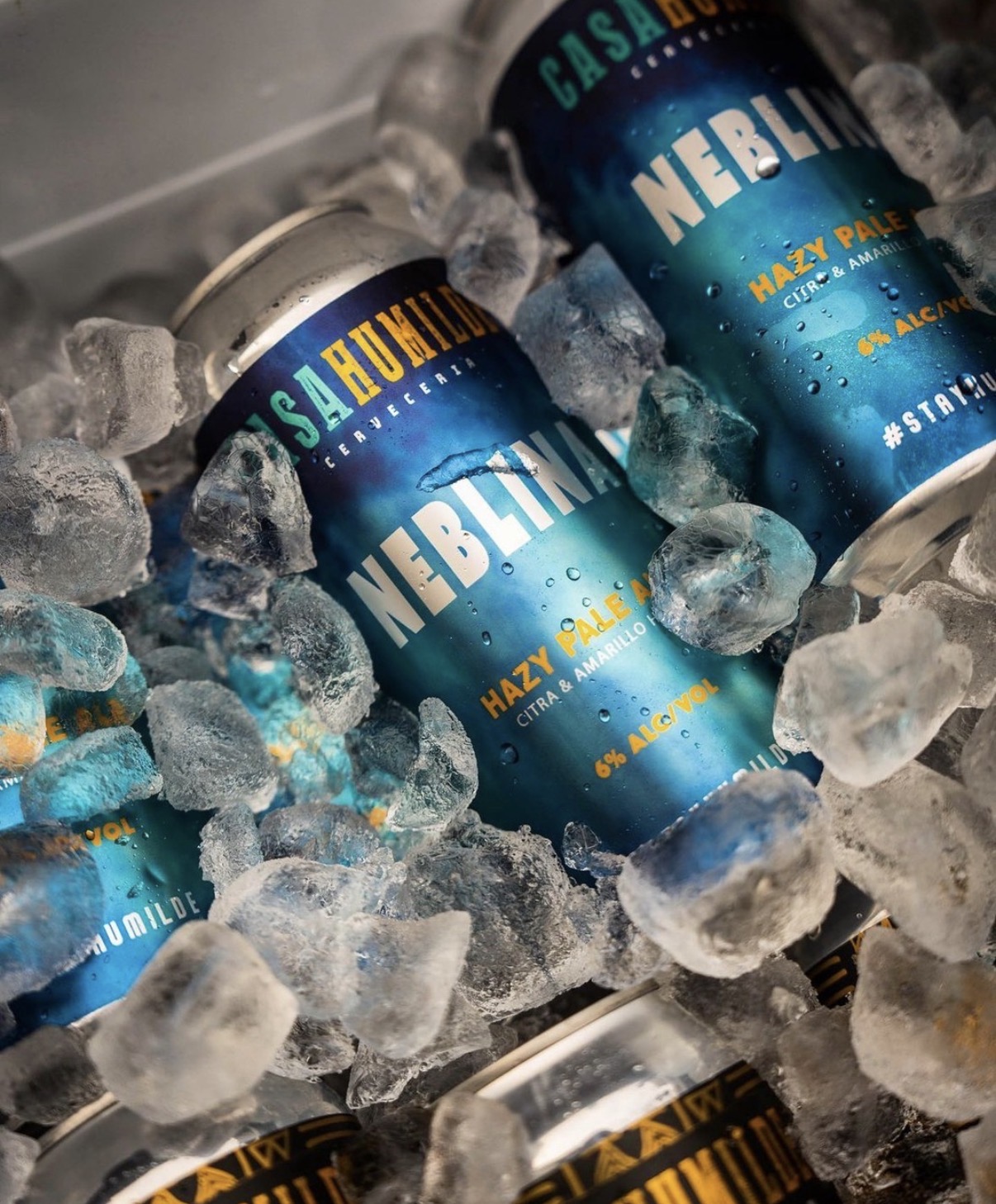
Considerations for Water-Resistant Labels
⚞ The Highlights: A waterproof or water-resistant label is a system, not a single material. The film, the adhesive, and…... Read more.
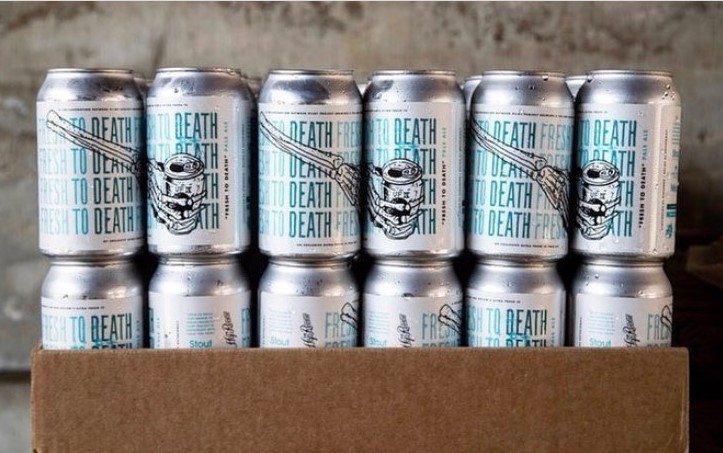
Dos and Don’ts for Non-Alcoholic Beer Labels
⚞ The Highlights: “Non-alcoholic” and “alcohol-free” aren’t interchangeable. “Non-alcoholic” means under 0.5% alcohol... Read more.
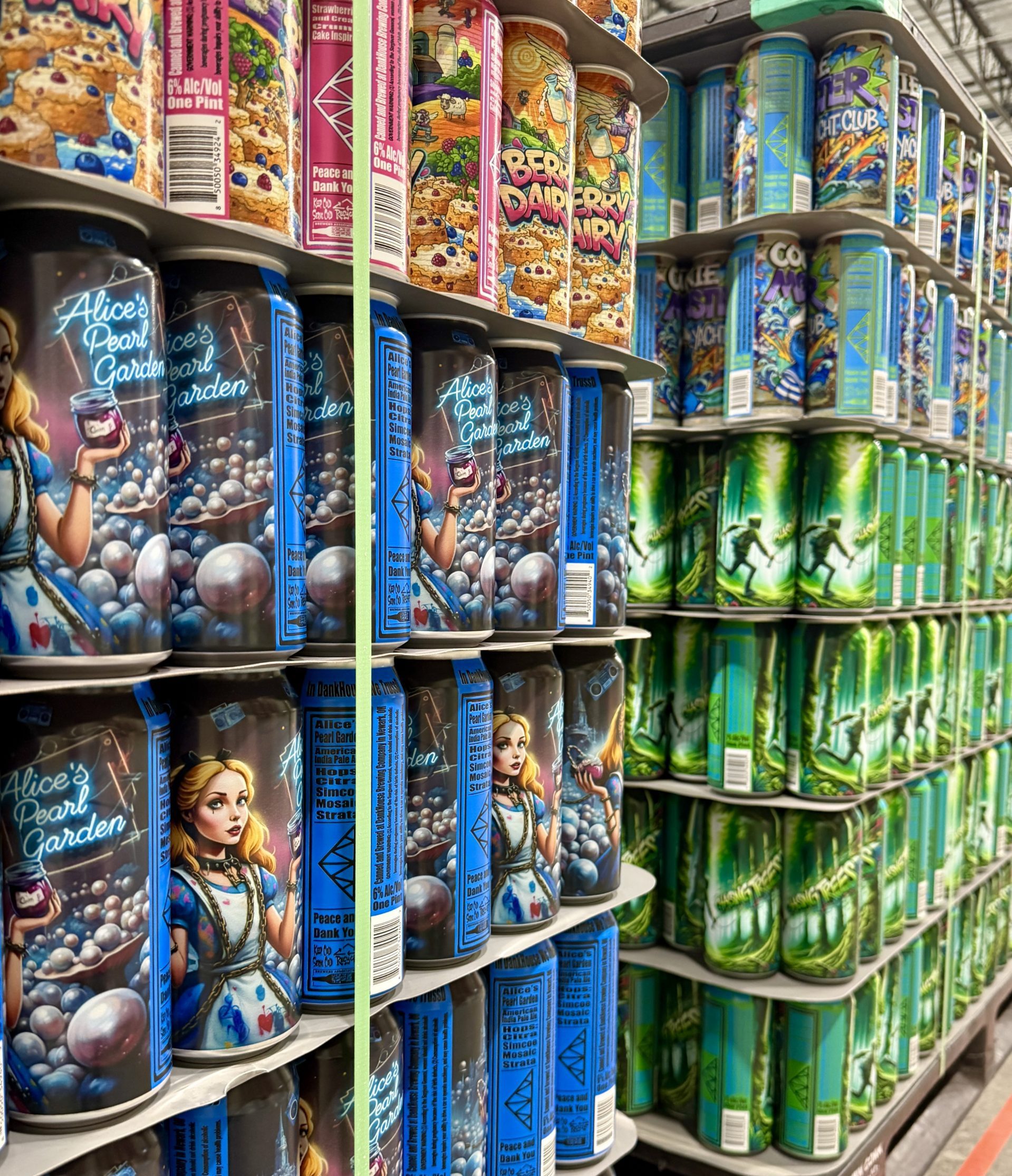
Digitally Printed Cans for Craft Breweries: What to Know Before You Order
If you’ve been canning with labels or shrink sleeves, you’ve probably looked at a nationally distributed brand’s printed can and…... Read more.
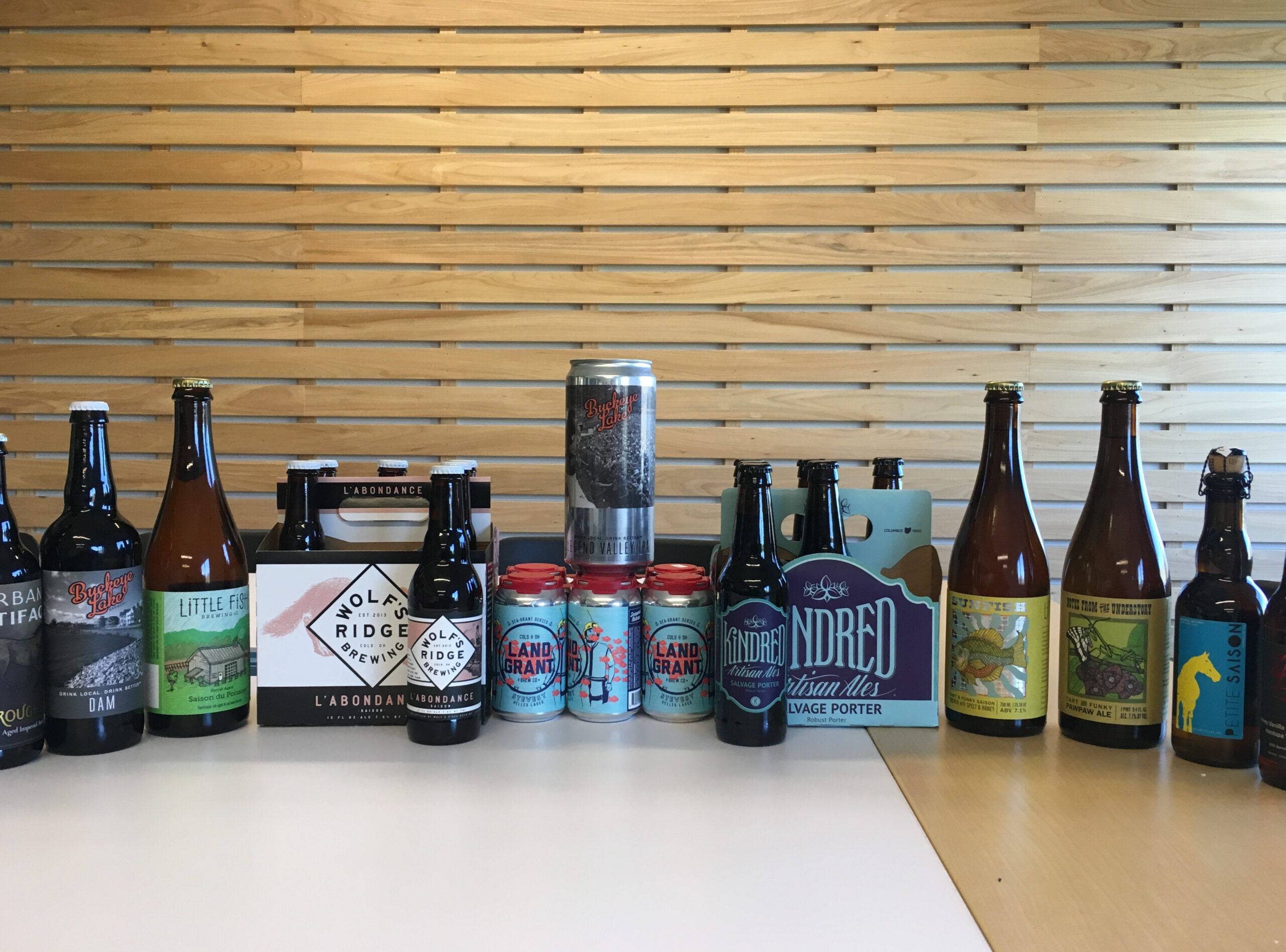
Finding the Perfect Match: Beer Container Types and Beer Labels
⚞ The Highlights: The main beer container types are cans, bottles, growlers, crowlers, kegs, and barrels. Each one needs a…... Read more.
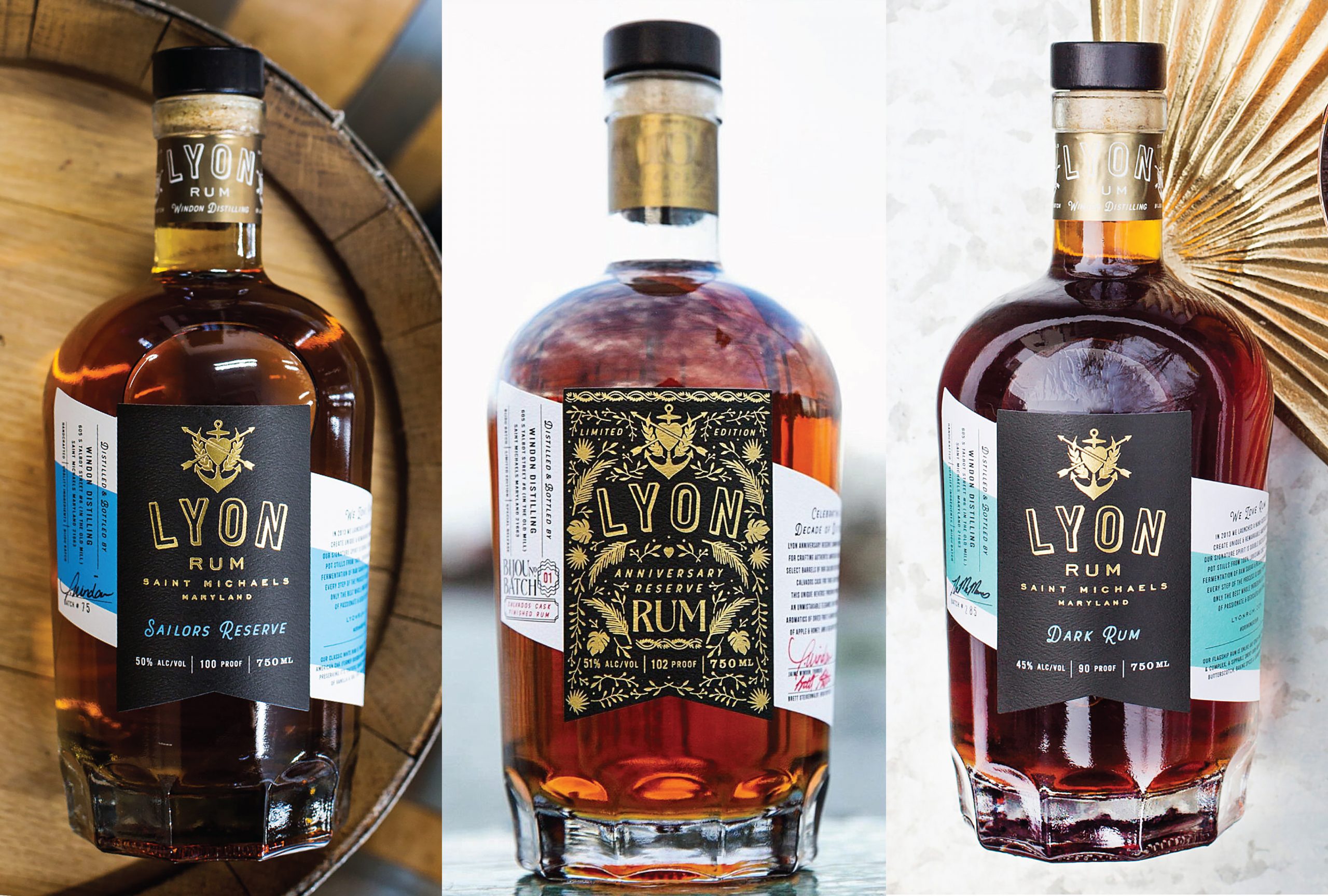
What Does Die Cut Mean?
⚞ The Highlights: Die cut is a fabrication process that uses a specialized metal tool (a “die”) to cut a custom…... Read more.
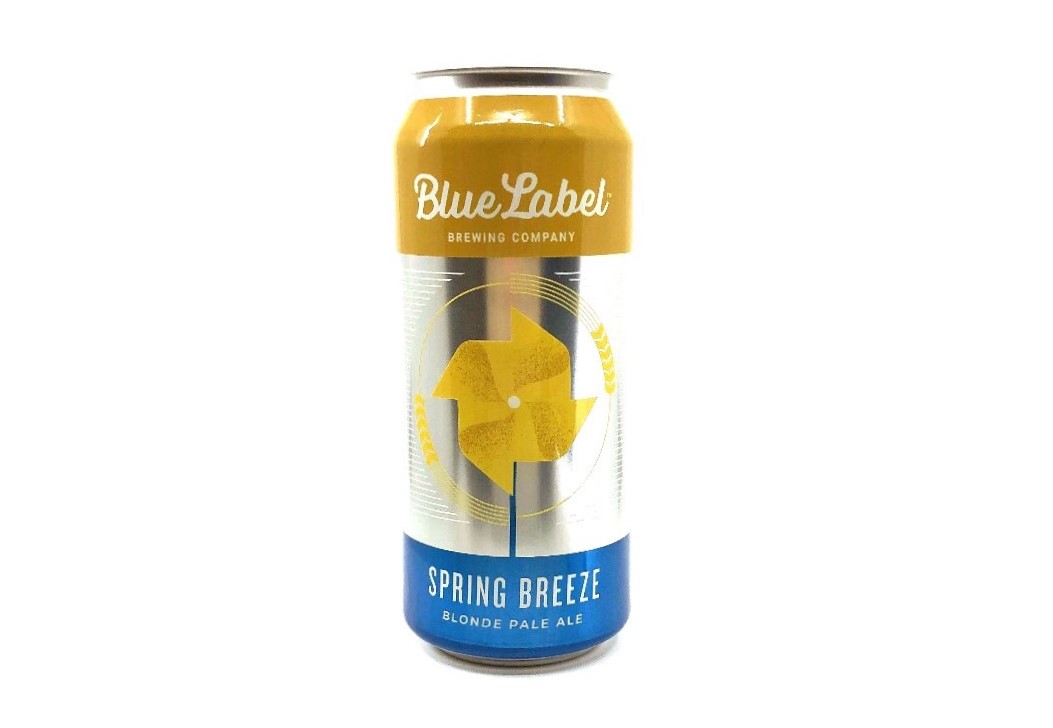
What is a Shrink Sleeve Label?
⚞ The Highlights: A shrink sleeve is a printed plastic film that slides over a container and shrinks under heat…... Read more.
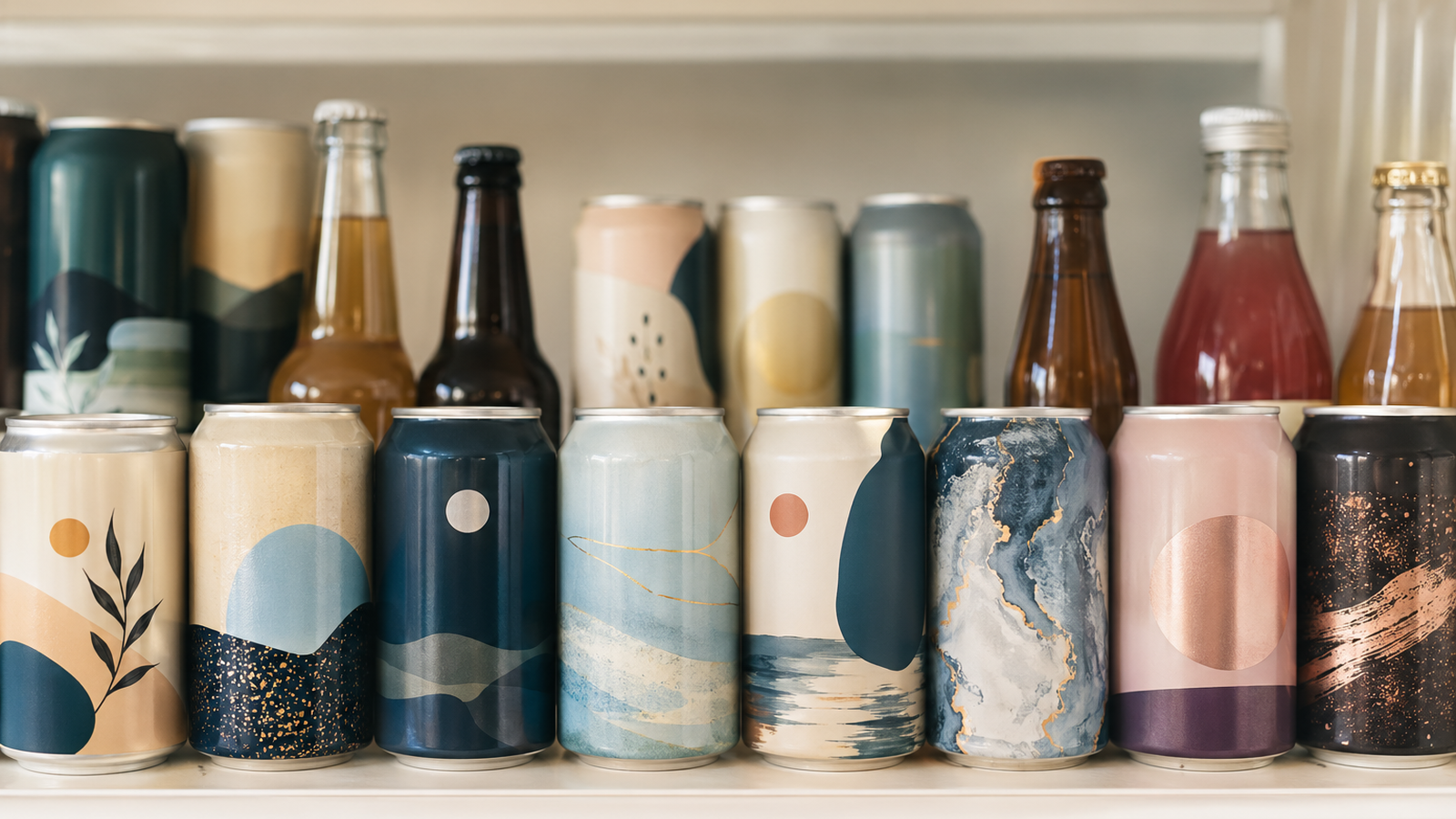
The Craft Beverage Brand’s Guide to Labels & Packaging
If you make beer, hard seltzer, canned wine, kombucha, cold brew, RTDs, or non-alcoholic drinks, you know how important packaging…... Read more.
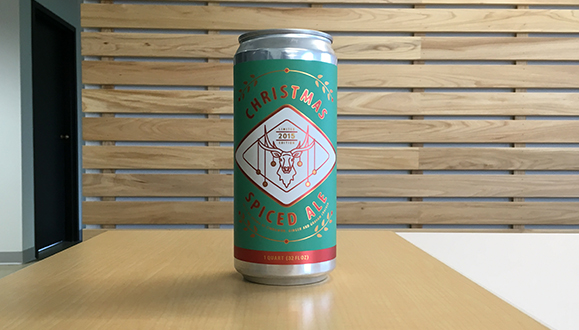
Growlers VS. Crowlers: What’s the Difference?
⚞ The Highlights: A growler is a reusable jug, typically glass or stainless steel, for transporting draft beer. A crowler…... Read more.
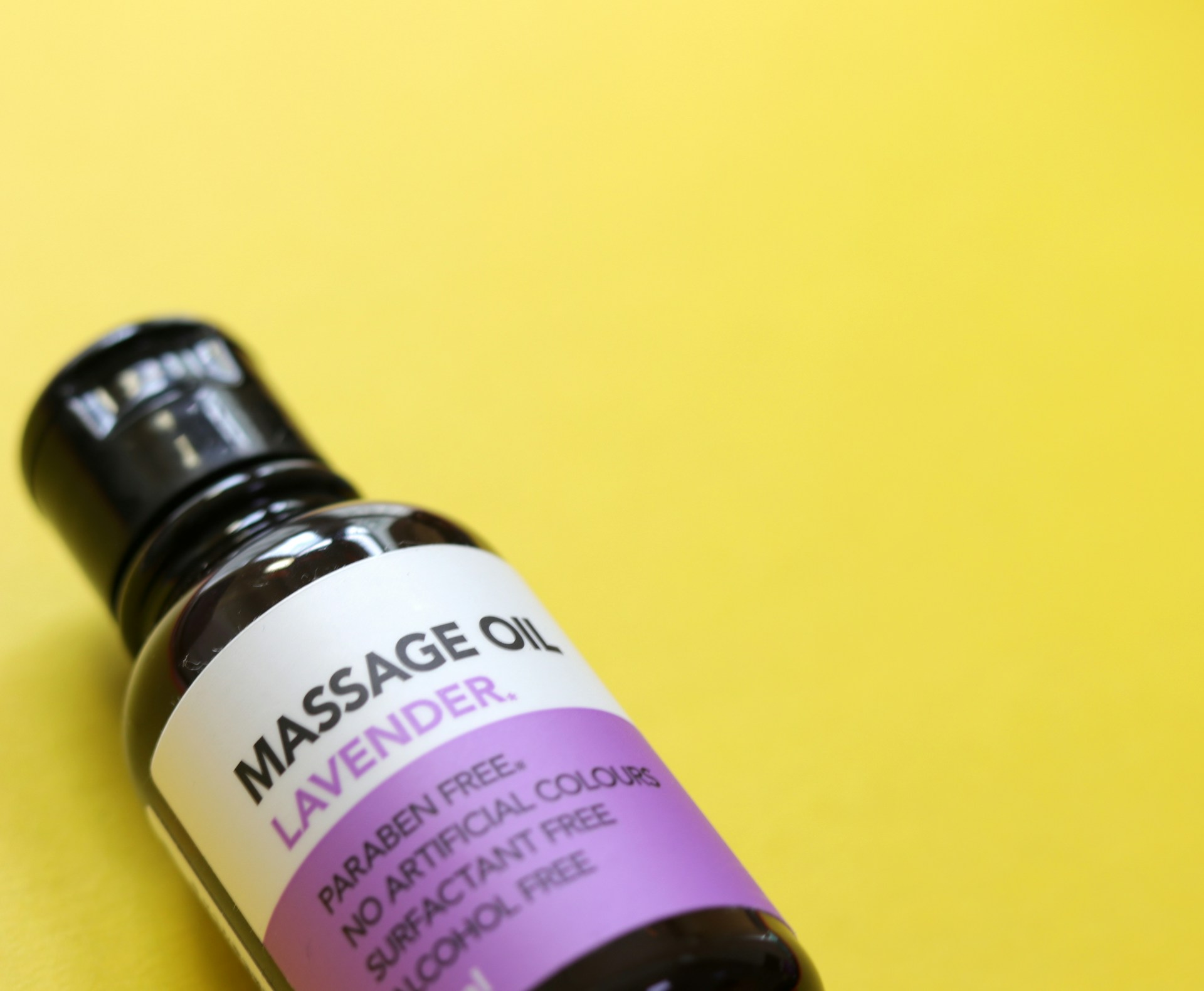
What Label Material Is Best for Oily and Greasy Environments?
Labeling anything coated in oil or grease can lead to labels that slide, peel, smudge, or just plain don’t stick.…... Read more.
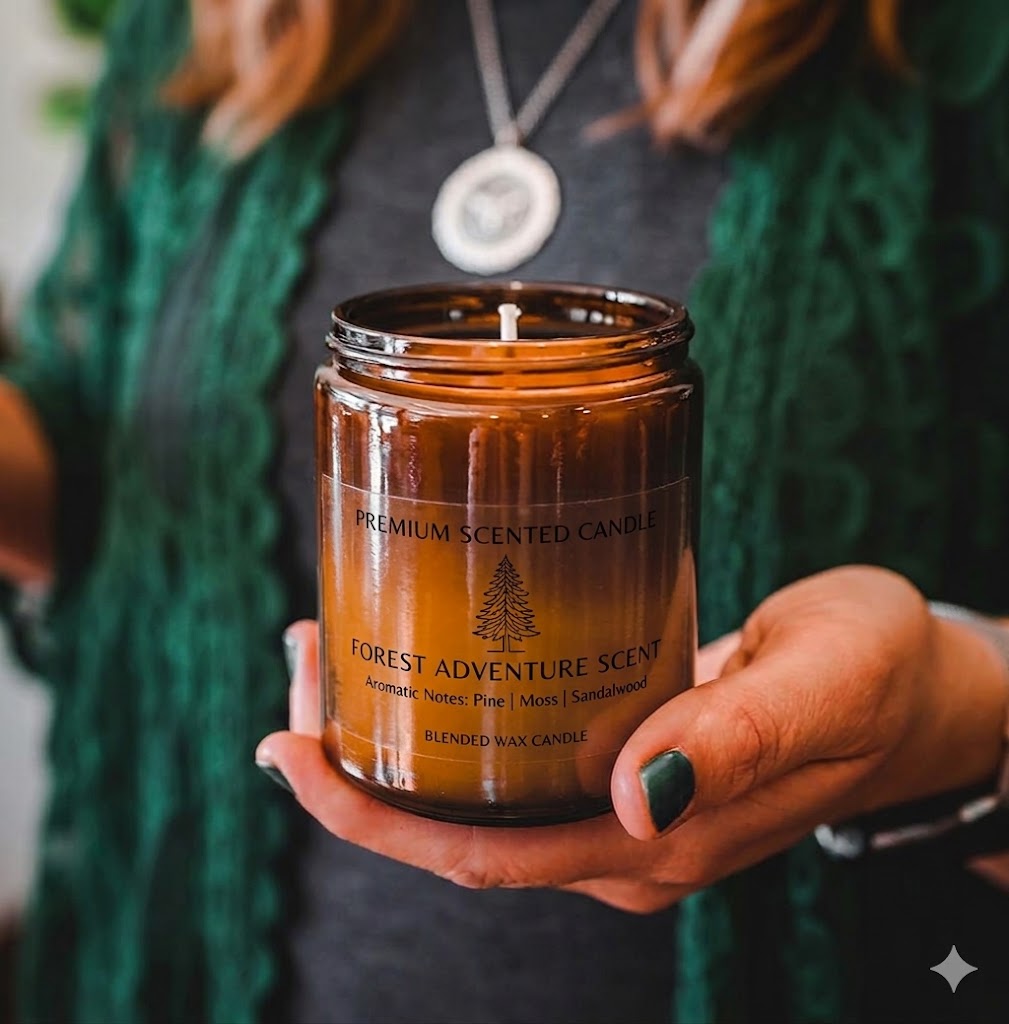
Can Clear Labels Be Used on Dark Containers?
Yes, clear labels can work on dark containers, but only if the material, adhesive, and application setup are properly matched…... Read more.