Custom Wine Labels & Wine Label Printing
Union Cellars
Lewisburg, PA
Custom Wine Bottle Labels for Wineries
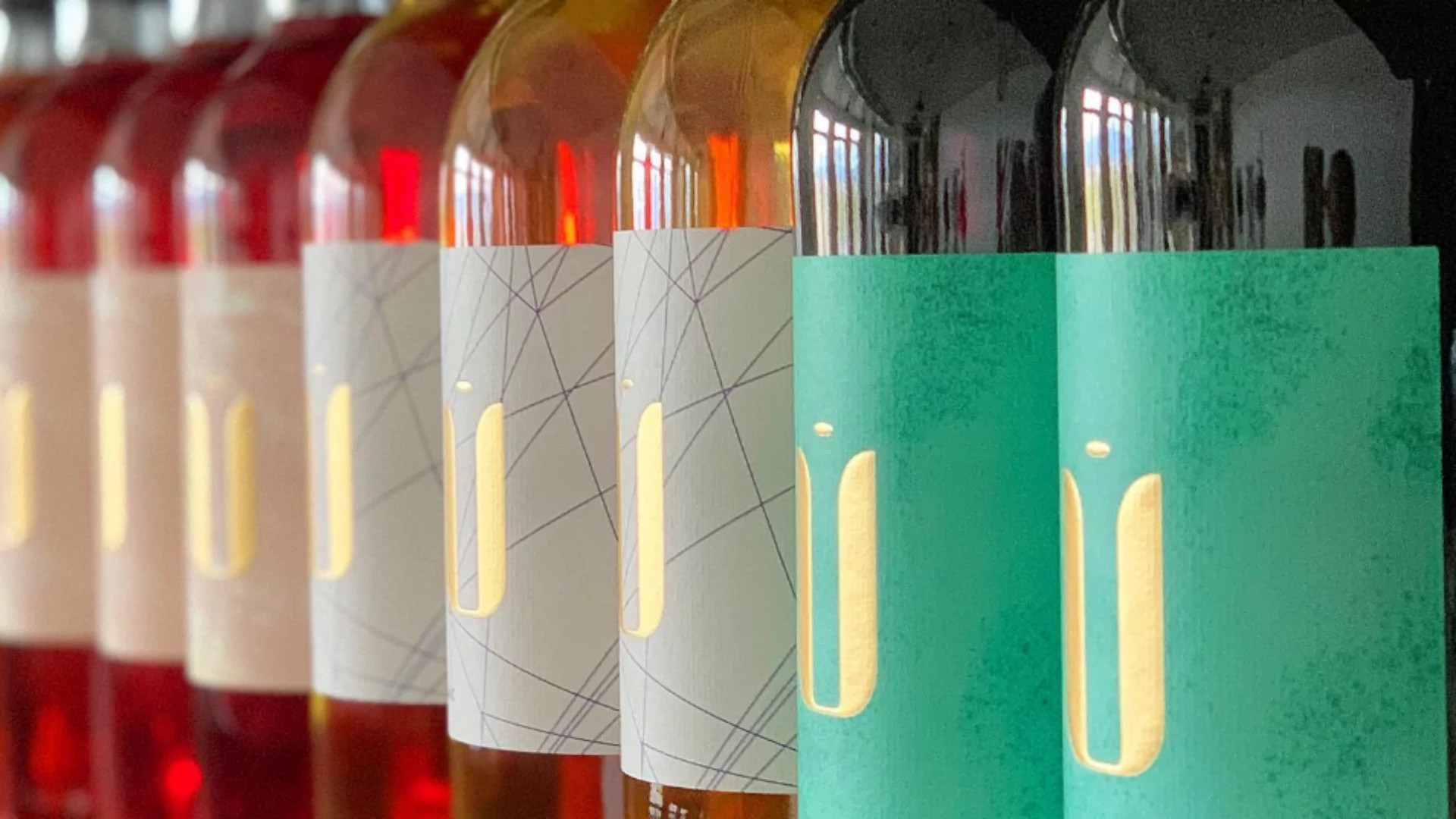
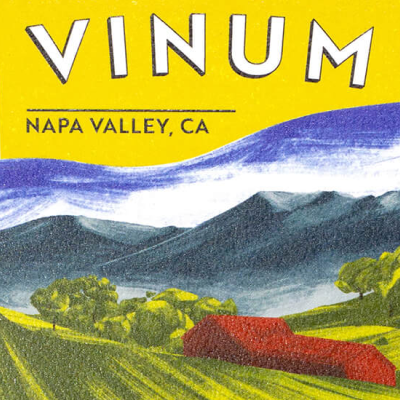
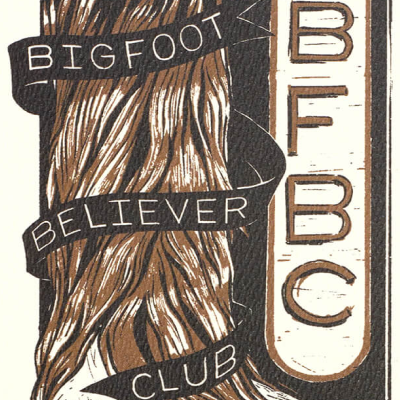
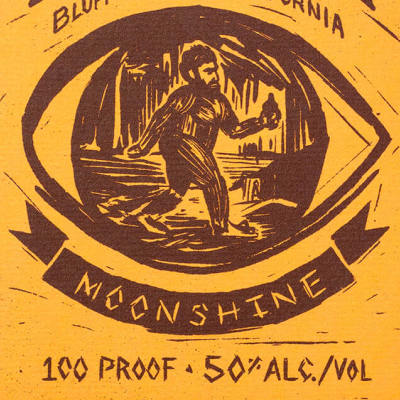
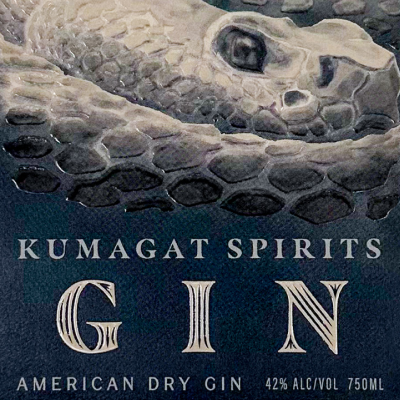
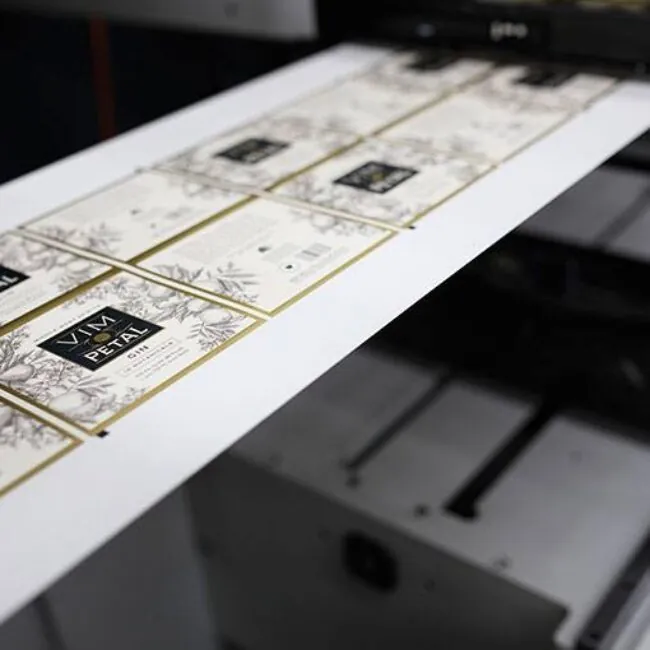
We print custom wine labels for wineries across the U.S., on bottle sizes from 187.5 ml splits through 1 L formats. Choose the textured and felt papers wine buyers expect, or water-resistant BOPP film for sparkling wine and any bottle that spends its evening in an ice bucket. Front and back labels print on the same press run, so every set matches. Your colors stay consistent from one vintage to the next.
There are no setup fees per design, so you can run 250 labels of a small-lot varietal or 10,000 across your portfolio, with no long-term contract. There’s no minimum order, and quotes come back within 24 hours. Most standard labels print within 5 business days of artwork approval, and we ship nationwide.
Custom Wine Label Options


See Our Work
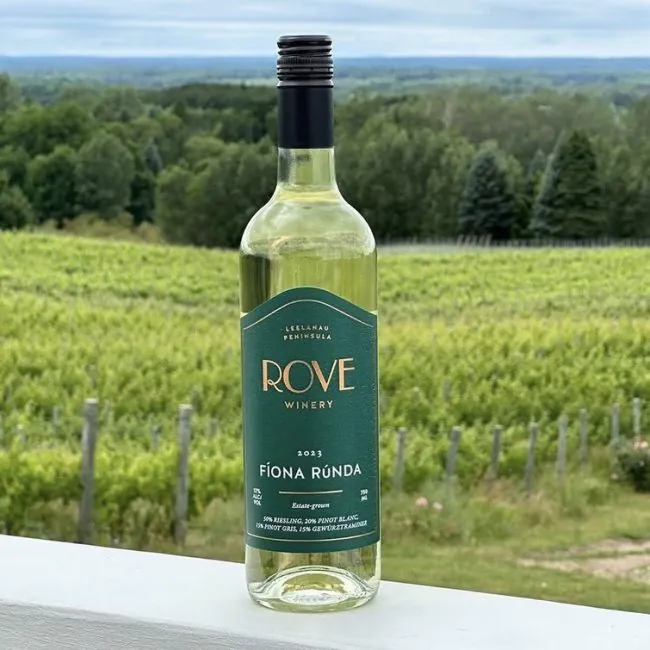
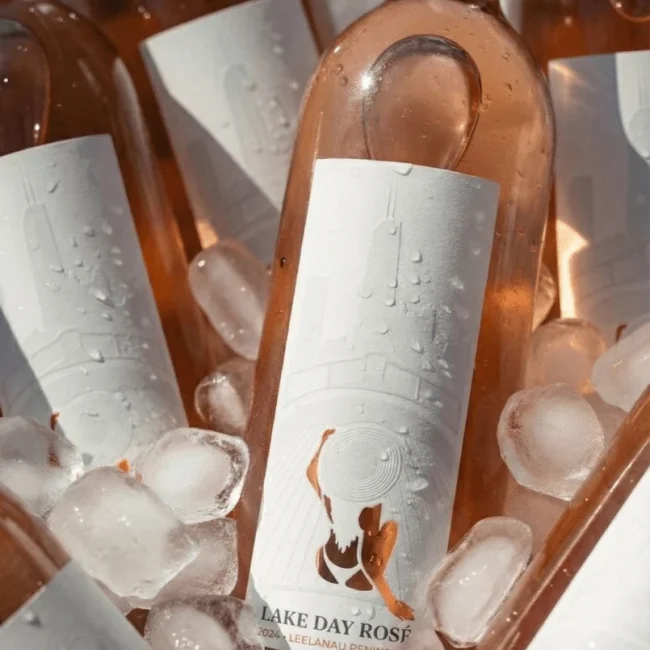
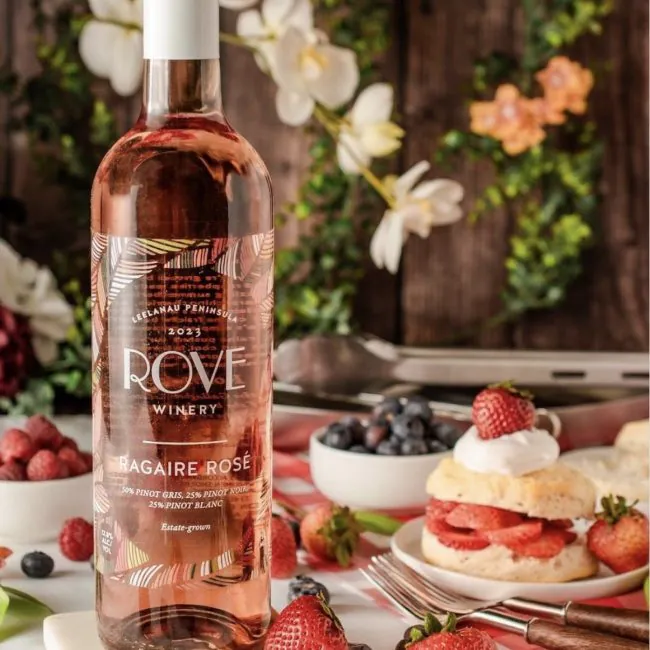
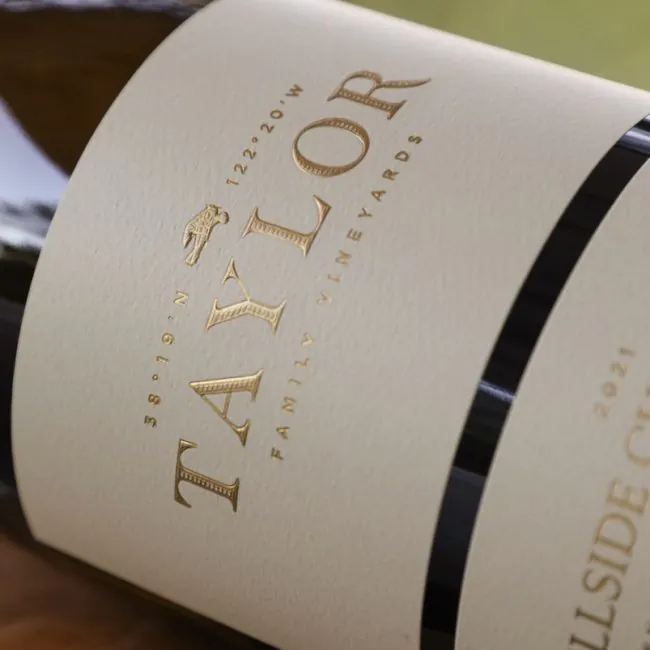
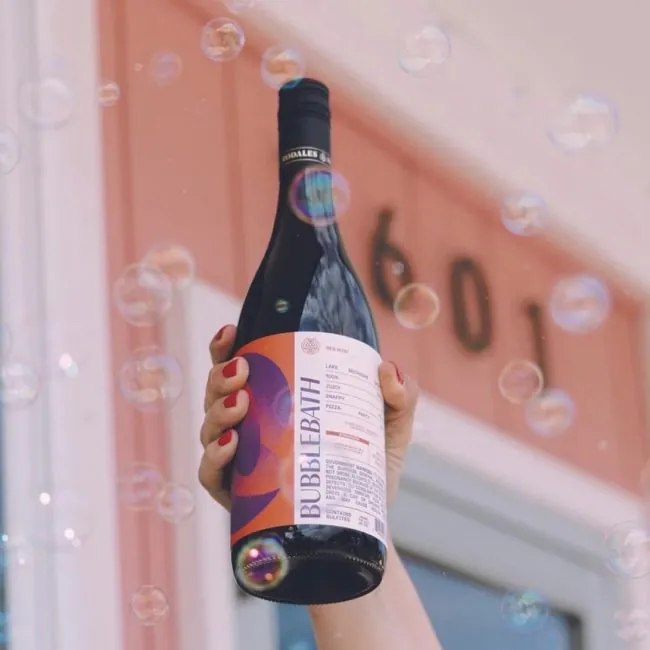
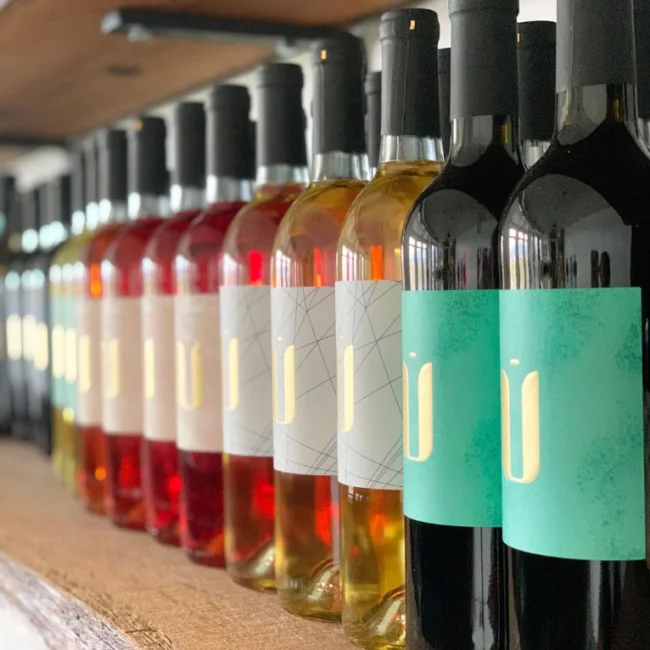
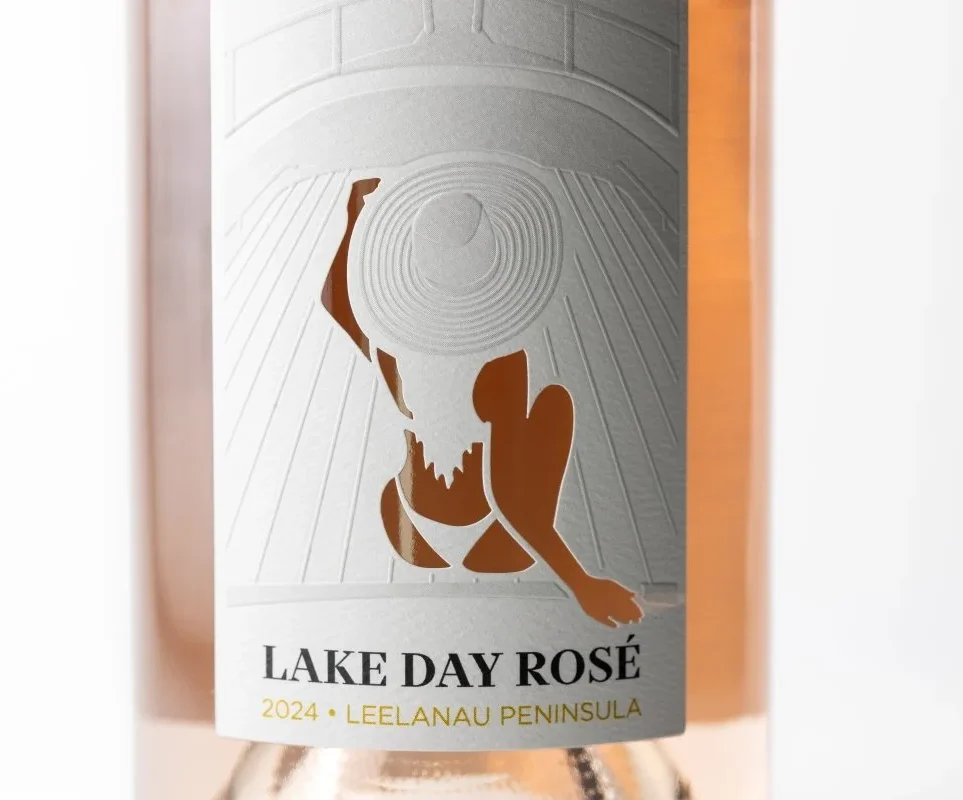
Case Study
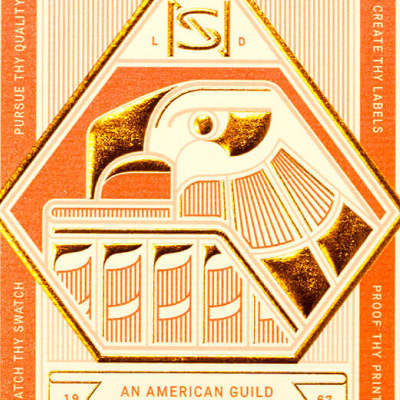
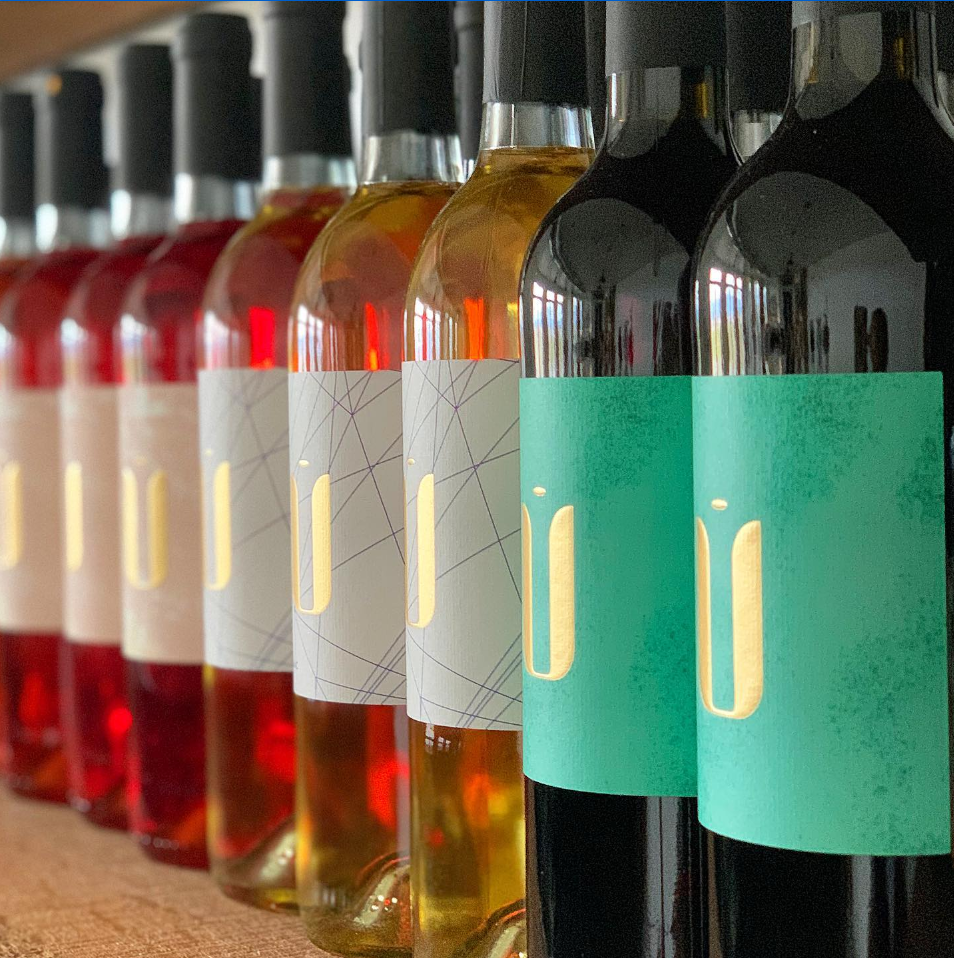
When Urban Coast Wines approached us with a highly detailed label design for a new product launch, they had already experienced setbacks after another printer’s laser die-cutting process damaged the material.
The design featured delicate internal die cuts and thin line embossing, and it needed an alternative production approach that would preserve both the design intent and the label’s functionality.
Through close collaboration with the customer and their designer, our team helped refine the artwork, select the right paper stock that gave them the texture they wanted and the sturdiness they needed, and enhanced the design with layered ink techniques to create depth and dimension.
Label Materials for Wine Bottles







Why Blue Label
Fast Production
We produce most printed labels in 5 business days or less*, so you can get bottles ready for a release date instead of waiting weeks on a label run.
Quotes in 24 Hours
You’ll have a custom quote for your wine label printing job in less than 24 hours, so you can plan your run without sitting on hold.
Label Expertise
Our label team is involved in every step, from helping you choose the right paper or film to watching your project through each stage of production.
No Minimum Order Quantities
Because we work with wineries of every size, we require no minimum order quantity. Run a single varietal or a full portfolio, and get the exact number you need.
Ordering Process


Wine Label Specifications
- Bottle sizes: 187.5ml, 375ml, 500ml, 750ml, 1L
- Material types: Kraft, Estate, Felt, Classic Linen, Classic Crest, BOPP (matte, soft touch, metallic)
- Premium finishes: Hot foil, blind emboss, screen print, matte/soft touch lamination
- Front and back label sets: supported
- Minimum order: None; we print runs as small as you need
- Turnaround: Quotes in under 24 hours. Most labels print in 5 business days or less after artwork approval.
Frequently Asked Questions
Copy
Wine labels in the U.S. are regulated by the TTB (Alcohol and Tobacco Tax and Trade Bureau), and labels generally require approval through the COLA (Certificate of Label Approval) process before they can be sold across state lines. The TTB sets the official requirements — wineries are responsible for confirming current rules with TTB or qualified legal counsel.
The mandatory elements typically include:
- Brand name and class/type designation (e.g., “Cabernet Sauvignon,” “Red Table Wine”)
- Alcohol content (ABV) with TTB tolerances based on wine type
- Net contents in metric (e.g., 750ml)
- Name and address of the bottler or importer
- Country of origin for imported wines
- Government warning statement in the exact federal wording
- Sulfite declaration (“Contains Sulfites”) when applicable
- Vintage, varietal, and appellation claims — when used, each must meet specific thresholds (e.g., 95% for vintage, 75% for varietal under federal rule; state-level rules can be stricter for AVAs)
What we do on our end: when artwork is submitted, we check that the required elements are present and match what’s been provided. We don’t offer TTB legal guidance or COLA filing services. For those, wineries work directly with TTB or with a wine compliance specialist. Resources wineries commonly use include TTB.gov, the Wine Compliance Alliance, and compliance software like FX5.
Copy
All of our wine label materials are built to hold up through cooler condensation, ice buckets, and humid cellar storage when paired with the right adhesive and finish. The most common choices for wine bottles:
- BOPP (a waterproof plastic film) — fully water-resistant, the right call for sparkling wine and any bottle that lives in ice baths or refrigerated displays
- Estate and Classic Crest papers with waterproof coating — premium paper feel with the durability to survive condensation
- Felt satin stock with protective lamination — keeps the textured, uncoated look while protecting against moisture
- Metallic BOPP films — high-gloss or matte metallic finishes that resist water and fingerprints
The right material depends on how the bottle is stored and served. A sparkling wine destined for ice buckets needs more aggressive water-resistance than a still red built for ambient retail shelves.
Copy
Premium wine labels typically use one or more of four finishing techniques. Each does something different, and they’re often combined:
- Hot foil stamping (gold, silver, copper, or custom Pantone metallics) — the most requested premium finish for reserve and library wines. Used on the brand mark, vintage year, or a single accent element. Catches light at retail.
- Blind emboss / deboss — raises or recesses an element without ink. Tactile, understated, often used for the winery logo, crest, or seal. Pairs well with foil for layered luxury.
- Soft touch lamination — a velvety matte coating across the full label. Changes how the bottle feels in hand. Useful when “understated” beats “flashy.”
- Screen-printed inks — a thicker, more opaque ink layer over digital printing. Used for white text on dark backgrounds or for spot colors that need extra opacity.
When should you consider each?
- Estate or everyday tier: matte or gloss BOPP, no specialty finish needed
- Reserve tier: add hot foil for the brand mark or vintage year
- Library or single-vineyard tier: combine blind emboss, foil, and soft touch lamination
- Sparkling wine: waterproof material is non-negotiable; foil is common but optional
Copy
We have several eco-friendly label options for wine bottles:
-
Recycled and FSC-certified papers – We offer responsibly sourced paper stocks including options with post-consumer recycled content.
-
Biodegradable and plant-based films – For a more durable but still eco-conscious option, we have films made from renewable materials.
-
Low-VOC and water-based inks – Our digital printing process uses inks that are better for the environment, without sacrificing color quality or vibrancy.
-
Biodegradable adhesives – We can pair your labels with adhesives that are water-soluble or made from biodegradable materials.
-
Minimal waste printing – Because we print digitally, there are no plates or excess inventory.
We’re happy to help you find the right combination of materials and finishes that align with your sustainability goals while still making your wine label look incredible. Let us know what you’re looking for and we’ll guide you through your options.
Copy
Front and back label sets are the standard format for most wine bottles. The front carries the brand and design. The back carries the regulatory information (varietal, ABV, government warning, vintage, producer details). We print front and back sets together on the same run, color-matched, and shipped as a coordinated pair.
A few things worth knowing when ordering:
- Design separately, order together. The two labels usually have different shapes, sizes, and finishes. Back labels are typically smaller and use a simpler finish. We can match the same paper stock across both, or vary it intentionally (textured front with a smooth back for easier regulatory text legibility, for example).
- Color consistency across both panels. Because both labels print on the same press run, color stays consistent across the pair. No risk of the back label printing warm while the front prints cool.
- No setup fee for the second design. Adding the back label doesn’t add a setup charge or a second minimum. It’s part of the same job.
Wineries running a multi-vintage release can mix and match front designs while keeping a common back template. Useful for library releases and reserve tier bottlings.
Copy
Yes. Digital printing means we can run multiple SKUs in a single production job with no setup charges per design and no separate minimum per label. A few practical scenarios:
- Varietal portfolio order. A winery with six varietals (Cab, Merlot, Chardonnay, Pinot Noir, Rosé, Sauvignon Blanc) can print all six in one job. Each one can use different artwork, different bottle sizes, even different paper stocks.
- Vintage releases. When the new vintage is ready, the updated vintage year can be added to existing label designs without re-quoting. No plate change cost.
- Library or reserve runs alongside flagship. Small library releases (200–500 labels) can run alongside flagship production (3,000+ labels) on the same job. The small run doesn’t carry a minimum penalty.
- Front-and-back coordination across SKUs. A common back-label template can run with varying front labels. Useful for series releases or any portfolio with shared regulatory text.
This is one of the bigger practical advantages of digital wine label printing; small quantities of many SKUs without paying per-design setup fees.
Copy
We offer shipping through several vendors like UPS, Fedex, and USPS. Ground, Next-Day, 2-Day, 3-Day, and custom freight options.
Copy
Our preferred file formats are Adobe Illustrator or High-Resolution PDF. You can view our complete artwork file standards checklist here.
Copy
While Blue Label Packaging does not directly offer label design services, we do have resources to help with your custom label design needs. We maintain a directory of Blue Label Approved designers who specialize in label design and understand the unique requirements and technical details involved. We also showcase a gallery of label designs for inspiration.
Copy
Our custom wine label printing services can provide stunning, precision-fit labels for all wine bottle types. 750mL bottles as well as a vast variety of specialty bottle types and sizes – including but not limited to magnums, carafes, Piccolo, Split, Demi, Half, Standard, and 1-liter bottles– giving wineries immense creative freedom regardless of bottle shape.
Copy
Our printers are capable of matching up to 97% of the full color spectrum, allowing us to achieve precise color reproduction for your wine labels. We use advanced CMYK printing to produce an extensive gamut of millions of colors. For designs requiring an expanded range, we also print using WOVG ink sets which add white, orange, violet and green.
Our top-of-the-line color management program and processes ensure we hit the correct hues, tints and shades. We color calibrate and profile all of our presses so your unique color palettes and gradations print true to your vision.
Learning Library
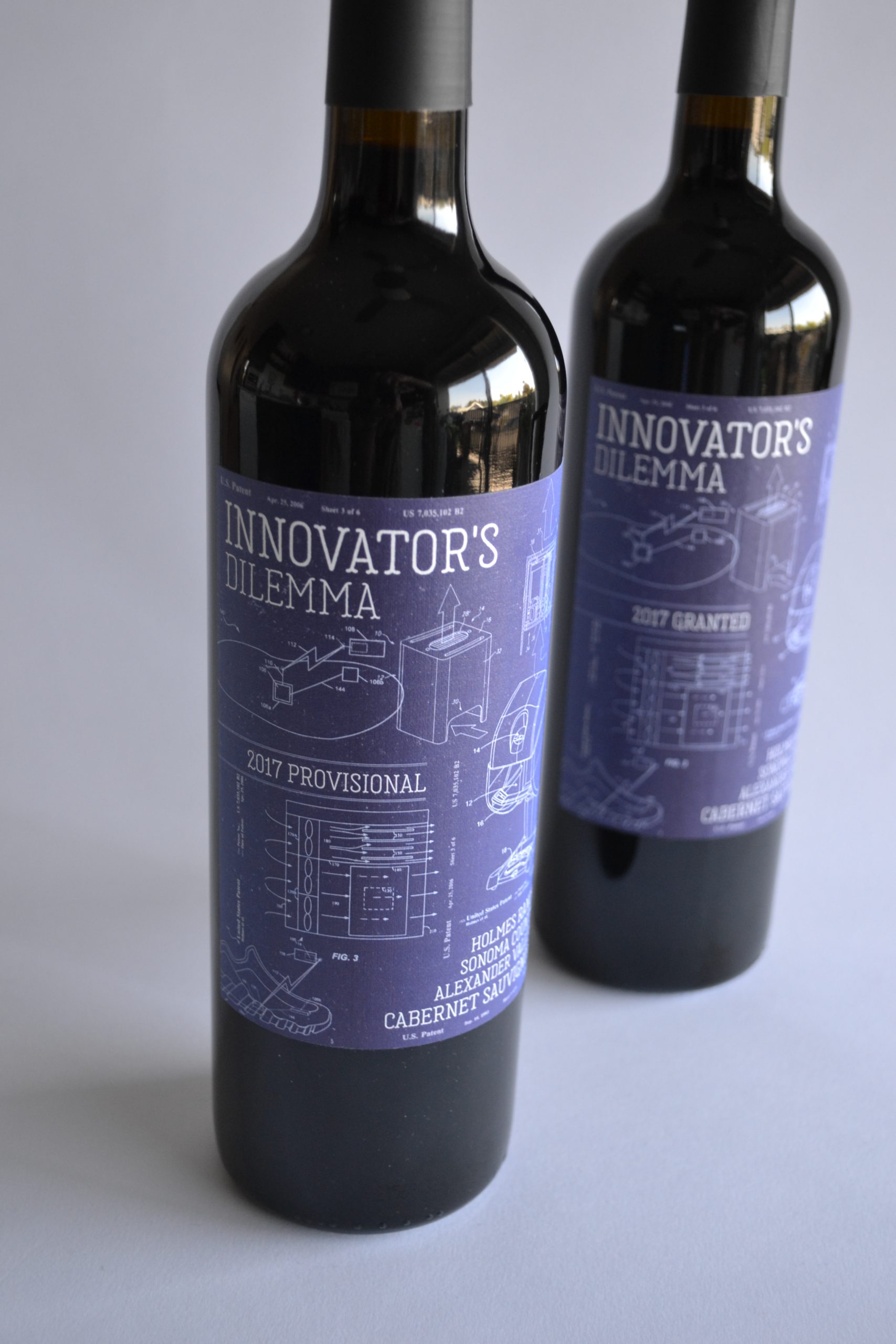
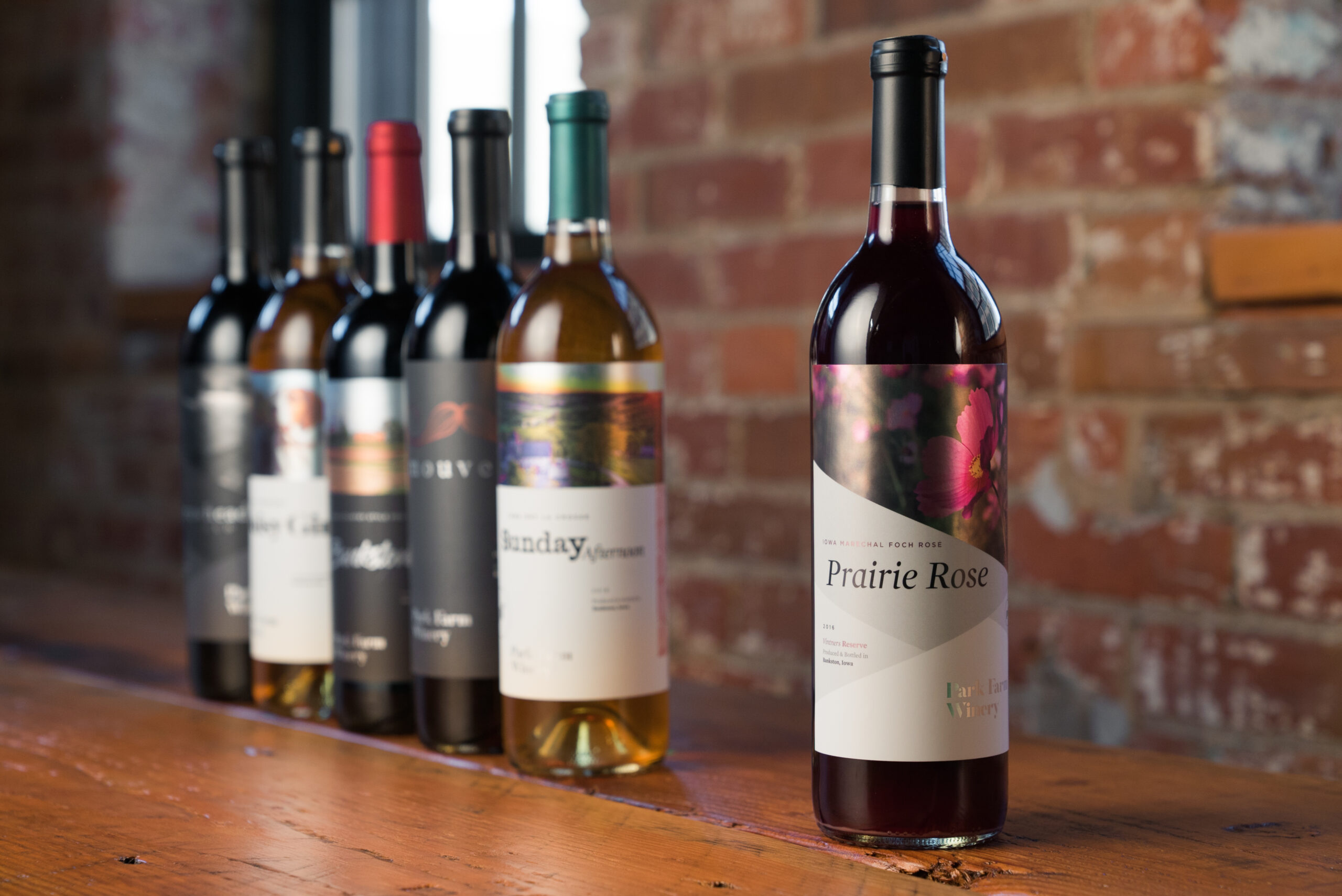
Learn more about materials, design, storytelling, packaging, and compliance considerations for wine bottles.
Featured Products
Our broad range of label material types, printing capabilities, and finish offerings allows us to print the perfect custom product label to match your needs. Combine that with industry best customer service, and you get a long-term partner for your custom label printing.
*standard labels are printed within 5 days after artwork approval