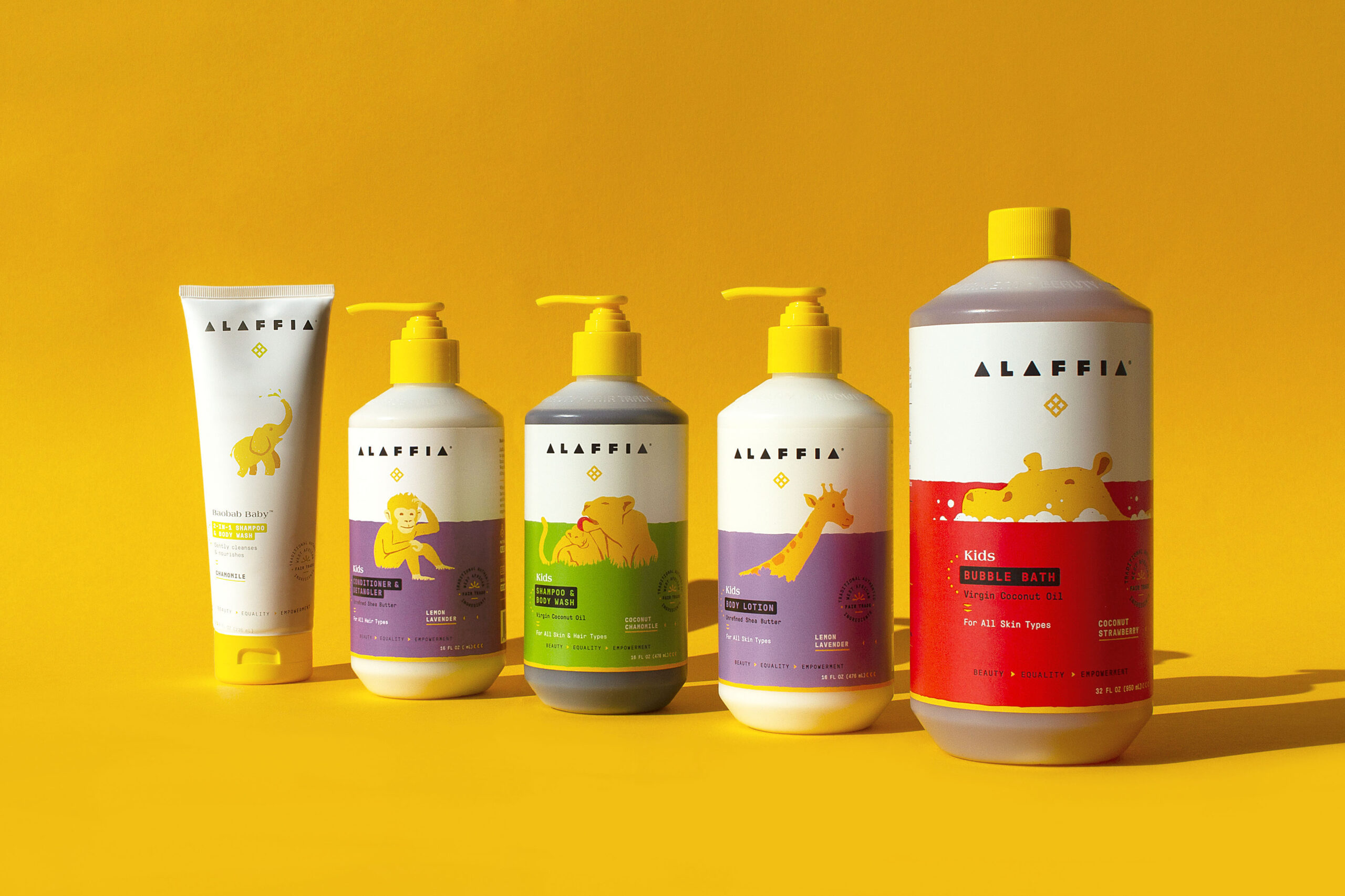
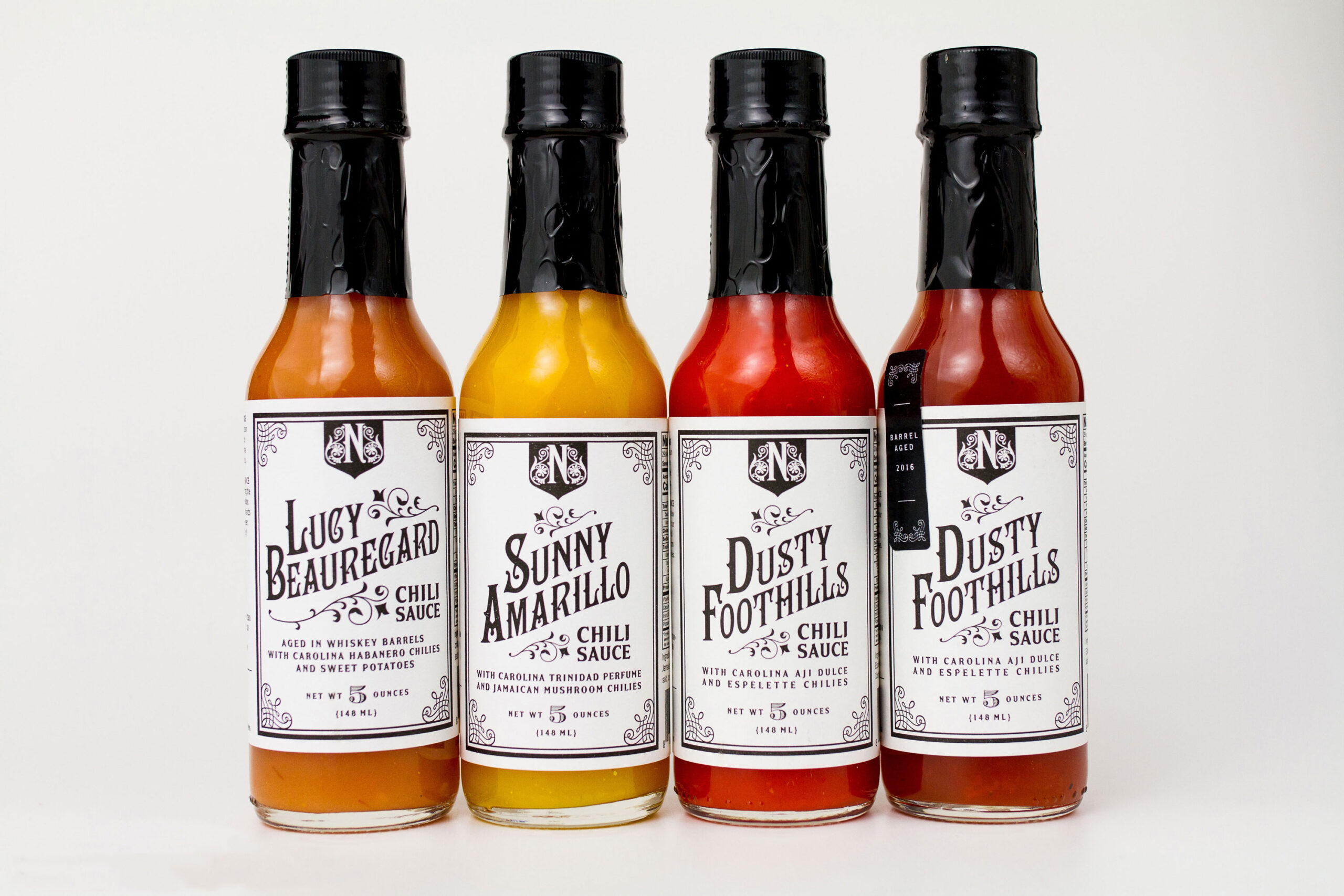
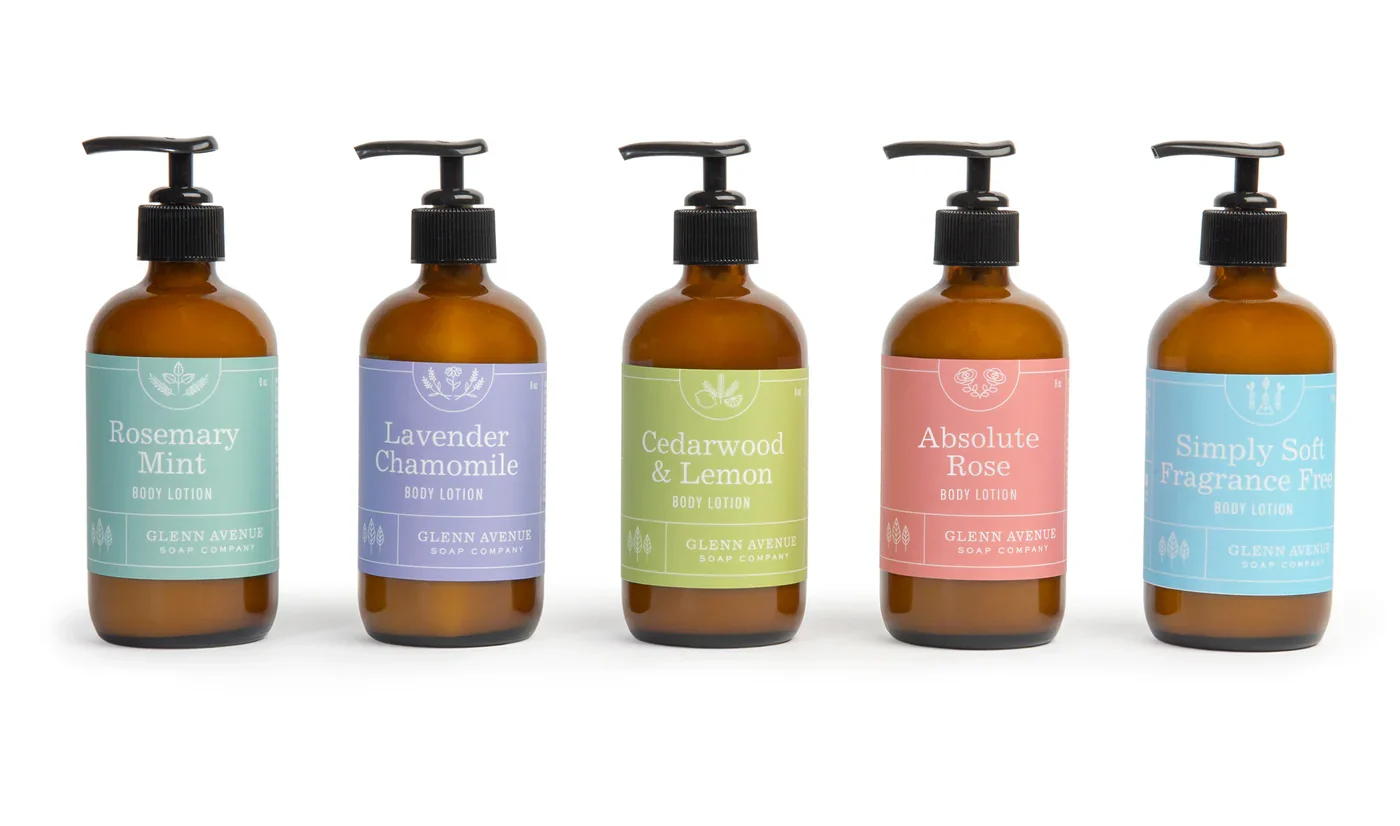
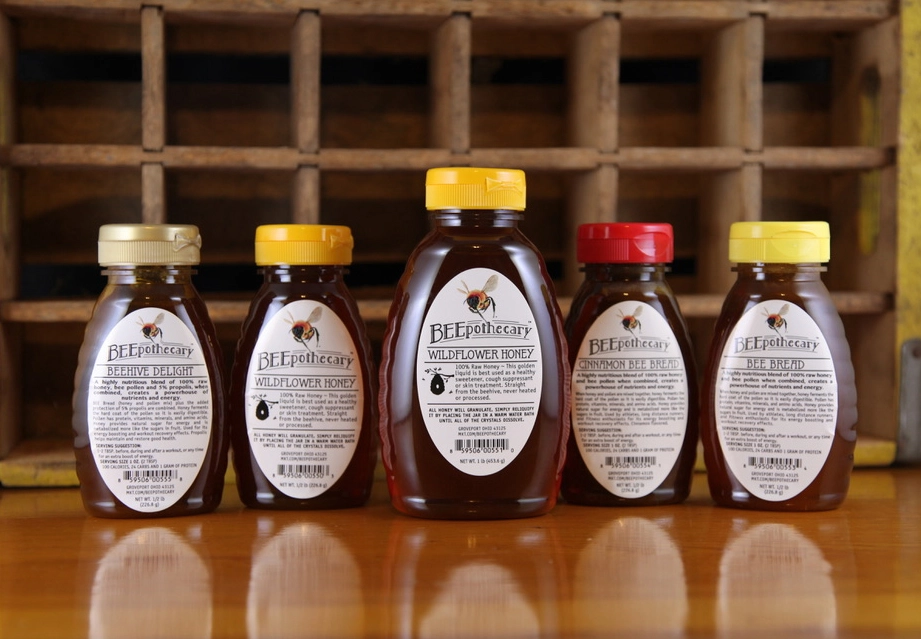
How to Stop Labels from Peeling on Curved Surfaces

Nothing kills a good-looking product faster than a label that won’t stick. But don’t worry, with the right know-how (and a few smart material choices), keeping your labels smooth on a curved container, whether that’s a beer can, lip balm tube, or lotion bottle, is easier than you think.

Choose the Right Materials That Bend, Not Break

Labels on curves need to flex. Here’s what we recommend:

  • Shrink sleeves are often the best option for curved surfaces. Because the material is heat-shrunk to fit the container, it conforms to the container’s shape and provides full-coverage decoration.
  • MDO films are a type of film designed to stretch in multiple  directions, which helps them wrap smoothly around cylindrical and slightly tapered containers.
  • Flexible films like BOPP, or vinyl can work well, but be mindful of the curve. They’re reliable on gentle slopes and cylinders but can struggle on sharp tapers or irregular shapes where tension can cause lifting.

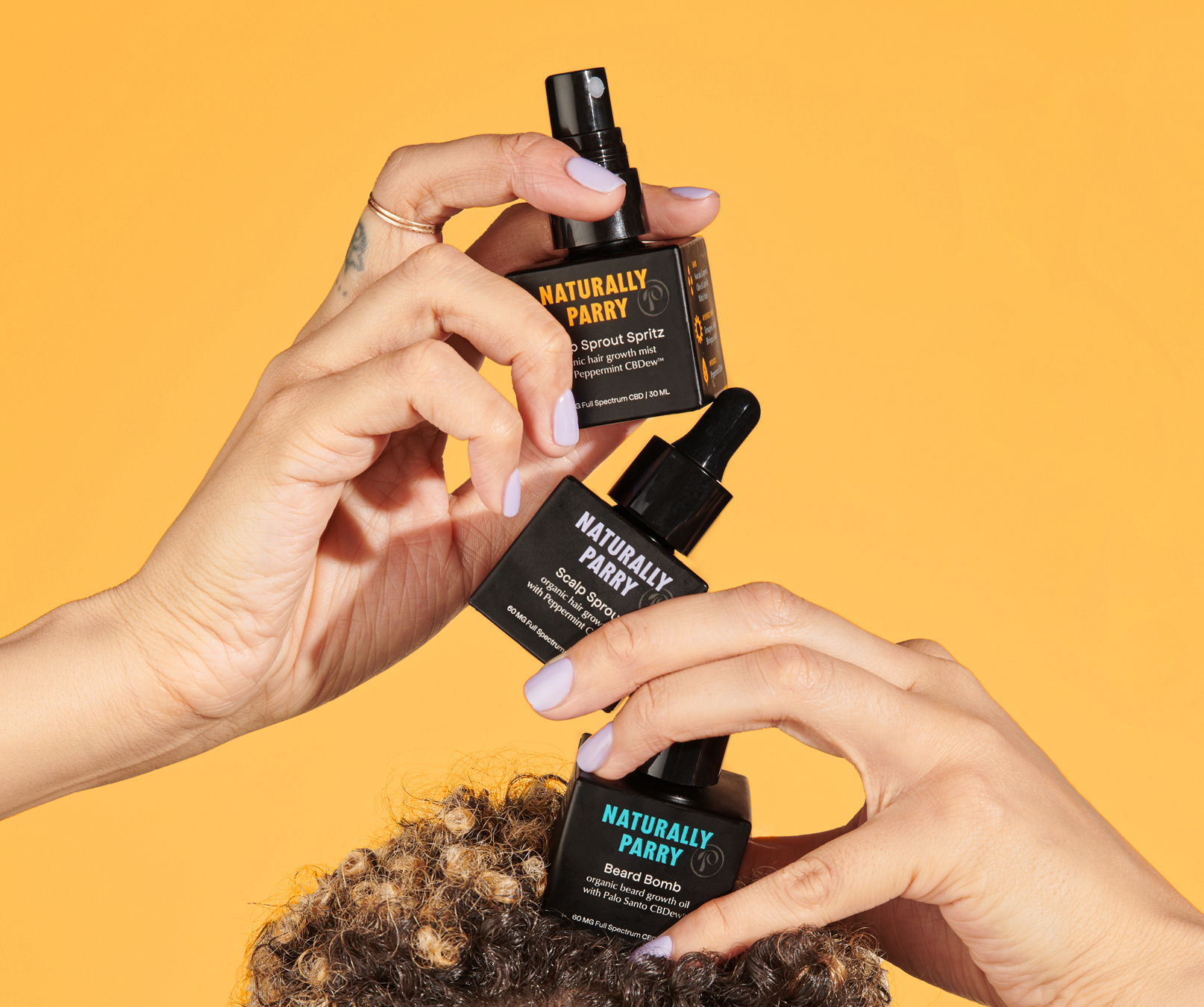
Lip balm tube labels

Match Adhesives to the Curve and Conditions

The label material matters, but it won’t do the job alone. If the adhesive isn’t right, your label’s going to lift.

  • Tight-mandrel adhesives, which are formulated specifically for narrow-diameter containers like lip balm tubes or small bottles, offer strong initial tack and the flexibility to hold under constant tension.
  • High-tack, flexible adhesives are better suited for curved or contoured areas. They provide immediate bonding strength, which helps prevent labels from lifting during or after application.
  • For slick or slippery surfaces like HDPE lotion bottles or yogurt tubs, use adhesives made for plastics that are notoriously hard for labels to stick to. These adhesives are engineered to grab hold of materials that most standard adhesives simply slide off of.
  • For labels applied to cold, wet, or moist surfaces, ask for adhesives that stick even if your container is damp or chilled.

Surface Prep: Clean, Dry, and Controlled

Once you have the right material and adhesive, preparing the container’s surface is the next important step:

  • Make sure there is no dust, oil, or condensation that could interfere with bonding.
  • Make sure containers are completely dry before label application.
  • Apply labels in a stable, controlled environment whenever possible. For best adhesion, room temperature conditions with moderate humidity are ideal. Try to avoid labeling in refrigerated warehouses or hot, humid loading docks where adhesion can fail quickly.

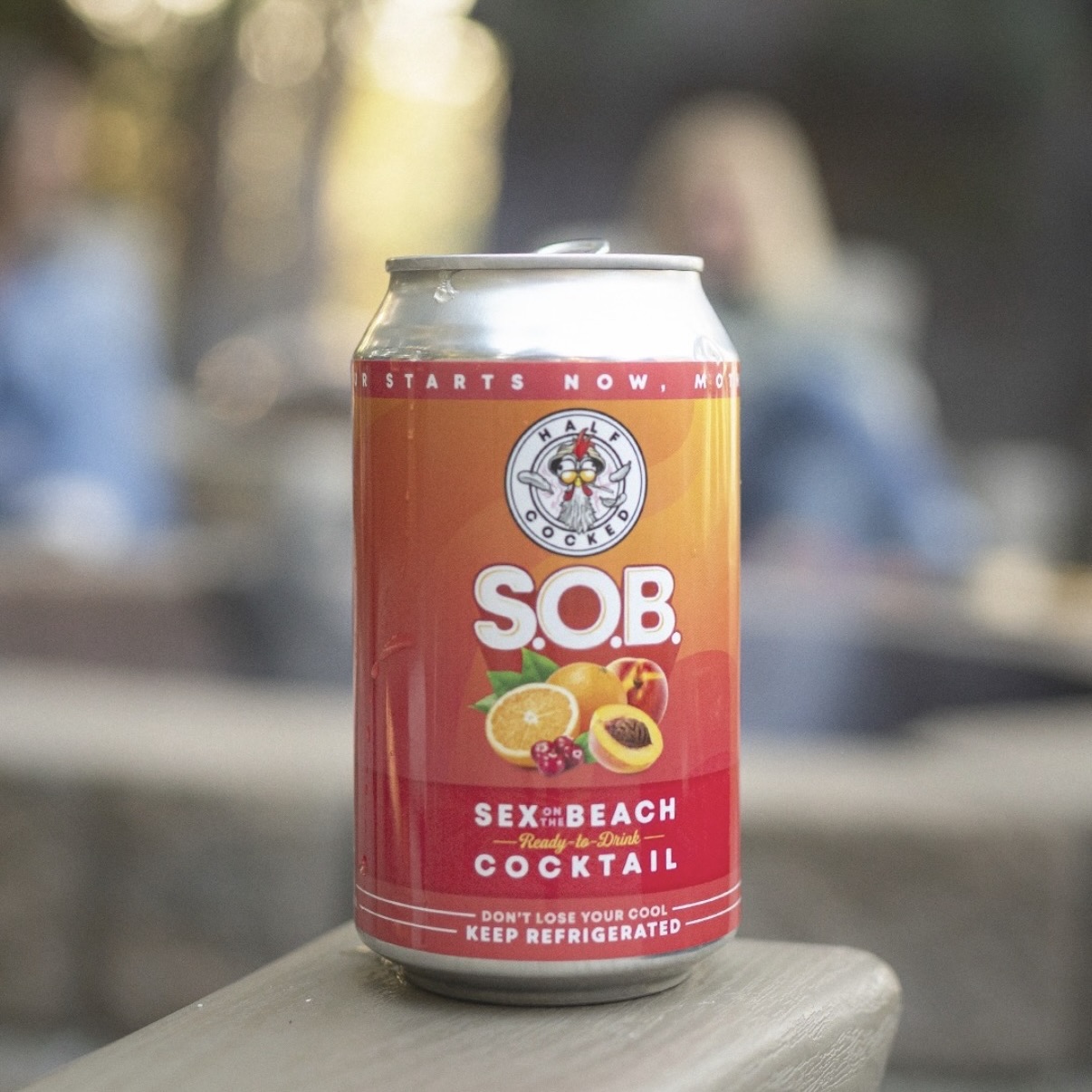
RTD Custom Can Label

Label Design and Application: Make It Fit and Stick

You’re here because you want your labels to stick, but don’t forget that with curves in your container come some label design considerations as well. Good design helps your label stay where it belongs:

If you’re using shrink sleeves, design your artwork with pre-shrink distortion in mind. Think of it like sketching on a balloon before you blow it up. Your artwork needs to land in the right spot after shrinking. Always place seams and folds away from key visual elements.

You’ll also want to consider some label decisions outside of the design itself:

  • Round label corners to reduce flagging and edge lift. Sharp corners tend to catch and peel over time.
  • Use tapered labels when your container narrows or flares. These follow the container’s shape and reduce tension that would otherwise lead to lifting.
  • Use rollers or automated application equipment for consistent pressure and alignment. Manual application can leave air pockets, uneven tension, or weak edges.

Don’t worry, we put together a guide on designing for tapered labels.

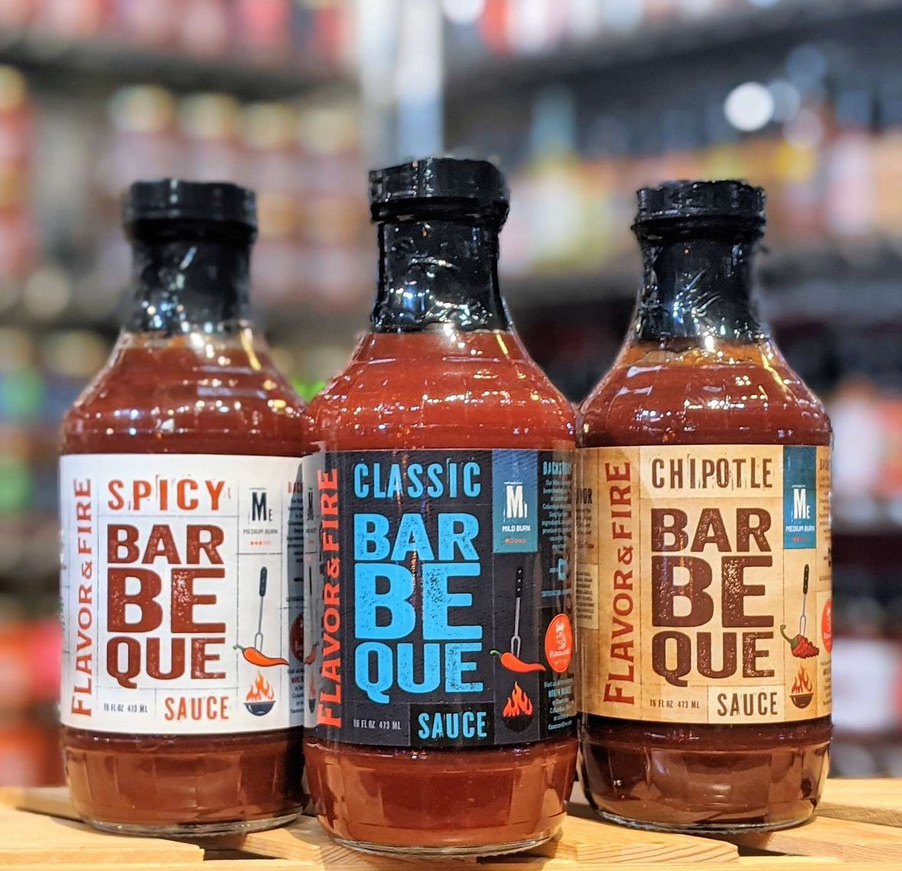
custom labels in short sauce bottles container

Protect for Wear: Laminates and Varnishes

Labels on curved containers often face friction from handling, transportation, and storage.

  • Laminates act like a clear protective shell. They help your label survive scratches, spills, and all the handling that comes with retail shelves or shipping. Choose laminates if your product is heavily handled, like beverage cans or personal care items. Options include gloss, matte, soft-touch, and textured finishes.
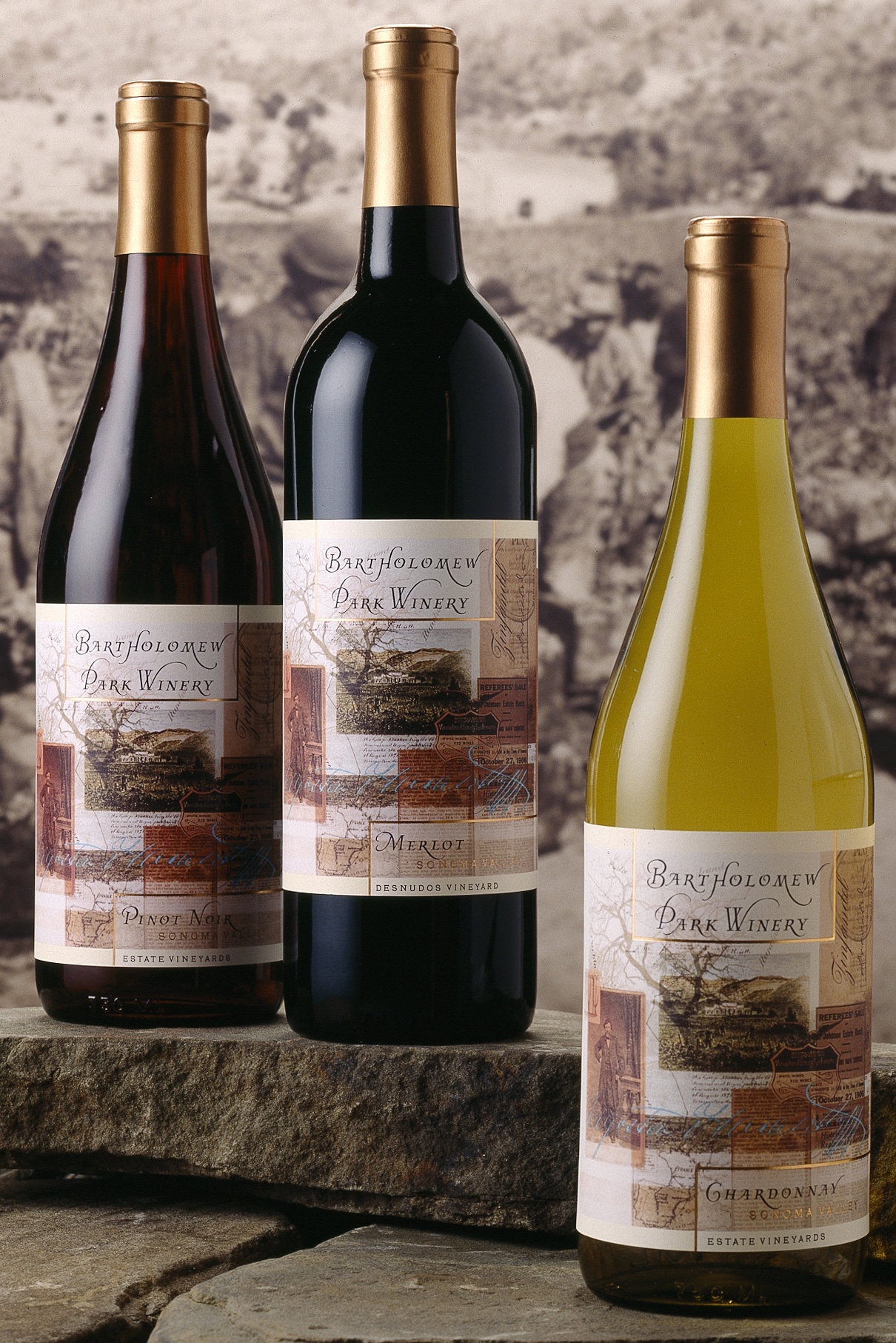
  • Varnishes are cured coatings that protect the printed surface while adding visual effects. They’re a more subtle option. Choose varnish if you want a sleeker look on wine bottles or gourmet foods where customers won’t handle the container as often.

Keep Your Labels from Peeling on Curved Surfaces

The right label won’t just stick, it’ll stay stuck. Choosing flexible materials, matching adhesives to your container and environment, and prepping properly makes all the difference. Not sure which label material makes sense for your bottles or tubes? Contact us and we’ll walk you through it.

Printed Cans: How to Compare with Shrink Sleeves and Labels

Most beverage brands comparing printed cans are trying to answer practical questions about cost, risk, flexibility, performance, and long-term fit.

We put together this guide to help you compare printed cans directly against the most common alternatives: pressure-sensitive labels, shrink sleeves, and traditional offset printed cans.

Why Printed Cans Are Showing Up More Often

Printed cans have been around for a long time, but they’ve become far more accessible in recent years. Historically, printed cans were limited to very large runs with long lead times.

Digital printing has changed that. Modern direct-to-object digital printing can now achieve high production speeds while supporting smaller runs, faster turnaround, and easier SKU variation. That makes printed cans a realistic option for more and more beverage brands.

We also see beverage brands reevaluating printed cans because of broader industry shifts: more SKUs, shorter product lifecycles, sustainability pressure, and the operational burden of managing multiple packaging components.

Questions Teams Ask Before Switching to Printed Cans

Before making a change, beverage brands typically want to know a few things:

  • How printed cans would change operations, planning, and scheduling
  • What flexibility they gain or give up around design and SKUs
  • How inventory considerations shift compared to labels or sleeves
  • How printed cans perform in real beverage environments

Printed cans vs. pressure sensitive labels

Printed Cans vs. Pressure-Sensitive Labels

Pressure-sensitive labels are popular because they’re cost-effective, widely accepted by consumers, and flexible across many products. Printed cans become intriguing by comparison when brands want a more integrated feel, fewer materials, and less operational complexity.

Aesthetics

  • Printed cans offer a seamless, label-free look with no edges, seams, or application variation. The graphics feel like part of the can.
  • Pressure-sensitive labels can achieve very high print quality and specialty finishes, but the label remains a separate element applied to the can.

Printed cans often win on visual consistency (no seams, full coverage) and that label-less look, while pressure-sensitive labels can be a good option when considering certain specialty finishes or ultra-fine details.

Application

  • Printed cans arrive decorated and ready to fill, no post-fill labeling step.
  • Pressure-sensitive labels require labeling equipment, changeovers, and ongoing calibration.

Printed cans simplify the filling process, while pressure-sensitive labels give brands more flexibility later in production.

Cost

  • Printed cans typically have a higher per-can printing cost, but that cost replaces the label itself, adhesives, liners, and application. The print-on-demand capability also reduces storage and inventory costs, as production can be dynamically adjusted to meet exact demand without producing too much.
  • Pressure-sensitive labels usually have lower per-unit printing costs and feel safer for short runs, but add recurring material and application costs. For small to mid-size runs. Labels also simply take up less storage space than pallets of printed cans.

Performance

  • Printed cans hold up well in wet, cold, and refrigerated environments because there’s no adhesive or label edge exposed to moisture.
  • Pressure-sensitive labels can perform well when planned correctly, but keep in mind that results will depend on adhesive choice and application conditions (don’t worry, we can help you make the right picks). Modern pressure-sensitive labels can use wash-off adhesives and recyclable films that maintain performance while supporting sustainability goals.

Printed cans vs. shrink sleeves

Printed Cans vs. Shrink Sleeves

Shrink sleeves have been widely used because they offer full-can coverage, high image resolution, and compatibility across many can sizes and processing conditions. Printed cans appeal by comparison because they eliminate a secondary packaging layer and simplify the overall system.

Aesthetics

  • Printed cans deliver that clean, integrated look with optional metallic effects and built-up ink directly on the can.
  • Shrink sleeves also give you that full 360-degree coverage with very high image resolution and photographic detail.

Shrink sleeves often win on photorealism and high-resolution detail. Printed cans tend to support simpler, bolder, or more minimal looks (don’t worry, we can help you pick which one works if detail and resolution is a factor).

Application

  • Printed cans remove the need for sleeve applicators, heat tunnels, and distortion mapping.
  • Shrink sleeves require specialized equipment and careful setup to avoid common issues like seam distortion, wrinkling, or other problems that can increase production scrap.

Cost

  • Printed cans consolidate printing and decoration into the can itself.
  • Shrink sleeve costs lie in the materials (sleeve film and inks), specialized equipment (heat tunnels), changeovers, and potential waste.

Performance

  • Printed cans perform reliably in refrigerated and wet environments.
  • Shrink sleeves need to be kept in cooler temperature prior to application and in transit or shrink on the roll. 

Though many material reclamation facilities (MRFs) accept cans with shrink sleeves, some regions may not recycle shrink sleeved cans or many add a surcharge if sleeves aren’t removed.

Printed Cans vs. Traditional Offset Printed Cans

Traditional offset printed cans have long been the standard for large beverage brands because they deliver high print quality and low per-can costs at scale. That efficiency depends on long print runs, designs that don’t change, and plate-based schedules that can slow production down when plans change.

Digitally printed cans are often considered when brands want to move faster, support more SKUs, or adapt designs without waiting on plate-based timelines.

Aesthetics

  • Printed cans make it easier to support seasonal designs, multiple SKUs, variety packs, or frequent artwork updates. Digital cans are printed with four-color inks (CMYK), so they can achieve a full range of colors. 
  • Offset printed cans deliver excellent consistency, but even small changes require new plates and setup. For the most part, offset printed cans are limited to six spot colors.

Application

  • Printed cans typically offer shorter and more predictable lead times, especially for small to mid-sized runs. Printed cans can be produced in as quick as 10 days from artwork approval.
  • Offset printed cans require longer lead times due to plate creation, press setup, and scheduling windows. Offset printed cans often take weeks to months to produce from artwork approval, so proper planning is necessary.

Cost

  • Printed cans have higher per-unit costs at very large volumes, but reduce risk when demand or artwork changes. The ability to produce on-demand helps avoid the inventory holding costs and waste associated with overproduction.
  • Offset printed cans deliver the lowest per-unit cost at scale, but are most efficient when volumes and designs remain stable. Large minimum order quantities (often 150,000 cans or more) make this method less suitable for smaller brands or seasonal products.

Performance

  • Printed cans and offset printed cans are generally comparable in durability and performance across common beverage environments.

Are Printed Cans the Right Choice for Your Beverage Brand?

Luckily, your brand doesn’t have to switch to printed cans all at once. You can start with a test run, compare real costs and timelines against your current process, and see how the cans perform with your product and your customers.

If you’re trying to decide whether printed cans fit your operation, we can help you run the numbers on your specific volumes, SKU count, and production setup.

Can Clear Labels Be Used on Glass Bottles?

Clear labels can absolutely work on glass bottles as long as you’ve got the right materials and process in place. Not all combinations work the same, and issues usually come from skipping key steps (don’t worry, we’ll walk through them below).

Here’s what it takes to get a clean “no-label look” that performs beautifully and consistently on glass packaging. We’ll cover the materials, design choices, and real-world considerations that make clear labels work on glass bottles.

Clear Label

Making Clear Labels Stick (and Stay)

Match Material and Adhesive to Your Bottle

Glass is rigid and smooth. Film materials like BOPP, PET, or vinyl,hold up better when your bottles face moisture, scuffing, or changes in temperature. We often suggest BOPP or PET films paired with protective lamination for durability and polish.

Equally important is the adhesive. For glass, you’ll want a clear permanent adhesive that can handle temperature shifts and moisture without fogging or lifting around the edges. For recyclable bottles, a wash-off adhesive helps labels cleanly separate during recycling.

Consider Shape, Finish, and Surface Texture

The shape and surface of your glass container play a big role in how your label will look and perform. Here are a few things to consider:

  • Shape: Curved or tapered bottles can make it harder for labels to lay flat or align correctly. Choosing a flexible film, like MDO, helps labels conform smoothly to those curves.
  • Surface texture: Uneven or textured glass can cause tiny bubbles or wrinkles during application. A smooth, consistent surface gives the adhesive the best chance to bond cleanly.
  • Glass Finish: High-gloss glass surfaces can make small label imperfections, like bubbles or wrinkles, more noticeable because of how light reflects off the surface. Frosted or matte glass containers, on the other hand, help mask these minor flaws and create a softer, more forgiving appearance. The surface finish of your container can influence how visible label edges appear.

Clear Label on Glass Bottle

Designing Labels for Transparency

Creating a clear label design takes some planning, especially when you want your product to maintain its legibility. Here’s what to think about when designing for transparency:

  • Use a white layer strategically: This is a layer of white ink printed beneath parts of your design so colors stay bold and readable on clear material. Think of it as a background layer that makes your text, graphics, or barcodes visible instead of blending into the bottle. Without it, colors can appear washed out or disappear against the product.
  • Test transparency levels: You don’t need to apply a white layer everywhere. Adjust opacity levels in select areas to control how much of the bottle or liquid shows through.
  • Balance design and legibility: Keep brand colors and small text over printed white, but let less critical elements remain transparent for depth and visual appeal.

Prepare for Real-World Handling

Most products encounter conditions like cold storage, condensation, shipping, and frequent handling. Labels must survive all of that without peeling, bubbling, or fading. In our experience working with beverage, food, and personal care brands, film labels with strong adhesives hold up well through cold storage, transit, and shelf scuffs.

If recyclability is a priority, ask about adhesives that more easily come off with hot water. These let labels cleanly separate from glass during recycling.

Finishing Options for Clear Labels

When planning finishes, start with the most common and impactful design decisions first, matte versus gloss, before layering on embellishments like foil for extra texture and shine.

You can explore more of these finishing techniques here.

Stay Compliant and Scannable

If your product falls under FDA or EU labeling rules, you need to make sure all the required info is easy to read and in the right place, even with transparent materials. If you’re not sure, it’s best to check with your regulatory team or compliance partner.

Quick Checklist: Clear Labels on Glass Bottles

No two bottles or labels are exactly the same, but this checklist covers the big things you don’t want to miss.

  • Pick a clear film and pair it with a laminate (matte, gloss, soft touch) .
  • Evaluate your bottle shape and surface to pair the right materials and adhesives.
  • Add a white layer and test label proofs on actual bottles and contents.
  • Prep for real-world exposure by choosing moisture and abrasion-resistant materials.
  • Use embellishments like  foil to elevate design.
  • Double-check regulatory readability and ingredient placement.

We’ve been helping brands bring clear labels to life across products and packaging types. Need to see it for yourself? Contact us and we’ll show you what works.

What Label Material Is Best for Wet Environments?

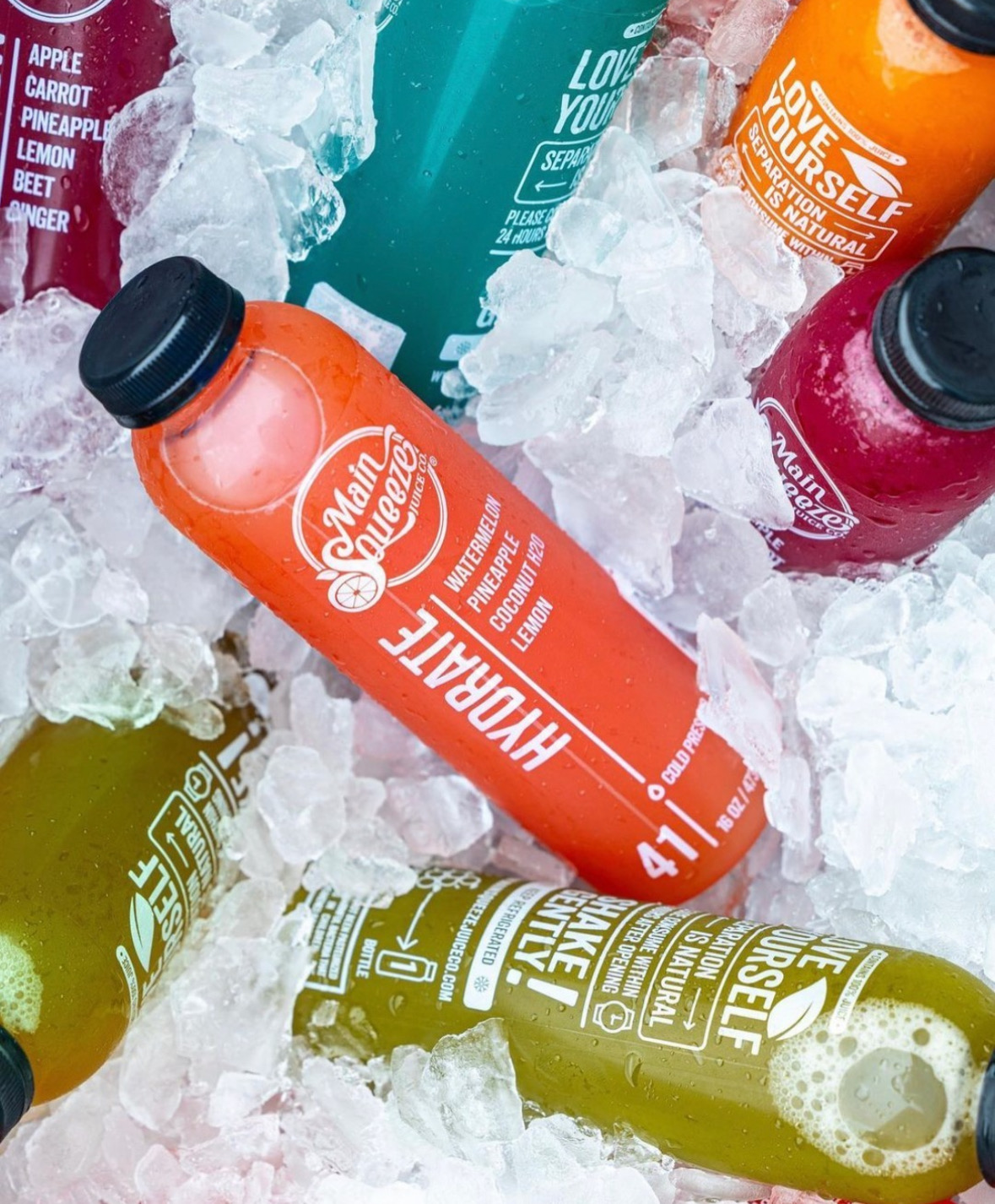
When your product encounters moisture, whether that’s condensation in cold storage, hours in an ice bucket, or humidity in steamy bathrooms, your label material needs to stay adhered, resist damage, and protect your brand from application, to shipping, to consumer use.

To help you choose the right label material, start by considering three key factors:

  1. Container type: Glass, metal, rigid plastic, squeezable or contoured plastic.
  2. Moisture exposure level: Light moisture (condensation), moderate moisture (ice buckets, splash exposure), or heavy/waterproof (long-term submersion).
  3. Brand presentation needs: Paper texture, clear film, premium finishes, sustainability preferences.

Using these factors, you can narrow down which materials offer the best combination of durability, appearance, and cost efficiency.

We’ll show you the most common label materials for wet conditions, how they perform, and when you should use each.

BOPP (Biaxially Oriented Polypropylene)

BOPP is one of our go-to’s for wet environments. It’s durable, affordable, and prints cleanly. It’s moisture-resistant, stable, and available in white, clear, or matte finishes. With the right adhesive, BOPP can handle condensation, cold storage, and even short-term submersion.

Pros:

  • Excellent moisture resistance
  • Works with clear label applications (no-label look)
  • Flexible for flat and slightly curved containers
  • Cost-effective for large runs

Cons:

  • Can develop a cloudy or hazy look after extended time in ice or water
  • Not ideal for very long-term submersion (PET performs better here)
  • Can appear more “plastic” than paper if you need a highly tactile, premium paper feel
  • On very squeezable or highly contoured containers, PE or MDO films are usually a better fit

Best applications:

Finishing options:

  • Matte or gloss varnishes to cut glare and protect print
  • Overlaminates for extra scuff and water resistance. These also add another moisture barrier, keeping labels intact through handling and transport.

Wet-Strength Papers (e.g., EverOpaque®)

Why they work: Sometimes you need the look and feel of paper, even if the bottle is exposed to moisture. Wet-strength papers like EverOpaque® are built to hold up better than standard papers. They stay opaque, hold embossing or foil, and resist greying or falling apart when damp.

Pros:

  • Premium paper appearance with moisture resistance
  • High opacity covers dark bottles and embossing
  • Compatible with embellishments like foil and embossing

Cons:

  • Not truly waterproof. Long submersion can still cause edge issues
  • Needs cold-wet adhesives for ice bucket conditions. These adhesives bond instantly to wet or cold glass so your labels don’t peel or float away when submerged.

Best applications:

  • Wine and spirits where presentation matters as much as durability
  • Premium beverages that want paper’s tactile quality but can’t risk soggy failure

Finishing options:

  • Foil stamping, embossing, debossing
  • Protective coatings help prevent scuffing during shipping and handling

MDO Films

Why they work:
PE and MDO films flex with your container instead of peeling off. MDO (machine-direction oriented) means it’s designed to wrap smoothly around curved or squeezable containers without curling or lifting. They’re a smart choice for squeezables and contoured bottles that see regular handling and moisture.

Pros:

  • Excellent flexibility for squeezables
  • Moisture and chemical resistance similar to BOPP

Cons:

  • Slightly less clear than BOPP for “no-label” designs
    Still requires special adhesives on plastics like HDPE. Without them, you’ll often see “edge lift” (corners peeling up) or “flagging” (labels curling away from the container).

Best applications:

Finishing options:

  • Overlaminates for durability
  • Matte finishes for premium look and scuff resistance

Standard Paper (Why It’s Limited)

Why people consider it:
Standard paper is inexpensive, easy to print, and works fine in dry environments.

Where it struggles:
Paper can work for dry or lightly chilled products, but in environments with condensation, ice, or washdowns, it’s much more likely to fail compared to wet-strength papers or films.

  • Fibers swell and wrinkle with moisture
  • Adhesives stop sticking, which leads to peeling or labels detaching in moisture
  • Print can smudge, fade, or bleed

Quick Comparison Table

Material Moisture Resistance Best For Watch Outs
BOPP High Beverages, food, clear labels Whitening (that cloudy haze), LSE plastics (hard-to-stick containers)
Wet-Strength Paper (e.g., Welded) Strong Wine & spirits, premium looks Long submersion
MDO High Squeezables, contoured plastics Slightly less clear, LSE adhesives
Standard Paper Low Dry goods only Wrinkling, smudging, peeling

Best-Fit Recommendations

  • Best for glass bottles in ice buckets: Wet-strength paper (e.g., Welded). Premium look that resists greying after hours on ice. BOPP films are also an option if you prefer a more modern film aesthetic.
  • Most cost-effective for beer cans or bottles: BOPP. Affordable, durable, and versatile for high-volume runs.
  • Best for squeezable plastic containers: MDO film. Keeps labels intact through constant flexing.

Label Materials for Wet Environments

Films like BOPP hold strong, while wet-strength papers keep your wine bottles looking sharp on ice. Which one’s right for you depends on your container and the kind of abuse your label needs to take.

Need to see what works on your product? Request a sample pack and we’ll show you how these materials perform in real life.