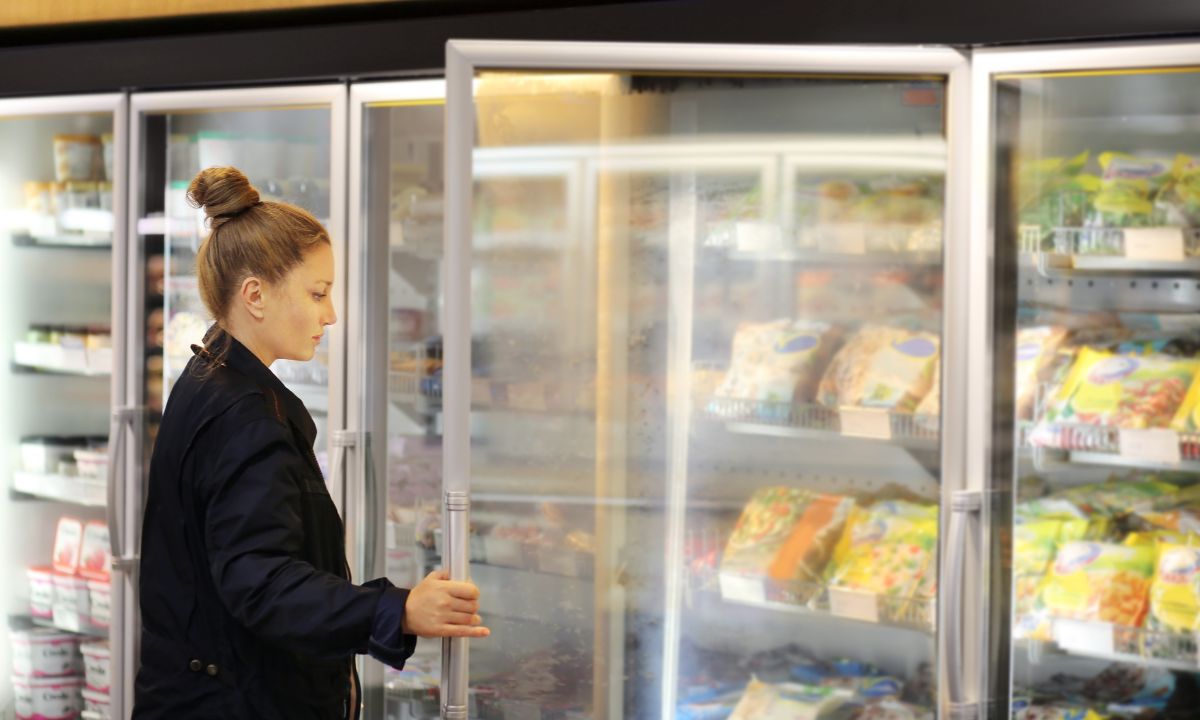
Can BOPP Labels Be Used in Freezer Environments?
Short answer: yes, BOPP labels can absolutely be used in freezer environments, when paired with the right adhesive and applied…... Read more.
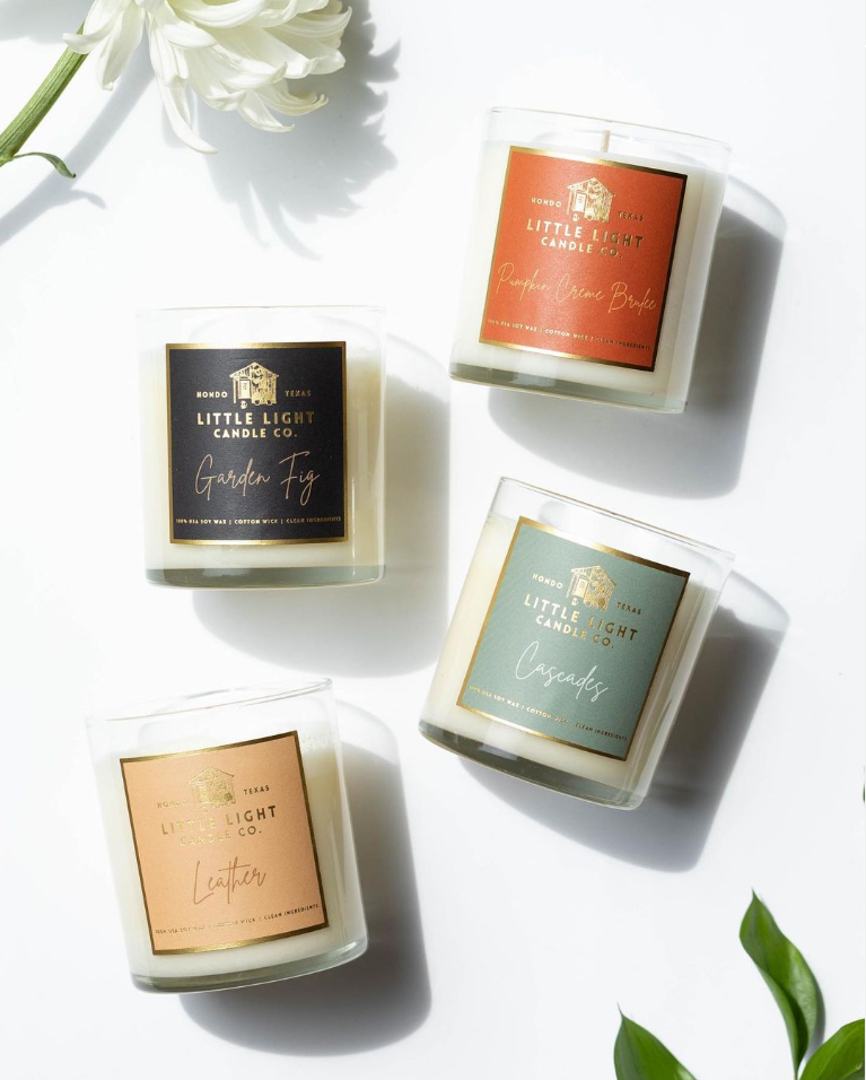
What Label Material Is Best for Hot Environments?
When your product has to survive heat, the right material and adhesives will keep your packaging intact instead of bubbling,…... Read more.
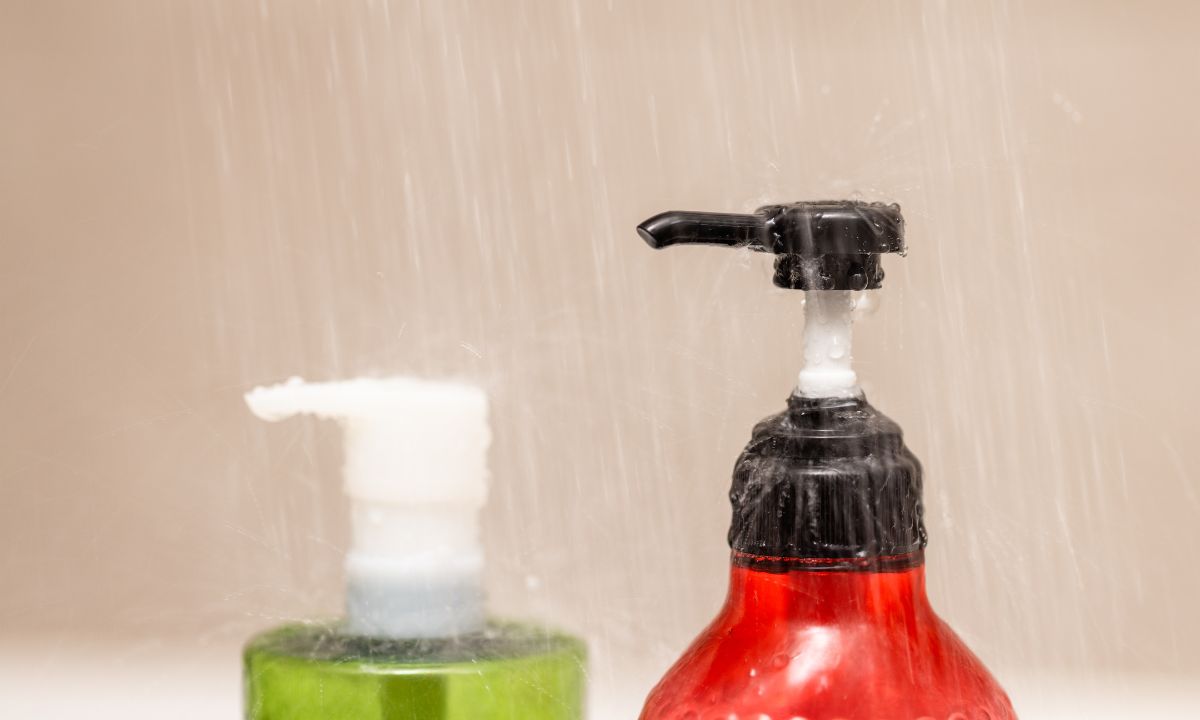
What Label Material Is Best for Humid Environments?
Labels can fail in humidity not only because of the label material, but because adhesives start to fail or lose…... Read more.
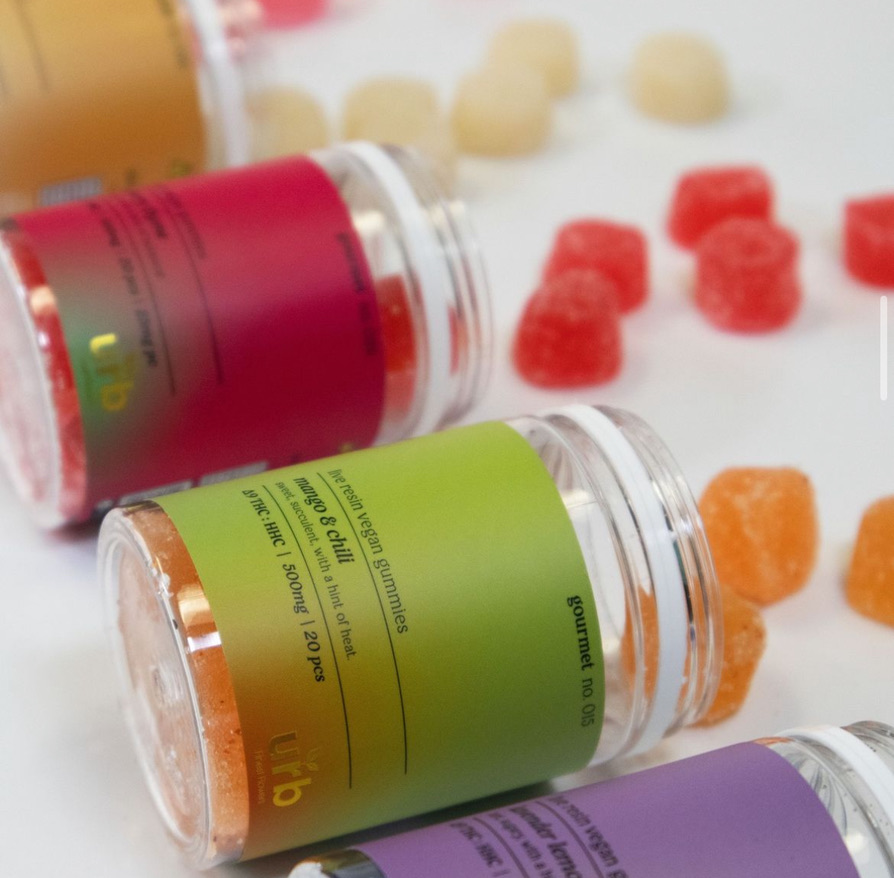
How to Stop Labels from Peeling on Curved Surfaces
Nothing kills a good-looking product faster than a label that won’t stick. But don’t worry, with the right know-how (and…... Read more.
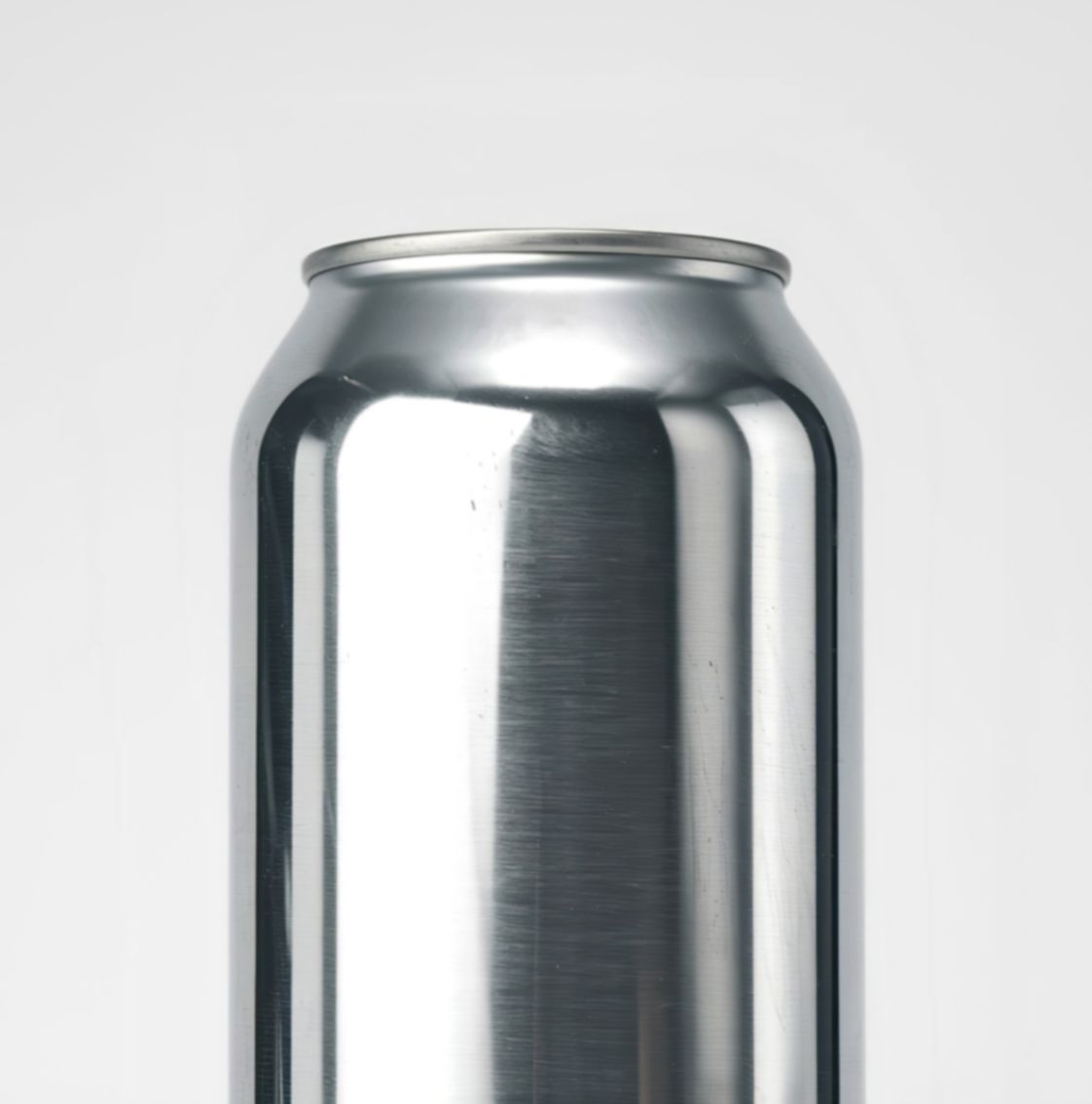
Printed Cans 101: What to Know Before Ordering
Printed cans are a great option for beverage brands that want shelf impact, consistency, and operational simplicity. But keep in…... Read more.
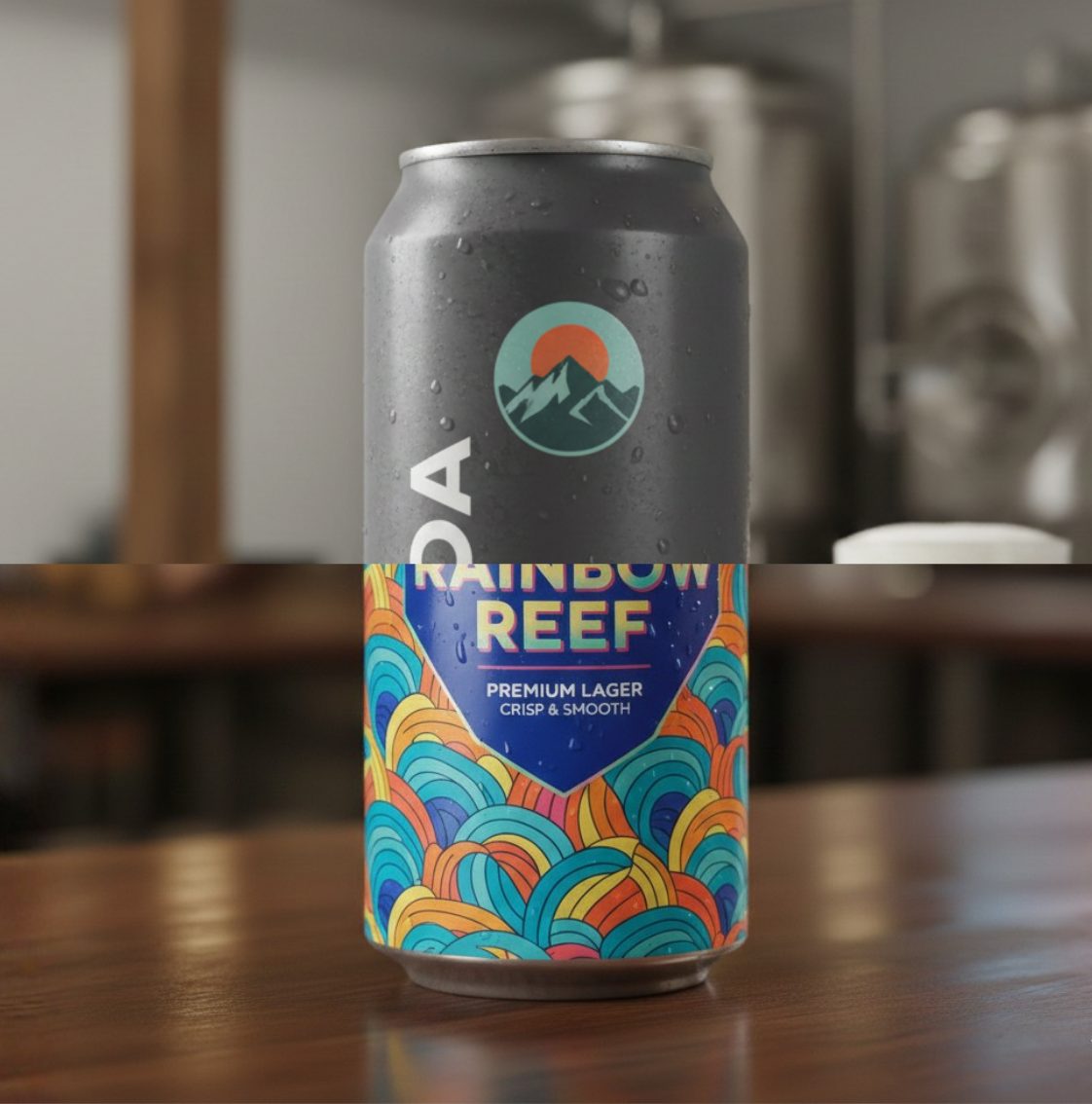
Printed Cans: How to Compare with Shrink Sleeves and Labels
Most beverage brands comparing printed cans are trying to answer practical questions about cost, risk, flexibility, performance, and long-term fit.…... Read more.
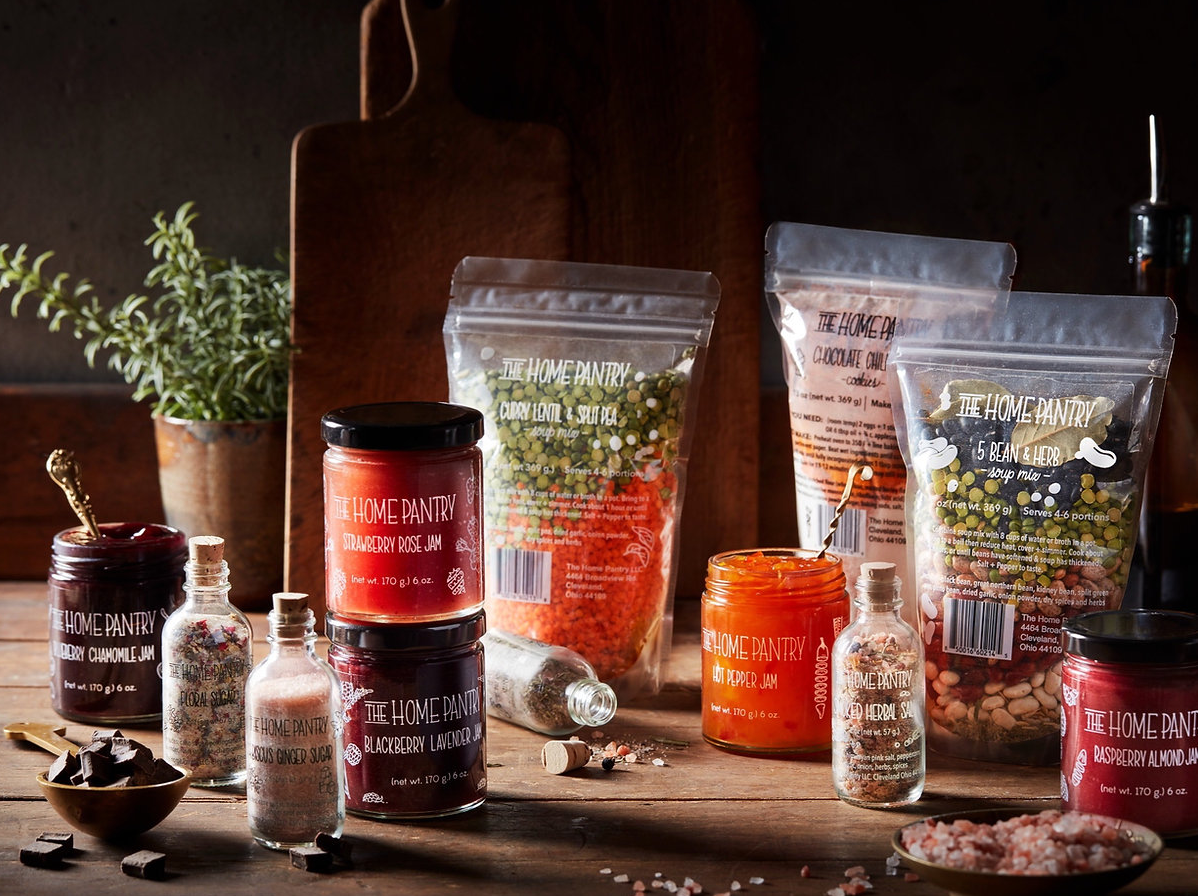
How to Prevent Label Curling and Cracking on Flexible Packaging
When your labels peel, crack, or curl, you risk relabeling costs, compliance headaches, and most importantly, a less-than-ideal-looking product. We’ll…... Read more.

What Label Material Is Best for Wet Environments?
When your product encounters moisture, whether that’s condensation in cold storage, hours in an ice bucket, or humidity in steamy…... Read more.
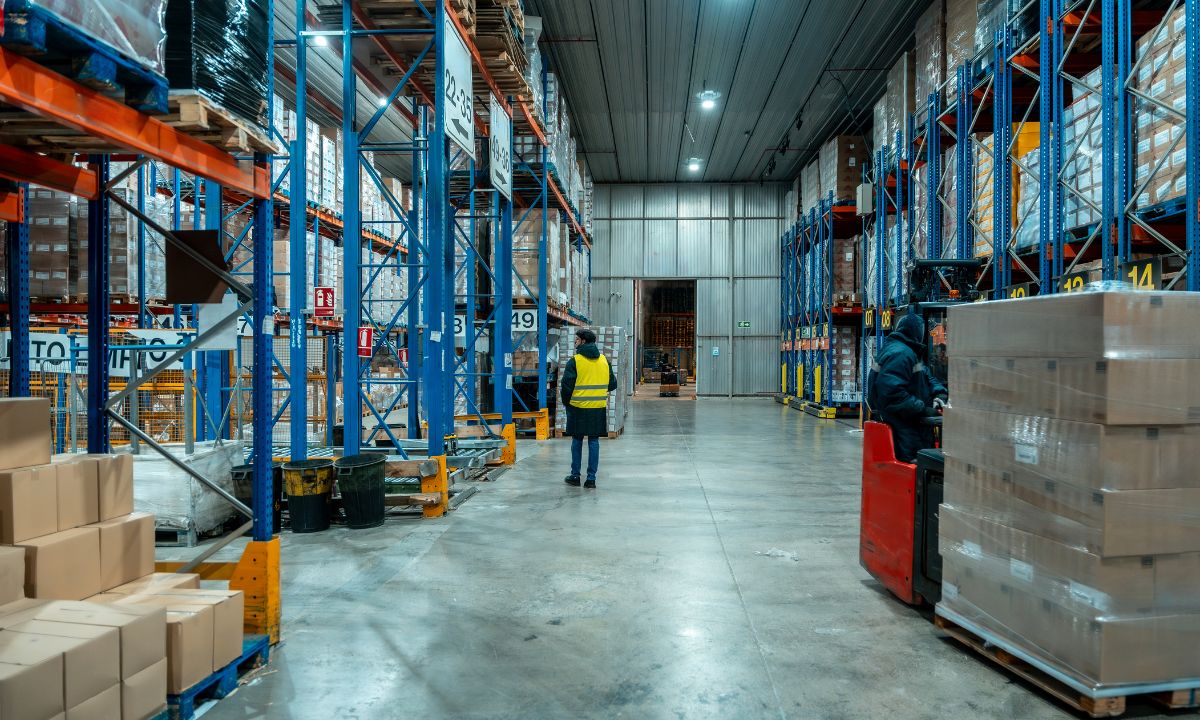
How to Prevent Labels from Cracking or Curling in Cold Storage
Cold storage is tough on labels. Between condensation, big temperature swings, and freezing temps, it’s easy for labels to curl,…... Read more.
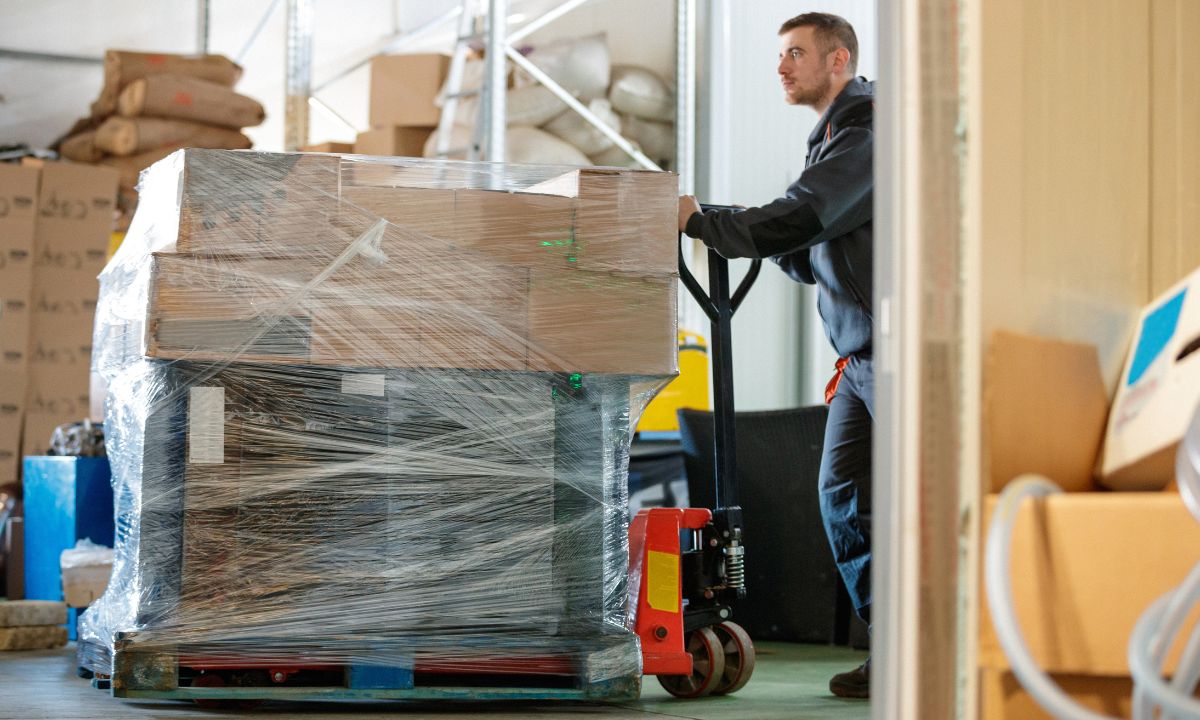
How to Prevent Labels from Scratching or Abrasion During Shipping and Handling
If your labels look great coming off the line but arrive damaged at their destination, friction and abrasion during shipping…... Read more.