How to Prevent Labels from Scratching or Abrasion During Shipping and Handling
- label failure
- materials
If your labels look great coming off the line but arrive damaged at their destination, friction and abrasion during shipping and handling are likely the culprits. Fortunately, you can solve these problems by choosing the right materials, adhesives, and finishes.
Here’s what you need to consider to protect your labels from scratching, rubbing, and peeling.
Pick the Right Label Material for Your Packaging Type
Not all label materials handle friction equally, and the right choice depends on your packaging and environment:
- Polypropylene (BOPP): Flexible and moisture-resistant. Great for bottles, jars, and pouches in food, beverage, and personal care.
- Polyester (PET): Strong, chemical-resistant, and built to take a beating. A go-to for electronics, home goods, or anything with a rough transport.
- Vinyl: Very flexible, used for curved surfaces or squeeze containers. Should be paired with a strong finish.
We usually recommend PET or BOPP for anything that’s going to get tossed, stacked, or bumped in transit.
Match Your Adhesive to Your Packaging and Conditions
A mismatched adhesive can cause labels to lift or curl, making them easy targets for abrasion. Here’s how to make sure yours sticks:
- Permanent acrylic adhesives are solid choices for corrugate, plastic, or glass.
- High-tack adhesives grip tight to tough surfaces like HDPE (think: detergent bottles).
- Cold-temperature adhesives are good in refrigerated or frozen environments.
Tip: Apply labels in clean, dry, and temperature-controlled conditions. If a label isn’t stuck down properly, it’s more likely to rub, shift, or catch, which can lead to damage.
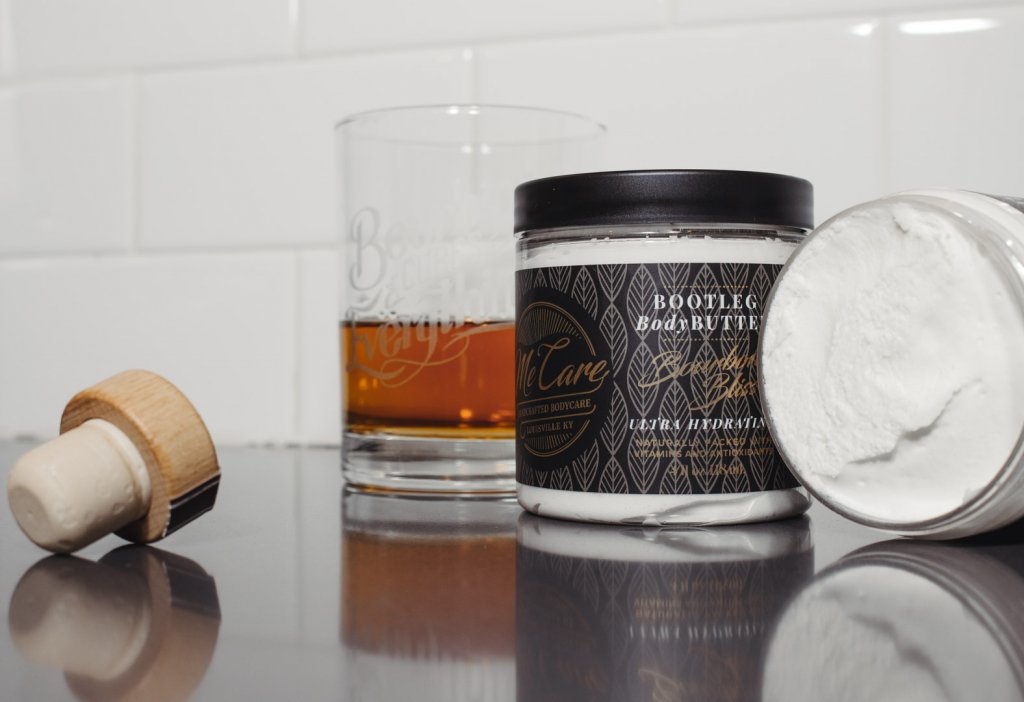
Add a Protective Finish That Matches Risk and Budget
A good finish is like body armor for your label—it helps it survive the bumps, scrapes, and scuffs that happen after it leaves your hands:
- Lamination (polypropylene or polyester): The go-to for rough shipping environments like pallets or cold chain logistics. See our lamination options.
- High-rub varnish: Perfect for rigid containers and folding cartons. It holds up well for day-to-day handling without the higher price tag of full lamination.
- UV varnish: A solid middle ground if you want extra protection against moisture and chemicals while keeping the label look intact.
Comparing Protective Finishes
Checklist: Prevent Label Abrasion
- Choose abrasion-resistant materials (BOPP, PET)
- Match adhesives to your packaging material and conditions
- Apply lamination or high-rub varnish based on product exposure
- Check about abrasion testing with your printer
- Apply labels in clean, controlled conditions
What to Ask Your Label Printer
You don’t have to figure it out on your own. Ask these questions to make sure your printer understands what your packaging is up against:
- Which label materials and adhesives fit my product and shipping conditions?
- What protective finishes do you recommend for scratch-prone surfaces?
- Can I compare varnish and laminate side by side?
- What durability tests have you done on these combinations?
If you’re experiencing label abrasion issues or just want to avoid them in the future, contact us and we’ll walk you through the right materials, adhesives, and finishes for your products.
| Tier | Construction | Use Case | Why It Fits |
| Good | BOPP + gloss varnish | Dry shelf goods with minimal rubbing | Budget-friendly, moderate protection |
| Better | BOPP + high-rub matte varnish | Retail items with light handling | Increased scratch resistance |
| Best | BOPP or PET + full laminate | Cold chain, rough shipping, pallets | Highest durability under harsh conditions |