How to Prevent Labels from Cracking or Curling in Cold Storage

Cold storage is tough on labels. Between condensation, big temperature swings, and freezing temps, it’s easy for labels to curl, crack, or peel off if you don’t plan ahead. With the right choices in materials, adhesives, and finishes, your labels can hold up through the cold chain.

Cracking is usually a material problem. Papers tend to become brittle in the cold. Curling is usually an adhesive or application problem, such as the wrong temperature rating, moisture at application, or not enough bonding pressure.

Most of the time, the recipe for success is simple: pair a cold-rated adhesive with a moisture-resistant film and a protective finish.

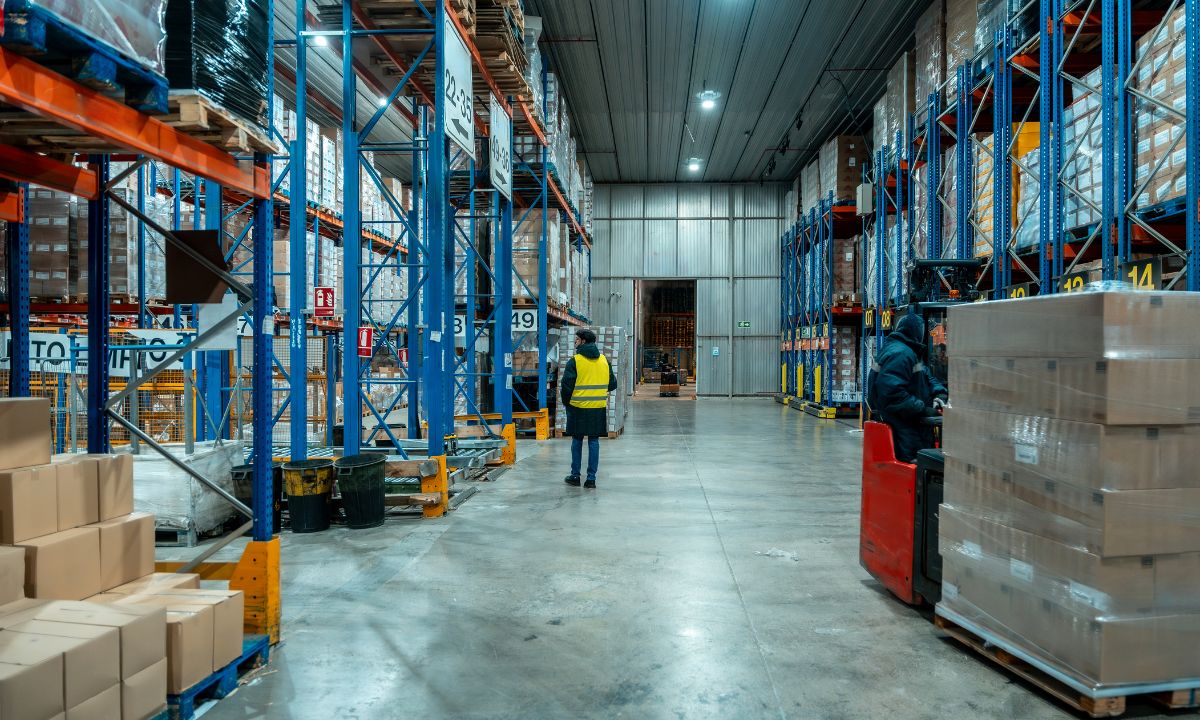
Cold storage warehouse

Choosing the Right Label Materials for Cold Storage

The material your label is printed on sets the foundation for durability, and can be the difference between a label that cracks or curls and one that holds up.

For cold storage, some of the best material choices include:

  • BOPP (biaxially oriented polypropylene): A flexible plastic film that resists water and tearing. Think of it as the go-to for frozen dinners, ice cream, and beverages that end up in ice buckets.
  • PET Films: A tougher, slightly stiffer plastic that offers extra durability and holds its shape well. Often used in pharmaceuticals or premium products that require added toughness.

While those materials are good options, be more careful of these materials that could give you problems:

  • Coated paper: Works for dry, refrigerated cartons, but in humid coolers or freezers it’s prone to curling or smearing. Specialty freezer papers exist, but they’re usually best for secondary packaging.
  • Textured/uncoated papers: They may look great on a wine bottle at room temp, but in a cooler or freezer they soak up water and start peeling.

Rule of Thumb: If your product may sweat, freeze, or sit in an ice bath, films (BOPP or PET) are usually the safer choice. Paper is generally limited to dry, refrigerated environments.

Using the Right Adhesives

Adhesives are one of the most critical factors in whether your label will hold. Even the best label material or finish can fail if the adhesive isn’t matched to your application and storage environment.

First, you should know two different measures of temperature:

  • Application Temperature = the temperature when you apply the label.
    Example: applying to a frosty beer can at 35 °F.
  • Service Temperature = the temperature where the product stays.
    Example: a frozen entrée stored at –10 °F.

Knowing that for your specific product(s), you can then identify an adhesive that is compatible with your product’s environment:

  • All-Temperature Acrylics: Apply at ~20–40 °F, service down to –40 °F. Best for refrigerated foods, dairy, and beverages.
  • Freezer-Grade Acrylics / Hot-Melts: Apply as low as –20 °F, service down to –60 °F. These are designed for aggressive tack on frosty or wet cartons.

Note: These ranges are based on supplier specifications (Avery Dennison, UPM Raflatac, etc.), but it’s always important to double-check that the numbers line up with how you actually run your line.

Rules of Thumb: Refrigerated → all-temp. Frozen → freezer-grade. 

Surface preparation for bottles

Prepare the Surface Properly

Even the right material and adhesive can fail if the application surface isn’t ready.

  • Clean & Dry Surfaces: Moisture, frost, or dust prevent adhesives from bonding.
  • Wet Applies: For cold-fill beverages or condensation-prone lines, use a wet-apply freezer adhesive designed for these conditions.

Protecting Your Labels

Finishes shield against water, abrasion, and smudging. Here are some options:

  • Gloss or matte laminate: Provides strong moisture protection to keep labels from whitening or peeling in cold storage. Matte laminates can still offer comparable durability while delivering a more soft or premium look.
  • Gloss or satin varnish: Offers a more subtle finish but generally provides less moisture protection than laminates. Best for applications on paper substrates where moisture exposure is minimal or texture and embellishment effects take priority.

Recommendation: For cold storage, pair a film base material (like BOPP) with a laminate for the most reliable protection. 

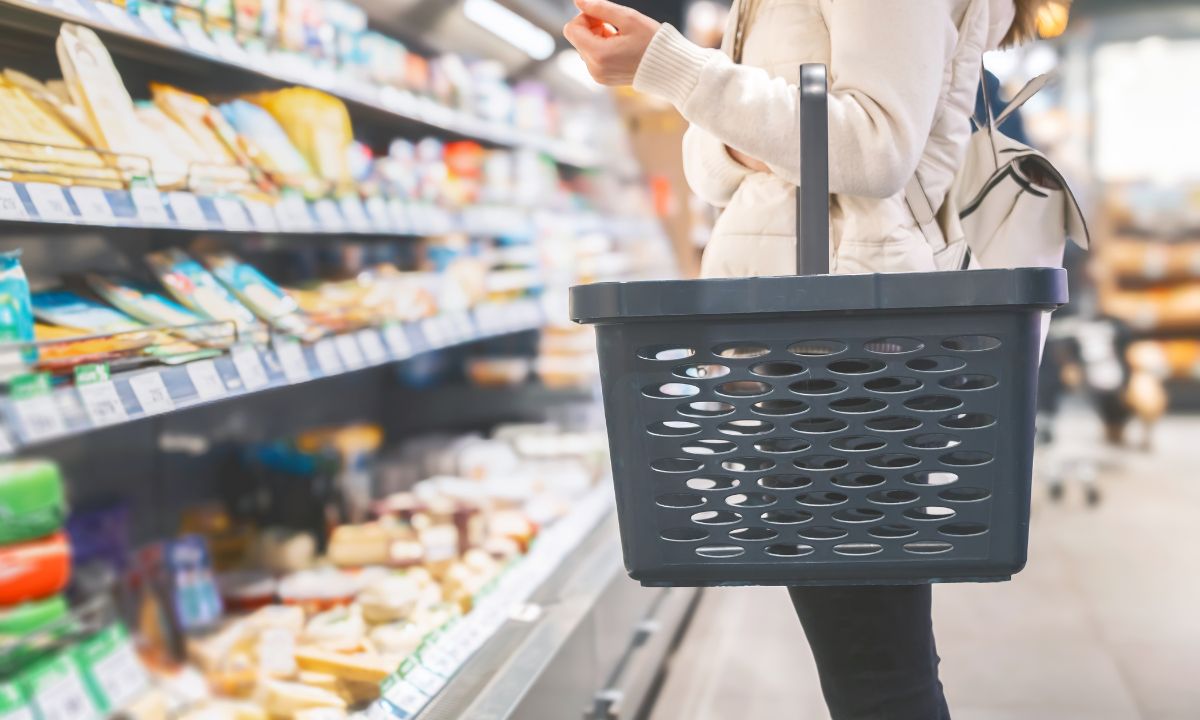
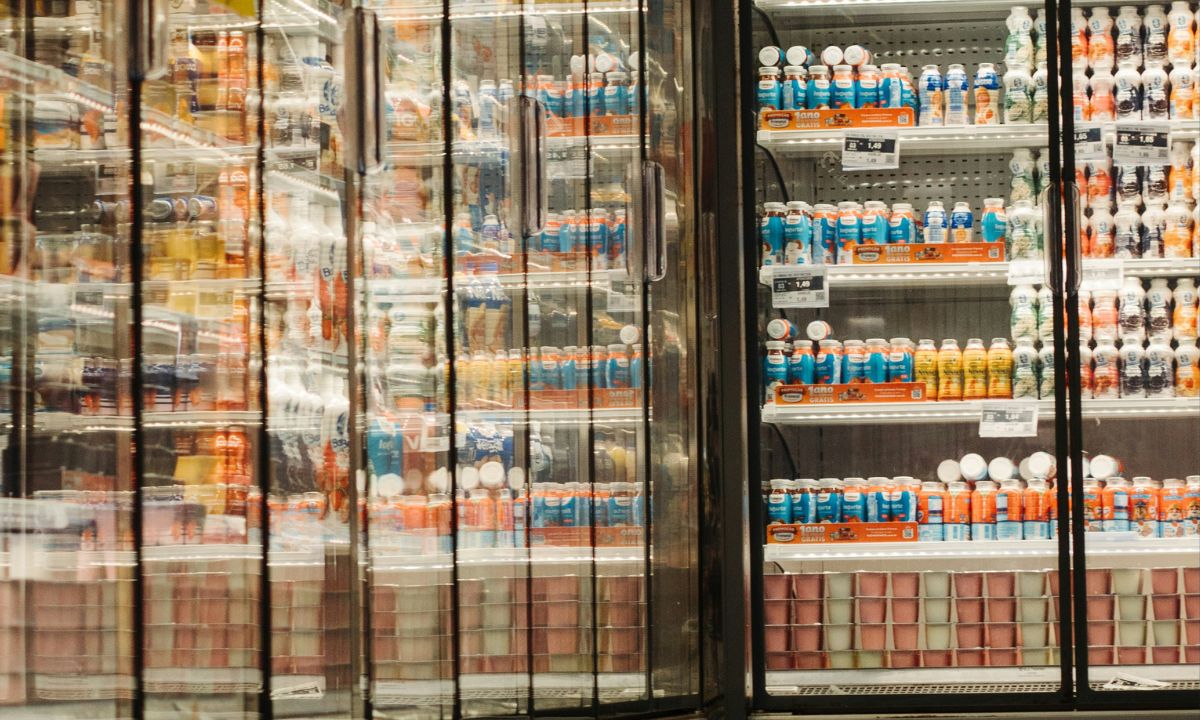
Cold storage in grocery store

What Else to Consider?

A few additional factors will be helpful to share with your label printing partner so that your labels perform well throughout the cold chain:

  • Container Material: Adhesives interact differently with glass, PET, corrugated, or HDPE. For example, glass often benefits from freezer-grade acrylics for stronger bonding.
  • Temperature Cycling: Will your product move freezer → retail shelf → consumer fridge? Each swing stresses both adhesive and base material.
  • Moisture Exposure: Is your product sitting dry in a carton, or submerged in an ice bucket?
  • Regulatory Needs: Food and pharma labels must remain legible, include FDA-required information, and be barcode scannable for retail. Peeling or smudging can create compliance issues.

Quick Checklist for Avoiding Failures

  1. Choose BOPP or PET films for refrigerated or frozen storage.
  2. Match adhesive to your application & service temps.
  3. Use wet-apply adhesives for cold-fill or condensation-prone lines.
  4. Add a laminate for moisture-heavy environments.
  5. Apply to clean, dry containers whenever possible.
  6. Test labels through your actual cold chain, for example by running freezer-to-fridge-to-room temp cycles, and check for peeling, whitening, or smudging before scaling.

Preventing Cracking or Curling in Cold Storage

With the right safeguards in place, your labels will stay sharp and secure in cold storage. Not sure which label material makes sense for your products? Contact us and we’ll walk you through it.

Can Paper Labels Be Used on Plastic Containers?

Considering paper labels for products in plastic bottles or jars? They can work, but only if you match the right materials to the right conditions.

Here’s what to keep in mind to make sure your labels stay put:

What to Consider

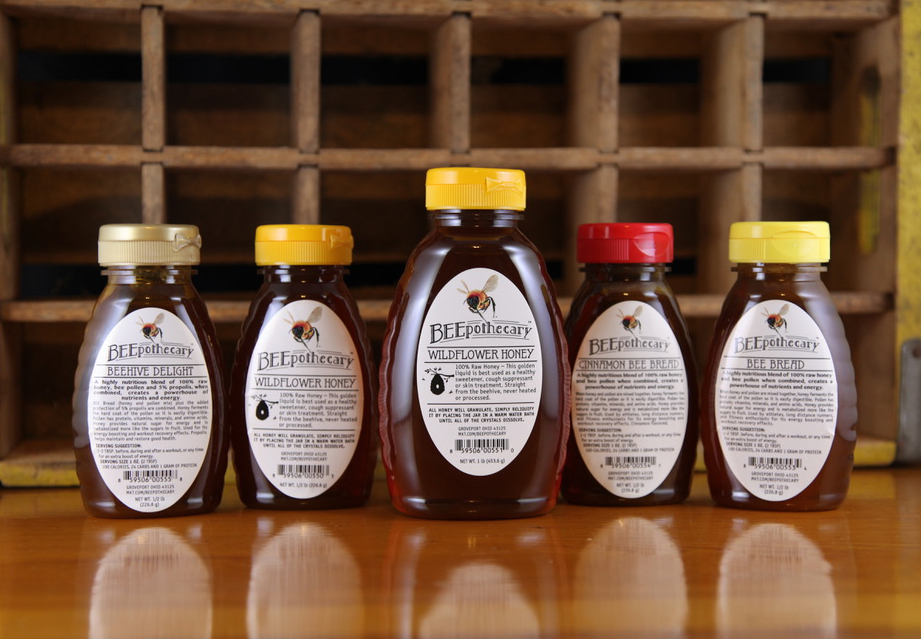
Pressure Sensitive Labels on honey jars

1. Plastic Surfaces: Material, Shape and Texture

Plastic containers are usually smooth and non-porous. That means plain uncoated paper struggles to stick reliably. You need coated, flexible paper plus adhesives designed for plastics like polyethylene (HDPE) or polypropylene (PP).

Note: You can see some of our coated paper options on our Materials page.

If your containers are curved, tapered, or squeezable, you’re likely better off with another material altogether, like MDO for squeezable containers or shrink sleeves for curved or tapered containers.

2. Product Environments and Label Performance

Your labels go through more than just the environment at application. Think about:

  • Application line – cold sensors or fast application speeds can impact adhesive bond
  • Warehousing – humid or cold storage may weaken paper labels or cause curling
  • Shipping/handling – scratching or abrasion can happen from friction in boxing, stacking, or retail displays
  • End-user use – exposure to moisture, oils, refrigeration, or grease can smudge, smear, or damage labels

Coated paper offers improved moisture resistance, but it’s not waterproof.

If your packaging is exposed to refrigeration or wet conditions, you’ll definitely need to use a laminate or UV coating for protection. For products like this, we often recommend tougher label materials like BOPP for these types of environments.

Body butter jars with custom labels

3. Design & Finishing Options That Work on Paper

Paper labels do offer premium print performance and support embellishments like spot UV, matte or gloss lamination, hot‑foil stamping, screen printing, and embossing.

Spot UV works well on coated paper and adds contrast or glossy accents, perfect for brand names or logos. It also gives scratch resistance when used selectively.

Finishes like foil or embossing can elevate the look of paper labels, but in high-friction or moisture-heavy environments, you’ll want to protect those surfaces with lamination or varnish to maintain shelf appeal and label integrity.

4. Regulatory and Compliance Considerations

If your product falls into food, beverage, cosmetic, or health categories (even if the label doesn’t directly touch the product) you’ll need materials that meet FDA guidelines for indirect food contact.

That means the paper, adhesive, and inks must all be safe to use under FDA rules like this one for adhesives and this one for paper coatings. We can help you sort through the right choices.

5. Sustainability & Recycling Impacts

Paper labels can interfere with plastic recycling, especially with PET bottles.

During recycling, bottles are washed to remove labels. If leftover paper fibers mix into the recycled plastic, they can mess with the clarity or consistency of rPET.

The Association of Plastic Recyclers (APR) recommends keeping label coverage under 60–70% and avoiding metallic inks or foils that complicate sorting.

Paper labels are often easier to remove than film labels, which can help with container reuse or composting. If recyclability is a priority, film labels made from the same type of plastic as your container (like polypropylene on polypropylene) can be a better match.

6. How to Match Adhesive, Facestock & Container Type

Matching your coated paper label to the correct adhesive makes all the difference. Here’s a general starting point:

Container Plastic Suggested Paper + Adhesive Pairing
Polypropylene (PP) or HDPE Coated paper + high‑tack adhesive designed for low-energy surfaces
PET Standard coated paper + acrylic adhesive
Curved or squeeze bottle Shrink sleeves for curved containers or MDO for squeeze bottles
(no, they’re not paper, but they’re better options)

Final Thoughts

Paper labels can be an option for plastic containers as long as you know where they work and where they might fall short (or fall off). With the right materials and adhesives, they can hold strong and look great doing it.

Not sure which label material makes sense for your bottles? Contact us and we’ll walk you through it.

Can Foil Labels Be Used on Wine Bottles?

Foil labels can add a bold, eye-catching look to your wine bottles, but only if they’re made to last through bottling, cold storage, and everything in between. Whether you’re using Bordeaux or Burgundy bottles, here’s what to keep in mind before going with foil.

What to Consider Before Choosing Foil Labels

Bottle Shape & Label Fit

Wine bottles come in a variety of shapes: Bordeaux, Burgundy, Alsace, Champagne, and more. Each bottle shape brings its own label considerations:

  • Bordeaux bottles have tall, straight sides that typically work well with foil labels.
  • Burgundy bottles have gentle curves that can cause labels to lift at the edges if the wrong material or adhesive is used. A paper stock with the right adhesive, or a polyester (PET) film, is often the safest bet here. Paper provides a classic look, while PET adds extra flexibility and strength to contour to curves.
  • Alsace bottles are taller and more tapered, which can be even more challenging. For these, using a narrower label or a  custom die-cut shape can help ensure full contact and a smoother application. Narrower shapes reduce the amount of stress on the edges, helping avoid wrinkles.
  • Champagne bottles often have pronounced curves and subtle texture, requiring extra care in both design and material choice. Textured papers with strong adhesives can handle these surfaces, minimizing bubbling and lifting.

Most wine labels are printed on paper stocks designed specifically for wine and spirits. These papers can be coated or uncoated and are compatible with foil stamping. For added durability, polyester (PET) film is another strong option that resists tearing and handles curves well. Both materials are widely used in the wine industry and work effectively with foil embellishments

If you’re unsure, ask us to test-fit the materials on your actual bottles. It can save you a major headache, and a lot of wasted labels, down the road.

Moisture, Cold, & Real-World Handling

From the time your bottles hit the bottling line to chilling in ice bins and shipping, your labels will almost certainly face moisture and abrasion. That’s why we recommend wine-grade paper stocks with wet-strength treatments or polyester (PET) film that resist moisture, won’t break down in cold or wet environments, and are fully compatible with foil stamping.

To protect the foil, finishes like gloss or matte laminates work well with PET materials, while varnishes and protective coatings are often paired with paper labels. Gloss laminates help colors pop and are best for vibrant designs, while matte laminates give a softer, upscale look. Varnishes can also be used, but they’re better for spot treatments or short-run bottles where heavy abrasion isn’t a concern.

These coatings help your foil resist water, scuffs, and handling damage, so your label stays crisp from bottling to the final pour.

Foil Compatibility with Other Finishes

Foil gives your label a nice shimmer, but there’s more than one way to achieve this look. Think about how foil behaves with other finishes or materials. For example:

  • Hot foil uses heat and pressure to apply metallic foil, creating sharp, reflective accents.
  • Spot UV adds a high-gloss coating to specific areas like your brand name or logo for contrast and emphasis.
  • Soft-touch is a matte finish that adds a velvety feel, often paired with foil to create a high-end tactile effect.

We’ve seen hot foil combined with soft-touch stocks on wine labels to highlight logos. This creates a striking contrast of shimmer against a velvety background. This kind of pairing delivers premium shelf appeal and reinforces the sense of quality.

In our experience, foil often pairs well with bold typography or custom die-cut shapes that emphasize contrast and precision.

Regulatory & Legibility Requirements

Wine labels have to meet TTB and FDA standards, such as listing alcohol content, sulfites, and vintage.

Metallic surfaces can sometimes make fine print hard to read, especially in low light. It’s important to test your label under different lighting and distances to make sure everything’s easy to read. For example, check it in bright retail lighting, dim restaurant settings, and natural daylight. Then double-check that it lines up with TTB rules on things like font size and layout.

Sustainability Considerations

If sustainability is part of your packaging goals, here are a few ways to make foil labels work in that direction:

  • Choose substrates with wash-off adhesives that let labels come off cleanly during the glass recycling process.
  • Use FSC-certified papers if you’re working with paper-based labels. Many of these are now designed for wine applications and are compatible with foil.
  • For film-based options, recyclable PET is a better choice than other plastics since it can be processed in more recycling streams.
  • Think about how foil placement or backing materials affect recyclability.

Quick Checklist: Will Foil Labels Work for Your Wine Bottles?

Before you commit, here are a few questions worth running through with your label printing partner:

  • Is your label material, whether paper or PET, flexible enough to stay flat on curved or tapered bottles without lifting?
  • Have you picked a protective finish that works with foil and stands up to cold and moisture if required?
  • Does your design use foil in a way that highlights key elements without sacrificing readability?
  • Have you checked how your foil label looks under different lighting conditions such as retail stores or restaurants, and at shelf distance?
  • Have you looked into foil-compatible papers and PET films that support recyclability, if this is important to your brand?

Can Foil Labels Be Used on Wine Bottles?

We’ve seen winemakers use foil to create a more high-end, polished look that helps their bottles stand out on the shelf. When you pair the right materials and finishes with a design that works, foil can hold up through bottling, chilling, and everything in between.

Not sure which type of foil or finish makes the most sense for your bottles? Contact us and we’ll walk you through it.

Allow Us to Reintroduce Ourselves

At Blue Label, we’re subscribers to the idea of continuous improvement. This means we constantly strive to do a little bit better. Whether it’s updating a method to clean a printing press that prevents a breakdown, finding a new adhesive that is more reliable, or improving artwork software to catch more potential errors, we are always striving to improve.

That same principle applies to our name itself. Over the past few years, we have continued to work on what we do best: high quality labels and packaging with fast turnarounds. While doing this, we added new product lines. A few years ago, we started offering hang tags and keg collars. In 2019, we began producing shrink sleeves with the same high quality and quick turns our customers expect from us. All this to say, we are constantly evolving to better meet the demands of the people we serve.

With the evolution of our processes and product offerings, we felt our name needed to evolve too. From here on out, we are changing our name to Blue Label Packaging Company. We specialize in printing high quality packaging and labels with industry best turnarounds times, and that’s what we’ll always do. Blue Label will continue to focus on the customer service and the constant improvement that is the heart of our company.

A breakdown of the main aspects of Blue Label's new branding.

If you are taking the time to read this, I’d like to thank you for supporting Blue Label. This company has seen a lot of success over the past few years, and that success has made a lot of people’s (and quite a few dogs’ and cats’) lives better. We are very thankful for the opportunity to serve our customers and hopefully working with us has made your life a little easier.

So, allow us to introduce our new name: Blue Label Packaging Company. Just like the Blue Label you’ve always known, but slightly better.

Thanks for everything,
Andrew

4 Science-Backed Ways to Create Eye-Catching Labels

Many brands struggle to find new and creative ways for their products to stand out on the shelf. Tapping into the subconscious mind of the customer, there are several psychological elements that can influence the decision to buy a product, or even notice it for that matter. It all starts with having the right product label design. Here’s how you can use design science to help your product stand out.

Font Type

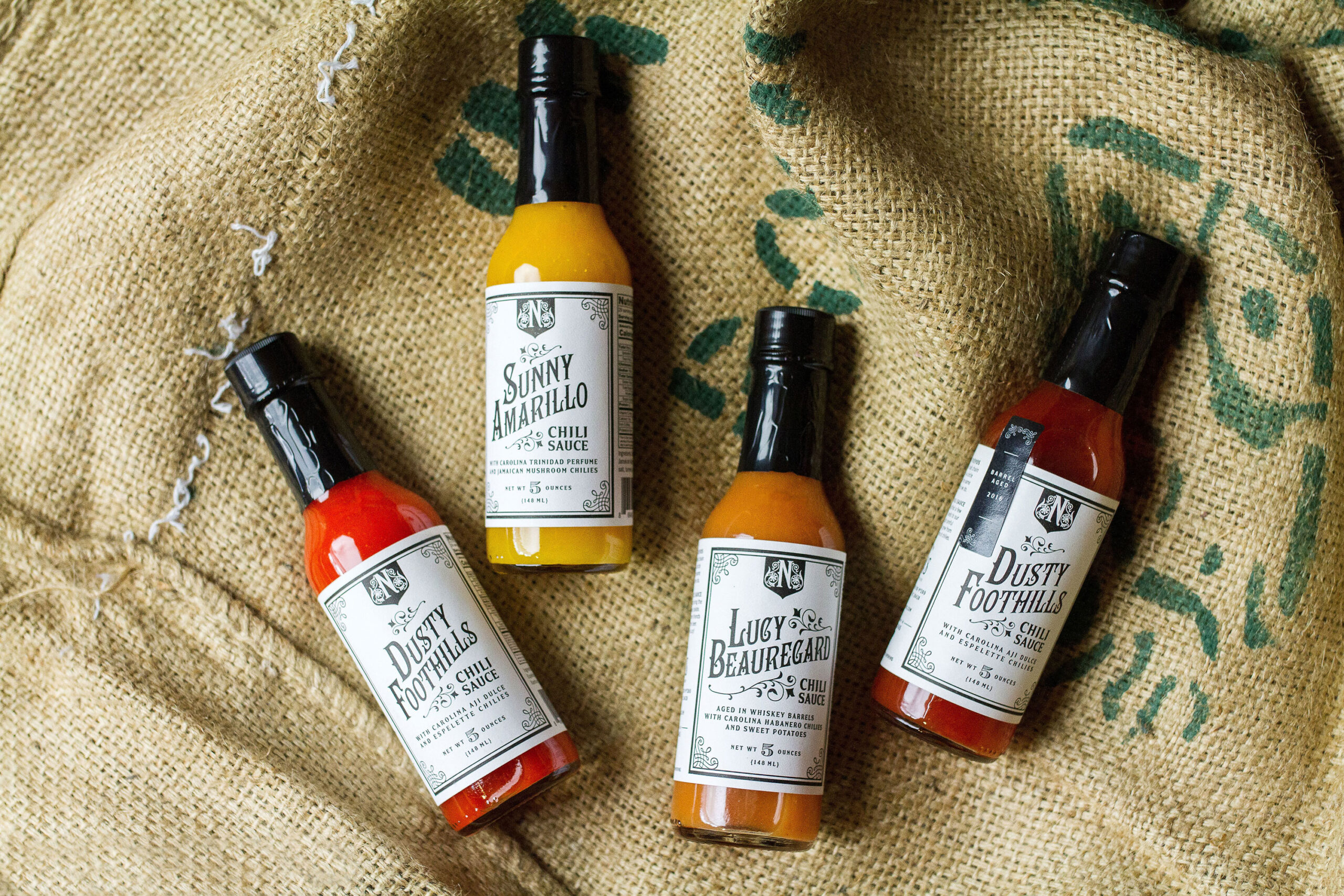
Different font types can evoke different emotions. Decorative fonts (so long as they are legible) are great for brand and product names, while sans-serif fonts are best for the body copy of your label.

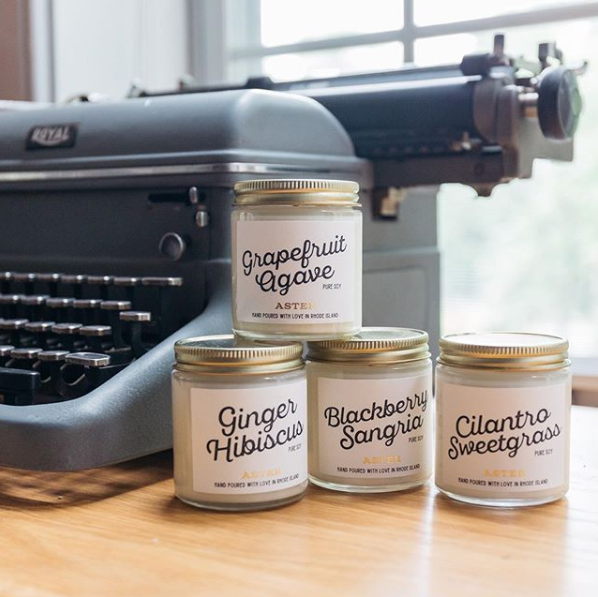
The type of font you choose for your label will depend on your product and brand personality. If you want to portray a simple elegance, maybe for a wine label or perfume label, use fonts that are orderly and classic with narrower lines. On the flip side, quirky and high-spirited fonts with lots of curves and maybe some embellishment comes across as playful and personable and could be used for beer labels or cannabis labels. For earthy and artisanal products, handwritten fonts can be effective in grabbing a customer’s attention. These warmer, more personal fonts would work well on candle labels and organic food labels.

Layout is important in product label design.

Layout Design Science

Spacing between letters and words can impact the way consumers feel about a product. One study, by researchers at Microsoft and MIT, found that participants who read content with a good layout felt more focused and had a stronger sense of clarity, as opposed to those who read the same content with a poorly designed layout.

Good layout design works because our eyes follow a natural pattern that breaks up phrases into scans and pauses when we read. Your eyes typically scan across a label between 7 to 9 words before needing to pause to process what you’re reading.

For your product label design, consider the layout. Rather than long lines of text, it’s scientifically better to break up the text into a series of shorter lines to create the natural pauses needed for visual processing. When customers are scanning shelves for a product, they’ll be significantly more likely to choose a label they can grasp.

Product label designs using the color red can grab a customer’s attention.

Color Psychology

The color of your label design can influence a customer’s purchasing decision, as it can evoke certain moods and feelings. For example, red has been known to increase metabolisms and stimulate appetites, so a food product might want to incorporate red into the label design. Red is also known for its ability to quickly grab people’s attention, so using red on any label is an easy way to make your product stand out.

Keeping in mind that your label likely won’t be one single color, especially when you factor in other elements like text and images, you’ll also want to think about mixing and matching colors. Using complementary colors will help make elements pop. For a more relaxed look that flows together, use analogous colors (any three colors next to each other on the color spectrum) in your product label design.

Applying color psychology to your label is an effective way to make your product stand out in the marketplace.

Visual Processing

You’ve likely heard the saying that a picture is worth a thousand words, and that couldn’t be more true when it comes to product label design. Research below has found that customers are more likely to process and remember text on your product label if it’s paired with images.

People process visuals quicker than words, so adding imagery to your product label design can help it get noticed. In fact, 90 percent of information transmitted to the brain is visual. Keep in mind that, according to the Social Science Research Network, 65 percent of the population are visual learners. Needless to say, an image on our label can go a long way.

Make Your Product Labels Stand Out

Blue Label is a full-service digital printing company that will work with you to create labels to help your product stand out. Our state-of-the-art HP Indigo digital printing presses and variety of finishing techniques allows us to find the best solution to provide you with labels that not only attract eyes, but also best suit the needs of your product.

If you need help designing your label, check out our Designer Directory to find the right partner for your product. Once you’re ready to start your next label project, contact us to talk to one of our experts about how we can bring your labels to life.

Minimalist Design Trends for Product Labels

The minimalist movement is making its way into label design as more brands are forgoing flashy and opting for simple. You’ve surely heard the phrase, “less is more,” which can be especially true when it comes to the design of your product and bottle labels.

A minimalist’s mantra is to remove the unnecessary. In an era of information overload, brands are realizing that customers appreciate minimal labeling. It’s an effective trend that works because of its simplicity. (more…)

Five Common Label Mistakes

Label design isn’t easy. There’s no question about it, some projects are more complex than others, but every project is complex and requires attention to detail. A reliable and experienced printer will definitely reduce the likelihood of making a mistake, but even the best printer can’t spot every mistake. We’ve compiled a list of five common label mistakes, what causes them, and how they can be prevented. Hopefully this makes your life a little easier.

(more…)

8 Steps to Great Label Design: Part 1

Blue Label is lucky enough to work with great clients, as well as talented designers during the process of collaboratively producing great labels. One of those designers, Madison McMullen has agreed to provide her insight into label design. Here are her 8 Steps to Great Label Design:

(more…)

Selecting a Substrate

Selecting a substrate (or face stock) for your product label may not be as simple as you think. There are thousands of combinations of face stocks and adhesives out there and choosing the right one could be critical to your label’s performance. Here are a few things you need to consider before ordering your labels: application, performance, aesthetic and cost. Listed below are some questions that should help you decide what substrate you need to get the most out of your label. (more…)

Adding Value to Your Label with a QR Code

Guest Post by: Gretchen Ardizzone at Shout Out Studio

Having a well designed, well-executed label is the first step in attracting attention to your product, but there’s an opportunity for your label to do more. If you want to communicate the added value of your product, you might consider a QR code. QR (quick response) codes aren’t the newest technology to hit the market. In fact, the two dimensional barcodes have been around for almost twenty years. But we’ve seen them more (both good and bad) in the last few years in attempts to stand out in a highly competitive marketplace. When applied thoughtfully, they can provide their benefits.

Some people think the primary use of a QR code is a good way to direct consumers to your website. Not entirely. The reality is that your web address can just as easily be printed on your label, and if a consumer wants to visit your website before or after purchase, they’ll likely do it anyhow. The first question to ask is how engaging is your website? If you’re driving traffic there, it’s crucial that there’s something there to engage them. If it’s just basic company information and where to find your product (which they just did), you might want to reconsider.

(more…)