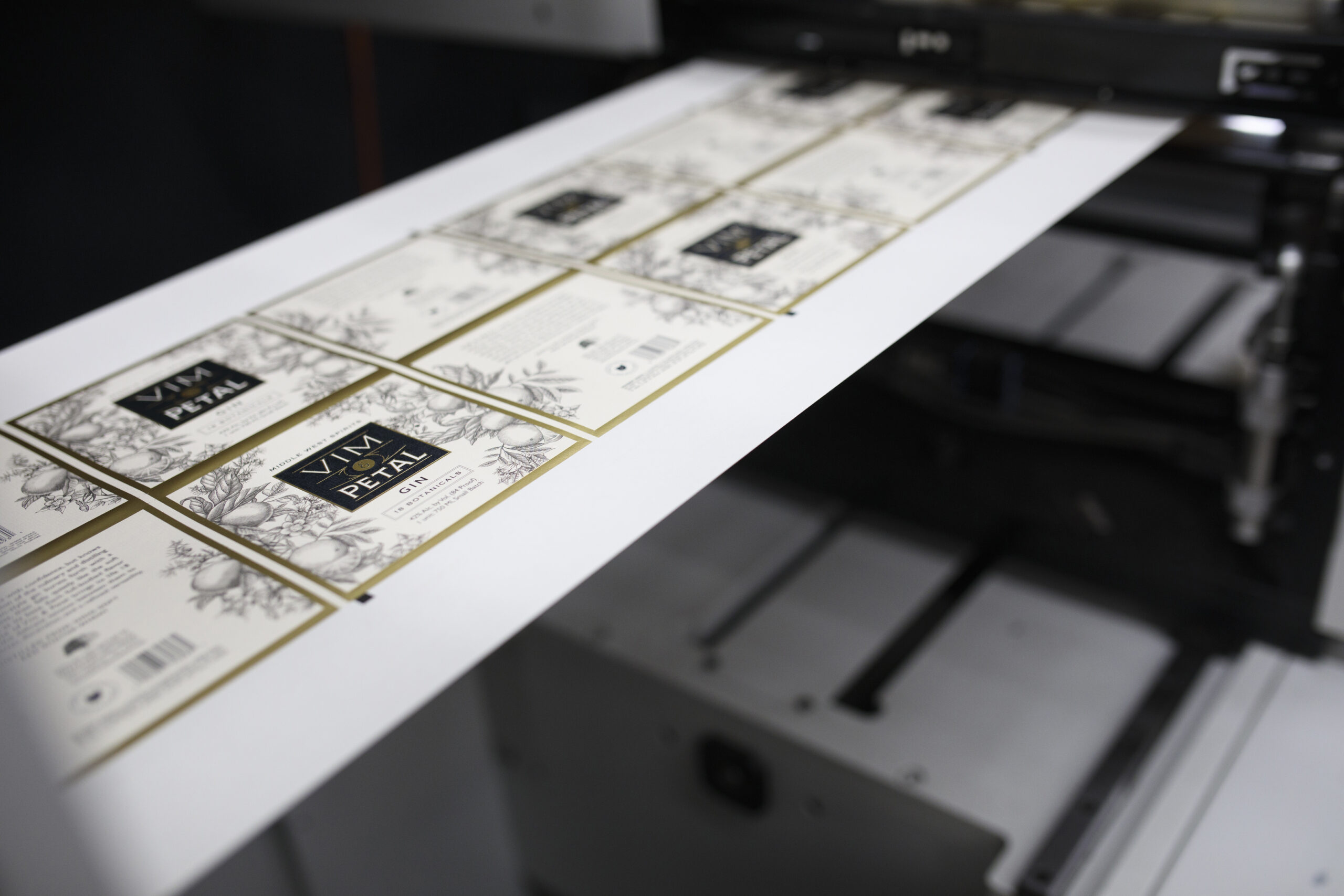
How to Choose a Craft Beer Label Printing Company in 2024

Finding the perfect labels for your craft beer can be challenging. With so many printing companies to choose from, it can be difficult to identify one that truly understands your unique durability, design, and customization needs. We’ve worked with thousands of breweries and craft beer makers in your position.

Don’t sweat it. This guide is packed with tips to help you identify a printing partner who gets your brand and makes your beer stand out.

We’re covering the essentials: understanding materials and techniques, how to weigh costs, figuring out order sizes, and making sure your labels stay compliant. Plus, you’ll get a cheat sheet of questions to ask printers, making your decision-making process a whole lot smoother.
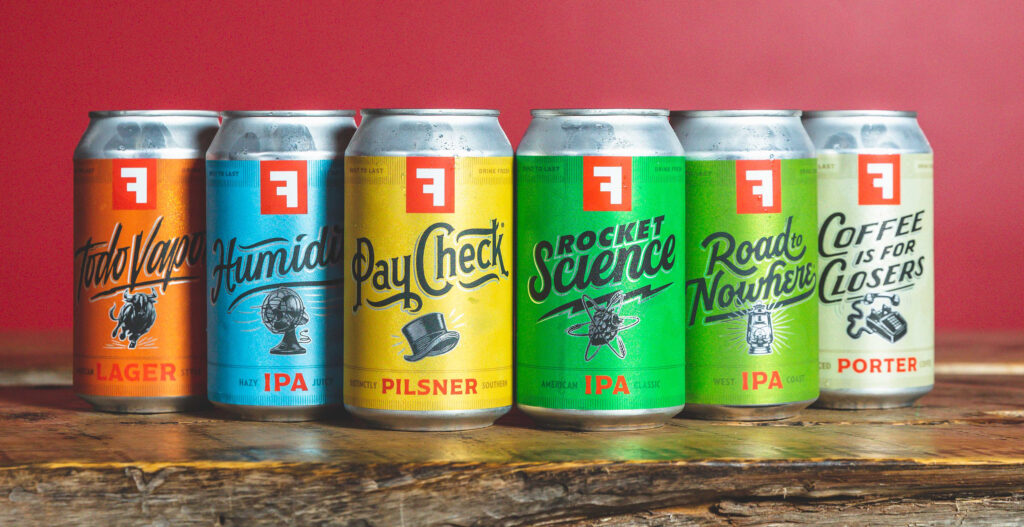
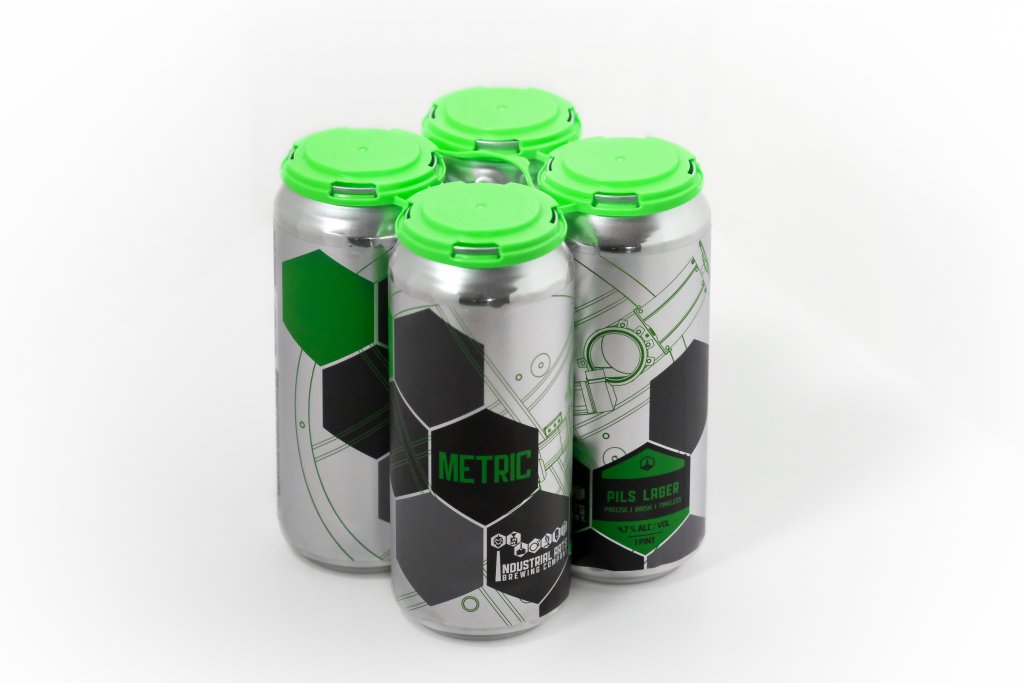
Cans with custom labels

Understanding Your Custom Beer Label Needs

Successfully choosing a printing partner starts with identifying your goals. Consider the following:

Identifying Your Goals

Start with the end in mind—your goals will likely include brand recognition, cost efficiency, durability, legal compliance, and customer engagement. These will help potential partners understand how to strategically design custom labels aligning to your specific needs. Here are some tips:

  • Brand Recognition: Share style inspirations or designs to collect feedback.
  • Cost Efficiency: Provide expected order volumes for advice on printing options that match your budget.
  • Durability: List product varieties like beers, seltzers, and ciders that require durable wet labels. Communicate the different environments that your product might have to endure.
  • Legal Compliance: Specify label content needs like government warnings supporting industry compliance (tip: we can help with this).
  • Customer Engagement: Discuss target demographics and labeling ideas to captivate them.

Decide What’s Most Important

Like any major business decision, it’s important to determine what matters most, whether it’s exceptional customer service, competitive pricing, the ability to create standout labels, conveying your brand story, eco-conscious materials, or a combination of those.

  • Standout Label Designs: Will custom shapes, special effects like foils or specialty printing techniques be featured? Determine must-have aesthetics.
  • Storytelling Through Labels: What brand narratives do your labels need to convey? Share themes inspiring designs.
  • Eco-conscious Practices: Do you require sustainable printing methods and materials? Ask about green production options.
  • Customer Service: How important is an expert team available for technical support? Assess level of involvement expected.
  • Printing Cost Factors: Will you print high volumes for cost efficiency or need flexibility for small batch prototyping? Request rate breakdowns.

Comparing capabilities in key areas helps identify ideal printing partners matching must-haves. Weigh whether you will compromise on certain preferences if strengths align well in other dimensions.
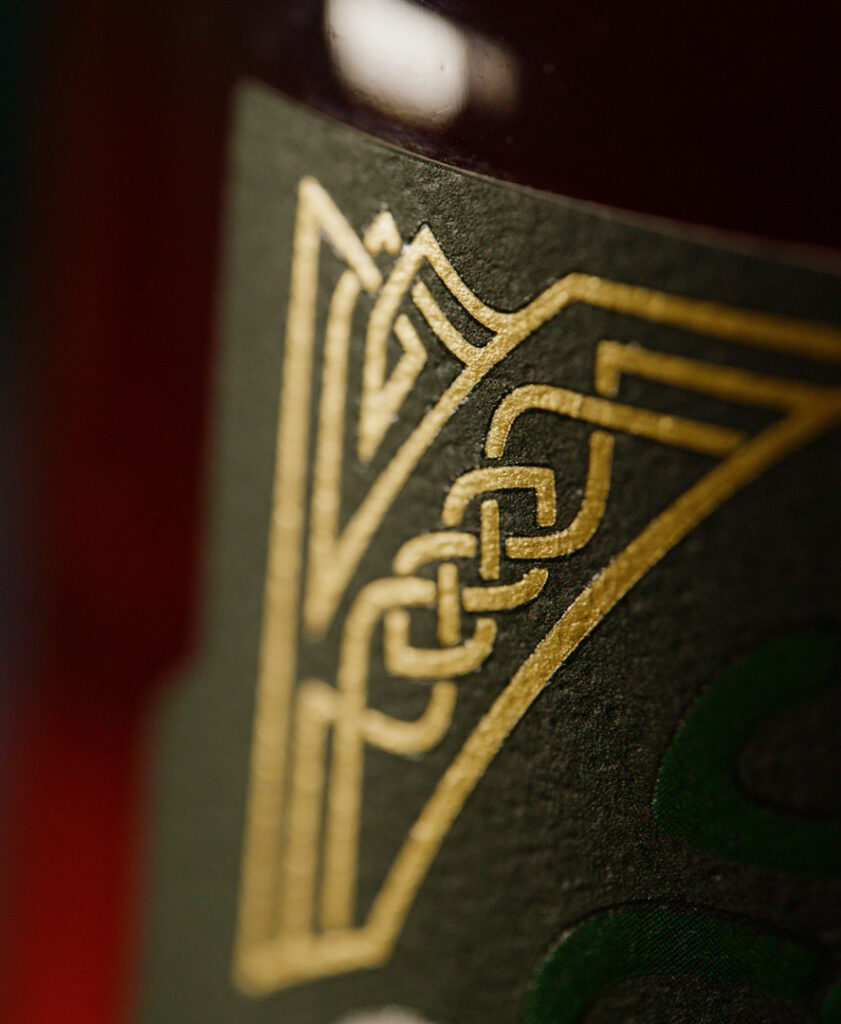
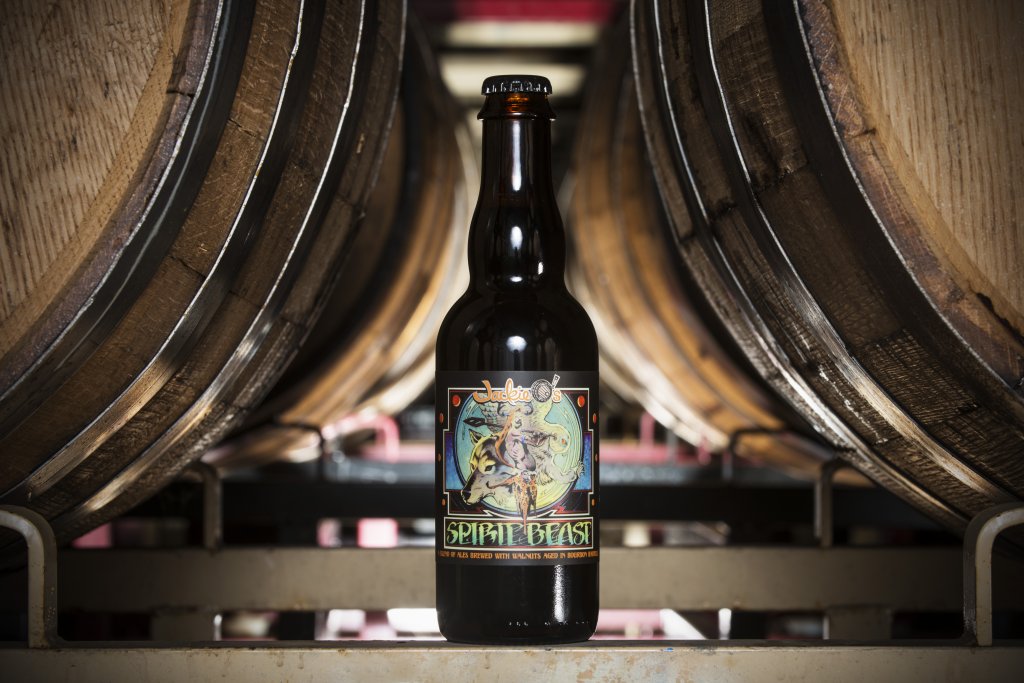
Custom bottle label with metallic foil and embossing

Key Considerations in Choosing a Craft Beer Label Printing Company

Choosing the Right Materials

When assessing the quality and materials capabilities of a printing partner, breweries should evaluate factors like durability, material options, and print quality.

The choice of material for your craft beer labels plays a significant role in their overall look, feel, and durability. Here are some considerations to keep in mind:

  • Water-Resistant Materials: Given the conditions that craft beer bottles and cans are often subjected to, from ice buckets to refrigerators, selecting water-resistant materials is crucial. Options like BOPP (biaxially oriented polypropylene) and vinyl offer excellent moisture resistance, ensuring your labels remain intact and visually appealing, no matter the environment​​.
  • Durability Against Moisture and Cold: It’s not just about water resistance; the material should also withstand cold temperatures without losing its integrity. Materials that can endure these conditions without peeling off or getting damaged are vital for maintaining a pristine look from the brewery to the consumer’s hand​​.
  • Aesthetic and Texture Options: Beyond durability, the material of your label affects its aesthetic appeal. Matte, gloss, and satin finishes can dramatically alter the look and feel of your labels. Each finish has its own way of interacting with light and can complement the design of your label to make colors pop or provide a sophisticated understated look.
  • Eco-friendly Options: With a growing emphasis on sustainability in the craft beer industry, considering eco-friendly label materials can resonate with your target audience’s values. Materials like recycled paper or biodegradable films can significantly reduce your brand’s environmental footprint while maintaining high-quality aesthetics.

Label Sizes and Shapes

Standard label sizes and shapes have evolved, largely influenced by the industry’s most common container types and sizes. For example, a typical beer bottle label might measure around 3.5 inches wide by 4 inches high, offering ample space for branding, artwork, and necessary information without overwhelming the container​​. Similarly, can labels often wrap entirely around the vessel, providing a 360-degree canvas for design creativity and brand messaging.

However, the “standard” is not one-size-fits-all. Different bottle and can dimensions, such as slim cans or larger bomber bottles, require tailored label sizes to ensure a perfect fit. The key is understanding the dimensions of your specific containers and how much of that space you want your label to cover.

Going Beyond Standard Options: The Case for Customization

While standard labels serve many brands well, the craft beer industry thrives on uniqueness and personality. Custom labels—those that break the mold in terms of size, shape, and application—are becoming increasingly popular for craft brewers looking to differentiate their offerings.

  • Embracing Unique Shapes: Custom-shaped labels can mirror the contours of unusual bottle or can designs, create visual interest, and enhance shelf appeal. From sleek, minimalist labels that hint at the contents to intricate, die-cut shapes that tell a story, the possibilities are limited only by imagination.
  • Considering Wraparound Labels: For cans, a full wraparound label maximizes the available design space, allowing for bold, engaging visuals that attract attention from every angle. This approach (often called shrink sleeves) can be particularly effective for limited edition releases or flagship brews that deserve extra emphasis.
  • Size Matters for Compliance and Clarity: When considering custom sizes and shapes, it’s essential to remember regulatory requirements for labeling alcoholic beverages. Every label must have space for mandatory information, including alcohol content, volume, and manufacturer details, without compromising readability​​. Balancing creative aspirations with these requirements is key to a successful label design.

Tips for Choosing the Right Label Size and Shape

  1. Start with Your Container: Measure your bottles or cans carefully, considering curves, necks, and any other features that might influence label adhesion and appearance.
  2. Reflect on Your Brand’s Personality: Let your label shape and size be an extension of your brand story. Are you bold and avant-garde, or classic and traditional? Your label can reflect this.
  3. Consult with Design and Printing Experts: Professionals in label design and printing can offer valuable insights into what works well for different types of beers and containers. They can also provide templates or guidelines to help visualize your ideas.
  4. Experiment with Mockups: Before finalizing your design, use digital or paper mock-ups to see how your label will look on the actual container. This step can help identify potential issues with size, shape, or legibility before you commit to printing.

Cost and Scalability

For breweries and craft beer makers, understanding the costs and scalability options of label printing is critical for both startup ventures and established brands. You’ll want to take into account factors such as minimum order quantities, volume discounts, the flexibility of printing across multiple SKUs, and the efficiency of re-ordering processes.

Understanding Pricing Models

Label printing costs can vary widely depending on several factors, including material choices, print techniques, label size and shape, and the complexity of the design.

Most providers use a pricing model that decreases the unit cost as the order quantity increases, rewarding larger orders with better per-label pricing. However, the starting point and scale of these price breaks can differ between providers, making it important to get detailed quotes for various order sizes​​.

Minimum Order Quantities and Volume Price Breaks

  • Minimum Order Quantities (MOQs): Many label printing companies set MOQs to ensure profitability. For craft breweries, especially those in the startup phase or with a rotating selection of small-batch brews, finding a provider with low MOQs can be crucial. Understanding a provider’s MOQs will help you determine if they’re a good fit for your production scale.
  • Volume Price Breaks: Volume discounts are a key consideration when planning your label orders. Providers typically offer price breaks at certain thresholds, which can significantly impact your cost per label. When comparing providers, ask for a detailed breakdown of pricing tiers to understand where these breaks occur and how they align with your anticipated order volumes.

Scalability and Flexibility for Multiple SKUs

Craft breweries often produce a wide range of beers, each requiring its own label design. Some key considerations include:

  • Flexibility Across SKUs: Look for providers that offer flexibility in aggregating different label designs to qualify for volume discounts. This can be particularly beneficial for breweries that want to print similar designs for multiple SKUs without the need to place large individual orders for each.
  • Digital Printing Advantages: Digital printing technology offers significant advantages in terms of scalability and flexibility. It allows for cost-effective short runs and easy updates to designs without the need for new plates or setup fees, making it an excellent option for breweries with a wide variety of labels​​.

Ease of Re-Ordering

The ability to quickly and easily reorder labels as needed is essential for maintaining inventory levels and responding to demand fluctuations. Consider providers that offer streamlined re-ordering processes, possibly through online platforms, which can save time and reduce the time to re-order.

Comparing Prices and Making Informed Decisions

When comparing label printing providers, consider the following steps to ensure you’re making an informed decision:

  1. Request Detailed Quotes: Obtain quotes for various order sizes, including the costs for different materials and print techniques. This information will help you understand the full scope of potential expenses.
  2. Evaluate Total Cost: Look beyond the sticker price to consider other factors like setup fees, design services, shipping costs, and lead times, which can all affect the total cost.
  3. Consider Long-Term Needs: Choose a provider that can scale with your brewery. A company that offers competitive pricing for small orders but also has the capacity to handle larger volumes efficiently can be a valuable partner as your business grows.

Turnaround Time and Reliability

For breweries and craft beer makers, timing can be everything. Whether you’re gearing up for a seasonal release, restocking a bestseller, or launching a new brew, the turnaround time for getting your labels can significantly impact your operations. You’ll want to consider everything from artwork approval to set up, printing, and shipping to help you plan effectively and avoid unexpected delays.

The Components of Turnaround Time

Turnaround time in label printing is influenced by several key stages, each contributing to the total time from placing your order to receiving your labels.

  1. Artwork Approval: The process begins with your design. Once you submit your artwork, the printing company will review it to ensure it meets technical requirements for printing. This stage includes checking the resolution, color specifications, and any potential issues that could affect print quality. Delays can occur if revisions are needed, so submitting artwork that already adheres to the provider’s guidelines can speed up this phase.
  2. Pre-Production and Setup: After artwork approval, the project moves into the pre-production stage. For traditional printing methods, this may involve creating plates or screens, which can slow down the process. Digital printing, on the other hand, typically requires less setup time, making it a faster option for smaller or more time-sensitive orders.
  3. Printing: The actual printing time varies depending on the complexity of your labels, the quantity ordered, and the printing technology used. Digital presses can produce labels relatively quickly, while traditional methods may take longer, especially for large volumes or intricate designs.
  4. Finishing and Quality Checks: Post-printing, labels undergo finishing processes such as cutting, laminating, and possibly applying adhesive. Quality assurance checks are also conducted to ensure the labels meet the brewery’s and the printer’s standards. This stage is crucial for delivering a high-quality product but can add time to the overall process.
  5. Shipping and Delivery: Finally, the completed labels are packed and shipped to your brewery. Shipping time depends on the distance between the printer and your location and the shipping method chosen. While expedited shipping options can reduce wait times, planning for standard shipping times in your overall timeline is wise.
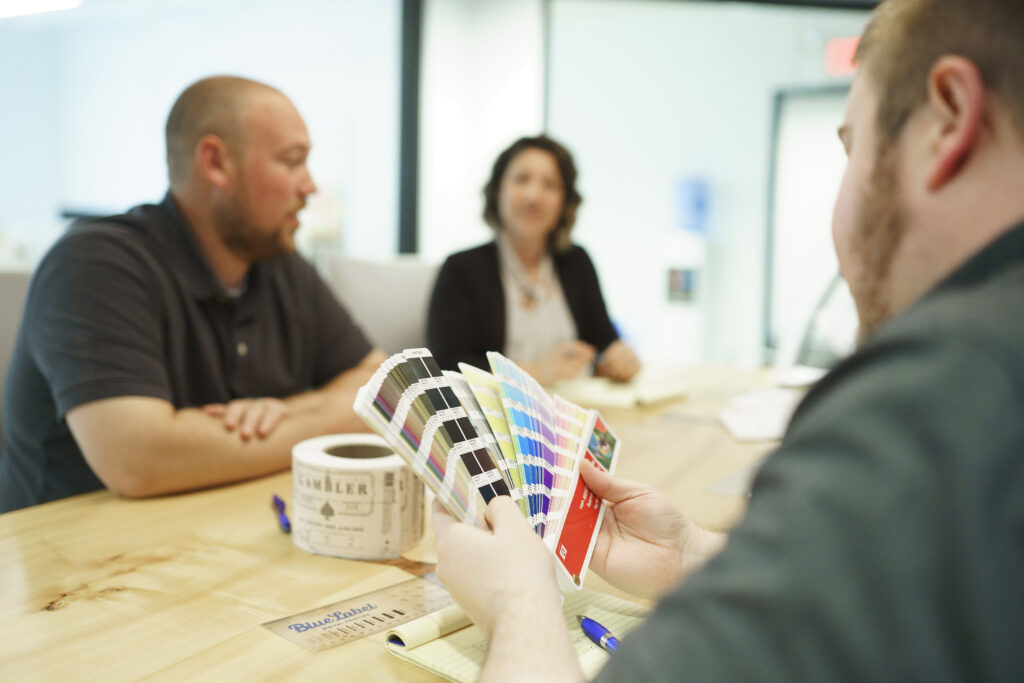
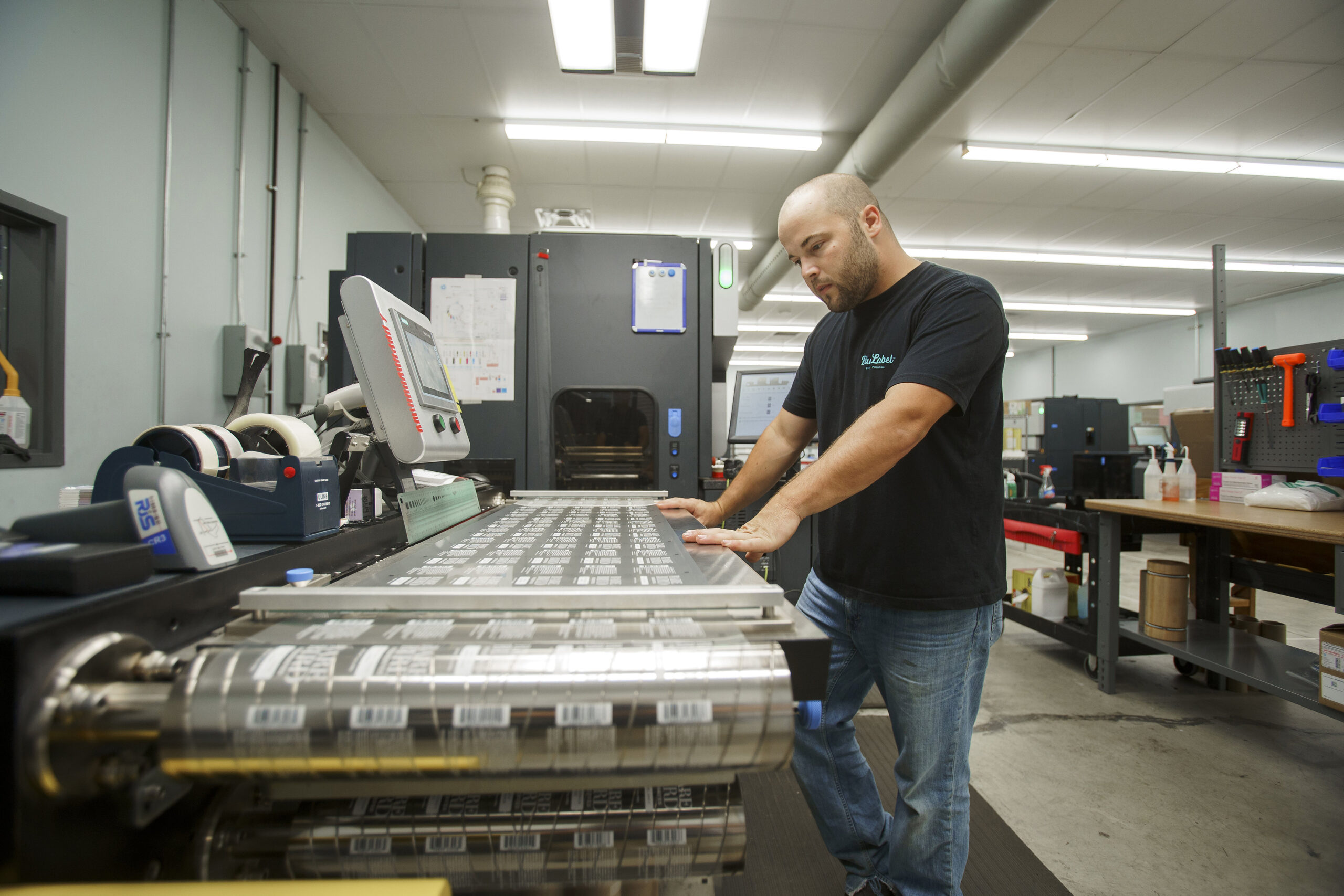
Label printing employees

Tips for Optimizing Turnaround Time

  • Provide Ready-to-Print Artwork: Ensuring your designs meet the printer’s specifications from the start can significantly reduce delays during the artwork approval stage.
  • Communicate Your Timeline: Be upfront with your printing provider about your schedule. Some companies can accommodate rush orders, but clear communication is key to aligning expectations.
  • Consider Shipping Logistics: Factor in shipping time when planning your label order timeline, especially if you’re located far from the printer or if the labels are being shipped during busy seasons.

Questions to Ask Potential Beer Label Printing Providers

To ensure you partner with a label printer that meets your needs, here are some questions to guide your selection process, informed by insights from our own label experts.

1. What is your experience with craft beer labels?

Understanding the printer’s experience in the craft beer industry can give you insight into their familiarity with common challenges and specific requirements, such as resistance to moisture and cold, adherence to regulatory labeling standards, and the ability to produce high-quality, eye-catching labels.

2. Can you provide samples of your previous work?

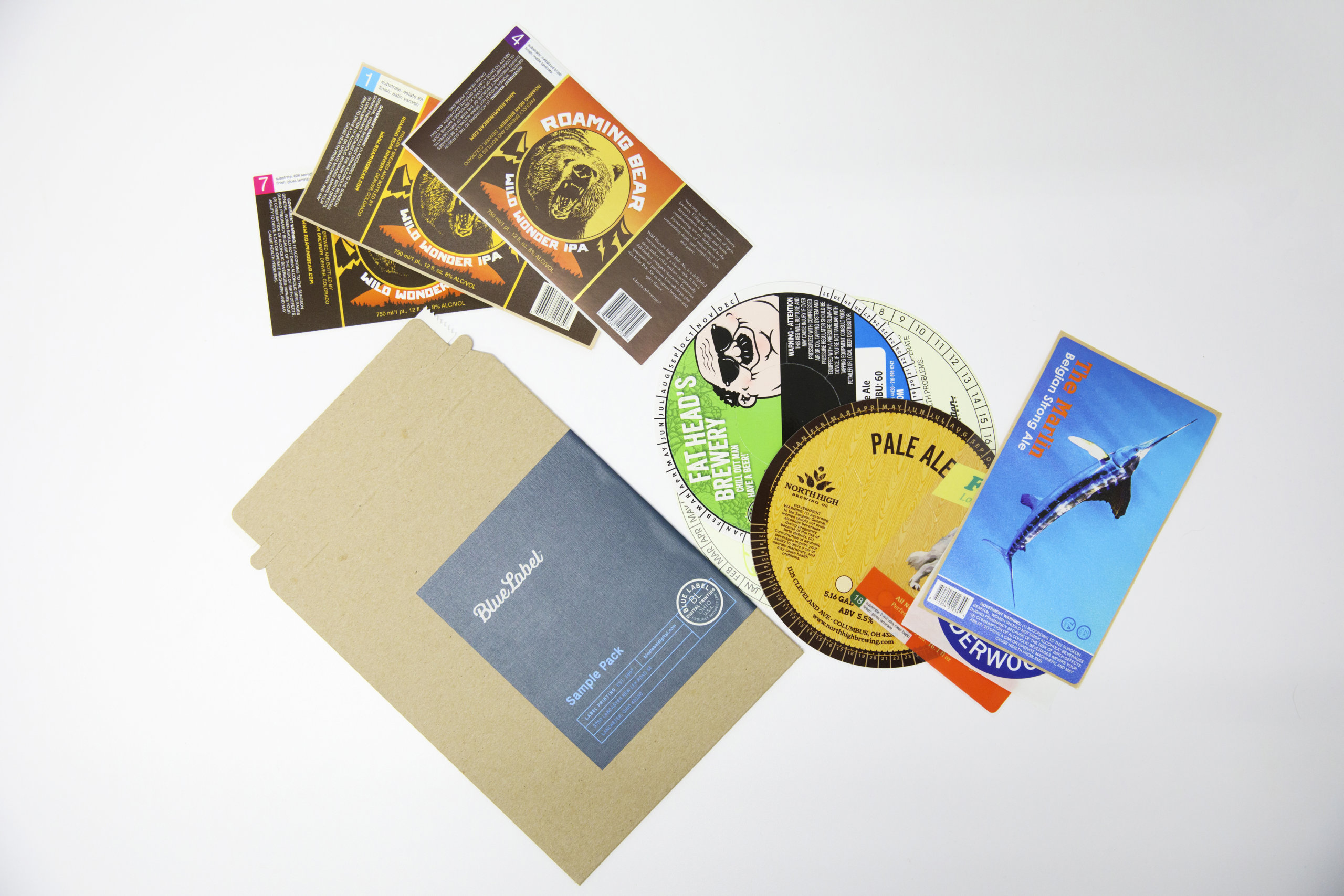
Asking for samples allows you to assess the quality of the printer’s work firsthand. Look for clarity, color accuracy, material quality, and the overall finish. Samples can also inspire your own label designs and help you gauge the printer’s capabilities in delivering the visual impact you aim for.

3. What printing technologies do you use?

Inquire about the printing technologies available, such as digital, offset, or flexographic printing. Digital printing offers more flexibility, producing vibrant colors, detailed designs, and cost-effective short runs without the need for expensive setup fees, making it an ideal choice for breweries.

4. How do you ensure label durability and compliance?

Given the conditions beer bottles and cans must endure, from refrigeration to moisture exposure, it’s crucial to ask about the materials and finishes used to ensure label durability. Additionally, confirm that the printer is knowledgeable about the regulatory requirements for beer labeling to ensure compliance with legal standards.

5. What are your minimum order quantities and volume discounts?

This question is vital for budgeting and planning purposes. Understanding the minimum order requirements and how volume discounts are structured can help you optimize your orders for cost efficiency, especially important for smaller breweries or those with a wide variety of products.

6. How do you handle design and artwork preparation?

Some printers offer in-house design services or assistance in preparing your artwork for printing. Asking about these services can be particularly beneficial if you don’t have a dedicated designer on your team or if you need help ensuring your designs are optimized for printing.

7. What is your turnaround time, and how do you handle rush orders?

Knowing the expected turnaround time helps you plan your label ordering process in sync with your production schedule. It’s also wise to ask about the process for rush orders, should you need labels more quickly than anticipated.

8. Can you accommodate special requests or unique label features?

If you’re interested in unique label features, such as foil stamping, embossing, or using eco-friendly materials, ask if the printer can accommodate these requests. Special features can make your labels stand out but may require additional planning and cost.

Finding the Perfect Beer Label Printing Company

Finding the right custom label printing company for your craft beer involves more than just comparing prices and reviewing samples; it requires a deep dive into understanding each provider’s capabilities, technologies, and commitment to meeting your specific needs.

The right partner will offer the flexibility, expertise, and scalability your brewery needs. Make sure you carefully consider the factors we’ve discussed in this article—material options, cost and scalability, turnaround times, and asking the right questions—and you’ll be equipped to make an informed decision.
A Comprehensive Guide to Clear and Transparent Product Labels

⚞ The Highlights:

  • Clear labels let the container and product show through, which is why they’re popular for beverages, beauty products, and any product where the contents are part of the brand story.
  • Clear labels are always made from film (there’s no see-through paper). Common materials: BOPP, PET, MDO film for squeeze bottles, and HDPE for moisture-heavy applications.
  • Design rule #1: plan for the bottle color to show through. Add white ink layers behind colored elements that need to read accurately.
  • Application matters more on clear labels. Bubbles, fingerprints, dust, and wrinkles all become visible in a way they don’t on white labels.

Clear and transparent labels create a striking look that puts the container, the product, or both at the center of the design. Done well, they give beverages, beauty products, and food brands a clean, modern, premium feel that white labels can’t match. Done without planning, they show every fingerprint, every air bubble, and every color shift that happens when ink sits on top of a colored bottle. Below is what to know before you commit to a clear label.

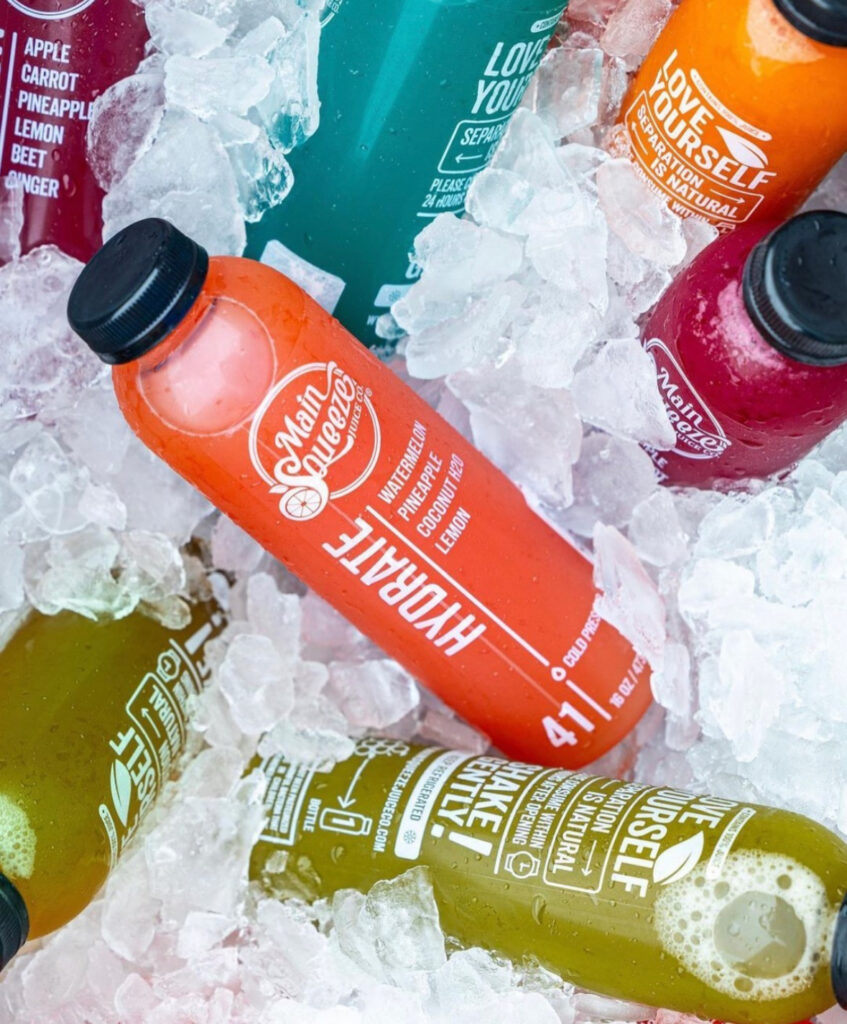
Custom beverages with clear labels

Clear vs. white vs. metallic labels: how they compare

Label type What it does Best for Cost
Clear / transparent Container and contents show through; design appears to float on the bottle Beverages, premium spirits, beauty products, “no-label” looks Higher (specialty films + white-ink layers)
White Solid white background that prints color predictably; covers the container Most retail products; bold branding; consistent color across SKUs Mid (the standard)
Metallic / silver Metalized substrate gives a reflective, premium finish Premium beverages, spirits, beauty, anywhere “luxe” is the goal Higher (less than hot foil but more than standard)

The short version: clear is for products where the container or contents are visually interesting; white is the default for most retail; metallic is the premium-positioning shortcut when foil isn’t in the budget.

Why clear and transparent labels work

Clear labels do two things at once. They let the product itself become part of the visual identity (the color of a juice, the texture of a serum, the natural look of a sauce), and they signal a “we don’t need to hide it” confidence that buyers tend to read as quality. The “no-label” look is also one of the most consistent visual cues for premium positioning across beverage, beauty, and specialty food categories.

Which products fit clear and transparent labels?

  • Beverages. Clear bottles + clear labels showcase juice pulp, fruit pieces, kombucha cultures, sparkling water bubbles, and the natural color of the liquid itself.
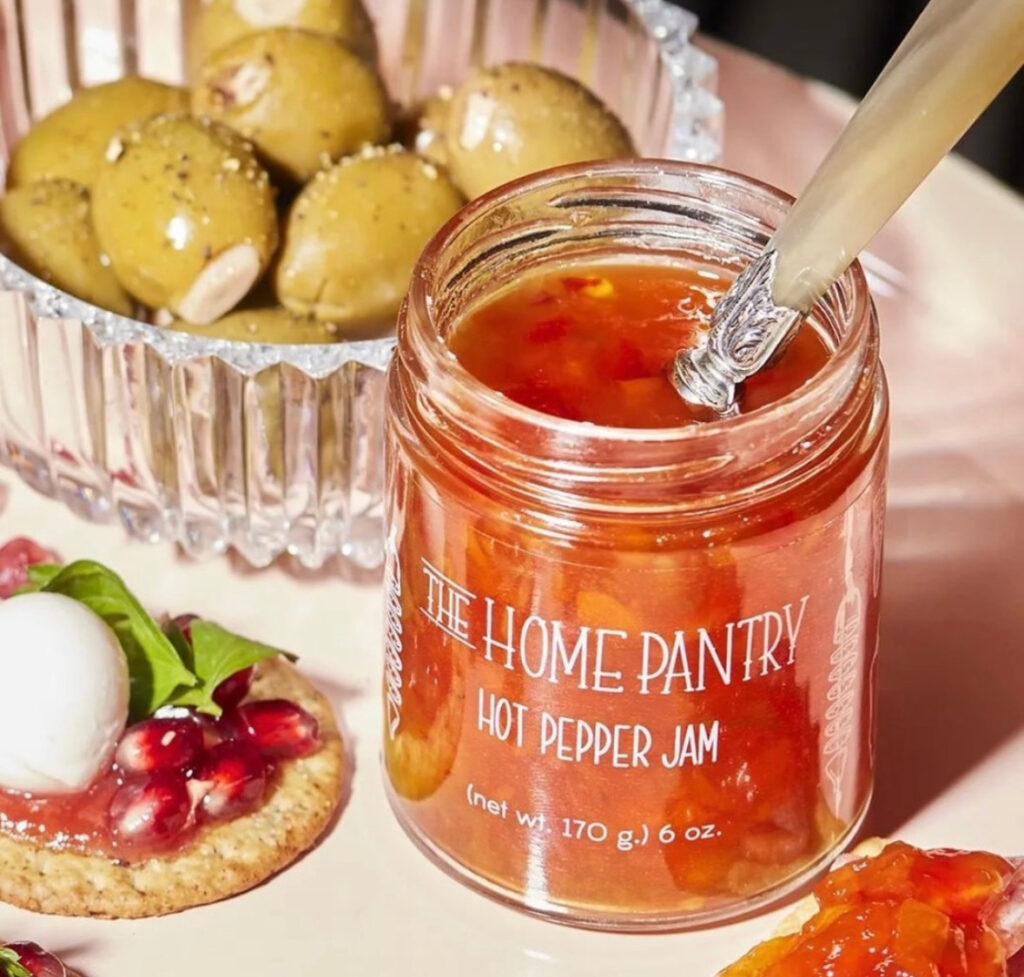
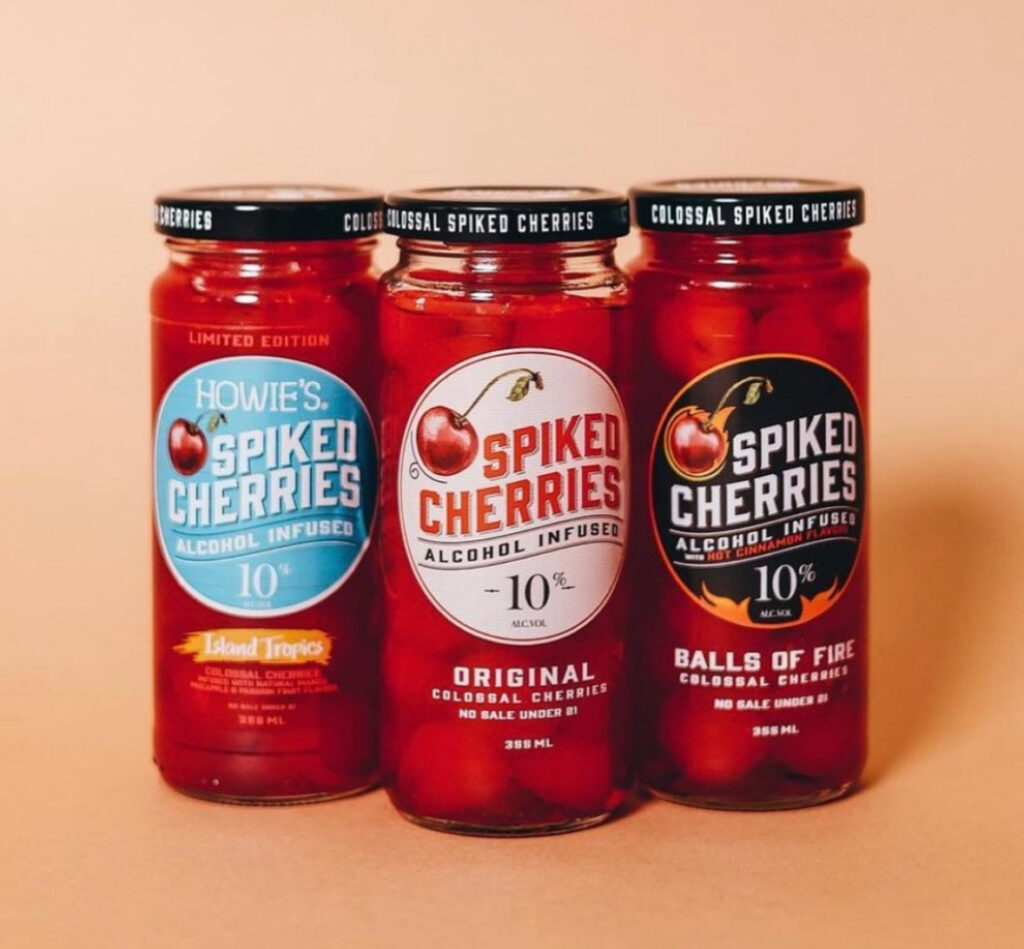
  • Foods. Jams, sauces, frozen fruits, honey, and similar products gain visual appeal when the label doesn’t cover up the ingredients. Clear labels reinforce homemade, artisanal, or natural positioning.
  • Health and beauty. Skincare, serums, perfumes, lotions, and cosmetics. The product color or shimmer becomes part of the design. Clear labels also make shade-matching products easier for buyers to evaluate at shelf.
  • Spirits and craft beverages. Premium gins, vodkas, and aperitifs use clear labels to let the bottle’s shape and the liquid’s color do the visual work, with brand marks layered on as accents.
  • Wellness and supplements. Tinctures, vitamins, and supplements where the brand wants to communicate transparency. Both literally and figuratively.

Clear label materials and container compatibility

Clear labels are always made from film. There’s no see-through paper option. Paper substrates aren’t transparent. The most common clear label films:

  • BOPP (biaxially oriented polypropylene). Clear BOPP is glossy, durable, and adapts well to complex shapes. The most common clear label material.
  • PET (polyethylene terephthalate). Crystal-clear polyester that’s especially common in health and beauty for its glassy appearance and durability.
  • MDO film (machine direction oriented polyolefin). Designed for flexible containers. Squeeze bottles, tubes, anywhere the package contorts during use. The label flexes with the package without cracking or wrinkling.
  • HDPE (high-density polyethylene). Strong, moisture-resistant film for tough environments.

The right choice depends on the container. Squeeze bottles need MDO. Glass spirits bottles often pair with crystal-clear PET for the glassy look. Most retail beverage containers work well with clear BOPP. Always pair the film with a laminate or varnish to protect against scratches and abrasions.

Design and color considerations

Color shifts: plan for the background

The colors on a clear label will blend with whatever’s behind them. The bottle color, the contents, or both. Red ink on a blue bottle reads purple. Yellow ink on a clear bottle filled with cola reads brown. To control for this:

  • Add white ink layers behind colored design elements that need to read accurately. Multiple layers of white ink may be needed to fully block out a saturated bottle color.
  • Test print proofs on actual containers and contents before approving a full run. Transparent inks on a screen don’t predict how they’ll behave on a colored bottle full of product.

At Blue Label, we can produce physical label proofs applied to your actual container and contents, so you see exactly how the colors will read before committing to a print run.

Custom food jars with clear labels

Size, shape, and die cuts

Clear labels open up shape options that white labels constrain:

  • Non-standard dimensions. Sized to fit the exact contour of the bottle, jar, or container.
  • Rounded corners. Soft or dramatic corner shapes that match the curve of the container.
  • Custom die cuts. Logos, abstract forms, or art-based outlines.
  • Multi-position labels. Front, back, side, and neck labels working together because each one is small and visually quiet, so multiple labels don’t crowd the bottle.

Designing for dark or shiny containers

  • Dark bottle colors restrict visible artwork. Dark backgrounds reduce the colors that read clearly on a clear label. Lean into colors with strong contrast against the bottle color.
  • Shiny materials hide detail. On glass or metalized containers, fine details and thin lines can disappear. Use bolder typography, patterns, and outlines to hold visual presence.

Design moves that work well on clear labels

  • Feature the contents as part of the design. Let appetizing food or beverage colors show through and become the visual centerpiece.
  • Use white ink as a design element, not just a backing layer. White ink on clear film reads bright and clean.
  • Layer artistic patterns, illustrations, or product sketches directly on the see-through material for a “printed on glass” effect.
  • Consider partial transparency. Opaque white ink for required information (regulatory copy, ingredients) and transparent design elements for brand visuals.

What clear labels cost

Clear labels and the printing techniques they require can carry higher costs than standard paper or white film labels.

Material cost

Clear film materials (BOPP, PET, HDPE, MDO) generally cost 10–30% more than paper labels of the same size. The extra cost buys 360° visibility of the contents and the option for the “no-label” look.

Printing cost

Clear labels often need:

  • White ink layers behind designs to prevent color shift, which adds passes through the press
  • Precise registration to line up multiple ink layers, which requires specialized presses and operator experience
  • Specialty inks or finishes (metallic, custom Pantone matches) that increase setup and per-label costs

ROI

The upfront cost of clear labels is higher, but for the right product they pay back through differentiation on shelf, premium positioning, and shopper engagement. If you’re undecided, run a small test on a single SKU before committing across the line.

Preparing artwork for clear labels

File setup

  • Send artwork as print-ready PDFs or high-resolution PSD/AI files so transparent elements render exactly as designed.
  • Review files at 100% scale and maximum quality before submitting.
  • Activate transparency flattening when saving PDFs so artwork layers blend correctly.
  • Confirm acceptable file formats with your printer and ask for a design file review before printing.

Design specifics

  • Use white ink layers behind colored design elements that need to read accurately on colored bottles.
  • Embed or link all fonts and images. Supply high-resolution photos sized 1:1 with the final label.
  • Request test prints applied to sample containers filled with stand-in product. The only reliable way to preview the final result before committing.

Label placement and application

Clear labels show every imperfection that white labels hide:

  • Air bubbles beneath the label become clearly visible.
  • Fingerprints, smudges, dust, and debris all show through the film.
  • Wrinkles and folds stand out, especially on cylindrical containers.

To avoid issues:

  • Use clean application practices. Minimize handling. Use automated label dispensers over manual application when possible.
  • Inspect every label after application. Re-apply any with bubbles, debris, or wrinkles before product goes to shelf.
  • Match the adhesive to the container. Clear labels need permanent adhesives that bond cleanly to smooth surfaces. Peeling or shifting is more visible on clear film than on a white label.

Clear labels reveal the bottle and the contents beautifully. They also reveal application flaws, which is why tight quality control on application matters more here than on most label types.

Custom jam labels with clear labels

Frequently asked questions

What is a clear label made of?

Clear labels are always made from film, never paper (there’s no see-through paper). The most common clear label films are BOPP (biaxially oriented polypropylene), PET (polyester), MDO film (for flexible containers like squeeze bottles), and HDPE (for moisture-heavy applications). The right choice depends on the container and the use environment.

Are clear labels more expensive than regular labels?

Generally yes. Clear film materials cost 10–30% more than paper labels of the same size, and the printing process often needs additional white ink layers behind colored design elements (which adds press passes). Specialty inks and precise multi-color registration can add further setup costs. The trade-off is the premium look and shelf differentiation that clear labels create.

Why do clear labels need white ink behind the design?

Because the colors on a clear label blend with whatever’s behind them. The bottle color, the contents, or both. Red ink on a blue bottle reads purple; yellow on a clear cola bottle reads brown. White ink layers act as a backing that blocks out the background so colored elements read accurately. Multiple layers of white may be needed to block out highly saturated bottle colors.

Can clear labels work on dark bottles?

Yes, but they need different design moves. Dark bottle colors restrict the artwork colors that read clearly through the film. The reliable approach is to use white ink as a design element, lean on colors that contrast with the bottle, or use bold typography, patterns, and outlines to hold visual presence against the dark background.

What products use clear labels most often?

Clear labels are most common in beverages (juice, kombucha, sparkling water, spirits where the liquid color is part of the appeal), foods (jams, sauces, honey, frozen fruit), health and beauty (serums, perfumes, lotions where shade or shimmer matters), and premium spirits where the bottle shape and liquid color carry the brand identity.

Do clear labels show fingerprints and bubbles?

Yes. Clear labels reveal every application imperfection. Air bubbles, fingerprints, dust, debris, and wrinkles all show through. Tight quality control on label application matters more on clear labels than on most label types. Use automated dispensers when possible, minimize handling, and inspect every label after application.

What’s the difference between clear and white labels?

Clear labels let the container and contents show through, with the design appearing to float on the bottle. White labels have a solid white background that covers the container and prints color predictably. Clear labels work well when the product or container is visually interesting; white labels are the default for most retail products where consistent, high-contrast color matters more than transparency.

Find the right partner for your clear product labels

Clear labels are tough to evaluate on a screen. The bottle color shifts the artwork. The contents shift it again. The lighting at retail shifts it a third time. The only reliable way to know how a clear label will look is to see it on the actual container, applied with the actual contents, under realistic lighting.

If you’re considering a clear label, take a look at our clear labels page for an overview, or request a free sample pack to see clear labels applied to real product containers. Get in touch when you’re ready to talk through your project.

4 Ways Labels Improve Consumer Perception of Product Quality

It’s no surprise that the typical consumer is looking to high quality products. The problem is that you don’t have a lot of time to make an impression. Customers take an average of 13 seconds to make a purchase decision, so it’s essential to make sure your goods stand out compared to competing products.

Fortunately, a good product label makes a direct impact on how potential customers view your products. Here are four ways that your labels can improve the perceived quality of your products.

Mind the Materials

Think of your label material as your product’s coat – an attractive topcoat is going to exude more class and luxury than a basic windbreaker. Your choice of label material makes a direct impact in how consumers perceive your product. If you’re aiming to convey the quality of your product, you’ll want to match your product with the right material.

Of course, the right type of “quality” material depends greatly on your product. Some product need to look expensive to present themselves as quality goods, which is why textured and matte-coated paper stocks are excellent choices for wine labels and other products that need to radiate elegance. Meanwhile, a shrink sleeve can create a very professional, 360-degree look that appears very official and clean.

Simply put, your material needs to both look good and match the vibe of your product. By combining those factors, your labels will be set up for a great introduction for customers seeking quality products.

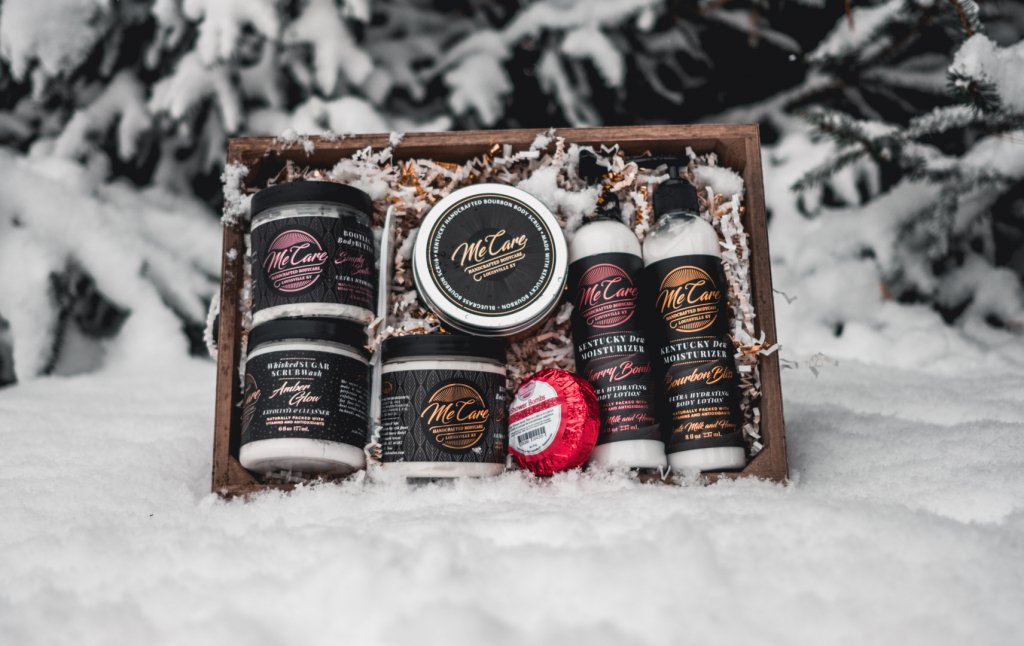
A slection of Me Care products with quality labels.

Color Them Impressed

The right color can help sway consumers to your side. More than 90% of buying decisions are impacted by visual factors. What’s more is that different color choices impact how people perceive your products. By utilizing certain colors in your label design, you can present your product in the right light.

Of course, there are always exceptions based on your particular product and your intended audience. Different genders have varying color preferences, so purple packaging tends to be more effective for women, while men gravitate toward striking black labels. You’ll want to tailor your color choices to your brand, market, and audience, but the right combinations can help you communicate quality before people ever touch your product.

Elevate Your Packaging Through Decoration

A little decoration goes a long way toward people’s perception of product quality. Remember that coat analogy earlier? Decorations are the little touches that enhance your look – tailoring, embroidering, etc. Decorative additions can completely overhaul how people view your product, which is why the following capabilities can help showcase product quality.

Each of these processes allow you to add new, intriguing elements to the look and feel of your label. An embossed pattern or soft touch varnish give customers a different tactile experience. Stamping metallic, holographic, and other foils add a new dimension that takes your packaging to a new level. Adding these extra details takes your packaging beyond that of a simple, boring label. That extra attention to detail isn’t lost on customers.

Eliminate Label Damage and Application Issues

Even the best labels can be derailed by a simple defect. It’s hard to convey quality you’re your label is damaged or has visible application issues. It’s like that proverbial coat we keep mentioning – a visible tear is going to overshadow even the snazziest jacket.

There are a few measures that companies can take to prevent label damage and defects. Print protection plays a pivotal part in proactively protecting product labels. No matter what type of product you sell, any form of friction could damage your design. Add in potential threats like water, oil, and other substances make print protection essential for defending your product labels.

As for application issues like air bubbles, wrinkles, and more, it’s important to work with your label printing and applicating partners to identify potential issues ahead of time. There are plenty of potential reasons for label application defects, so you’ll want to address the following factors.

  • The container – Your container’s dimensions and surface can lead to issues. For example, you may need to properly taper your label or use a specific adhesive for different types of containers.
  • The applicating environment – Factors like temperature, moisture, and potential contamination can all dictate which materials and adhesives will best help you avoid application issues.
  • Liner issues – Different applicators are built for paper or clear liners, so you’ll need to identify which is best suited for your process.
  • Improper storage – It’s best to store labels in a temperature controlled environment based on your specific label. This is especially true for shrink sleeves, as they are more susceptible to potential damage prior to application.

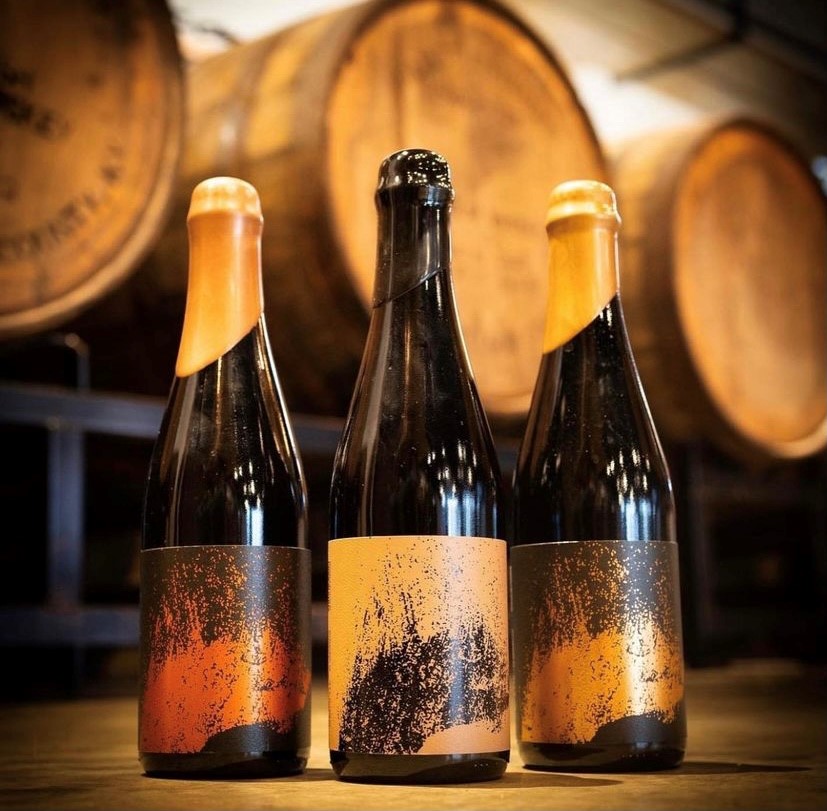
A trio of stunning bottle labels that convery the perception of product quality.

Showcase the Quality of Your Products with Stunning Labels

The right label makes a direct impact on driving consumer behavior, but it takes a good printing partner to turn your designs into a reality. Blue Label combines state-of-the-art digital printing technology with unmatched customer service to enhance your labels and showcase the quality customers want to see in their products.

Want to elevate your product packaging? Contact us today to get the stunning labels and unmatched customer service your products deserve.

The Cost of Beer Labels: How Does Commercial Pricing Work for Professional Beer Labels?

When it comes time to invest in beer labels, there are a lot of questions you may want to ask your label printing company. Of these, there’s one particular question that every one wants to know: how much will professionally printed beer labels cost?

The immediate answer to that question is, it depends. There simply is no quick answer to how much beer labels cost because every project is so different. Instead, it’s important to have a general understanding of how commercial beer label pricing works and all the factors that can impact the cost of your project.

How Craft Beer Labels are Priced

The main reason why it’s tough to provide a quick custom beer label estimate is that each project is a custom process. Each order is manufactured from scratch, so there are no pre-made products to ‘save’ cost with. Every beer label features an original design and uses different materials per your specifications. At Blue Label, we rarely see a project cost less than $150 total (simply due to the costs associated with setting up equipment) and will scale up depending on your specifications.

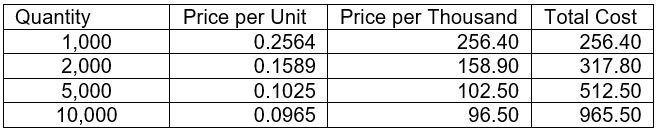
Once you do get a beer label estimate, it’s also important to evaluate your investment in understandable numbers. While some people may want to break down cost on a price per unit basis, we find that it’s generally better in print to evaluate your label cost per thousand pieces. This perspective allows you to avoid the fractional cents in per unit costs and helps provide a clearer visual of the sliding scale in total cost. For instance:

A chart that break down beer label costs on a price per unit basis.

**Note: This chart does not reflect any pricing at Blue Label. For demonstration of pricing breakdown only**

So between 1,000 and 2,000, you can get twice the amount of labels for $61.40 more. The ‘Price per Thousand’ (sometimes notated as ‘Price per M’) category is intended to give a more clear ‘apples to apples’ comparison on items that have a small unit price.

The Factors That Impact Beer Label Costs for Craft Brewers

As a digital label printing company, we gather a lot of information to estimate the overall cost for your beer label project. There are multiple factors that can impact your costs. These factors include:

  • Product type
  • Material
  • Size
  • Quantity
  • Multiple versions
  • Lamination / varnish
  • Tooling
  • Decoration
  • Application
  • Variable content

Product type

The very first step in the pricing process is to determine what you want to accomplish with your beer labels. Depending on your product, design, and environment, you may be in the market for pressure sensitive labels, shrink sleeves, double sided labels, or hang tags.

For example, shrink sleeves have a special production process and may require certain quantities to help maximize your invest in them. Meanwhile, pressure sensitive labels have a multitude of material options and decorating capabilities that can be applied to them. Our experts can offer advice on which label type is ideal for your brewery.

Material

Your label material of choice is going to be a notable contributor to your overall label costs. Each label is made with multiple layers that include a top layer (face stock) , an adhesive, and a liner. Some label materials will cost more per linear foot than others, so a more expensive material will lead to overall higher project costs.

When it comes to beer labels, there are two main types of material options: film and stock paper. Films for pressure sensitive labels are a natural choice as they’re more resistant to fluids.

Paper materials can provide a distinct look for beer containers, but can be two to five times more expensive than standard semigloss or white BOPP films. Given that materials make up a significant percentage of your total beer label costs, that distinctive paper material could lead to a cost increase of up to 40 percent overall.

An assortment of materials used for professional beer labels.

Size

The overall size of your label is another major factor for beer label costs. Label size dictates how much material is required. Simply put, the more material we use, the more expensive your label project will be. As such, larger labels can cost more than smaller labels from a raw materials standpoint.

Print layout is also another major factor that can influence label sizing costs. Label materials come in long rolls that are fed through a machine that prints your design onto the face stock of the roll. Depending on the size of your design, you may be able to fit multiple labels across the width of the roll.

By fitting more labels on a roll, you can improve printing efficiency and limit label material waste. This amount of material waste isn’t too noticeable in smaller orders, but a 20 percent difference in material costs is a noticeable change for larger quantities of labels.

Fortunately, there are measures you can take to help maximize space and minimize waste. Work with your designer and printing company to adjust the size of your label, especially if a fraction of an inch is the difference between a 15 to 30 percent bump in material costs. Our Beer Sizing and Dimensions Guide also includes optimal measurements for the most cost-effective sizing for printing your beer labels.

Quantity

The total number of labels printed in a project has a massive impact on your final project price. As expected, projects with higher label quantities will have a higher total cost simply because they consume more material. However, there is a potential for savings that isn’t as straightforward as you may expect.

While digital label printing allows breweries the flexibility to invest in lower quantities of beer labels, higher quantity runs can help you drive down your cost per thousand. Every project includes initial costs to set up the printer, calibrate colors, set up die cutting, and complete other tasks to start the manufacturing process.

Regardless of whether you need 200 or 200,000 labels, we have to go through those same processes. However, that setup time can be amortized much more efficiently over a long print run of labels, which means that higher quantities of labels actually drive down label costs.

While larger quantities can drive costs down, there are some potential cost advantages of buying lower numbers of beer labels. Digital label printing allows you to avoid the hidden costs of labels of obsolescence – regulation changes, brand updates, and other events that can make your beer labels outdated. That flexibility can be very valuable when you’re dealing with future events that could lead to unnecessary label waste.

Multiple versions

One notable cost factor is the ability to group multiple label versions together in a single project. While plate-based printing will require added fees for each label version, digital label printing can group these different labels together as long as there are 500 copies of each.

Maybe you don’t can 50,000 of one flagship… but maybe you do can 10,000 of your top five beers and have some seasonal releases to add in as well. Instead of placing five separate orders of 10,000 labels, digital technology allows you to place one order of 50,000 labels to take advantage of the lower ‘per thousand’ unit cost. Since everything is done digitally, we have the ability to mix and match your various versions into one production run, which helps save on setup and minimize waste.

Lamination / varnish

Every beer label needs some form of print protection. The average beer label is going to face several potential issues. Fluids like water and beer can wreak havoc with paper labels. Shipping and handling can rub off ink without a laminate or varnish layer.

Standard laminates and varnishes aren’t an additional cost, as much as they are something that’s baked into your starting project price. Every film label project is made with some form of laminate, while wine stock papers will require a basic varnish. There are also decorative laminates and varnishes available as well for an additional cost. Finishes such as soft-touch or textured laminates can serve a dual role of protecting your beer labels while adding to the overall look and feel of your packaging.

Tooling costs

Beer label costs may also include tooling fees, but these can vary depending on your label design and how they’re printed. Older printing methods, like offset or flexographic printing, use unique sets of plates to create your beer labels. As such, you’ll need to pay for a new set of plates for every piece of artwork. Digital printing doesn’t require plates, which cuts out those costs and any additional lead time required to manufacture plates.

Custom label shapes can also add tooling costs. Specialized pieces of metal called dies are used to cut specific shapes out of label materials. While digital label printing companies often have a wide range of existing dies, specialty shapes may require a newly manufactured part.

Depending on the size and shape, a new die can cost around $200. Of course, that die will then be freely available for any future label runs. At Blue Label, we have dies for most standard beer sizes in-house and can provide them for no extra cost to our customers. Our Beer Sizing and Dimensions Guide can walk you through the options and provides visual aids.

Decoration

While your choice of material, label size, and total quantity are the three biggest factors for project price, label decoration can add some additional costs depending on your needs. These added features can enhance the look and feel of your beer labels, which can add to your overall price per thousand and lead times based on your desired decoration.

Digital finishing equipment can apply many different decorative elements to beer labels. Foil stamping presses special foils into your material to create a raised image that stands out from other labels. Embossing imprints a special pattern or image into the label material, creating a pattern that consumers can see and feel. Spot varnishes allow you to coat specific parts of your design to make those elements pop. Each of these finishes can help capture consumers’ attention for an added cost.

Application

Your application process can also impact the beer label pricing as well. Your exact application process determines a few different factors:

  • Roll size
  • Unwind
  • Liner

Applicators can require a specific roll size or “Max OD” (Maximum Outer-Diameter). Your application process can determine how big the roll is, which can require more rewinding. Smaller rolls will also require your printing company to break your labels down into more manageable quantities for your machinery. These efforts won’t make for large changes in price for most customers, but they’re another potential reason why you might see an uptick in beer label pricing.

The required unwind can also affect potential cost efficiencies. The unwind determines which edge of the label first comes off the roll. This unwind can change how your printer needs to position your labels during printing. Depending on the dimensions of your label, that new positioning can yield a more or less efficient print layout.

Certain applicating equipment may also require a specific type of label backing. The backing, also called a liner, is the bottom layer of a pressure sensitive label. Applicators have sensors that read the label gaps during application, but certain sensors may only be able to read paper or film liners. As such, you may need to invest in a film liner which could slightly increase your project price if your applicator requires it.

Variable content

Variable data printing is another way that digital label printing allows you to change certain elements in a design without having to create entire new art files. Essentially, variable data printing utilizes a spreadsheet or some other file format to modify a variety of design elements, such as a headline, image, name, or color. Variable data printing can also incorporate variable images and patterns, allowing you to alternate or serialize label designs.

Variable data is a very useful tool for batch numbering, product tracking, or creating individualized items. It does require a good deal of setup and administration, so adding variable data printing to a label can increase costs.

Beer can labels made with a film material, print protection, and other factors that impact beer label costs.

Added Value Opportunities for Beer Labels

While there are several factors that can add to your overall project price, it’s important to also identify potential value opportunities as well. There are a lot of services that won’t show up on your bill, but can make a massive difference for your company. Each of the following factors can not only help your business save time and money, but also spare you from avoidable headaches when it’s time to invest in beer labels.

Artwork prep and readiness

Every beer label starts off as an art file before it’s printed. Unfortunately, there are a litany of artwork issues that can pose problems for your labels. Common concerns like incorrect file formats, low-res images, and improperly built bleeds will lead to problems with printed products without prior attention.

The level of artwork assistance depends on the label printing company. A lot of printers will charge you for that time to make sure your art is ready. Others will provide artwork prep for free and guide you through the printing process from start to finish.

Label printers can also provide press proofs for a small fee so that you have a physical example of your product before investing in the full run. Artwork can translate very differently from a computer screen to printed product. Though they might add a little time and money in the short term, artwork prep and press proofs can help avoid costly errors or artwork issues on a full production run.

Shipping and turnaround times

While shipping isn’t a part of the label production process, it’s important to keep it in mind for your overall label costs. You’ll want to examine the turnaround times and whether or not there will be any additional charges if you need your beer labels sooner than the standard turn-time and standard shipping propose. Blue Label commits to five-business day turnarounds, but others may tack on rush fees that range from $100 to $350 depending on how quickly you need your beer labels.

Customer service and satisfaction guarantees

We don’t live in a perfect world. At some point you will inevitably run into an issue, be it a misspelling in the artwork or color not translating properly. If these issues occur, it’s important to find a label printing partner that won’t leave you stranded with faulty packaging.

A good quality department won’t change your beer label bill, but it’s priceless when you do run into any issues. Evaluate potential printing companies to see if they have any warranties and satisfaction guarantees to make sure you’re not stuck with an improper print job. You’ll want to talk to a live, friendly label expert whenever you call with any questions or concerns. If a potential label printer limits access to real people, they might not be there when you do have any issues.

Internal resources

Customer service representatives aren’t the only resources that can help you out with your beer label project. Some label printing companies offer additional internal resources that can help add value without increasing the costs of your beer label.

For example, Blue Label has several helpful blog posts, resources, and guides available online to help you prepare your labels for success. In addition, our designer directory can help you find a designer who understands the intricacies of the beer market and can create the perfect custom beer label design for your products.

A custom label design made with commercial beer label pricing.

What Breweries Can Do to Help Control Beer Label Costs

Proper packaging is an important investment for any brewery. Unfortunately, there are scenarios where you may end up paying more for your labels than necessary. Situations such as last-minute orders or unforeseen problems can lead to extra charges or delayed shipments.

The best way to avoid these issues and control your beer label costs is to prepare early. The sooner you start talking with a label printing company about your needs, the better. This head start will allow you and the printing company to identify any potential issues, avoid expedited shipping, and have everything ready to go for when you actually need your beer labels. You can also ask for test rolls to ensure that your labels work with your applicating equipment ahead of time instead of troubleshooting problems at the last minute.

Order your labels ahead of time. As long as they are properly stored, label adhesives won’t lose effectiveness for several months. Because of this, you can have your labels shipped to you a week ahead of when your applicator arrives and stil be good to go. This will give you plenty of leeway and a lot less stress when it’s time to label your beer bottles or cans.

Finally, the best way to help you invest in the perfect beer labels for your products is to work with the right label printing company. At Blue Label, we promise to deliver unmatched quality and service to help you create the best, most cost-effective beer labels for your exact needs. Contact us today to talk about your next beer label project.

Common Labeling Mistakes to Avoid: Application Issues

Before your labels can wow anyone, you need to apply them to your products. However, improper application can make your labels stick out for all the wrong reasons.

Application issues come in many forms and lead to a range of problems. Misapplication could lead to tearing, wrinkling, flagging, or peeling. Other factors can wreak havoc with the actual application process itself. No matter the problem, you can take measures to prevent each problem ahead of time. Here are some notable reasons why you’d encounter label application issues.

Your Label isn’t Right for Your Container Surface

What you apply your labels to can play as much of a role in label issues than the application process itself. Each surface has its own challenges, which can call for a different adhesive or label material. For example, a glass wine bottle has a different surface energy and adhesive needs than a polyethylene pouch for candy. This means that you need to identify potential surface issues to ensure that your labels stay on your products during – and long after – the application process.

Custom product labels printed out for rolls.

The Applicating Environment Poses Problems

Even if you have the right label material and adhesive for your container, they may not be a good fit for your applicating environment. There are a variety of factors that impact label application. Certain adhesives won’t work nearly as well at different temperatures, which can be a major issue if application is performed in a hot or cold environment. As a result, you’ll want to take these conditions into consideration when selecting the right label adhesive.

There’s also potential for contaminants like dirt, dust, and moisture to prevent proper adhesion. The product itself can even pose a problem for the application environment. Spilled oil or soap won’t make it any easier for an adhesive to take hold. No matter the potential problem, it’s important to try and keep your containers and environment as clean as possible for application.

The Unwind Direction is Wrong

Even if you have the right label adhesive and your applicating environment is clean, you can still have major issues if your rolls aren’t oriented correctly. Since your labels are printed on rolls, it’s crucial that you consider both how those labels are printed on the substrate and how they’ll be applied to your container. If you don’t, you’ll likely end up with an incorrect unwind direction that results in improper label placement.

Simply put, the unwind direction is the orientation of your labels as they come off a roll. Depending on your container or application equipment, you will need a specific unwind direction. For example, one machine may dispense labels on the left side first or require your design to be turned 90 degrees for proper placement. It’s key that you take the application process into account and visualize how your labels are applied to your product. That way you can communicate the correct unwind direction to your printer so that you avoid issues before they happen.

Spirit bottle labels printed with the right unwind direction.

Your Label Rolls Aren’t Right for Your Equipment

Unsurprisingly, your applicating equipment could be the source of application issues. Certain machines only handle certain roll sizes. That means equipment designed to use 8-inch rolls won’t accommodate larger sizes. As a result, improper roll sizes can cause your application process to come to a complete stop.

Incorrect roll sizes are fixable, but it still requires your printer to resize and rewind them. In turn that costs you more time and money for an entirely preventable problem. Whether you use your own equipment or work with a co-packer, make sure you know what size rolls your equipment can handle. This size issue is typically referred to as “maximum outer diameter” or “max OD,” That way you can communicate these sizes to your printer and be proactive in preventing issues.

Work with the Right Label Printing Company

No matter the application issue you want to avoid, a good printer can help you find potential solutions to your label problems. That’s why Blue Label develops a collaborative relationship to work with our customers so that we understand their needs and identify ways to avoid issues ahead of time.

Ready to talk about your next custom product label project? Contact Blue Label today to get in touch with one of our experts.

3 Tips for Designing Natural-Looking Labels for Eco-Friendly Products

Eco-friendly products are making a splash in the market. According to Unilever, a third of consumers choose to purchase goods from brands that are involved in positive social and environmental change. A good green product label plays a role in making sure that the brand captures that eco-friendly look. Here are some things to consider when designing an eco-friendly product label that looks as natural as the products it contains.
(more…)

Five Common Label Mistakes

Label design isn’t easy. There’s no question about it, some projects are more complex than others, but every project is complex and requires attention to detail. A reliable and experienced printer will definitely reduce the likelihood of making a mistake, but even the best printer can’t spot every mistake. We’ve compiled a list of five common label mistakes, what causes them, and how they can be prevented. Hopefully this makes your life a little easier.

(more…)

8 Steps to Great Label Design: Part 1

Blue Label is lucky enough to work with great clients, as well as talented designers during the process of collaboratively producing great labels. One of those designers, Madison McMullen has agreed to provide her insight into label design. Here are her 8 Steps to Great Label Design:

(more…)