What Label Materials are Best for Pre-Roll Tubes?
If you’re trying to figure out what label material will actually hold up on your pre-roll tubes, you’re in the right place. We’re talking about high-quality, professionally printed label materials that hold their shape, stick through friction and humidity, and make your brand look good on a shelf or in someone’s hand.
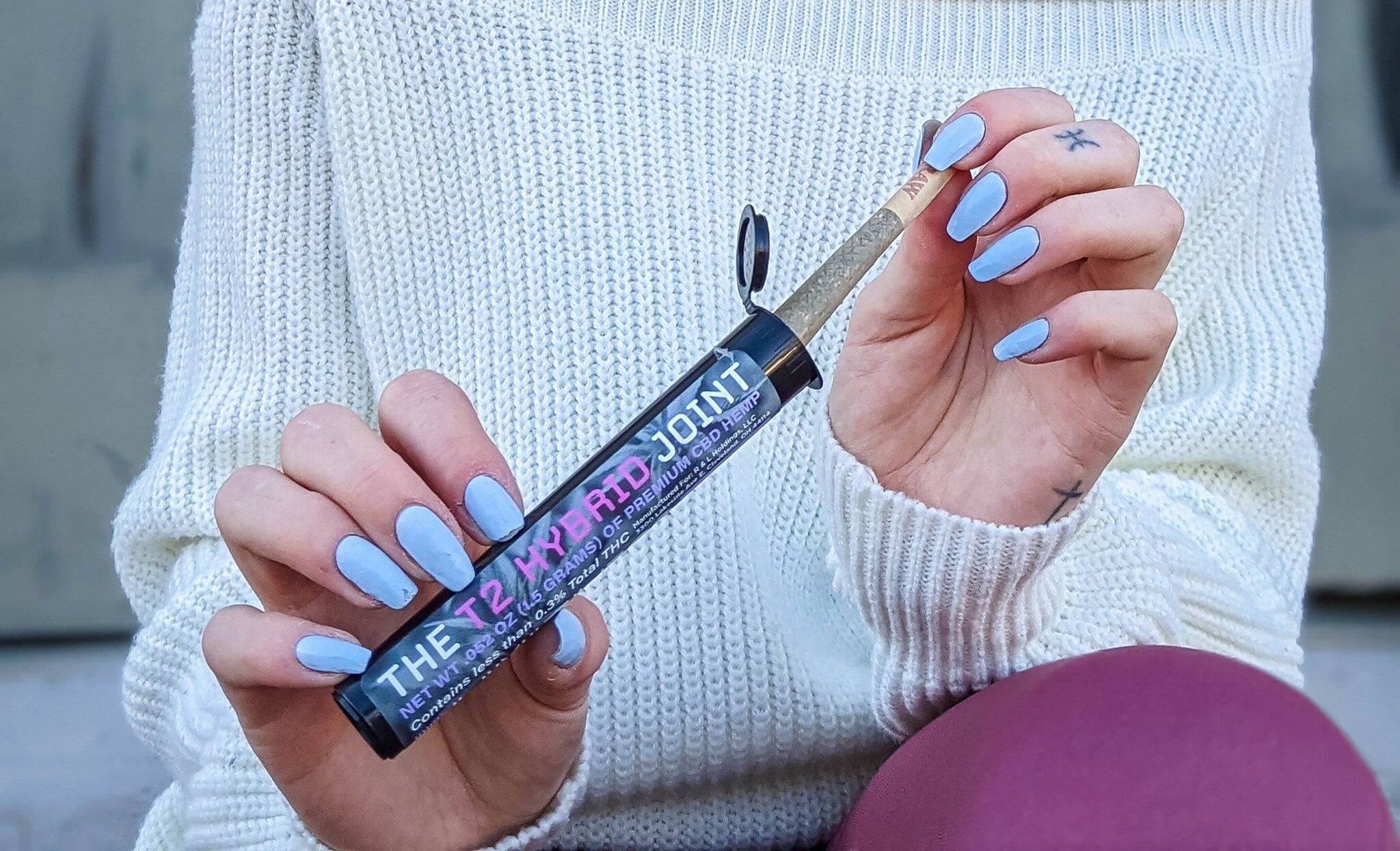
BOPP Labels: Durable, Versatile, and Cost-Effective
We recommend BOPP (biaxially oriented polypropylene) labels for the majority of pre-roll tube applications.
BOPP is a strong, flexible plastic film that’s stretched in two directions, which makes it clearer, tougher, and more resistant to tearing and moisture. We’ve printed thousands of pre-roll labels for cannabis and wellness brands, and BOPP consistently delivers, from production to shipping to dispensary shelves.
Why BOPP Works So Well for Pre-Roll Tubes
- Moisture & oil resistance: BOPP repels humidity, resin residue, and oily fingers without curling or peeling.
- Print clarity: It handles fine lines, small compliance text, and vibrant colors extremely well.
- Flexible adhesives: Available with tight-radius adhesives designed specifically for small-diameter tubes (like pre-roll packaging).
- Multiple finishes: Clear (for the no-label look), white, or metallic, plus options for gloss, matte, or soft-touch laminate.
- Cost-effective at scale: It performs like a premium material without the premium price tag.
Finishing Options for BOPP
- Lamination (gloss for shine, matte for a softer look, or soft-touch for a premium feel)
- Spot UV (adds a glossy contrast on top of matte finishes)
- Screen printing for bold, high-opacity ink effects
What to Watch Out For: If your tubes have an unusual shape or texture, testing is important to ensure the adhesive performs well.
Bottom line: If you need a label that holds up in high-touch, humid, or oily environments (sound like any dispensaries you know?), BOPP is a smart, scalable choice that balances durability and cost.
Shrink Sleeves: 360° Branding + Built-In Tamper Evidence
If your pre-roll tubes need full-wrap graphics, tamper-evident features, or a truly premium look, shrink sleeves are your best bet.
Why Shrink Sleeves Are a Strong Choice
- Full 360° coverage: Unlike pressure-sensitive labels, shrink sleeves conform to the entire shape of the tube, including curves and caps.
- Tamper-evident by design: Built-in perforations can eliminate the need for extra seals or stickers and help meet cannabis packaging regulations.
- High-impact branding: You can get photo-quality graphics printed around the entire tube.
- Durability: Resistant to water, abrasion, and friction during shipping and handling.
Finishing Options for Shrink Sleeves
- Spot gloss or matte varnishes (for highlighting logos or accents)
- Cold foil accents
- Reverse printing (on the inside of the sleeve) to protect ink from scratches or moisture
What to Consider
- Shrink sleeves require specialized equipment, typically a heat tunnel or steam applicator. These range from benchtop machines for small operations to full tunnel systems for larger production runs.
- Artwork needs to be “pre-distorted,” meaning it’s intentionally adjusted (stretched or warped slightly) in the design file so it appears correct after the sleeve shrinks to fit the tube (don’t worry, we can help with this).
- Typically more expensive per unit than BOPP, especially for smaller quantities.
If you’re planning to sell through dispensaries or retailers, where shelf presence and tamper resistance matter, shrink sleeves offer unmatched real estate and visual impact.
Vinyl Labels: Extra Tough for Niche Use Cases
Vinyl labels are extremely durable and flexible, but for most pre-roll tubes, they offer more performance than necessary and come at a higher cost.
When Vinyl Might Make Sense: If your tubes will face extreme handling, heavy abrasion, or wide temperature swings.
Drawbacks to Vinyl
- Higher cost: typically 25–30% more per unit than BOPP.
- Less environmentally friendly due to its non-recyclability and higher VOC emissions during production.
Vinyl can be useful in rugged conditions like outdoor storage or heavy handling, but most pre-roll brands just don’t need that level of durability.
Paper Labels: Great for Texture, Risky for Moisture
Paper labels give you that natural, textured feel, but they can be higher-maintenance.
Where Paper Labels Fit
- Premium or artisanal brands that want a textured, organic look.
- Tubes that are sold in multipacks or secondary boxes where labels won’t be touched as often.
Why Paper Can Be Problematic for Pre-Rolls
- Even with lamination, paper absorbs moisture over time, which can lead to wrinkling or adhesive failure, especially in refrigerated settings or humid climates.
- Easier to scuff, tear, or wrinkle in shipping or on display.
- Adhesives may struggle to bond with smooth plastic tubes unless specially formulated.
If you love the look of paper, we can recommend specialty coatings or hybrid materials to help protect it, but be prepared for some tradeoffs.
Label Material Quick Guide for Pre-Roll Tubes
| Use Case | Best Material | Why It Works |
| Most common / all-around use | BOPP | Moisture-resistant, cost-effective, reliable for small tubes |
| Premium retail branding + tamper evidence | Shrink Sleeve | Full-wrap visuals, built-in perforations for compliance |
| Rugged environments or outdoor use | Vinyl | Ultra-durable, but often unnecessary and higher cost |
| Natural, artisanal brand positioning | Paper | Textured appearance, but requires protection from moisture |
Final Thoughts
For most pre-roll tubes, you can’t go wrong with BOPP or shrink sleeves. They both check the boxes for durability, branding, and compliance.
If you’re not sure what material is right for your tubes, contact us and we’ll help you see the difference firsthand.