Bottle Labels for Essential Oils: What You Need to Know

The essential oil business is a multi-billion-dollar industry in the U.S. While that means there’s plenty of opportunity, it also means that there’s quite a bit of competition. That’s why it’s important to make sure your essential oil packaging makes a good first impression.

Of course, not just any essential oil labels will do. Not only do you need to make sure your labels look great, you also need to consider a few potential issues. From selecting waterproof labels that can stand up to the oil-based ingredients inside to making sure all labeling requirements are met to creating an eye-catching design, we break down a few considerations for investing in new bottle labels for your essential oils.

Fit Your Label to Your Bottle Size

Bottles come in all sorts of shapes and sizes. Whether you distribute 5 ml roller bottles, 8 oz. bottles, or any size in between, you want to make sure that your label fits well on your container.

When it comes to proper label sizing, you should consider more than just how much your container can hold. You also need to plan for the specific dimensions of your bottles. Tall, thin bottles and short, wide bottles are going to require different label shapes, regardless of if they contain the same net quantity of essential oils.

The same label size won’t work for every container, but there’s an easy trick to give you a good idea of the right label measurements for your essential oil bottles. Cut a rectangular piece of paper and wrap it around your bottle. If it’s too big in either direction, trim it down until it fits, then measure your piece of paper. This will give you an approximation of the right dimensions when it comes time to ordering labels for your products.

Another important note about label sizing is that essential oil bottles can be rather small compared to packaging for other products. This means you’ll need to plan your design in a way that both fits the space allowed on your label and differentiates your products from your competition.

You will also need to use an aggressive adhesive. The small circumference of the container makes the label want to ‘pop off’ the bottle. This is because the natural rigidity of the material makes it want to return to its original shape. Be sure to ask about adhesive aggressiveness when you select materials.
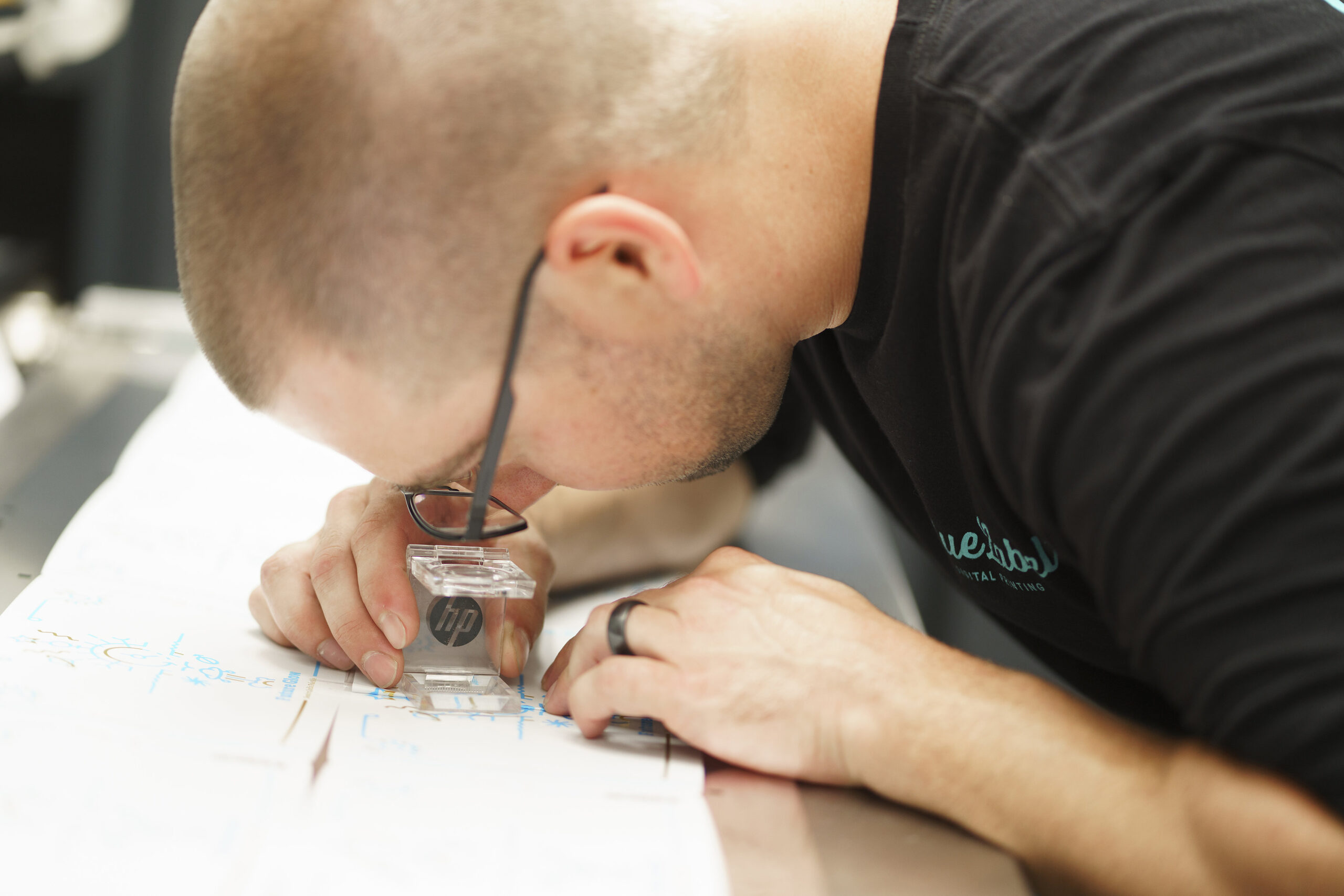
A professional examining labels for essential oils.

Don’t Forget About FDA Regulations for Essential Oil Labels

There was a period when essential oils were largely ignored by the FDA. That came to an end in 2014 when the FDA sent warning letters to dōTERRA and Young Living, two notable essential oil companies, that their products were in violation of certain labeling regulations. As a result, you should consider whether your products fall under FDA guidelines and what that may mean for your labels.

Whether you consider essential oils to be a household item, cosmetic, food ingredient, or drug, the FDA regulates essential oil products based on the intended use. The FDA weighs a couple of factors to determine a seller’s intentions, including “claims made in the labeling, on websites, and in advertising, as well as what consumers expect it to do.” This means the FDA can have different expectations for label compliance.

Drugs

If your label makes some form of health claim, the FDA is going to consider your product as a drug even though oils are derived from plants. These claims include indicating your essential oils are meant “for a therapeutic use, such as treating or preventing disease, or to affect the structure or function of the body.” If you make these claims, you’ll need to get FDA approval through the Center for Drug Evaluation and Research (CDER) before you can legally put them on the market.

Cosmetics

Essential oils can also fall under the guidelines for cosmetic products. The Federal Food, Drug, and Cosmetic Act (FD&C Act) defines cosmetics as a product that is somehow applied to the body for the purpose of “cleansing, beautifying, promoting attractiveness, or altering the appearance.” That means even something that’s only meant to make you smell nice can be considered a cosmetic.

Essential oil products classified as cosmetics aren’t subjected to the same rigorous reviews as drugs. As a result, you don’t need to clear your products and labels with the FDA before you sell them. However, the FDA does provide a step-by-step labeling guide for cosmetics compliance and can act if a product’s labeling is false or misleading, or doesn’t include the following:

  • The name and address of the manufacturer, packer, or distributor
  • Net quantity of contents
  • A prominent statement of required information in terms that it is easily read and understood by consumers under customary conditions of purchase and use

A Combination of Both or Something Else Entirely

Depending on your scenario, you might have a combination of compliance concerns. For example, if you claim that your essential oils can both cleanse the skin and relax muscles, you’ll need to follow labeling guidelines for both cosmetics and drugs. However, the FDA shouldn’t have reason to classify your essential oils under the same guidelines if you don’t make any such claims.
In addition, the specific plants you use shouldn’t matter too much to the FDA aside from establishing a direct connection between an ingredient and a claim. Despite that, it’s always good to include an ingredients list along with the name and total contents of your product, even if you don’t make any claims.

There’s also one notable ingredient that will require some additional compliance consideration: cannabis. Any essential oils using cannabis extracts will also need to comply with additional regulations, which are documented in our post on cannabis label compliance.

Customize Your Essential Oil Labels to Stand Out in a Crowded Marketplace

Whether you sell your essential oils online or offline, the quality of your packaging makes a difference. Your packaging should make your essential oils stand out in a crowd, not blend in with everyone else.

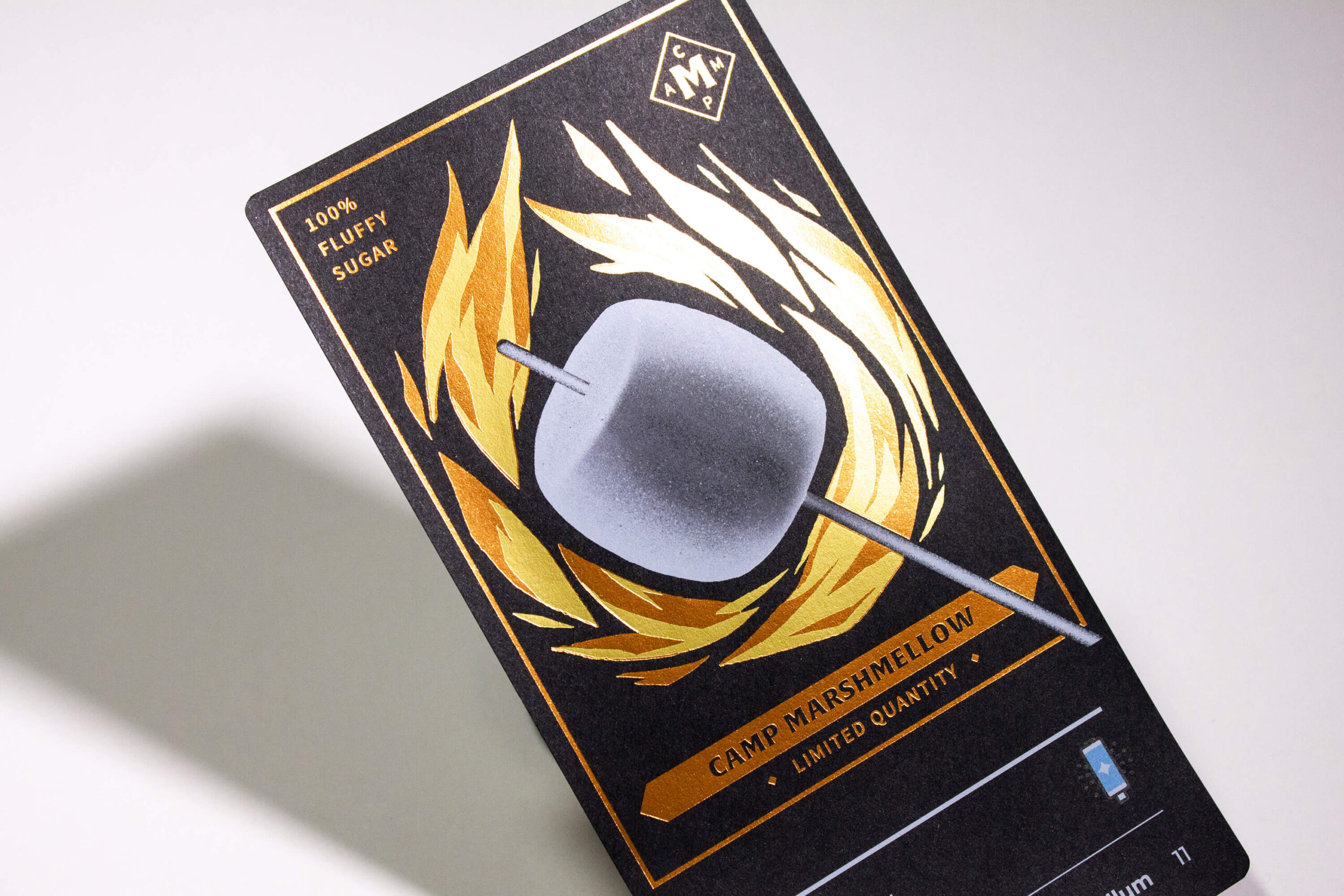
Just because your label is tight on space or you don’t have a big budget doesn’t mean that you should skimp on style. Different label materials and special printing techniques can help your products appeal more to your audience, whether you want to add an eye-catching metallic shine through hot foil stamping or use a matte black stamp to emphasize certain aspects of your design.
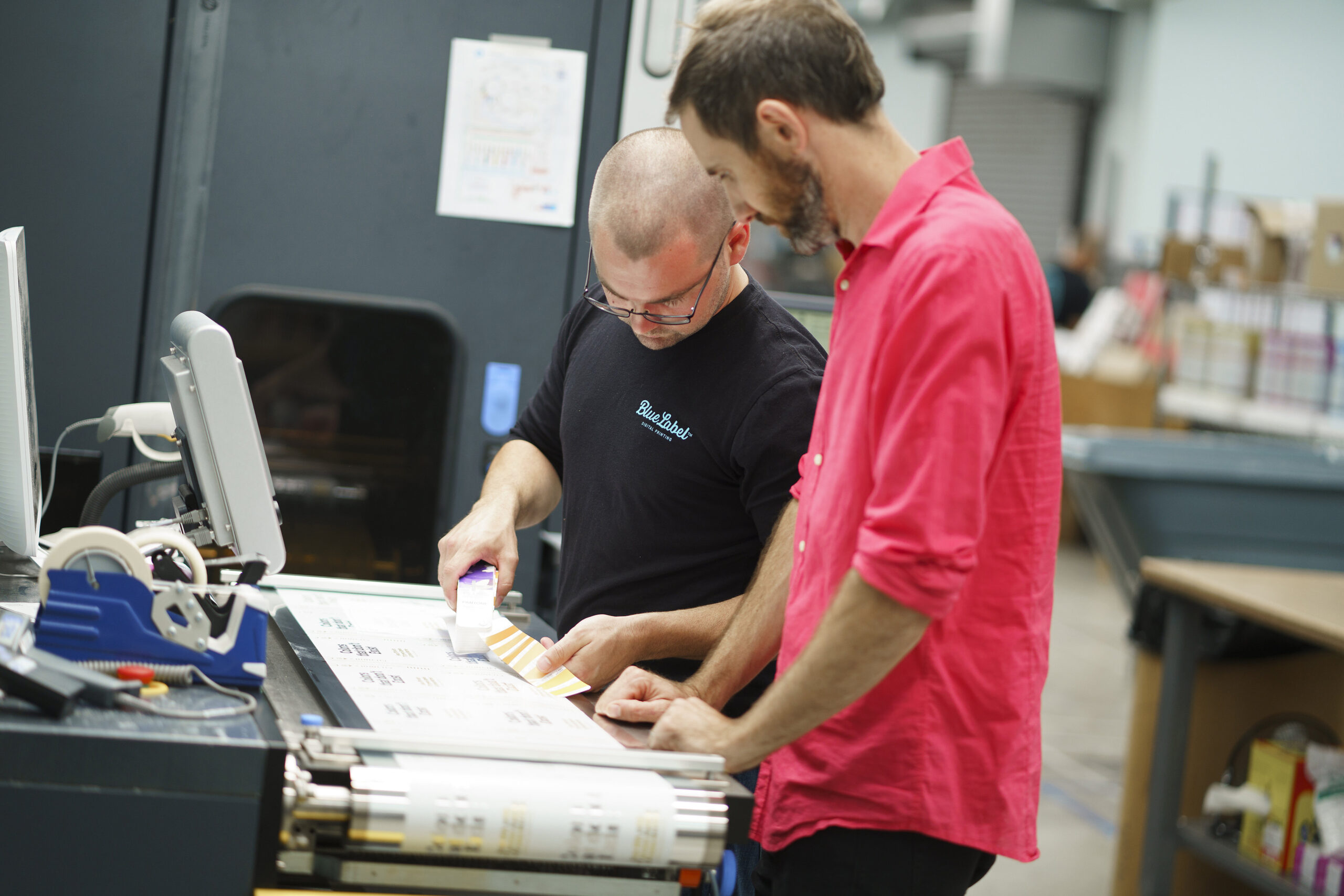
Professionals checking a new run of essential oil bottle labels.

Protect Your Label Design Against Oily Contents

A great label is a perfect way to make a good impression on consumers. However, it’s important to take some measures to make sure your label stays great.

A damaged label is a serious issue for your products. One survey found that “58 percent of consumers stated that packaging damage would deter them from buying a product” and can even harm your brand’s reputation. This means that even small scratches pose big problems for businesses.

One potential threat for your essential oil labels is exactly what you’re trying to sell. Oil, along with water and other damaging substances, can wreak havoc on your label. Fortunately, label lamination and materials like waterproof synthetics will help your labels withstand interaction with everyday substances. Lamination also provides scratch resistance, so your designs don’t get scratched off over time. This will help ensure that your packaging looks great long after you apply your labels.

Order the Perfect Labels for Your Essential Oil Bottles

Good packaging is practically essential for making your products stand out from the competition. However, it’s important to work with a good label printing company to make sure your packaging brings out the best in your essential oil labels.

When it’s time to commit to custom essential oil bottle labels, Blue Label Packaging Company is here to help. Our digital printing technology and expertise allows you to invest in high-quality labels with a fast turnaround time of three-to-five days. While creating your essential oil labels, we know you won’t limit yourself to just one scent, so we can print different SKUs of the same product on the same order with variable data printing to avoid costly setups and delays.

Ready to invest in essential oil labels? Contact us today to talk to one of our experts about your labeling needs.
The Different Wine Label Stocks You Can Use to Showcase Your Bottles

⚞ The Highlights:

  • Common wine label stocks include textured papers for a premium look, uncoated or coated papers for versatility, and synthetic or film materials for added durability and moisture resistance.
  • Paper stocks, including estate paper, are popular for wine labels because they provide a premium, textured appearance, absorb ink well for a rich look, and give an artisanal touch.
  • Other label materials, such as synthetic or film options, offer greater durability and moisture resistance, while metallic foils or clear films can provide a premium sheen or transparent look.

When it comes to investing in wine labels, it’s good to have options. There are a variety of label materials to choose from, but it’s up to you, your designer, and your label printing company to decide which one makes the most sense for your bottles. When it comes to wine labels, the three most popular types of materials you can use are:

  • Estate
  • Ever-opaque
  • Specialty

Each category offers various advantages depending on your desired look, feel, and price point. Here’s a quick breakdown of the different types of wine stocks so you can figure out what’s right for your packaging needs.

Estate Wine Labels

When you think of a classic paper wine label, you’ll likely envision something made with an estate material. Estate materials are a popular choice for the wine industry, and for good reason – they have a classic look and are generally a more cost-effective option.

Another advantage of paper labels is that they are incredibly versatile. While paper typically exudes a very natural appearance, there are various types of paper materials that can either enhance that look or provide a new type of aesthetic. For example, linen-style or uncoated eggshell bottle label papers both have different textures in the paper fibers that can help you match the look you want for your wine labels.

Of course, there is a downside to using an estate material. Unlike film, wine label paper absorbs water, which can cause those labels to disintegrate over time. While there are some paper stocks that have a higher wet strength, even those options aren’t completely waterproof. As such, estate may not be the best option if your wine labels will encounter water.

A paper wine label that has been embossed and stamped with hot foil.

Ever-Opaque Wine Labels

If you really love the look of estate but are concerned about water damage, you should consider investing in an ever-opaque material.

Ever opaque wine labels have a layer of BOPP film woven between paper to help shield your labels from moisture. This material option allows you to still give your bottles an estate feel without the downsides of soggy paper wine labels.  This can make ever opaque materials a go-to option for white wines that are typically chilled before use or any other bottles that may encounter moisture throughout its journey from your facility to your consumers’ tables.

As can be expected, the downside of ever-opaque stocks is that the presence of a BOPP film can drive up costs. However, that increase may be well worth the investment if it protects your labels from future damage.

Specialty Wine Labels

While both estate and ever-opaque wine labels have a more traditional look and feel, specialty label stocks can help you take your bottles to a whole new level. These can be made of paper or film and vary greatly in terms of overall aesthetic. Some specialty options include:

  • Felt/velvet materials
  • Cobblestone patterns
  • Shrink sleeves
  • Holographic or glitter films
  • Gloss, matte, satin, and soft-touch varnishes or laminates

As you can see, there are plenty of possibilities to break out of the classic wine label mold with specialty labels. The various materials available will each have their own distinct advantages, but when used properly, they can make sure that your bottles stand out when placed next to your competition.

A black vellum wine label make with a duplex hot foil and white ink.

Work with a Label Printing Company that Makes Your Wine Labels Shine

No matter which wine material you like best, it’s important that you partner with a printing company that can turn your design into stunning, eye-catching labels.  At Blue Label Packaging Company, we have the expertise and state-of-the-art printing equipment necessary to print stunning labels at competitive prices. We work with you to identify the right label material for your needs, and we can provide special label printing and finishing capabilities to add an extra dimension to your label design.

Are you in need of top-quality wine labels? Contact Blue Label today to talk to our experts about your next label printing project.

Wine Label Requirements for Geographical Information

Location is a big deal for wine labels. Not only can different regions impart certain qualities to wine, they can also allow you to market your bottles as products of those regions. Of course, the use of certain geographic information means your wine labels must abide by the rules.

Like every alcoholic product, labeling wine involves dealing with many regulations set by the Alcohol and Tobacco Tax and Trade Bureau (TTB). Location information is no exception. Here’s what you need to know when using geographic information on your wine labels.

Mandatory Location Information for Wine Labels

Many of the rules pertaining to referencing specific locations are tied to optional wine label information. However, there are two location-based items that the TTB considers mandatory information for wine labels:

  • Country of origin
  • Name and address of the bottler and importer

Listing the country of origin is simple: name the country of origin for your wine on your label. At least 75 percent of the fruit used to make your wine must be from the country listed on the label. If you make a blend of American and foreign wine, you’ll need a “percentage of foreign wine” statement to reference how much of the wine is made from outside fruit (for example, “50 percent grape wine from Australia”).

Aside from the country of origin, you also need to include a name and an address. For American wines, this means the name and address of the bottler or packer preceded by either “bottled by” or “packed by.” For imported wine, you’ll need the name and address of the person or group responsible for importation in addition to the bottler or packer.

Rules for Optional Geographic Details on Wine Labels

While there aren’t many mandatory items regarding where a wine is sourced, made, and bottled, there are still other ways that you can highlight geographic location on your wine label. Details like an appellation of origin or geographically inspired brand names allow you to highlight specific regions on your label. However, the TTB has specific rules that you must follow if you choose to include these details.

Appellation of origin

An appellation of origin is simply a fancy name for the location where the dominant grapes used in a wine were grown. This appellation can be a country, state, county, or an American viticultural area (AVA).

A viticultural area is a defined grape-growing region in the U.S. that features specific geographic qualities, such as a unique soil makeup or weather conditions, that make its grapes different from other regions. At the start of 2019, there were 242 established AVAs, with 139 in California alone. Other countries also have their own versions of viticultural regions, although use of these will require you to follow the appropriate foreign government’s regulations in addition to TTB rules.

In order to use appellation of origins on a label, a wine is required to source a certain percentage of its grapes from that region. The percentage threshold differs depending on the region. Countries, states, and counties require you to use at least 75 percent of your grapes from the listed areas. That number rises to 85 percent for established AVA or their foreign equivalents. Some regions also set their own rules for grape usage. For example, California law requires wineries to source 100 percent of their grapes from the state in order to label their wines as from either the state itself or any of its geographical subdivisions.

While appellations of origin are initially optional, they become mandatory if you include certain pieces of information on your label. Each of these can include additional regulatory needs depending on what you use.

  • A vintage date
  • A varietal designation
  • A type designation of varietal significance
  • A semi-generic designation
  • An “estate bottled” claim
  • A geographic brand name

A wine label with an appellation of origin

Vintage dates

Wine labels with a vintage date must include an appellation smaller than a country. If a state or county is listed, at least 85 percent of the grapes must be from the same year as the date. That threshold rises to 95 percent for labels that list an AVA or a foreign equivalent.

Various varietal designations

There are multiple categories of wine. Varietal designations specify a specific type of dominant grape, such as Cabernet Sauvignon or Merlot. The wine must contain at least 75 percent of the listed dominant grape to comply with TTB regulations.

Type designations of varietal significance are like varietal designations, except that they apply to fruit from a specific grape source and meet certain TTB requirements. For example, a Muscatel must contain at least 75 percent of its volume from Muscat grapes and qualify as a dessert wine per the TTB’s standards for identity.

Semi-generic designations revolve around wines based on well-known European regions. These names are permitted as long as you list the actual place of origin in conjunction with the semi-generic name (“American Burgundy,” “California Chianti,” etc.) and follow any wine restrictions set by the original country of origin for the style in question. For example, a semi-generic Marsala wine should contain between 14 to 24 percent alcohol.

Estate bottled claims

Any wine labeled as “estate” bottled must consist entirely of grapes grown on land owned or controlled by the winery. The grapes used should also be crushed and fermented in that same location. In addition, both the winery and the vineyard must exist in the same viticultural area listed on the label.

Geographic brand name

Like vintage dates, varietal designations, and estate claims, geographically based brand names require you to include an appellation of origin on your wine label. TTB rules also stipulate that brand names cannot mislead consumers in any way. That’s what landed California vintner Joe Wagner in trouble in 2018.

Wagner’s offending wines were named Willametter Journal and Elouan, both of which referenced Oregon viticultural areas on their product labels. The problem was that both labels read “Sourced From: Territory of Oregon” and were “vinted & bottled by The Willametter, Rutherford, CA.” According to The Washington Post, “federal law requires that such wines be labeled simply ‘Oregon,’ without use of more specific and prestigious American Viticultural Areas such as Willamette Valley.” As such, the TTB sided with the state of Oregon and ruled that Wagner could no longer use the appellation names on the offending wines since his names mislead consumers into thinking the wines were made in those regions.

Closeup on a wine label compliant with TTB regional rules.

Use Wine Labels to Showcase Your Wine Labels

Whether you want to call out geographic locations or not, your wine labels should stop consumers in their tracks. A good label printing company can make your labels tell a story that not only inspires people to buy your wine, but also come back for more.

No winery should compromise on label quality. At Blue Label, we work with you to determine the best way to produce eye-catching wine labels that are built to last and fit in your budget. Contact Blue Label today to talk to one of our experts about having us print labels for your wine.

3 Key Considerations When Designing Labels for Bottlenecks

A good bottleneck label can help set your product head and shoulders above the competition. Like a good tie for a nice suit, a bottleneck label adds an intriguing element to the overall look of a bottle. As such, it’s important to devote enough time to designing these companion labels. Here are some key factors to consider when designing bottleneck labels.

Use Your Extra Space Wisely

Bottleneck labels provide you with a very important gift: more design space. Once you have more design space, you need to figure out what you want to do with that space to showcase your branding and attract consumers. You could use it to showcase your logo, add additional information that couldn’t quite fit on your main product label, or use it as a decorative seal for spirits and other classy products.

Want to add a show-stopping pop to your bottleneck? Hot foil stamping makes your logo stand out on the bottleneck in a whole new way, or simply mirror the design on your main product label. You can also opt for a new twist on your branding, such as an alternate logo or variable bottleneck labels catered to specific versions or flavors of your products.

When it comes to adding information, you can utilize the bottleneck to showcase certain messaging. Have a company motto, saying, or some other language to intrigue buyers? A bottleneck label is a perfect spot for these types of branding efforts. You can even use the extra space to make intriguing health claims for food or dietary supplements, as long as they comply with FDA guidelines.

You can also use the bottleneck as a place to include certain regulatory info to free up space on your body label. This is particularly useful for alcohol and other heavily regulated products, although you need to make sure you follow the rules for mandatory label information placement. Whether it’s decoration or compliance, bottlenecks give you the space you need to do what you want to showcase your bottled product.

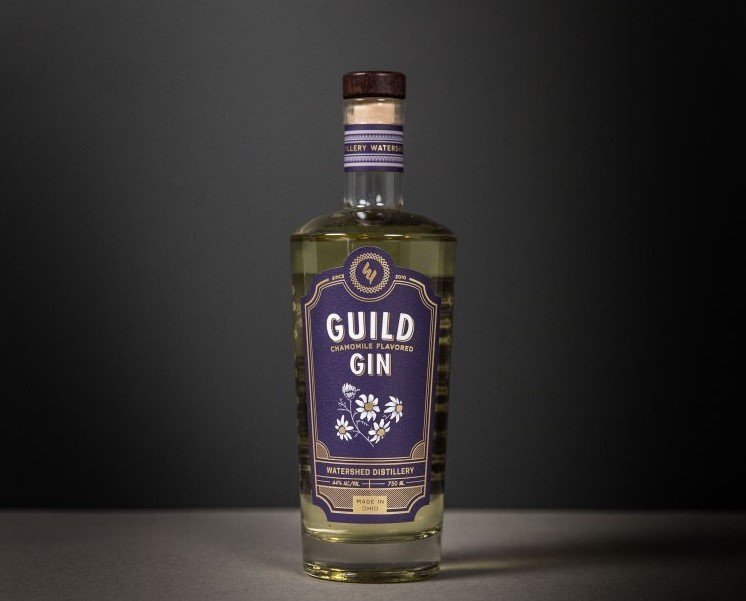
A spirits bottle featuring a bottleneck label.

Taper Your Bottlenecks (if Necessary)

The shape of a bottle plays a major role in how you design a label. That same philosophy extends to bottleneck labels as well.

The neck and body of a bottle can have different shapes. For example, a standard beer bottle has a cylindrical body, but the neck has a slight taper to it. Other containers, such as spirits or wine bottles, may have cylindrical necks as well as bodies. As a result, you’ll need to measure both the body and the neck to see if you should taper one or both labels.

If the neck of your bottle is tapered, you’ll need to adjust your design. A standard label shape placed on a tapered container will look uneven and can cause the label itself to crease or bulge. The tapering process is a bit tricky, so we’ve provided guidelines on how to taper labels in another blog post for you, just in case.

Factor in Bottle Conditions

Sometimes designing labels is like picking out an outfit – a snazzy dress shirt with no jacket isn’t going to help if it rains. If you want that design to shine, you better consider potential environmental factors so that you can protect it from damage. Water resistance is one typical consideration for bottle labels, but everything from sunlight to scuffs and scratches pose future problems for all parts of your bottle.

Protective coatings like laminates and varnishes help shield your design from outside factors that will cause your labels to warp, scratch, or fall right off the bottle. This extra level of defense can help you ensure that your label design stays looking great. A varnish can double as a decorative effect as well. For example, a spot varnish can add a gloss sheen to a specific element of your design, helping your bottle neck label stand out even further.

A digital label printing expert looking over labels for bottles.

Find the Right Printing Company

A great label still needs a printing company that can do your design justice. Not only is it important to find a printer that has all the technical capabilities required to bring your design to life, it’s also key that this company works with you to identify any specific issues and potential solutions to make sure your labels both look great and perform as expected.

Blue Label is ready to work with you to print the perfect bottle labels for your products. Contact Blue Label today to talk to one of our experts about your next label project and how we can help.

How to Protect Your Bottle Labels: Laminates vs. Varnishes

After making an investment in new bottle labels, the last thing you want is something to scratch them up or tarnish them. A damaged label is bad for your brand image, but there are ways that you can proactively protect your designs through label lamination and varnishes.

Do I Really Need a Protective Coating for My Bottle Labels?

There is no set rule that you must add a laminate or varnish to your custom bottle labels, but we strongly recommend that you do so. If you choose to go without any protective coating or lamination, you run the risk that something could scratch the ink or moisture could compromise your label, depending on the material of your label.

Without something to protect the ink, any form of friction could damage your design. For example, some distilleries decide against laminates or varnishes because it gives their paper bottle labels a rustic, unfinished look. When those bottles are shipped, they tend to rub up against the cardboard and other bottles. Those attractive labels won’t look nearly as good thanks to scuffs, scratches, and other preventable damage.

There are also other factors that can impact your label. Water and other liquids can wreak havoc on unprotected materials, which is especially problematic for certain bottles. Laminates and UV coatings can also protect ink from the sun and other outdoor elements.

A product label with a spot varnish.

What’s the Best Option to Protect My Bottle Label?

While laminates and varnishes both offer protective capabilities, they have some key differences that may make one a better option than the other for your packaging. In fact, there are ways that you can utilize both laminates and varnishes. The answer to which protective solution is right depends on a few factors.

How much label protection do you need?

Both options will help protect your label, but a laminate offers a greater level of protection than a varnish. A laminate is a separate film that adheres over top of your label, while a varnish is a clear resin that’s applied then cured. This means a laminate allows you to build additional layers of protection instead of reinforcing your existing material, which is good for bottles that may end up in a cooler or other potentially damaging environments.

Do you want to take advantage of decorative effects?

Of the two options, varnish offers you more decorative bang for your buck. There are various types of laminates, such as gloss, semigloss, and matte films, but varnish can help you enhance your design to a greater effect. A spot varnish can apply resin to a very specific part of your label, such as your logo or a specific element of your design to create contrast with the rest of the material. You can even apply a spot varnish on top of a laminate if you want to maximize protection and decoration.

Which label material will you use?

Your label material can play a part in your protection options. If you’re using a synthetic material like a BOPP or plastic-based material, we strongly recommend that you use a laminate. While paper naturally has a grit to it that allows ink to soak into the material, film facestocks are so smooth that the ink lays on top of the material. As a result, the extra layer provided by a laminate is very valuable.

Are there any cost advantages?

The price difference between laminates and varnishes in minimal unless you plan to invest in a large run of labels. In that case, laminates are a bit more cost effective.

Bottle labels being printed with a protective laminate.

Protect Your Custom Labels

Your label can make a good first impression, but an unwanted scuff isn’t going to do you any favors. At Blue Label, we work with you to make sure that your labels a perfect for your needs, both in terms of performance and aesthetic. Contact us today to talk to one of our experts about printing quality, eye-catching labels for your products.

Minimalist Design Trends for Product Labels

The minimalist movement is making its way into label design as more brands are forgoing flashy and opting for simple. You’ve surely heard the phrase, “less is more,” which can be especially true when it comes to the design of your product and bottle labels.

A minimalist’s mantra is to remove the unnecessary. In an era of information overload, brands are realizing that customers appreciate minimal labeling. It’s an effective trend that works because of its simplicity. (more…)

Label Considerations for Bottling vs. Canning Craft Beer

Beer can’t make the important journey from your brewing facility to your consumers’ mouths without a container. Whether you decide to bottle or can your brews, you’re going to need a good beer label to showcase your product and stay in compliance with alcohol regulations. Of course, the style of the container you choose can impact a few of your labeling decisions.
(more…)

Bottle Label Printing Considerations for Distilleries

No spirits bottle deserves a boring label. Distilleries live and die on the success of their products, and labels give you a chance to tell your story and give consumers a sense about the quality and personality of your products within a few seconds, whether they’re on the store shelf or behind the bar.

Of course, great designs don’t automatically translate into a great spirits labels for distilleries. There are many parts of the bottle label printing process that can factor into the end result, whether it’s a special printing capability or a challenge with the bottle itself. Here are a few factors you should consider when your distillery needs a new bottle label.
(more…)

Designing Beer Labels: Other Design Considerations

Sizing and color selection are two critical parts of label design, but there are several other factors that can impact how you design beer bottle labels and beer can labels. Elements such as custom shapes, mandatory information, and label adhesives are all important to the success of a label. Here’s what you should consider about these features when you design your beer labels.
(more…)

Designing Beer Labels: Colors and Special Printing Capabilities

The right splash of color or an eye-catching feature can be the key to a successful beer label. Of course, the challenge for a designer is to try and figure out which colors or features make the most sense for the product. Whether you’re trying to decide on the right colors or a special printing capability, here’s what you need to consider.
(more…)