What is Short Run Label Printing and Why Does it Matter for Manufacturers?

Looking for flexibility in producing smaller quantities of labels? That’s where short-run labels come in. From seasonal products to limited edition releases and product testing, short-run labels allow for smaller quantities and quick turnaround times.We’ll discuss some of the considerations and how quickly you can receive a short run of product labels. 

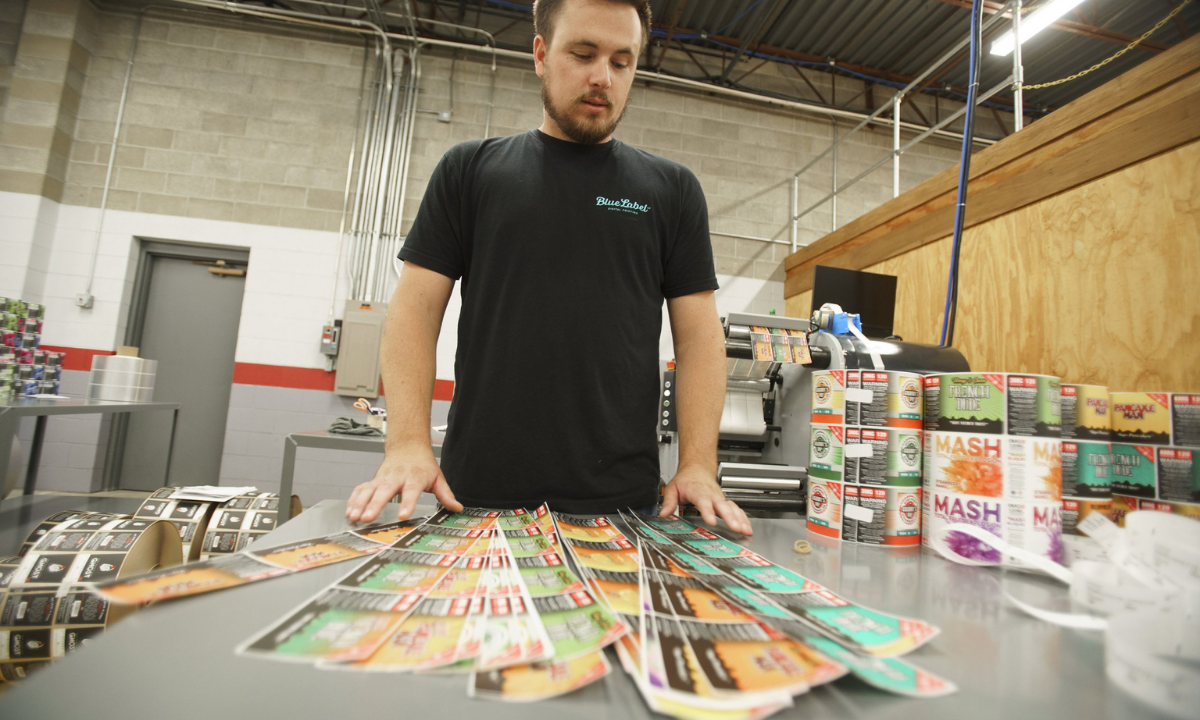
Designer looking at product labels

Understanding Short Run Label Printing 

If you choose short run printing for product labels, it generally means that you’re printing under 10,000 labels. This is thanks to a faster printing setup, which allows companies to print out short runs of a single label design. 

In contrast, traditional methods often require longer setup times because of equipment changeover, so making smaller label runs becomes more expensive. 

Why Short Run Label Printing

Here’s a look at some of the reasons you may need short run label printing for your company: 

You’re Running a Small Business

One of the most common reasons to consider short run label printing is that you’re running a small business or startup. Whether you have a smaller budget or lower volume, you’ll only need a small number of labels at a time. Short run label printing is a cost-effective way to get quality labels without the higher upfront cost that comes with bulk printing. 

You’re Launching Seasonal or Limited Edition Products 

For season-specific product launches, it doesn’t make sense to place a big order of labels. The same goes for promotional campaigns and limited edition packaging. Short run label printing allows you to create labels with unique branding and seasonal designs. 

You Need To Update Current Labels for Compliance Purposes

In heavily regulated industries like food and pharmaceuticals, there’s always a possibility of regulations changing frequently. This creates the need to update your product label as per current standards. Short run label printing lets you print in smaller quantities to ensure compliance and prevents large numbers of outdated labels from going to waste. 

How Small Can a Label Run Be? 

We mentioned earlier that a short run is generally any quantity below 10,000, but you’re probably wondering how small a label run can be. At Blue Label, we have no minimum order quantity, though there are cost efficiencies the more labels you order.

How Quickly You Can Print A Short Run 

A major focus of short run label printing is cutting down the time it takes to receive your labels. Due to the benefits and speeds of digital printing, we can get your labels to you in just 5 business days after artwork approval. Combine that with expedited shipping options, and you can receive your labels in no time. 

Considering Short Run Label Printing for Your Products

In a nutshell, short run label printing is well suited for smaller batches of products, special releases, and seasonal products. It can help you keep costs down, receive your labels faster, and stay compliant with regulatory requirements. And thanks to a combination of digital printing and expedited shipping, you can receive labels without delays. 

Have a short run label project ready? Request a quote today.

What Is A Soft-Touch Label And Why Should Product Manufacturers Consider It?

If your brand of consumer goods has a line of luxury products, how do you set them apart? Soft-touch labels show customers that they’re in for a unique experience when they’ll buy your premium products—even before they’ve tried the product. 

You’ve likely come across soft-touch labels many times at high-end stores. Their smooth, velvety feel gives product packaging a different tactile experience. Here’s what soft-touch labels are, and why you should choose them for your products.

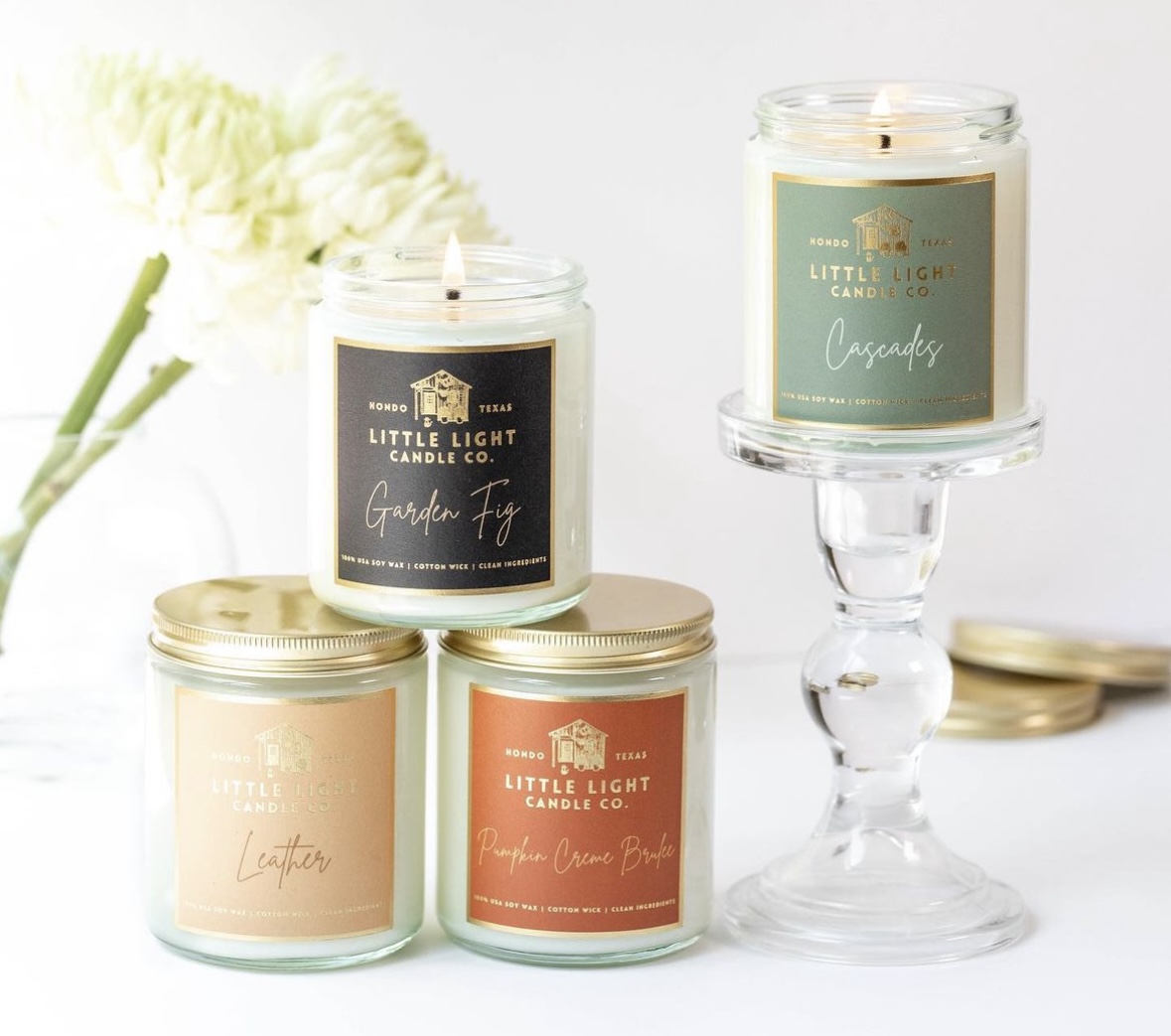
Candles with custom labels

How Soft Touch Labels Achieve That Soft Feel 

We make soft touch labels using polyurethane compounds that give the label a smooth, velvety feel. In the first step, the label is flood-coated with an adhesive. Then, a soft-touch finish is applied to the sticky side and cured with UV light. Once it cures, the coating becomes much more durable and long-lasting. 

What Products Are Well-Suited For Soft Touch Labels 

Wondering if soft-touch labels align with your brand and product line? Here are some common product types that commonly use these labels: 

  • Personal Care Items: Cosmetics, lotions, fragrances, and skincare are all examples of personal care items where soft-touch labels can make a positive impression on customers. The soft texture contributes to a premium feel and positions your brand as luxurious. 
  • High-End Alcoholic Beverages: Soft-touch labels are a common choice for wines, spirits, and even specialty craft beers. The smooth, matte finish can make your product appear upscale and sophisticated. These labels are especially common for premium product lines and limited edition collections. 
  • Luxury Food and Beverages: Having soft-touch labels for premium food and beverage products can make them stand out on the shelves. For example, high-end chocolates, specialty coffee, and artisanal teas can reflect a refined experience when you see them. 
  • Nutraceuticals: High-end nutraceutical and supplement brands use soft-touch labels to show customers that they value providing a high-end product. 

Benefits Of Choosing Soft Touch Labels 

There’s more to these premium product labels than their luxurious appearance and feel. Here are some of the other benefits: 

Soft Touch Labels Are Durable 

Despite the delicate and sophisticated appearance, soft touch finishing can protect your product from fading, smudging, and scratches. The coating on top of the label protects the ink underneath, leading to minimal wear and tear. 

Soft Touch Labels Don’t Peel 

A label that starts peeling soon after you buy a product is a sign of poor quality. With soft-touch labels, you won’t have to worry about that, since the process uses premium adhesive. A good example of this is labeling high-quality wine bottles. Even if the bottle is put on ice, you won’t have to worry about the label peeling, fading, or scratching. 

Customers Love the Feel

Today, more consumers are seeking unique buying experiences from the brands they love. They perceive high-quality packaging as a reflection of your product’s value, which is why many customers view soft-touch labels positively. 

Soft Touch Labels Are Compatible With Different Containers 

Another advantage is that soft-touch labels are compatible with plastic, metal, and glass packaging. From jars and containers to bottles, these labels easily adhere to different types of packaging for consumer products. 

You Can Combine Soft Touch With Other Techniques 

Another way you can customize your brand’s soft touch labels is by combining them with other finishing techniques, like foil stamping or spot UV finishing. This improves the visual and tactile appeal of your labels. Many brands prefer combining different techniques for their premium product labels. 

Considerations of Choosing Soft Touch Labels

Sure, soft-touch labels come with some impressive benefits, but there are a few considerations, too. 

It May Add to the Cost of Labels 

Getting a soft touch finish may add to your cost of labels because the coating process is more expensive than that of regular finishes. The process requires specialized materials and extra steps, which can increase your per label cost. 

Choose Soft Touch Label Printing For An Attractive Finish 

Soft-touch labels are a great way to communicate that you value the customer’s buying experience and are delivering a premium product. These labels have a smooth, velvety feel that protects the information on your label. They don’t peel, are compatible with plastic, metal, and glass containers, and come in different finishes. You can also customize the final look by combining a soft-finish coating with other techniques like foil stamping. 

Interested in soft touch labels for your products? Get in touch with the experts at Blue Label Packaging. Check out our materials, get a sample pack, or request a quote.

What Is Variable Data Printing And When Is It Used for Product Labels

Is your company considering launching a customized marketing campaign to attract a unique audience? Or are you looking to diversify your product varieties with new flavors, scents, or seasonal editions?

Using variable data printing for product labels is a cost effective solution that helps you do this at a large scale. Here’s what to know about the kind of data it can print and when you can use it for product labels. 

Understanding Variable Data Printing 

In variable data printing, you can change elements of your label, like graphics and text, without changing the equipment. One well known implementation of variable data printing is  Coca Cola’s Share-a-Coke campaign with personalized bottles and cans.

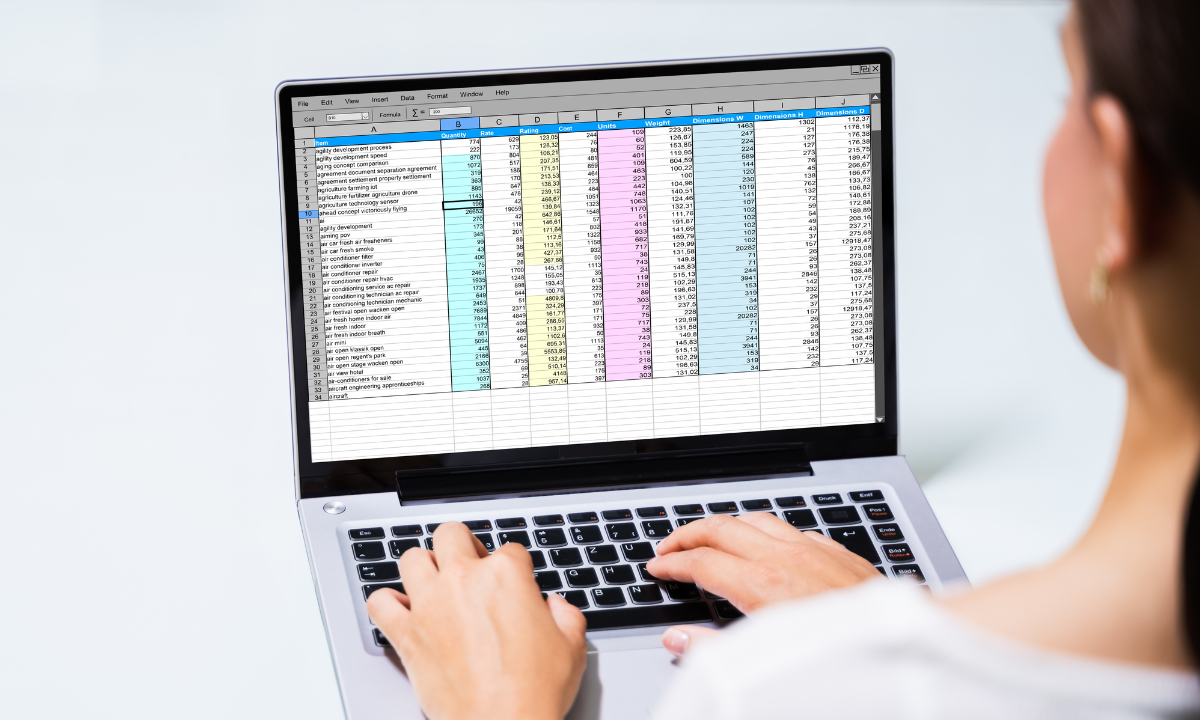
The process requires all variations in text and imagery ahead of time. This data is compiled into a database and spreadsheet, and is fed to the label printing software. The digital press pulls text and graphics from the data and prints variations in sequences. 

While you can change the text and graphics, all labels in a run should be the same dimensions to be able to use variable label printing. 

Take a wellness brand selling essential oils, for example. Each bottle may need a different label based on whether it’s lavender, tea tree, eucalyptus, or peppermint essential oil. With variable data printing, you can print labels with different colors, graphics, and names for each type of essential oil without changing the equipment in a printing press. 

Now, take this concept and apply it to other product lines. From craft beer and skincare to artisanal coffee and CBD, the applications are endless. 

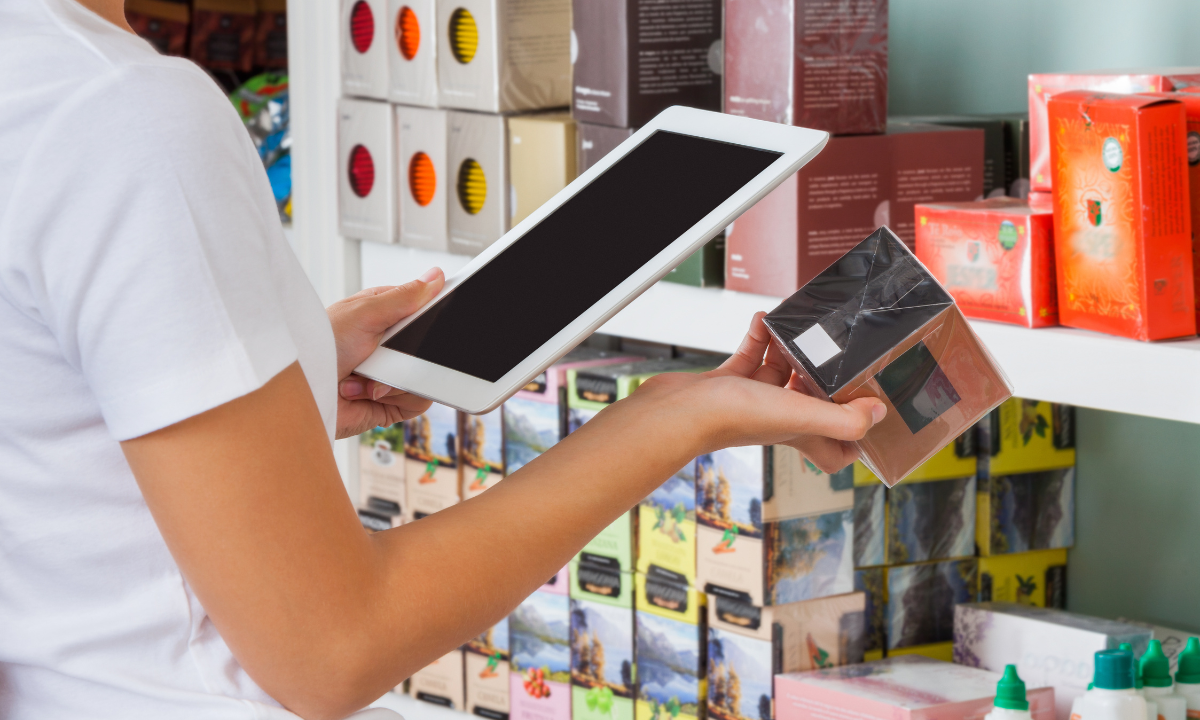
Scanning barcodes and variable data

Types of Variable Data Options

With variable data printing, you can print different types of data. 

  • Barcodes: With variable data printing, each product can have a unique code, improving inventory accuracy and enhancing supply chain efficiency
  • Serial Numbers: Using this technology for serial numbers allows companies to track products easily, making warranty management and theft prevention more effective 
  • Batch And Lot Numbers: Unique batch and lot numbers improve traceability so companies can ensure swift recalls and quality control in case of safety issues or contamination.  
  • Manufacturing and Expiration Dates: Printing variable manufacturing and expiration dates on the label helps your brand comply with food safety regulations. 
  • Regional Pricing Information: You can customize pricing by region using variable data printing, ensuring that you comply with pricing laws. 
  • Promotional Codes: Printing unique promotional codes help your business track marketing campaigns, boost customer engagement, and plan personalized promotions. 
  • Product Variation: Using variable data printing for product variations streamlines label customization. You can ensure accurate information for each version and reduce errors. 
  • Regulatory Information: You can print regulatory information on products to meet local compliance standards and reduce the risk of penalties and fines. 

Applications For Variable Data Printing 

Here are some of the most applications for variable data printing across different industries and business models: 

Limited Edition Products 

If your brand plans on creating limited-edition designs for an upcoming event or season, variable design printing helps you do this quickly. While traditional printing requires large batches to keep costs down, variable data printing allows you to print smaller batches of limited-edition product labels without eating up a big chunk of your budget. 

Meeting Regional Regulatory Requirements 

For companies operating in the food, pharmaceutical, and electronics industries, regulatory requirements can differ between regions. Because traditional printing creates identical labels in bulk, you can’t accommodate dynamic changes based on different geographical locations. Meanwhile, variable data printing allows you to include different safety and warranty labels based on where the product is going. 

Selling In International Markets 

Speaking of different regions, expanding to different markets means dealing with language barriers, too. This means printing labels with instructions, food allergy details, and other information in different languages, too. Though English is commonly understood, many regions have a preference for their local language. And customizing labels with each region’s native language is a great way to ensure that your product is well-received by the local public. 

SKU Management 

If your brand offers different product lines like flavors or scents, variable data printing makes it easier to create multiple variations. That way, you can print labels for multiple variations in smaller orders instead of one large batch. 

Promotional Codes 

During special promotions where your brand hosts competitions with prizes or offers discounts on complementary products, unique codes or images are printed on the label. With variable data printing, you can implement changes quickly without dealing with the expenses of equipment changeover fees. You’ll be able to track consumer preference and response to your initial batches before deciding to print more. 

Spreadsheet with data

Types Of File(s) A Label Printer Needs To Perform Variable Data Printing

Because the variable data printing process differs from traditional printing in more than one way, you can expect to need different file types.  

  • CSV or Database Files: Label printers need CSV or Excel files that contain variable information. This could include the name of a product variety, ingredient information, food safety information, and more.  
  • PDF Files: You can set up PDF files with dynamic fields for variable data printing. The file will have interactive fields that pull data from external sources, like a spreadsheet. 
  • .AI Files: When using label design software like Adobe Illustrator, templates are saved in its proprietary format containing placeholders for different data. Then, the variable data can be derived from a database or spreadsheet to fill in placeholders. 

Choose Variable Data Printing For Cost-Effective And Efficient Label Solutions

To sum it up, variable data printing gives brands a seamless way to integrate dynamic data into labels without changing the equipment. From labeling products in different languages to creating new varieties, there are various applications for variable data printing. 

If you want to start printing your product labels with variable data printing, contact our team at Blue Label Packaging to get a free quote.

Red Labels That Inspire: A Gallery of Designs for Red Product Labels

Red is the color of passion, power, and unshakable confidence—and when it’s used on a label, it has the ability to make products pop off the shelves. The color red can make a product feel bold and fiery or rich and refined. In this post, we’re diving into some inspiring examples of red labels that demand attention, connect with customers, and leave a lasting impression.

Cocoa Santé Hot Cocoa

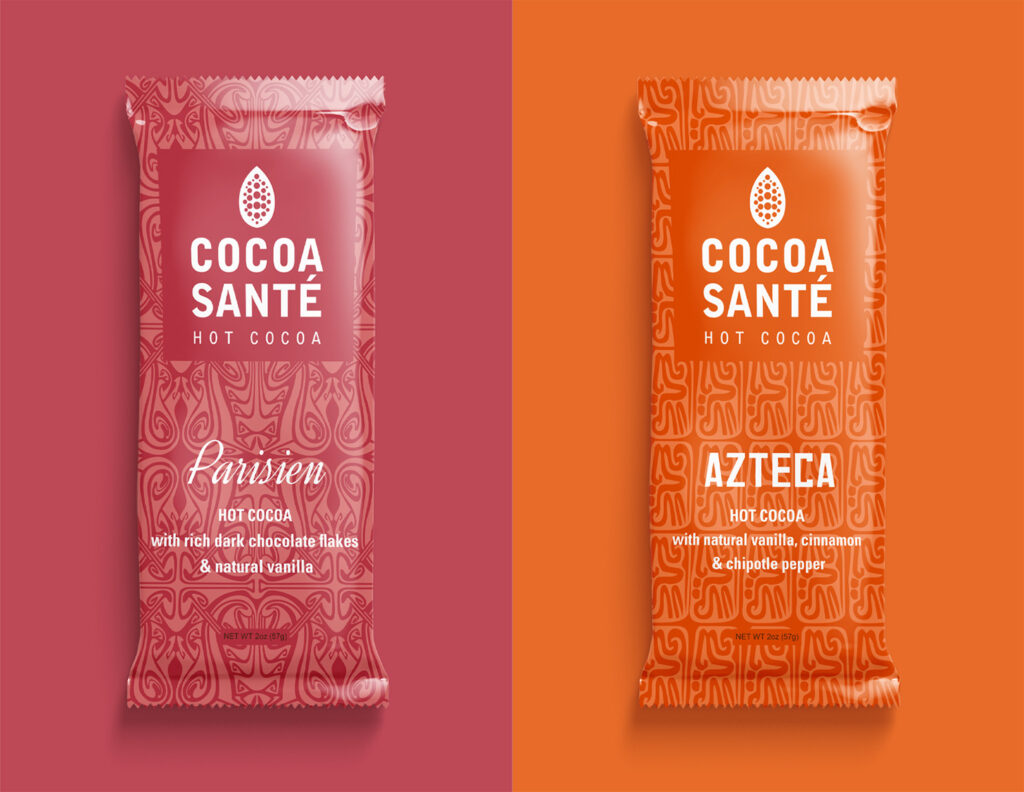
The deep red on the Cocoa Santé Parisien label grabs your attention instantly—it’s bold, luxurious, and exudes warmth and indulgence. It’s the kind of color that makes you feel like you’re about to unwrap something truly special, setting the perfect tone for a Parisian-inspired cocoa experience.

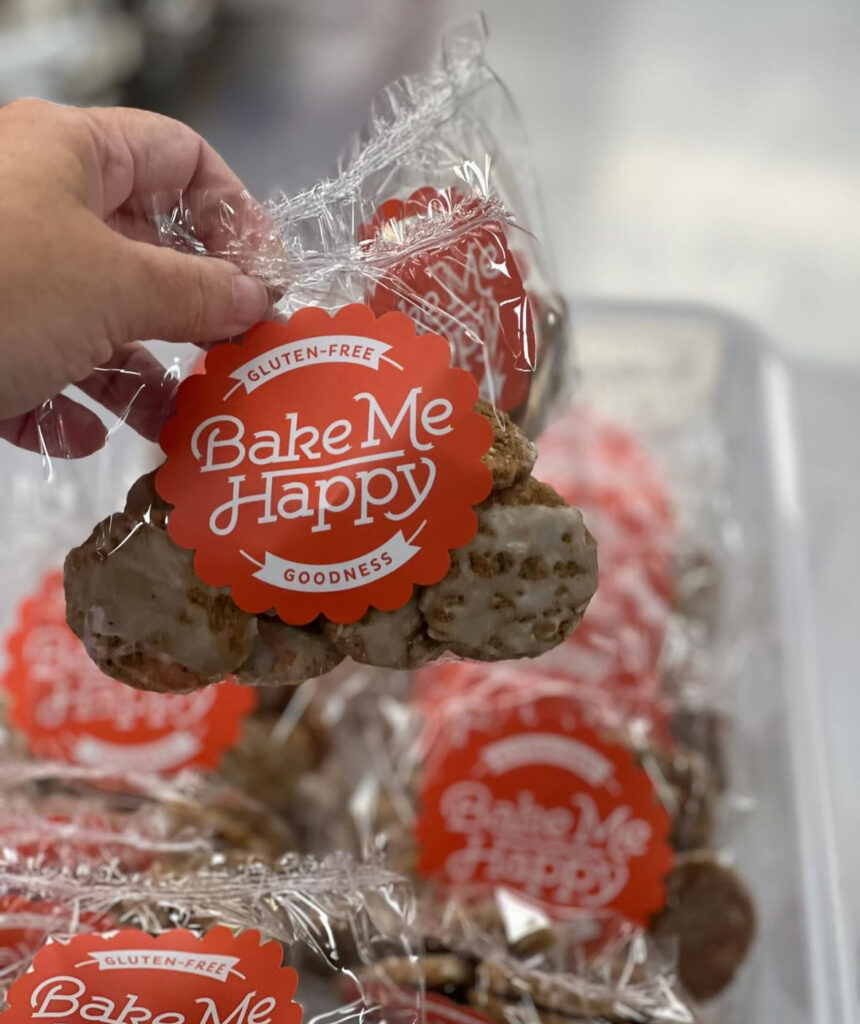
Bake Me Happy Baked Goods

The bright, cheerful red of the Bake Me Happy label is impossible to miss—it’s fun, welcoming, and gives off a sense of homemade joy. Paired with the playful scalloped edge and friendly typography, it’s like the packaging is saying, “Yes, it’s gluten-free, but it’s also packed with pure happiness!”

Baked cookies with custom labels

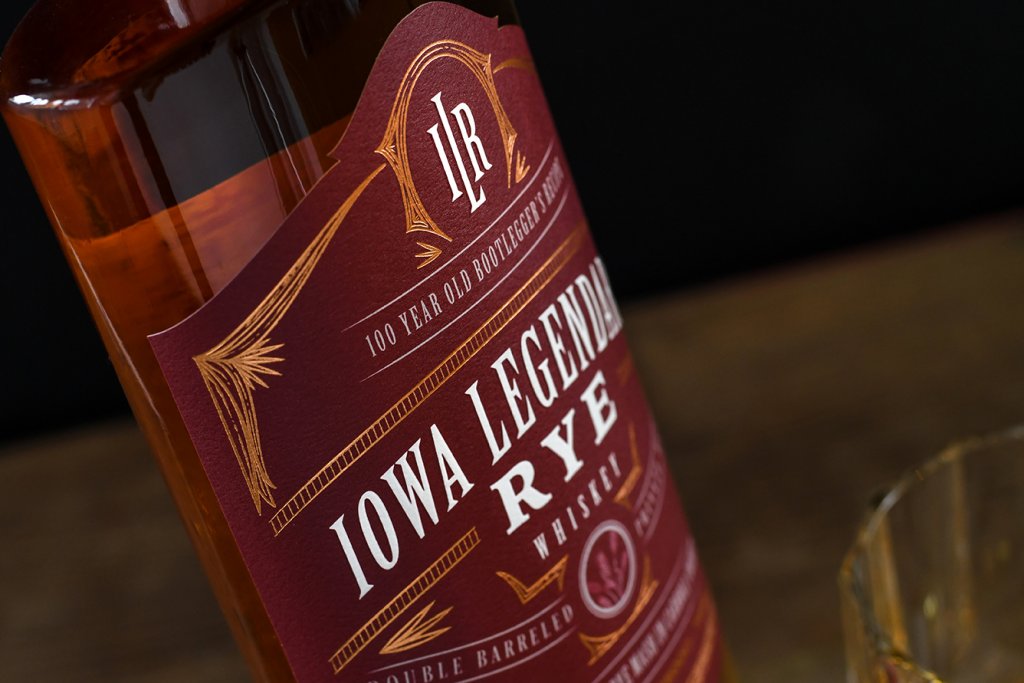
Iowa Legendary Rye Whiskey

The deep, rich red of the Iowa Legendary Rye label is sophisticated, and gives nod to its storied 100-year history, drawing you into the bootlegger’s era. With its bold typography and intricate golden accents, the design evokes craftsmanship and legacy.

Rye Whiskey Label

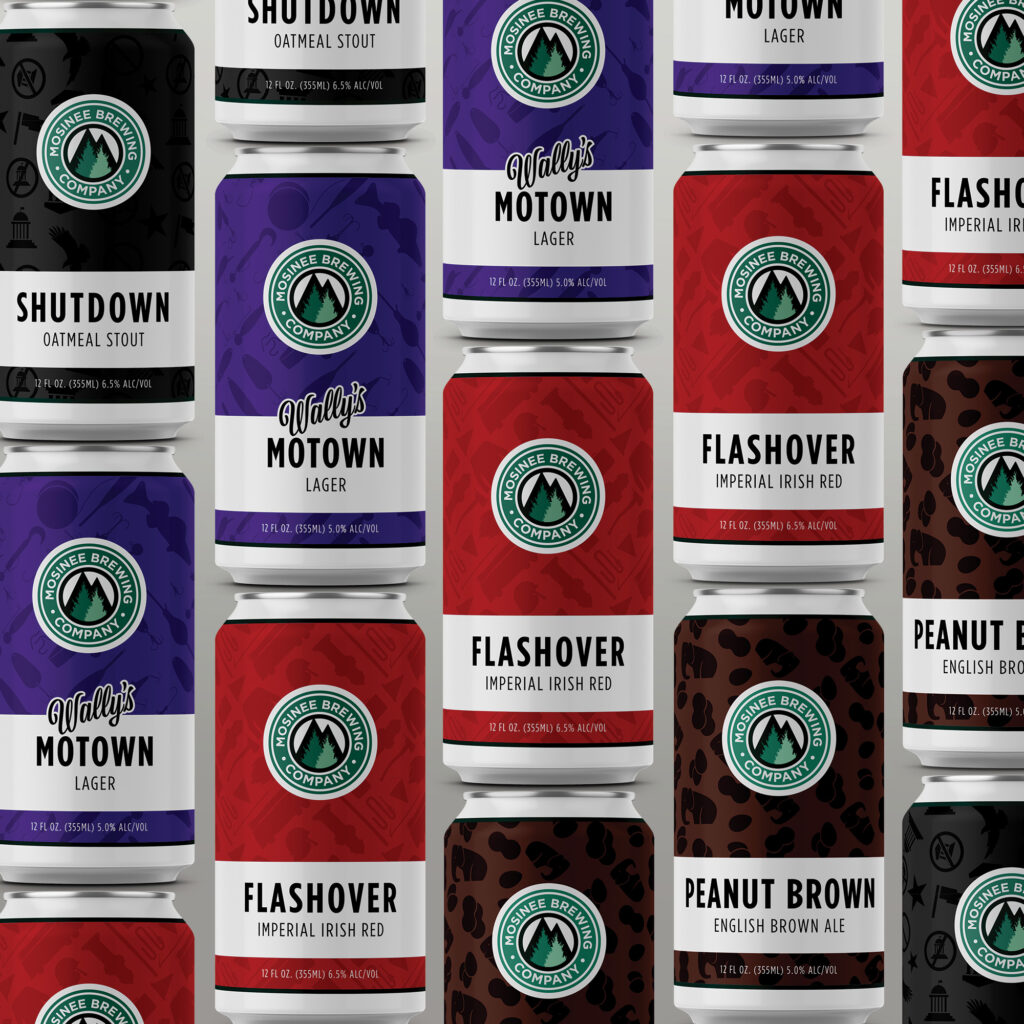
Mosinee Brewing Company’s Flashover Imperial Irish Red

The fiery red design of Mosinee Brewing Company’s Flashover Imperial Irish Red cans gives off intensity and energy, echoing the bold, full-bodied flavor inside. The subtle textured pattern adds depth and character, making this can unforgettable.

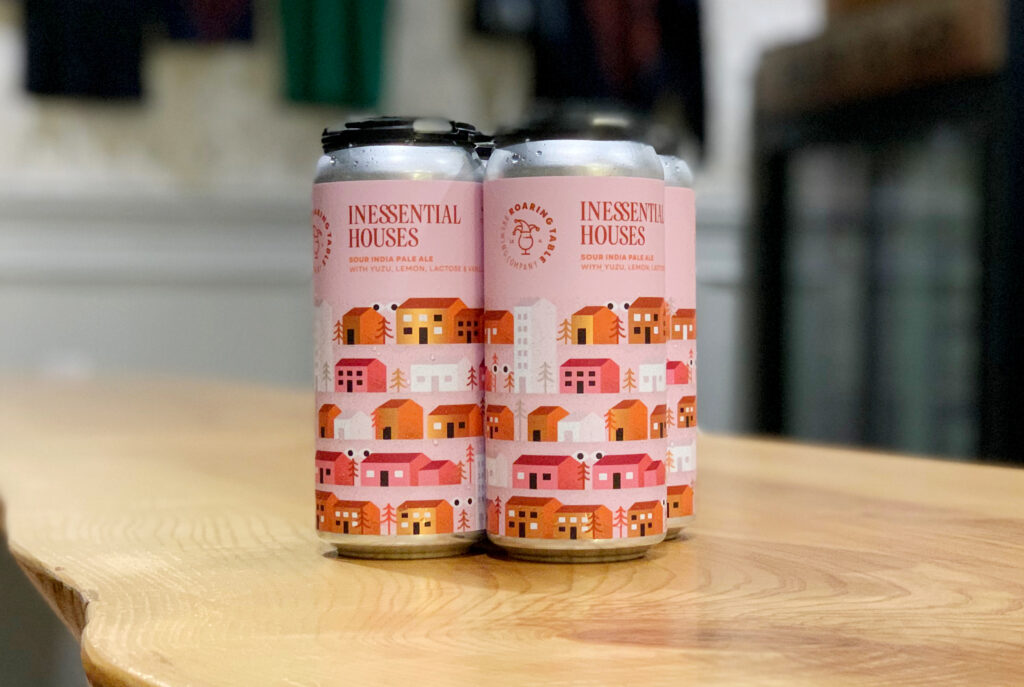
Roaring Table Brewing’s Inessential Houses IPA

The playful pink palette and charming illustrations on Roaring Table Brewing’s Inessential Houses can make it feel like you’re strolling through a vibrant, whimsical neighborhood. The design is as refreshing and unexpected as the Sour IPA inside.

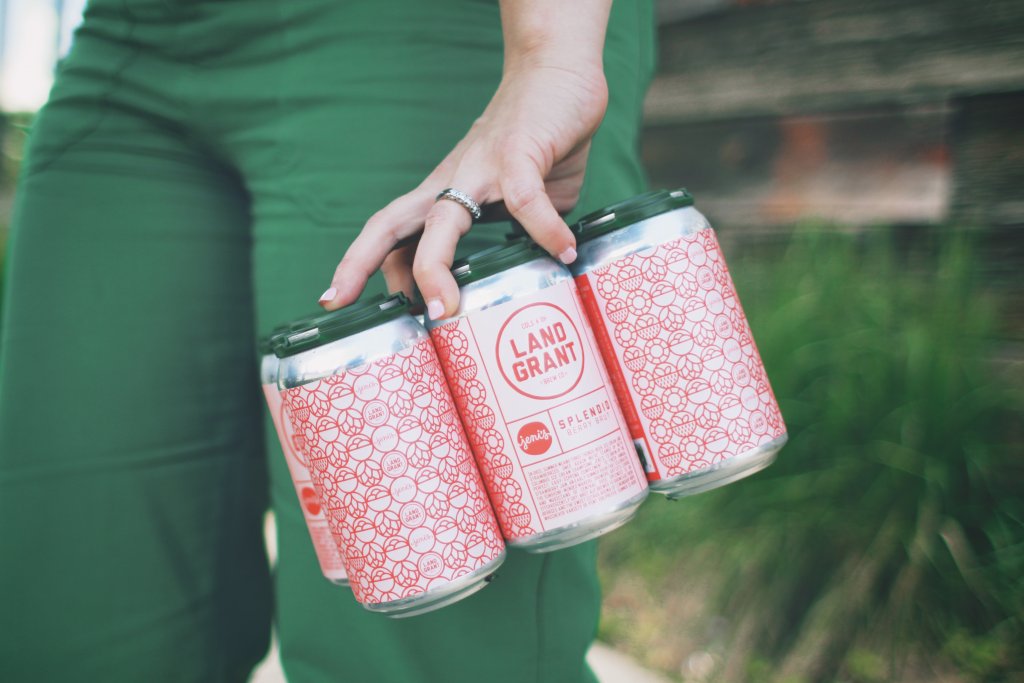
Land Grant’s Splendid Berry Brut

The bright, playful red and intricate patterns on Land Grant’s Jeni’s Splendid cans mirrors the creativity and sweetness of its collaboration with Jeni’s Splendid Ice Creams. The design feels like a joyful celebration in a can—inviting, fun, and as delightful as the treat-inspired beer inside.

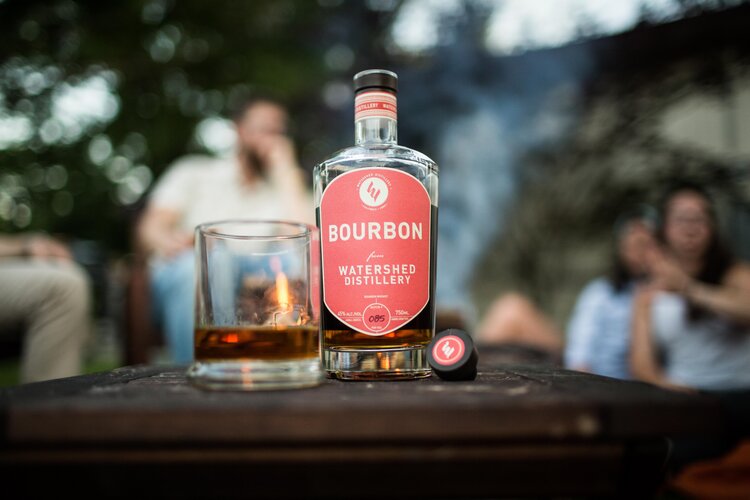
Watershed Distillery Bourbon

The bold red label on Watershed Distillery’s bourbon strikes the perfect balance between modern simplicity and timeless warmth, drawing attention to its refined craftsmanship. It’s a design that feels right at home at any gathering—inviting, approachable, and as smooth as the bourbon it represents.

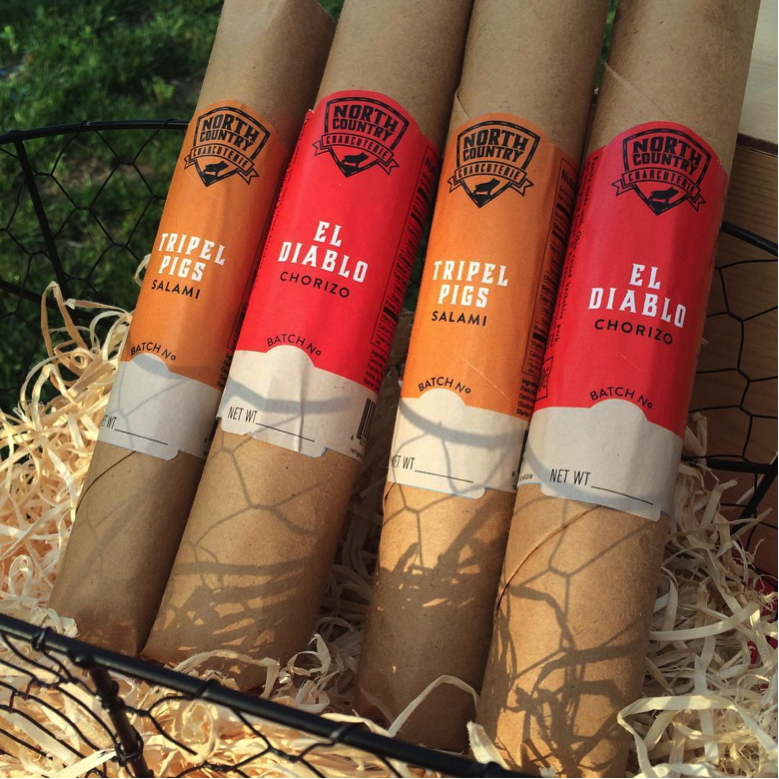
North Country Charcuterie

The fiery red labels for North Country Charcuterie’s El Diablo Chorizo demand attention with their bold and spicy energy, channeling the heat-packed flavor inside. The clean typography and rustic packaging create an artisanal charm.

Custom food label for North Country

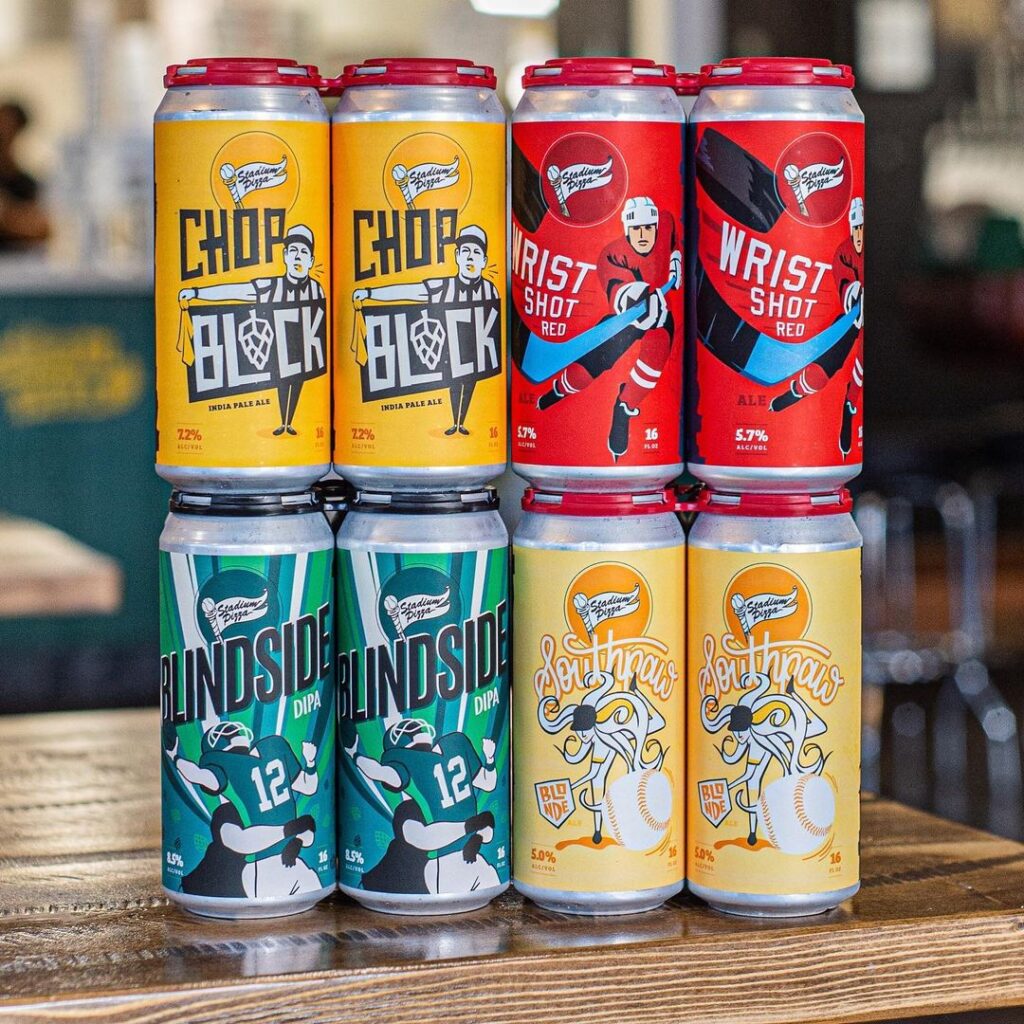
Stadium Pizza Write Shot Red

The bold red labels for Stadium Pizza’s Wrist Shot Red amber ale hit the mark with their energetic hockey-inspired design. The striking colors and dynamic illustration make this brew feel like a power play for your taste buds, perfect for game day or any day.

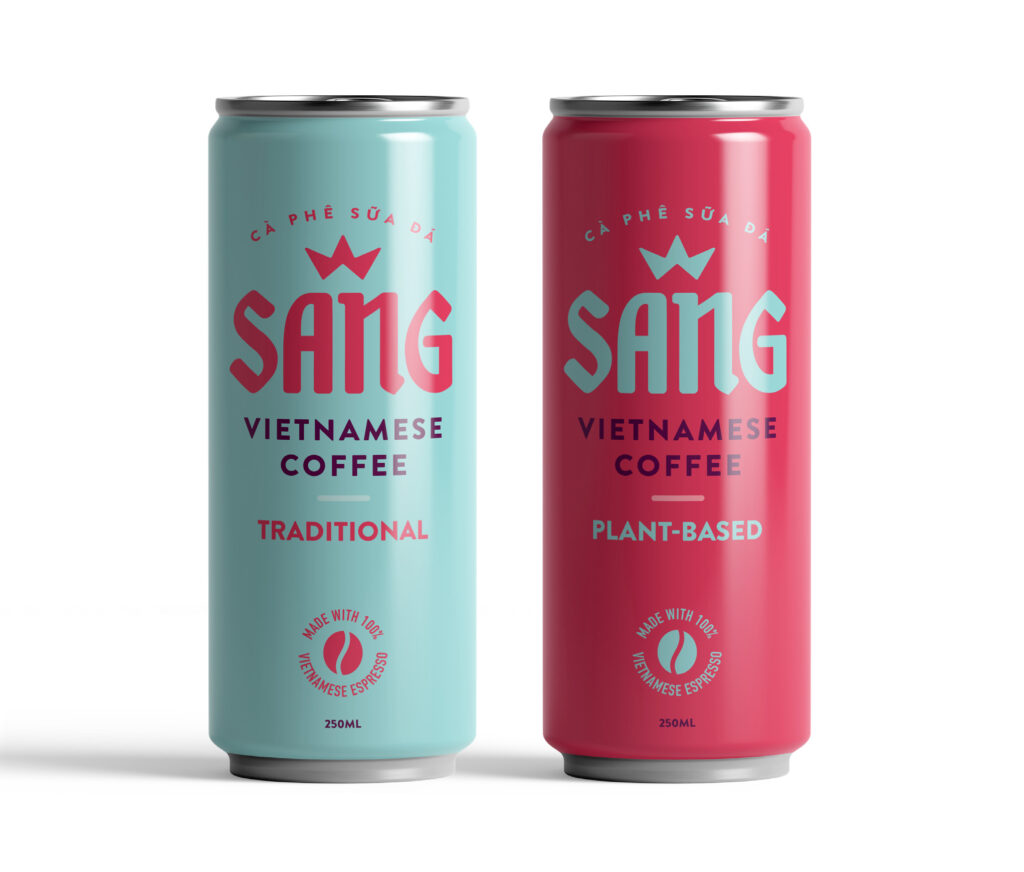
Cà Phê Sữa Đá Sang Vietnamese Coffee

The vibrant red label on Sang Vietnamese Coffee’s plant-based can is bold, modern, and full of energy. Paired with the minty green/blue typography, it’s a fresh twist on tradition that grabs your attention and promises a creamy, plant-powered coffee experience.

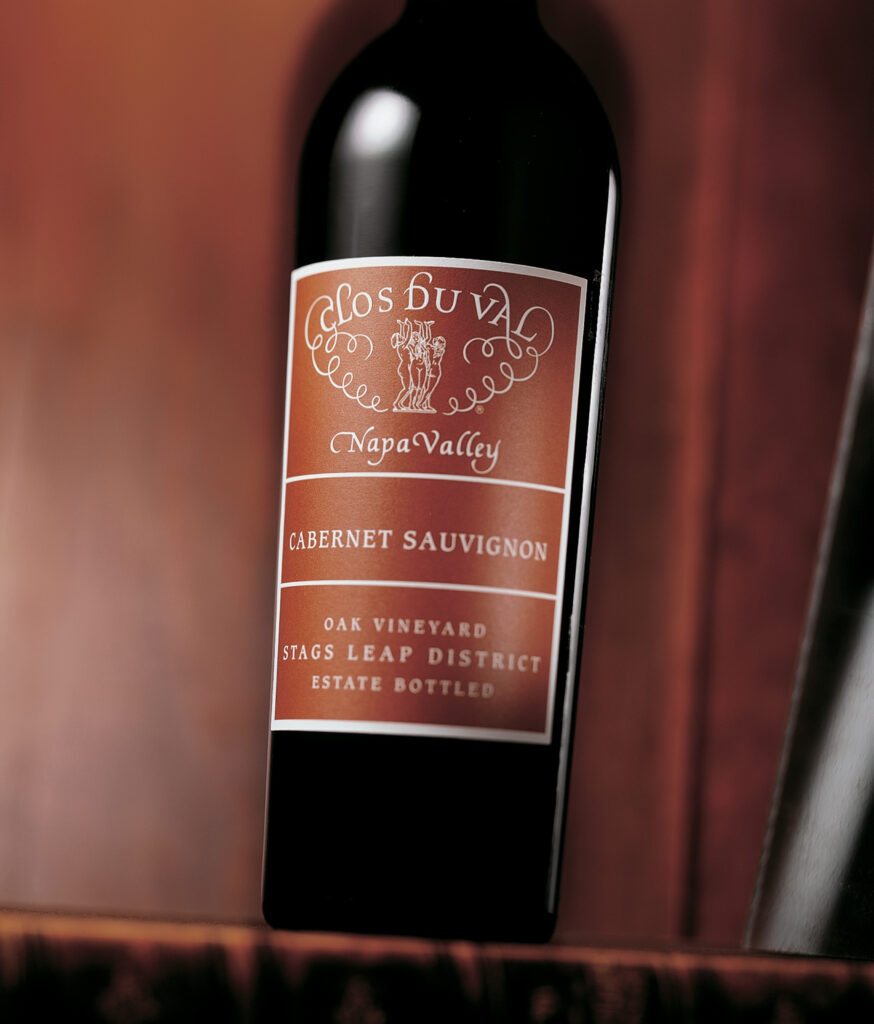
Clos du Val Cabernet Sauvignon

The rich, earthy tones of the Clos du Val Cabernet Sauvignon label evoke elegance and timeless sophistication, capturing the essence of Napa Valley’s craftsmanship. With its delicate script and balanced design, the label feels as refined and complex as the wine itself.

Wine bottle with red label

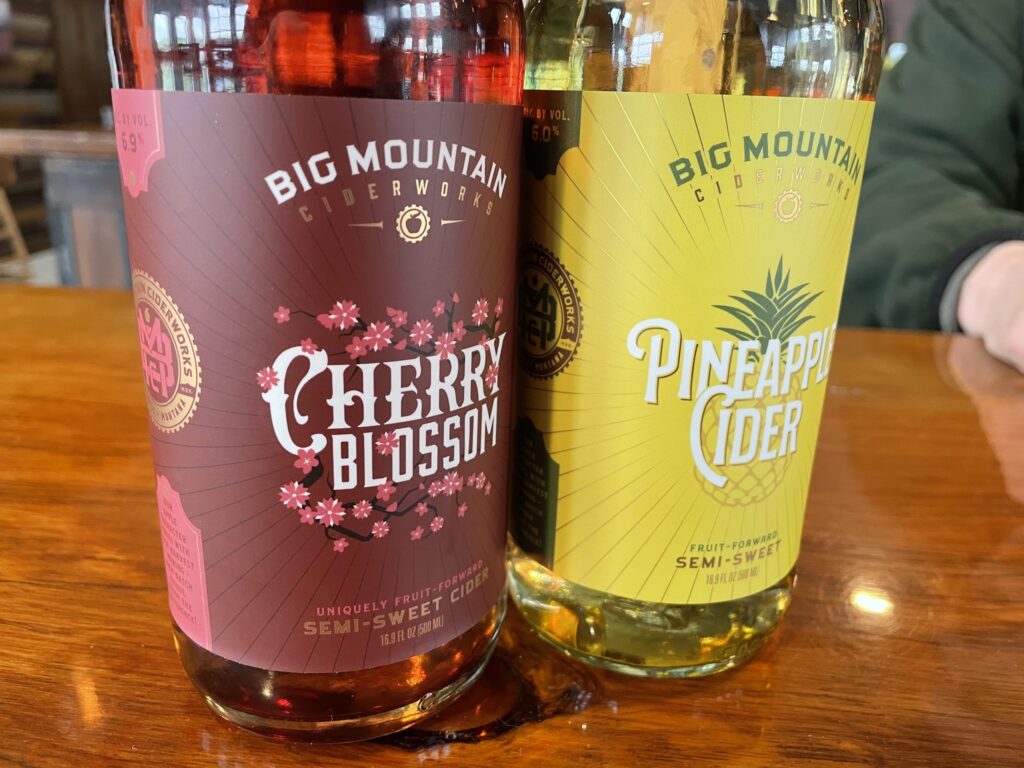
Big Mountain Ciderworks Cherry Blossom Cider

The Big Mountain Ciderworks Cherry Blossom label features a rich cherry-red background adorned with delicate floral accents that evoke freshness and sophistication. The interplay of bold typography and soft blossom imagery creates a perfect harmony, much like the semi-sweet cider inside.

bottle with custom cider labels

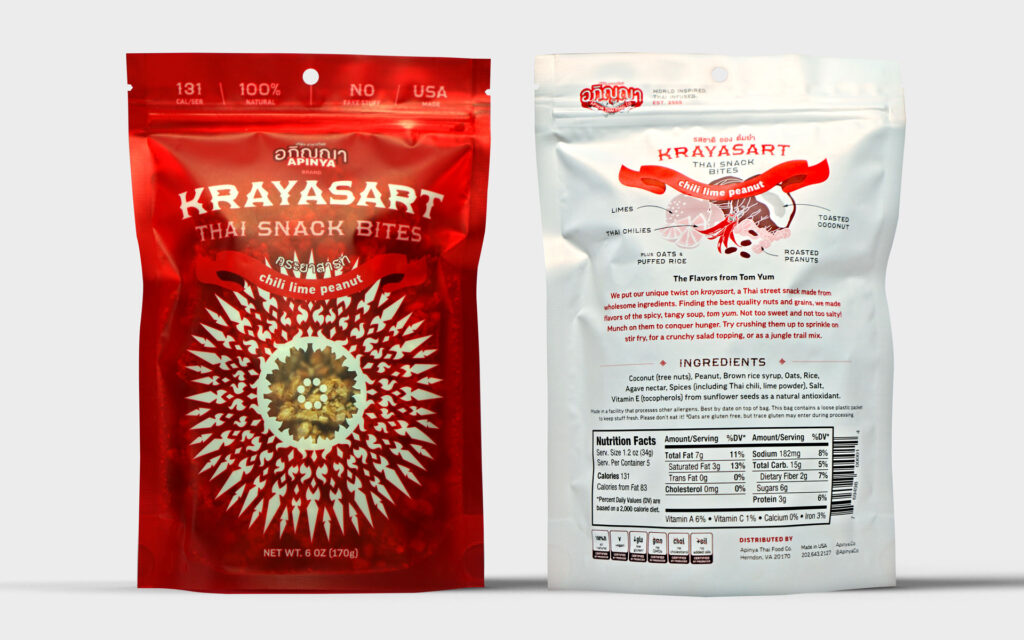
Krayasart Thai snack bites

The vibrant red packaging of Krayasart Thai Snack Bites demands attention with its intricate, mandala-inspired design that radiates energy and cultural authenticity. Perfectly complementing the bold chili-lime peanut flavor, this packaging promises a snack experience that’s as dynamic and exciting as its appearance suggests.

Specialty food packages with custom labels

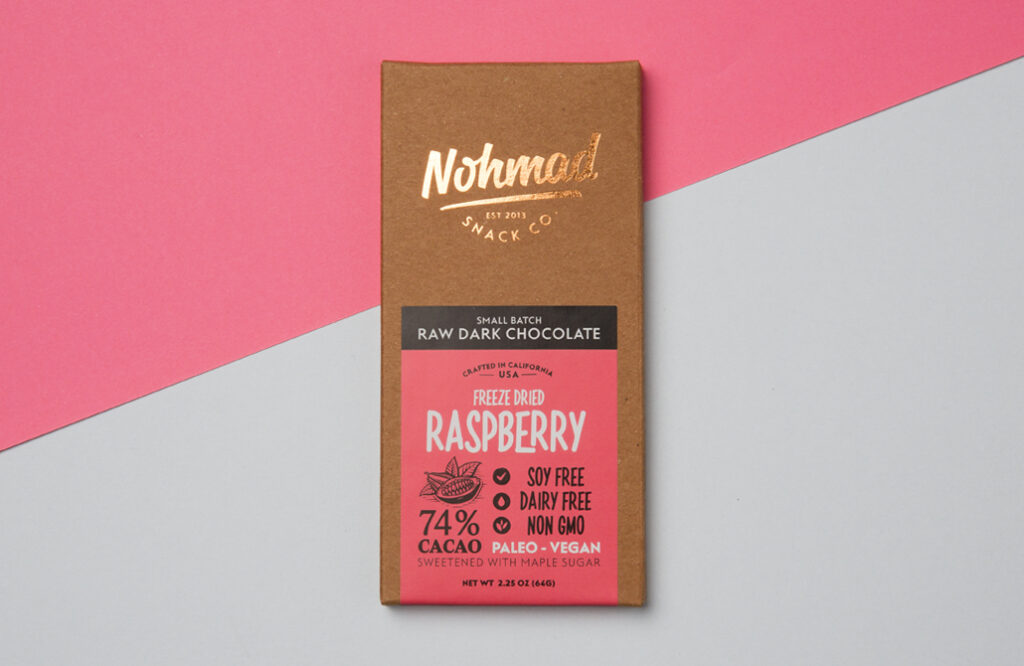
Nomad Snack Company’s Raw Dark Chocolate Bars

The Nomad Snack Company raw dark chocolate bar packaging is a perfect blend of rustic charm and modern flair. With its kraft paper base and vibrant pink accent, it feels natural and handcrafted, while the copper foil logo adds a luxurious touch.

chocolate box with custom label

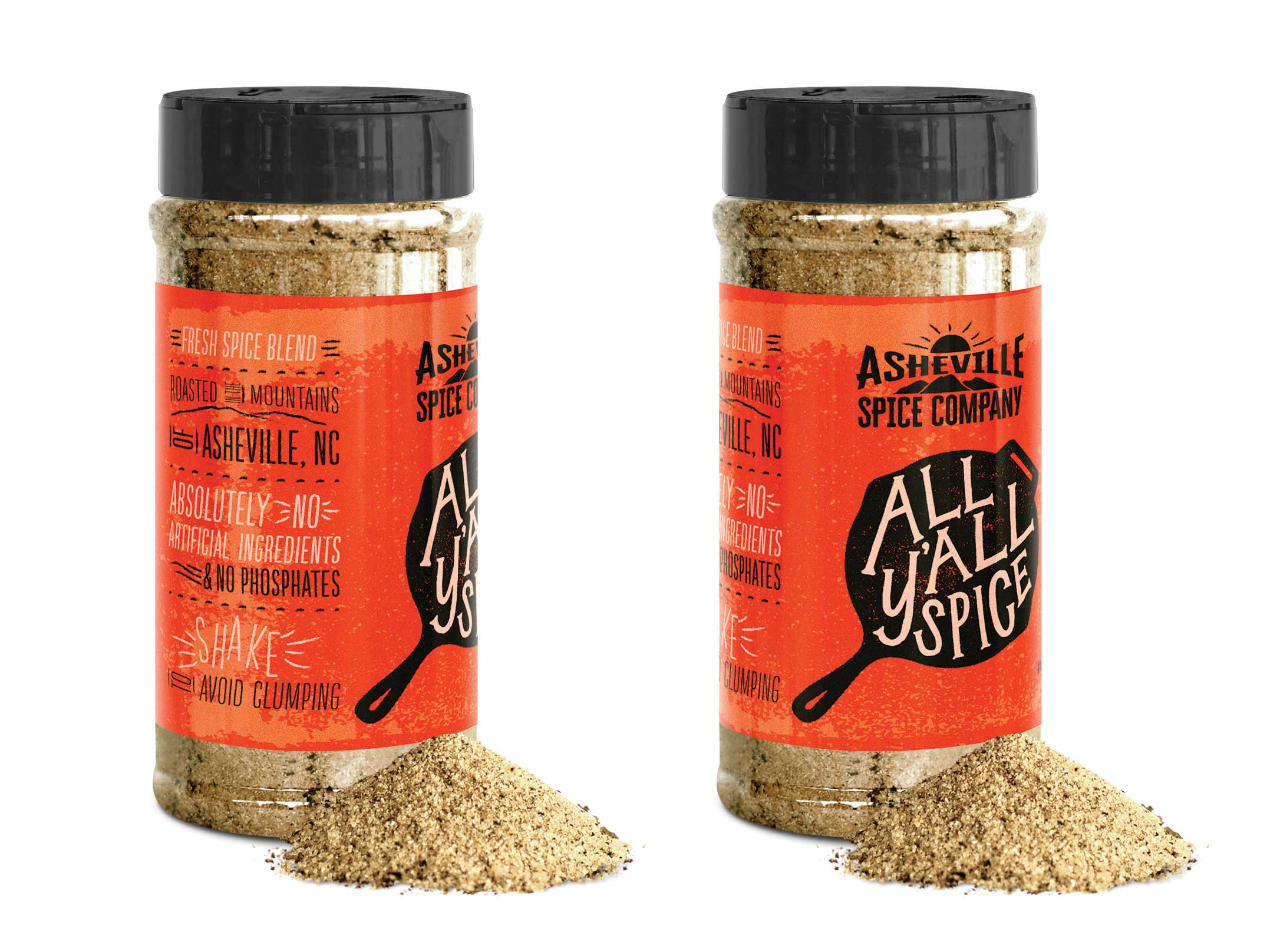
Asheville Spice Company All Y’All Spice

The bold orange/red label for Asheville Spice Company’s All Y’All Spice is as vibrant and flavorful as the blend itself, capturing the warmth of southern charm and the zest of its mountain-roasted ingredients. With its playful skillet graphic and hand-drawn typography, this packaging promises an authentic and lively seasoning experience.

Spice Seasoning Jars with Labels

How to Choose a Craft Beer Label Printing Company in 2024

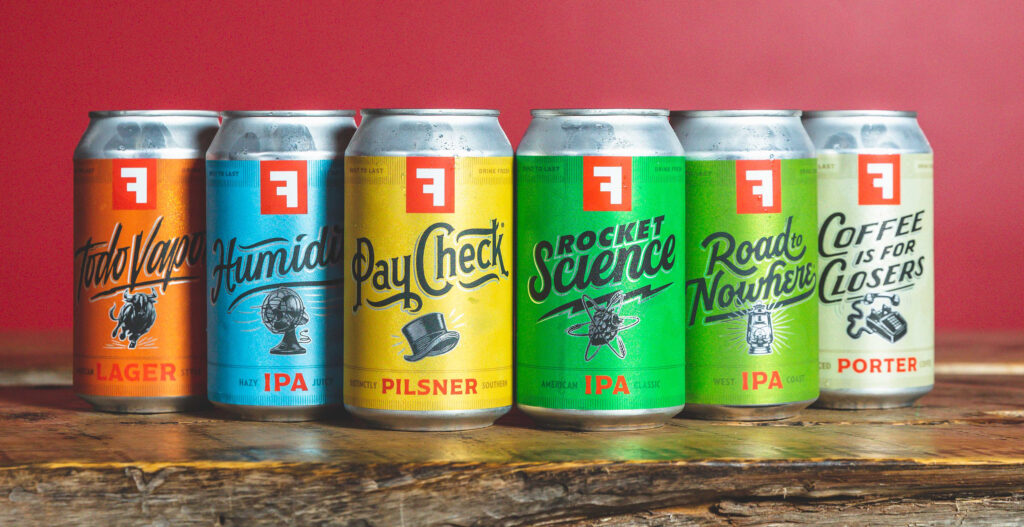
Finding the perfect labels for your craft beer can be challenging. With so many printing companies to choose from, it can be difficult to identify one that truly understands your unique durability, design, and customization needs. We’ve worked with thousands of breweries and craft beer makers in your position.

Don’t sweat it. This guide is packed with tips to help you identify a printing partner who gets your brand and makes your beer stand out.

We’re covering the essentials: understanding materials and techniques, how to weigh costs, figuring out order sizes, and making sure your labels stay compliant. Plus, you’ll get a cheat sheet of questions to ask printers, making your decision-making process a whole lot smoother.
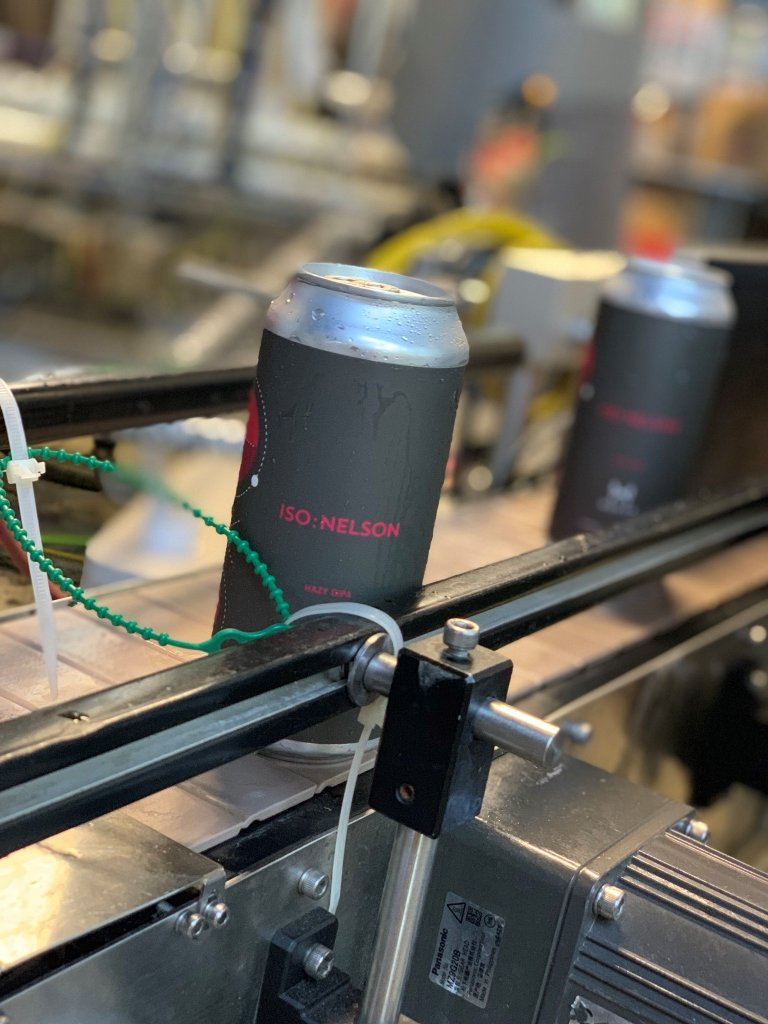
Cans with custom labels

Understanding Your Custom Beer Label Needs

Successfully choosing a printing partner starts with identifying your goals. Consider the following:

Identifying Your Goals

Start with the end in mind—your goals will likely include brand recognition, cost efficiency, durability, legal compliance, and customer engagement. These will help potential partners understand how to strategically design custom labels aligning to your specific needs. Here are some tips:

  • Brand Recognition: Share style inspirations or designs to collect feedback.
  • Cost Efficiency: Provide expected order volumes for advice on printing options that match your budget.
  • Durability: List product varieties like beers, seltzers, and ciders that require durable wet labels. Communicate the different environments that your product might have to endure.
  • Legal Compliance: Specify label content needs like government warnings supporting industry compliance (tip: we can help with this).
  • Customer Engagement: Discuss target demographics and labeling ideas to captivate them.

Decide What’s Most Important

Like any major business decision, it’s important to determine what matters most, whether it’s exceptional customer service, competitive pricing, the ability to create standout labels, conveying your brand story, eco-conscious materials, or a combination of those.

  • Standout Label Designs: Will custom shapes, special effects like foils or specialty printing techniques be featured? Determine must-have aesthetics.
  • Storytelling Through Labels: What brand narratives do your labels need to convey? Share themes inspiring designs.
  • Eco-conscious Practices: Do you require sustainable printing methods and materials? Ask about green production options.
  • Customer Service: How important is an expert team available for technical support? Assess level of involvement expected.
  • Printing Cost Factors: Will you print high volumes for cost efficiency or need flexibility for small batch prototyping? Request rate breakdowns.

Comparing capabilities in key areas helps identify ideal printing partners matching must-haves. Weigh whether you will compromise on certain preferences if strengths align well in other dimensions.
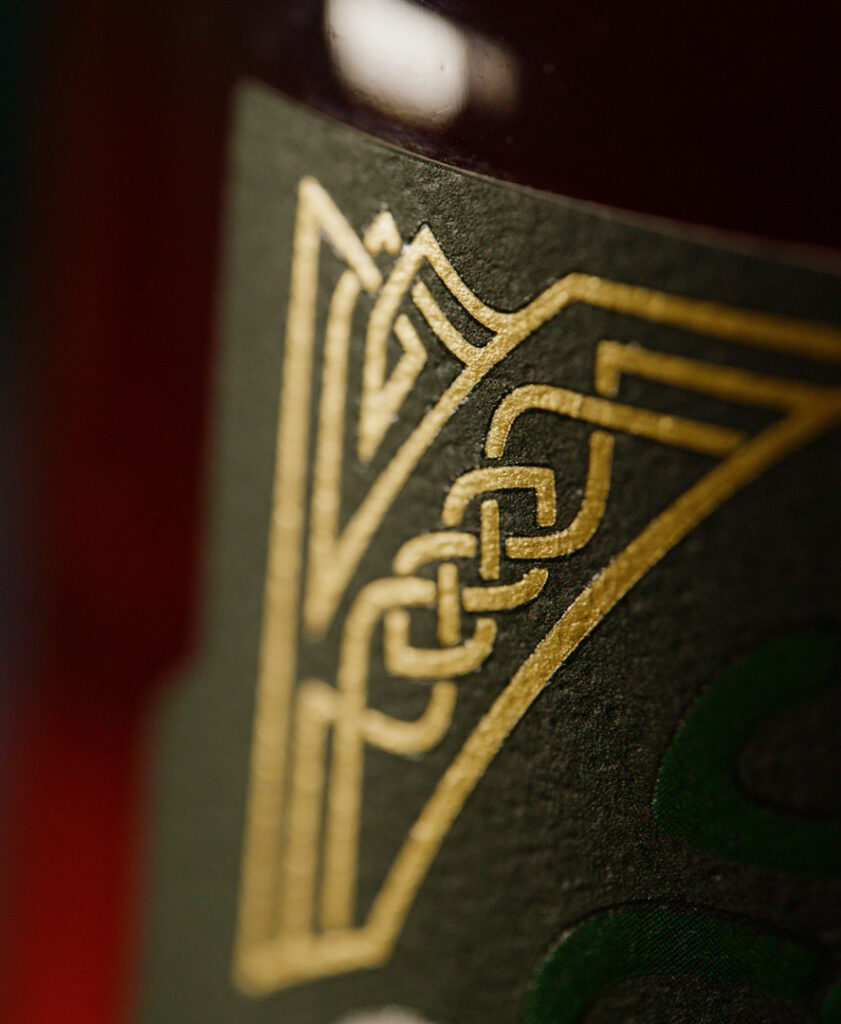
Custom bottle label with metallic foil and embossing

Key Considerations in Choosing a Craft Beer Label Printing Company

Choosing the Right Materials

When assessing the quality and materials capabilities of a printing partner, breweries should evaluate factors like durability, material options, and print quality.

The choice of material for your craft beer labels plays a significant role in their overall look, feel, and durability. Here are some considerations to keep in mind:

  • Water-Resistant Materials: Given the conditions that craft beer bottles and cans are often subjected to, from ice buckets to refrigerators, selecting water-resistant materials is crucial. Options like BOPP (biaxially oriented polypropylene) and vinyl offer excellent moisture resistance, ensuring your labels remain intact and visually appealing, no matter the environment​​.
  • Durability Against Moisture and Cold: It’s not just about water resistance; the material should also withstand cold temperatures without losing its integrity. Materials that can endure these conditions without peeling off or getting damaged are vital for maintaining a pristine look from the brewery to the consumer’s hand​​.
  • Aesthetic and Texture Options: Beyond durability, the material of your label affects its aesthetic appeal. Matte, gloss, and satin finishes can dramatically alter the look and feel of your labels. Each finish has its own way of interacting with light and can complement the design of your label to make colors pop or provide a sophisticated understated look.
  • Eco-friendly Options: With a growing emphasis on sustainability in the craft beer industry, considering eco-friendly label materials can resonate with your target audience’s values. Materials like recycled paper or biodegradable films can significantly reduce your brand’s environmental footprint while maintaining high-quality aesthetics.

Label Sizes and Shapes

Standard label sizes and shapes have evolved, largely influenced by the industry’s most common container types and sizes. For example, a typical beer bottle label might measure around 3.5 inches wide by 4 inches high, offering ample space for branding, artwork, and necessary information without overwhelming the container​​. Similarly, can labels often wrap entirely around the vessel, providing a 360-degree canvas for design creativity and brand messaging.

However, the “standard” is not one-size-fits-all. Different bottle and can dimensions, such as slim cans or larger bomber bottles, require tailored label sizes to ensure a perfect fit. The key is understanding the dimensions of your specific containers and how much of that space you want your label to cover.

Going Beyond Standard Options: The Case for Customization

While standard labels serve many brands well, the craft beer industry thrives on uniqueness and personality. Custom labels—those that break the mold in terms of size, shape, and application—are becoming increasingly popular for craft brewers looking to differentiate their offerings.

  • Embracing Unique Shapes: Custom-shaped labels can mirror the contours of unusual bottle or can designs, create visual interest, and enhance shelf appeal. From sleek, minimalist labels that hint at the contents to intricate, die-cut shapes that tell a story, the possibilities are limited only by imagination.
  • Considering Wraparound Labels: For cans, a full wraparound label maximizes the available design space, allowing for bold, engaging visuals that attract attention from every angle. This approach (often called shrink sleeves) can be particularly effective for limited edition releases or flagship brews that deserve extra emphasis.
  • Size Matters for Compliance and Clarity: When considering custom sizes and shapes, it’s essential to remember regulatory requirements for labeling alcoholic beverages. Every label must have space for mandatory information, including alcohol content, volume, and manufacturer details, without compromising readability​​. Balancing creative aspirations with these requirements is key to a successful label design.

Tips for Choosing the Right Label Size and Shape

  1. Start with Your Container: Measure your bottles or cans carefully, considering curves, necks, and any other features that might influence label adhesion and appearance.
  2. Reflect on Your Brand’s Personality: Let your label shape and size be an extension of your brand story. Are you bold and avant-garde, or classic and traditional? Your label can reflect this.
  3. Consult with Design and Printing Experts: Professionals in label design and printing can offer valuable insights into what works well for different types of beers and containers. They can also provide templates or guidelines to help visualize your ideas.
  4. Experiment with Mockups: Before finalizing your design, use digital or paper mock-ups to see how your label will look on the actual container. This step can help identify potential issues with size, shape, or legibility before you commit to printing.

Cost and Scalability

For breweries and craft beer makers, understanding the costs and scalability options of label printing is critical for both startup ventures and established brands. You’ll want to take into account factors such as minimum order quantities, volume discounts, the flexibility of printing across multiple SKUs, and the efficiency of re-ordering processes.

Understanding Pricing Models

Label printing costs can vary widely depending on several factors, including material choices, print techniques, label size and shape, and the complexity of the design.

Most providers use a pricing model that decreases the unit cost as the order quantity increases, rewarding larger orders with better per-label pricing. However, the starting point and scale of these price breaks can differ between providers, making it important to get detailed quotes for various order sizes​​.

Minimum Order Quantities and Volume Price Breaks

  • Minimum Order Quantities (MOQs): Many label printing companies set MOQs to ensure profitability. For craft breweries, especially those in the startup phase or with a rotating selection of small-batch brews, finding a provider with low MOQs can be crucial. Understanding a provider’s MOQs will help you determine if they’re a good fit for your production scale.
  • Volume Price Breaks: Volume discounts are a key consideration when planning your label orders. Providers typically offer price breaks at certain thresholds, which can significantly impact your cost per label. When comparing providers, ask for a detailed breakdown of pricing tiers to understand where these breaks occur and how they align with your anticipated order volumes.

Scalability and Flexibility for Multiple SKUs

Craft breweries often produce a wide range of beers, each requiring its own label design. Some key considerations include:

  • Flexibility Across SKUs: Look for providers that offer flexibility in aggregating different label designs to qualify for volume discounts. This can be particularly beneficial for breweries that want to print similar designs for multiple SKUs without the need to place large individual orders for each.
  • Digital Printing Advantages: Digital printing technology offers significant advantages in terms of scalability and flexibility. It allows for cost-effective short runs and easy updates to designs without the need for new plates or setup fees, making it an excellent option for breweries with a wide variety of labels​​.

Ease of Re-Ordering

The ability to quickly and easily reorder labels as needed is essential for maintaining inventory levels and responding to demand fluctuations. Consider providers that offer streamlined re-ordering processes, possibly through online platforms, which can save time and reduce the time to re-order.

Comparing Prices and Making Informed Decisions

When comparing label printing providers, consider the following steps to ensure you’re making an informed decision:

  1. Request Detailed Quotes: Obtain quotes for various order sizes, including the costs for different materials and print techniques. This information will help you understand the full scope of potential expenses.
  2. Evaluate Total Cost: Look beyond the sticker price to consider other factors like setup fees, design services, shipping costs, and lead times, which can all affect the total cost.
  3. Consider Long-Term Needs: Choose a provider that can scale with your brewery. A company that offers competitive pricing for small orders but also has the capacity to handle larger volumes efficiently can be a valuable partner as your business grows.

Turnaround Time and Reliability

For breweries and craft beer makers, timing can be everything. Whether you’re gearing up for a seasonal release, restocking a bestseller, or launching a new brew, the turnaround time for getting your labels can significantly impact your operations. You’ll want to consider everything from artwork approval to set up, printing, and shipping to help you plan effectively and avoid unexpected delays.

The Components of Turnaround Time

Turnaround time in label printing is influenced by several key stages, each contributing to the total time from placing your order to receiving your labels.

  1. Artwork Approval: The process begins with your design. Once you submit your artwork, the printing company will review it to ensure it meets technical requirements for printing. This stage includes checking the resolution, color specifications, and any potential issues that could affect print quality. Delays can occur if revisions are needed, so submitting artwork that already adheres to the provider’s guidelines can speed up this phase.
  2. Pre-Production and Setup: After artwork approval, the project moves into the pre-production stage. For traditional printing methods, this may involve creating plates or screens, which can slow down the process. Digital printing, on the other hand, typically requires less setup time, making it a faster option for smaller or more time-sensitive orders.
  3. Printing: The actual printing time varies depending on the complexity of your labels, the quantity ordered, and the printing technology used. Digital presses can produce labels relatively quickly, while traditional methods may take longer, especially for large volumes or intricate designs.
  4. Finishing and Quality Checks: Post-printing, labels undergo finishing processes such as cutting, laminating, and possibly applying adhesive. Quality assurance checks are also conducted to ensure the labels meet the brewery’s and the printer’s standards. This stage is crucial for delivering a high-quality product but can add time to the overall process.
  5. Shipping and Delivery: Finally, the completed labels are packed and shipped to your brewery. Shipping time depends on the distance between the printer and your location and the shipping method chosen. While expedited shipping options can reduce wait times, planning for standard shipping times in your overall timeline is wise.
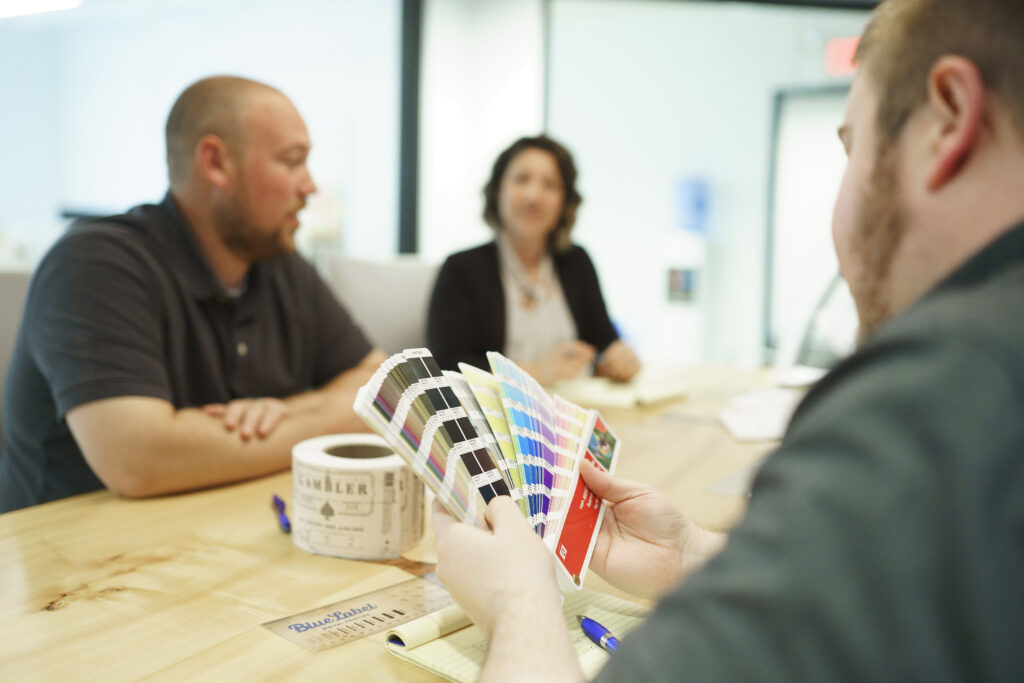
Label printing employees

Tips for Optimizing Turnaround Time

  • Provide Ready-to-Print Artwork: Ensuring your designs meet the printer’s specifications from the start can significantly reduce delays during the artwork approval stage.
  • Communicate Your Timeline: Be upfront with your printing provider about your schedule. Some companies can accommodate rush orders, but clear communication is key to aligning expectations.
  • Consider Shipping Logistics: Factor in shipping time when planning your label order timeline, especially if you’re located far from the printer or if the labels are being shipped during busy seasons.

Questions to Ask Potential Beer Label Printing Providers

To ensure you partner with a label printer that meets your needs, here are some questions to guide your selection process, informed by insights from our own label experts.

1. What is your experience with craft beer labels?

Understanding the printer’s experience in the craft beer industry can give you insight into their familiarity with common challenges and specific requirements, such as resistance to moisture and cold, adherence to regulatory labeling standards, and the ability to produce high-quality, eye-catching labels.

2. Can you provide samples of your previous work?

Asking for samples allows you to assess the quality of the printer’s work firsthand. Look for clarity, color accuracy, material quality, and the overall finish. Samples can also inspire your own label designs and help you gauge the printer’s capabilities in delivering the visual impact you aim for.

3. What printing technologies do you use?

Inquire about the printing technologies available, such as digital, offset, or flexographic printing. Digital printing offers more flexibility, producing vibrant colors, detailed designs, and cost-effective short runs without the need for expensive setup fees, making it an ideal choice for breweries.

4. How do you ensure label durability and compliance?

Given the conditions beer bottles and cans must endure, from refrigeration to moisture exposure, it’s crucial to ask about the materials and finishes used to ensure label durability. Additionally, confirm that the printer is knowledgeable about the regulatory requirements for beer labeling to ensure compliance with legal standards.

5. What are your minimum order quantities and volume discounts?

This question is vital for budgeting and planning purposes. Understanding the minimum order requirements and how volume discounts are structured can help you optimize your orders for cost efficiency, especially important for smaller breweries or those with a wide variety of products.

6. How do you handle design and artwork preparation?

Some printers offer in-house design services or assistance in preparing your artwork for printing. Asking about these services can be particularly beneficial if you don’t have a dedicated designer on your team or if you need help ensuring your designs are optimized for printing.

7. What is your turnaround time, and how do you handle rush orders?

Knowing the expected turnaround time helps you plan your label ordering process in sync with your production schedule. It’s also wise to ask about the process for rush orders, should you need labels more quickly than anticipated.

8. Can you accommodate special requests or unique label features?

If you’re interested in unique label features, such as foil stamping, embossing, or using eco-friendly materials, ask if the printer can accommodate these requests. Special features can make your labels stand out but may require additional planning and cost.

Finding the Perfect Beer Label Printing Company

Finding the right custom label printing company for your craft beer involves more than just comparing prices and reviewing samples; it requires a deep dive into understanding each provider’s capabilities, technologies, and commitment to meeting your specific needs.

The right partner will offer the flexibility, expertise, and scalability your brewery needs. Make sure you carefully consider the factors we’ve discussed in this article—material options, cost and scalability, turnaround times, and asking the right questions—and you’ll be equipped to make an informed decision.
The Ultimate Guide to Clear Barcode Labels for Product Packaging

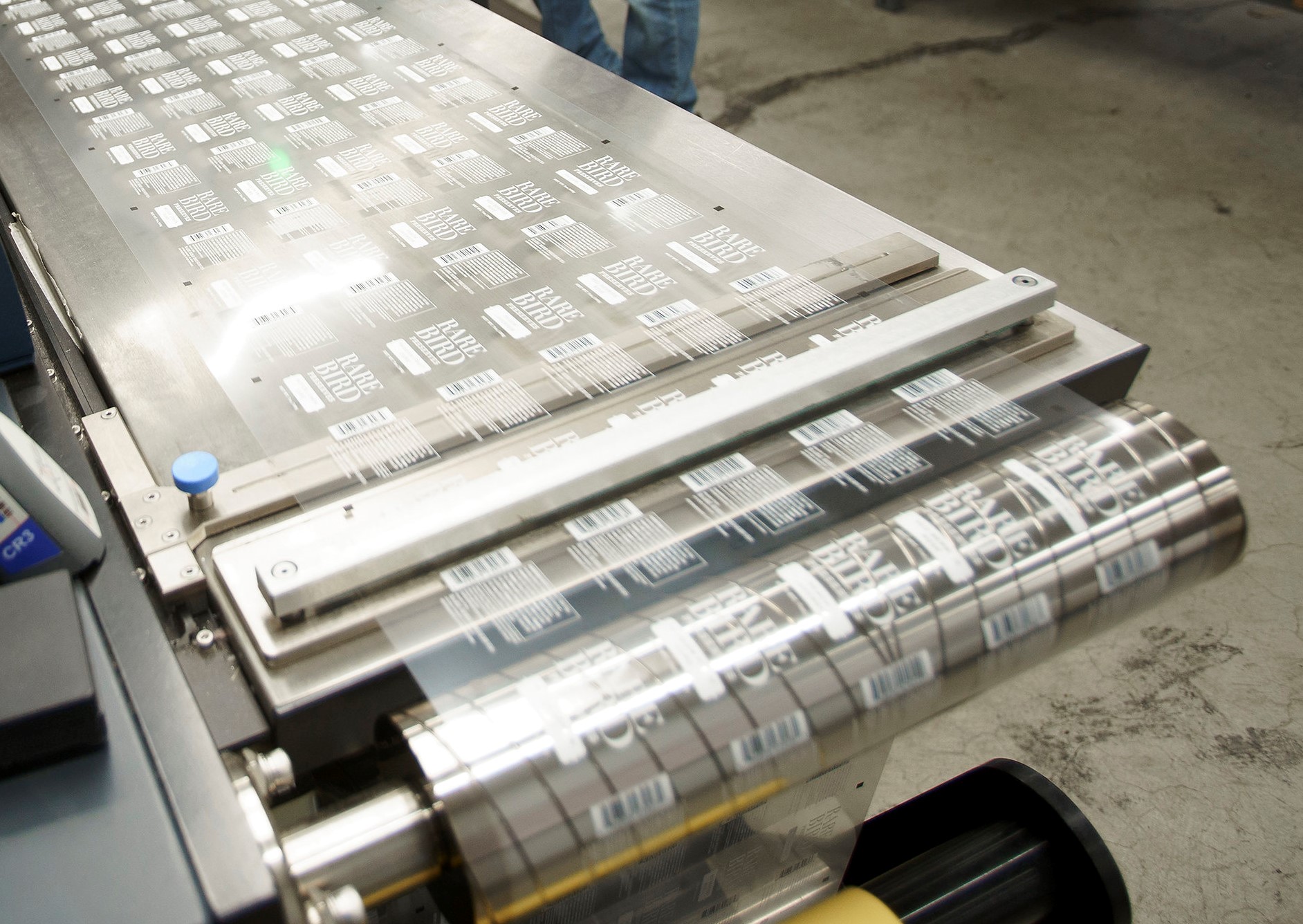
Lately, there’s been a noticeable shift towards clear barcode labels across various industries. And no, it’s not just about looking good—though they certainly do that. It’s about understanding that many consumers today crave transparency and minimalism in packaging. Clear labels give your product a sleek, modern look that can enhance packaging design rather than overwhelm.

We’re seeing this trend catching on in the food, beverage, and consumer goods industries. Businesses are realizing that clear barcode labels don’t just meet functional needs; they also fit well with modern branding strategies. These labels merge usefulness with sophisticated design, making them a hit with consumers.

Clear barcode labels

Why Choose Clear Barcode Labels?

Clear barcode labels offer a range of benefits, making them an excellent choice for product makers looking for both functionality and visual appeal. Here are some of the key advantages of using clear barcode labels:

  • Water/Moisture Resistance: Clear barcode labels, particularly those made from polyester or polypropylene, are highly resistant to water and moisture, helping them remain intact and legible even in damp conditions.
  • Abrasion Resistance: These labels feature abrasion-resistant coatings that protect the printed information from physical wear and tear, making them suitable for environments where they may be subject to scratching or rubbing.
  • Durability: Using high-quality materials, clear barcode labels can withstand harsh environmental conditions, including extreme temperatures and UV exposure.
  • Enhanced Product Appearance: Clear barcode labels blend seamlessly with product packaging, maintaining the visual appeal of the product while providing the necessary functionality of a barcode.
  • Versatility: These labels can be applied to various surfaces and materials, making them suitable for a wide range of products and applications.

Applications and Use Cases

Clear barcode labels are versatile and commonly used across a number of industries and product types. Here are some of the most common use cases:

  • Food and Beverage: These labels are used on food and beverage products to ensure that packaging remains tamper-evident and safe for consumers.
  • Retail: Clear barcode labels allow product design to show through, enhancing the overall look while ensuring that barcodes are easily scannable for inventory and sales purposes​.
  • Manufacturing and Industrial Applications: Clear barcode labels are used on equipment and machinery where durability is essential. These labels can withstand harsh environmental conditions, including exposure to chemicals, oil, and extreme temperatures.
  • Healthcare and Laboratories: In medical and laboratory settings, clear barcode labels are used for labeling vials, test tubes, and other equipment. These labels need to withstand extreme conditions such as cryogenic temperatures and exposure to chemicals.
  • Warehouse and Logistics: In warehouses, clear barcode labels are used for labeling racks, shelves, and bins. They facilitate easy identification and tracking of products, and their durability ensures they remain intact in high-traffic environments​​.

Clear Barcode Materials

From bottles to vials, the right material can make all the difference between a barcode that lasts and one that fades faster than a summer tan. Here’s a quick rundown of the best materials for clear barcode labels and why they stand out.

  • Polypropylene: This synthetic material offers moderate durability with oils, water, and tear resistance, making it ideal for use on products where maintaining packaging aesthetics and protection against abrasion is important​.
  • Polyester: Known for its high durability, polyester is resistant to extreme temperatures, chemicals, water, oil, and abrasion. It is ideal for outdoor applications and industrial equipment.
  • Vinyl: Durable and weather-resistant, vinyl labels have strong adhesive properties that make them tamper-resistant. They are often used for security tags and products exposed to fluctuating environmental conditions.
  • Polyethylene: Flexible and resistant to water and chemicals, polyethylene labels are ideal for curved surfaces like bottles or vials in laboratories and healthcare settings, offering durability without compromising flexibility.

Getting Started with Clear Barcode Labels

Thinking about using clear barcodes for your products? Here’s what you need to consider.

Step 1: Research and Needs Assessment

First, determine the specific requirements for your product labels, such as durability, resistance to environmental factors (water, chemicals, abrasion), and the need for tamper evidence. Make sure the features of clear barcode labels align with your needs.

It’s also important to consider industry-specific standards and regulations. This isn’t exclusive to clear labels, but it’s important nonetheless. For example, food, pharmaceutical, and healthcare products will often have more stringent labeling requirements.

Consider the different materials used for clear barcode labels, such as polypropylene, polyester, vinyl, and polyethylene. Each material offers distinct advantages, like durability and resistance to various environmental factors. Read above for more information.

Step 2: Label Design

Use design software like Adobe Illustrator or specialized labeling software to create your label design. Ensure the design includes all necessary elements like barcodes, branding, and regulatory information.

Test different materials to see how they perform with your design. Consider factors like print quality, durability, and readability.

Step 3: Choosing a Label Printing Provider

Look for print partners with experience in producing clear barcode labels. Check their capabilities in handling different materials and printing techniques (e.g., thermal transfer, digital printing).

As with any other partner, request quotes and samples, check references and reviews, and inquire about turnaround times and prices.

Step 4: Production and Implementation

Once you have final approval on the label design and material choice from all stakeholders, you can place your order, making sure to check all specifications and quantities.

Implement a quality assurance process to check the consistency and accuracy of the labels. This may include random sampling and testing for durability, readability, and adhesion.

Wrapping Up

So, there you have it. Clear barcode labels offer versatility, durability, and cost-effectiveness, all while integrating into your packaging and label design.

By using clear barcode labels, you’re not just keeping up with industry standards; you’re positioning your brand as modern, transparent, and committed to quality. Let’s make your products shine with high-quality, clear barcode labels from Blue Label Packaging. 

Request samples or a talk to us today to discover the perfect clear label solutions for your product packaging needs.