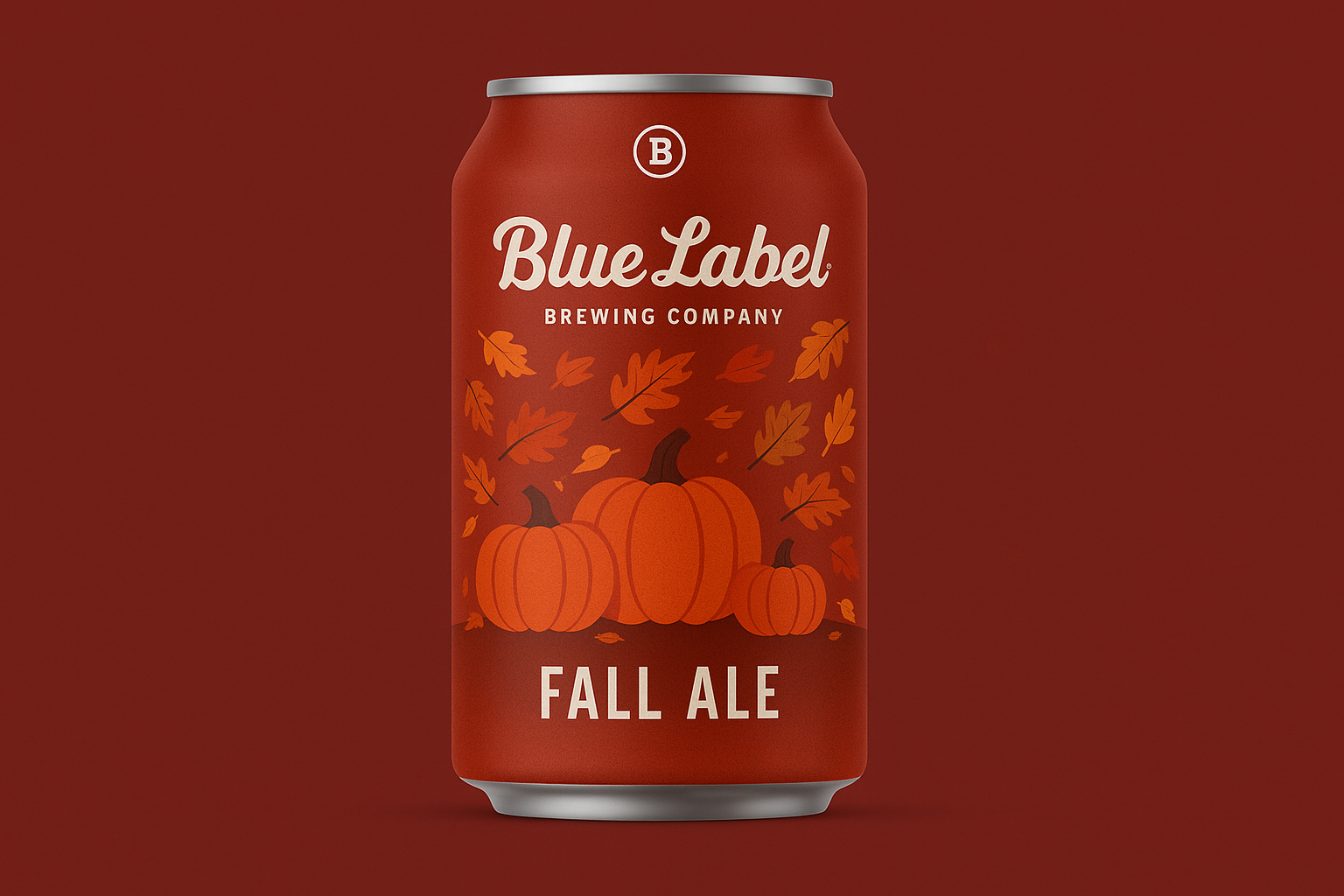
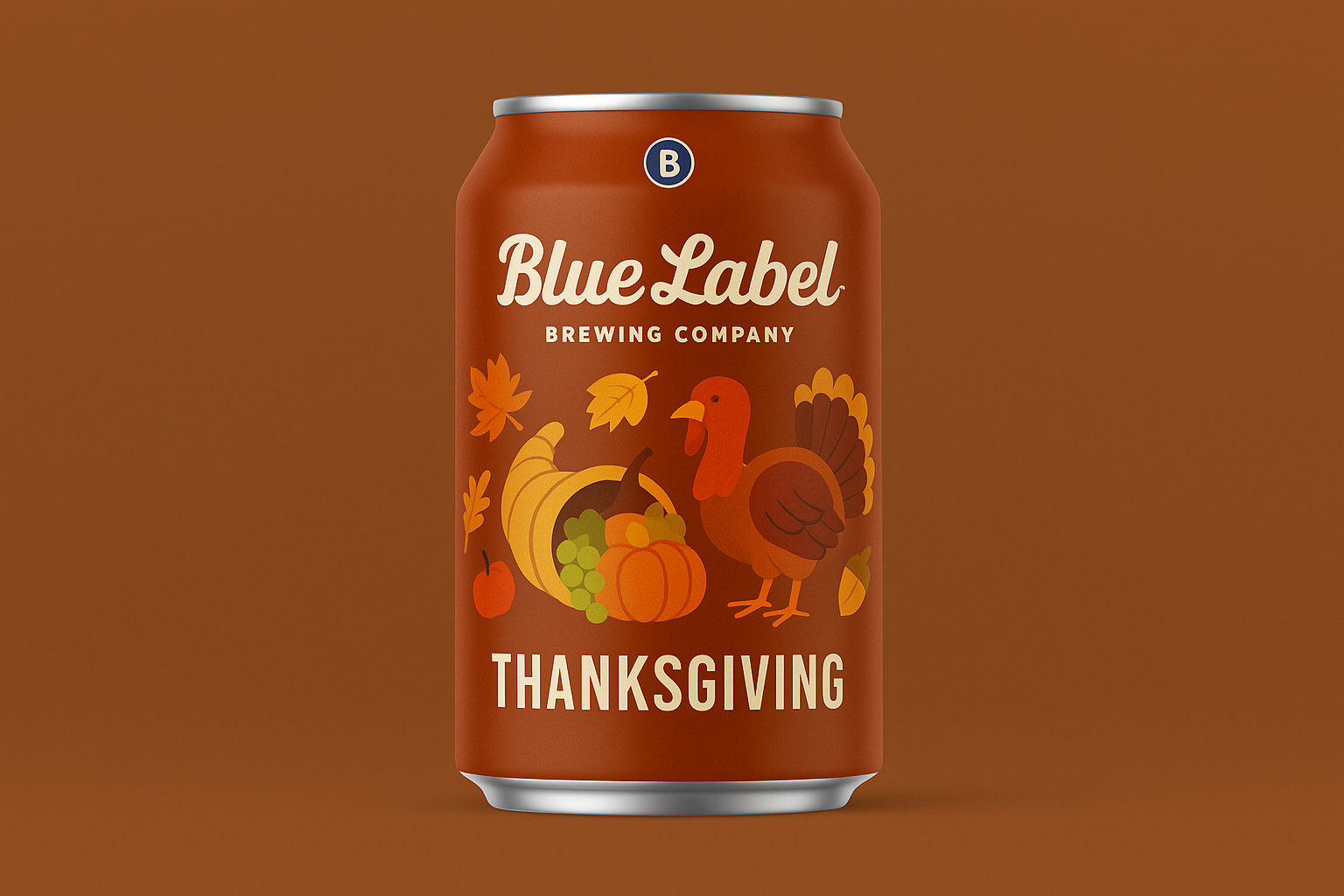
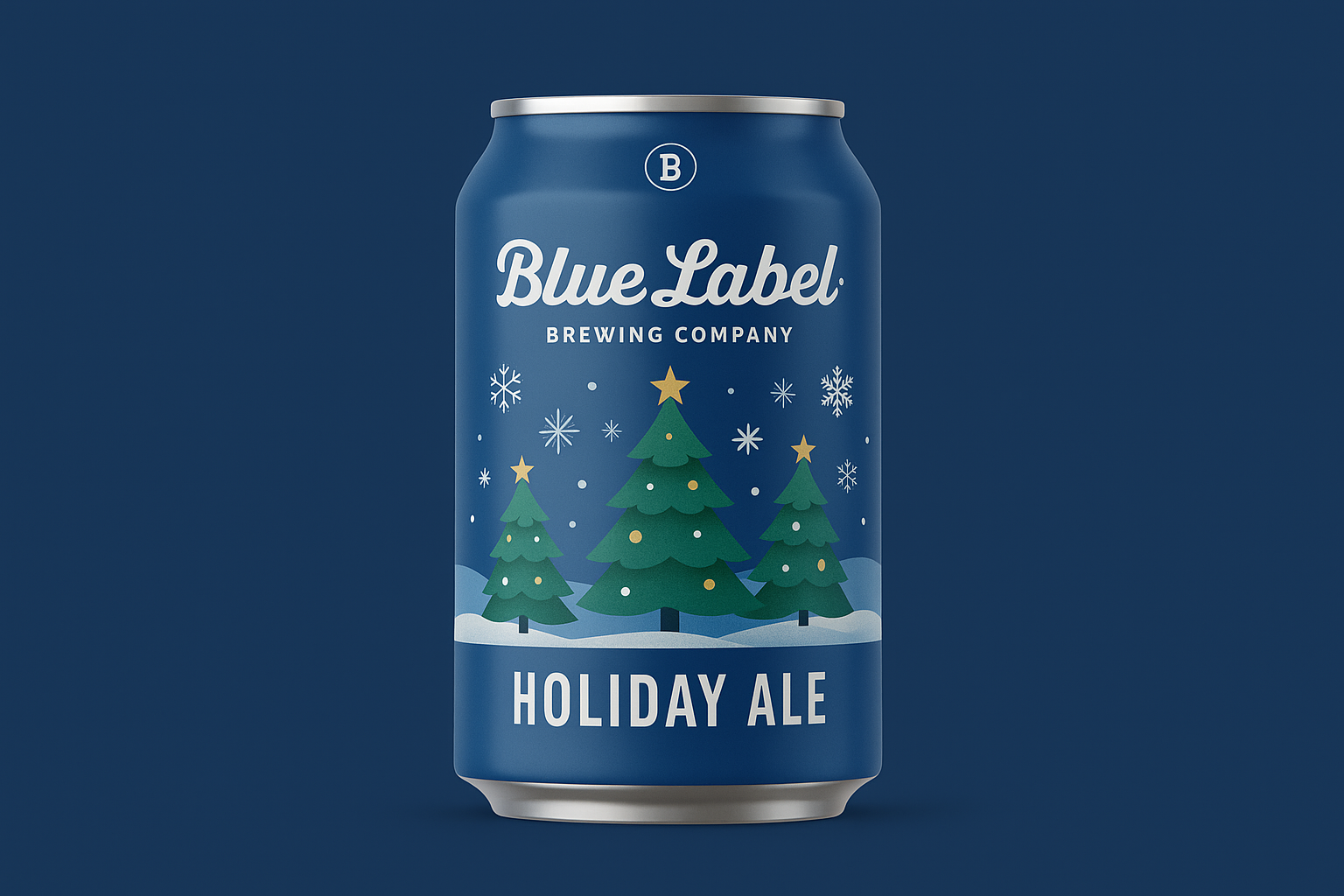
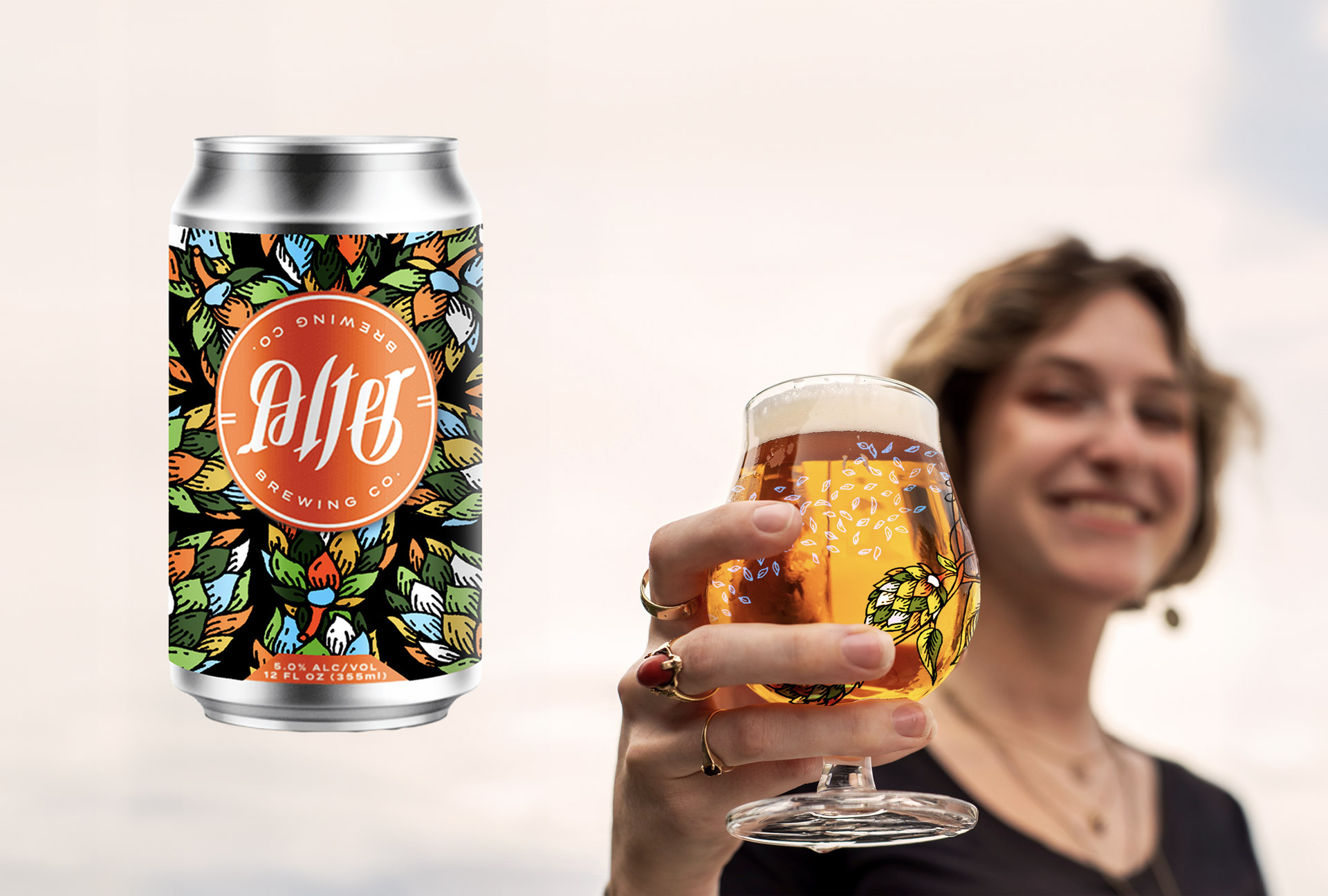
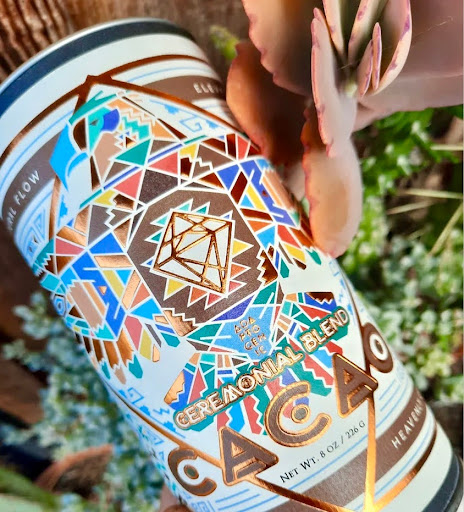
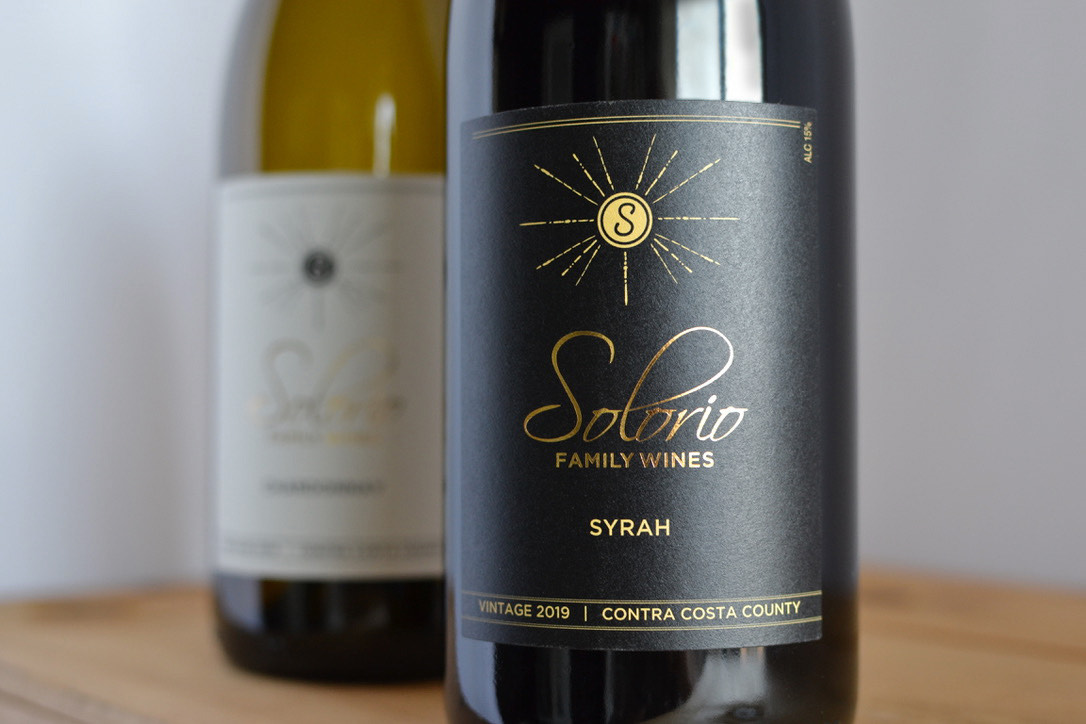
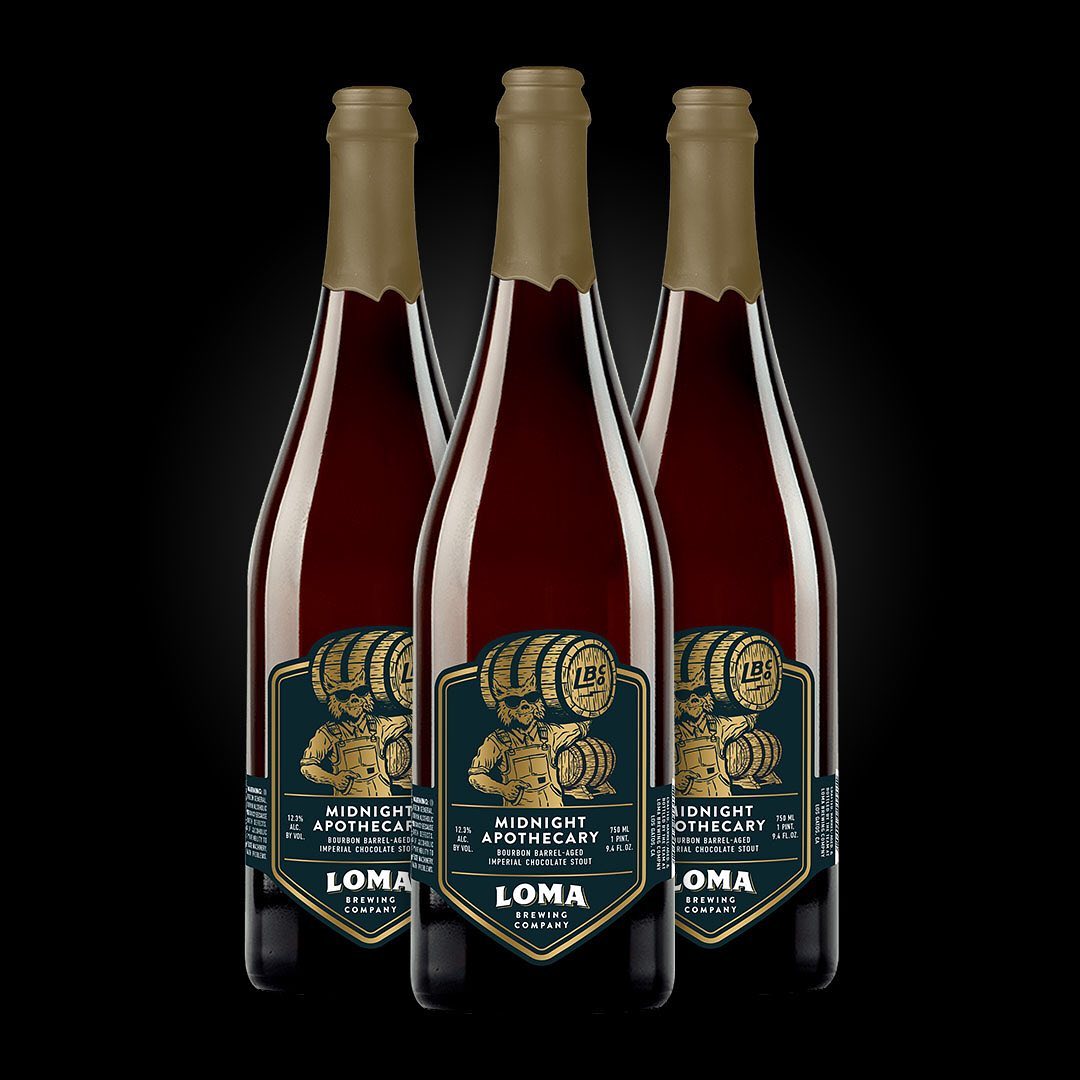
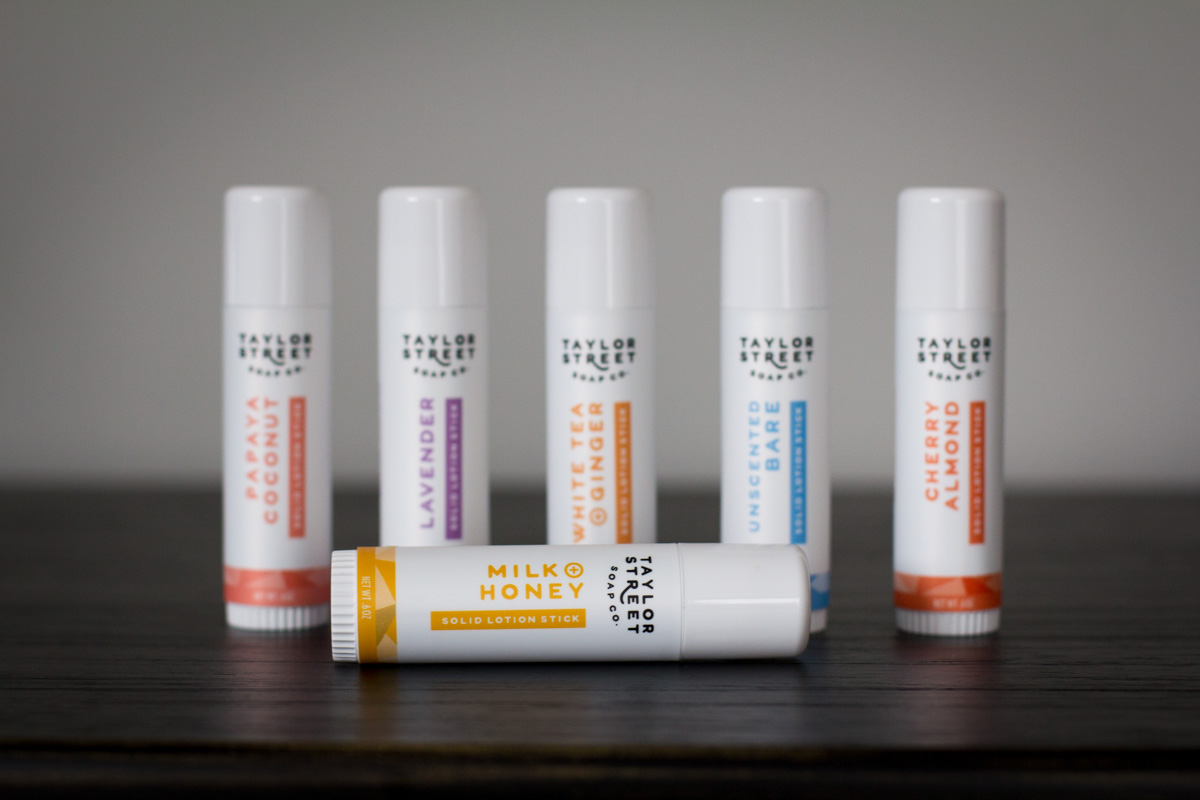
Can Paper Labels Be Used on Cans?

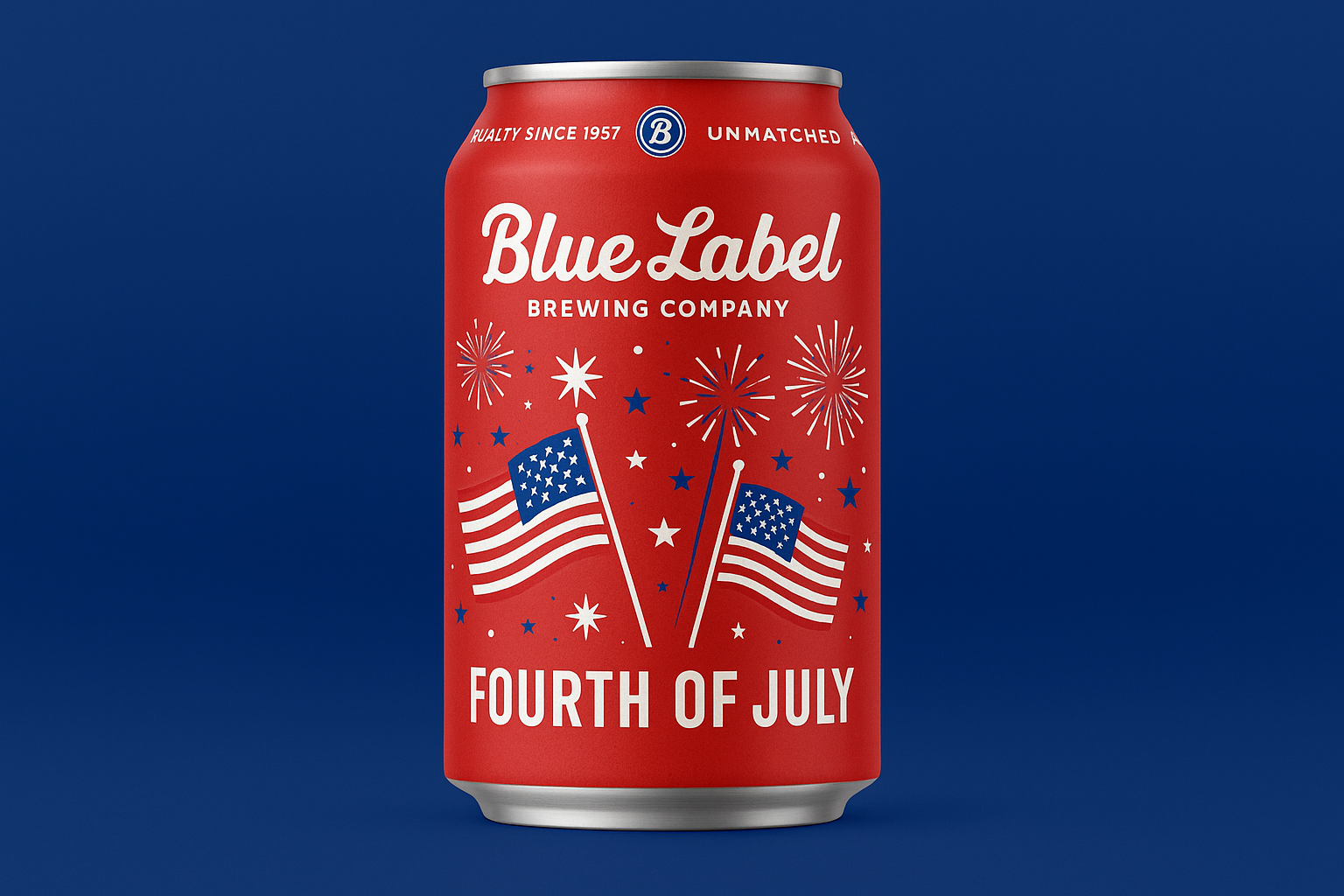
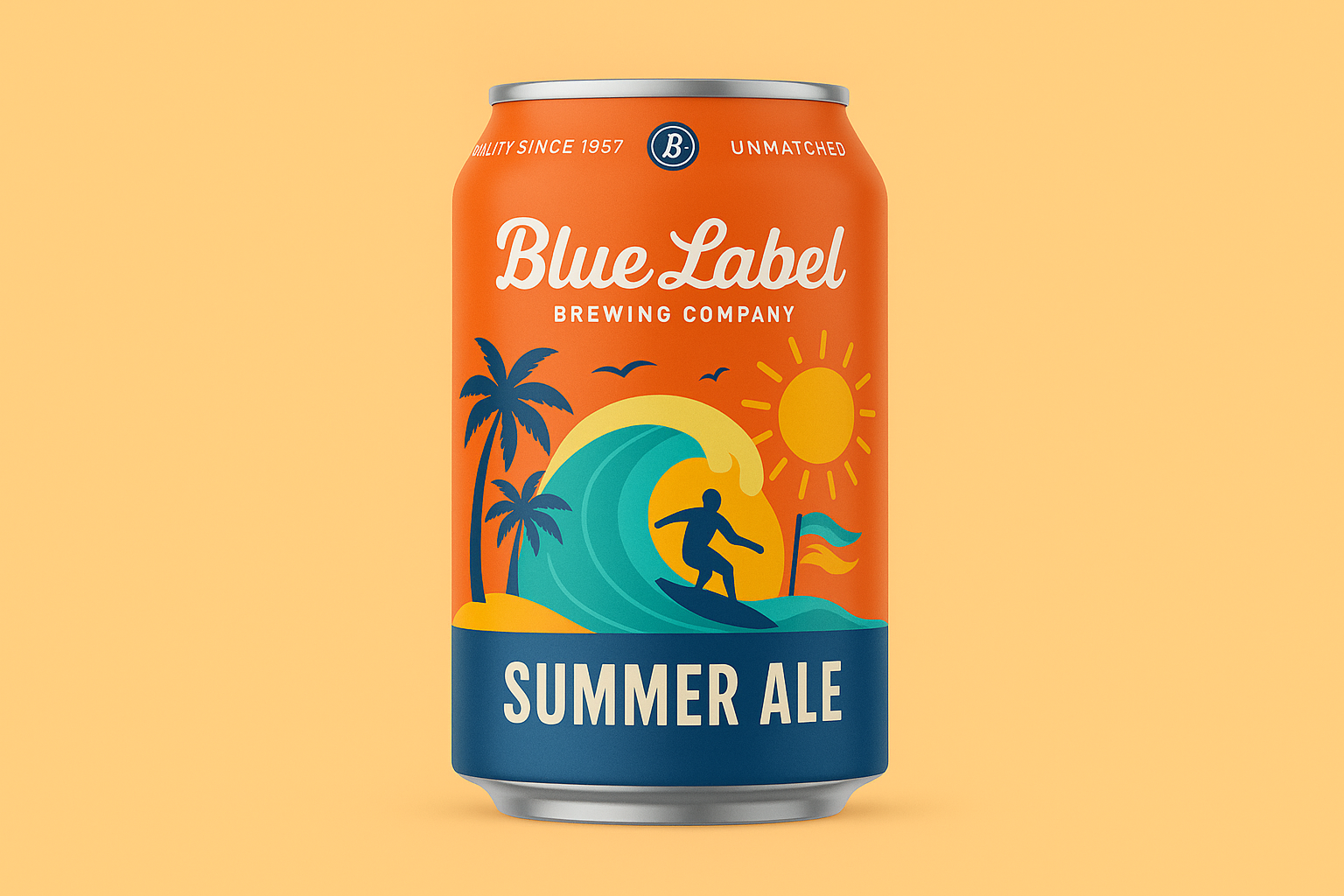
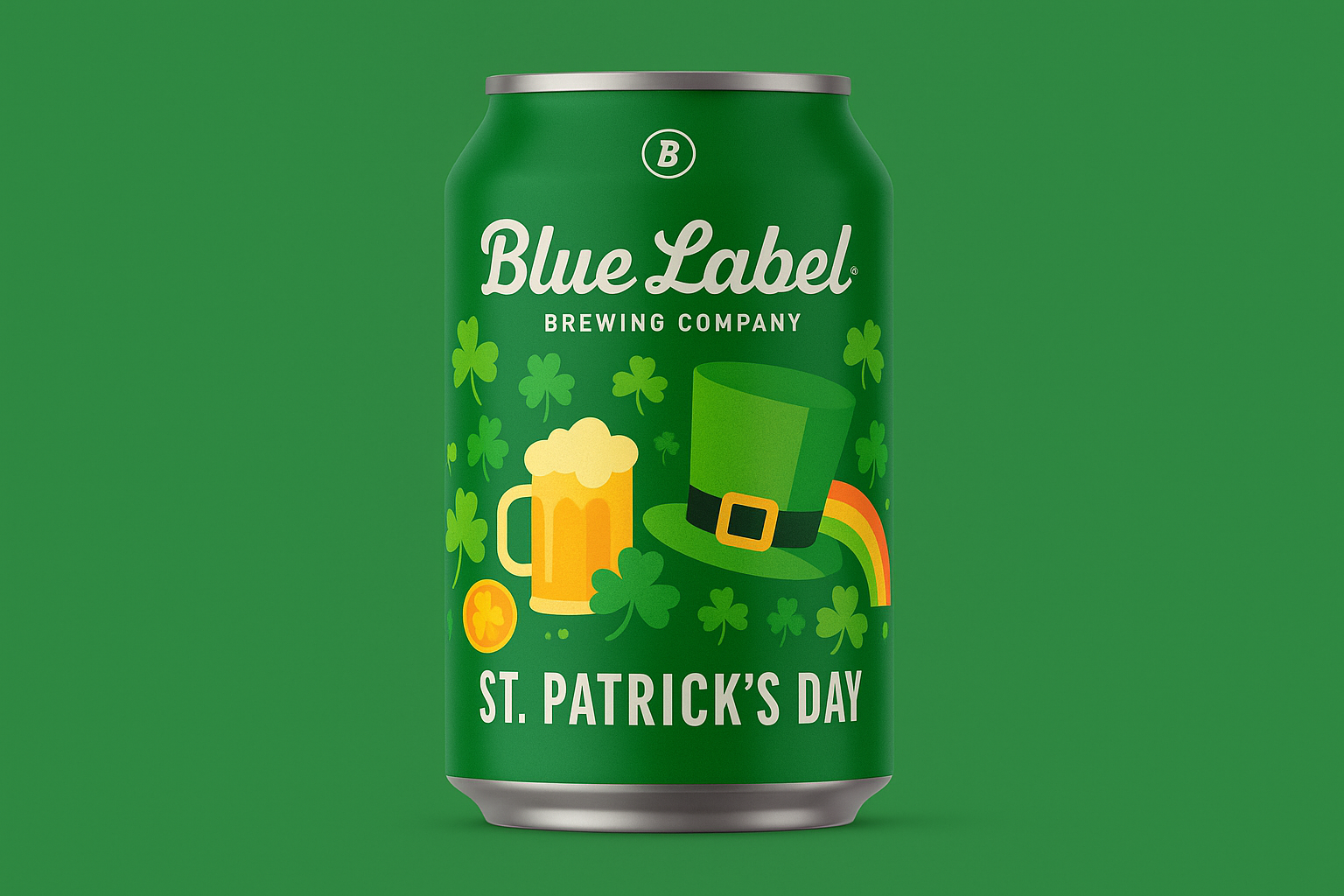
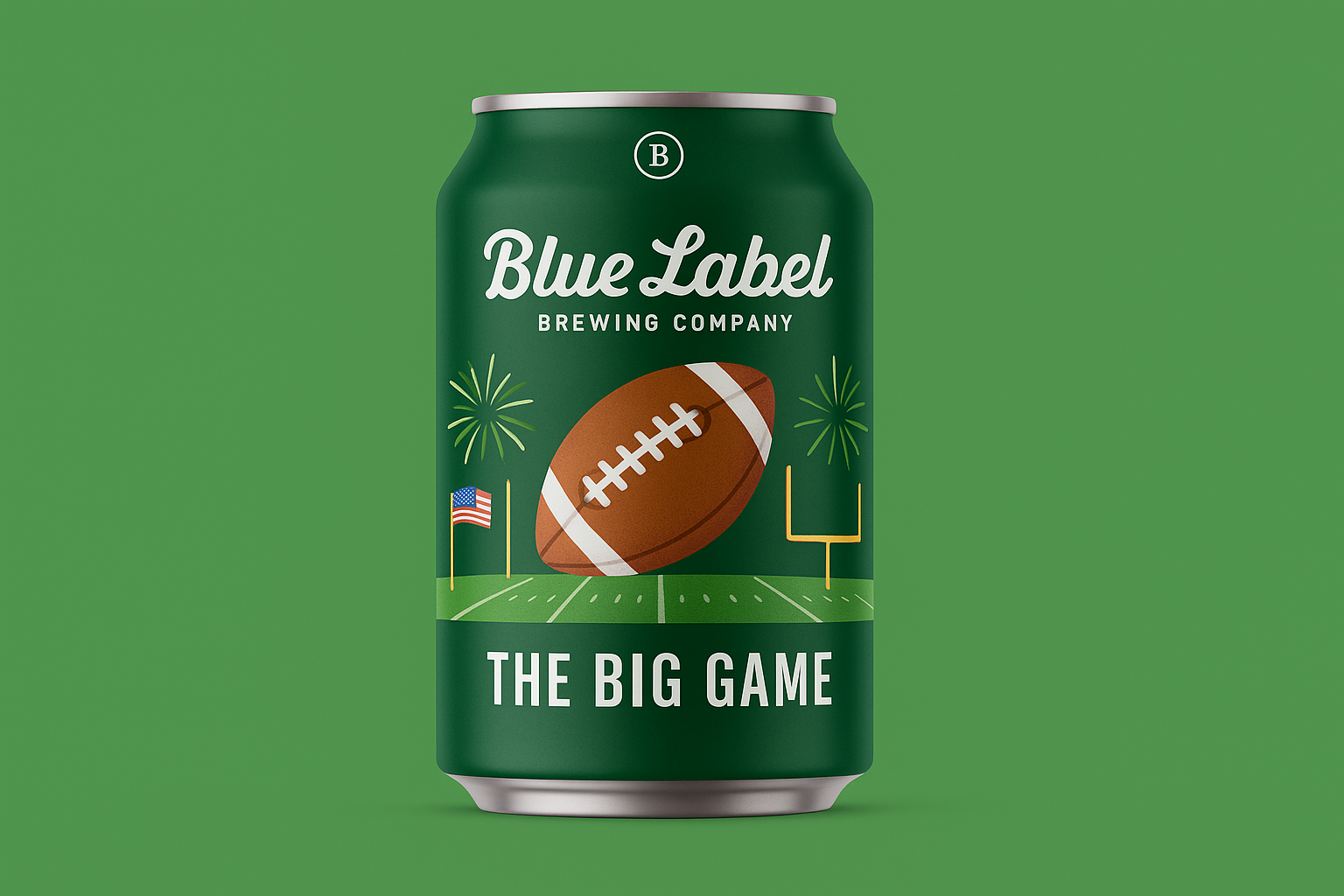
Thinking about using a paper label on your cans? It’s possible and it can look great if you get the materials and application just right. Here’s what to consider before you commit.

Checklist Before Choosing Paper Labels

1. Can Surface & Shape Compatibility

Standard aluminum cans give you a smooth surface to work with, but things like condensation and spillage, it can still mess with label adhesion. Paper labels work well on gently curved cylinders. They’re not a great fit for tapered or sharply contoured shapes (see below).

2. Environmental Conditions

Paper without a protective finish struggles with moisture, cold, and friction.

  • Cold environments: Paper labels can start to struggle if your cans sit in cold storage (think under 40°F) for more than a quick chill.
  • Abrasion and handling: Labels can scuff, fade, or peel if not protected. A UV varnish or laminate makes a difference. (check out our guide to label durability for more info on this)

Paper needs a finish to survive distribution and refrigeration. That’s especially true for cans chilled before shelf display or used in ice buckets.

3. Finishing Options & Design Considerations

Paper gives you a lot of flexibility with look and texture, but without protection it won’t last in tough conditions.

You can improve both performance and presentation with:

  • UV varnish or gloss/matte lamination – a clear coating or protective film that shields your label from moisture, friction, and fading. See our lamination options.
  • Embossing or foil stamping – great options for coated or metalized paper

These finishes help keep moisture out, especially around the label edges where peeling or bubbling usually begins. They also help preserve that premium, hand-crafted texture that makes paper stand out.

4. Adhesive & Application Process

Not all adhesives behave the same on metal, especially in cold or wet conditions. 

Acrylic-based adhesives generally hold up better in cold or humid environments.

It’s worth checking with your label provider to make sure the adhesive has enough tack time for your fill speed and conditions. If your line runs above 300 containers per minute or you’re applying labels to chilled cans, slower-tack adhesives can lead to labels shifting or lifting, especially if there’s condensation.

5. Regulatory & Food‑Safety Compliance

Any adhesive or ink needs to meet FDA indirect food contact standards. That means no harmful transfer if the label touches the product (like a wet can top contacting your mouth).

Your label also has to include everything required by the FDA or TTB: nutrition facts, identity statements, traceability codes, and allergen info, and it all has to hold up in real conditions without smearing or wearing off.

If you’re not sure how your label will hold up, ask about durability testing. There are standard ways to check for things like peel strength and moisture resistance.

6. Recyclability & Sustainability Trade‑Offs

Paper labels usually add about 1 to 1.5 grams to a standard aluminum can (around 8–10% of its total weight, depending on the material and finish). That can cause issues in some recycling systems that use weight to sort materials. For example, in parts of Canada, labels that add more than 1% to the can’s weight may keep it out of curbside recycling.

Removable adhesives can make things easier at the MRF (Materials Recovery Facility), but they don’t hold up as well in cold or wet environments and tend to tear more easily.

Quick Checklist: Can Paper Labels Work for You?

If you check all of these boxes, paper might be a viable option for your cans:

  • Label will be applied to a clean, oil-free metal surface
  • Can shape is gently curved—not heavily tapered
  • Environment does not include heavy refrigeration, condensation, or handling
  • You use coated paper with laminate or UV varnish for moisture and abrasion resistance
  • Adhesive is chosen for specific storage conditions 
  • All inks and adhesives meet food-safety and traceability specs
  • You’ve considered recyclability and weight impact

Practical Use Cases Where Paper Works Well

You can expect paper labels to perform reliably when these apply:

  • Medium‑volume products stored in dry or ambient environments (like dry-mix cans)
  • Cans sold at room temperature or filled/packed with minimal chilling
  • Brands that want a natural or craft look but still need a label that sticks

In these situations, coated paper with a durable finish gives you a lower-cost solution that doesn’t sacrifice style or performance.

paper labels

When You Should Consider Film Instead

While paper can work on cans with all the right considerations, we typically recommend film labels, especially in high-moisture or cold-fill environments. Think about film labels in the following situations:

  • Your cans go into ice, freezers, or chilled displays for long periods
  • You handle large volumes that require consistent, high-speed application
  • Your can shapes include steep tapers or ridges where adhesion is tricky
  • Your product must be “infinitely recyclable” without residue

Film labels like BOPP, PET, or shrink sleeves are better suited for moisture, abrasion, and temperature extremes.

Bottom Line

Paper labels can work on cans, but only if you pair them with the right coatings, adhesives, and application process. When the conditions get tough (cold, wet, abrasion), film often becomes a safer bet.

If you’re ready to explore options or see samples, just contact us. We’ll walk you through how these materials perform in real-world conditions.

Can Paper Labels Be Used on Wine Bottles?

If you’re wondering whether paper labels can hold up on your wine bottles, you’re not alone.

Paper labels are a go-to for a lot of wine brands, especially when you want a high-end or handcrafted look. But if you’re producing at scale, there’s more to the decision than just aesthetics, you’ve got to make sure the label performs.

Bottle Shape and Surface

The shape and texture of your wine bottles directly impact how well paper labels perform. Many wine bottles have curved or slightly tapered surfaces, and some feature embossed or textured glass.

These shapes can cause labels to lift, wrinkle, or peel if you’re not using the right materials.

Here’s how to keep your labels from becoming a pain later:

  • Choose pressure-sensitive adhesives formulated to conform to curved surfaces without lifting or wrinkling.
  • Use die-cut labels (labels that are cut to a custom shape) to match the bottle’s shape to help reduce wrinkling.
  • For embossed or textured bottles, a stronger adhesive is usually necessary.

Moisture and Temperature Exposure

Your wine bottles will likely face many different environments, from bottling lines to store shelves to chilling in ice buckets.

Uncoated or untreated paper labels are prone to wrinkling or peeling when exposed to moisture or cold temperatures, so here’s how to ensure your paper labels survive:

  • Choose wet-strength paper (specially treated paper that resists tearing or peeling when exposed to moisture) or a coated paper that adds a water-resistant barrier.
  • Use moisture-resistant adhesives to maintain adhesion even under condensation.
  • Consider lamination or a protective varnish to add an extra barrier against moisture and abrasion. A varnish is a thin coating that adds light protection and aesthetic finish, while a laminate is a film layer that offers heavier-duty protection. Learn more about lamination options.

Rectangle Wine Bottle Labels

Label Durability and Handling

Labels that look great when first applied can quickly degrade due to friction and handling during transport and retail display. Paper labels are particularly susceptible to this kind of abrasion. But the right finish can go a long way.

  • Use matte or gloss varnish to minimize scuffing during distribution.
  • Choose an overlaminate film for extra protection, especially if bottles are frequently handled.
  • Consider textured or embossed paper stocks that hide minor imperfections effectively.

Design and Embellishments

Paper labels offer fantastic design flexibility, giving you options for premium finishes to make your label and bottle stand out. But some techniques work better on certain paper types:

  • Foil stamping, embossing, and debossing pair exceptionally well with textured paper stocks.
  • Because uncoated or textured papers tend to absorb ink or varnish unevenly, techniques like spot UV (a glossy coating applied to highlight parts of the design) may require special primers or adjustments to ensure a clean finish.

Compliance Considerations

Your labels need to meet TTB (Alcohol and Tobacco Tax and Trade Bureau) rules, which means key info like alcohol content and health warnings has to stay readable from bottling all the way to the customer’s hands.

Like we said before, make sure your paper labels:

  • Have strong adhesives that prevent lifting and peeling.
  • Are durable enough to stay intact during typical handling and storage scenarios.

Sustainability and Recycling

Many wine brands value sustainability, and paper labels can support those efforts when chosen carefully. Options like FSC-certified paper or recycled-content paper offer more environmentally responsible choices for wine producers focused on sustainability.

If sustainability matters to your brand, here’s how to make paper labels part of the solution:

  • Use FSC-certified or recycled-content paper.
  • Opt for water-based adhesives or wash-off adhesives if participating in recycling programs or bottle reuse initiatives.
  • Add your sustainability credentials directly to your label to communicate your values.

Wine bottles with custom labels

Quick Checklist for Paper Labels on Wine Bottles

  • Pressure-sensitive adhesive for curved and tapered bottles
  • Wet-strength or coated paper stock
  • Moisture-resistant adhesive
  • Protective varnish or laminate
  • Tested embellishments (foil, embossing)
  • Compliance with TTB durability guidelines
  • Sustainable material and adhesive options

Wrapping It Up

Yes, you can, and often should, use paper labels on wine bottles. The key is knowing exactly what materials, adhesives, and finishes will perform reliably.

Need help finding the perfect label material for your bottles? Contact us and we’ll walk you through it.

What Label Materials are Best for Lip Balm and Lip Stick Tubes?

Choosing the right label material for lip balm and lipstick tubes comes down to looks and performance. Between tight curves, constant handling, and moisture exposure, your labels need to hold up without peeling, fading, or smudging.

Here’s a breakdown of the best (and not-so-best) materials for the job.

Lip lotion with custom labels

MDO (Machine Direction Oriented Film)

We recommend MDO for most curved lip balm and lipstick tubes, especially smaller-diameter formats like chapstick-style containers.

MDO is a film stretched in one direction during manufacturing, which gives it added flexibility, ideal for wrapping around small, curved surfaces.

Why it works:

  • Conformability: MDO is semi- to fully-conformable, which makes it one of the most reliable options for wrapping around tight curves without bubbling or peeling at the edges (what’s known as “edge lift”).
  • Durability: Resistant to oils, water, and abrasion, which is key in bathrooms, purses, and pockets.
  • Print Quality: Excellent surface for high-resolution printing, foiling, and varnishes.

Finishing compatibility:

Best for:

  • Small cylindrical tubes
  • Brands prioritizing label longevity and sustainability
  • Designs requiring tight-wrap performance with premium finishes

BOPP (Biaxially Oriented Polypropylene)

We also recommend BOPP, especially for standard-sized tubes or slightly flatter surfaces.

Why it works:

  • Durability: Water-resistant, oil-resistant, and UV-stable, BOPP performs well in common product environments like handbags, bathrooms, and refrigerated storage.
  • Printability: Delivers sharp graphics and vibrant colors.
  • Material Options: Available in white, metallic, and clear (which creates a “no-label look,” where the label blends in with the container like it was printed directly on it).

Finishing compatibility:

  • Ideal for foil stamping, screen printing, gloss/matte laminates, and spot UV

Best for:

  • PET (polyethylene terephthalate, or a type of plastic), polypropylene (another type of plastic), or metal lip balm tubes with moderate curvature
  • Brands needing that premium shelf presence
  • Products going into fridges, handbags, or humid environments

PET (Polyester Film)

If you’re working with a rigid container and need maximum durability, PET can be a strong option.

Pros:

  • Extremely resistant to heat, moisture, and abrasion
  • Strong dimensional stability
  • Excellent print surface

Cons:

  • Rigid, not suitable for tight curves
  • Higher cost than MDO or BOPP

Best for:

  • Flat or slightly curved surfaces
  • Premium products where durability outweighs cost

Paper

Paper labels have their place, but they’re rarely the right fit for lip care products.

Pros:

  • More embellishment options 
  • Great print quality (initially)

Cons:

  • Not moisture- or oil-resistant
  • Can scuff, peel, or warp over time depending on handling
  • In most cases, you’ll need to laminate it just to keep it from breaking down during regular handling

Best for:

  • Dry, indoor environments
  • Products with low handling or short shelf lives

Quick Reference Guide

Use Case Recommended Material Why It Works
Tight curved lip balm tubes MDO Flexible and conformable without edge lift
Standard lip balm or lipstick tubes BOPP Rigid, durable, and print-friendly
Premium rigid containers PET Maximum durability and temperature resistance
Budget-conscious indoor products Paper More embellishment options but Poor performance in high-handling environments

Final Thoughts

For most lip balm and lipstick tubes, MDO and BOPP are your best bets. They offer the right mix of durability, print quality, and application performance. Both are commonly used in FDA-compliant packaging when the label might come close to the product like on a lip balm tube.

Not sure which one fits your tube best? Contact us and we’ll walk you through it.

What Label Materials are Best for Pre-Roll Tubes?

If you’re trying to figure out what label material will actually hold up on your pre-roll tubes, you’re in the right place. We’re talking about high-quality, professionally printed label materials that hold their shape, stick through friction and humidity, and make your brand look good on a shelf or in someone’s hand.

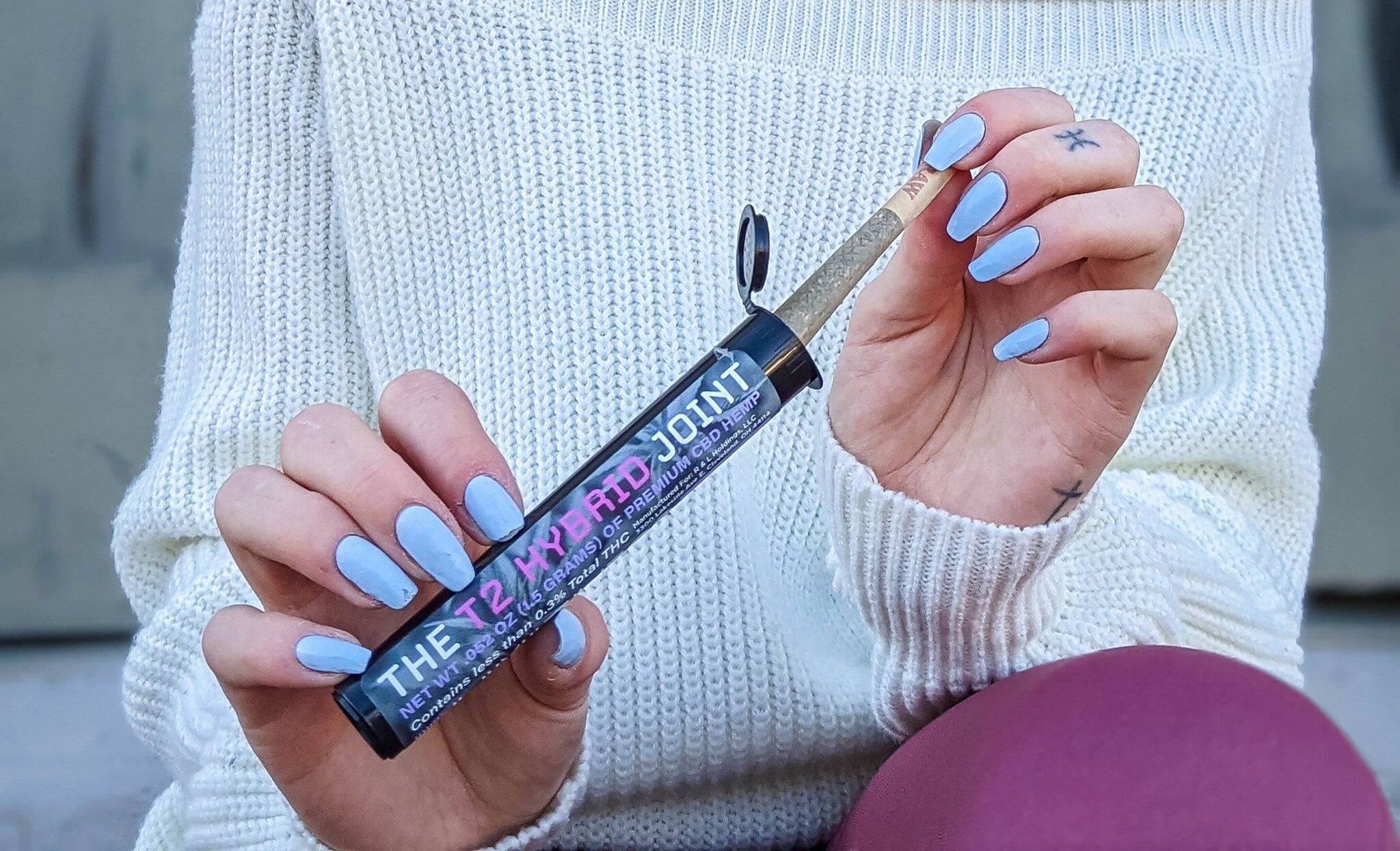
Pre-roll labels

BOPP Labels: Durable, Versatile, and Cost-Effective

We recommend BOPP (biaxially oriented polypropylene) labels for the majority of pre-roll tube applications.

BOPP is a strong, flexible plastic film that’s stretched in two directions, which makes it clearer, tougher, and more resistant to tearing and moisture. We’ve printed thousands of pre-roll labels for cannabis and wellness brands, and BOPP consistently delivers, from production to shipping to dispensary shelves.

Why BOPP Works So Well for Pre-Roll Tubes

  • Moisture & oil resistance: BOPP repels humidity, resin residue, and oily fingers without curling or peeling.
  • Print clarity: It handles fine lines, small compliance text, and vibrant colors extremely well.
  • Flexible adhesives: Available with tight-radius adhesives designed specifically for small-diameter tubes (like pre-roll packaging).
  • Multiple finishes: Clear (for the no-label look), white, or metallic, plus options for gloss, matte, or soft-touch laminate.
  • Cost-effective at scale: It performs like a premium material without the premium price tag.

Finishing Options for BOPP

  • Lamination (gloss for shine, matte for a softer look, or soft-touch for a premium feel)
  • Spot UV (adds a glossy contrast on top of matte finishes)
  • Screen printing for bold, high-opacity ink effects

What to Watch Out For: If your tubes have an unusual shape or texture, testing is important to ensure the adhesive performs well.

Bottom line: If you need a label that holds up in high-touch, humid, or oily environments (sound like any dispensaries you know?), BOPP is a smart, scalable choice that balances durability and cost.

Shrink Sleeves: 360° Branding + Built-In Tamper Evidence

If your pre-roll tubes need full-wrap graphics, tamper-evident features, or a truly premium look, shrink sleeves are your best bet.

Why Shrink Sleeves Are a Strong Choice

  • Full 360° coverage: Unlike pressure-sensitive labels, shrink sleeves conform to the entire shape of the tube, including curves and caps.
  • Tamper-evident by design: Built-in perforations can eliminate the need for extra seals or stickers and help meet cannabis packaging regulations.
  • High-impact branding: You can get photo-quality graphics printed around the entire tube.
  • Durability: Resistant to water, abrasion, and friction during shipping and handling.

Finishing Options for Shrink Sleeves

  • Spot gloss or matte varnishes (for highlighting logos or accents)
  • Cold foil accents
  • Reverse printing (on the inside of the sleeve) to protect ink from scratches or moisture

What to Consider

  • Shrink sleeves require specialized equipment, typically a heat tunnel or steam applicator. These range from benchtop machines for small operations to full tunnel systems for larger production runs.
  • Artwork needs to be “pre-distorted,” meaning it’s intentionally adjusted (stretched or warped slightly) in the design file so it appears correct after the sleeve shrinks to fit the tube (don’t worry, we can help with this).
  • Typically more expensive per unit than BOPP, especially for smaller quantities.

If you’re planning to sell through dispensaries or retailers, where shelf presence and tamper resistance matter, shrink sleeves offer unmatched real estate and visual impact.

Vinyl Labels: Extra Tough for Niche Use Cases

Vinyl labels are extremely durable and flexible, but for most pre-roll tubes, they offer more performance than necessary and come at a higher cost.

When Vinyl Might Make Sense: If your tubes will face extreme handling, heavy abrasion, or wide temperature swings.

Drawbacks to Vinyl

  • Higher cost: typically 25–30% more per unit than BOPP.
  • Less environmentally friendly due to its non-recyclability and higher VOC emissions during production.

Vinyl can be useful in rugged conditions like outdoor storage or heavy handling, but most pre-roll brands just don’t need that level of durability.

Paper Labels: Great for Texture, Risky for Moisture

Paper labels give you that natural, textured feel, but they can be higher-maintenance.

Where Paper Labels Fit

  • Premium or artisanal brands that want a textured, organic look.
  • Tubes that are sold in multipacks or secondary boxes where labels won’t be touched as often.

Why Paper Can Be Problematic for Pre-Rolls

  • Even with lamination, paper absorbs moisture over time, which can lead to wrinkling or adhesive failure, especially in refrigerated settings or humid climates.
  • Easier to scuff, tear, or wrinkle in shipping or on display.
  • Adhesives may struggle to bond with smooth plastic tubes unless specially formulated.

If you love the look of paper, we can recommend specialty coatings or hybrid materials to help protect it, but be prepared for some tradeoffs.

Label Material Quick Guide for Pre-Roll Tubes

Use Case Best Material Why It Works
Most common / all-around use BOPP Moisture-resistant, cost-effective, reliable for small tubes
Premium retail branding + tamper evidence Shrink Sleeve Full-wrap visuals, built-in perforations for compliance
Rugged environments or outdoor use Vinyl Ultra-durable, but often unnecessary and higher cost
Natural, artisanal brand positioning Paper Textured appearance, but requires protection from moisture

Final Thoughts

For most pre-roll tubes, you can’t go wrong with BOPP or shrink sleeves. They both check the boxes for durability, branding, and compliance.

If you’re not sure what material is right for your tubes, contact us and we’ll help you see the difference firsthand.

What Label Materials are Best for Tincture Bottles?

Not all labels can stand up to oil, moisture, cold storage, or the curved surface of a tincture bottle.

If you’re figuring out which label material actually works for commercial tincture packaging, this guide walks you through what actually works and what to avoid when labeling commercial tincture bottles.

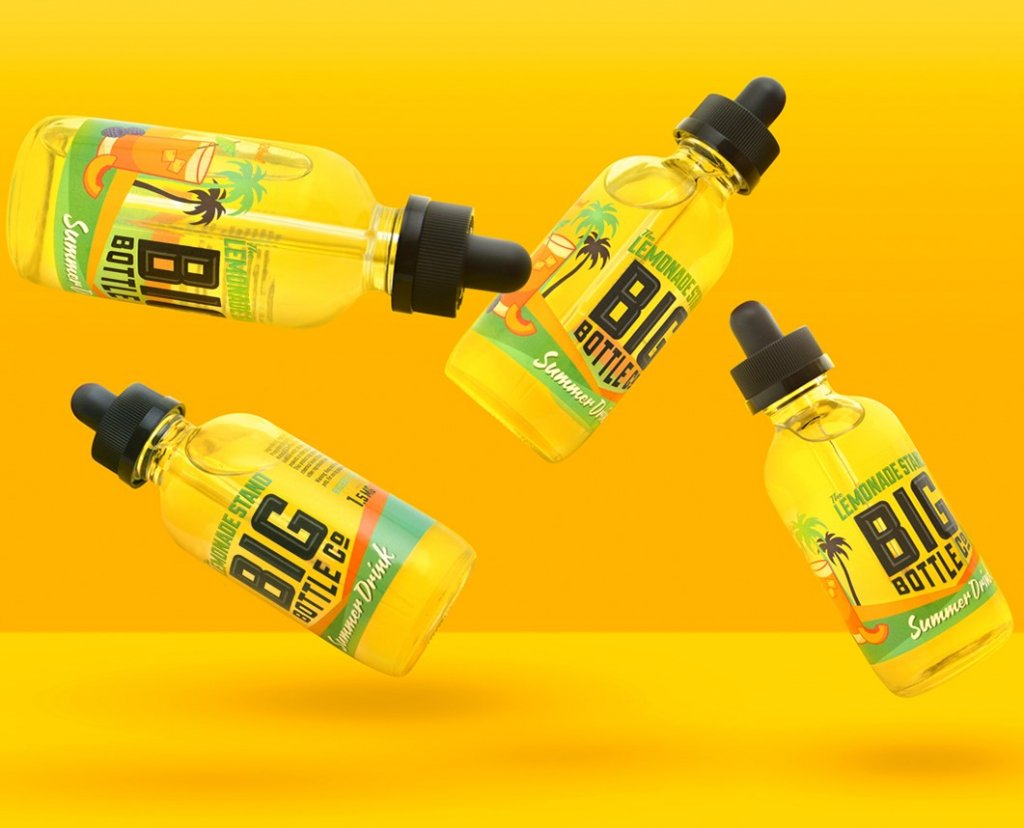
E-Juice bottles with custom clear labels

BOPP: Our Go-To for Durable, Versatile Tincture Labels

BOPP (biaxially oriented polypropylene) is a film-based label material, meaning it’s a thin plastic film made for strength and clarity. It’s one of the most commonly used label materials for commercial tincture bottles thanks to its durability, moisture resistance, and ability to conform to curved surfaces like 1 oz droppers.

Why we recommend BOPP for tinctures:

  • Resists moisture, oil, and abrasion. Great for bathroom cabinets, fridges, and a variety of shipping conditions.
  • Looks sharp. Available in clear, white, or metallic. Clear BOPP can give you that sleek “no-label” look.
  • Flexible and conformable. Especially important for 1oz or smaller dropper bottles.
  • Pairs well with finishes. Works great with gloss or matte lamination, spot varnish, foil stamping, and more.
  • Compatible adhesives. Permanent adhesives are designed specifically for curved bottles.

Best for: High-end CBD tinctures, essential oils, cosmetics, and anything that needs to survive real-world use without looking ragged in a month.

Shrink Sleeves: Full Coverage & Tamper-Evident in One

Shrink sleeves are printed on heat-sensitive plastic film (typically PETG, a common shrink film known for clarity and shrinkability) that conforms to your entire bottle when heat-shrunk.

You get full wraparound branding and the tamper-evident seal can be built in.

Why we recommend shrink sleeves for tinctures:

  • Full-body coverage. Great for premium branding or seasonal promotions.
  • Reverse printing. Protects the design under the film.
  • Waterproof and chemical-resistant. Holds up in fridges, wet environments, and heavy handling.
  • Tamper-evident. Shrinks over both bottle and cap.

What to watch out for:

  • Requires heat tunnel for application. Not always feasible for every production line.
  • Slightly more expensive. Shrink sleeves can run 20–25% more than BOPP at moderate run sizes (e.g., 5,000–25,000 units), especially when factoring in setup and heat tunnel requirements.
  • Be ready for more prep work upfront. Artwork needs to account for shrink distortion. (For example, text or logos placed near the neck of the bottle may warp during application if not adjusted in the design phase)

Best for: High-impact retail packaging, multiple SKUs, or products that require tamper evidence or full-body branding.

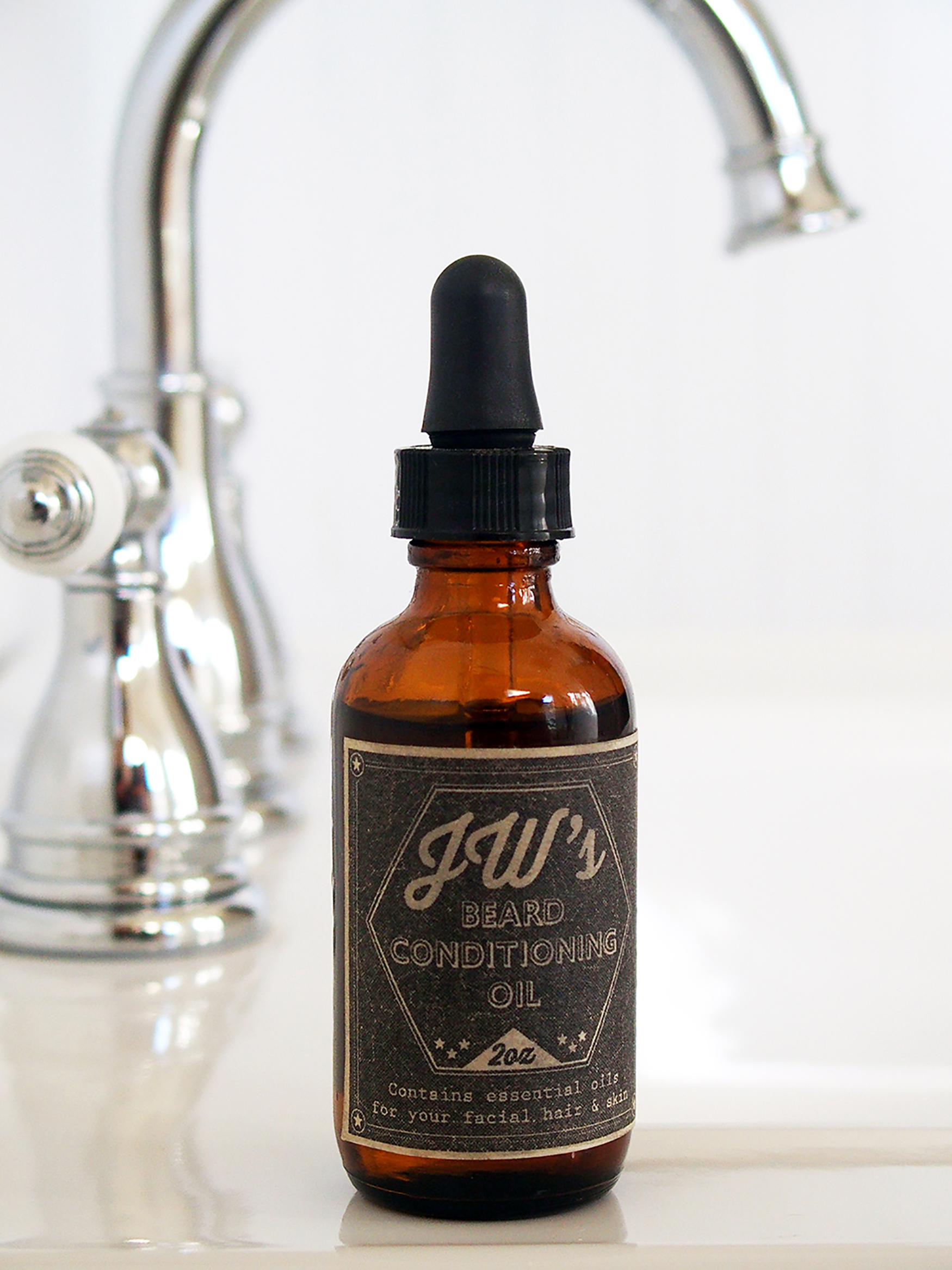
Beard oil bottle with custom label

Paper Labels: Textures & High Quality Finishes 

Paper labels still have a place in tincture packaging, particularly when you’re aiming for an artisan or eco-conscious brand vibe.

Why we recommend paper (sometimes):

  • Takes specialty finishes well. Works well with embossing, foil, matte/gloss varnish.
  • Great for short-run SKUs or limited editions. Especially if you need a quick turnaround.

What to watch out for:

  • Poor moisture and oil resistance. Uncoated paper labels generally struggle with moisture and oil exposure. However, adding lamination or using specialty-coated paper stocks can improve performance (though that often brings costs closer to film-based options like BOPP).
  • Less durable overall. Can scratch or scuff during shipping or handling if uncoated.
  • May lift on curved bottles. Especially if not applied with the right adhesive.

Best for: Dry-storage products, limited runs, or brands that want a more natural paper texture.

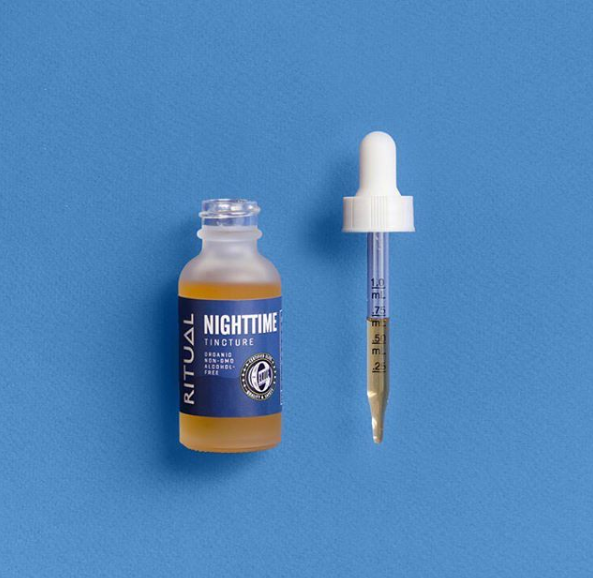
Tincture dropper bottle with custom label

Quick Comparison Table

Feature BOPP Shrink Sleeves Paper Labels
Water/Oil Resistance Excellent Excellent Poor (without laminate)
Durability High Very High Low-Medium
Cost per Unit $ $$$ $$
Print Finish Options High Very High High
Tamper Evidence No  Yes No
Good for Curved Bottles Yes Yes Sometimes

Material Recommendations by Use Case

  • Most commonly recommended material for glass tincture bottles: BOPP—Conforms to curves, resists oil and moisture, looks premium
  • Best for products that go in the fridge or bathroom: BOPP or Shrink Sleeves—Both stand up to humidity and water.
  • Best if you need tamper evidence built in: Shrink Sleeves—Eliminates the need for a separate seal.
  • Most embellishment options: Paper—Great option if you want to add more to the look of your product with texture or finishes. 

Wrap-Up

BOPP, shrink sleeves, and paper labels each bring different strengths to tincture packaging. Choosing the right one depends on where your product lives, how it’s handled, and how you want it to show up on the shelf.

Not sure which label material makes sense for your bottles? Contact us and we’ll walk you through it.

What Label Materials are Best for Shampoo and Body Wash Bottles?

If you’re looking for label materials that can stand up to water, humidity, and daily handling without losing their grip or good looks, you’re in the right place. We’ve printed our fair share of shampoo and body wash labels, and there’s one material we keep recommending: MDO.

MDO: Our Top Pick for Shampoo and Body Wash Bottles

MDO (machine direction oriented) film is a type of BOPP (biaxially oriented polypropylene), a plastic film used widely in durable product labeling. MDO is engineered for enhanced flexibility and clarity. In short: it flexes where it needs to, stays flat where it matters, and holds up through filling lines, transit, shelf life, and steamy showers.

Why we recommend MDO:

  • Designed for squeezable bottles. Unlike standard BOPP or PET, MDO flexes across the width of the label without wrinkling or peeling.
  • Clear and vibrant. With a haze rating up to 30% lower than standard films, MDO delivers sharper visual clarity and vibrant shelf appeal.
  • Waterproof and durable. MDO holds strong in the shower, on wet shelves, and during repeat handling.
  • Conformable without sacrificing strength. It resists stretching compared to other conformable films, and it hugs tight around curved bottles.

When to consider MDO:

  • You’re labeling squeezable shampoo, conditioner, or body wash bottles.
  • You want the option of a “no-label look” with excellent clarity.
  • You need labels that will last through shipping, shelf life, and steamy showers.

Hand soap bottle with custom label

BOPP: A Solid Choice with Some Flexibility Limits

BOPP (biaxially oriented polypropylene) is also a viable label option for many personal care products. It’s durable, moisture-resistant, and easy to print on.

Pros:

  • Excellent print quality with gloss, soft touch, or matte finishes.
  • Strong water and oil resistance.
  • Good chemical and abrasion durability.

Cons:

  • Not ideal for squeezable containers. Can wrinkle  too much under compression.
  • Slightly more rigid than MDO, which may impact application on curved or flexible packaging.

Best for:

  • Rigid shampoo bottles.
  • Products stored in wet environments but not squeezed.
  • Brands seeking durability on a budget.

PET: More Rigid

PET holds up well to scratches and moisture.

Pros:

  • Clear options and durable.
  • Strong resistance to water, oils, and chemicals.
  • Ideal for high-end shelf appeal and scratch resistance.

Cons:

  • Very rigid—not suitable for squeezable bottles. That rigidity means the label won’t flex with the bottle and could peel or wrinkle over time.
  • Slightly more expensive than BOPP or MDO

Best for:

  • Glass or rigid plastic bottles
  • Premium product lines where clarity and rigidity are more important than flexibility

Paper: Only for Dry, Decorative, or Secondary Packaging

Paper labels have a high-quality feel  and print beautifully, but they don’t belong in the shower.

Pros:

  • Affordable and widely available.
  • Excellent print quality and texture options for a more tactile feel.

Cons:

  • Poor water resistance.
  • Tears and discolors easily when wet.
  • Not suitable for humid or abrasive environments.

Best for:

  • Outer cartons or gift boxes.
  • Products stored away from moisture.
  • Brands prioritizing a natural or artisan look.

Finishing & Environmental Considerations

Regardless of the material, label performance depends on:

  • Adhesive pairing. Make sure your adhesive is compatible with your bottle type (HDPE, PET, etc.—common types of plastic used in shampoo bottles). We’ll work with you to make sure it performs reliably through production, shipping, and use.
  • Lamination. Gloss, matte, or soft-touch lamination can add durability and change the tactile feel.
  • UV coatings or varnishes. For added scratch and moisture protection.
  • Shelf and usage environment. Humidity, temperature, abrasion, and handling all affect performance.
  • Need to meet sustainability goals or compliance requirements? Many BOPP, MDO, and PET constructions can be spec’d to meet FDA labeling standards or support mono-material recyclability.

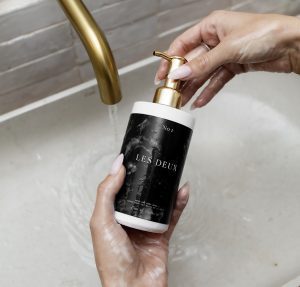
soap with custom labels

Quick Comparison

Material Water Resistance Flexibility Print Quality Best For
MDO Excellent High Excellent Squeezable bottles
BOPP Excellent Medium Excellent Rigid bottles
PET Excellent Low Excellent  Premium rigid packaging
Paper Poor Medium High  Decorative dry uses

What We Recommend (and Why)

  • Best material for squeezable shampoo or body wash bottles: MDO–Offers the right balance of clarity, flexibility, and durability, especially under squeeze stress.
  • Best material for rigid plastic or glass bottles: PET–durable, ideal for premium branding.
  • Most cost-effective waterproof label material: BOPP–Durable, widely used, and great for many rigid applications.
  • Best for dry packaging or cartons: Paper–Delivers strong shelf appeal for decorative or secondary packaging.

If your label needs to survive a steamy bathroom and constant handling (or squeezing), your choice of material matters. We recommend MDO for most shampoo and body wash bottles, especially when flexibility and moisture resistance are must-haves.

Not sure which material makes sense for your packaging? Contact us and we’ll walk you through it.

What Label Materials are Best for Snack Packaging?

What’s the right label material for snack packages? You want something tough, with sharp printing, that won’t fall apart from the factory all the way to your customer’s kitchen.

From our experience and testing, MDO is the go-to choice for most snack labels. Here’s why it works so well, and how it compares to the other options out there.

chip bags with custom labels

MDO

What is MDO?
MDO (that’s short for Machine Direction Orientation) is a specially stretched plastic film. Think of it like a super-strong, flexible wrap that molds perfectly around your product without wrinkling or puckering.

Why we recommend it:

  • Built to last: Tests and customer feedback show MDO stands up to moisture, scratches, and temperature changes way better than plain paper or regular BOPP labels, especially in damp or refrigerated places.
  • Fits like a glove: The label molds smoothly around most containers, even if they’re round, angled, or just plain weird-shaped, so you won’t get any annoying wrinkles or peeling.
  • Colors that pop: Its smooth surface helps colors stay bright and sharp, so your packaging catches the eye on crowded store shelves.
  • Good for the planet (and your wallet): MDO labels are thinner but tough, which means less plastic waste, and often a nicer surprise for your budget.
  • Ready for anything: It plays nicely with lamination, UV varnish, and hot foil stamping (which protect your label, add shine or texture, and make your packaging feel premium).

Best use:
If your snacks are hanging out in the fridge, getting handled a lot, or need that premium shelf presence, MDO is the label you want.

What to watch out for:
It can cost more upfront than basic paper or standard BOPP. But a lot of companies find that the sturdiness means fewer label headaches down the line, making that extra investment worth it.

Other Common Label Materials: How They Compare

Chocolate bar with custom label

Coated Paper

What’s good:

  • High-quality look and feel 
  • More embellishment options 
  • Biodegradable and eco-friendly.

Where it falls short:

  • Doesn’t like moisture or rough handling.
  • Tears, curls, or smudges are common unless you add lamination.

Best for:
Dry snacks at room temp 

Baked cookies with custom labels

Standard BOPP (Biaxially Oriented Polypropylene)

What’s good:

  • Handles moisture and chemicals better than paper.
  • Durable enough for refrigerated or damp conditions.
  • Still reasonably priced.

Where it falls short:

  • Not as stretchy or flexible as MDO, so it can wrinkle on oddly shaped or squeezable containers or products.
  • Print colors aren’t quite as vivid.

Best for:
Moisture or refrigerated-exposed snacks with simple packaging shapes.

PET (Polyester)

What’s good:

  • Handles heat well, great for hot-fill sauces.
  • Stands up to chemicals and abrasion.
  • Feels more premium than BOPP.

Where it falls short:

  • Costs more than paper or BOPP.
  • Not the best for fancy finishes like embossing or foil stamping.

Best for:
Premium sauces or snacks that need to go through heat processes.

Vinyl

What’s good:

  • Tough against UV, scratches, and moisture.
  • Sticks like glue.
  • Thicker material than BOPP.

Where it falls short:

  • Pricey and not so environmentally-friendly.
  • Usually more than you need for typical snacks.

Best for:
Specialty snacks facing extreme conditions.

Quick Comparison Table

Material Durability Moisture Resistance Print Quality Conformability Cost Best Use Case
MDO High Excellent Excellent Excellent Mid-High Most snack bottles, especially curved or refrigerated
Coated Paper Low Low Excellent Moderate Moderate Dry snacks, budget-conscious
Standard BOPP Moderate Good Good Moderate Low Moisture-exposed, simple shapes
PET Very High Very High Good Low High Heat-processed or premium snacks
Vinyl Very High Very High Good Low Very High Extreme environments


Material Recommendations by Application

  • Best for most snack packaging:MDO. Its stretch and stability prevent wrinkles and give your products a snug fit.
  • Most cost-effective for dry snacks: Coated paper, but be ready to laminate for durability.
  • Best for refrigerated or moist environments: MDO or standard BOPP—both resist moisture well, but MDO offers better conformability.
  • For hot-fill sauces or premium snacks: PET provides heat resistance and a high-end feel.
  • For specialty or extreme conditions: Vinyl is tough, but usually overkill for most snack packaging.

Wrapping Up

If you want a label that holds up and looks great doing it, MDO is your best bet. It balances toughness and print quality better than most.

Need to see it in action? Request a sample pack or get in touch and we’ll show you what works.

What Label Materials are Best for Jars?

Choosing the right label material for your jars isn’t just about looks. It’s about making sure your product endures its surroundings, from cold to hot and everything in between. Oh, and all while still looking great on the shelf.

Let’s break down the most common label materials used on commercial jars and what works best.

jar labels

BOPP Labels (Our Top Pick for Most Applications)

If your jars are going in a fridge, freezer, or just need to stand up to moisture, BOPP (biaxially oriented polypropylene) is our go-to for most jar products we see out in the real world.

Why We Recommend It:

  • Water- and oil-resistant: Great for refrigerated foods, skincare products, or anything prone to condensation or spills. For comparison, paper labels in these settings tend to wrinkle or peel.
  • Durable: Doesn’t tear easily, doesn’t wrinkle when wet, and resists fading over time.
  • Versatile options and finishes: Available in clear (for that “no-label” look), white, and metallic options. For finishes, the most common options are high-gloss, matte, or soft touch. 
  • Plays well with adhesives: BOPP works with standard and freezer-grade adhesives and holds up well on curved glass and plastic jars.

Where It Falls Short:

  • Not biodegradable: BOPP is recyclable, but not compostable. If your sustainability goals include compostable packaging, you’ll want to consider paper instead.
  • Heat-sensitive: It can shrink or warp in high-heat environments, like hot fill lines above 200°F.

Best For:

Refrigerated sauces, skincare jars, jelly jars, pickled products, oil-based cosmetics—you get it.

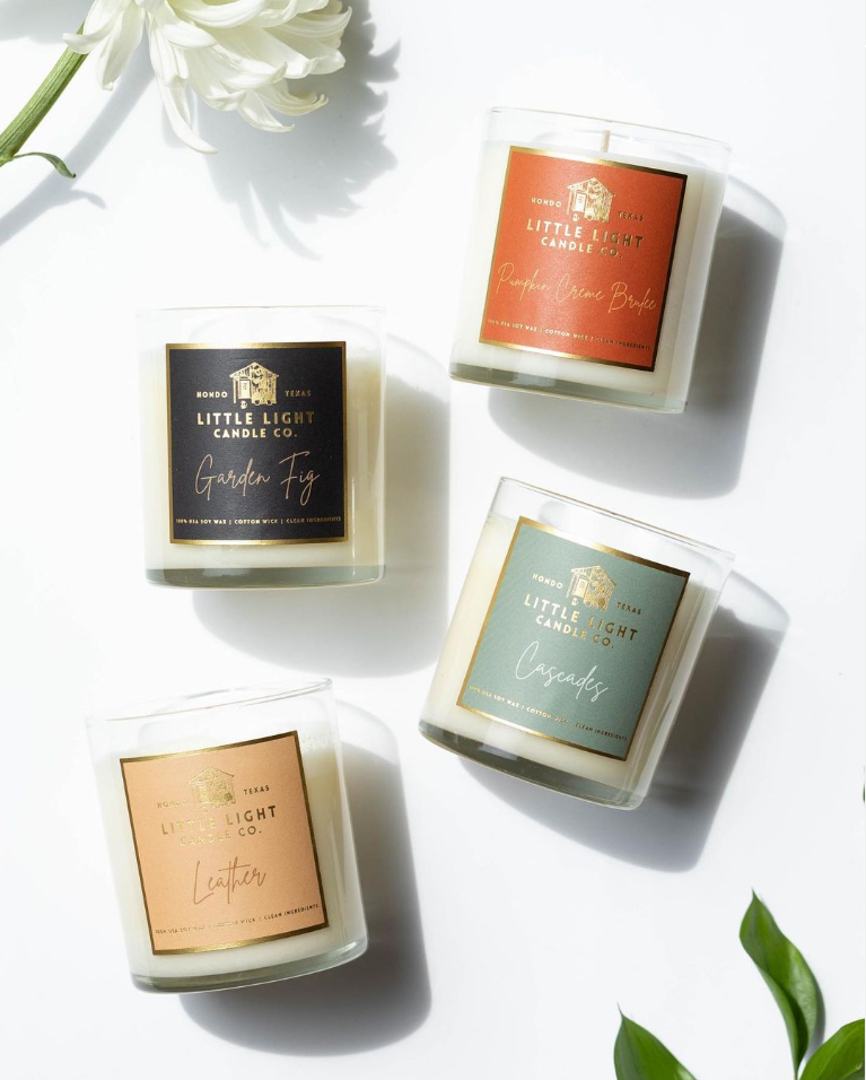
Candles with Labels

Paper Labels (Great for Dry Goods and an Artisanal Look)

Paper might not be as tough as BOPP, but it has its place, especially when looks come first.

Why We Recommend It:

  • Premium texture options: Estate paper, kraft, and other textured stocks give off a natural, high-end vibe. You’ll often see these on candle jars, boutique food products, and specialty gifts.
  • Embellishment options: A great option if you are looking for embellishments to enhance the look (screen printing, hot foil stamping, embossing, etc.)

Where It Falls Short:

  • Not moisture resistant: Paper can wrinkle, smudge, or peel when exposed to condensation or oils. If you’re committed to using paper, you can improve performance by adding a laminate or varnish.
  • Durability is limited: Without protection, paper labels can show wear quickly, especially in transit or on store shelves.
  • Sustainability varies: Paper labels can be recyclable and compostable, depending on the adhesives and coatings used.

Best For:

Candle jars, spice jars, honey, dry goods, and gift sets.

Vinyl Labels

Vinyl labels are the tough guys of the label world: rugged, thick, and built to last. That said, they’re not always the most practical choice for jar applications.

Pros:

  • High durability: Handles water, friction, and UV exposure with ease.
  • Flexible: Conforms well to curves and uneven surfaces.

Cons:

  • Pricey: Costs more than BOPP or paper.
  • Recyclability is limited: Most standard vinyl labels aren’t recyclable in municipal streams, though some specialized materials are emerging.

Best For:

Outdoor products, industrial jars, or harsh environments where extreme durability outweighs cost.

Polyester (PET) Labels

PET is built like a tank. Great for heavy-use stuff, but probably more than you need unless your jars are dealing with chemicals, heat, or direct sunlight.

Pros:

  • Excellent chemical and UV resistance
  • Tear- and heat-resistant
  • Great print quality

Cons:

  • You’ll pay for the performance: It’s not cheap.
  • Rigid: Not as flexible for smaller or curved jars.

Best For:

Medical jars, industrial creams, or long-life products exposed to chemicals or sunlight.

Quick Comparison Table

Material Durability Moisture Resistance Print Quality Cost Best Use Case
BOPP High Excellent Excellent Low Refrigerated or oily products
Paper Low-Med Poor (unless coated) Excellent Medium Dry goods, candles, artisan look
Vinyl Very High Excellent Good High Harsh environments
PET Very High Excellent Excellent Very High Chemical or UV exposure

Summary: Best Materials by Application

  • Best for refrigerated jars: BOPP—Moisture-resistant, holds up to condensation, and still looks sharp.
  • Best for dry, decorative jars: Paper—Affordable, great texture options, and a premium look.
  • Best for industrial or outdoor use: PET or Vinyl—Built for abuse, but may be more than you need for typical retail products.
  • Most eco-friendly (with a tradeoff): Paper—Can be recyclable and compostable, depending on coatings and adhesives.

Final Thoughts

For most commercial jar products, BOPP is your best bet. It holds up, looks great, and doesn’t quit when things get wet.

If you’re going for a more artisanal or natural look, paper can absolutely work as long as you plan for its limitations.

Need help choosing the right material? Request a sample pack or contact us and we’ll walk you through it.


What Label Materials are Best for Water Bottles?

⚞ The Highlights:

  • BOPP is the standard for most water bottle labels. Durable, water-resistant, cost-effective, and prints beautifully.
  • Shrink sleeves are the right call for contoured bottles, premium branding, or when you need full 360° coverage and tamper-evident seals.
  • PET is the heavy-duty option. Best for water bottles that face freezer storage, outdoor use, or rough handling.
  • Paper labels work for short-term, indoor-only water bottles where moisture isn’t an issue. For most retail and event water bottles, paper is the wrong pick.

Water bottles live in moisture by definition. Cold storage, condensation, ice baths, gym bags. The label has to hold up to all of it without peeling, bubbling, or fading. The right material depends on the bottle type, the use environment, and the brand’s positioning. Below is how the four main options compare.

Water bottles with custom labels

Quick comparison: water bottle label materials

Material Moisture resistance Durability Cost Best for
BOPP Excellent High Mid (cost-effective at volume) Standard plastic and glass water bottles, retail volume
Shrink sleeve Excellent High Mid–High (plus applicator) Contoured bottles, premium branding, tamper-evident seals
PET (polyester) Excellent Very high High Freezer storage, outdoor exposure, heavy handling
Paper Poor (without lamination) Low Low Indoor, short-term, decorative use only

BOPP: durable, clear, and cost-effective

BOPP (biaxially oriented polypropylene) is the standard for most water bottle labels in the beverage industry. It’s strong, dimensionally stable, available in clear or white, and it holds up in moisture without losing print quality.

What makes BOPP a strong fit for water bottles:

  • Durability. Paired with the right adhesive, BOPP handles moisture, condensation, and cold storage cleanly. No peeling, no bubbling, no warping.
  • Print quality. Sharp detail, bright color, clean finish. BOPP accepts both water-based and solvent-based inks well.
  • Versatile adhesives. Standard pressure-sensitive adhesives perform well on curved bottles and in wet environments.
  • Cost-effective. Strong performance without a premium price, especially at higher volumes.

Limitations: BOPP isn’t ideal for embossing or hot foil stamping. The film is too rigid and too sensitive to heat. If you want a textured or metallic premium effect, a specialty paper label with a moisture-resistant overlaminate is usually a better fit.

Shrink sleeves: full coverage and shelf impact

Shrink sleeves wrap the entire bottle in a printed film that shrinks under heat to fit the exact shape. They’re a strong fit when you want maximum design real estate, contour-hugging fit on unusual bottle shapes, or tamper-evident features.

  • 360° branding. No front-and-back limitation; the whole bottle becomes the canvas. Inside-printed graphics are protected from scratches and moisture.
  • Tamper-evident seals. Perforated seals around the cap or tear-strip sleeves at the neck give consumers visual proof the product hasn’t been opened.
  • Durability. Shrink sleeves hold up in cold, wet, and outdoor environments and survive rough handling during shipping.

Considerations: Shrink sleeves typically cost more per unit than pressure-sensitive labels, and they require heat tunnels or steam applicators to apply. Worth it for premium positioning or contoured bottles; less likely the right pick for high-volume basic packaging where cost-per-unit dominates.

PET: the heavy-duty option

PET (polyester) is the most rugged label film commonly used on water bottles. It tolerates extreme temperatures, UV exposure, chemicals, and abrasion better than BOPP. It’s also more rigid and more expensive.

For most bottled water, PET is overkill. But for water bottles that face genuinely tough conditions. Freezer storage, outdoor sports use, hot car interiors, daily handling. PET is worth the upgrade. Camp and outdoor brands, gym/fitness brands, and reusable water bottle brands often use PET for the durability story alone.

Paper: short-term and indoor only

Paper labels can look great on a water bottle. They also fall apart fast in moisture. Without an overlaminate (a clear film that protects against water and wear), paper labels tend to wrinkle, peel, fade, or fall off when exposed to condensation, ice, or repeated handling.

For most water bottles, paper is the wrong material. The exception: short-term, indoor, decorative use where moisture isn’t realistic. Wedding favors, branded event bottles, hospitality water that won’t see ice or refrigeration. Even there, an overlaminate adds a layer of insurance.

Which material fits which water bottle?

  • Standard plastic or glass water bottles for retail: BOPP. Cost-effective, durable, accepts the printing techniques most brands need.
  • Contoured or unusually shaped water bottles: Shrink sleeves. The film conforms to curves a flat label can’t handle.
  • Premium or branded water (functional water, alkaline, sparkling, infused): Shrink sleeves or BOPP with hot foil/spot UV finishes (paper with overlaminate is also an option for premium positioning).
  • Tamper-evident requirements: Shrink sleeves with perforated cap seals.
  • Reusable, outdoor, or fitness water bottles: PET. The durability matches the use case.
  • Indoor short-term promotional water: Paper with overlaminate (or BOPP if budget allows).

Frequently asked questions

What is the best label material for water bottles?

For most retail water bottles, BOPP (biaxially oriented polypropylene) is the standard. It’s water-resistant, durable, cost-effective at volume, and prints beautifully. Shrink sleeves are the better fit for contoured bottles or premium branding. PET is the heavy-duty option for outdoor, freezer, or rough-handling environments. Paper is generally the wrong pick for water bottles unless they stay indoors and dry.

Are paper labels okay for water bottles?

Generally not. Without an overlaminate, paper labels wrinkle, peel, fade, and fall off when exposed to moisture, condensation, or ice. Paper can work for short-term, indoor, decorative use (wedding favors, event branding) where moisture isn’t realistic, but for most water bottles, BOPP or another film material is a safer choice.

What’s the difference between BOPP and shrink sleeve labels for water bottles?

BOPP is a pressure-sensitive label that goes on like a sticker. Shrink sleeves are full-wrap printed films that slide over the bottle and shrink under heat to conform to the shape. BOPP is more cost-effective and works well on standard cylindrical bottles. Shrink sleeves give you 360° branding and work well on contoured shapes, but they cost more and require heat-tunnel application.

Will my water bottle label survive in the freezer?

BOPP holds up in cold storage and refrigeration. For freezer use specifically, PET is more reliable. It stays flexible at very low temperatures where BOPP can become slightly brittle. Pair the material with a freezer-grade adhesive to keep the label bonded to the bottle through repeated freeze-thaw cycles.

Can I get tamper-evident water bottle labels?

Yes, most easily through shrink sleeves. Sleeves can include a perforated tamper band around the cap that breaks visibly when the bottle is opened. Pressure-sensitive labels can also be configured for tamper evidence using break-away or void-pattern adhesives, but shrink sleeves are the more common solution for retail water bottles.

What about premium or luxury water bottles?

For premium positioning, the most common moves are: shrink sleeves with metallic finishes; BOPP paired with hot foil stamping or spot UV varnish; or specialty textured paper with an overlaminate for moisture protection. The choice depends on the bottle shape, how the brand wants to feel in the hand, and how the product photographs on shelf.

Pick the right material for your water bottle

The right water bottle label material depends on the bottle, the environment it lives in, and what you want the brand to feel like in someone’s hand.

If you’re not sure which fits your product, take a look at our BOPP labels page or our shrink sleeve labels page for an overview, or request a sample pack to feel materials and finishes on real label stock. Get in touch when you’re ready to talk through your bottle, your run size, and your timeline.

What Label Materials are Best for Juice Bottles?

If you’re bottling juice, your labels need to handle cold temperatures, moisture, and constant handling without failing. The right label material makes a big difference in how your juice performs on shelves and with customers.

Here’s why we recommend BOPP and shrink sleeves as the top label materials for juice bottles and why other options may fall short.

BOPP Labels: Durable, Clear, and Cost-Effective

We often recommend BOPP (biaxially oriented polypropylene) labels because they hit the sweet spot between performance and cost. Here’s why:

  • Moisture and cold resistance: BOPP withstands repeated refrigeration and condensation without peeling or bubbling.
  • Vibrant, high-quality printing: With BOPP, your colors and designs remain sharp and vivid, even in damp conditions.
  • Versatile adhesives: Permanent or freezer-grade adhesives help labels stick reliably from bottling line to fridge.
  • Durability: Strong enough to resist tearing during transit and on the shelf.
  • Eco-friendly considerations: BOPP can be recyclable (#5 plastic). However, recycling availability varies by region, so verify your local recycling options to ensure alignment with your sustainability goals.

Potential Downside:

  • Sensitive to extreme heat (above ~80°C), which can happen during high-temperature bottling or pasteurization, potentially deforming labels.

Finishing Techniques for BOPP:

Shrink Sleeves: Maximum Coverage, Maximum Impact

Shrink sleeves fully encase your bottle in a vibrant, tamper-evident wrap, making them perfect for uniquely shaped bottles or premium branding.

  • Complete 360° coverage: Full-wrap designs stand out on shelves, enhancing brand visibility.
  • Excellent durability: Resistant to scuffing, abrasion, and moisture, ideal for refrigerated environments.
  • Tamper-evident security: Protects product integrity and improves consumer trust.

Potential Downsides:

  • Higher production costs due to shrink tunnels (specialized heat equipment that shrinks labels securely onto bottles) and additional setup.
  • Less flexibility for frequent design changes.
  • Environmental complexity: PETG sleeves are recyclable; PVC sleeves usually aren’t recyclable due to chlorine content and recycling difficulties.

Finishing Techniques for Shrink Sleeves:

  • Supports UV spot varnish, tactile (sand) varnish, cold foil, and screen printing effectively

Other Materials

  • Paper Labels: Can be cost-effective but vulnerable to moisture and refrigeration, often failing quickly in typical juice environments. Lamination and other finishing techniques are recommended if used.
  • Vinyl and PET: Durable but can be  more rigid. These might work in niche situations where that rigidity is crucial, but usually, they’re not ideal for typical juice bottles.
  • Polyolefin: Flexible, but its elasticity makes precise finishes like embossing or foil stamping problematic.

Quick Comparison Table

Material Moisture Resistance Print Quality Cost Sustainability
BOPP Excellent Excellent Low Good
Shrink Sleeves (PETG) Excellent Excellent High  Good (PETG recyclable)
Paper Poor Good Moderate Good (compostable options)
Vinyl/PET Good Good High Poor (Vinyl)

Quick Guide: Best Materials by Use Case

  • Best overall for refrigerated bottles: BOPP – Durable, cost-effective, high print quality.
  • Best for uniquely shaped bottles or premium branding: Shrink Sleeves – Full coverage, vibrant designs, tamper-evident.
  • Most economical (but limited performance): Paper Labels – Low cost, but quickly degrade in moisture.

Final Thoughts

Choosing the right label material directly impacts your juice brand’s shelf presence and product integrity. Need help deciding or want to test materials yourself? Contact us or grab a sample pack, and we’ll help you find the perfect fit for your juice bottles.