Shrink Sleeves vs. Pressure-Sensitive Labels: Which Is Right for Your Product?
We’ve worked with thousands of brands, many of which ask this exact question: shrink sleeves or pressure-sensitive labels? Both options can help your product stand out, but the right choice depends on your product, container shape, design goals, and budget.
We put together this guide to break down market trends, key differences, compliance considerations, eco-friendly options, and questions to ask as you decide which path option fits your product best.
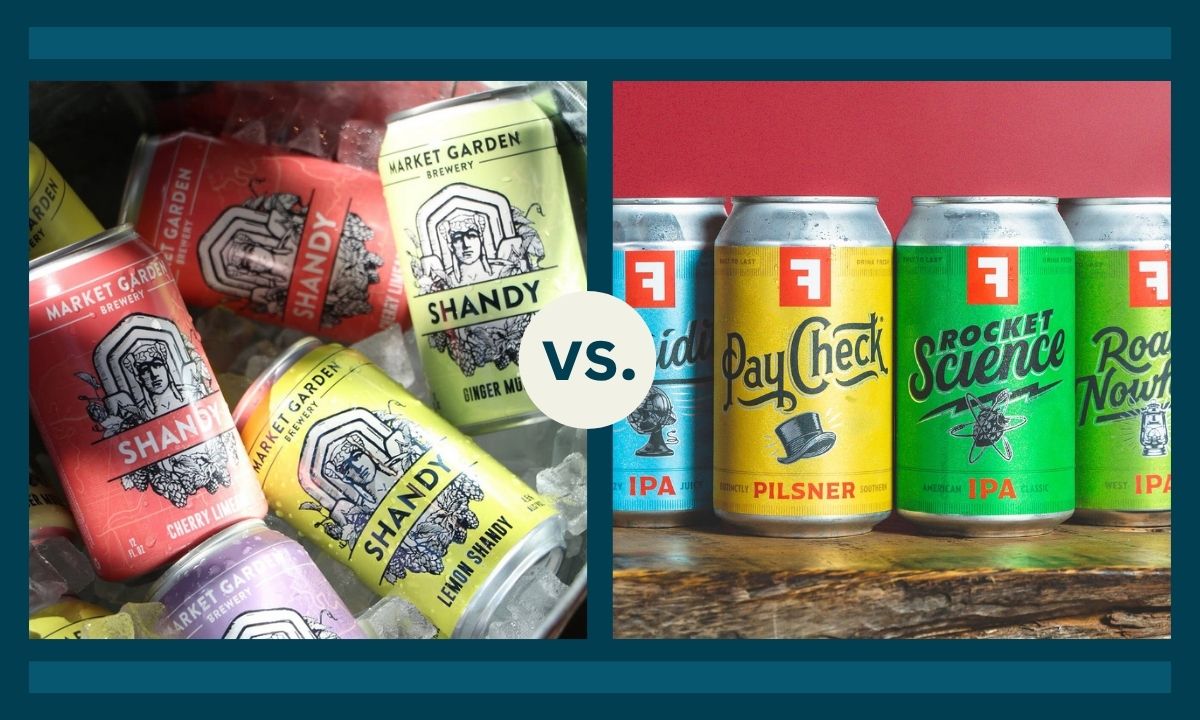
Consumer & Market Trends
Shrink Sleeve Label Trends
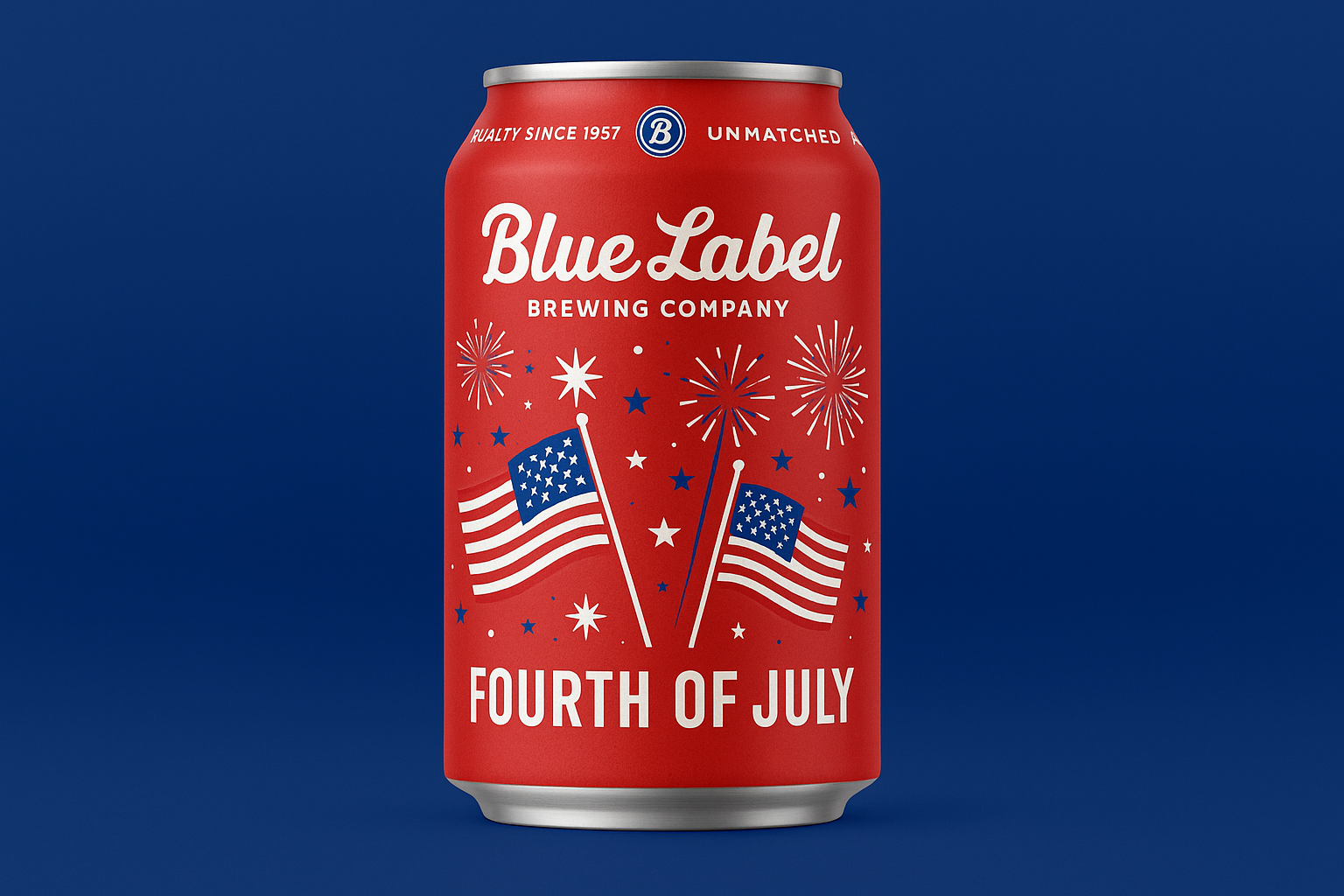
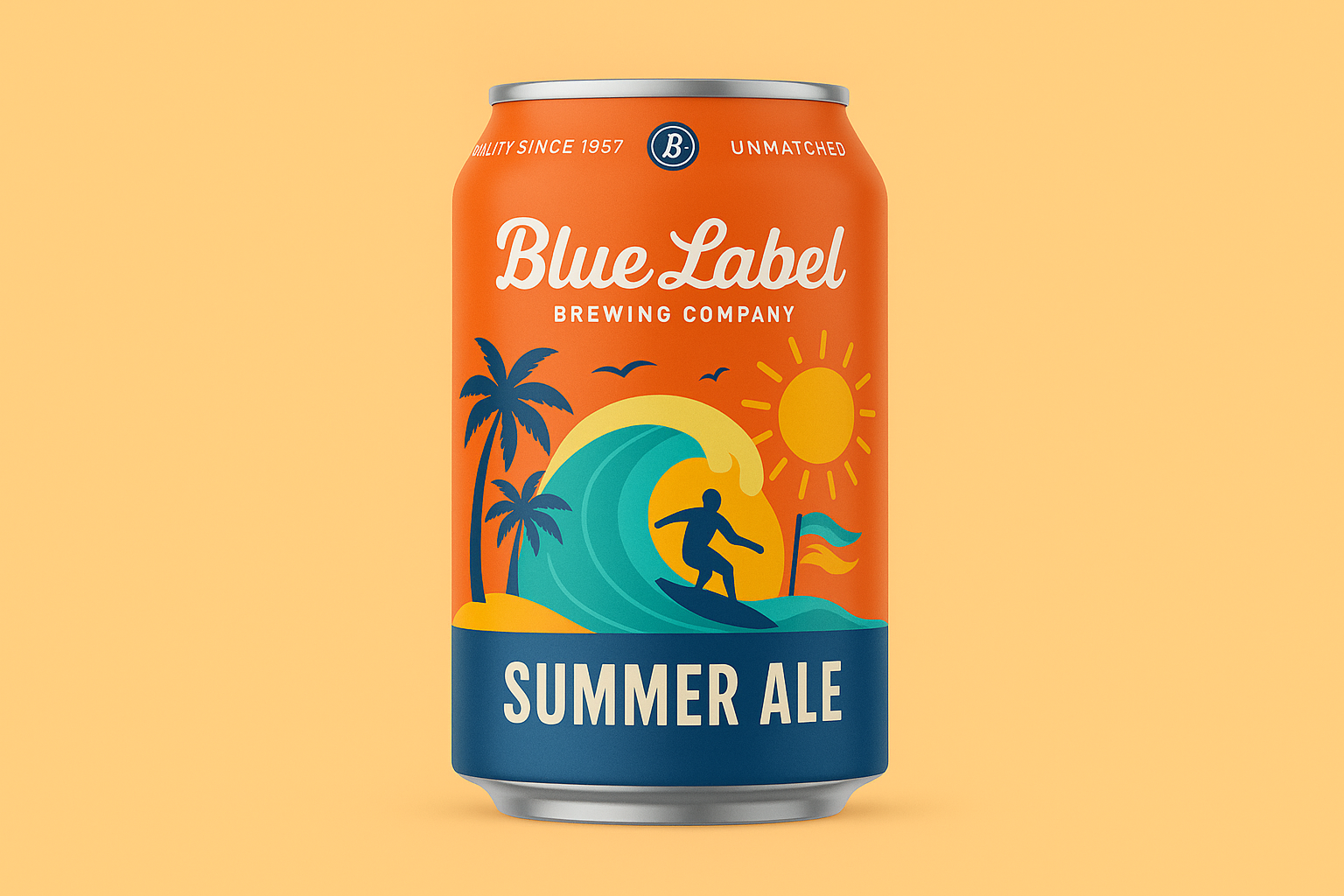
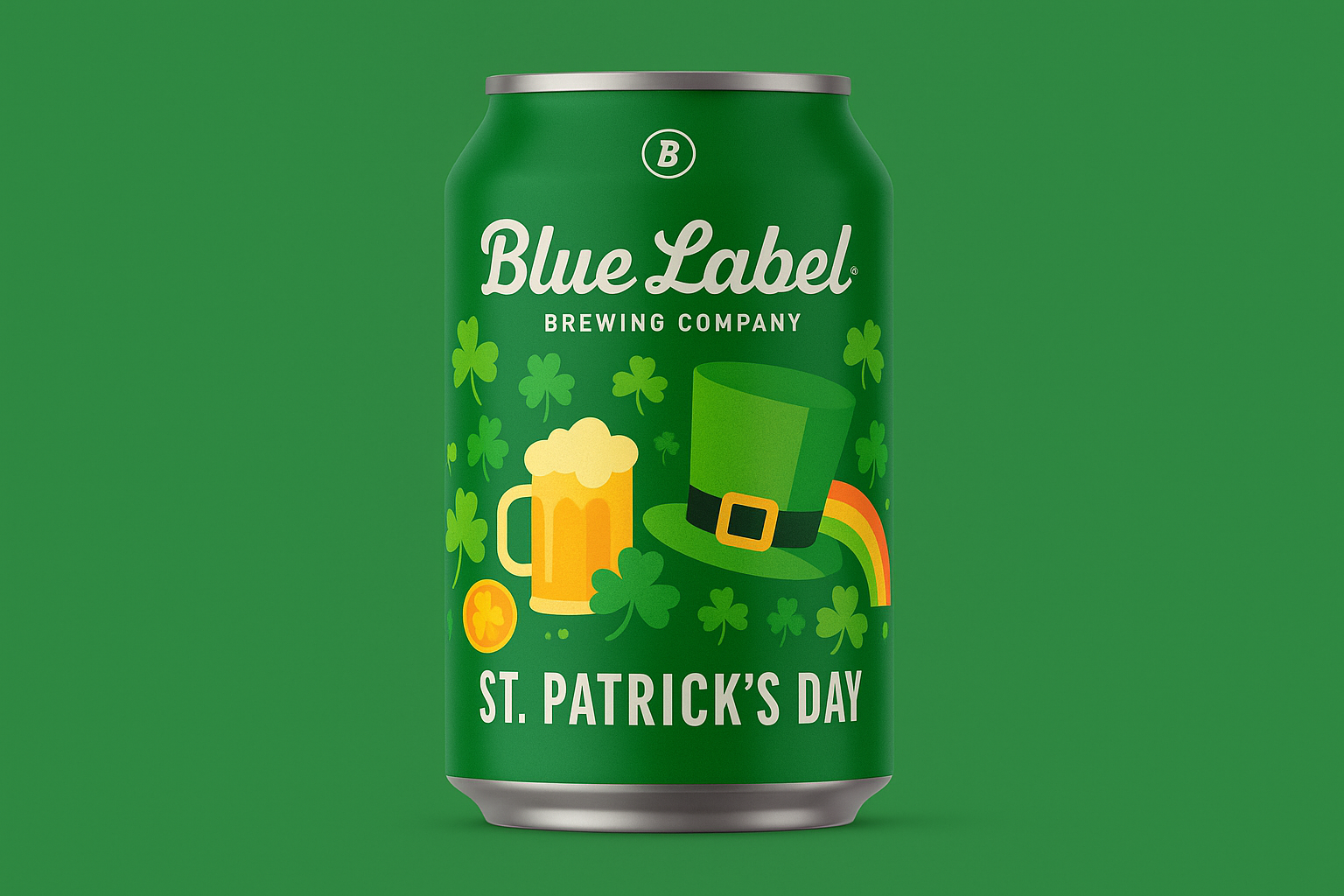
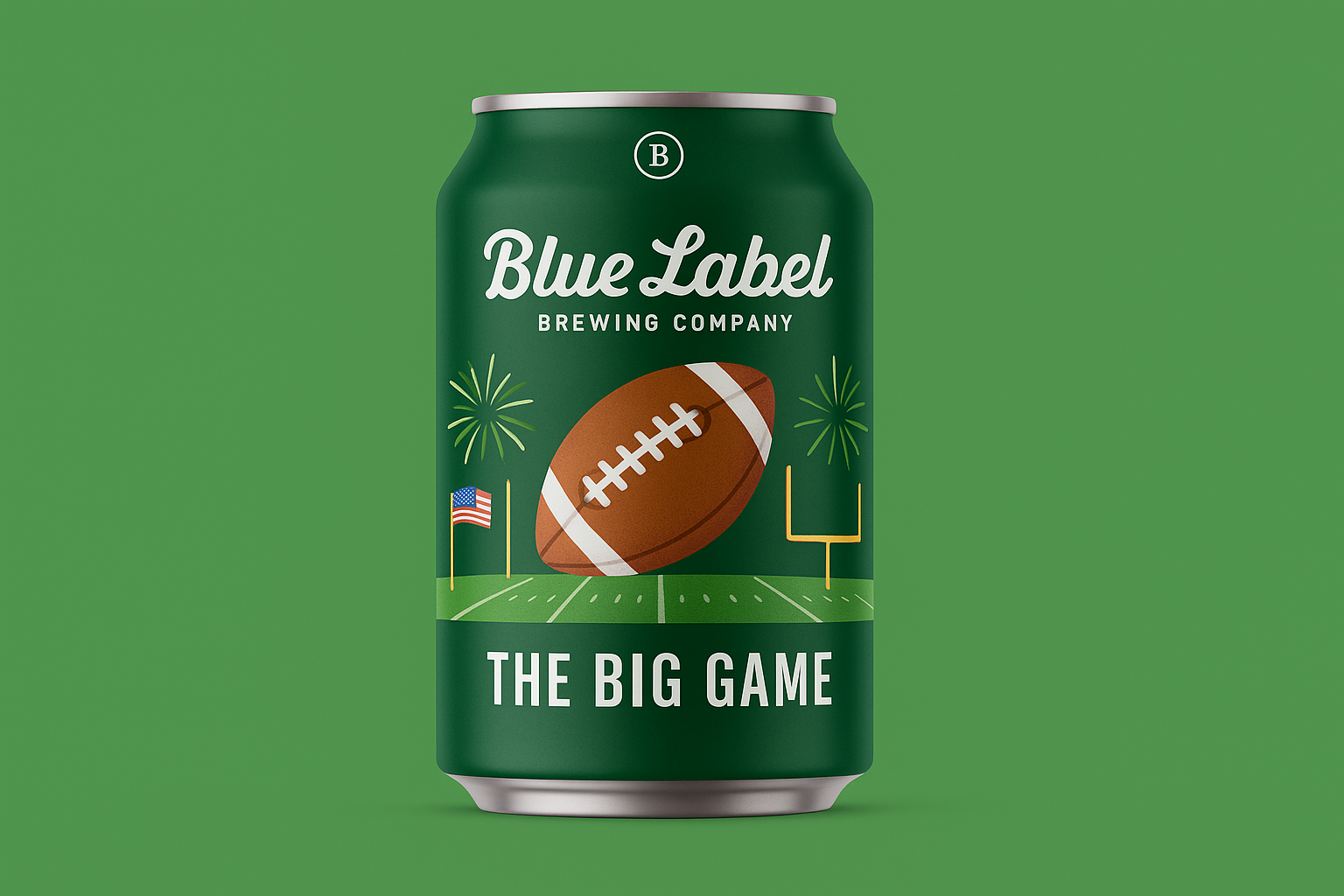
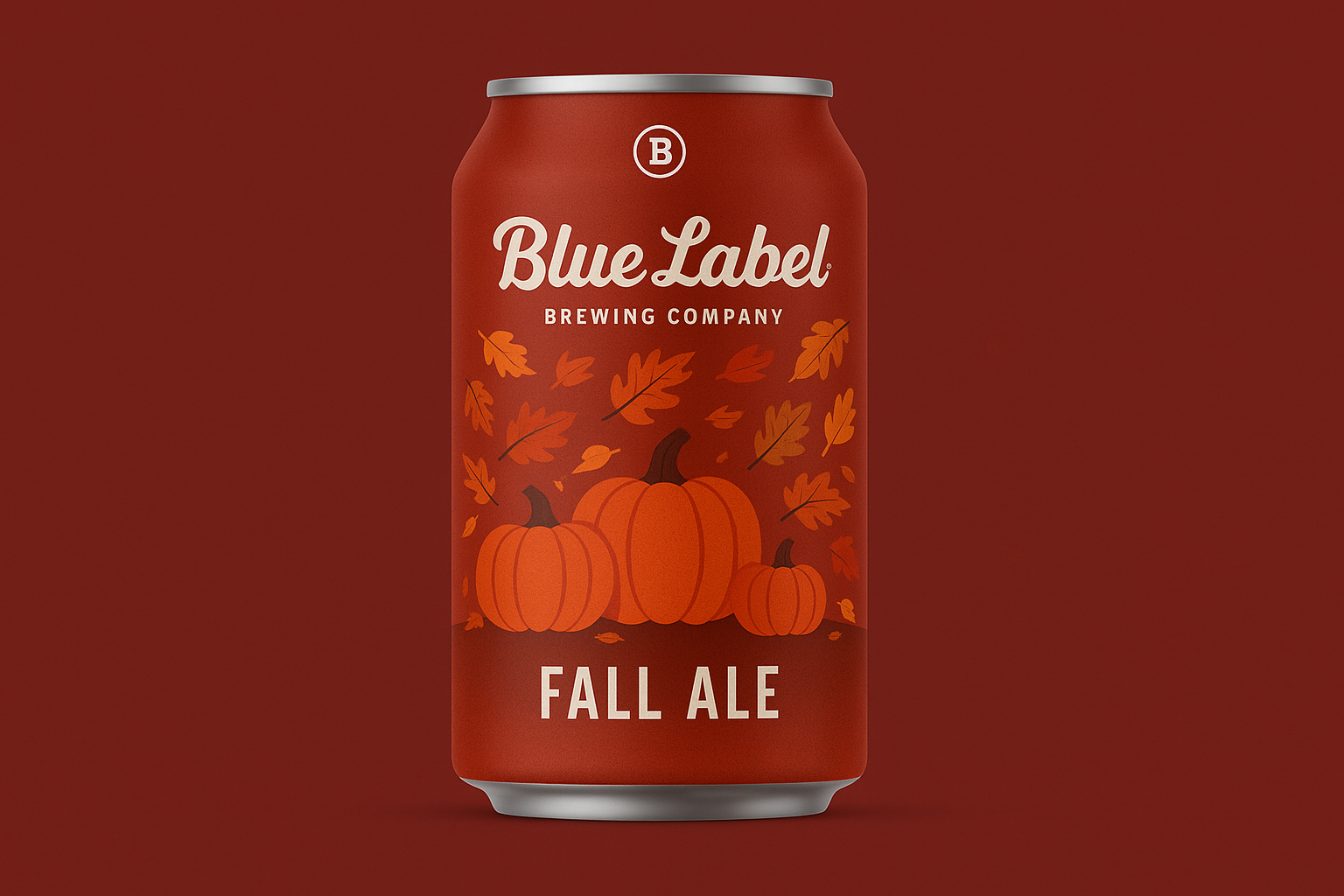
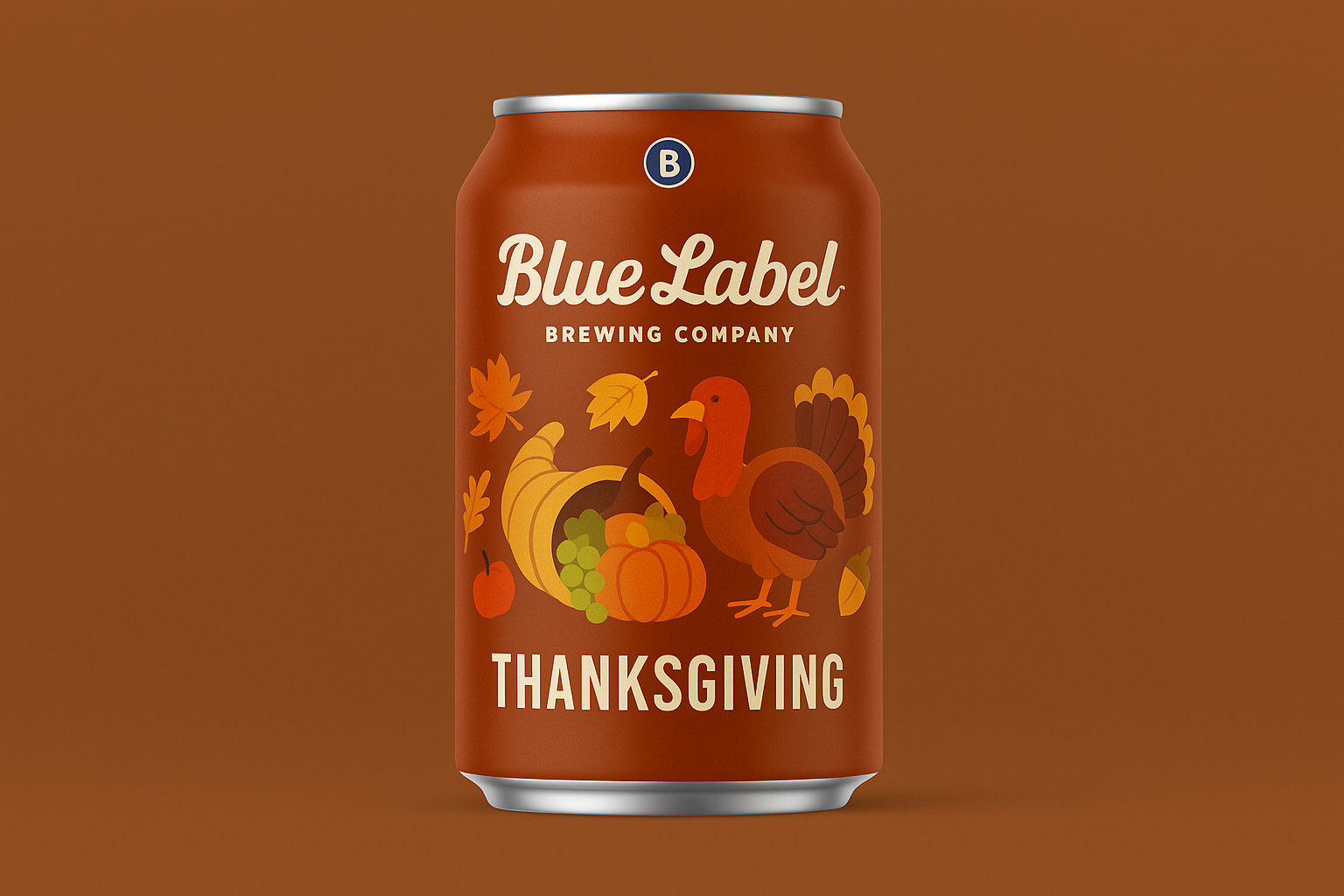
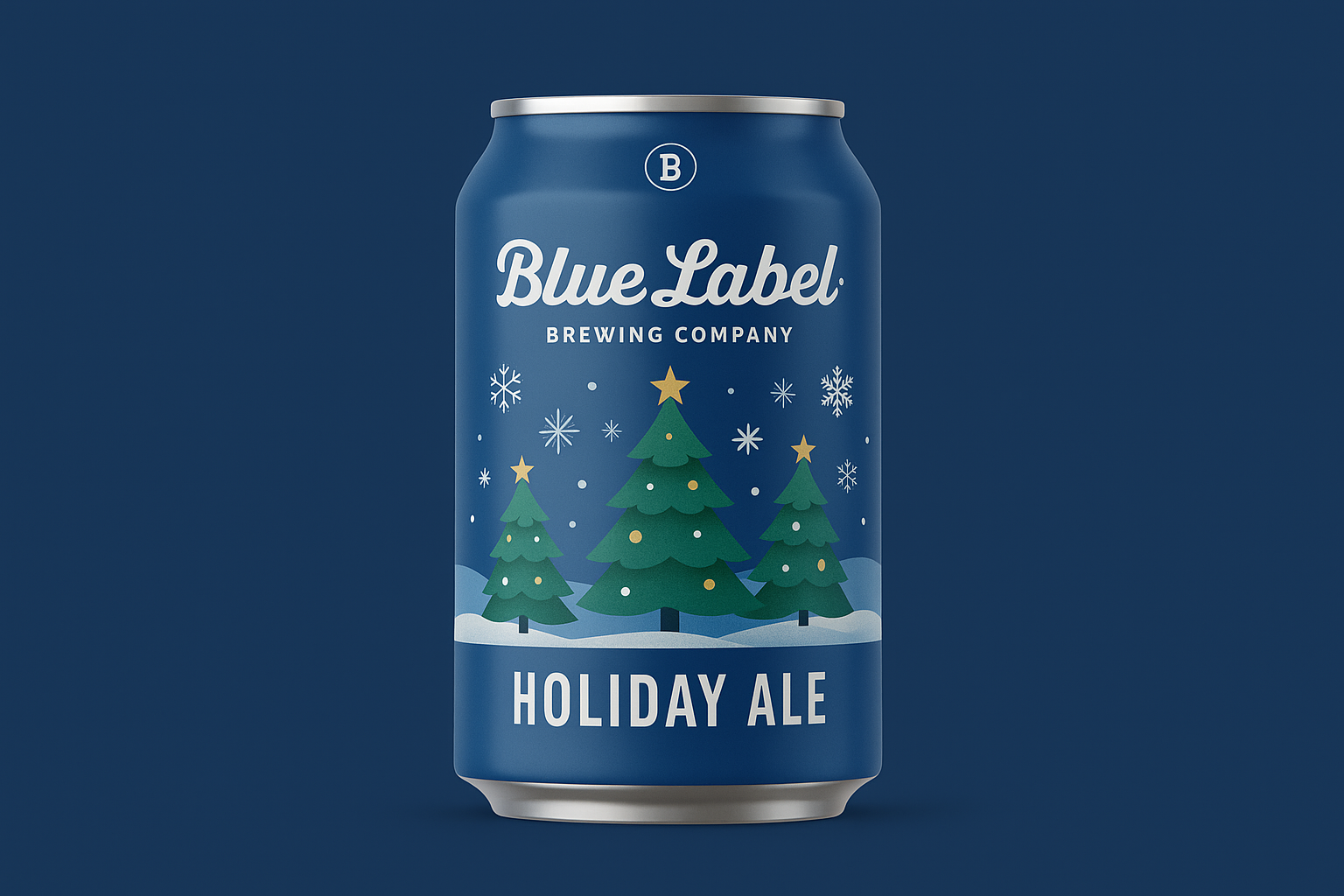
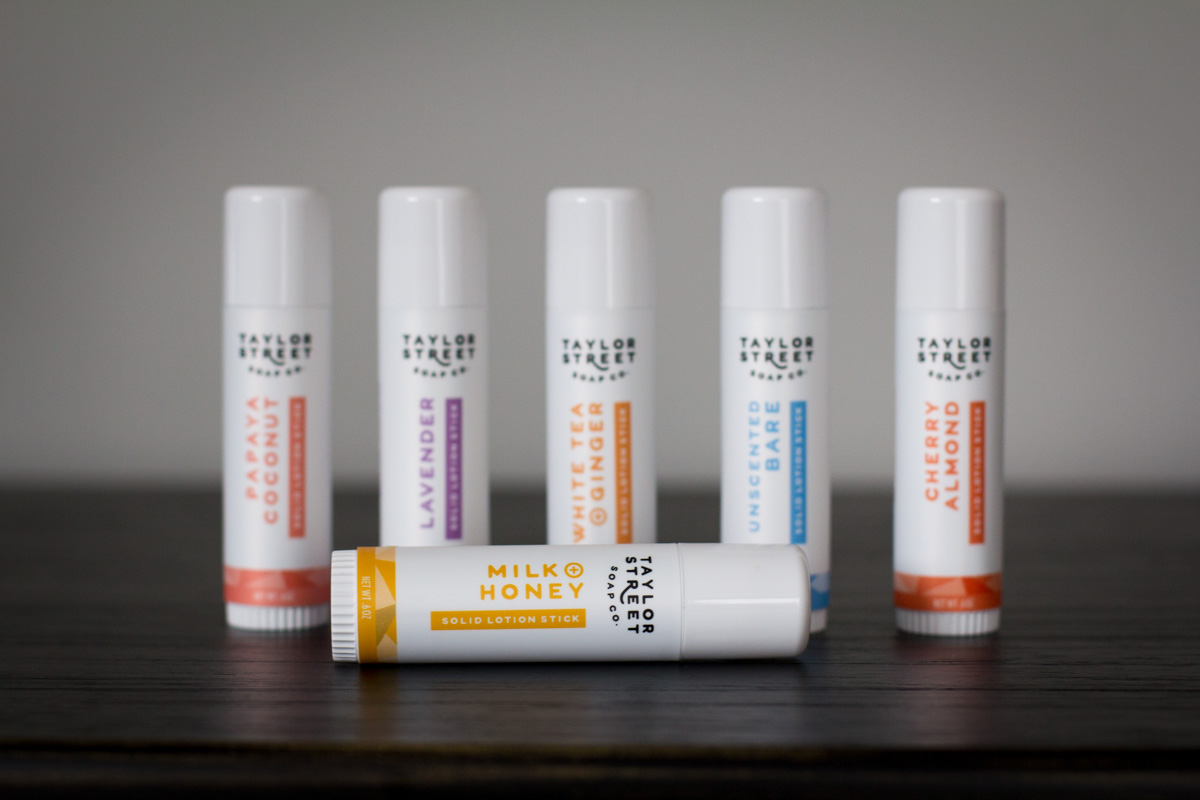
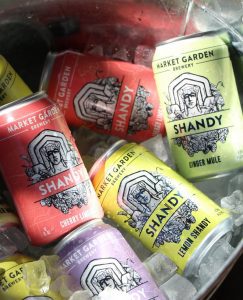
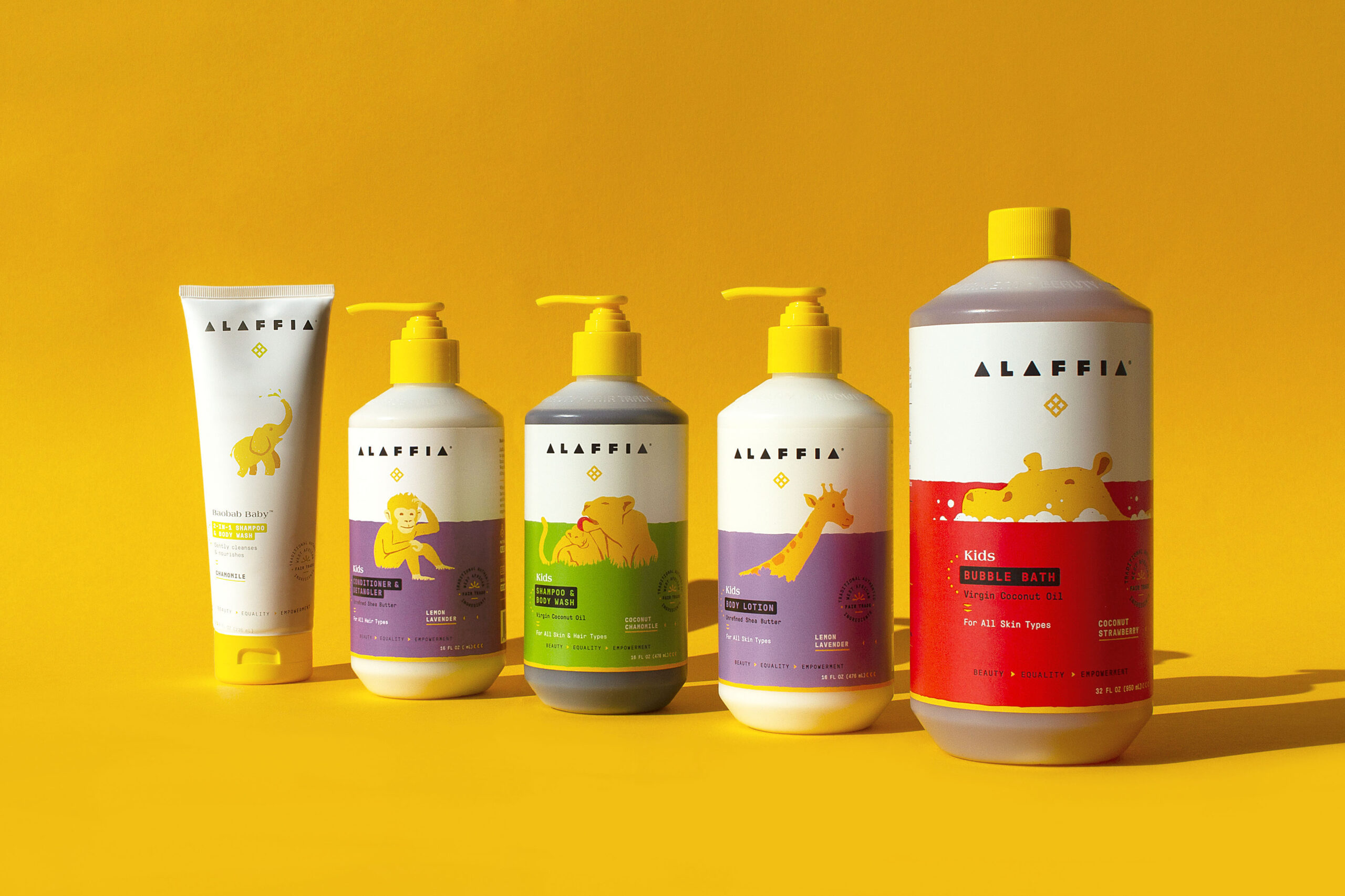
Shrink sleeves are a popular choice because they offer 360-degree, full-container designs, they can fit just about any container and offer built-in tamper-evident protection, they are resistant to moisture, and offer a number of eco-friendly material options.
Their popularity is especially strong in categories like beverages, nutraceuticals, and personal care. Consumers are drawn to shrink sleeves because they give products a “premium” look and often feel more modern.
For many brands, the choice comes down to aesthetics: if you want a full-covered can or bottle, shrink sleeves are typically the better option.
Pressure-Sensitive Label Trends
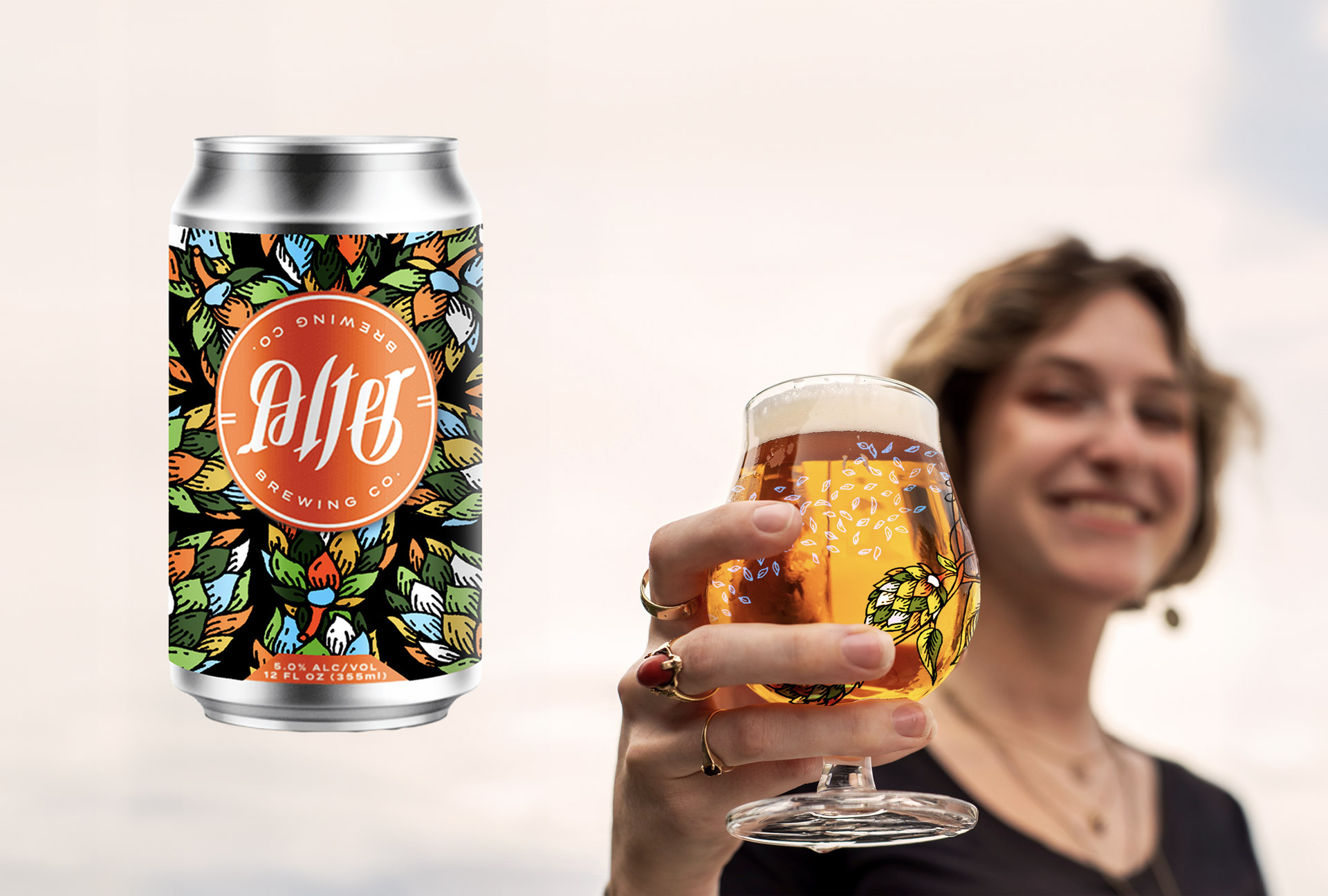
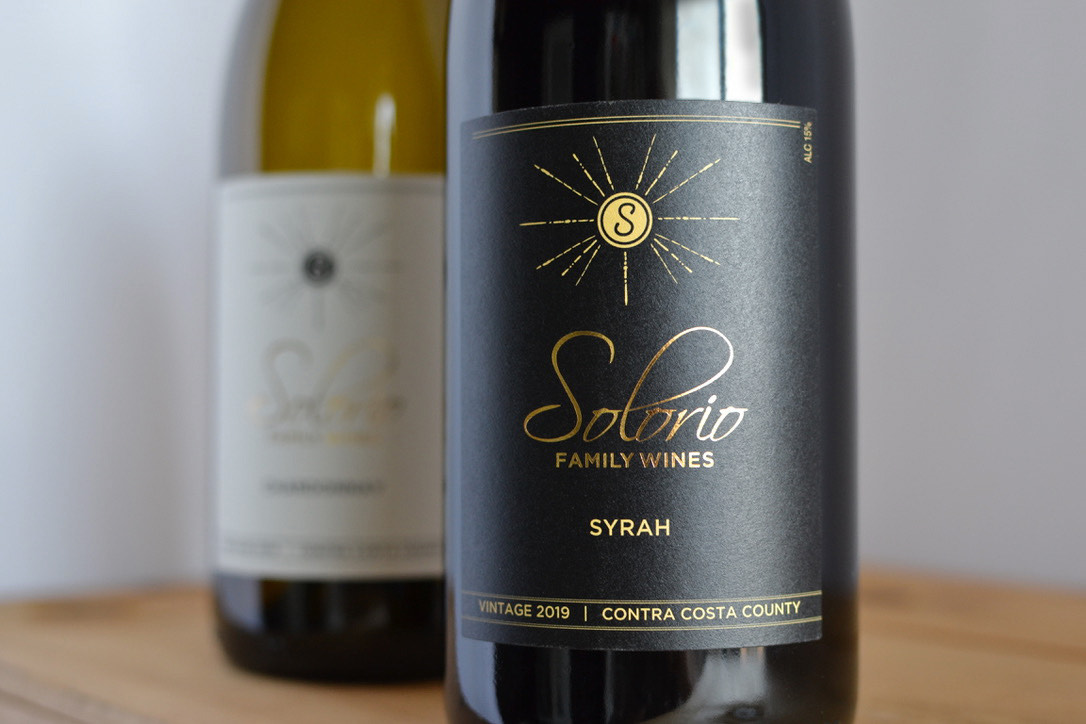
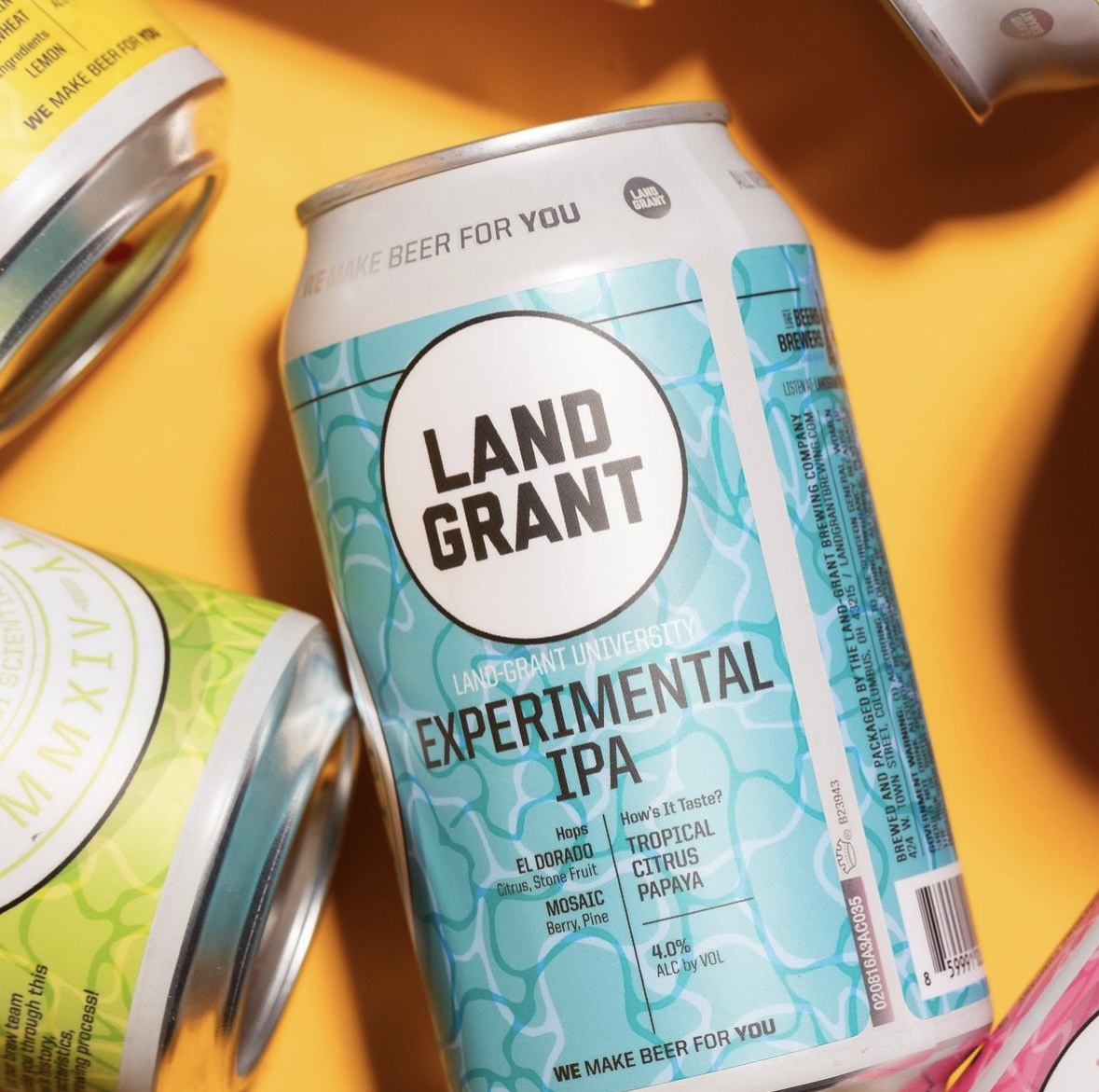
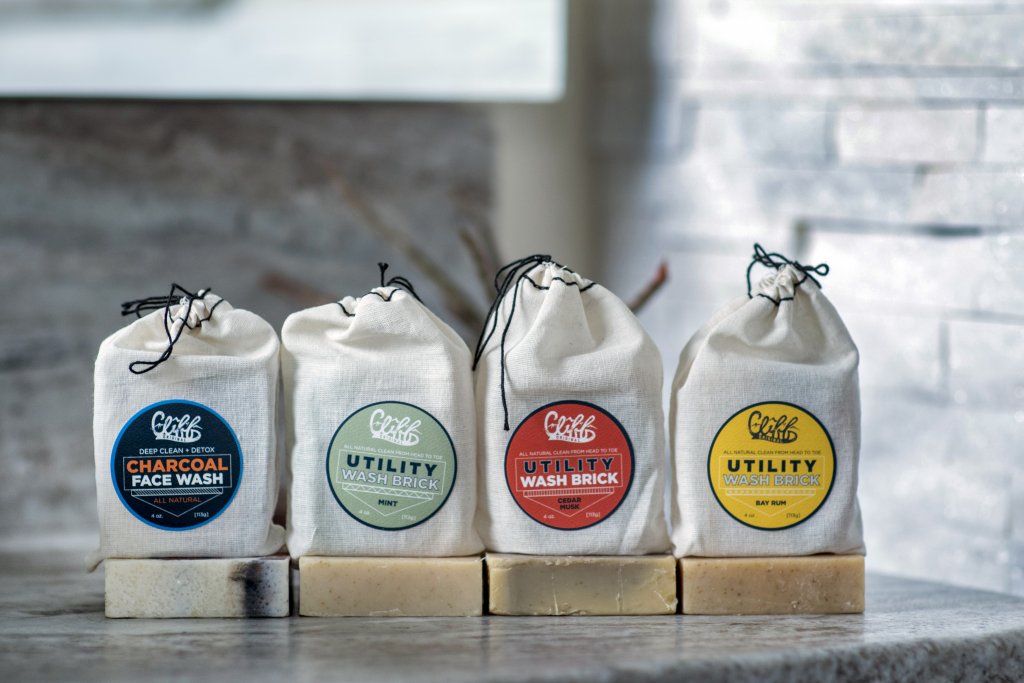
Pressure-sensitive labels continue to be a dominant choice across industries like beverage, food, health, and more due to their adaptability, affordability, and print versatility.
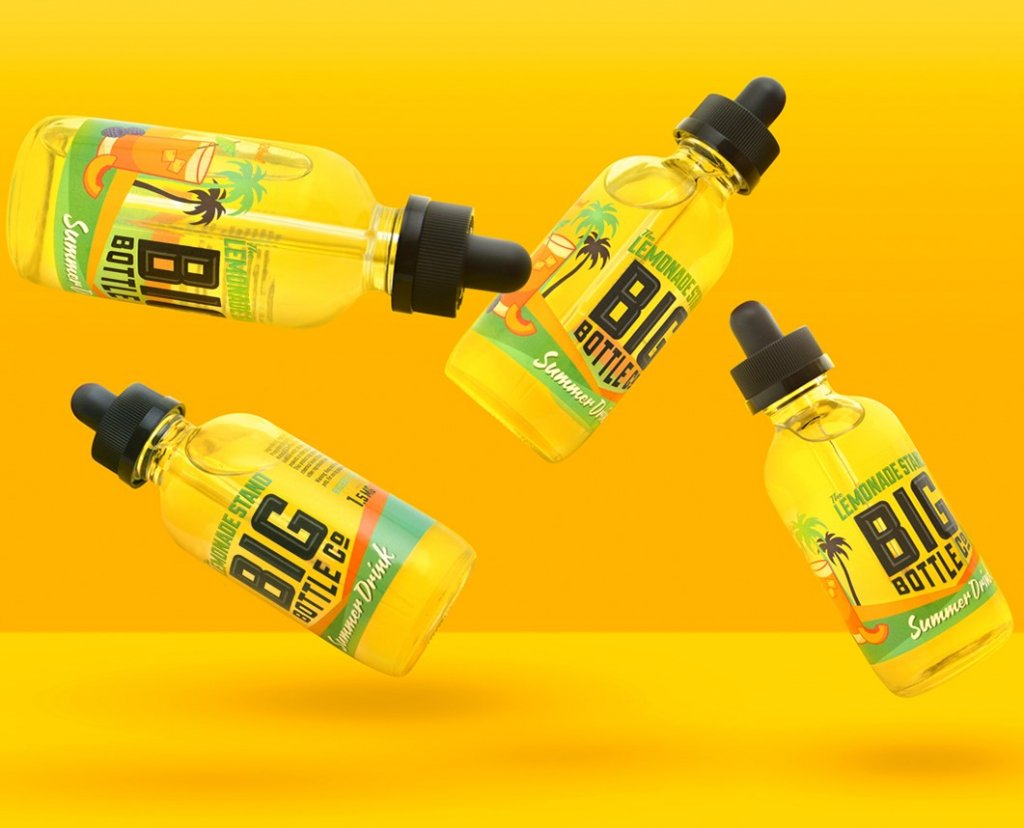
Consumers still want clear, legible, high-quality labels, and digital label printers can provide fast turnaround and a wide range of customization. Pressure-sensitive labels come in a wide range of materials and even offer some eco-friendly options for brands focused on sustainability. Brands can customize their label to appeal to changing consumer interests by using stocks with texture, foils, and finishes from matte to glossy, metallics, die cutting, and embossing.
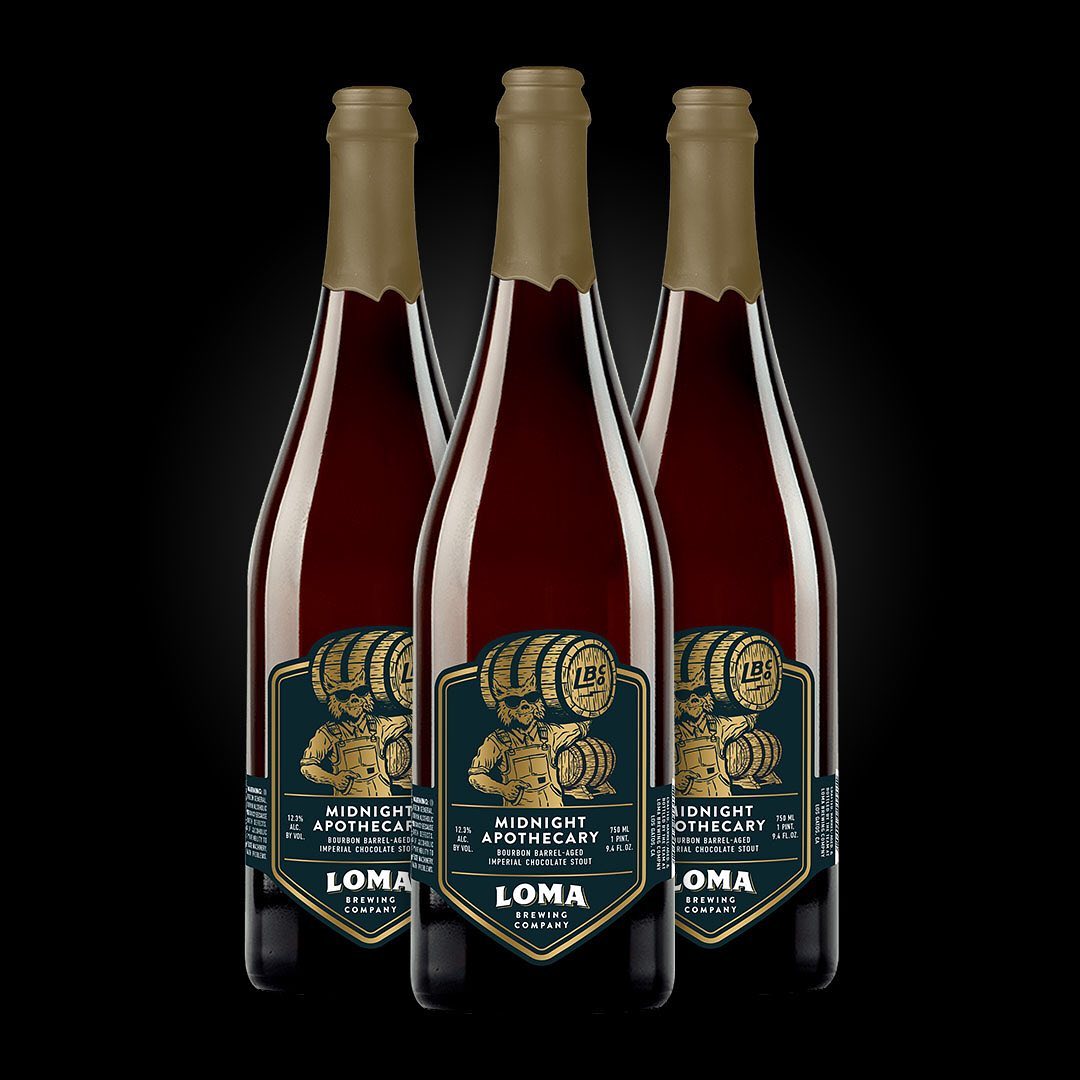
Another advantage: pressure-sensitive labels can use specialty materials like glitter or holographic film. To achieve a similar effect with shrink sleeves, you’d need to use foil stamping.
Key Differences Between Shrink Sleeves and Pressure-Sensitive Labels
Here’s a side-by-side look at how shrink sleeves and pressure-sensitive labels compare:
| Feature | Shrink Sleeves | Pressure-Sensitive Labels |
| Coverage | Full 360-degree design covering the entire container | Typically cover the front/back or wrap partially around the container |
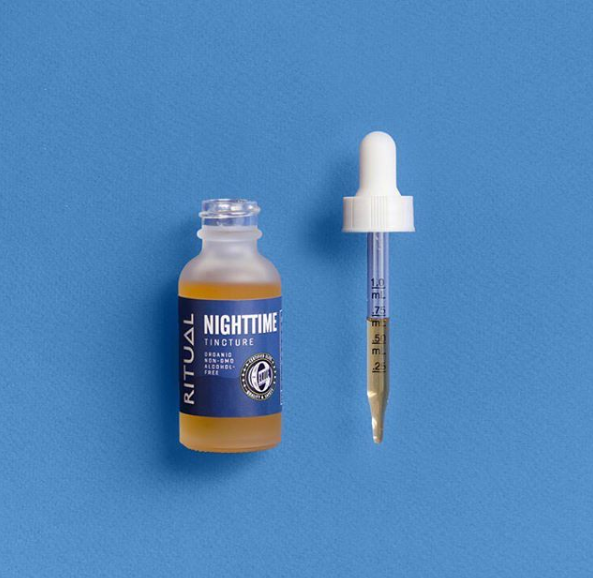
| Container Compatibility | Great for unique or contoured shapes; works best on smooth container surfaces; works with glass, PET, HDPE, aluminum, and other rigid materials | Works best with flat or slightly curved surfaces; works across glass, plastic, cardboard, and metal |
| Embellishment Options | Gloss, satin, or soft touch varnish; screen printing; spot UV (most finishing techniques available, though effects like glitter/holographic require foil stamping) | Lamination, UV varnish, foil, embossing, spot UV, textured varnish, screen printing (plus unique stocks like glitter or holographic films) |
| Application Process | Requires heat application (special equipment) | Applied with pressure, simpler equipment or can be applied by hand. |
| Compliance Features | Easily integrate tamper-evident seals | Can incorporate tamper-evident closures, but often require additional materials |
| Sustainability | Typically harder to recycle, though recyclable shrink films are emerging | Eco-friendly material options (e.g., recycled, FSC-certified, compostable) |
| Cost Considerations | Higher application and material costs, but high impact (not cost-effective until you’re producing in the thousands; at that point, specialized application equipment like heat tunnels is usually required) | Cost-effective for small to large runs, flexible pricing options (a better fit for smaller operations running fewer than 1,000 labels, since application is simpler and doesn’t require heat equipment) |
How Labels Handle Environmental Factors
Labels need to survive manufacturing, storage, shipping, and real-world use. Here’s a comparison of how shrink sleeves and pressure-sensitive labels compare in real-world conditions:
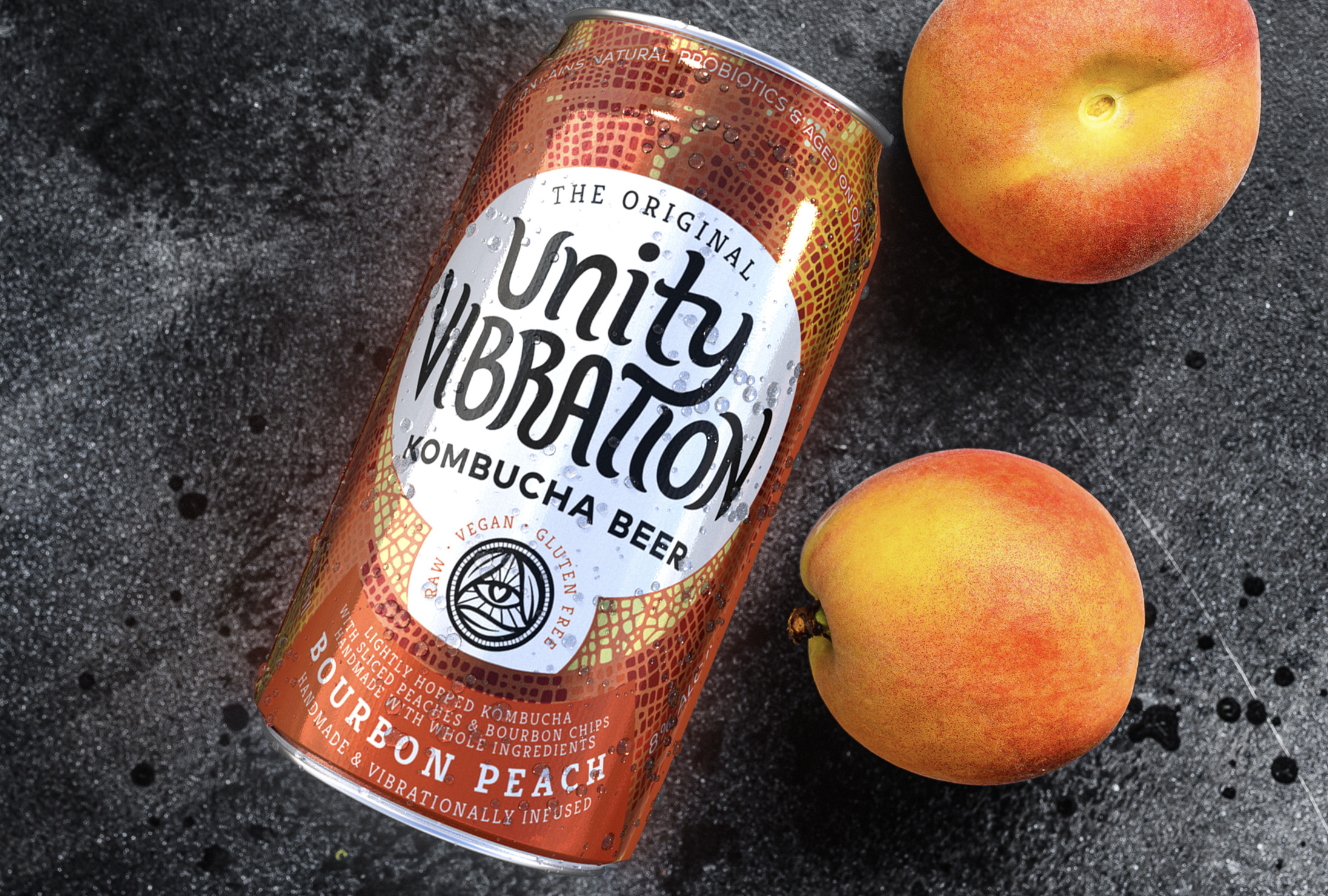
Shrink Sleeves
- Perform Well: High-moisture environments (think refrigerated beverages, frozen foods, or bath products) where sleeves protect graphics under a film layer. They’re also scuff-resistant, making them ideal for shipping and handling.
- Use Caution: Extreme heat in storage or transit can distort sleeves. Textured or flexible containers may not shrink evenly, leading to distortion.
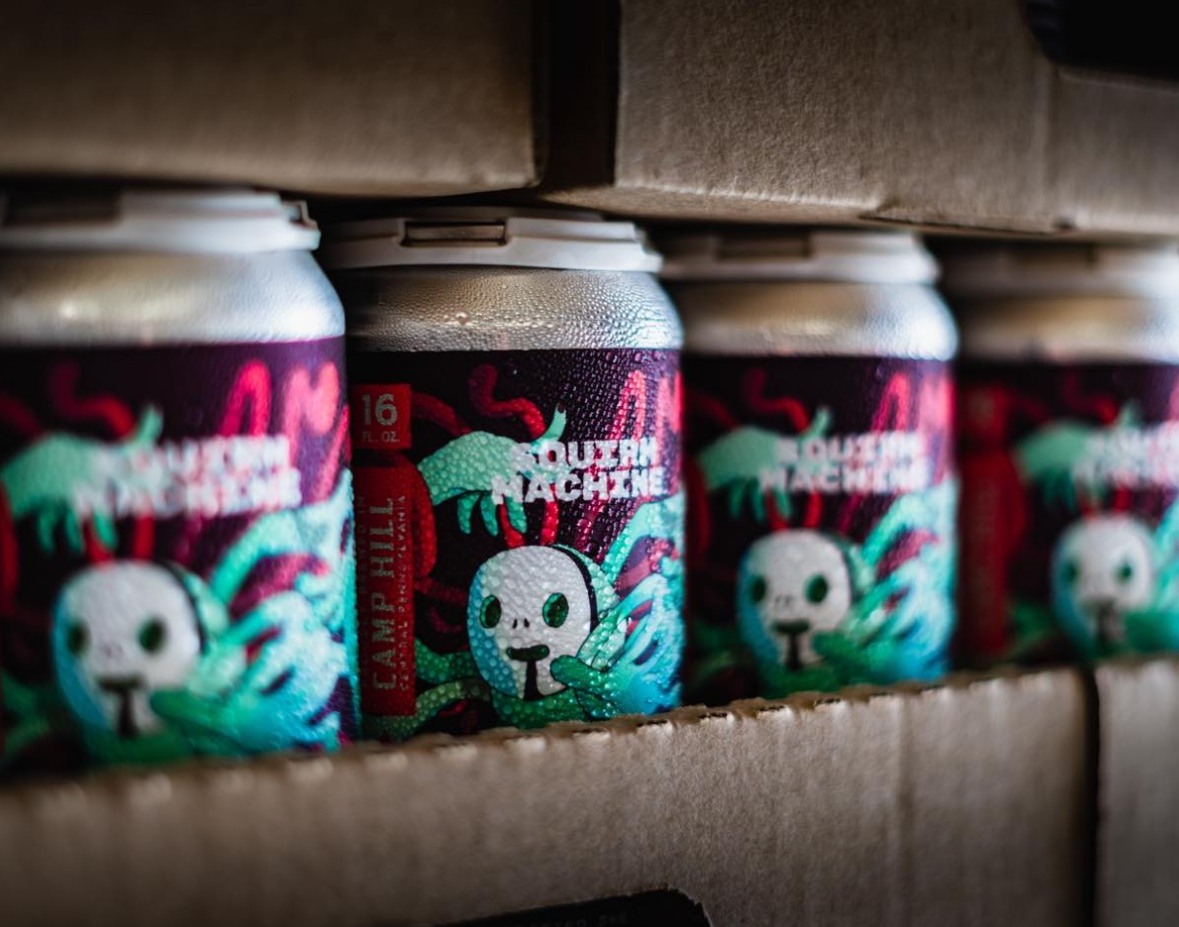
Pressure-Sensitive Labels
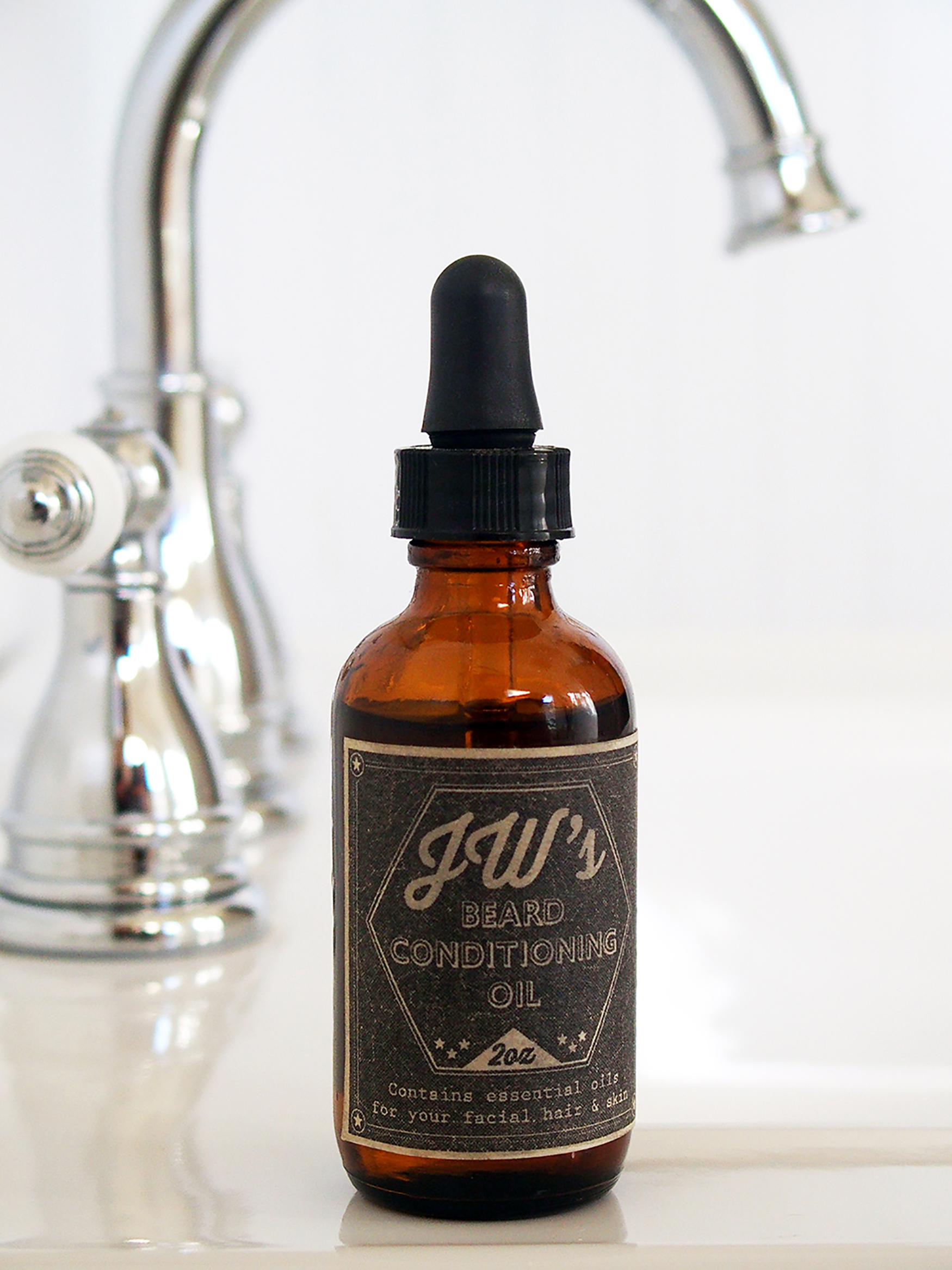
- Perform Well: Dry, stable environments like pantry goods, shelf-stable beverages, or cosmetics. With the right materials and adhesives, they are more resistant to refrigeration, moisture, and even some oils.
- Use Caution: Long-term exposure to condensation, freezing, or rough handling can cause edges to peel, wrinkle, or scuff.
Eco-Friendly Options
Both shrink sleeves and pressure-sensitive labels have eco-friendly options, with shrink sleeves increasingly adopting recyclable films and thinner materials, while pressure-sensitive labels currently offer a broader range of recyclable and sustainable choices.
- Shrink Sleeves: Traditional shrink films are more difficult to recycle, but options like perforated sleeves that separate from containers are becoming more common.
- Pressure-Sensitive Labels: These labels offer a wider variety of eco-friendly substrates, including recycled content, FSC-certified papers, and compostable materials. For brands prioritizing sustainability, pressure-sensitive labels often provide more options today.
Compliance and Safety
Certain products require features like tamper-evident seals or extra label space for regulatory information. Here’s how shrink sleeves and pressure-sensitive labels stack up:
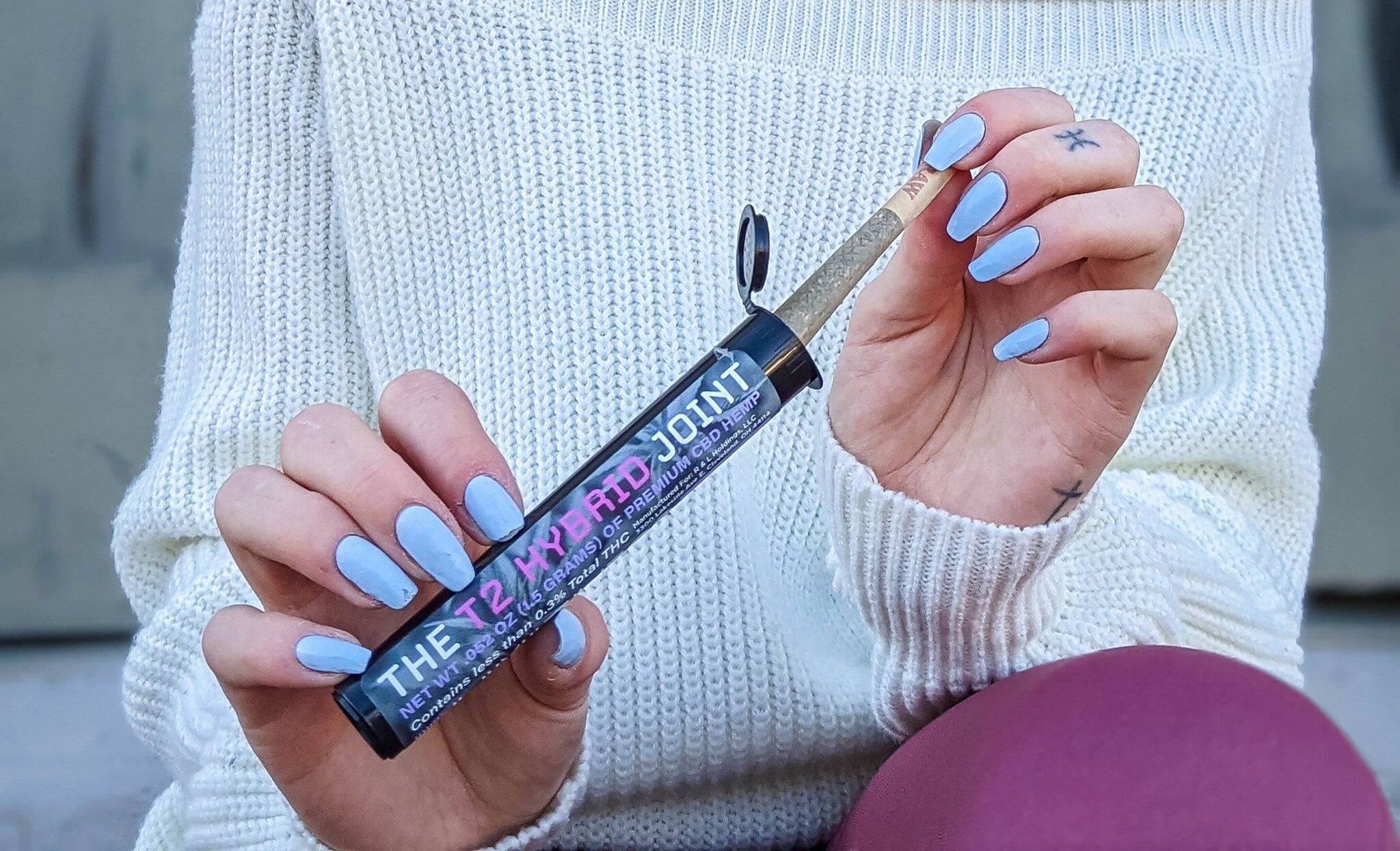
- Shrink Sleeves can double as both a label and a tamper-evident seal by extending over the cap or lid, which is a strong advantage for food, beverage, and pharmaceutical products.
- Pressure-Sensitive Labels can also accommodate compliance features, but tamper-evident solutions may require additional materials, such as neck bands or secondary seals.
[Checklist] Questions to Ask Before Choosing
- Does my container have a unique or contoured shape that might be better served by shrink sleeves?
- Am I trying to maximize visual impact with full 360-degree coverage, or do I prefer a classic look with front/back panels or a label that partially wraps around the container?
- What’s the aesthetic I want: bold, full-coverage graphics or a more traditional panel look?
- What compliance requirements (tamper-evident seals, ingredient space) do I need to meet?
- Is sustainability a major priority for my brand, and which material aligns better with that goal?
- How many labels am I applying: fewer than 1,000, or in the thousands?
- Do I have (or need to invest in) the right equipment, like a heat tunnel, to apply shrink sleeves?
- What’s my budget for both label printing and application equipment?
- How important is speed and ease of application in my production process?
- What kind of environment will my product/label be exposed to?
Ready to Decide?
Shrink sleeves can be a better choice when you want bold, high-impact designs or need tamper-evident features built in. Pressure-sensitive labels remain the most versatile option, with more sustainable material choices and cost-effective production for a wide range of products.
The right fit comes down to your product, your container, and your brand. Need help deciding? Contact us and we’ll walk you through the options.