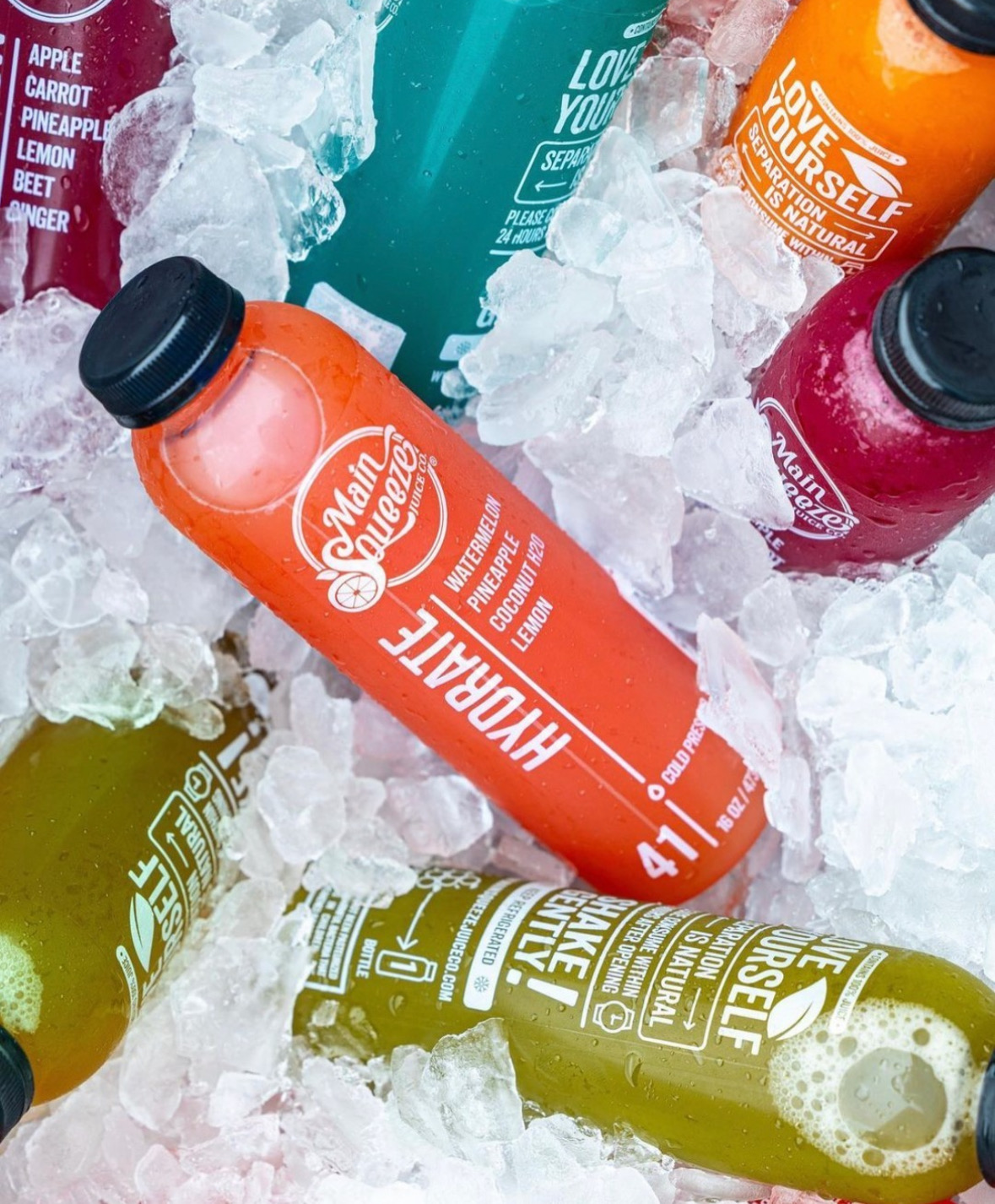
The Different Types of Label Varnishes and Coatings
- aesthetic
- film labels
- paper labels
- protection
- varnishes
A label varnish is a clear liquid coating that’s rolled over a printed label, then cured or dried so it bonds to the surface. It protects the ink from scuffs, dulling, and fading. It’s lighter protection than a laminate, which is a thin film laid over the label. Our guide to laminate or varnish for bottle labels helps you choose between the two.
At Blue Label, we run UV coating (a clear varnish hardened with ultraviolet light) in three versions: full UV, spot UV, and raised spot UV. If you already know you want a coated label, start with our UV coated labels. There are no minimums, and quotes come back in under 24 hours.
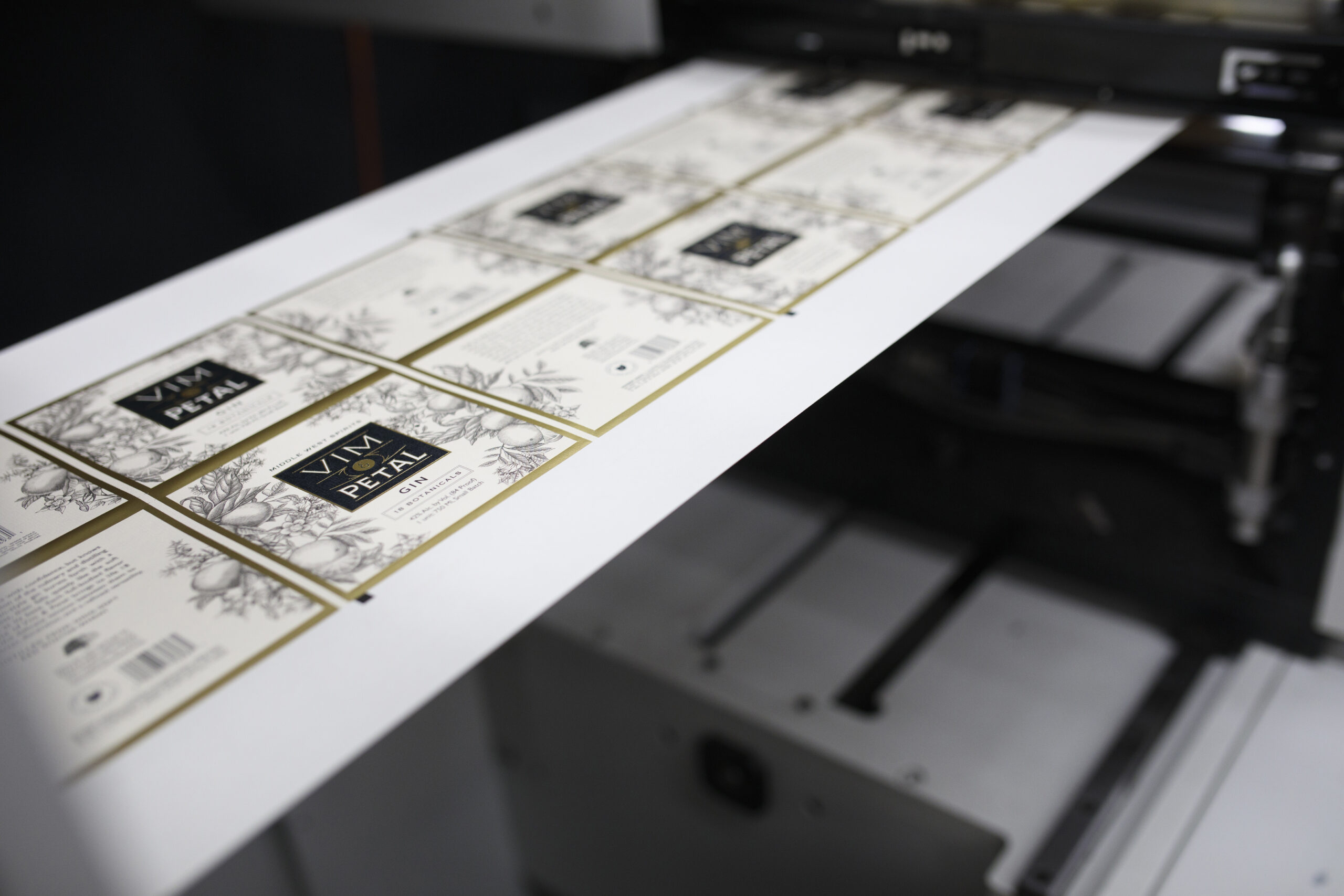
The types of label varnish and coating we run
There are a few different types of label varnish. They differ in how they’re cured, where they go on the label, and the finish they leave. The table lists the ones we print and what each one is for.
| Coating | Where it goes | What it’s for | How it looks and feels |
|---|---|---|---|
| Full UV coating | The whole label | Protecting the print from scuffs, dulling, and fading | A clear, even layer over everything |
| Spot UV (sometimes called spot gloss) | Just your logo or a design detail | Making one part of the design stand out | A glossy accent against the rest of the label |
| Raised spot UV | A logo, a name, or one small detail | Looks and touch | Glossy, and thick enough to feel with a fingertip |
| Soft-touch varnish (water-based) | The whole label | A velvety feel with light protection | Low sheen and soft to the touch |
UV or water-based: how a varnish is cured
UV coatings use ultraviolet light to cure a liquid coating. Once it’s cured, the UV varnish essentially bakes onto your label material and forms a protective layer. That layer helps keep your design from fading over time.
Aqueous coating (aqueous just means water-based) doesn’t need UV light to cure. It’s a clear varnish that air dries quickly. Our soft-touch varnish is a water-based coating. It gives the velvety feel, but it isn’t very durable, so most brands pick a soft-touch laminate instead.
Gloss, satin, and soft-touch: what finish a varnish leaves
Gloss, satin, and soft-touch describe the finish a coating leaves, not how it’s cured. Gloss varnish gives a smooth, shiny look. Satin varnish cuts most of the shine, so other parts of the design stand out. Soft-touch varnish has a low sheen and a velvety feel under your fingers. At Blue Label, gloss, matte, and soft touch all come as laminates, which protect more than a varnish, and soft touch also comes as a water-based varnish.
To compare the looks side by side, see glossy, satin, and matte labels and what a soft-touch label is.
Raised and textured varnish: what it is and when it’s worth it
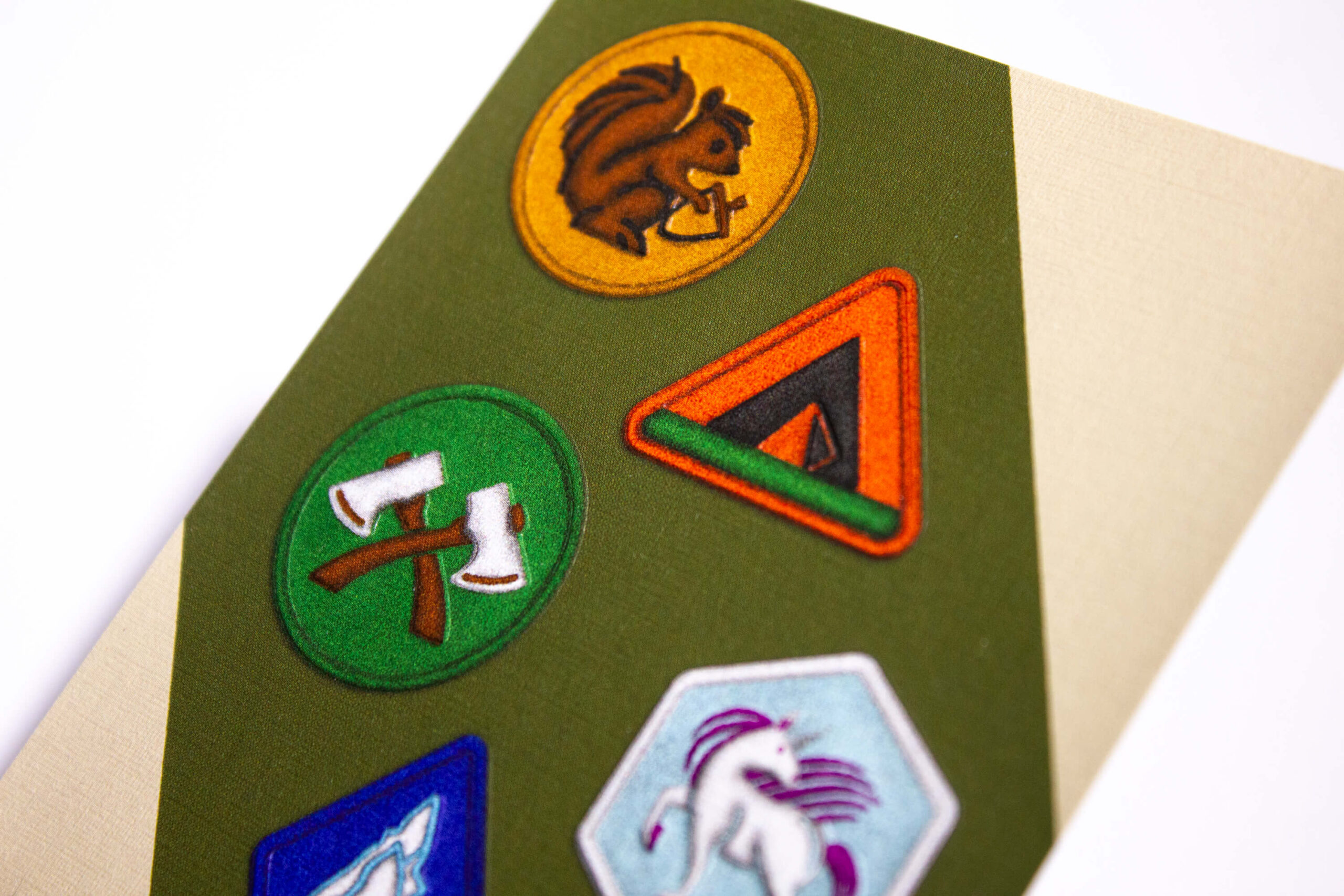
Raised, high-build, relief, tactile, and rough-touch varnish all describe a varnish you can feel. Some are laid down thick enough to stand up off the label. Others leave a fine grit you notice when you touch the surface.
Our version is raised spot UV. It’s a thicker spot UV that you can feel when you run a finger across the label. We use it on a logo, a brand name, or one detail you want people to notice when they pick the product up. We confirm it works on your label material when we quote the job.
A small caveat: a raised varnish suits bold shapes better than small type or fine lines. On labels that get handled a lot, like cans pulled out of a cooler, the raised areas also take the first wear. For those labels, the usual setup is a laminate to protect the whole label, with the spot UV on top for the logo. That’s two finishes, so it costs more than either one alone.
To see whether raised spot UV is worth it on a short seasonal run, ask us to quote the label with and without it. You’ll see the difference for your quantity, and it doesn’t add time to the order.
If you want the label itself raised rather than a layer on top of it, that’s embossing. Embossing presses the material up from behind, so the paper or film carries the shape.
Which label materials take a varnish?
Varnish is a good option for paper labels because the liquid can conform to the texture of the paper and fill in any nooks and crannies. For textured papers (like estate or felt), we recommend a varnish over a laminate, because a laminate film can’t settle into the grooves. On uncoated papers, the varnish can soak in, so you get less shine and a little less protection than on film. Our UV coated labels are printed on films: BOPP (a plastic film common on cans and bottles), vinyl, and polyester. On smooth films, we use a laminate or a varnish depending on what the label needs.
If your label will see water, ice, or a lot of handling, our guide to types of label lamination covers the films that go over a printed label. You can see paper and film stocks side by side on our materials page.
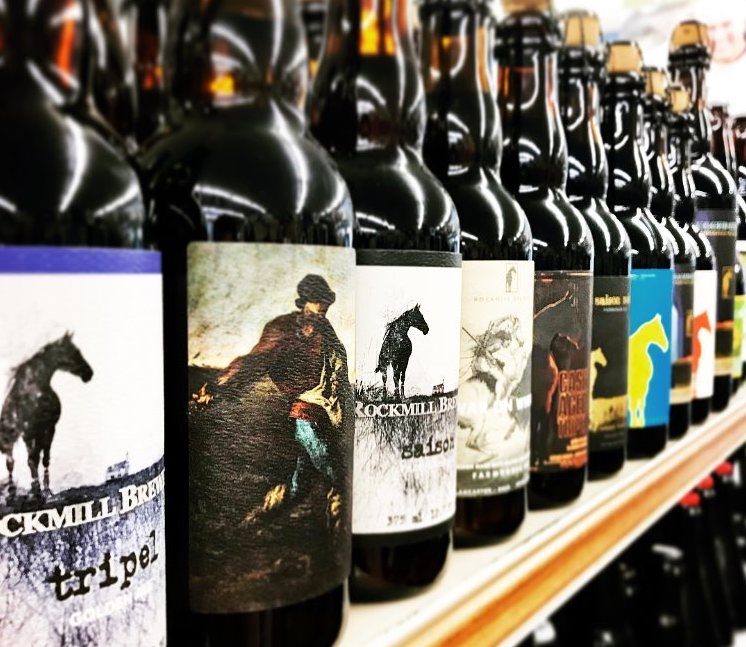
See and feel the finishes before you choose
Finishes are easier to judge in your hand than on a screen. Request a sample pack and we’ll put it together around the materials and finishes you’re considering, or tell us about your label and we’ll help you pick a coating.
Frequently asked questions
Is UV varnish the same as UV coating?
Yes. Both names describe a clear varnish hardened with ultraviolet light. Full UV covers the whole label to protect it from scuffs, dulling, and fading. Spot UV covers only part of the design, like a logo, and is there for looks. Raised spot UV is a thicker spot UV you can feel.
What is a raised or tactile varnish?
A raised or tactile varnish is a varnish you can feel. Raised or high-build varnish is laid down thick enough to stand up off the label. Tactile or textured varnish gives the surface a fine grit or texture you notice by touch. Our version is raised spot UV, usually placed on a logo or one design detail. We confirm it suits your label material when we quote.
Does a varnish make a label water-resistant?
Not on its own. A varnish adds a clear layer that protects the ink from splashes, scuffs, and handling. Water resistance comes mostly from the label material and the adhesive. A laminate protects more than a varnish does. For labels that sit in ice or get wet often, start with a water-resistant film like BOPP rather than relying on a varnish over paper.
Can you add a varnish on top of a laminate?
Yes. We can add a varnish on top of laminated labels to highlight specific design elements, such as a spot UV logo over a matte laminate. That’s two finishes, so it adds to the cost. We check whether raised spot UV works over a given laminate and material when we quote.