What Label Materials are Best for Liquor Bottles?

Choosing the right label material for your liquor bottles isn’t just about looks, it’s about how that label performs from the production line to the bar top. Here’s our breakdown of the best materials for spirits, and why we recommend standard paper labels for whiskey bottles and Welded materials for vodka, tequila, and rum.

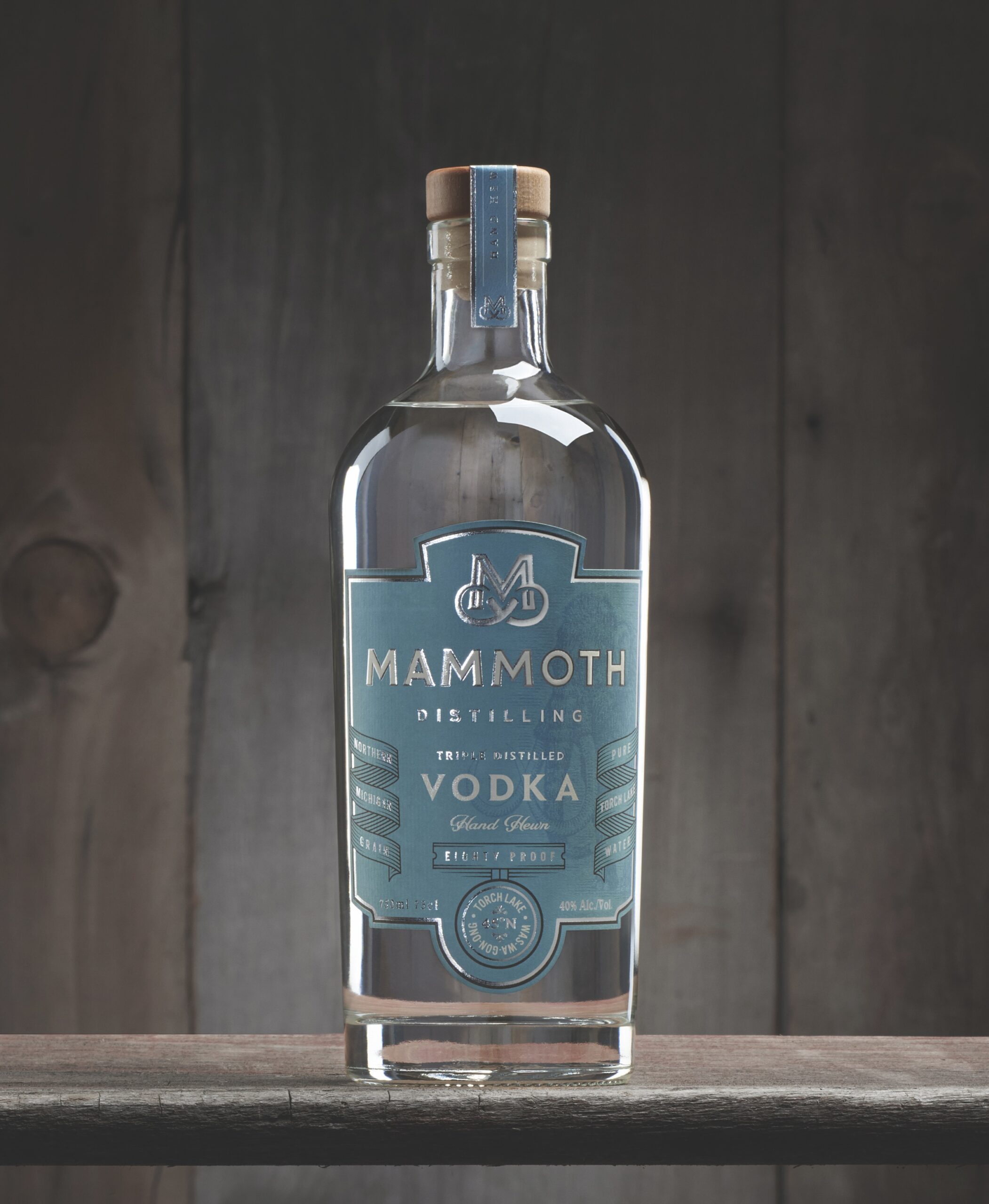
Liquor bottle with custom label

Standard Paper Labels (Best for Whiskey)

Whiskey usually lives on shelves, not in ice buckets, so you’ve got more flexibility when it comes to materials. Standard coated paper is a great fit here. The surface is treated to enhance print clarity and finish, giving your labels sharper detail and a smoother feel.

Pros:

Cons:

  • Limited moisture resistance without additional coatings or lamination.

Finishing Options:

  • Embossing, hot foil stamping, spot UV, varnish, and lamination (recommended if occasional moisture exposure is expected).

Bottom Line: For whiskey and similar spirits, standard paper produces sharp, high-contrast print and pairs well with embellishments like foil and embossing, making it ideal for premium whiskey branding without premium material costs.

Vodka bottle with custom label

Welded Materials (Ideal for Vodka, Tequila, and Rum)

Clear spirits like vodka, rum, and tequila are all about purity. 

Many of these bottles also end up submerged in ice buckets or stored in refrigeration. Welded material is made with wet-strength and cold-temp adhesives that hold up in these conditions, so your label stays put and maintains its look.

Pros:

  • Wet-strength performance built for chilled, wet environments.
  • Designed for premium clarity and a seamless look on clear bottles.
  • Strong print quality and durability.

Cons:

  • Higher upfront cost compared to standard paper.

Finishing Options:

  • Lamination (for ultimate moisture resistance), embossing, screen printing, foil stamping, spot UV, and varnish.

Bottom Line: For clear spirits where purity and shelf impact matter, EverOpaque® delivers both style and substance with wet strength that won’t quit in cold or damp conditions.

Other Label Options (When to Use Them and When to Skip Them)

Synthetic Films (BOPP)

If your bottles are headed into ice buckets, coolers, or chaotic shipping conditions, synthetic films can handle the abuse. BOPP (biaxially oriented polypropylene) and PET (polyethylene terephthalate) are types of plastic film designed for waterproof and long-lasting labeling.

Pros:

  • Water-resistant, abrasion-resistant, and UV-stable.
  • Typically a lower cost compared to paper materials.

Cons:

  • Less tactile than paper; the plastic feel can sometimes work against premium positioning.

Recommended Applications: Industrial or outdoor-focused packaging, products heavily exposed to moisture, or for cost-effective labels where ultra-premium aesthetics aren’t the top priority.

Vinyl Labels

Vinyl is tough. It’s highly durable and resistant to almost any environmental condition. Compared to synthetic films, vinyl offers even more durability but often sacrifices flexibility in finishing and design. It can also be less compatible with embellishment techniques like embossing, which require a more pliable substrate.

Pros:

  • Excellent durability and abrasion resistance.

Cons:

  • Plastic feel and limited compatibility with premium finishing techniques.
  • Higher cost and environmental concerns.

Recommended Applications: Long-term outdoor use, bar equipment labels, or spirits in rugged conditions.

Specialty Uncoated Papers

These are great when you’re going for a rustic, handmade look—just keep them away from moisture. These untreated paper stocks absorb ink and moisture more readily, giving you a natural feel but reduced durability.

Pros:

  • Unique, artisanal look.

Cons:

  • Vulnerable to moisture and handling.
  • Lower print vibrancy.

Recommended Applications: Dry-stored premium spirits aiming for a handcrafted aesthetic.

Quick Comparison Table

Material Moisture Resistance Print Quality Durability Premium Feel Cost
Standard Paper Low Excellent Moderate High Moderate
Welded Materials High Excellent High High Higher
Synthetic Films High Good High Moderate Low
Vinyl High Good Very High Moderate High
Specialty Uncoated Low Fair Low Very High Moderate

Material Recommendations Summary

  • Best Overall for Whiskey Bottles: Standard Paper. Produces crisp print and supports premium finishes like foil and embossing.
  • Best for Chilled Spirits (Vodka, Tequila, Rum): Welded. Maintains branding and design integrity, plus it’s able to handle cold or frozen environments.

Not sure which material’s right for your bottles? Request a sample pack or contact us and we’ll help you choose the perfect material for your liquor or spirits bottles.

What Label Materials are Best for Wine Bottles?

We get a lot of questions about the right label materials for wine bottles. Most wineries or wine makers want a premium looking wine label, but it also has to stand up to ice buckets and transportation.

Here’s our input on picking the perfect label material to keep your bottles looking sharp from shelf to first sip.

Standard Paper Labels: Ideal for Red Wines

We typically recommend standard paper labels for red wines. Here’s why.

Pros:

  • Premium look and feel: Textured substrate finishes like linen or felt have that soft grain you can feel. It’s a small touch, but one that instantly signals quality.
  • Excellent print clarity: You get sharp details and vibrant colors on paper labels.
  • Cost-effective: Paper is generally an affordable, professional option, especially for high-volume runs.

Considerations:

  • Moisture sensitivity: We do not recommend laminating a textured paper since this will cause you to lose the look and feel of the texture. Consider this if your product will encounter ice buckets, spills, and other moist environments. 
  • Durability: Paper can suffer in harsh handling or damp storage conditions, causing wrinkling or peeling.

Best Applications:

  • Cellar-stored red wines
  • Ambient temperature retail displays
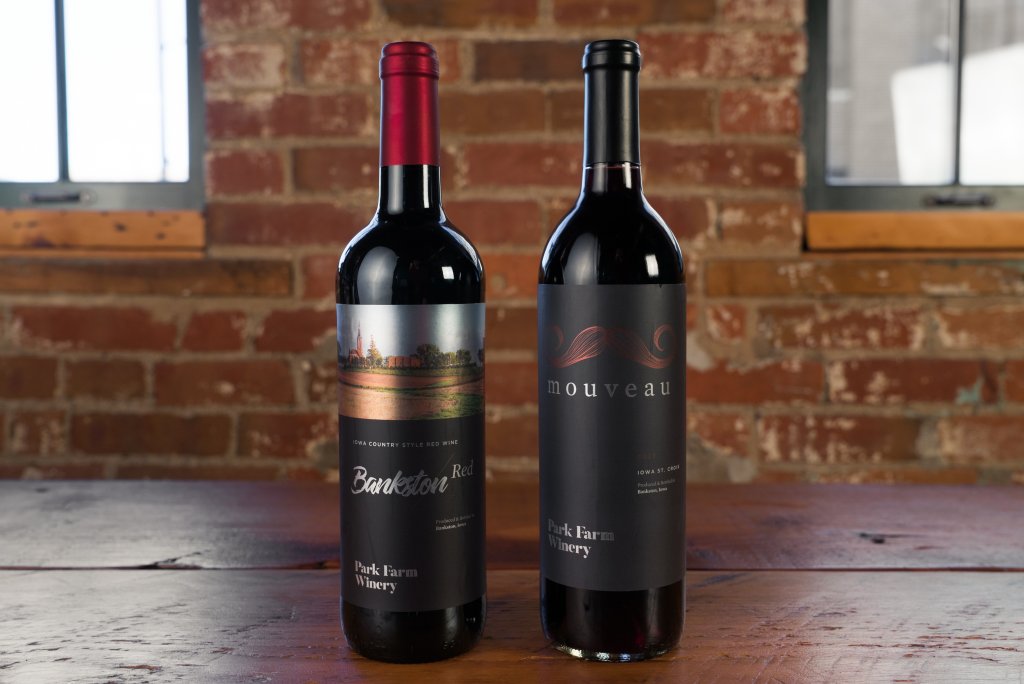
  • Premium labels with embossing, hot foil stamping, and spot varnishes (a clear coating used to highlight specific design elements with a glossy finish)

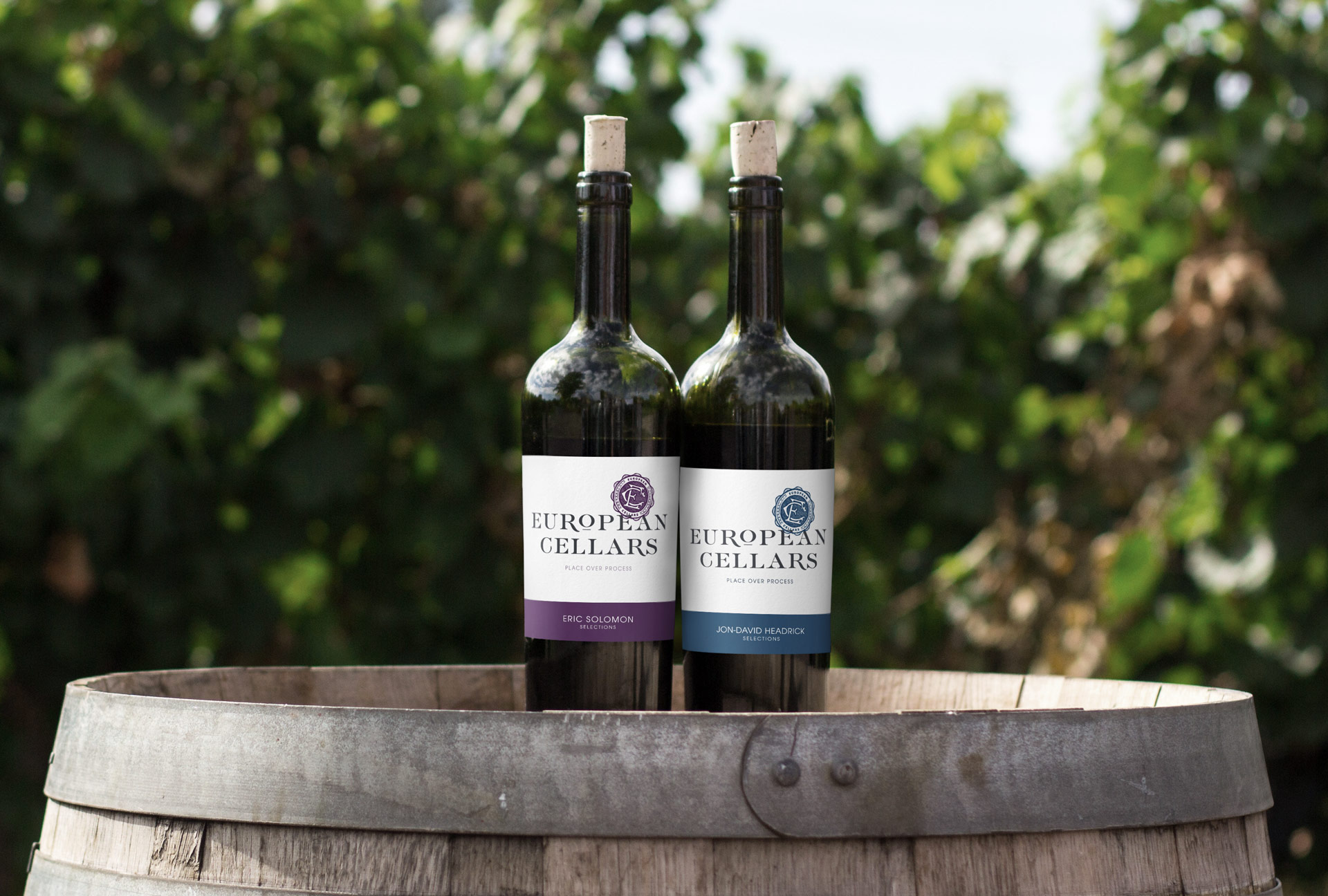
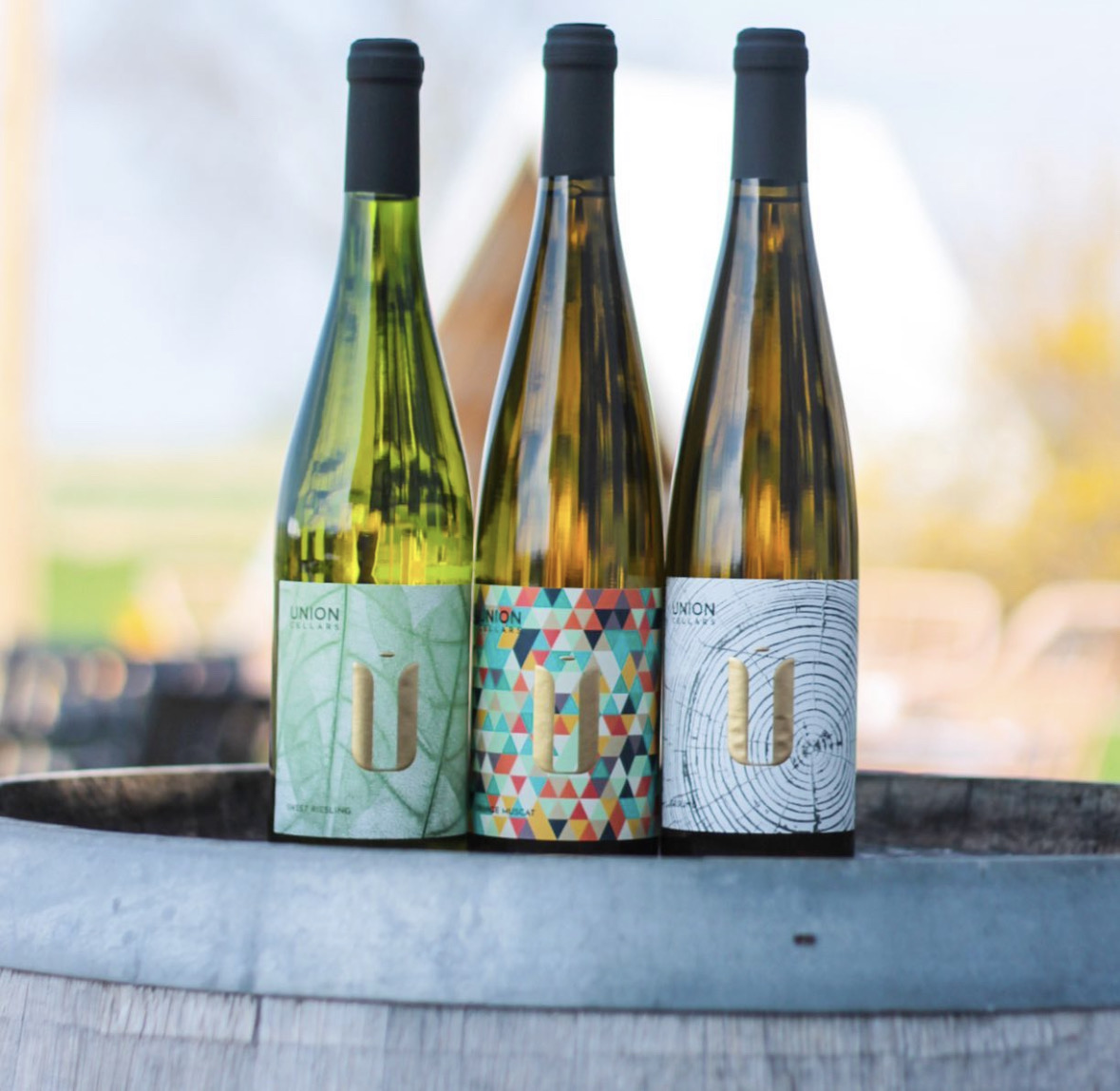
Wine Bottles with Labels

EverOpaque® Labels: Best for White Wines

If you produce white or rosé wines, we recommend taking a close look at EverOpaque® labels. These hybrid labels are widely used in commercial wine applications for their consistent performance in refrigerated and wet conditions, including extended time in ice buckets.

They combine the upscale feel of paper with the durability of film, giving you the best of both worlds.

Pros:

  • Ice-bucket tested: Maintains adhesion and appearance even after hours submerged in an ice bucket, something standard paper labels typically can’t handle without damage (if they’re not laminated).
  • Paper-like luxury: Retains a textured, premium finish that many wine consumers associate with tradition and craftsmanship.
  • Durable through distribution: Withstands handling, friction, and temperature swings during bottling, shipping, and retail handling.

Considerations:

  • Higher cost: Slightly pricier than standard paper, but the durability often justifies the investment.
  • Due to the film backing that this substrate pairs with, we are able to get a deeper emboss because we can push more without breaking the paper. 

Best Applications:

  • Chilled whites and rosés
  • Wines for outdoor or humid climates
  • Export products needing reliable durability

Film & Synthetic Labels

Film labels, typically made from materials like BOPP (biaxially oriented polypropylene) or PET (polyethylene terephthalate), are great in the right scenarios, but we don’t usually recommend them as a first choice.

Pros:

  • Exceptional durability: Resist abrasion, moisture, UV, and temperature extremes.
  • Sleek, modern aesthetic: Good for minimalist branding.

Considerations:

  • Reduced tactile quality: Less luxurious than textured paper or hybrid labels.
  • Cost: Less  than paper hybrids like EverOpaque.

Best Applications:

  • Outdoor or ultra-resilient packaging
  • Wines that require extremely durable labeling (e.g., export or long transit)

Quick Comparison Table

Material Durability¹ Moisture Resistance² Aesthetic Quality³ Cost⁴
Standard Paper Moderate Low Excellent Medium
EverOpaque® High Excellent Very Good High
Film/Synthetic Very High Excellent Moderate Lowest

¹ Based on abrasion resistance, shipping conditions, and handling wear.
² Performance in refrigerated, humid, or wet environments.
³ Includes print quality, texture, and visual appeal.
⁴ Relative material cost at scale; actual pricing varies by volume and customization.

Label Material Summary and Best Uses

  • Best for red wines: Standard Paper: Premium look at a great price, but not moisture-friendly without lamination or protective finishing techniques.
  • Best for white/rosé wines: EverOpaque®: Combines luxury appearance with robust durability, perfect for chilled storage.
  • Most durable: Film/Synthetic: Ideal for harsh conditions but lacks tactile elegance.

Wrapping Up

As you can see, picking the best label materials for your wine bottles isn’t just about looks. You also have to consider durability, cost, and compatibility with finishing techniques. Need more help? Contact us or request a sample pack and we’ll help you compare the options.

What Label Materials are Best for Beer Bottles?

Choosing the right label material for your beer bottles matters more than most people think. A smudged label or one that peels off in a cooler can make a high-quality beer look second-rate.

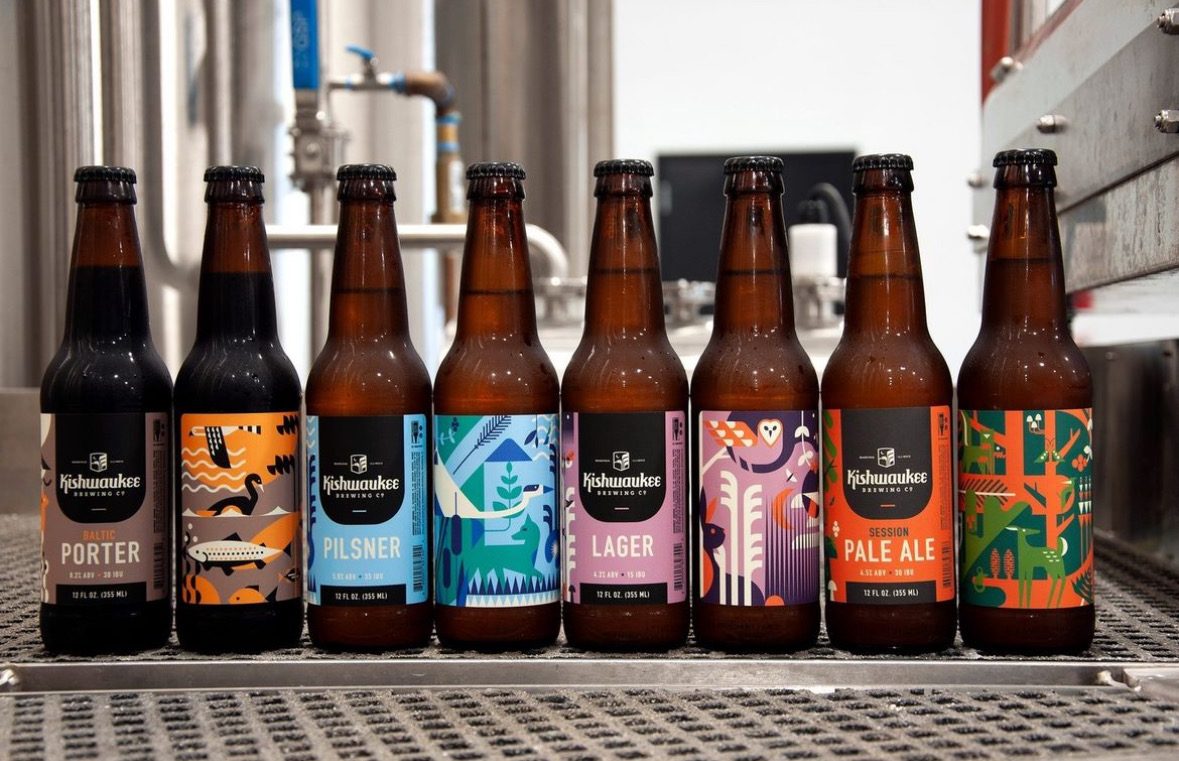
Beer Bottles with custom labels

BOPP Labels

Pros: BOPP (biaxially oriented polypropylene) labels are versatile, water-resistant, and oil-resistant. They perform exceptionally in refrigerated and wet conditions, making them ideal for beers stored in coolers or ice buckets.

Cons: Less eco-friendly compared to paper (but keep in mind, paper labels will have problems with moisture and durability).

Best applications: Standard production lines, large batches, breweries looking for consistent performance.

Finishing options: Compatible with lamination, UV varnish (a protective coating that adds gloss or matte texture), hot foil stamping (metallic accents pressed with heat), , screen printing, and spot UV (selective gloss coating to highlight areas).

Environmental factors: Performs well across cold storage, shipping friction, and handling. Resistant to moisture, abrasion, and temperature shifts. These labels won’t smudge or slide off when pulled from a cooler full of ice.

Shrink Sleeve Labels

Pros: Shrink sleeves offer 360-degree branding, meaning the label wraps entirely around the bottle, maximizing design space. They work perfectly for bottles with unique shapes and are highly durable and abrasion-resistant.

Cons: Higher upfront cost; you or your co-packer will need  to have specialized application equipment to apply the shrink sleeves to the container. Less environmentally friendly and more difficult to recycle compared to pressure-sensitive options unless you add a perforation and the consumer removes from the container prior to recycling

Best applications: Premium products, uniquely shaped bottles, full coverage branding.

Finishing options: UV varnishes, cold foil, screen printing, spot UV, tactile (sand) varnish. 

Environmental factors: Resistant to moisture and abrasion; heat sensitivity requires careful application control. Inner-printed sleeves are protected from scuffs during shipping and shelving.

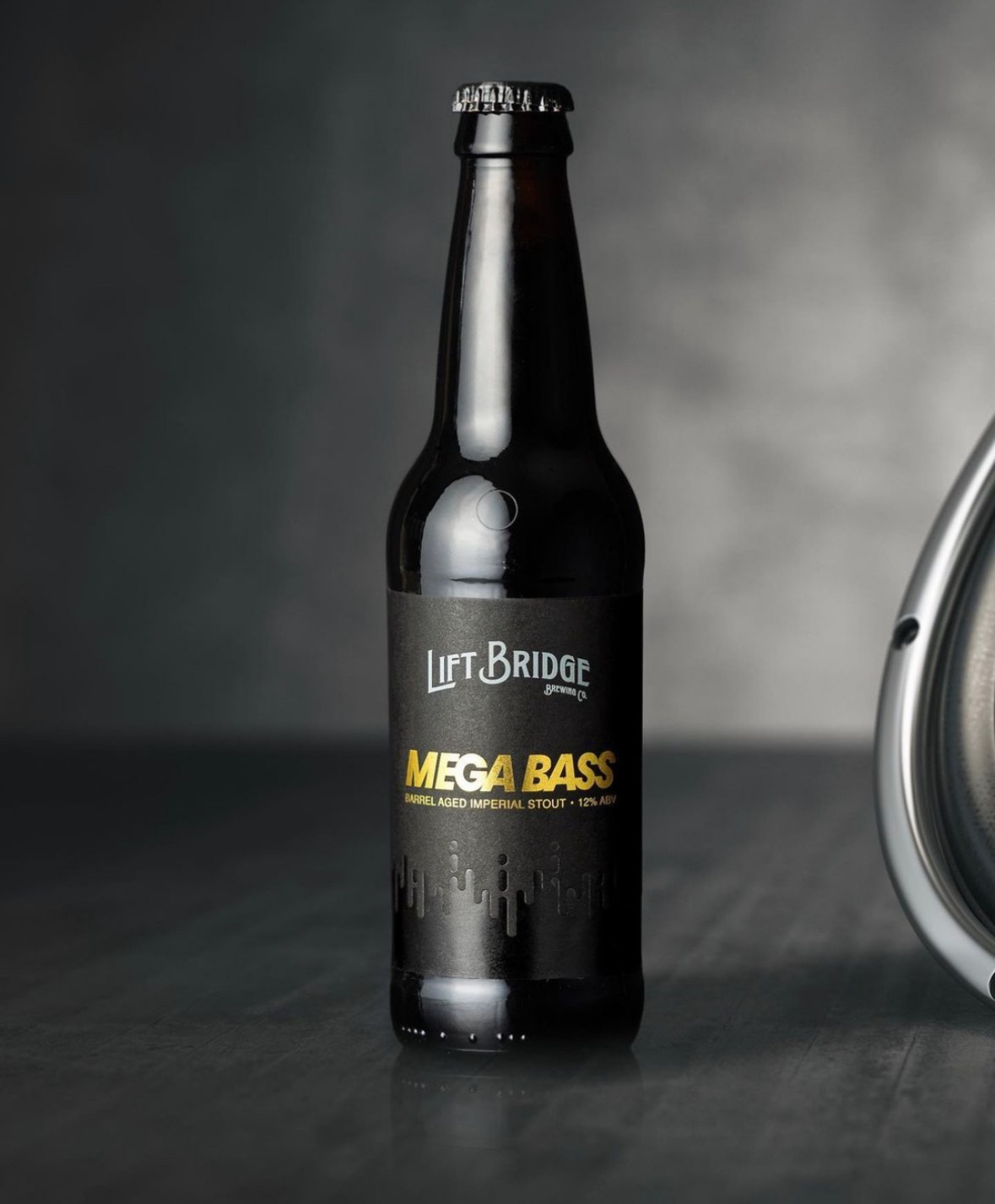
Beer stout bottle with custom label

Paper Labels

Pros: More extensive embellishment options and good for a rustic or artisanal brand look.

Cons: Vulnerable to moisture unless coated or laminated, which can increase cost. In refrigerated or damp environments, untreated paper labels may absorb water and wrinkle or peel.

Best applications: Small batch, premium artisan beers, or products stored in dry conditions.

Finishing options: Die cutting, lamination, UV varnish, hot foil stamping, embossing, screen printing, and spot UV.

Environmental factors: Must be protected from moisture; less suitable for refrigerated or wet environments unless heavily treated.

Vinyl Labels

Pros: Durable, moisture-resistant, excellent for outdoor exposure and long-term storage.

Cons: Higher cost than paper or BOPP; adhesive compatibility is an important factor. May not be the best fit for high-volume runs due to cost.

Best applications: Beers frequently exposed to outdoor environments or harsh storage conditions—think beer garden seasonals or special event releases.

Finishing options: Compatible with die cutting, lamination, UV varnish, hot foil stamping, embossing, screen printing, and spot UV.

Environmental factors: Excellent performance in moisture, cold storage, UV exposure, and abrasion conditions. Maintains label clarity and adhesion even after extended outdoor use.

Quick Comparison Table

Material Durability Moisture Resistance Cost Best Application
BOPP High High Low General-purpose labeling
Shrink Sleeve Very High Very High High Unique shapes, premium branding
Paper Low Low (unless treated) Moderate Dry environments, artisanal look
Vinyl High High High Outdoor, harsh conditions

Choosing your label material means considering your production scale, product storage conditions, and desired brand impact. Need help deciding which material suits your specific needs? Contact us or request a sample pack and we’ll guide you through it.

A Guide to Water Bottle Labels: Material, Application, and Print Quality

Selecting the right custom labels for water bottles is about finding the right mix of looks, durability, and functionality. The right label can turn a simple bottle of water into a brand that consumers buy again and again.

Don’t think branding and packaging matters for a product as simple as water? Well just ask Fiji, LifeWtr, or Liquid Death, whose products rise above the expectations for just a bottle of water.

In this guide, we’ll walk through three areas to consider when choosing your custom labels: materials, adhesion and application, and print quality. These elements form the foundation of successful water bottle labeling strategies.

Material Choices for Bottled Water Labels

Choosing a material for your water bottles isn’t as simple as other products. Water bottles endure a wide variety of environments, from the hot temperatures of shipping trucks to cold refrigerators and buckets of half-melted ice.

Let’s take a look at some of the most popular material options.

Vinyl

Known for its robustness, vinyl stands up to moisture and wear-and-tear like a champ. Ideal for bottles that will see outdoor use or frequent handling, it combines longevity with vibrant print quality. Here are some of the characteristics that make vinyl an ideal label material for water bottles:

  1. Durability: Vinyl is highly durable and resistant to damage like tears, scratches, and abrasions.
  2. Water Resistance: Vinyl is water-resistant, so the label won’t deteriorate or peel off when the bottle gets wet.
  3. Flexibility: Vinyl is flexible, which allows it to conform easily to different sizes and shapes of water bottles.
  4. UV Resistance: Vinyl labels can be treated to withstand exposure to sunlight without fading or discoloration.
  5. Print Quality: Vinyl provides a smooth and clear surface for printing, allowing for high-quality, vibrant, and precise graphics in your labels.
  6. Adhesive Quality: Vinyl labels can be coated with various types of adhesives (we’ll touch on this later).

BOPP (Biaxially-Oriented Polypropylene)

A powerhouse in resisting water and oil, BOPP (sometimes known as “waterproof film labels”) is perfect for water bottles that need to maintain their look under wet conditions. Its flexibility makes it suitable for various shapes and sizes of bottles.

BOPP has many of the same characteristics that vinyl, including moisture resistance, durability, print quality, and cost-effectiveness, though there are a few differences:

  1. Chemical Resistance: BOPP is resistant to a wide range of chemicals, which can be helpful if your water bottles may come in contact with oils, greases, or other substances.
  2. Temperature Resistance: BOPP performs well in different temperature ranges—for water bottles that might be stored in extreme temperatures, from freezers to hot cars, this can be an added benefit.
  3. Clarity and Gloss: BOPP films can be manufactured to be crystal clear or with a high-gloss finish.
  4. Recyclability: BOPP is a type of polypropylene, which is recyclable. This makes BOPP labels a more environmentally friendly option compared to some other plastics.
  5. Cost-Effectiveness: Vinyl is a cost-effective option for producing labels, making it a popular choice when balancing looks with budget considerations.

PET (Polyester)

For those seeking strength plus clarity, PET materials offer superior resistance against water and UV rays—ensuring your label stays sharp and doesn’t fade over time. Once again, you’ll see similarities between PET and both vinyl and BOPP, but there are some key differentiators:

  1. Dimensional Stability: PET maintains its dimensions and does not shrink or stretch once applied, helping maintain the quality and appearance of the label over time.
  2. Sustainability: PET is also recyclable, which can appeal to eco-conscious consumers.

Finishing Options

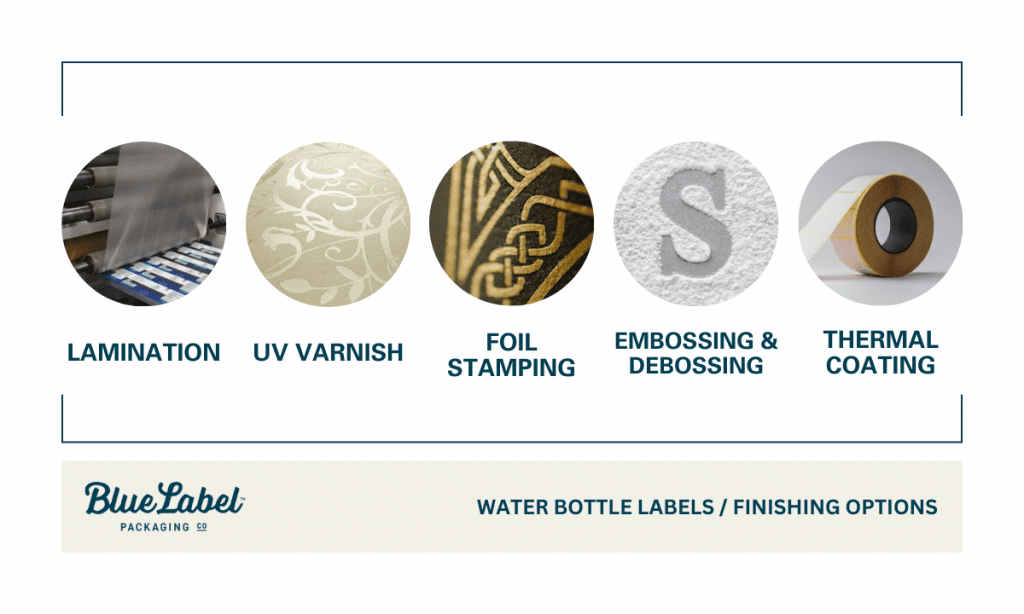
While the label material is one part of the equation in protecting against the elements, label finishing can add not only protection, but extra visual appeal. Here are some of the options:

  • Lamination: A clear plastic film is applied over the label, providing a protective layer and shielding the label from water, dirt, and UV rays. Lamination can come in gloss, matte, or satin finishes.
  • UV Varnish: A UV varnish is another way to protect the printed area of the label or sticker from fading and wear. It also adds glossiness to the label, bringing out the vibrancy of colors. UV varnish can also be applied to selected areas (spot UV) for adding emphasis and texture contrast on specific parts of the label.
  • Foil Stamping: This finishing process applies a metallic foil to the label to create a shiny effect. Foil stamping can be used for logos, brand names, or any elements where you want to catch the light and draw attention.
  • Embossing and Debossing: These techniques create raised (embossed) or recessed (debossed) images on the label. They add texture and physical feel to the label.
  • Thermal Coating: For labels that might be exposed to wide temperature ranges, a thermal protective coating can be applied to help resist the effects of high heat or freezing.

Water bottle label options

Application and Adhesion

Stickiness is not just about glue—it’s about labels staying put under various conditions. Here’s what you need to know to make sure your labels stay put under varying conditions:

Types of Adhesives

There are numerous adhesive choices for labels, but for water bottles, it boils down to finding an option that sticks well to plastic, metal, or glass surfaces. Each material interacts differently with adhesives:

  • For Plastic: Look for adhesives designed specifically for synthetic surfaces which can bond firmly without peeling.
  • For Metal: Opt for stronger glues capable of handling smooth, non-porous surfaces.
  • For Glass: Choose water-resistant label adhesives since condensation can be a common issue.

Facing the Elements

Temperature fluctuations and moisture exposure are two big challenges in maintaining adhesive effectiveness:

  • High heat can weaken some adhesives causing them to lose their grip. Acrylic adhesives are generally more resistant to temperature extremes, making them a better choice than rubber-based adhesives.
  • Constant exposure to water demands waterproof or at least highly water-resistant glue formulations. Once again, acrylic adhesives make for a better choice for moist environments compared to rubber-based adhesives.

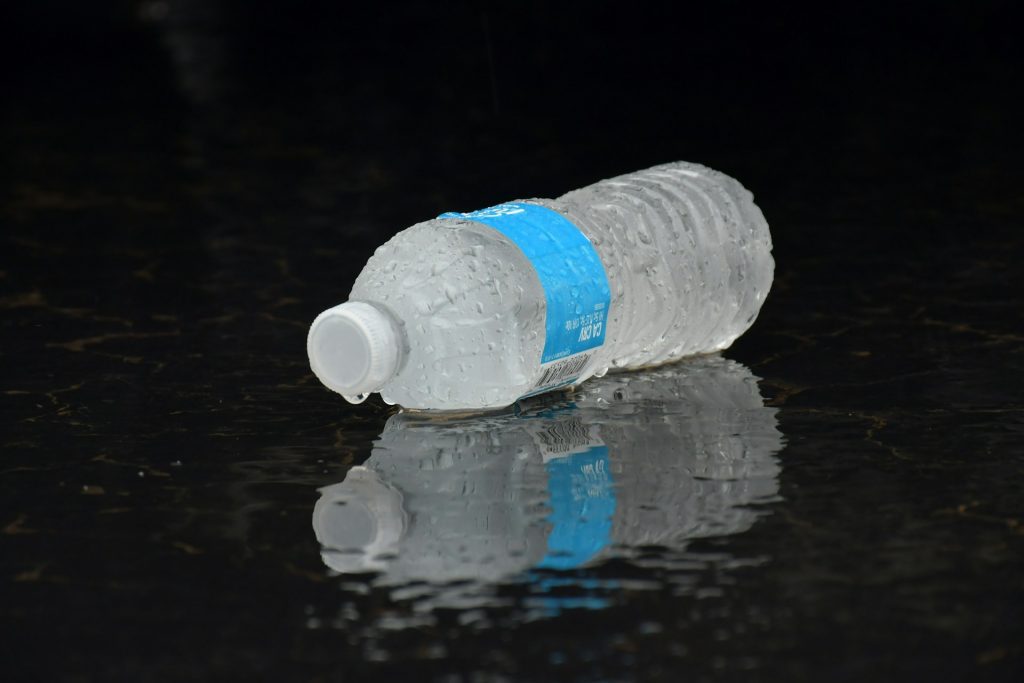
Water bottle label

Permanent Adhesives vs. Removable Adhesives

When choosing between permanent and removable adhesives, it’s important to think about the intended use of the water bottles.

Permanent adhesives offer a strong, lasting bond that is ideal for most water bottles intended for long-term use or exposure to wide temperature ranges, frequent handling, moisture, and temperature variations.

On the other hand, removable adhesives provide the flexibility to peel off labels without leaving residue, which may be better for promotional items, temporary labeling, or for consumers who prefer a label-free bottle after purchase. Removable adhesives are also ideal where the label needs to be removed cleanly, such as in reusable water bottles that might be repurposed or recycled.

Print Quality

Not everyone gets as excited about the details of printing as we do, so here are some tips to evaluate a label printer based on print capabilities and quality:

  1. Resolution: The resolution of a printer, measured in dots per inch (DPI), will determine how sharp and clear images and text appear. Higher DPI values produce finer detail, which is essential for labels with intricate designs or small text.
  2. Color Accuracy: The printer’s ability to accurately reproduce colors is important for maintaining brand consistency. At Blue Label, our HP presses can achieve accurate PANTONE emulations up to 97% using additional HP Indigo Electroinks (orange, violet, and green). 
  3. Print Speed: While not directly affecting label appearance, faster printers can handle larger batches of labels more efficiently.
  4. Ink Type: The type of ink used by the printer can impact both the quality and durability of the print. For water bottles, it’s important to use inks that are water-resistant and fade-resistant. UV inks and solvent inks are commonly used for their durability and color quality.
  5. Label Material Compatibility: The printer must be compatible with the specific materials used for your labels, such as vinyl, BOPP, or PET. Different materials may require different types of inks or printing technologies to achieve the best results.
  6. Finishing Capabilities: At Blue Label, we offer built-in finishing options like lamination, die-cutting for different label shapes, and foil stamping.
  7. Printer Technology: The type of technology used by the printer affects print quality and suitability for different label types. Blue Label uses digital printing, which offers the highest image quality, a wide range of colors, and the ability to print even small runs at a cost-effective price.
  8. Software and Integration: The software that accompanies the printer should offer color management tools that allow for precise control over the color of the labels.

Sustainability Considerations

Let’s face it, plastic water bottles are a significant contributor to global waste and pollution. A study in Science Advances reported that only 9% of all plastic ever produced has been recycled, with the rest accumulating in landfills or even the natural environment (including bodies of water).

While you can’t control what consumers ultimately do with your bottle water, you do have options for more eco-friendly and sustainable label options.

  • Sustainable Materials: Materials like BOPP or PET are known for their durability but also their recyclability. Beyond these options, there are label materials made from recycled content or even biodegradable.
  • Eco-Friendly Inks: Certain water-based and soy-based inks can be eco-friendly choices as they emit fewer VOCs compared to traditional inks.
  • Printing Technology: Digital printing technology is generally more eco-friendly than traditional printing methods because it requires less energy, wastes less ink, and eliminates the need for plates and chemicals common in conventional printing methods.
  • Removable Labels: Adhesives that allow for easy label removal make the recycling process much easier.

The Cost of Water Bottle Labels

Depending on your product, you may be looking at high-end labels with premium materials and advanced finishing techniques, or you may be considering cost-efficient materials that showcase your brand without fading or peeling.

Here are some factors to consider when evaluating the cost of custom water bottle labels:

  1. Material Selection: Opting for materials that offer a mix of durability and visual appeal at a reasonable price point can help reduce costs.
  2. Print Methods: Digital printing eliminates the need for expensive plates and setup costs, making it ideal for both short runs and larger production runs.
  3. Forecast Needs: Estimate your label requirements accurately to leverage quantity discounts without overstocking.

Get Started

Explore Blue Label Packaging’s label printing options and finishing techniques. Our experts will guide you in selecting the right label face stock, adhesive, and printing method to withstand moisture, temperature changes, and sun exposure. From durable vinyl to flexible film labels, we’ll guide you to the perfect label or sticker for the job.

What Is Biaxially Oriented Polypropylene (BOPP) and Why Is It Good For Product Labels?

Choosing a label for your packaging is a big deal. You need something that sticks out, but also sticks on. Enter biaxially oriented polypropylene, or BOPP for short.

It’s a to-go choice for several food and beverage, beauty, household, and even medical equipment brands. But is it the right choice for your products? Let’s walk through the benefits of BOPP, its applications, options, pricing, and customizability.

Understanding BOPP 

Considering how commonly it’s used, you’ve probably passed by BOPP labels a million times at the store. BOPP is a type of plastic film commonly used for product labels. In simple terms, it’s a durable, clear material that’s been stretched in two directions during manufacturing. This stretching process enhances its strength and clarity.

Benefits of Choosing BOPP Labels 

Ask a brand using BOPP for their product labels why they prefer it, and they’ll tell you it’s highly versatile. These are some of the benefits that make BOPP the perfect fit for product labels. 

BOPP is Durable 

Many packaging and labeling professionals consider BOPP to be one of the most durable label options available. It’s not susceptible to common problems affecting different labels like peeling, wrinkling, and lifting. Whether you use them on jars, bottles, or tubes, BOPP can last a long time. 

BOPP is Resistant to Moisture, UV Light, and Oil

Because BOPP labels are durable and made from plastic, they can resist most types of liquids. Something spills or splashes on your label?  It won’t smear the writing on the label if you’re using BOPP. 

Meanwhile, BOPP’s moisture and solvent resistant qualities make it a great choice for household products people keep in their bathrooms and kitchens. BOPP is also acid resistant, which makes it suitable for food and beverage product packaging. You won’t have to worry about products containing tomatoes, coffee, condiments, or citrus, which have a low pH content, degrading or discoloring your BOPP labels.

BOPP Labels are Ideal for Printing

The polymer film used for making BOPP labels accepts both water and solvent-based inks, giving you more options when choosing effects for your labels. Ink adheres well to BOPP because it goes through several treatment steps to improve its printability. The final treatment also improves the ink’s ability to stick to the label material.

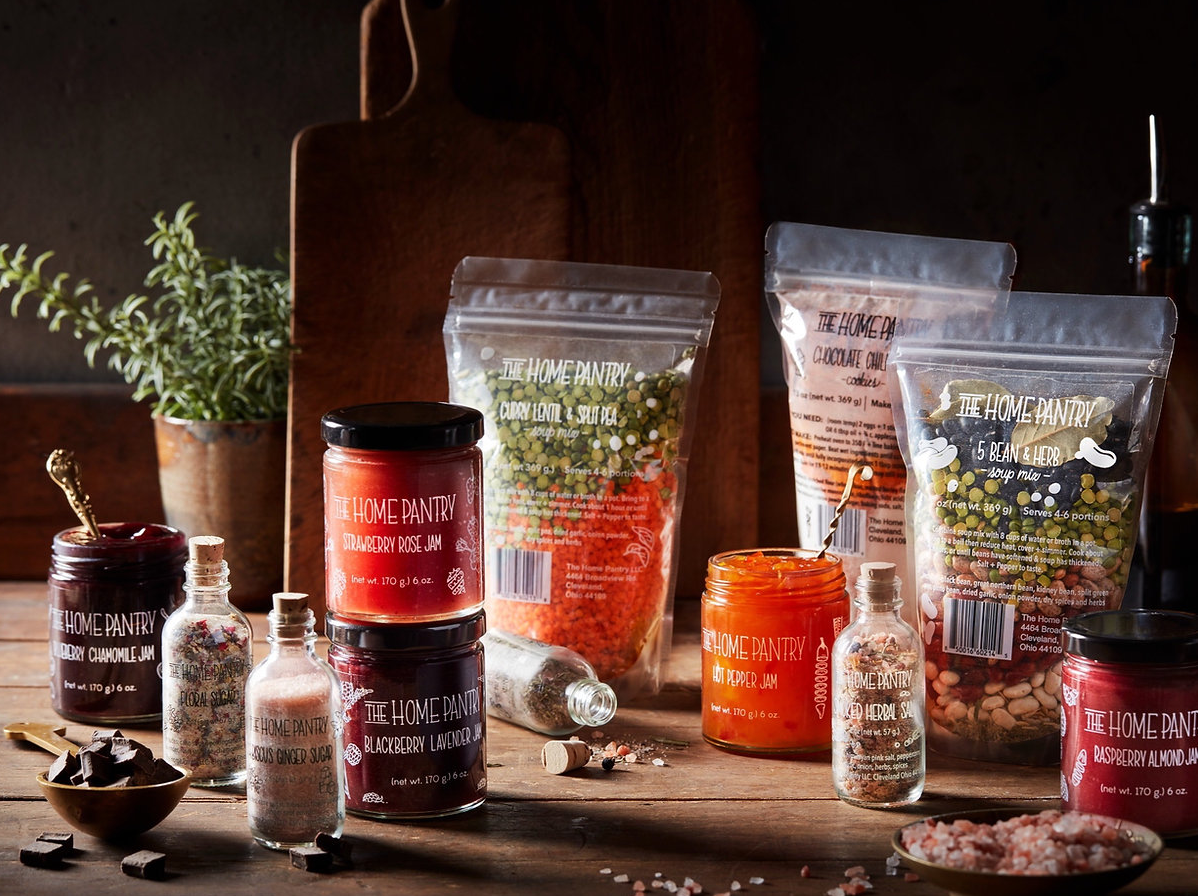
Sauces and seasoning products with custom labels and packaging

BOPP is Flexible 

Another interesting aspect of BOPP is its flexibility, which makes it easy to apply on rounded and flat surfaces with ease. And since it’s very thin, BOPP labels can look as though they’re directly printed onto their container. 

BOPP Applies to Glass, Plastic, and Metal 

BOPP is compatible with all types of packaging containers commonly used for consumer goods. From metal cans and glass jars to plastic containers, the right combination of BOPP film and adhesive is sure to stick. 

BOPP is Compatible with FDA Food Packaging Requirements 

Food labels made from BOPP film are FDA compliant as long as they mention the following: 

  • A statement of identity 
  • Net quantity of contents
  • List of ingredients 
  • Name of manufacturer, packer, or distributor.

BOPP labels designed and manufactured by companies like Blue Label Packaging meet FDA compliance standards for food packaging. 

BOPP is an Affordable Label Choice 

When it comes to cost, BOPP is more affordable than options like PET, while giving you the same level of durability and moisture resistance. While paper labels are cheaper to produce, they might not last as long, making BOPP a cost-efficient alternative. 

Different BOPP Label Options 

You don’t have to settle for a simple, generic label when you choose BOPP film. Here are some of your available BOPP label options: 

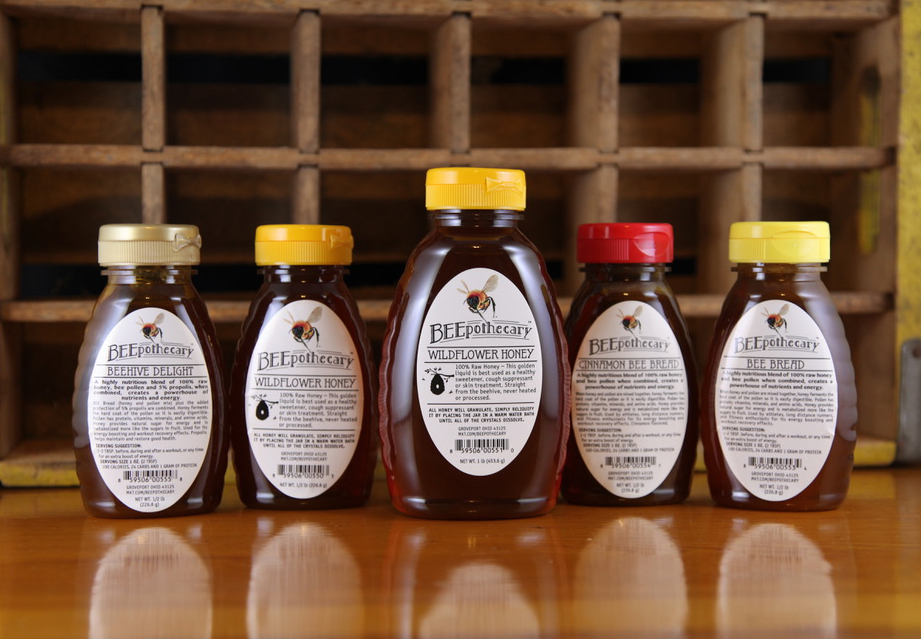
Pressure Sensitive Labels on honey jars

White BOPP Labels 

Though BOPP film labels come in different options, white is the most common choice. It’s used in the health and beauty, personal care, and cosmetic industries. You’ll also see white BOPP labels on food products by companies looking to make their branding stand out. 

Clear BOPP Labels 

Transparent BOPP labels can give your product a sleek, no-label look, and is often used on beverages, household products, specialty foods, and cosmetic products. It has the same moisture resistant qualities of white BOPP, except that it’s almost invisible. 

Wine bottles with custom pressure sensitive labels

Silver And Gold BOPP Labels 

For a more luxurious appearance, you can also choose silver or holographic BOPP product labels. These have the same capabilities as clear or white labels, but offer a metallic finish. 

Squeezable BOPP Labels

BOPP-squeezable labels are made for product containers that contort with handling, like shampoo, condiment, and lotion bottles. They give you the flexibility, moisture resistance, and durability needed for products that take on frequent handling. 

BOPP Label Applications

BOPP is a popular option for label materials—it offers impressive affordability and durability making it desirable for a wide range of products and industries.

Food And Beverage 

Numerous food and beverage companies use BOPP labels because it’s waterproof, looks great, and is easy to read. It’s durable against acidic foods that might typically leave labels smeared or stained. The flexibility and thinness of BOPP labels make them easy to apply to round surfaces of food and beverage containers. 

Health and Beauty

Packaging for health and beauty items like cosmetics require specific product information on the labels, so protecting against smudging, fading, and tearing is critical. These labels need to hold up in humid and damp environments. BOPP product labels are resistant to water from showers and sinks, oils that come off users’ hands, and the products inside them. 

Choose BOPP Labels for Durable and Attractive Product Labeling Solutions

To sum it up, BOPP film is a versatile solution to labeling your products, whether you operate in the food and beverage, cosmetic, or household goods industry. It’s resistant to moisture, comes in various finishes, and is compatible with glass, metal, and plastic containers. 

If you want to start printing BOPP film labels for your products, contact our team at Blue Label Packaging to request a quote.

Pick Your Protection: The Different Types of Label Lamination

A good label allows your products to make a great first introduction to potential customers. However, scuffs, scratches, and other forms of damage can mangle your message without protection.

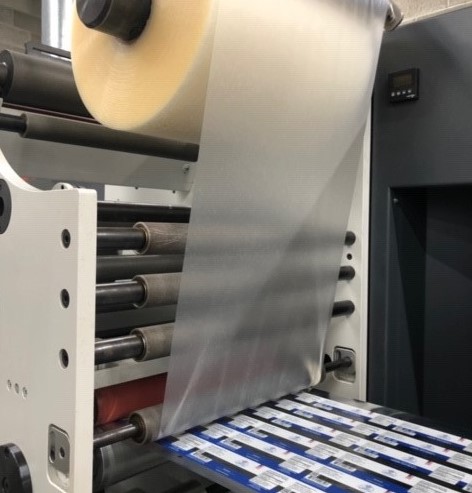
Label lamination allows you to add a protective film to the surface of your label. Once your label is printed, lamination serves as a second skin of sorts that shields your design from scratches and provides some waterproofing for your base material. However, these laminates can offer additional benefits depending on which type of lamination you use.

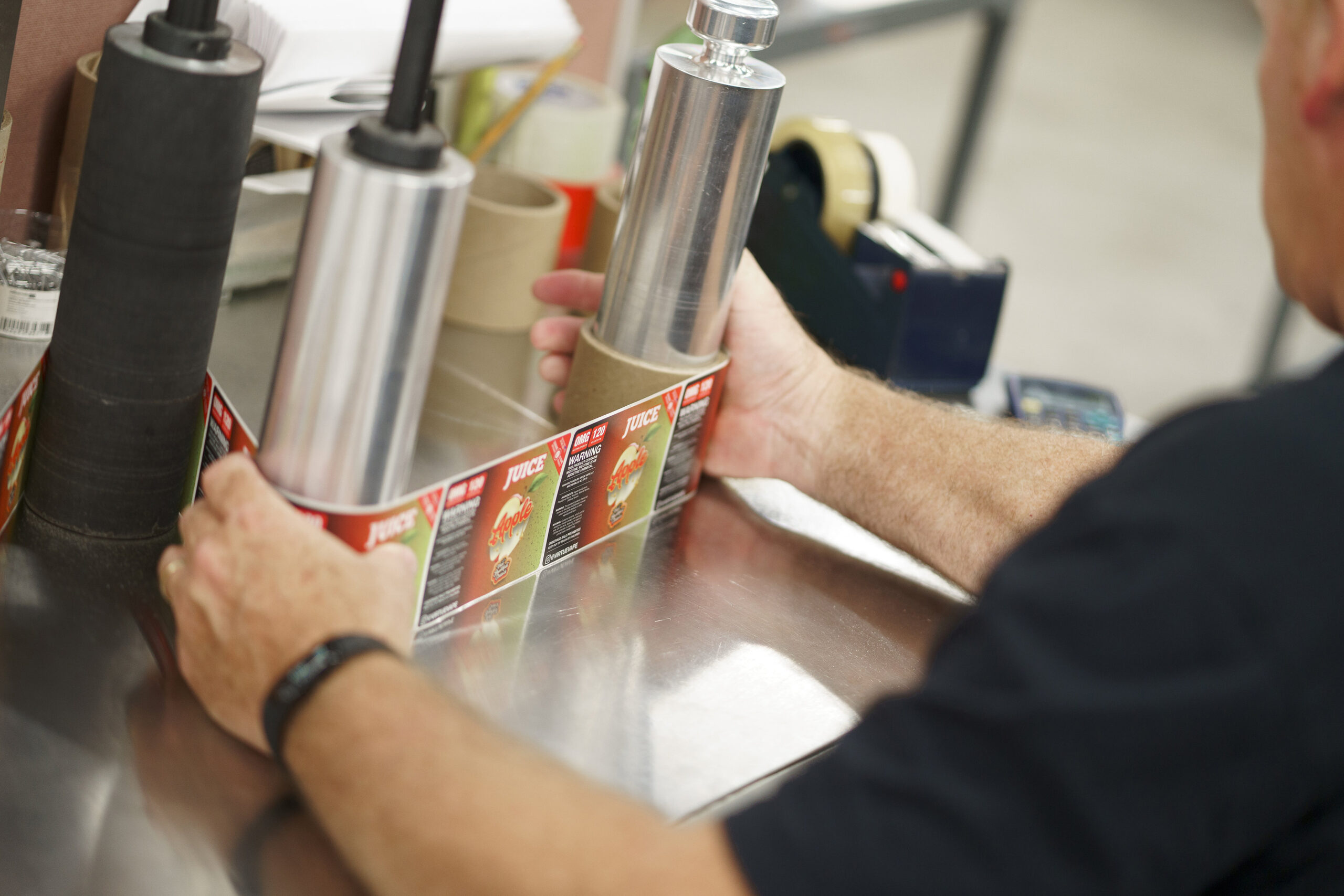
New labels going through the lamination process.

Breaking Down Each Type of Label Lamination

While laminates in general offer protective capabilities, certain types of lamination can add decorative effects to your label. This variety allows you to pick and choose different label laminates depending on your desired aesthetic. Other laminates can also change the feel of your label or provide certain capabilities not offered by other protection. In general, laminates are broken down into five types.

  • Gloss
  • Matte
  • Soft touch
  • Thermal transfer

Gloss

If you want your labels to shine, you’re going to like gloss laminates. These laminates reflect light off your label to add a smooth, glossy look that makes your design pop for passing customers.

Matte

If shiny isn’t your thing, a matte laminate creates a more subtle appearance for your labels. A matte finish dulls down your label surface so that it doesn’t shine much at all – but this means your label will be far from dull. These laminates can create a soft, subtle look that allows certain elements and colors appear deeper and brighter in contrast to the matte finish.

Soft touch

While matte finishes can make your labels look soft to the touch, other laminates can create a velvet-like, matte finish. Soft touch laminates add a tactile quality to your labels that consumers can feel. Research shows that the feel of a product can help sway buyers, which means that soft touch laminates can be a difference maker if you want that velvety aesthetic.

Thermal transfer

Unlike other types of laminates, thermal transfer finishes are chosen more for what you plan to print on your labels in the future. These laminates allow you to use thermal printers to print on top of your labels whereas other lamination may prevent the ink from sticking. For example, a deli with a branded label may want to print the weight and price for each order on its labels. Thermal transfer laminates allow these types of businesses to do so, all while adding a gloss, matte, or some other type of look to their labels.

Benefits of Laminated Labels 

Durability

A key benefit of choosing laminated labels is that they improve the durability of your product labels. Lamination protects the label so it remains legible and intact over time. While regular labels can tear or fade with long-term use, laminated labels offer an extra level of protection. 

Moisture Resistance 

The lamination on labels can resist exposure to water and chemicals, making them well-suited to products in humid or wet environments. For example, shampoo or lotion bottles that are kept in the bathroom. 

UV Resistance 

Applying a laminate over your labels can keep them from fading due to sunlight. Since sunlight has UV rays that lead to discoloration, laminated labels are great for outdoor use. 

Chemical Resistance 

Laminating your labels can protect them from exposure to cleaning agents, harsh chemicals, and oils. These substances are commonly associated with breaking down labels.

Materials That Laminated Labels Are Compatible With

Laminated labels are highly versatile, making them compatible with a wide range of materials. They adhere well to the following materials: 

  • Paper: It’s a standard label material used for indoor applications. Laminating paper labels improves their durability and makes them resistant to moisture, tearing, and smudges.
  • Vinyl: It’s a common material used for making durable, moisture-resistant, and flexible labels. Laminates adhere well to vinyl labels, especially in outdoor applications. 
  • PET and Polypropylene: These are commonly-used plastic label materials that are used for their durability and moisture-resistance abilities. Laminates pair well with PET and increase the lifespan of polypropylene. 
  • Metal: Laminates adhere well to foils and other metallic materials for a premium, shiny look. They preserve the material’s metallic sheen while improving protection. 

Though laminated labels are versatile, the label’s surface texture can affect how well a laminate adheres to it. Laminates adhere well to smooth surfaces, while textured materials may need special adhesives.

To know more about whether your labels are compatible with lamination, get in touch with our labeling experts. 

Combining Lamination With Other Customization 

You don’t have to limit yourself to laminating your product labels. You can combine it with other customization techniques for a layered and distinct appearance. Here are a few examples: 

  • Foil stamping applies a thin layer of metallic foil to specific areas of the label. Lamination can protect the label while contrasting with the foil’s metallic shine. 
  • Spot UV finish adds a thick coating to specific areas of the label to create a tactile contrast with the surrounding surface. It provides an engaging user experience that makes a positive impression on customers. 
  • Embossing (raising parts of the label) and debossing (pressing parts of the label) also give your label a 3D effect. Adding a laminate helps protect the surface without compromising the tactile effect. 

Other than these, you can also combine it with die-cutting, holographic effects, and textured finishes. 

Invest in the Right Protective Film for Your Labels

Product labels come in so many different styles. No matter which aesthetic you prefer, it’s important to protect your label design from harm. To do so, you’ll need to figure out which form of protective film is best for your needs, whether it’s a laminate or some other option.

Label laminates typically adhere to film material better than paper, while varnishes conform to the nooks and crannies that can be found in paper materials. You can also add a varnish on top of a label laminate to really make certain design elements pop. There are so many possibilities to amp up your design and protect your label that it can be a bit overwhelming without some guidance.

Fortunately, a good lamination packaging company can help you weigh your options. At Blue Label, we work with you to identify the right details for your design, including label material selection and protection. Contact us today to invest in the right labels for your business.

Pros and Cons of Different Types of Label Materials

Choosing the right label material can be the difference between a sharp, eye-catching label and one that just doesn’t cut it in real-world conditions. We know you need labels that not only look fantastic but also stick to your products, handle tough environmental challenges, and fit within your budget.

In this guide, we’ve combined our hands-on experience with industry research to help you make a smart, informed decision.


Image of paper product labels.

Quick Comparative Overview

Before we dive into the details, here’s a side‐by‐side snapshot of key performance metrics for the two main label facestocks—paper and film.

Facestocks are basically the top, visible layer of your label that gives it its look and durability. This table gives you a quick reference based on standardized test data and recent industry studies.

Metric Paper Facestocks Film Facestocks
Adhesion Retention Can lose ~30% stickiness over 6 months when exposed to a lot of moisture and sunlight Retains over 95% adhesion even with extended outdoor use
Durability Prone to wrinkling, tearing, and water damage—even with wet-strength treatments Shows robust resistance to water, UV, heat, chemicals, and abrasion, based on standardized tests (Packaging Strategies, 2023)
Cost Lower upfront cost; potential higher long-term replacement costs in harsh environments Higher upfront cost; may yield long-term savings due to fewer replacements, as seen in case studies (Packaging Strategies, 2023)
Customization Versatile with several finishes (semigloss, gloss, textured, etc.) Offers opacity adjustments, various finishes, and high print quality, according to industry data (Label & Narrow Web, 2022)
Sustainability Options available (e.g., recycled paper); limited lifecycle data available Increasing eco-friendly innovations, with some materials meeting eco-certifications like the EU Ecolabel and U.S. Green Seal (Smithers Pira, 2022)

Understanding Label Facestocks: Paper vs. Film

Paper Facestocks

Paper labels are versatile and come in several varieties:

  • Semigloss
  • Gloss
  • Textured
  • Linen
  • Felt
  • Estate
  • Metalized

Paper labels are usually less expensive than film, which makes them a good option if your product doesn’t face conditions like exposure to moisture or sunlight. Some paper stocks—like textured or matte-coated papers for wine labels—might cost a bit more, but they’re often chosen for premium products like fine wines or craft spirits.

  • Performance Considerations: While paper labels look sophisticated, they’re a bit more delicate. Paper isn’t waterproof—even wet-strength paper (paper that’s been treated to resist water) will eventually absorb moisture. Plus, paper labels can wrinkle or tear if not handled carefully. One way to counter these issues is by opting for thicker paper stocks or adding an overlaminate—a protective coating that boosts durability and moisture resistance.
  • Durability: Standard paper labels can lose about 30% of their stickiness over six months when exposed to moisture and sunlight, as shown in independent tests from Label & Narrow Web. (Results may vary based on your environment.)
  • Cost: If you’re working indoors, the upfront savings with paper labels are attractive. But in high-humidity or outdoor settings, the costs for replacements—or even product recalls—might add up, cutting into those savings. A case study from Packaging Strategies even found that switching to more durable materials could reduce total packaging costs by up to 25%. (Keep in mind, your results might vary.)

Film Facestocks

When your products need to stand up to tougher conditions, film facestocks might be the way to go. With film labels, you get:

  • Strong resistance to water and moisture
  • Excellent UV light stability
  • Heat resistance
  • Chemical resistance
  • Abrasion resistance

Another perk of film is that you can tweak its opacity. Whether you need completely opaque labels to protect sensitive products or a clear cover for that “no label look,” there’s a film option for you. Digital label printers typically offer several types of film, including:

  • Polypropylenes (BOPP): This sturdy film can be clear, white, or metalized—ideal for beverages, specialty foods, and other high-end labels.
  • Polyester (PET): Known for its durability, PET labels excel in outdoor settings, handling extreme temperatures, UV light, and chemicals. They come in clear, white, or vinyl finishes.
  • Polyolefin: Soft and flexible, this film is perfect for beauty products or flexible packaging where the label must stay legible even when the product is squeezed.

For clarity, here’s a quick rundown:

  • BOPP: Great for general-purpose applications with a focus on visual appeal.
  • PET: Best suited for harsh outdoor or industrial settings.
  • Polyolefin: Perfect when you need a flexible label that stays readable.

As we mentioned in the table above, film labels typically maintain over 95% adhesion even after extended outdoor use—lasting roughly 30% longer than standard paper labels. These results come from standardized tests reported by Packaging Strategies.

Film labels do have a higher upfront cost, but various studies show they can save you money in the long run by reducing the need for frequent replacements. Just keep in mind that the actual savings will depend on your specific application.

Image of a film facestock label.

Sustainability and Environmental Impact

Sustainability isn’t just a trendy term—it’s a real consideration when choosing your label material. Here’s what recent research shows:

  • Lifecycle Assessments & Certifications:
    More than 80% of manufacturers are now opting for eco-friendly materials (that will depend on industry, of course). We’re seeing a big push toward recycled paper facestocks and biodegradable films that meet certifications like the EU Ecolabel and U.S. Green Seal (Smithers Pira).
  • Carbon Footprint & Eco-Innovations:
    A recent whitepaper from Smithers Pira highlights that eco-friendly labels are experiencing double-digit growth. Adding lifecycle assessments and carbon footprint data into your evaluation can give you a clearer picture of long-term environmental impacts.

Application-Specific Recommendations

Every product and environment is different, so here’s some advice to help you choose the best material for your unique needs:

  • For High-Humidity or Outdoor Environments: Go with film facestocks paired with adhesives engineered for plastics and metals. This combo helps your labels stay stuck and look good over time.
  • For Premium Consumer Goods: High-gloss or metalized film options can enhance your brand’s appeal on the shelf.
  • For Indoor or Controlled Environments: Paper labels might do the trick if budget is your main concern—just be sure to choose thicker stocks or add an overlaminate to guard against unexpected moisture.
  • For Products Requiring Rapid Turnaround: If you need quick reprints or frequent updates, both paper and film offer flexibility. Pick the one that best matches your product’s needs.

While film labels often come out ahead in terms of durability, we also recognize that in some controlled indoor settings, paper is still a practical choice.

Labels being printed on a digital printing press

Quick Checklist for Choosing Your Label Material

Here’s a handy checklist to get you started:

  • Evaluate Environmental Challenges: What temperature ranges, humidity levels, and UV exposures does your product face?
  • Compare Performance Metrics: Look at adhesion strength, durability, and longevity—check out standardized test data if you can.
  • Analyze Cost vs. ROI: Weigh upfront costs against long-term savings from fewer replacements or less maintenance.
  • Match to Substrate: Substrate means the surface your label sticks to (like glass, metal, or plastic). Make sure your chosen material works well with it.
  • Check Sustainability Standards: Does the material meet eco-certifications like the EU Ecolabel or U.S. Green Seal?

Get the Right Materials for Your Labels

We know choosing the right packaging material can feel overwhelming. At Blue Label, we offer both paper and film labels and work side-by-side with you to find the best match for your needs and budget.

Contact us today to learn more about your material options, request a quote, or get a free sample pack.

What You Need to Know About Label Adhesives

The most important part of a label is what is underneath it, the adhesive. Underrated and often forgotten, beverage label adhesives will absolutely make or break your label. Dramatic? Maybe. Wrong? No way. We want to make sure you know exactly what you’re getting into when it comes to customizing your beverage label, and that begins with the all-too-essential sticky stuff.

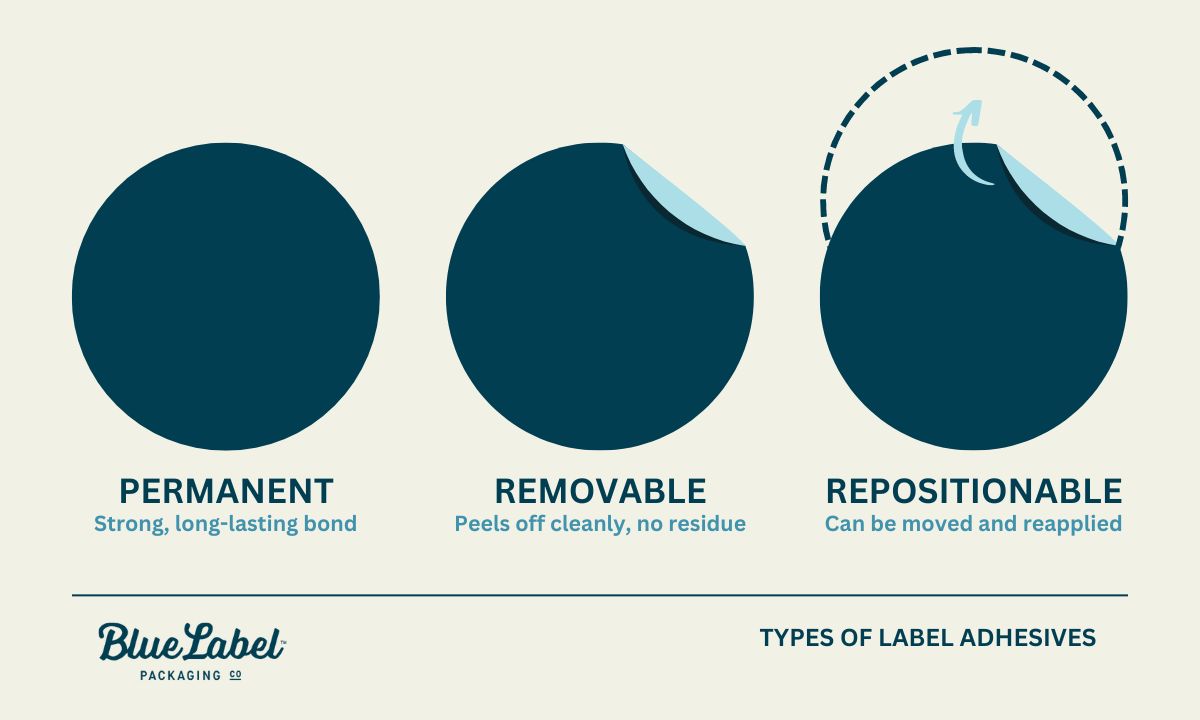
Comparing label adhesives—permanent, removable, repositionable

There are many types of label adhesives

The first step to nailing down the perfect adhesive is deciding what you will need it to do. You can choose between a permanent, removable or repositionable label adhesive.

Permanent Label Adhesives

Permanent label adhesives are fairly self explanatory. These guys have tattoo status: they can be removed but not without a fight and a little bit of damage. Permanent label adhesives are usually the most cost-efficient and create the strongest bond between label and product. These are a great option if you need your beverage label to withstand any and every condition.

Removeable Adhesives

Next up: removable adhesives, who rock more of a temporary tattoo status. They can be removed without causing harm, but are definitely susceptible to temperature and humidity, so they’re not the best idea for beverages or bottles that will encounter condensation or be stored in extreme cold or heat.

Repositionable Adhesives

Finally, repositionable adhesives are in a class of their own. While they do what their name suggests, and allow you to remove and reapply without leaving a residue, after a certain amount of time, they acquire a level of permanence more on par with our permanent label adhesives.

What are these labels good for? If you’re applying your custom beverage labels manually, repositionable adhesives allow you to correct human error as long as it’s within the allotted amount of time; before permanent adhesion. (That’s right, no more crooked labels!)

In order to make sure these adhesives do their job it is very important that you consider all of the environments that your labels will be exposed to throughout their life.

  • Where will they be stored prior to application? This is important because low temperatures and high humidity can affect adhesive performance (if you are storing them in a warehouse that isn’t climate controlled, for instance).
  • What is the environment at the point of application—high speed bottling line, semi automatic, or by hand?
  • Are the bottles being filled with a hot or cold liquid? This can affect the bond the label makes with the container.
  • Is there heavy condensation or overspill where the label is being applied?
  • How is your product going to be stored after it is labeled? On a store shelf, in a freezer, an ice bucket, in a shower, outside in the UV rays for an extended period of time, in an industrial atmosphere with various solvents and chemicals?

All of these questions factor into selecting the perfect adhesive for your project.

Label adhesives are either acrylic or rubber-based

Narrowing down the sea of options for you is the chemistry of your label adhesive.

Acrylic Adhesives

Acrylic adhesives are synthetic and are created to stick to a wide spectrum of surfaces, including glass and metal. These adhesives are great for surfaces that will encounter wet, rigid and/or uncertain conditions, as they hold up well under a myriad of circumstances.

Rubber-based Adhesives

Rubber-based adhesives are a little less versatile. They are the most cost-effective of the two options, but if your product label encounters humidity or extreme temperatures, this adhesive will break down over time.

Label adhesives perform in three ways

Regardless of the type of label adhesive you choose, whether its acrylic or rubber-based, all options have to answer to the three following factors:

  1. Tack: the stickiness to the container without any outside help.
  2. Adhesion: the strength of the bond after help from external pressure.
  3. Shear: the label’s staying power, in essence, as expressed through time.

Hey, you wouldn’t buy a diamond without checking out the cut, color and clarity, would you? To test the level of adhesion, tools like a loop tack tester or peel tester can be used.

A loop tack tester measures the adhesive’s initial “stickiness” by applying the label and gauging the force required to remove it instantly.

A peel tester, on the other hand, measures how much force is needed to peel the label off after it has adhered over time.

PS Range in label adhesives

As you investigate various label adhesives, you might come across the term “PS Range,” or pressure-sensitive range. PS range adhesives stick with just a little pressure—no heat or water needed. It’s used for the different types of labels we’ve introduced in this post, like permanent, removable, and repositionable.

Label adhesion to different containers and packaging

Label adhesives perform differently depending on the surface material and the conditions of the container or packaging. For example, adhesion on glass is typically strong, but labels may struggle on rough surfaces, cold surfaces, or uneven surfaces.

To assist with long-term adhesion, it’s important to match the adhesive to the specific container material. Here are some key considerations:

• Adhesion on surfaces like glass is usually reliable.

Rough surfaces may require stronger adhesives.

Cold surfaces can affect the adhesive’s ability to bond.

Uneven surfaces may need more flexible adhesives for proper adhesion.

We do custom label adhesives right

The authority in knowledge and execution, Blue Label Packaging Company will make sure your custom beverage labels are perfect. That means the highest quality labels, turned around quicker than you’d believe, at the most cost effective option for your brand.  Oh, and we don’t stop until you’re satisfied. Guaranteed. Call us or shoot us an email. Let’s grab a beer and talk labels.

Comparing Label Materials: BOPP vs. Vinyl for Your Product Packaging

So you’re on the hunt for the perfect label material for your product’s packaging. You’ve probably seen Biaxially Oriented Polypropylene (BOPP) and vinyl as popular contenders. These two materials are some of the most commonly used facestocks (the material that holds ink on one side and adhesive on the other) for a good reason, but which one is right for you?

You might be wondering about their durability — who doesn’t want a label that lasts? And what about waterproof capabilities? No one wants a soggy label. Does the print quality make a difference between the two? And let’s not forget the cost. Balancing quality and affordability can help you protect your bottom line while ensuring your labels are up to standard.

Let’s look at the key considerations that typically arise in the decision-making process about label materials. Use this guide to make an informed choice that aligns with your brand and operational demands.

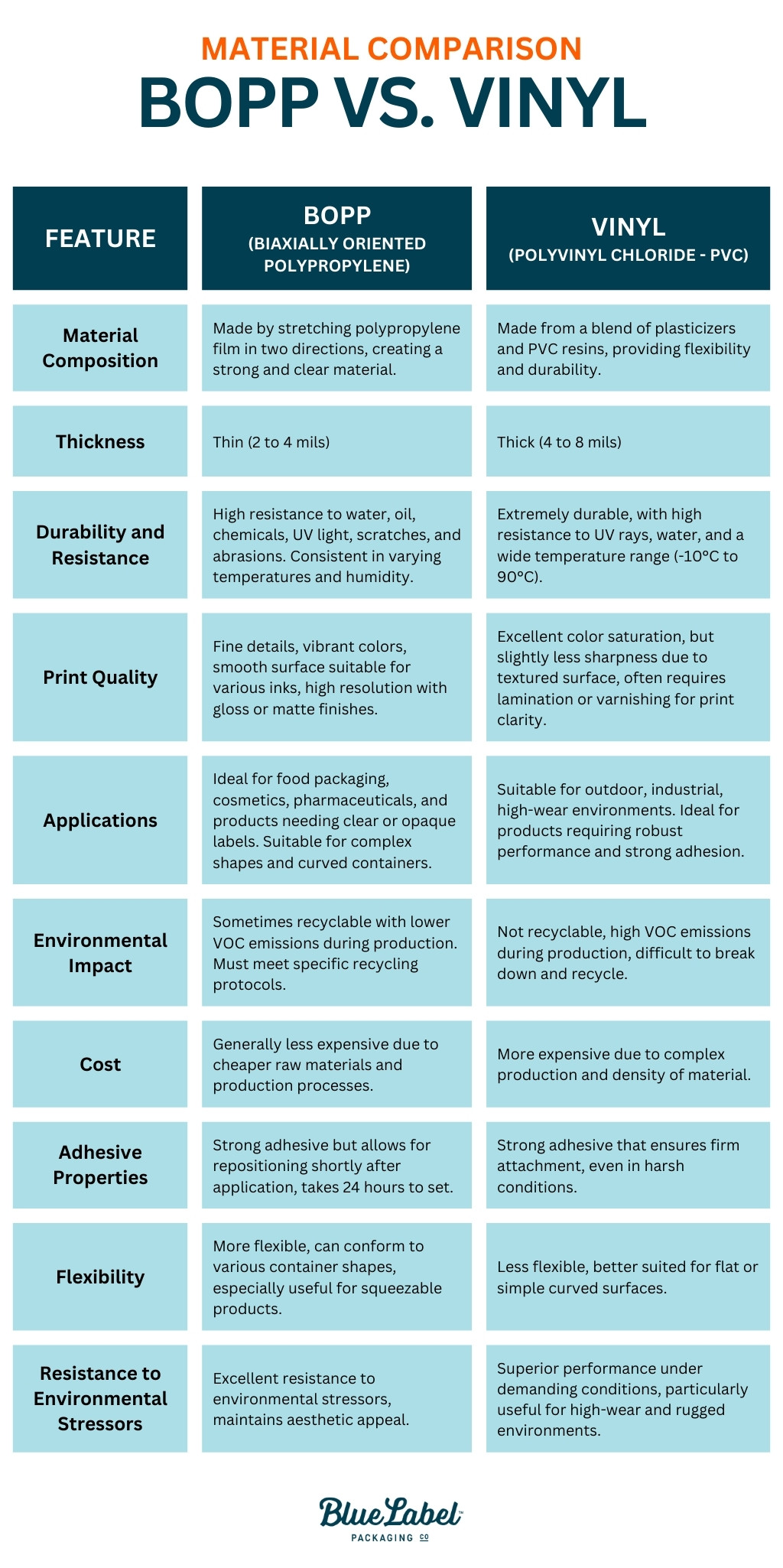
BOPP vs. Vinyl - A comparison table for label materials for product labels

Material Properties and Composition

BOPP: Biaxially Oriented Polypropylene

BOPP, or Biaxially Oriented Polypropylene, is a special type of material created by stretching polypropylene film in two directions. This process makes it incredibly strong and clear. Think of it like pulling plastic wrap both ways until it’s tough to tear. This process results in a durable, lightweight material with excellent moisture barrier properties.

Vinyl: Polyvinyl Chloride (PVC)

Vinyl labels are crafted from polyvinyl chloride (PVC), a robust and versatile material. The process starts by forming the vinyl using a blend of plasticizers and PVC resins, which are heated and rolled to achieve the right thickness and smoothness. The plasticizers provide flexibility, and stabilizers enhance durability.

A protective coating may increase resistance to scratches and environmental factors. Vinyl labels are also known for their strong adhesive backing, which ensures they stay firmly attached to surfaces regardless of exposure to various elements.

Durability and Resistance

BOPP: Thin and Flexible

BOPP labels are thinner than vinyl labels, at around 2 to 4 mils thick, but don’t let their slim profile fool you — they’re built tough! These labels can handle changing environments without fading, degrading, or peeling. Whether they’re exposed to water, oil, chemicals, or even harsh UV light, the printed graphics and text stay crisp and clear.

BOPP labels are also exceptional at resisting scratches and abrasions. They perform consistently well in storage environments where temperatures and humidity levels can vary, making them a reliable choice for keeping important information visible and intact.

Vinyl: Thick and Rigid

Vinyl labels are impressively robust, clocking in at a standard thickness between 4 to 8 mils. They are specifically crafted to hold up in outdoor and high-wear settings, making them a fantastic choice for a durable label material.

Vinyl labels are known for their ability to stay put even when the temperature shifts dramatically. Withstanding temperatures ranging from a chilly -10°C to a scorching 90°C, these labels ensure your important markings remain firmly in place no matter their conditions. Looking for a highly moisture-resistant label? They also have excellent resistance to UV rays and water.

Print Quality

BOPP: Fine Details

BOPP labels can achieve more vibrant and precise color reproductions than other material types thanks to their smooth surface that prints beautifully with a variety of inks, including aqueous, UV-cured, and even thermal transfer inks. BOPP stands out for its ability to provide fine detail and a broad color gamut with gloss or matte finishes, each giving a unique aesthetic.

Vinyl: Excellent Color Saturation

Both vinyl and BOPP can have similar print quality. Vinyl’s slightly textured surface can sometimes result in less sharpness and precision in printed graphics and text. This texture also means that white vinyl labels can handle a variety of inks, including more eco-friendly options, to achieve vibrant color reproduction.

Vinyl labels often require specific finishing techniques, such as lamination or varnishing, to boost their durability and maintain print clarity. Though robust and versatile, vinyl labels may not deliver the ultra-fine detail BOPP labels can provide. Consequently, while vinyl is an excellent choice for many applications, it might not match the aesthetic refinement offered by BOPP materials, particularly for designs demanding high resolution.

Applications

BOPP: Food Packaging, Cosmetics, Pharmaceuticals; Clear and Opaque Applications

When it comes to BOPP label applications, it’s easy to see why they are the go-to choice for achieving an “invisible” look with high gloss and impressive transparency. BOPP’s flexibility allows it to conform to a wider range of container shapes, making it perfect for small or curved packages where vinyl might struggle. This adaptability is particularly crucial for complex-shaped containers or squeezable products, where a non-rigid, clear BOPP label can create the illusion that the graphics are printed directly on the container.

BOPP labels can be shifted if needed shortly after applying and usually take 24 hours to set completely.

Their resistance to such stressors ensures that the labels remain intact and maintain their aesthetic appeal, providing both functional and visual benefits. This makes BOPP labels suitable for products in the food, beverage, and industrial sectors, where exposure to environmental stressors is common.

Vinyl: Outdoor, Industrial, High Wear Environments

Vinyl labels’ exceptional durability means you can use them indoors and outdoors, making them ideal for a multitude of applications requiring robust performance in either or both settings.

Their tough nature and strong adhesive properties make them particularly useful for labeling high-wear, high-moisture, and high-UV-exposure consumer or industrial products. Thanks to their superior performance under demanding conditions and stronger adhesive backing, vinyl labels are often preferred over BOPP labels for products that experience more rugged environments. This thickness of vinyl labels also makes them popular die-cut stickers.

Environmental Impact

BOPP: Sometimes Recyclable, Low VOCs

Unlike paper or cellulose-based labels, BOPP materials are not biodegradable. Yes, some BOPP labels are recyclable. They must meet the Association of Plastic Recyclers (APR) Critical Guidance Protocol for high-density polyethylene (HDPE) recycling, which can be processed alongside other plastic materials at recycling facilities. In the past, the label needed to be separated from the container; this certification verifies that labels that remain won’t affect the recycling process.

Compared to vinyl labels, BOPP labels often have a lower environmental impact during production. The vinyl manufacturing process and adhesives typically release higher levels of volatile organic compounds (VOCs), which can contribute to air pollution.

Vinyl: Not Recyclable, High VOCs

The production and adhesives of vinyl labels release volatile organic compounds (VOCs), which can contribute to air pollution. This is a significant disadvantage compared to BOPP labels, which generally have a lower VOC emission profile.

Vinyl labels also face challenges when it comes to end-of-life disposal. Built tough and often layered with finishes that cannot be separated, they typically have a more difficult time breaking down and cannot be recycled in regular waste streams. The recycling process for vinyl is complex and not widely available, making it challenging to mitigate its environmental footprint through recycling alone.

Cost

BOPP: Less Expensive

Generally, BOPP labels tend to be more cost-effective than vinyl labels. This cost efficiency stems from several factors, including the raw materials used, the thickness of the material, and the manufacturing process. BOPP labels are produced using polypropylene, which is typically cheaper and more abundant than the PVC used in vinyl labels.

Vinyl: More Expensive

Conversely, vinyl labels, with their more complex production and density of material, typically incur a higher cost than BOPP. This cost discrepancy makes BOPP labels an attractive option for businesses looking to balance performance with budget considerations.

Let Blue Label Packaging Help You Decide

We know you don’t get a second first impression. A high-quality label on the outside is as important as the product on the inside. Let Blue Label Packaging help your product succeed with customized label solutions. Contact us today!

How to Choose a Craft Beer Label Printing Company in 2024

Finding the perfect labels for your craft beer can be challenging. With so many printing companies to choose from, it can be difficult to identify one that truly understands your unique durability, design, and customization needs. We’ve worked with thousands of breweries and craft beer makers in your position.

Don’t sweat it. This guide is packed with tips to help you identify a printing partner who gets your brand and makes your beer stand out.

We’re covering the essentials: understanding materials and techniques, how to weigh costs, figuring out order sizes, and making sure your labels stay compliant. Plus, you’ll get a cheat sheet of questions to ask printers, making your decision-making process a whole lot smoother.
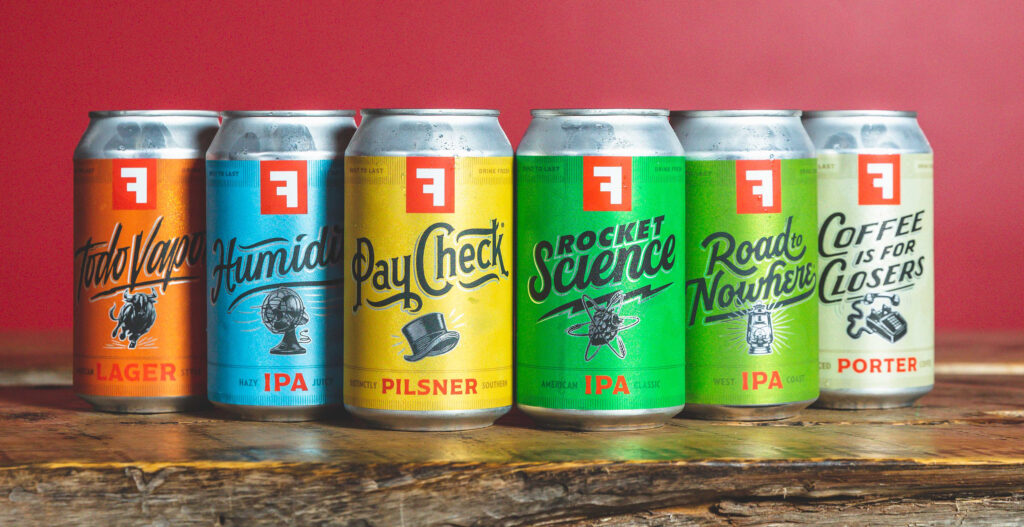
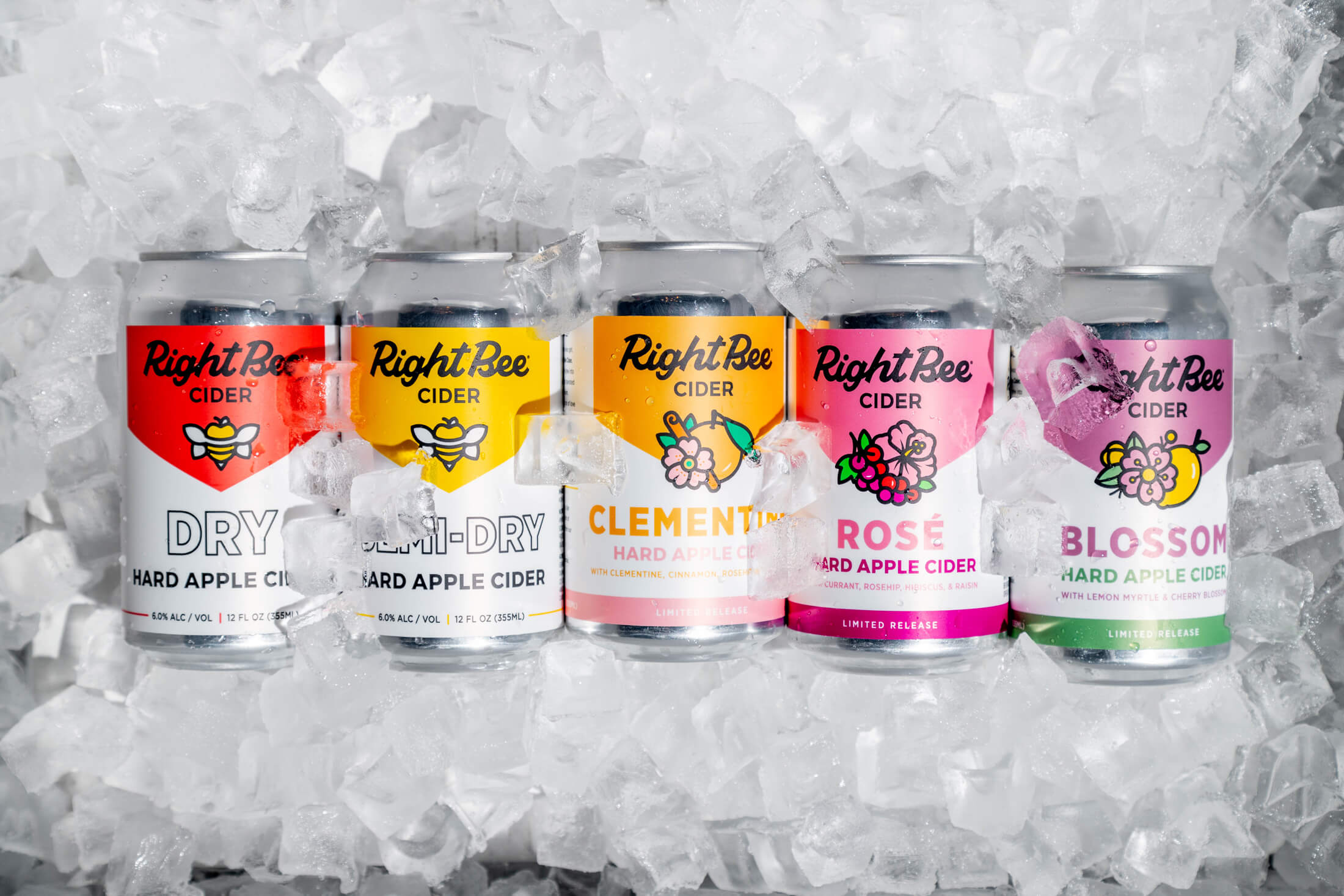
Cans with custom labels

Understanding Your Custom Beer Label Needs

Successfully choosing a printing partner starts with identifying your goals. Consider the following:

Identifying Your Goals

Start with the end in mind—your goals will likely include brand recognition, cost efficiency, durability, legal compliance, and customer engagement. These will help potential partners understand how to strategically design custom labels aligning to your specific needs. Here are some tips:

  • Brand Recognition: Share style inspirations or designs to collect feedback.
  • Cost Efficiency: Provide expected order volumes for advice on printing options that match your budget.
  • Durability: List product varieties like beers, seltzers, and ciders that require durable wet labels. Communicate the different environments that your product might have to endure.
  • Legal Compliance: Specify label content needs like government warnings supporting industry compliance (tip: we can help with this).
  • Customer Engagement: Discuss target demographics and labeling ideas to captivate them.

Decide What’s Most Important

Like any major business decision, it’s important to determine what matters most, whether it’s exceptional customer service, competitive pricing, the ability to create standout labels, conveying your brand story, eco-conscious materials, or a combination of those.

  • Standout Label Designs: Will custom shapes, special effects like foils or specialty printing techniques be featured? Determine must-have aesthetics.
  • Storytelling Through Labels: What brand narratives do your labels need to convey? Share themes inspiring designs.
  • Eco-conscious Practices: Do you require sustainable printing methods and materials? Ask about green production options.
  • Customer Service: How important is an expert team available for technical support? Assess level of involvement expected.
  • Printing Cost Factors: Will you print high volumes for cost efficiency or need flexibility for small batch prototyping? Request rate breakdowns.

Comparing capabilities in key areas helps identify ideal printing partners matching must-haves. Weigh whether you will compromise on certain preferences if strengths align well in other dimensions.
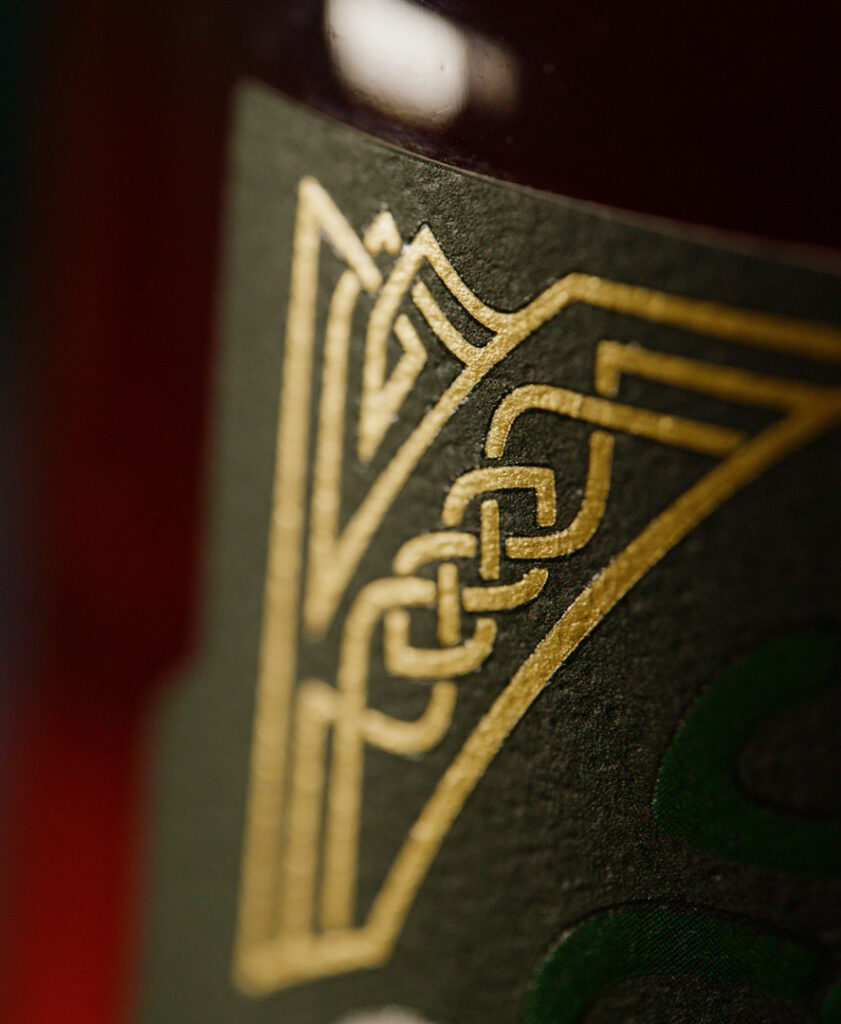
Custom bottle label with metallic foil and embossing

Key Considerations in Choosing a Craft Beer Label Printing Company

Choosing the Right Materials

When assessing the quality and materials capabilities of a printing partner, breweries should evaluate factors like durability, material options, and print quality.

The choice of material for your craft beer labels plays a significant role in their overall look, feel, and durability. Here are some considerations to keep in mind:

  • Water-Resistant Materials: Given the conditions that craft beer bottles and cans are often subjected to, from ice buckets to refrigerators, selecting water-resistant materials is crucial. Options like BOPP (biaxially oriented polypropylene) and vinyl offer excellent moisture resistance, ensuring your labels remain intact and visually appealing, no matter the environment​​.
  • Durability Against Moisture and Cold: It’s not just about water resistance; the material should also withstand cold temperatures without losing its integrity. Materials that can endure these conditions without peeling off or getting damaged are vital for maintaining a pristine look from the brewery to the consumer’s hand​​.
  • Aesthetic and Texture Options: Beyond durability, the material of your label affects its aesthetic appeal. Matte, gloss, and satin finishes can dramatically alter the look and feel of your labels. Each finish has its own way of interacting with light and can complement the design of your label to make colors pop or provide a sophisticated understated look.
  • Eco-friendly Options: With a growing emphasis on sustainability in the craft beer industry, considering eco-friendly label materials can resonate with your target audience’s values. Materials like recycled paper or biodegradable films can significantly reduce your brand’s environmental footprint while maintaining high-quality aesthetics.

Label Sizes and Shapes

Standard label sizes and shapes have evolved, largely influenced by the industry’s most common container types and sizes. For example, a typical beer bottle label might measure around 3.5 inches wide by 4 inches high, offering ample space for branding, artwork, and necessary information without overwhelming the container​​. Similarly, can labels often wrap entirely around the vessel, providing a 360-degree canvas for design creativity and brand messaging.

However, the “standard” is not one-size-fits-all. Different bottle and can dimensions, such as slim cans or larger bomber bottles, require tailored label sizes to ensure a perfect fit. The key is understanding the dimensions of your specific containers and how much of that space you want your label to cover.

Going Beyond Standard Options: The Case for Customization

While standard labels serve many brands well, the craft beer industry thrives on uniqueness and personality. Custom labels—those that break the mold in terms of size, shape, and application—are becoming increasingly popular for craft brewers looking to differentiate their offerings.

  • Embracing Unique Shapes: Custom-shaped labels can mirror the contours of unusual bottle or can designs, create visual interest, and enhance shelf appeal. From sleek, minimalist labels that hint at the contents to intricate, die-cut shapes that tell a story, the possibilities are limited only by imagination.
  • Considering Wraparound Labels: For cans, a full wraparound label maximizes the available design space, allowing for bold, engaging visuals that attract attention from every angle. This approach (often called shrink sleeves) can be particularly effective for limited edition releases or flagship brews that deserve extra emphasis.
  • Size Matters for Compliance and Clarity: When considering custom sizes and shapes, it’s essential to remember regulatory requirements for labeling alcoholic beverages. Every label must have space for mandatory information, including alcohol content, volume, and manufacturer details, without compromising readability​​. Balancing creative aspirations with these requirements is key to a successful label design.

Tips for Choosing the Right Label Size and Shape

  1. Start with Your Container: Measure your bottles or cans carefully, considering curves, necks, and any other features that might influence label adhesion and appearance.
  2. Reflect on Your Brand’s Personality: Let your label shape and size be an extension of your brand story. Are you bold and avant-garde, or classic and traditional? Your label can reflect this.
  3. Consult with Design and Printing Experts: Professionals in label design and printing can offer valuable insights into what works well for different types of beers and containers. They can also provide templates or guidelines to help visualize your ideas.
  4. Experiment with Mockups: Before finalizing your design, use digital or paper mock-ups to see how your label will look on the actual container. This step can help identify potential issues with size, shape, or legibility before you commit to printing.

Cost and Scalability

For breweries and craft beer makers, understanding the costs and scalability options of label printing is critical for both startup ventures and established brands. You’ll want to take into account factors such as minimum order quantities, volume discounts, the flexibility of printing across multiple SKUs, and the efficiency of re-ordering processes.

Understanding Pricing Models

Label printing costs can vary widely depending on several factors, including material choices, print techniques, label size and shape, and the complexity of the design.

Most providers use a pricing model that decreases the unit cost as the order quantity increases, rewarding larger orders with better per-label pricing. However, the starting point and scale of these price breaks can differ between providers, making it important to get detailed quotes for various order sizes​​.

Minimum Order Quantities and Volume Price Breaks

  • Minimum Order Quantities (MOQs): Many label printing companies set MOQs to ensure profitability. For craft breweries, especially those in the startup phase or with a rotating selection of small-batch brews, finding a provider with low MOQs can be crucial. Understanding a provider’s MOQs will help you determine if they’re a good fit for your production scale.
  • Volume Price Breaks: Volume discounts are a key consideration when planning your label orders. Providers typically offer price breaks at certain thresholds, which can significantly impact your cost per label. When comparing providers, ask for a detailed breakdown of pricing tiers to understand where these breaks occur and how they align with your anticipated order volumes.

Scalability and Flexibility for Multiple SKUs

Craft breweries often produce a wide range of beers, each requiring its own label design. Some key considerations include:

  • Flexibility Across SKUs: Look for providers that offer flexibility in aggregating different label designs to qualify for volume discounts. This can be particularly beneficial for breweries that want to print similar designs for multiple SKUs without the need to place large individual orders for each.
  • Digital Printing Advantages: Digital printing technology offers significant advantages in terms of scalability and flexibility. It allows for cost-effective short runs and easy updates to designs without the need for new plates or setup fees, making it an excellent option for breweries with a wide variety of labels​​.

Ease of Re-Ordering

The ability to quickly and easily reorder labels as needed is essential for maintaining inventory levels and responding to demand fluctuations. Consider providers that offer streamlined re-ordering processes, possibly through online platforms, which can save time and reduce the time to re-order.

Comparing Prices and Making Informed Decisions

When comparing label printing providers, consider the following steps to ensure you’re making an informed decision:

  1. Request Detailed Quotes: Obtain quotes for various order sizes, including the costs for different materials and print techniques. This information will help you understand the full scope of potential expenses.
  2. Evaluate Total Cost: Look beyond the sticker price to consider other factors like setup fees, design services, shipping costs, and lead times, which can all affect the total cost.
  3. Consider Long-Term Needs: Choose a provider that can scale with your brewery. A company that offers competitive pricing for small orders but also has the capacity to handle larger volumes efficiently can be a valuable partner as your business grows.

Turnaround Time and Reliability

For breweries and craft beer makers, timing can be everything. Whether you’re gearing up for a seasonal release, restocking a bestseller, or launching a new brew, the turnaround time for getting your labels can significantly impact your operations. You’ll want to consider everything from artwork approval to set up, printing, and shipping to help you plan effectively and avoid unexpected delays.

The Components of Turnaround Time

Turnaround time in label printing is influenced by several key stages, each contributing to the total time from placing your order to receiving your labels.

  1. Artwork Approval: The process begins with your design. Once you submit your artwork, the printing company will review it to ensure it meets technical requirements for printing. This stage includes checking the resolution, color specifications, and any potential issues that could affect print quality. Delays can occur if revisions are needed, so submitting artwork that already adheres to the provider’s guidelines can speed up this phase.
  2. Pre-Production and Setup: After artwork approval, the project moves into the pre-production stage. For traditional printing methods, this may involve creating plates or screens, which can slow down the process. Digital printing, on the other hand, typically requires less setup time, making it a faster option for smaller or more time-sensitive orders.
  3. Printing: The actual printing time varies depending on the complexity of your labels, the quantity ordered, and the printing technology used. Digital presses can produce labels relatively quickly, while traditional methods may take longer, especially for large volumes or intricate designs.
  4. Finishing and Quality Checks: Post-printing, labels undergo finishing processes such as cutting, laminating, and possibly applying adhesive. Quality assurance checks are also conducted to ensure the labels meet the brewery’s and the printer’s standards. This stage is crucial for delivering a high-quality product but can add time to the overall process.
  5. Shipping and Delivery: Finally, the completed labels are packed and shipped to your brewery. Shipping time depends on the distance between the printer and your location and the shipping method chosen. While expedited shipping options can reduce wait times, planning for standard shipping times in your overall timeline is wise.
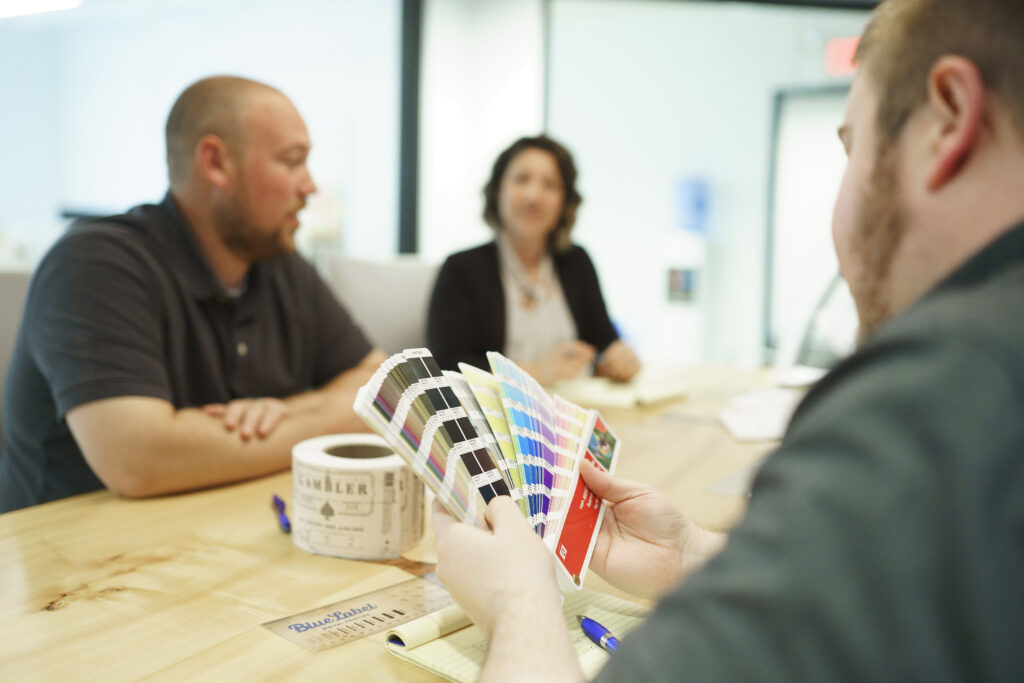
Label printing employees

Tips for Optimizing Turnaround Time

  • Provide Ready-to-Print Artwork: Ensuring your designs meet the printer’s specifications from the start can significantly reduce delays during the artwork approval stage.
  • Communicate Your Timeline: Be upfront with your printing provider about your schedule. Some companies can accommodate rush orders, but clear communication is key to aligning expectations.
  • Consider Shipping Logistics: Factor in shipping time when planning your label order timeline, especially if you’re located far from the printer or if the labels are being shipped during busy seasons.

Questions to Ask Potential Beer Label Printing Providers

To ensure you partner with a label printer that meets your needs, here are some questions to guide your selection process, informed by insights from our own label experts.

1. What is your experience with craft beer labels?

Understanding the printer’s experience in the craft beer industry can give you insight into their familiarity with common challenges and specific requirements, such as resistance to moisture and cold, adherence to regulatory labeling standards, and the ability to produce high-quality, eye-catching labels.

2. Can you provide samples of your previous work?

Asking for samples allows you to assess the quality of the printer’s work firsthand. Look for clarity, color accuracy, material quality, and the overall finish. Samples can also inspire your own label designs and help you gauge the printer’s capabilities in delivering the visual impact you aim for.

3. What printing technologies do you use?

Inquire about the printing technologies available, such as digital, offset, or flexographic printing. Digital printing offers more flexibility, producing vibrant colors, detailed designs, and cost-effective short runs without the need for expensive setup fees, making it an ideal choice for breweries.

4. How do you ensure label durability and compliance?

Given the conditions beer bottles and cans must endure, from refrigeration to moisture exposure, it’s crucial to ask about the materials and finishes used to ensure label durability. Additionally, confirm that the printer is knowledgeable about the regulatory requirements for beer labeling to ensure compliance with legal standards.

5. What are your minimum order quantities and volume discounts?

This question is vital for budgeting and planning purposes. Understanding the minimum order requirements and how volume discounts are structured can help you optimize your orders for cost efficiency, especially important for smaller breweries or those with a wide variety of products.

6. How do you handle design and artwork preparation?

Some printers offer in-house design services or assistance in preparing your artwork for printing. Asking about these services can be particularly beneficial if you don’t have a dedicated designer on your team or if you need help ensuring your designs are optimized for printing.

7. What is your turnaround time, and how do you handle rush orders?

Knowing the expected turnaround time helps you plan your label ordering process in sync with your production schedule. It’s also wise to ask about the process for rush orders, should you need labels more quickly than anticipated.

8. Can you accommodate special requests or unique label features?

If you’re interested in unique label features, such as foil stamping, embossing, or using eco-friendly materials, ask if the printer can accommodate these requests. Special features can make your labels stand out but may require additional planning and cost.

Finding the Perfect Beer Label Printing Company

Finding the right custom label printing company for your craft beer involves more than just comparing prices and reviewing samples; it requires a deep dive into understanding each provider’s capabilities, technologies, and commitment to meeting your specific needs.

The right partner will offer the flexibility, expertise, and scalability your brewery needs. Make sure you carefully consider the factors we’ve discussed in this article—material options, cost and scalability, turnaround times, and asking the right questions—and you’ll be equipped to make an informed decision.