What Label Materials are Best for Jars?

Choosing the right label material for your jars isn’t just about looks. It’s about making sure your product endures its surroundings, from cold to hot and everything in between. Oh, and all while still looking great on the shelf.

Let’s break down the most common label materials used on commercial jars and what works best.

jar labels

BOPP Labels (Our Top Pick for Most Applications)

If your jars are going in a fridge, freezer, or just need to stand up to moisture, BOPP (biaxially oriented polypropylene) is our go-to for most jar products we see out in the real world.

Why We Recommend It:

  • Water- and oil-resistant: Great for refrigerated foods, skincare products, or anything prone to condensation or spills. For comparison, paper labels in these settings tend to wrinkle or peel.
  • Durable: Doesn’t tear easily, doesn’t wrinkle when wet, and resists fading over time.
  • Versatile options and finishes: Available in clear (for that “no-label” look), white, and metallic options. For finishes, the most common options are high-gloss, matte, or soft touch. 
  • Plays well with adhesives: BOPP works with standard and freezer-grade adhesives and holds up well on curved glass and plastic jars.

Where It Falls Short:

  • Not biodegradable: BOPP is recyclable, but not compostable. If your sustainability goals include compostable packaging, you’ll want to consider paper instead.
  • Heat-sensitive: It can shrink or warp in high-heat environments, like hot fill lines above 200°F.

Best For:

Refrigerated sauces, skincare jars, jelly jars, pickled products, oil-based cosmetics—you get it.

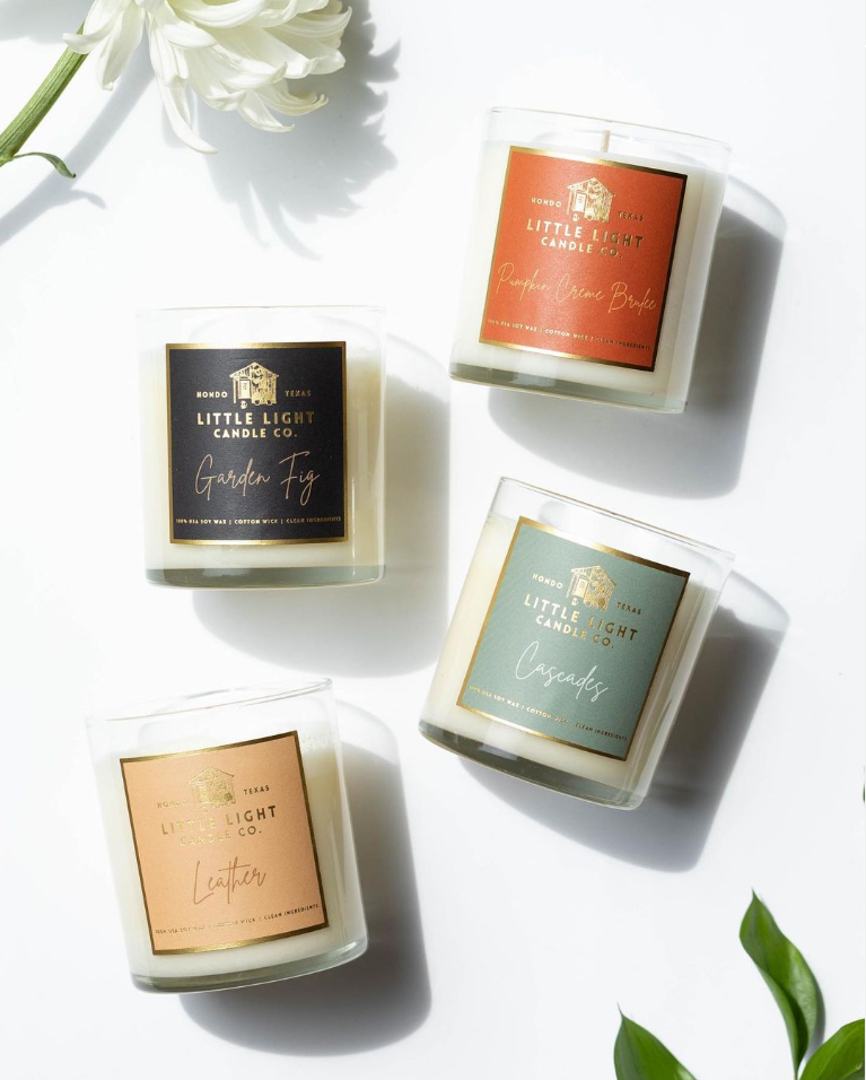
Candles with Labels

Paper Labels (Great for Dry Goods and an Artisanal Look)

Paper might not be as tough as BOPP, but it has its place, especially when looks come first.

Why We Recommend It:

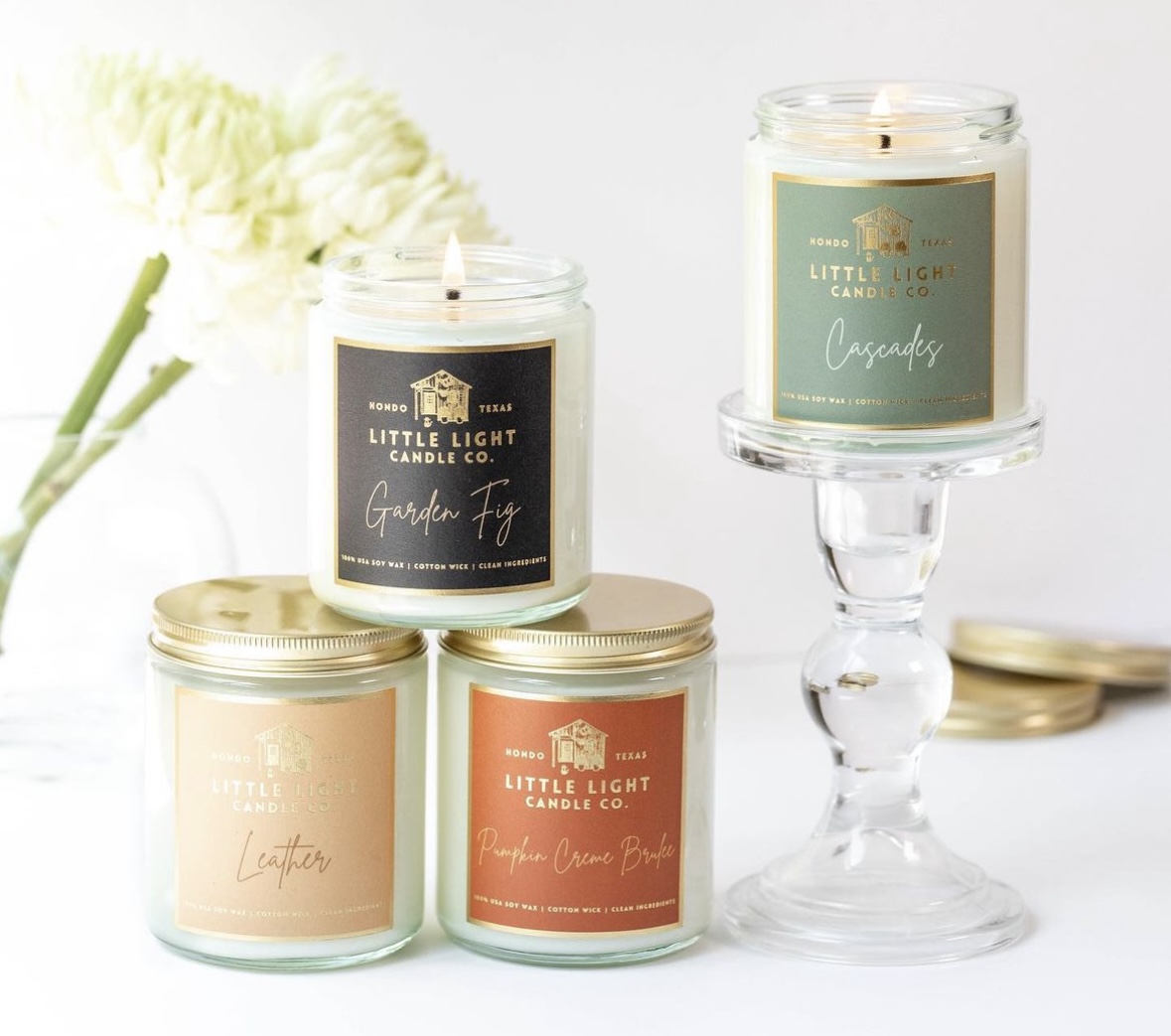
  • Premium texture options: Estate paper, kraft, and other textured stocks give off a natural, high-end vibe. You’ll often see these on candle jars, boutique food products, and specialty gifts.
  • Embellishment options: A great option if you are looking for embellishments to enhance the look (screen printing, hot foil stamping, embossing, etc.)

Where It Falls Short:

  • Not moisture resistant: Paper can wrinkle, smudge, or peel when exposed to condensation or oils. If you’re committed to using paper, you can improve performance by adding a laminate or varnish.
  • Durability is limited: Without protection, paper labels can show wear quickly, especially in transit or on store shelves.
  • Sustainability varies: Paper labels can be recyclable and compostable, depending on the adhesives and coatings used.

Best For:

Candle jars, spice jars, honey, dry goods, and gift sets.

Vinyl Labels

Vinyl labels are the tough guys of the label world: rugged, thick, and built to last. That said, they’re not always the most practical choice for jar applications.

Pros:

  • High durability: Handles water, friction, and UV exposure with ease.
  • Flexible: Conforms well to curves and uneven surfaces.

Cons:

  • Pricey: Costs more than BOPP or paper.
  • Recyclability is limited: Most standard vinyl labels aren’t recyclable in municipal streams, though some specialized materials are emerging.

Best For:

Outdoor products, industrial jars, or harsh environments where extreme durability outweighs cost.

Polyester (PET) Labels

PET is built like a tank. Great for heavy-use stuff, but probably more than you need unless your jars are dealing with chemicals, heat, or direct sunlight.

Pros:

  • Excellent chemical and UV resistance
  • Tear- and heat-resistant
  • Great print quality

Cons:

  • You’ll pay for the performance: It’s not cheap.
  • Rigid: Not as flexible for smaller or curved jars.

Best For:

Medical jars, industrial creams, or long-life products exposed to chemicals or sunlight.

Quick Comparison Table

Material Durability Moisture Resistance Print Quality Cost Best Use Case
BOPP High Excellent Excellent Low Refrigerated or oily products
Paper Low-Med Poor (unless coated) Excellent Medium Dry goods, candles, artisan look
Vinyl Very High Excellent Good High Harsh environments
PET Very High Excellent Excellent Very High Chemical or UV exposure

Summary: Best Materials by Application

  • Best for refrigerated jars: BOPP—Moisture-resistant, holds up to condensation, and still looks sharp.
  • Best for dry, decorative jars: Paper—Affordable, great texture options, and a premium look.
  • Best for industrial or outdoor use: PET or Vinyl—Built for abuse, but may be more than you need for typical retail products.
  • Most eco-friendly (with a tradeoff): Paper—Can be recyclable and compostable, depending on coatings and adhesives.

Final Thoughts

For most commercial jar products, BOPP is your best bet. It holds up, looks great, and doesn’t quit when things get wet.

If you’re going for a more artisanal or natural look, paper can absolutely work as long as you plan for its limitations.

Need help choosing the right material? Request a sample pack or contact us and we’ll walk you through it.


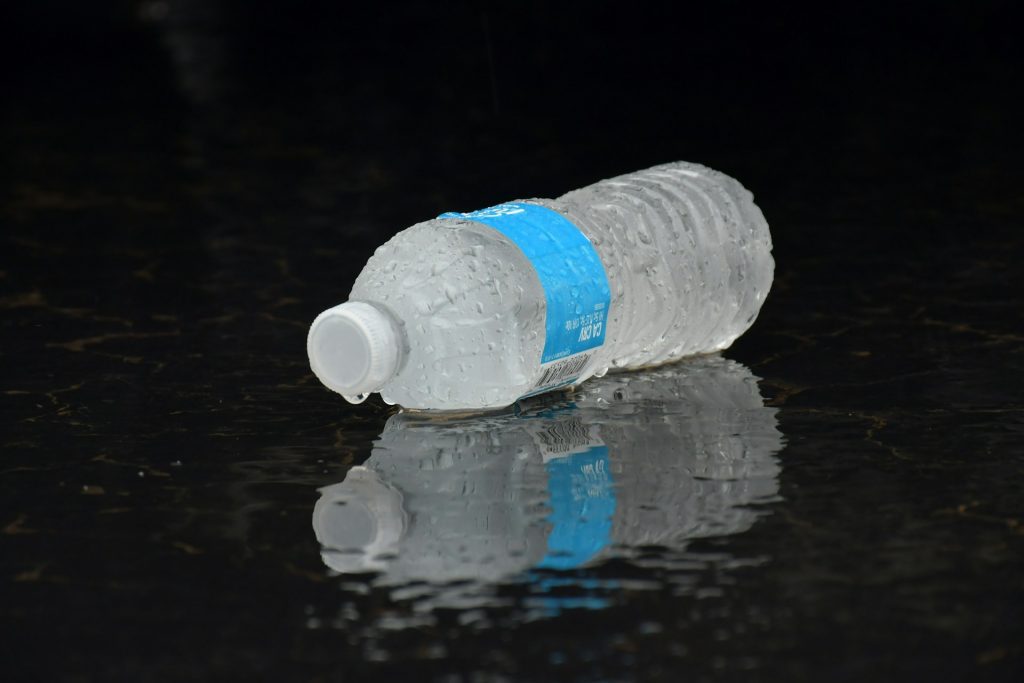
What Label Materials are Best for Water Bottles?

Choosing the right label material for your water bottles matters, especially when your labels need to stay durable and firmly in place through everything from manufacturing lines to refrigerator shelves. Here’s what actually works.

Water bottles with custom labels

BOPP Labels: Durable, Clear, and Cost-Effective

BOPP (biaxially-oriented polypropylene) is widely used across the beverage industry as a reliable standard for high-volume water bottle labels—and for good reason. This film material is strong, stable, and offer clear options, which helps it hold up and look great under pressure.

Here’s what makes BOPP such a strong fit:

  • Durability: When paired with the right adhesive, BOPP labels handle moisture, condensation, and cold storage like a pro. You won’t get the peeling or bubbling that can happen with less durable materials.
  • Print Quality: You’ll get sharp detail, bright colors, and a clean finish.
  • Versatile Adhesives: Works with pressure-sensitive adhesives (they stick when pressed on—no heat, no water) that perform well on curved bottles and in wet environments.
  • Cost-effective: You get strong performance without blowing your budget, especially if you’re printing in higher volumes.

Limitations: BOPP doesn’t play well with embossing or hot foil stamping. It’s a bit too rigid and sensitive to heat, so if you want textured or metallic effects, we usually recommend going with a specialty paper label instead.

Shrink Sleeve Labels: Full Coverage and Shelf Impact

Shrink sleeves give you more space for your design, and more protection while doing it. They’re a great pick if you want serious shelf impact or have bottles that are curved, contoured, or just tricky to label:

  • 360° Branding: Full wrap coverage means you’re not limited to a front-and-back label. Your whole bottle becomes the canvas, and the inside-printed graphics are protected from scratches and moisture.
  • Tamper-Evident Seals: It’s easy to build in tamper-evident features, like perforated seals around the cap or sleeves that tear at the neck. That visual proof of product integrity is a win with consumers.
  • Durability and Versatility: Shrink sleeves hold up in just about any environment—cold, wet, or even outdoors—and stand up to rough handling during shipping.

Considerations: They’re usually more expensive than pressure-sensitive labels and require heat tunnels or steam applicators to apply. (These are machines that heat the sleeve so it conforms perfectly to the bottle.)

Shrink sleeves are great for premium branding, but may not be the best fit if you’re on a tight budget or working with basic packaging.

Other Label Materials

  • Paper Labels: Can look great, until they get wet. Without lamination (a clear film that protects against water and wear), paper labels tend to wrinkle, peel, or fall off. We only suggest paper for products that stay dry and don’t get much handling.
  • PET (Polyester) Labels: These are the tanks of the label world: durable, abrasion-resistant, and built to survive cold, heat, or rough transport. But they’re rigid and more expensive, which makes them overkill for most bottled water. That said, if your product’s headed for a freezer or getting tossed in a backpack all day, PET might be worth the upgrade.

Quick Comparison Table

Material Moisture Resistance Print Quality Cost-effectiveness Compatibility w/ Finishes Recyclability
BOPP Excellent High High Good (except embossing) Good (with right adhesives)
Shrink Sleeve Excellent High Moderate Limited (no embossing) Moderate (depends on material)
Paper Poor Moderate Moderate (but fragile) Excellent Moderate
PET Excellent High Low Good Good

Summary: Which Label Material is Right for You?

  • Best Overall for Standard Plastic Water Bottles: BOPP—widely used, durable, cost-effective, and print-friendly.
  • Best for Unique Shapes or Premium Branding: Shrink Sleeves—maximum visual impact and protection, especially for contoured bottles.
  • Best Material for Short-Term or Indoor Use Only: Paper Labels—More texture options  but only reliable when moisture isn’t a concern.
  • Most Robust (Extreme Conditions): PET—best for extended outdoor exposure, freezer storage, or heavy handling.

Make Your Label Decision Easy

Choosing the right water bottle label material doesn’t have to be complicated. Whether you’re looking for reliable performance, premium aesthetics, or something tailored to your product’s unique requirements, we’ve got you covered.

Not sure what’s best for your bottles? Request a sample pack or get in touch for a quote, and we’ll walk you through the best options for your bottles, budget, and production setup.

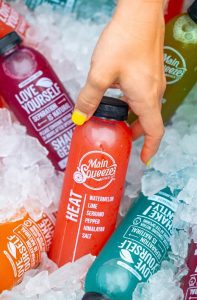
What Label Materials are Best for Juice Bottles?

If you’re bottling juice, your labels need to handle cold temperatures, moisture, and constant handling without failing. The right label material makes a big difference in how your juice performs on shelves and with customers.

Here’s why we recommend BOPP and shrink sleeves as the top label materials for juice bottles and why other options may fall short.

BOPP Labels: Durable, Clear, and Cost-Effective

We often recommend BOPP (biaxially oriented polypropylene) labels because they hit the sweet spot between performance and cost. Here’s why:

  • Moisture and cold resistance: BOPP withstands repeated refrigeration and condensation without peeling or bubbling.
  • Vibrant, high-quality printing: With BOPP, your colors and designs remain sharp and vivid, even in damp conditions.
  • Versatile adhesives: Permanent or freezer-grade adhesives help labels stick reliably from bottling line to fridge.
  • Durability: Strong enough to resist tearing during transit and on the shelf.
  • Eco-friendly considerations: BOPP can be recyclable (#5 plastic). However, recycling availability varies by region, so verify your local recycling options to ensure alignment with your sustainability goals.

Potential Downside:

  • Sensitive to extreme heat (above ~80°C), which can happen during high-temperature bottling or pasteurization, potentially deforming labels.

Finishing Techniques for BOPP:

Shrink Sleeves: Maximum Coverage, Maximum Impact

Shrink sleeves fully encase your bottle in a vibrant, tamper-evident wrap, making them perfect for uniquely shaped bottles or premium branding.

  • Complete 360° coverage: Full-wrap designs stand out on shelves, enhancing brand visibility.
  • Excellent durability: Resistant to scuffing, abrasion, and moisture, ideal for refrigerated environments.
  • Tamper-evident security: Protects product integrity and improves consumer trust.

Potential Downsides:

  • Higher production costs due to shrink tunnels (specialized heat equipment that shrinks labels securely onto bottles) and additional setup.
  • Less flexibility for frequent design changes.
  • Environmental complexity: PETG sleeves are recyclable; PVC sleeves usually aren’t recyclable due to chlorine content and recycling difficulties.

Finishing Techniques for Shrink Sleeves:

  • Supports UV spot varnish, tactile (sand) varnish, cold foil, and screen printing effectively

Other Materials

  • Paper Labels: Can be cost-effective but vulnerable to moisture and refrigeration, often failing quickly in typical juice environments. Lamination and other finishing techniques are recommended if used.
  • Vinyl and PET: Durable but can be  more rigid. These might work in niche situations where that rigidity is crucial, but usually, they’re not ideal for typical juice bottles.
  • Polyolefin: Flexible, but its elasticity makes precise finishes like embossing or foil stamping problematic.

Quick Comparison Table

Material Moisture Resistance Print Quality Cost Sustainability
BOPP Excellent Excellent Low Good
Shrink Sleeves (PETG) Excellent Excellent High  Good (PETG recyclable)
Paper Poor Good Moderate Good (compostable options)
Vinyl/PET Good Good High Poor (Vinyl)

Quick Guide: Best Materials by Use Case

  • Best overall for refrigerated bottles: BOPP – Durable, cost-effective, high print quality.
  • Best for uniquely shaped bottles or premium branding: Shrink Sleeves – Full coverage, vibrant designs, tamper-evident.
  • Most economical (but limited performance): Paper Labels – Low cost, but quickly degrade in moisture.

Final Thoughts

Choosing the right label material directly impacts your juice brand’s shelf presence and product integrity. Need help deciding or want to test materials yourself? Contact us or grab a sample pack, and we’ll help you find the perfect fit for your juice bottles.

How to Translate Your Brand Identity into Packaging and Labels: A Step-by-Step Guide

While you might not judge a person based on one meeting, products often don’t get a second chance on a crowded shelf. Let’s face it — when it comes to shopping, customers all judge a book by its cover, or in this case, a product by its packaging. Studies say about 70% of consumers make snap decisions based on packaging alone — tough for your amazing product on the inside!

Let’s dive into the consumer psyche and how your packaging choices can help you connect to your ideal audience.

The Significance of Brand Identity in Packaging and Labeling

It’s not only your choice of color palette and the feel of a quality product label design that matters. Nearly two-thirds of shoppers feel more connected with brands that share their values, often thanks to clever packaging that tells a story. If a product’s packaging catches the consumer’s eye in the first few seconds, we are a whopping 81% more likely to toss it into our cart.

What is this magic that compels consumers to pick one product over another? One ingredient is a well-communicated brand identity.

What Is Brand Identity?

Author and branding guru Seth Godin once said, “A brand is the set of expectations, memories, stories and relationships that, taken together, account for a consumer’s decision to choose one product or service over another.”
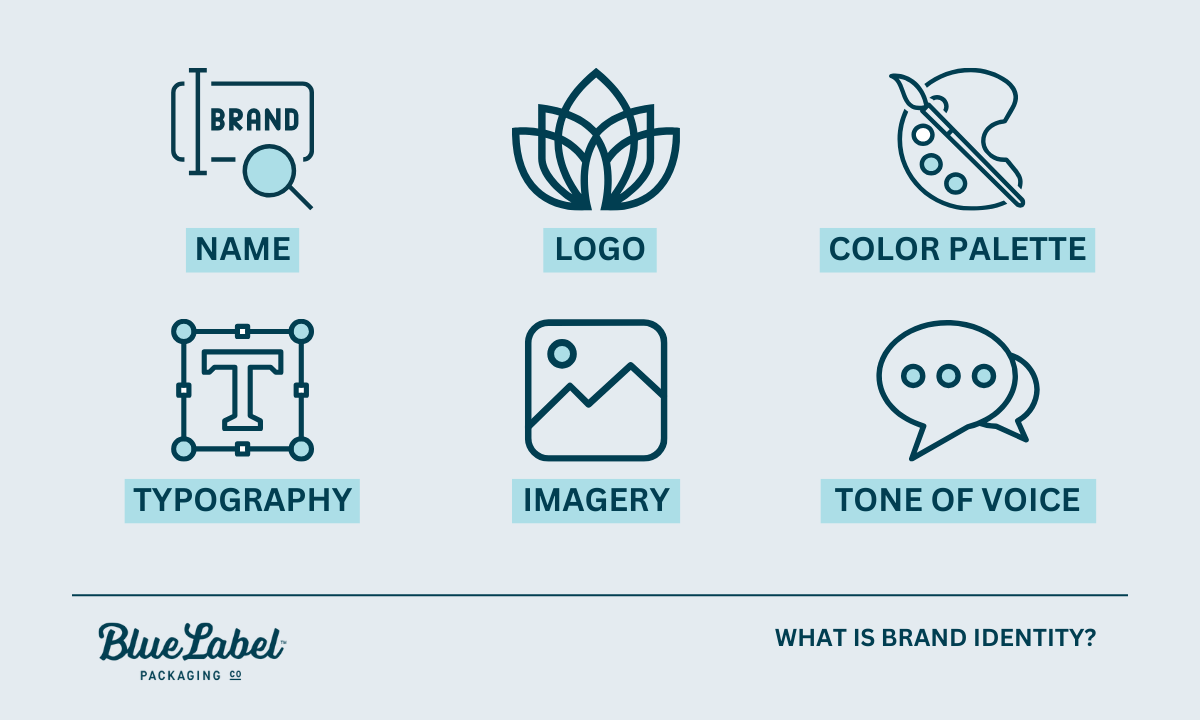
What is brand identity? Infographic

Brand identity encompasses the visible elements of a brand, including its:

  • Name
  • Logo
  • Color palette
  • Typography
  • Imagery
  • Tone of voice

Together, they create a unique image in the consumer’s mind. These components work in harmony to convey the brand’s message and values.

Where Packaging and Labeling Meet Brand Identity

Packaging and labeling play a crucial role as the physical embodiment of a brand’s identity. They are often the first touchpoint a consumer has with a product, making them essential in creating lasting impressions.

Well-designed packaging not only attracts attention on the shelf but also communicates the brand’s essence, values, and intentions. Effective packaging can enhance a consumer’s experience, reflecting quality and care in the product within.

Once you’ve started growing a loyal fanbase, consistent design elements, packaging, and labels can reinforce brand recognition, fostering customer trust and loyalty.

Key Visual Elements of Brand Identity
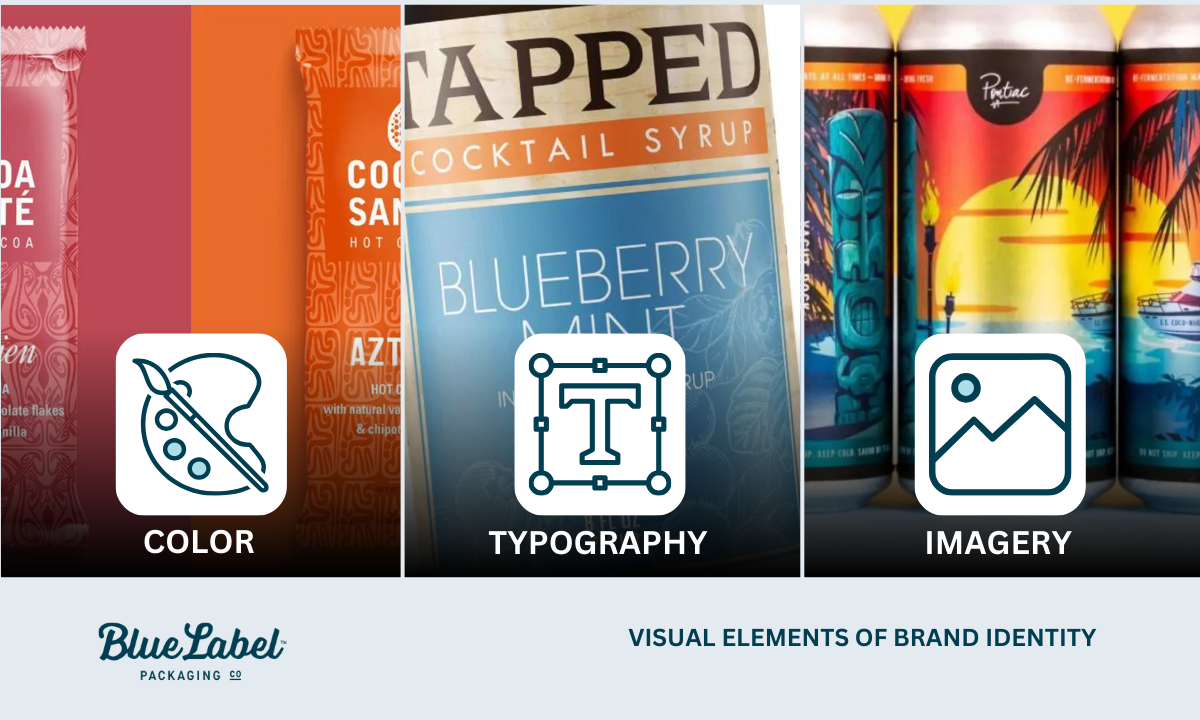
Key elements of brand identity—color, typography, and imagery

When translating brand identity into packaging, several key visual elements must be considered:

  • Color: The choice of colors in packaging influences consumer perception and can evoke specific emotions. For example, blue often conveys trust and reliability, while green is associated with eco-friendliness and health.
  • Typography: The fonts selected for packaging should align with the brand’s personality and tone. Elegant script fonts might suggest luxury, while bold, sans-serif fonts can impart a modern, approachable feel.
  • Imagery: The visuals used, whether photographs, illustrations, or graphics, should resonate with the brand’s message and audience. They can enhance storytelling, making the product more relatable and memorable.

The Impact of Branding and Design on Profitability and Marketability

Branding and design are two of the biggest parts of your brand equity. They shape consumer perceptions and can significantly influence purchasing decisions. Here’s how they impact your bottom line:

  • Generates Organic Word of Mouth (WOM) Marketing: A strong brand identity attracts new customers and helps retain existing customers, leading to repeat purchases and valuable word-of-mouth promotion.
  • Accelerates Growth Through Recognition: Unique packaging and label design make your product memorable and easy to find—that’s what we call brand recognition.
  • Adds Perceived Value: Eye-catching design helps your product stand out, helping you justify your price point.
  • Simplifies Marketing Efforts: A clear and consistent brand across products and platforms makes sales and marketing easier.

Shopper Psychology: How Packaging Influences Consumer Perception

Packaging is far more than just a protective layer for products; it is the first touchpoint between consumers and your brand — and it turns out that most of the time, the average shopper doesn’t know they’re being judgemental.

Harvard Business School professor Gerald Zaltman highlights in his book How Customers Think: Essential Insights into the Mind of the Market that as much as 95% of the decisions customers make when purchasing occur within our subconscious mind.

The design, color, shape, and material of packaging can significantly affect consumer perceptions and buying decisions. Eye-catching packaging can evoke emotions and attract attention, driving impulse purchases and establishing a brand’s identity in a crowded marketplace. Packaging can signal quality and sustainability, influencing consumers’ choices in an increasingly eco-conscious market.
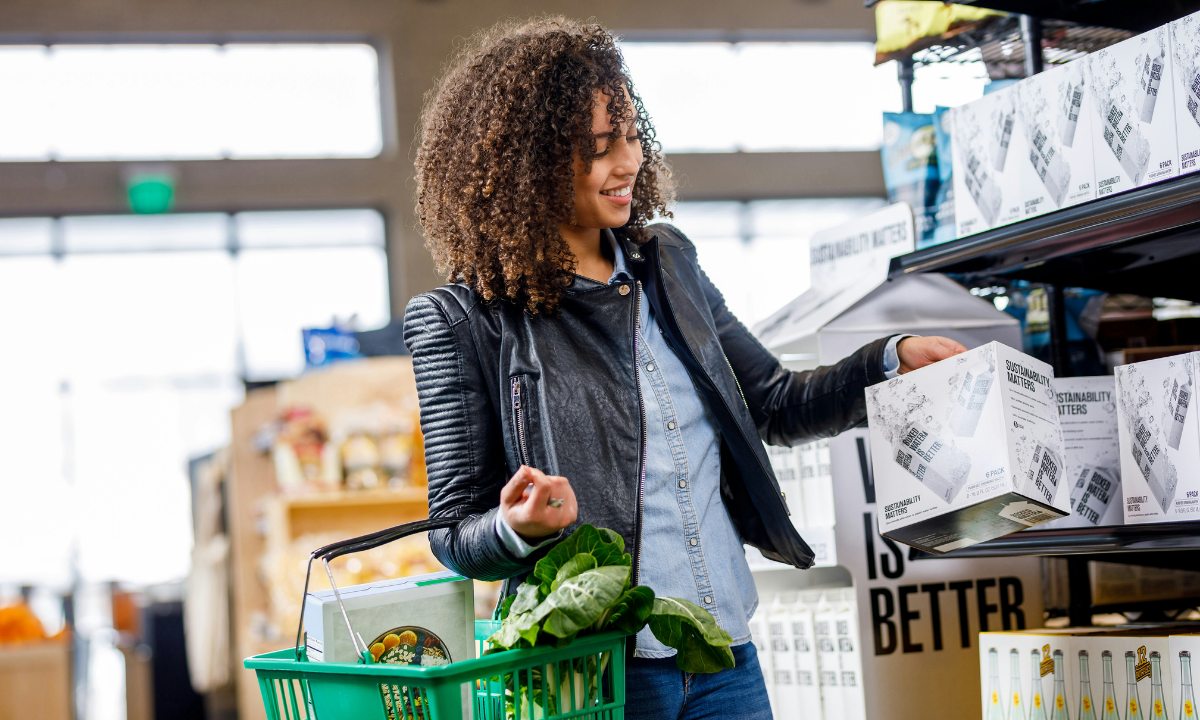
Woman shopping in a supermarket

Designing for Your Target Market

A deep understanding of their preferences, values, and lifestyles is essential to ensure that packaging resonates with your target audience. Here are some tips for creating effective packaging:

  • Research Demographics: Conduct market research to understand your audience’s characteristics, including age, gender, and interests.
  • Visual Elements: Use colors and graphics that appeal to your demographic. Younger consumers might prefer bold, playful designs, while older consumers may appreciate classic and understated elegance.
  • Functional Design: Consider the practical needs of your target market, such as ease of use, convenience, and portability, ensuring that your packaging meets their expectations.

How Types of Packaging Speak to Different Demographics

Packaging should speak to your brand’s key personas.

  • Eco-Friendly Packaging: Brands like Method and Haagen-Dazs have successfully adopted sustainable packaging that appeals to environmentally conscious consumers, reinforcing their commitment to sustainability.
  • Luxury Packaging: Companies like Chanel use elegant, minimalist designs to convey a sense of exclusivity and high quality, resonating with affluent clients seeking premium products.
  • Whimsical Packaging: Brands targeting families and children, like M&M’s, often employ vibrant colors and playful illustrations, making their products visually appealing to younger audiences and their parents alike.

  • Label designers looking at color swatches

How to Communicate Brand Identity Effectively to a Designer

Before you talk to the designer, you’ll need to get your ducks in a row. This means creating a clear common language to communicate with each other.

  • Define Your Brand’s Vision and Values: Outlining the core principles that drive your brand. What is its mission and vision? Articulate the values you want the brand to embody and the problem you want to solve with your product.
  • Identify Your Target Audience: purchasing behaviors. This information helps the designer understand whom they are designing for.
  • Choose a Tone and Voice: Describe the tone of communication that your brand will use — will it be playful, serious, modern, or nostalgic? This will guide the designer in selecting colors, typography, and styles that align with your brand personality.
  • Create a Brand Guide or Identity Brief: Your brand will include all the above plus examples of your buyer persona, logo use, brand colors, and fonts. (Pro tip: look at other industry-adjacent brand language and style guides to get a feel for what to include and then customize it to your brand’s voice and audience.)

What to Give to a Designer

It’s helpful to include a few extras along with the brand guide. Most experienced designers can seamlessly switch between brand aesthetics, but they tend to work better with visual references than only verbal ones.

  • Provide Visual Inspiration: Include mood boards, examples of competitor brands, or any visuals that resonate with your brand’s identity. This will help the designer visualize your expectations.
  • Outline Specific Requirements: Specify any essential elements or constraints in the design, such as logo usage, color palettes, and typography guidelines. Be clear about what must and must not be included.

Collaboration Strategies

These are some tips to keep the design process smooth. Really solid communication will save you time and money.

  • Be Clear and Concise: Use straightforward language and avoid jargon when discussing your brand identity. Ensure that all key points are easy to understand and direct.
  • Encourage Questions: Foster an open atmosphere by inviting the designer to ask questions for clarity. This helps prevent misunderstandings and aligns expectations.
  • Provide Context: Explain why certain elements are important to your brand. Sharing the reasoning behind your choices gives the designer a deeper understanding of your vision.
  • Regular Check-Ins: Schedule periodic meetings to discuss progress and address any concerns. This keeps everyone on the same page and allows for adjustments based on client feedback.
  • Constructive Feedback: Offer feedback that is specific and actionable. Instead of saying you don’t like a design, explain what aspects do not align with your vision and why.
  • Celebrate Milestones: Acknowledge completed phases in the design process to maintain motivation. Recognizing efforts helps build a positive working relationship and encourages designers to deliver their best work.
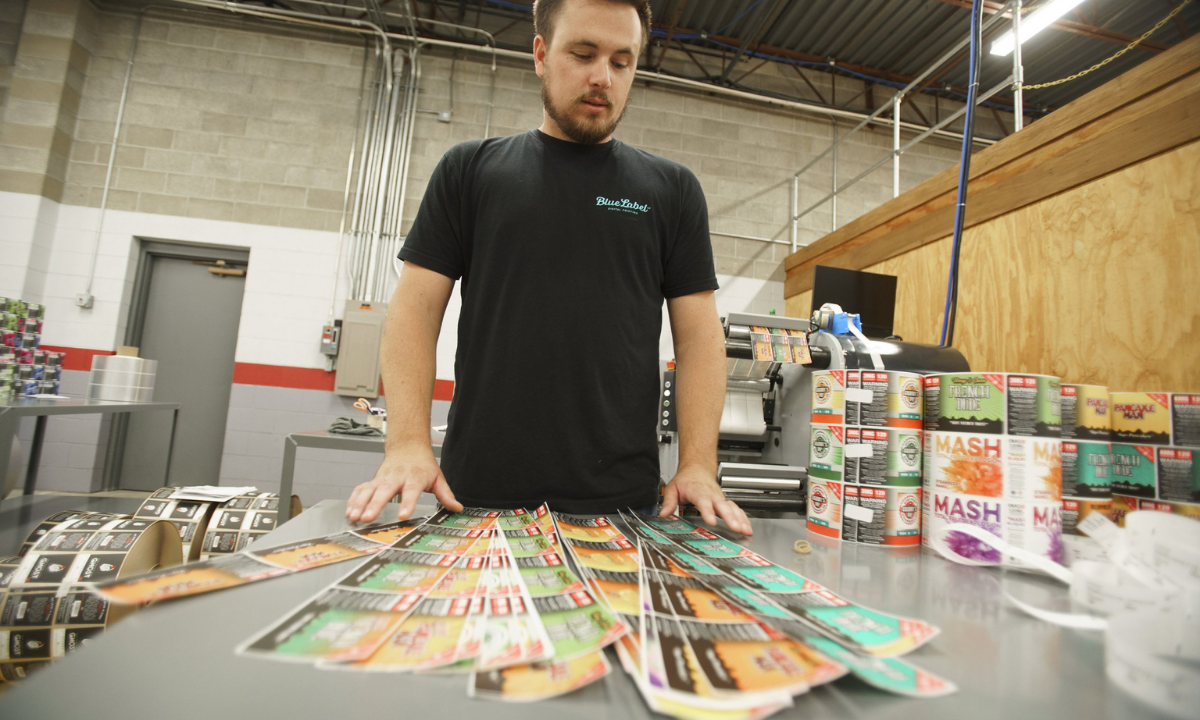
Designer looking at product labels

Choosing the Right Materials and Styles Based on Your Brand Identity

Material Selection

When selecting materials for your packaging, it’s crucial to consider how each option can align with and enhance your brand identity.

For instance, paper offers a classic, eco-friendly choice that can be tailored with various textures and finishes for a unique touch.

BOPP (Biaxially Oriented Polypropylene) is a versatile and durable material that works well for products requiring moisture protection while maintaining a clear design aesthetic.

Vinyl, known for its vibrant colors and flexibility, can convey a modern and durable impression, making it suitable for brands looking to stand out in a competitive market.

Style Considerations

Your packaging style should ultimately serve to reflect and elevate your brand’s identity and values.

A minimalist approach, like the one famously used by Apple, can communicate sophistication and modernity, appealing to consumers who value simplicity and elegance.

On the other hand, luxury packaging often employs high-quality materials and intricate designs to create an impression of exclusivity and prestige. The perfume industry does an excellent job using custom packaging and high-end label finishes to speak to a high-end buyer.

Eco-friendly packaging can resonate with environmentally conscious consumers, showcasing a commitment to sustainability. Lush is a great example, showcasing bold, eco-friendly packaging that aligns with their ethical stance.

The Importance of Brand Consistency Across Products and Product Lines

Keeping your brand consistent across all products and packaging is key to building consumer trust. When customers see a uniform brand experience, it boosts their recognition and makes them feel more connected to your products. This connection can lead to increased loyalty, as people tend to stick with brands they know well.

To achieve this, brands should create clear brand guidelines for visual elements like logos, colors, and typography and ensure that teams are trained on these standards.

Should you live and die by your brand guide? Not always. When launching new products or entering different markets, it’s vital to adjust your branding thoughtfully, maintaining your core identity while appealing to local tastes. By focusing on consistency, companies can grow while solidifying their presence in the market.

Blue Label Can Help Connect Your Brand to Your Packaging

Next time you’re designing labeling or packaging, remember that a little thought toward branding, materials, and intent can go a long way toward turning heads and creating a loyal customer base.

Contact us today for a quote for custom labels or just go get answers to any of your labeling or packaging questions.

A Guide to Water Bottle Labels: Material, Application, and Print Quality

Selecting the right custom labels for water bottles is about finding the right mix of looks, durability, and functionality. The right label can turn a simple bottle of water into a brand that consumers buy again and again.

Don’t think branding and packaging matters for a product as simple as water? Well just ask Fiji, LifeWtr, or Liquid Death, whose products rise above the expectations for just a bottle of water.

In this guide, we’ll walk through three areas to consider when choosing your custom labels: materials, adhesion and application, and print quality. These elements form the foundation of successful water bottle labeling strategies.

Material Choices for Bottled Water Labels

Choosing a material for your water bottles isn’t as simple as other products. Water bottles endure a wide variety of environments, from the hot temperatures of shipping trucks to cold refrigerators and buckets of half-melted ice.

Let’s take a look at some of the most popular material options.

Vinyl

Known for its robustness, vinyl stands up to moisture and wear-and-tear like a champ. Ideal for bottles that will see outdoor use or frequent handling, it combines longevity with vibrant print quality. Here are some of the characteristics that make vinyl an ideal label material for water bottles:

  1. Durability: Vinyl is highly durable and resistant to damage like tears, scratches, and abrasions.
  2. Water Resistance: Vinyl is water-resistant, so the label won’t deteriorate or peel off when the bottle gets wet.
  3. Flexibility: Vinyl is flexible, which allows it to conform easily to different sizes and shapes of water bottles.
  4. UV Resistance: Vinyl labels can be treated to withstand exposure to sunlight without fading or discoloration.
  5. Print Quality: Vinyl provides a smooth and clear surface for printing, allowing for high-quality, vibrant, and precise graphics in your labels.
  6. Adhesive Quality: Vinyl labels can be coated with various types of adhesives (we’ll touch on this later).

BOPP (Biaxially-Oriented Polypropylene)

A powerhouse in resisting water and oil, BOPP (sometimes known as “waterproof film labels”) is perfect for water bottles that need to maintain their look under wet conditions. Its flexibility makes it suitable for various shapes and sizes of bottles.

BOPP has many of the same characteristics that vinyl, including moisture resistance, durability, print quality, and cost-effectiveness, though there are a few differences:

  1. Chemical Resistance: BOPP is resistant to a wide range of chemicals, which can be helpful if your water bottles may come in contact with oils, greases, or other substances.
  2. Temperature Resistance: BOPP performs well in different temperature ranges—for water bottles that might be stored in extreme temperatures, from freezers to hot cars, this can be an added benefit.
  3. Clarity and Gloss: BOPP films can be manufactured to be crystal clear or with a high-gloss finish.
  4. Recyclability: BOPP is a type of polypropylene, which is recyclable. This makes BOPP labels a more environmentally friendly option compared to some other plastics.
  5. Cost-Effectiveness: Vinyl is a cost-effective option for producing labels, making it a popular choice when balancing looks with budget considerations.

PET (Polyester)

For those seeking strength plus clarity, PET materials offer superior resistance against water and UV rays—ensuring your label stays sharp and doesn’t fade over time. Once again, you’ll see similarities between PET and both vinyl and BOPP, but there are some key differentiators:

  1. Dimensional Stability: PET maintains its dimensions and does not shrink or stretch once applied, helping maintain the quality and appearance of the label over time.
  2. Sustainability: PET is also recyclable, which can appeal to eco-conscious consumers.

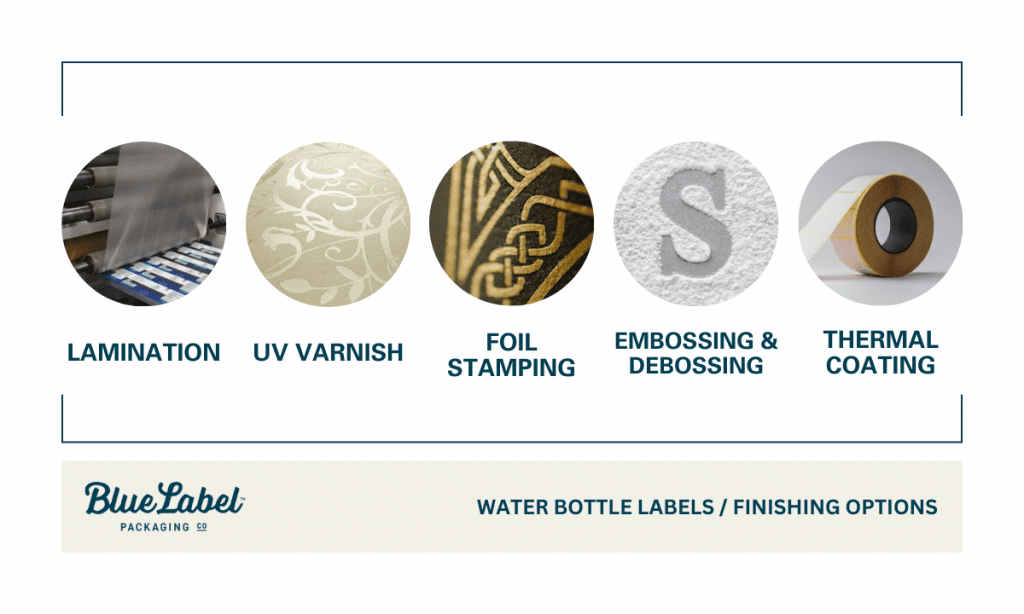
Finishing Options

While the label material is one part of the equation in protecting against the elements, label finishing can add not only protection, but extra visual appeal. Here are some of the options:

  • Lamination: A clear plastic film is applied over the label, providing a protective layer and shielding the label from water, dirt, and UV rays. Lamination can come in gloss, matte, or satin finishes.
  • UV Varnish: A UV varnish is another way to protect the printed area of the label or sticker from fading and wear. It also adds glossiness to the label, bringing out the vibrancy of colors. UV varnish can also be applied to selected areas (spot UV) for adding emphasis and texture contrast on specific parts of the label.
  • Foil Stamping: This finishing process applies a metallic foil to the label to create a shiny effect. Foil stamping can be used for logos, brand names, or any elements where you want to catch the light and draw attention.
  • Embossing and Debossing: These techniques create raised (embossed) or recessed (debossed) images on the label. They add texture and physical feel to the label.
  • Thermal Coating: For labels that might be exposed to wide temperature ranges, a thermal protective coating can be applied to help resist the effects of high heat or freezing.

Water bottle label options

Application and Adhesion

Stickiness is not just about glue—it’s about labels staying put under various conditions. Here’s what you need to know to make sure your labels stay put under varying conditions:

Types of Adhesives

There are numerous adhesive choices for labels, but for water bottles, it boils down to finding an option that sticks well to plastic, metal, or glass surfaces. Each material interacts differently with adhesives:

  • For Plastic: Look for adhesives designed specifically for synthetic surfaces which can bond firmly without peeling.
  • For Metal: Opt for stronger glues capable of handling smooth, non-porous surfaces.
  • For Glass: Choose water-resistant label adhesives since condensation can be a common issue.

Facing the Elements

Temperature fluctuations and moisture exposure are two big challenges in maintaining adhesive effectiveness:

  • High heat can weaken some adhesives causing them to lose their grip. Acrylic adhesives are generally more resistant to temperature extremes, making them a better choice than rubber-based adhesives.
  • Constant exposure to water demands waterproof or at least highly water-resistant glue formulations. Once again, acrylic adhesives make for a better choice for moist environments compared to rubber-based adhesives.

Water bottle label

Permanent Adhesives vs. Removable Adhesives

When choosing between permanent and removable adhesives, it’s important to think about the intended use of the water bottles.

Permanent adhesives offer a strong, lasting bond that is ideal for most water bottles intended for long-term use or exposure to wide temperature ranges, frequent handling, moisture, and temperature variations.

On the other hand, removable adhesives provide the flexibility to peel off labels without leaving residue, which may be better for promotional items, temporary labeling, or for consumers who prefer a label-free bottle after purchase. Removable adhesives are also ideal where the label needs to be removed cleanly, such as in reusable water bottles that might be repurposed or recycled.

Print Quality

Not everyone gets as excited about the details of printing as we do, so here are some tips to evaluate a label printer based on print capabilities and quality:

  1. Resolution: The resolution of a printer, measured in dots per inch (DPI), will determine how sharp and clear images and text appear. Higher DPI values produce finer detail, which is essential for labels with intricate designs or small text.
  2. Color Accuracy: The printer’s ability to accurately reproduce colors is important for maintaining brand consistency. At Blue Label, our HP presses can achieve accurate PANTONE emulations up to 97% using additional HP Indigo Electroinks (orange, violet, and green). 
  3. Print Speed: While not directly affecting label appearance, faster printers can handle larger batches of labels more efficiently.
  4. Ink Type: The type of ink used by the printer can impact both the quality and durability of the print. For water bottles, it’s important to use inks that are water-resistant and fade-resistant. UV inks and solvent inks are commonly used for their durability and color quality.
  5. Label Material Compatibility: The printer must be compatible with the specific materials used for your labels, such as vinyl, BOPP, or PET. Different materials may require different types of inks or printing technologies to achieve the best results.
  6. Finishing Capabilities: At Blue Label, we offer built-in finishing options like lamination, die-cutting for different label shapes, and foil stamping.
  7. Printer Technology: The type of technology used by the printer affects print quality and suitability for different label types. Blue Label uses digital printing, which offers the highest image quality, a wide range of colors, and the ability to print even small runs at a cost-effective price.
  8. Software and Integration: The software that accompanies the printer should offer color management tools that allow for precise control over the color of the labels.

Sustainability Considerations

Let’s face it, plastic water bottles are a significant contributor to global waste and pollution. A study in Science Advances reported that only 9% of all plastic ever produced has been recycled, with the rest accumulating in landfills or even the natural environment (including bodies of water).

While you can’t control what consumers ultimately do with your bottle water, you do have options for more eco-friendly and sustainable label options.

  • Sustainable Materials: Materials like BOPP or PET are known for their durability but also their recyclability. Beyond these options, there are label materials made from recycled content or even biodegradable.
  • Eco-Friendly Inks: Certain water-based and soy-based inks can be eco-friendly choices as they emit fewer VOCs compared to traditional inks.
  • Printing Technology: Digital printing technology is generally more eco-friendly than traditional printing methods because it requires less energy, wastes less ink, and eliminates the need for plates and chemicals common in conventional printing methods.
  • Removable Labels: Adhesives that allow for easy label removal make the recycling process much easier.

The Cost of Water Bottle Labels

Depending on your product, you may be looking at high-end labels with premium materials and advanced finishing techniques, or you may be considering cost-efficient materials that showcase your brand without fading or peeling.

Here are some factors to consider when evaluating the cost of custom water bottle labels:

  1. Material Selection: Opting for materials that offer a mix of durability and visual appeal at a reasonable price point can help reduce costs.
  2. Print Methods: Digital printing eliminates the need for expensive plates and setup costs, making it ideal for both short runs and larger production runs.
  3. Forecast Needs: Estimate your label requirements accurately to leverage quantity discounts without overstocking.

Get Started

Explore Blue Label Packaging’s label printing options and finishing techniques. Our experts will guide you in selecting the right label face stock, adhesive, and printing method to withstand moisture, temperature changes, and sun exposure. From durable vinyl to flexible film labels, we’ll guide you to the perfect label or sticker for the job.

What Is a Co-Packer and How Do You Find the Right One?

Let’s talk about co-packers, sometimes known as contract packagers or contract manufacturers. A co-packer is a partner who takes your product and dresses it up for market shelves. They specialize in packaging products for other businesses efficiently and creatively.

So why use a contract packaging company? Because they allow you to focus on what you do best—creating fantastic products. They handle the complexities of packaging design, materials selection, assembly line logistics, and more.

If you can relate to this sentiment from Angel Gregorio of the Spice Suite, then looking into a co-packing partner may be beneficial: “I was literally mixing spice blends by hand, bottling them, labeling them, writing on them—It was a very manual, very labor-intensive process.”

If you want your business to grow without getting bogged down by packaging and label logistics, a co-packer can be an important strategic partner.

In this article we’ll explore how contract packaging firms can elevate your brand’s presence in crowded markets—and most importantly—how to find one that aligns perfectly with your products and vision.

Bottles being packaged

Understanding Co-Packers

So what exactly are co-packers? Picture them as your packaging partners. They specialize in assembling and packing products for other businesses. But it’s not just about putting items into boxes; their services span a broad spectrum.

Services Offered by Co-Packers

At the core, they handle basic packaging needs—think bottling sauces, boxing up snack bars, or packaging a private label coffee brand. However, many go beyond this to offer a wide variety of services. This includes:

  • Procurement: They source all necessary materials.
  • Production: Some co-packers will offer contract manufacturing.
  • Packaging: From package and label design to final pack-out.
  • Distribution: Getting your finished product to market.

In short, co-packers can take an idea from raw ingredients right through to a shelf-ready product.

Benefits of Partnering with a Co-Packer

Partnering with a contract packer can certainly help streamline operations, but the benefits go beyond efficiency. A co-packer can lead to enhanced product quality, broader distribution, and a more compelling product.

  • Cost Savings: One might assume doing everything in-house is cheaper, but that’s not always the case. Co-packers often have economies of scale on their side—buying raw materials in bulk at lower prices—which translates to savings for you.
  • Efficiency Boost: Co-packers are experts at streamlining the production process, often translating to faster turnaround times—this can be valuable when responding to market demands or scaling operations quickly without sacrificing quality.
  • Quality Enhancement: Co-packers can help ensure that every item meets both your standards and regulatory requirements.
  • Scalability Made Simple: Whether launching new lines or expanding existing ones, partnering with the right co-packer means scalability isn’t limited by your current facilities’ size or capabilities.

By offloading these tasks, your business can concentrate more on product development, marketing strategies, and exploring new markets—essentially focusing on growth while resting assured that your products are being handled behind scenes.

Why Businesses Need Co-Packers

For the many small to mid-sized businesses we work with—whether they’re in the beverage business, the food business, or producing a product for health or home—we find passionate people that are experts at crafting high-quality products.

Navigating the world of product packaging? Not so much…

The Challenges

Here are some of the challenges we see and how co-packers can help:

  • Sustainability Concerns: Today, consumers are more environmentally conscious than ever. For certain products they’re looking for eco-friendly packaging, which can be a tall order for many companies aiming to stay green without breaking the bank.
  • Cost Management: The balancing act between quality and cost is tricky. High-quality materials often come with higher price tags, making it difficult for businesses to manage expenses while maintaining quality standards.
  • Supply Chain Complexities: From sourcing materials globally to managing inventory levels efficiently—supply chain management is a puzzle that requires expertise and constant attention.
  • Regulatory Compliance: Food safety laws, labeling requirements, international trade regulations—the list goes on. Staying compliant amidst constantly changing legal landscapes can be tough.
  • Innovation Hurdles: In fast-paced markets, continually innovating both products and packaging is important but resource-intensive.

Not Just for Small Businesses

Don’t think that co-packers are just for small businesses and startups—even larger businesses can benefit from a co-packer relationship. An article from Food Technology magazine details how large food companies also benefit from co-packers for testing new products or package changes without the need for significant capital investment.

“For example, the gum industry’s conversion from a focus on individually wrapped pieces of gum within a secondary package to rigid-lidded high-density polyethylene containers, blister packages, and dispensers was managed by using co-packers for the filling, handling, and sealing of these new package formats. Once the packaging acumen was refined, production lines were retooled to accommodate the new package format and were moved to the gum companies.” [How to Pick a Co-Packing Partner, Food Technology magazine]

Packaging boxes

How to Find the Right Co-Packer

Selecting a co-packer is similar to choosing any kind of business partner—you want to find one that understands your industry, your customers, and your needs as a company. Here’s how you can evaluate potential co-packing services partners:

Key Considerations

  • Capacity: Make sure they have the bandwidth to scale up with your demand without compromising quality. Touring co-packing facilities and inquiring about flexibility during peak demand seasons will help you gauge whether a co-packing company can support your needs.
  • Quality Assurance: A top-notch co-packer prioritizes high standards and possesses rigorous quality control processes to back it up. Industry-relevant certifications like ISO 9001 (Quality Management Systems), SQF (Safe Quality Food), GMP (Good Manufacturing Practices) can be indicators of a dedication to quality.
  • Experience: Look for a track record in handling products similar to yours; the right co-packer will bring insights and efficiencies unique to your industry. Certain co-packers specialize in industries like beverage products, food manufacturers, home and health products, and even industrial products.
  • Regulatory Compliance: They must be well-versed in industry-specific regulations, ensuring your product remains compliant at all stages. Check if they have any relevant compliance certifications for your industry (e.g. FDA, GMP, HACCP, ISO, Organic, Non-GMO, etc.).
  • Design and Innovation Support: The ideal co-packer brings more than just execution; they offer creative input that could improve your packaging design or suggest innovative solutions you hadn’t considered yet.
  • Flexibility: Understanding a co-packer’s lead times helps in planning production schedules effectively while discussing flexibility ensures that unexpected demands don’t turn into crises. Also consider a co-packer’s minimum order quantities (MOQ) and make sure they align with your production expectations and scale.

Pricing Structures and Anticipated Costs

Co-packers typically charge based on services rendered—be it per unit, by weight or volume of production. Expect setup fees for new projects. It’s essential you get detailed quotes upfront to avoid surprises later on.

Initiating a Co-Packer Partnership

Finding a Co-Packer

Start online but also tap into industry networks for recommendations.

The Association for Contract Packagers and Manufacturers publishes a Membership Directory that can be a good place to start.

Your industry may also have special interest groups or associations with resource lists for co-packers, or you might find an independent directory like the Specialty Food Co-Packers Directory or BevNET’s Co-Packing Listings.

Evaluating Co-Packers

  1. Vet Potential Partners: Beyond checking references, visit their facilities if possible. Check public reviews, news articles, and as we mentioned above, inquire about any relevant industry certifications of accreditations.
  2. Discuss Your Needs Clearly: From timelines to packaging materials, make sure your needs and business goals align with their co-packing capabilities. Understand their pricing model and ensure that it fits within your budget and pricing strategy.
  3. Start Small: If feasible, begin with a trial run before committing fully. This will help you evaluate their production quality, efficiency, and ability to meet your product specifications.

Managing the Transition and Long-Term Considerations

Transitioning your packaging operations to a co-packer is a significant move. It’s about ensuring continuity, quality, and efficiency—all while keeping an eye on future growth. Here’s how you can navigate this phase smoothly.

Transitioning Packaging Operations

  1. Plan Ahead: Before making the shift, have detailed discussions with your chosen co-packer about timelines, expectations, and any potential roadblocks.
  2. Inventory Management: Coordinate closely to manage existing inventory levels, ensuring there’s enough stock during the transition but avoiding excess that could lead to waste or storage issues.
  3. Pilot Run: If possible, start with a pilot batch. This allows both parties to identify any tweaks needed in processes or communication channels without risking larger production volumes.
  4. Clear Documentation: Ensure all specifications—material types, design files, assembly instructions—are documented clearly. Be sure to sign a co-packing agreement with your partner as well. This reduces chances of misunderstandings and errors.

Maintaining a Successful Partnership

A good relationship with your co-packer isn’t just set-and-forget; it requires ongoing attention.

  • Regular Communication: Keep lines of communication open for both routine updates and more strategic discussions about market trends or new opportunities.
  • Performance Evaluation: Set up periodic reviews not only focusing on what went right but also what could be improved—a balanced approach fosters better collaboration.
  • Flexibility & Adaptability: Market demands evolve; so should your partnership. Be open to revisiting terms if significant shifts in volume or product offerings occur.
  • Feedback Loop: Encourage feedback from both ends. Your co-packer might offer insights into process improvements or cost-saving measures based on their experience across clients.

Next Steps

As you start your search for a co-packer, remember to:

  • Reflect on your specific challenges and opportunities and find a partner that can specialize in these areas.
  • Outline clear goals your partnership should help achieve and share them with potential partners.
  • List non-negotiables reflecting your values and operational needs.

Are you a business in the food, beverage, or consumer goods working with a co-packer? Blue Label Packaging partners with dozens of co-packers to provide high-quality product labels for a wide variety of packaging types and industries.

Whether you’re launching a new product line or revamping an existing one, we’ll guide you through every step of the packaging process.

What is Short Run Label Printing and Why Does it Matter for Manufacturers?

Looking for flexibility in producing smaller quantities of labels? That’s where short-run labels come in. From seasonal products to limited edition releases and product testing, short-run labels allow for smaller quantities and quick turnaround times.We’ll discuss some of the considerations and how quickly you can receive a short run of product labels. 

Designer looking at product labels

Understanding Short Run Label Printing 

If you choose short run printing for product labels, it generally means that you’re printing under 10,000 labels. This is thanks to a faster printing setup, which allows companies to print out short runs of a single label design. 

In contrast, traditional methods often require longer setup times because of equipment changeover, so making smaller label runs becomes more expensive. 

Why Short Run Label Printing

Here’s a look at some of the reasons you may need short run label printing for your company: 

You’re Running a Small Business

One of the most common reasons to consider short run label printing is that you’re running a small business or startup. Whether you have a smaller budget or lower volume, you’ll only need a small number of labels at a time. Short run label printing is a cost-effective way to get quality labels without the higher upfront cost that comes with bulk printing. 

You’re Launching Seasonal or Limited Edition Products 

For season-specific product launches, it doesn’t make sense to place a big order of labels. The same goes for promotional campaigns and limited edition packaging. Short run label printing allows you to create labels with unique branding and seasonal designs. 

You Need To Update Current Labels for Compliance Purposes

In heavily regulated industries like food and pharmaceuticals, there’s always a possibility of regulations changing frequently. This creates the need to update your product label as per current standards. Short run label printing lets you print in smaller quantities to ensure compliance and prevents large numbers of outdated labels from going to waste. 

How Small Can a Label Run Be? 

We mentioned earlier that a short run is generally any quantity below 10,000, but you’re probably wondering how small a label run can be. At Blue Label, we have no minimum order quantity, though there are cost efficiencies the more labels you order.

How Quickly You Can Print A Short Run 

A major focus of short run label printing is cutting down the time it takes to receive your labels. Due to the benefits and speeds of digital printing, we can get your labels to you in just 5 business days after artwork approval. Combine that with expedited shipping options, and you can receive your labels in no time. 

Considering Short Run Label Printing for Your Products

In a nutshell, short run label printing is well suited for smaller batches of products, special releases, and seasonal products. It can help you keep costs down, receive your labels faster, and stay compliant with regulatory requirements. And thanks to a combination of digital printing and expedited shipping, you can receive labels without delays. 

Have a short run label project ready? Request a quote today.

What Is A Soft-Touch Label And Why Should Product Manufacturers Consider It?

If your brand of consumer goods has a line of luxury products, how do you set them apart? Soft-touch labels show customers that they’re in for a unique experience when they’ll buy your premium products—even before they’ve tried the product. 

You’ve likely come across soft-touch labels many times at high-end stores. Their smooth, velvety feel gives product packaging a different tactile experience. Here’s what soft-touch labels are, and why you should choose them for your products.

Candles with custom labels

How Soft Touch Labels Achieve That Soft Feel 

We make soft touch labels using polyurethane compounds that give the label a smooth, velvety feel. In the first step, the label is flood-coated with an adhesive. Then, a soft-touch finish is applied to the sticky side and cured with UV light. Once it cures, the coating becomes much more durable and long-lasting. 

What Products Are Well-Suited For Soft Touch Labels 

Wondering if soft-touch labels align with your brand and product line? Here are some common product types that commonly use these labels: 

  • Personal Care Items: Cosmetics, lotions, fragrances, and skincare are all examples of personal care items where soft-touch labels can make a positive impression on customers. The soft texture contributes to a premium feel and positions your brand as luxurious. 
  • High-End Alcoholic Beverages: Soft-touch labels are a common choice for wines, spirits, and even specialty craft beers. The smooth, matte finish can make your product appear upscale and sophisticated. These labels are especially common for premium product lines and limited edition collections. 
  • Luxury Food and Beverages: Having soft-touch labels for premium food and beverage products can make them stand out on the shelves. For example, high-end chocolates, specialty coffee, and artisanal teas can reflect a refined experience when you see them. 
  • Nutraceuticals: High-end nutraceutical and supplement brands use soft-touch labels to show customers that they value providing a high-end product. 

Benefits Of Choosing Soft Touch Labels 

There’s more to these premium product labels than their luxurious appearance and feel. Here are some of the other benefits: 

Soft Touch Labels Are Durable 

Despite the delicate and sophisticated appearance, soft touch finishing can protect your product from fading, smudging, and scratches. The coating on top of the label protects the ink underneath, leading to minimal wear and tear. 

Soft Touch Labels Don’t Peel 

A label that starts peeling soon after you buy a product is a sign of poor quality. With soft-touch labels, you won’t have to worry about that, since the process uses premium adhesive. A good example of this is labeling high-quality wine bottles. Even if the bottle is put on ice, you won’t have to worry about the label peeling, fading, or scratching. 

Customers Love the Feel

Today, more consumers are seeking unique buying experiences from the brands they love. They perceive high-quality packaging as a reflection of your product’s value, which is why many customers view soft-touch labels positively. 

Soft Touch Labels Are Compatible With Different Containers 

Another advantage is that soft-touch labels are compatible with plastic, metal, and glass packaging. From jars and containers to bottles, these labels easily adhere to different types of packaging for consumer products. 

You Can Combine Soft Touch With Other Techniques 

Another way you can customize your brand’s soft touch labels is by combining them with other finishing techniques, like foil stamping or spot UV finishing. This improves the visual and tactile appeal of your labels. Many brands prefer combining different techniques for their premium product labels. 

Considerations of Choosing Soft Touch Labels

Sure, soft-touch labels come with some impressive benefits, but there are a few considerations, too. 

It May Add to the Cost of Labels 

Getting a soft touch finish may add to your cost of labels because the coating process is more expensive than that of regular finishes. The process requires specialized materials and extra steps, which can increase your per label cost. 

Choose Soft Touch Label Printing For An Attractive Finish 

Soft-touch labels are a great way to communicate that you value the customer’s buying experience and are delivering a premium product. These labels have a smooth, velvety feel that protects the information on your label. They don’t peel, are compatible with plastic, metal, and glass containers, and come in different finishes. You can also customize the final look by combining a soft-finish coating with other techniques like foil stamping. 

Interested in soft touch labels for your products? Get in touch with the experts at Blue Label Packaging. Check out our materials, get a sample pack, or request a quote.

What is a Batch Number and Why Does it Matter for Product Labeling?

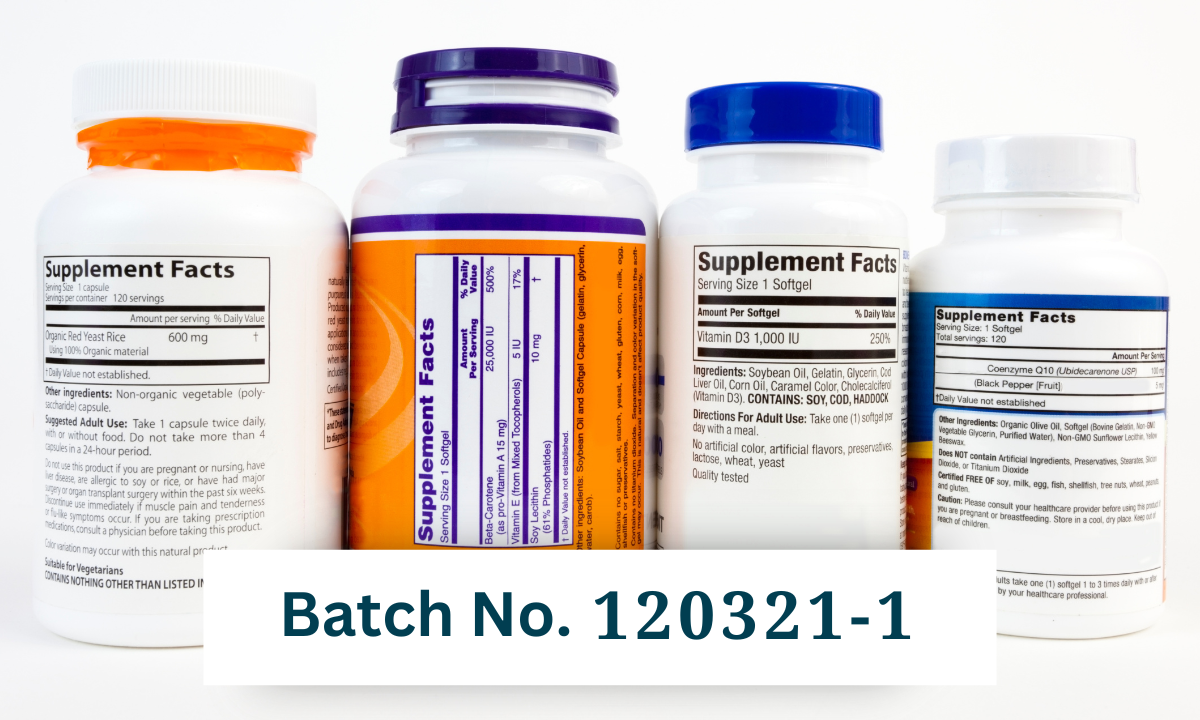
Thousands of businesses all over the world rely on batch numbers and batch management to handle and track their products as they move through different stages of the production and distribution process. Let’s discuss batch numbers, the type of information they include, why they’re important, best practices, and how you can add them to labels. 

Batch number on product label

Understanding Batch Numbers 

According to the FDA’s Code of Federal Regulations, a product batch number is a distinct combination of numbers, letters and symbols detailing a product’s manufacturing, processing, and distribution history. 

With batch numbers, you assign a code to a group of products that were manufactured together during a single production run.The data in a batch number allows manufacturers and distributors to keep track of products as they move through the supply chain. 

Information That Batch Numbers Typically Include 

Your batch number should contain information that allows distributors and manufacturers to uniquely identify products in one production run. That means each code needs to include information like: 

  • Manufacturing Date: When was the product manufactured? Most batch numbers use the Julian Date format, which is written as YYDD. This helps you trace when the product was manufactured, which is important to know during recalls. 
  • Production Time: Some industries, like the food and beverage industry, mention the production time in batch numbers. This detail allows them to maintain better quality control while managing shelf life and expiration dates. 
  • Location: Companies that have different production sites commonly include the location in batch numbers. Adding this information allows precise traceability for product batches at different stages of the manufacturing process. 
  • Product Code: Batch numbers often include a product code, which corresponds to a specific Stock Keeping Unit (SKU). It helps distributors distinguish between different product varieties and types, such as regular and sugar-free versions. 
  • Serial Number: In industries where several batches are made in a single day, serial numbers are added to batch numbers. It helps manufacturers and distributors distinguish batches produced on the same day or during the same shift. 
  • Expiration Date Or Shelf Life Code: Batch numbers in some industries like cosmetics and food and beverage often include codes for shelf-life and expiration dates. 

Why Batch Numbers Matter For Labeling Products 

So, why add batch numbers to your product labels? The ISO 9001:2015 lays out best practices for traceability. It requires businesses to use batch numbers to track products and ensure quality control across different production stages. 

Here are some of the reasons to use batch numbers: 

Improves Traceability

When you’re adding batch numbers to product labels, you get precise traceability for your products. You can trace the lifecycle of an entire batch from manufacturing and processing to distribution and store shelves.  

Ensures Regulatory Compliance 

When you operate in an industry that’s exposed to strict regulations, such as food and pharmaceuticals, you need precise record-keeping. Not to mention, regulatory bodies like the FDA require batch numbers for food products, beverages, infant formula, and pharmaceuticals. 

Allows Better Inventory Management 

Your business can keep an accurate track of current inventory and anticipate demand. This reduces the risk of stockouts or overstocking. 

Efficient Product Recalls 

In the event of defects or safety concerns, your business can quickly identify the issue affecting a specific batch. You’ll be able to implement recalls much faster.  

Best Practices For Batch Number Placement And Printing  

Regulations surrounding the placement and printing of batch numbers can depend on your industry. However, guidelines usually include printing the batch number in a clear and prominent location. For instance, the FDA requires that you print the batch number somewhere it’s accessible, like the information panel on the label. The font size should be big enough to ensure readability, so about 1/16th of an inch for smaller labels, as detailed by 21 CFR §201.15. 

Creating And Managing Batch Numbers 

Whether you’re managing operations at a small or large scale, most companies leave managing batch numbers to specialized software. 

For smaller-scale operations, common options include Craftbase, Unleashed Software, and QuickBooks Enterprise. For larger-scale operations, common options include NetSuite, SAP’s ERP suite, BatchMaster ERP, and Inciflo. 

Integrating Different Batch Numbers Into One Label Run 

For businesses that print batch numbers onto labels, integrating different batch numbers into a label run is a common scenario. That’s where labeling solutions like variable data printing comes in.

Variable data printing allows you to change elements like graphics or text for labels quickly adding several different batch numbers into a single run for a cost-effective and efficient solution. 

Add Batch Numbers to Labels for Better Traceability and Compliance

Ready to put together a strategy for printing batch numbers in a single label run? Our experts can help. Learn more about variable data printing, get a sample pack, or request a quote!

What Is Variable Data Printing And When Is It Used for Product Labels

Is your company considering launching a customized marketing campaign to attract a unique audience? Or are you looking to diversify your product varieties with new flavors, scents, or seasonal editions?

Using variable data printing for product labels is a cost effective solution that helps you do this at a large scale. Here’s what to know about the kind of data it can print and when you can use it for product labels. 

Understanding Variable Data Printing 

In variable data printing, you can change elements of your label, like graphics and text, without changing the equipment. One well known implementation of variable data printing is  Coca Cola’s Share-a-Coke campaign with personalized bottles and cans.

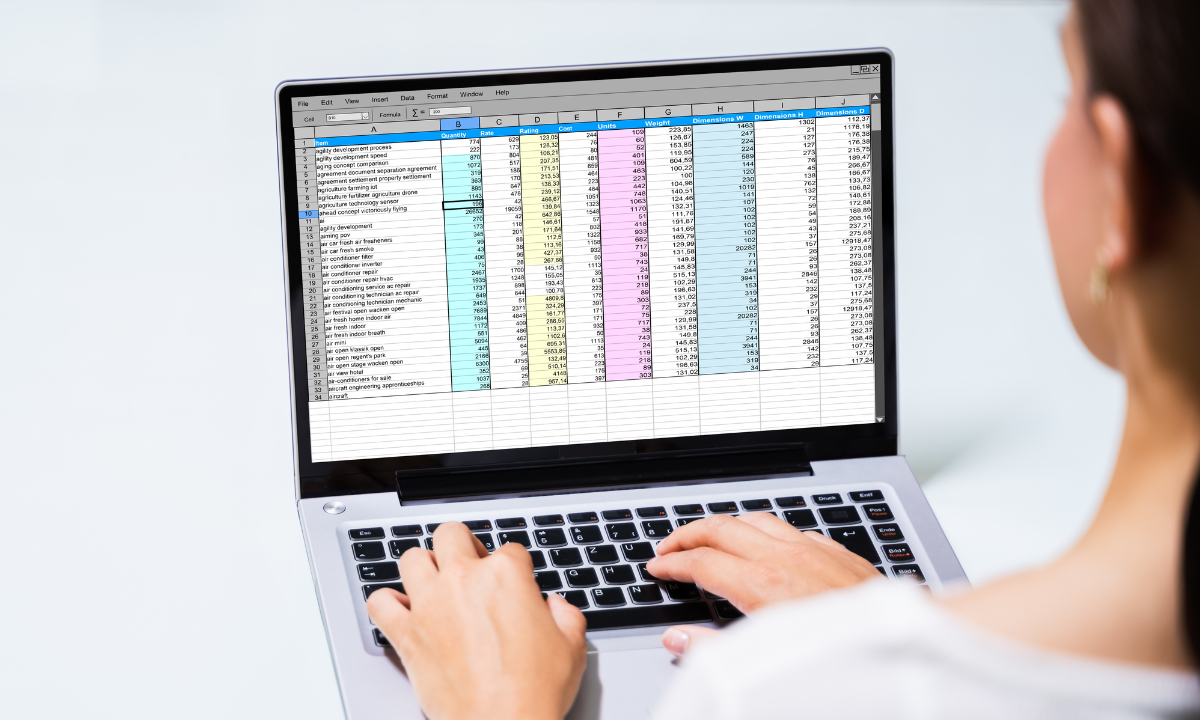
The process requires all variations in text and imagery ahead of time. This data is compiled into a database and spreadsheet, and is fed to the label printing software. The digital press pulls text and graphics from the data and prints variations in sequences. 

While you can change the text and graphics, all labels in a run should be the same dimensions to be able to use variable label printing. 

Take a wellness brand selling essential oils, for example. Each bottle may need a different label based on whether it’s lavender, tea tree, eucalyptus, or peppermint essential oil. With variable data printing, you can print labels with different colors, graphics, and names for each type of essential oil without changing the equipment in a printing press. 

Now, take this concept and apply it to other product lines. From craft beer and skincare to artisanal coffee and CBD, the applications are endless. 

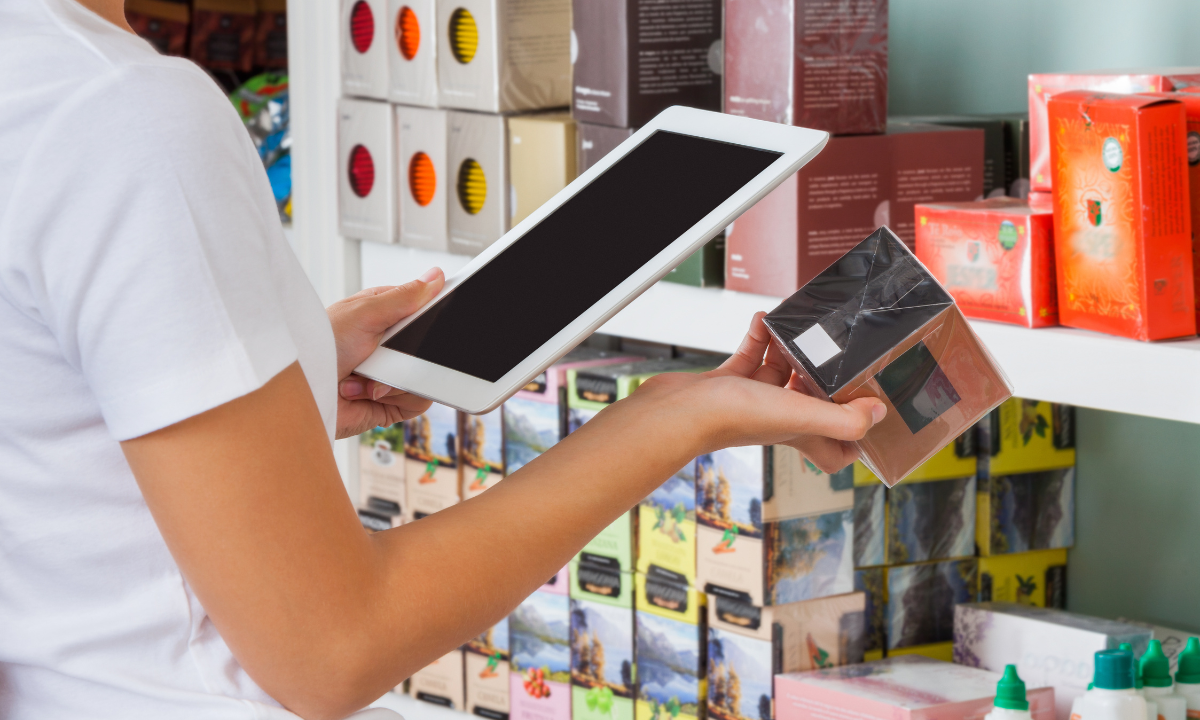
Scanning barcodes and variable data

Types of Variable Data Options

With variable data printing, you can print different types of data. 

  • Barcodes: With variable data printing, each product can have a unique code, improving inventory accuracy and enhancing supply chain efficiency
  • Serial Numbers: Using this technology for serial numbers allows companies to track products easily, making warranty management and theft prevention more effective 
  • Batch And Lot Numbers: Unique batch and lot numbers improve traceability so companies can ensure swift recalls and quality control in case of safety issues or contamination.  
  • Manufacturing and Expiration Dates: Printing variable manufacturing and expiration dates on the label helps your brand comply with food safety regulations. 
  • Regional Pricing Information: You can customize pricing by region using variable data printing, ensuring that you comply with pricing laws. 
  • Promotional Codes: Printing unique promotional codes help your business track marketing campaigns, boost customer engagement, and plan personalized promotions. 
  • Product Variation: Using variable data printing for product variations streamlines label customization. You can ensure accurate information for each version and reduce errors. 
  • Regulatory Information: You can print regulatory information on products to meet local compliance standards and reduce the risk of penalties and fines. 

Applications For Variable Data Printing 

Here are some of the most applications for variable data printing across different industries and business models: 

Limited Edition Products 

If your brand plans on creating limited-edition designs for an upcoming event or season, variable design printing helps you do this quickly. While traditional printing requires large batches to keep costs down, variable data printing allows you to print smaller batches of limited-edition product labels without eating up a big chunk of your budget. 

Meeting Regional Regulatory Requirements 

For companies operating in the food, pharmaceutical, and electronics industries, regulatory requirements can differ between regions. Because traditional printing creates identical labels in bulk, you can’t accommodate dynamic changes based on different geographical locations. Meanwhile, variable data printing allows you to include different safety and warranty labels based on where the product is going. 

Selling In International Markets 

Speaking of different regions, expanding to different markets means dealing with language barriers, too. This means printing labels with instructions, food allergy details, and other information in different languages, too. Though English is commonly understood, many regions have a preference for their local language. And customizing labels with each region’s native language is a great way to ensure that your product is well-received by the local public. 

SKU Management 

If your brand offers different product lines like flavors or scents, variable data printing makes it easier to create multiple variations. That way, you can print labels for multiple variations in smaller orders instead of one large batch. 

Promotional Codes 

During special promotions where your brand hosts competitions with prizes or offers discounts on complementary products, unique codes or images are printed on the label. With variable data printing, you can implement changes quickly without dealing with the expenses of equipment changeover fees. You’ll be able to track consumer preference and response to your initial batches before deciding to print more. 

Spreadsheet with data

Types Of File(s) A Label Printer Needs To Perform Variable Data Printing

Because the variable data printing process differs from traditional printing in more than one way, you can expect to need different file types.  

  • CSV or Database Files: Label printers need CSV or Excel files that contain variable information. This could include the name of a product variety, ingredient information, food safety information, and more.  
  • PDF Files: You can set up PDF files with dynamic fields for variable data printing. The file will have interactive fields that pull data from external sources, like a spreadsheet. 
  • .AI Files: When using label design software like Adobe Illustrator, templates are saved in its proprietary format containing placeholders for different data. Then, the variable data can be derived from a database or spreadsheet to fill in placeholders. 

Choose Variable Data Printing For Cost-Effective And Efficient Label Solutions

To sum it up, variable data printing gives brands a seamless way to integrate dynamic data into labels without changing the equipment. From labeling products in different languages to creating new varieties, there are various applications for variable data printing. 

If you want to start printing your product labels with variable data printing, contact our team at Blue Label Packaging to get a free quote.