What You Need to Know About FDA Health Claims on Food Labels and Dietary Supplements

For something that can’t talk, labels say a whole lot about your product. A good label should be able to communicate a whole story to consumers, including what your product is, how it can help them, and why they should choose your goods instead of someone else’s. These messages are critical to the success of your products, but you need to be careful that what your label says doesn’t get you in trouble.

Health claims on food labels are one major way to help communicate the benefits of your product to your intended audience. However, the FDA is very particular about exactly what businesses try to claim. The FDA has strict guidelines for what is and isn’t acceptable on product labels to prevent consumers from being swindled by false or misleading promises. One claim may be fine, but another could result in recalls, seized products, and criminal prosecution.

As you may have guessed by now, health claims are serious business. Unfortunately, the FDA’s various definitions and rules of health claim usage are a bit difficult to understand without some help. That’s why we wanted to break down the different health claims with examples to see what it takes to ensure that what your labels say is okay with the FDA.

The Different Types of Label Claims

In general, health claims on food labels are statements made on food product labels or dietary supplements that boast some type of health benefit. This may seem simple, but the FDA doesn’t treat every claim the same way. Label claims come in multiple forms:

  • Health claims (which comprise of authorized health claims and qualified health claims)
  • Nutrient content claims
  • Structure/function claims

While they all have the same goal, there are distinct differences for each type of claim. In turn, the FDA has different guidelines that you need to follow depending on which claim you use.

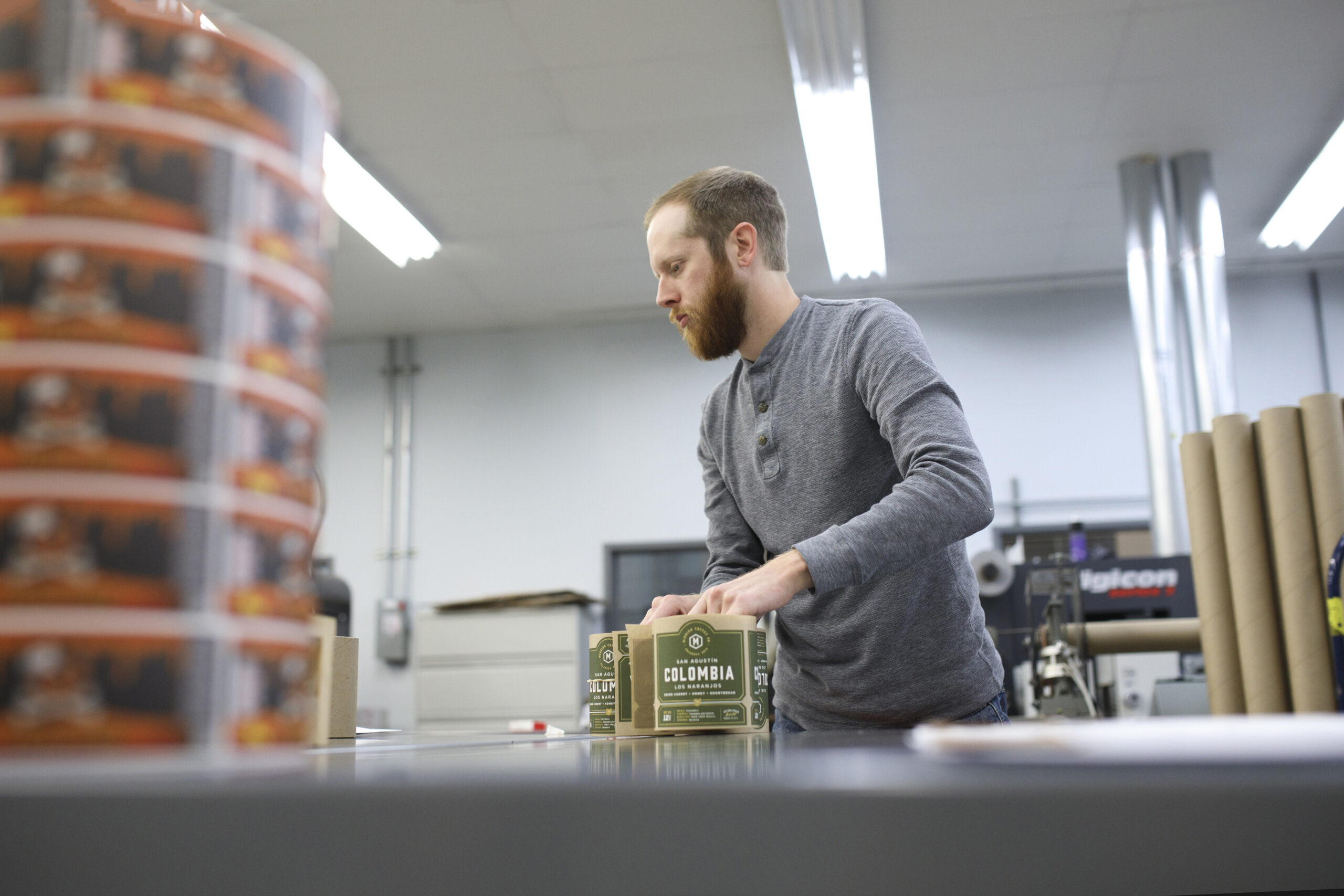
A food product label with health claims being handled by a label printing expert.

What are health claims?

A health claim is a statement that creates a relationship between a product and some type of health benefit. For example, a specific ingredient may be tied to reduced risk for heart disease or some other condition. These claims can be represented in a few different ways:

  • Written statement
  • Symbols
  • Vignettes
  • Third-party statements

No matter how they’re represented, they still need to meet certain standards. Health claims require scientific evidence to be deemed acceptable for use. However, there are two different levels of health claims that dictate just what evidence is necessary:

  • Authorized health claims
  • Qualified health claims

Authorized health claims must meet the Significant Scientific Agreement (SSA) standard. Essentially, experts create a consensus of whether there’s enough publicly-available evidence that a certain health claim is accurate. For example, you can make the connection that diets that are low in sodium “may” or “might” reduce the risk of high blood pressure.

Qualified health claims aren’t quite as strict as their authorized compatriots. These claims don’t need to meet SSA standards, but still requires some significant scientific evidence. For example, scientific evidence suggests that including whole grains as part of a low saturated fat, low cholesterol diet, may reduce the risk of diabetes mellitus type 2 .

Of course, you need to be careful with the specific wording of statements. Fortunately, the FDA does provide approved lists of both approved health claims and qualified health claims online.

What are nutrient content claims?

While health claims dictate a certain relationship between certain ingredients or products and a health condition, nutrient content claims involve statements about specific nutrients found in your products. These include, but are not limited to:

  • Calories
  • Sugars
  • Cholesterol
  • Saturated fat
  • Sodium

Essentially, nutrient content claims showcase how the level of certain ingredients relate to typical products. However, your products must meet certain FDA standards to do so. For example, your label can make the claim that it’s “100 percent fat free” if it contains 0.5 g fat per 100 g. Whether you want to market that your product is an excellent source of something or contains a small amount of something else, make sure you check the FDA’s guideline for content claim criteria on page 87 of the Food Labeling Guide.

It’s also important to note that the FDA cares about not only what you claim, but also how that claim is presented on your label. The FDA mandates that any nutrient content claims should be no more than twice as prominent as the name of your food or dietary supplement. In general, that means you should make sure your claim’s type size isn’t more than twice as big as your product name. If your claim is too big or too bold in comparison to your statement of identity, the FDA will probably want to have a word with you.

What are structure/function claims?

According to the FDA, structure/function claims “describe the role of a nutrient or dietary ingredient intended to affect the structure or function in humans or that characterize the documented mechanism by which a nutrient or dietary ingredient acts to maintain such structure or function.” In short, these claims cover any statements about how a certain nutrient generally impacts the human body, as long as it doesn’t make a connection to preventing disease.

A good example of a structure/function claims is that “calcium helps create strong bones.” As long as the claim is truthful, the FDA is fine with using structure/function claims on food products.

However, the FDA is more particular about these claims if you plan to use them on dietary supplements. In that case, you need to meet the following three requirements to use these claims on your packaging.

  • You must have substantiation that the claims are truthful and not misleading before you make any claims
  • You must notify the FDA that you’re using the claim within 30 days of first marketing your product
  • The claim must include a mandatory disclaimer statement that is provided for in the law

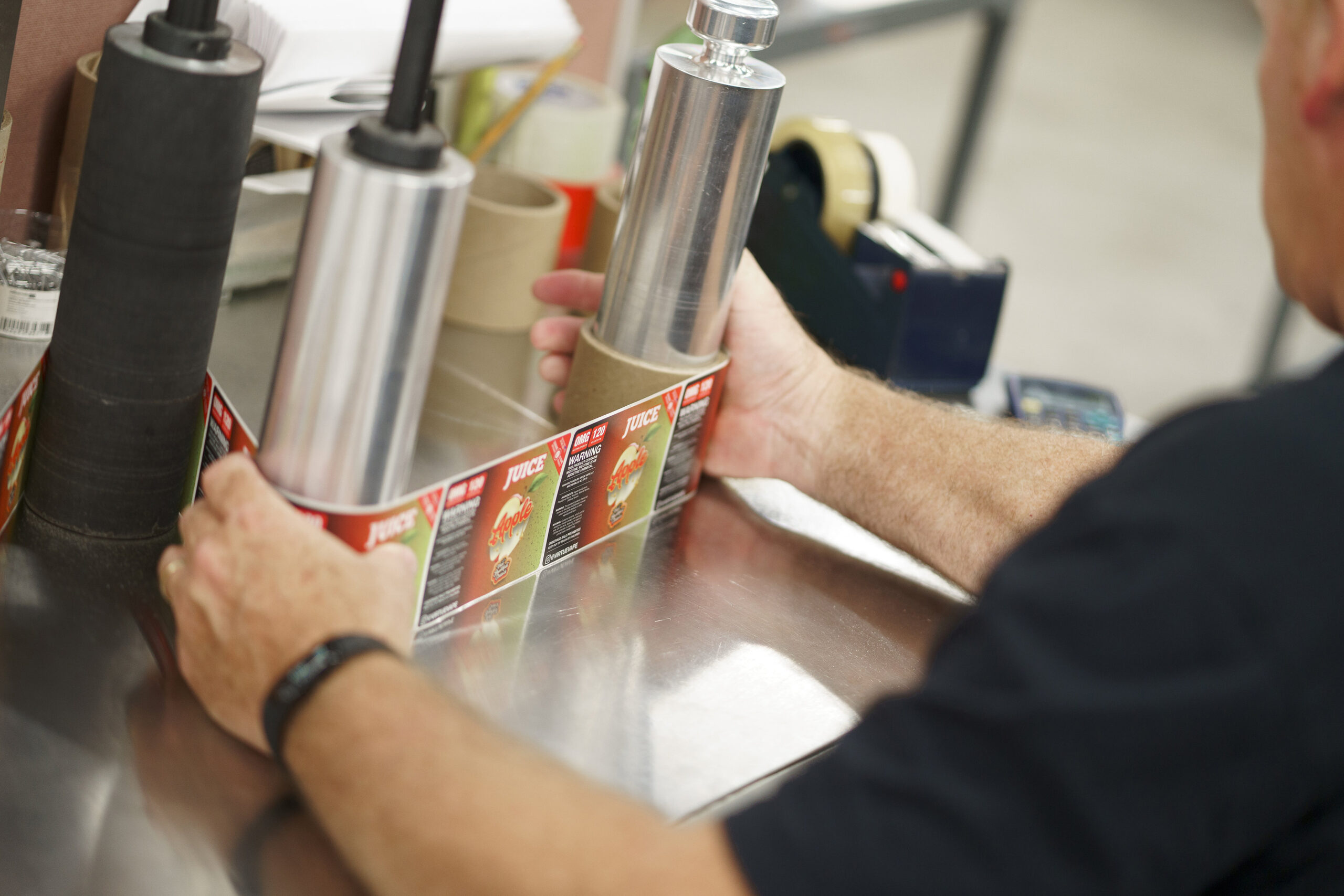
Employees at a label printing company reviewing labels with health claims.

Stake Your Claim with Quality Product Labels

Health claims on food labels can help you attract customers, but it’s only one piece of the packaging puzzle. A good label needs to balance compliance and quality, which means that it’s important to work with the right label printing company.

Blue Label Packaging Company offers the right combination of printing technology and expertise to bring out the best in your label designs. In addition to offering a variety of custom label printing capabilities, we’re committed to customer service as well. We work with you throughout the process to ensure a quality product and turnaround times of three to five business days after proofs are approved.

When you’re in need of eye-catching product labels, we’re ready to help. Contact us today the next time you need custom labels for your products.

3 Food Safety Labeling Considerations

Food safety is serious business, and packaging plays a pivotal role in protecting the consumers. While good food labels won’t prevent a product from spoiling, it can provide consumers with information to protect themselves from potentially harmful factors.

Some food safety measures are required by law, which means taking certain precautions with your labels can not only protect your consumers, but also your wallet and reputation. Here are three food safety concerns you should consider for your labels.

Specifications for Meat, Poultry, and Egg Products

You need to be careful with the language you use on labels meant for meat, poultry, and egg products. The United States Department of Agriculture (USDA) is very particular about certain descriptions that you may use on your labels, such as fresh poultry versus frozen, claims of “no hormones,” and other identifiers.

Fortunately, the USDA’s Food Safety and Inspection Service (FSIS) offers a glossary of labeling terms and what it takes for you to legally use them. These guidelines can range from the temperatures of certain products to the process by which the meat, poultry, or eggs are prepared. Some terms, such as “chemical free” are not allowed at all.

Food labels that meet safety regulations.

Identify Food Allergens

The Food Allergen Labeling and Consumer Protection Act (FALCPA) of 2004 placed an emphasis on proper labeling for food allergens. According to the FDA, a group of eight allergens, which the FALCPA call “major food allergens,” account for at least 90 percent of all food allergies:

  • Milk
  • Eggs
  • Peanuts
  • Tree nuts (such as almonds, cashews, walnuts)
  • Fish (such as bass, cod, flounder)
  • Shellfish (such as crab, lobster, shrimp)
  • Soy
  • Wheat

If your packaged food product contains one of these allergens in any form, such as an ingredient, flavoring, coloring, or any incidental additive, you’re going to need to make sure your label reflects that. According to FALCPA, you can call out allergens on your labels in one of three different ways.

  • Include it in the ingredient list while using the allergen’s common name
  • Add the less common form of the allergen in the ingredient list and add the major allergen type in parentheses, such as “albumin (egg)”
  • Add a line that begins with the word “Contains” followed by the name of the allergen, such as “Contains eggs, milk”

As with any violation of federal law, a failure to list major food allergens can result in some major consequences. The FDA can pursue legal action against any offending companies and even seize packaged food products that aren’t compliant with labeling regulations. Long story short, make sure your food labels properly list any allergens to protect your business and your customers.

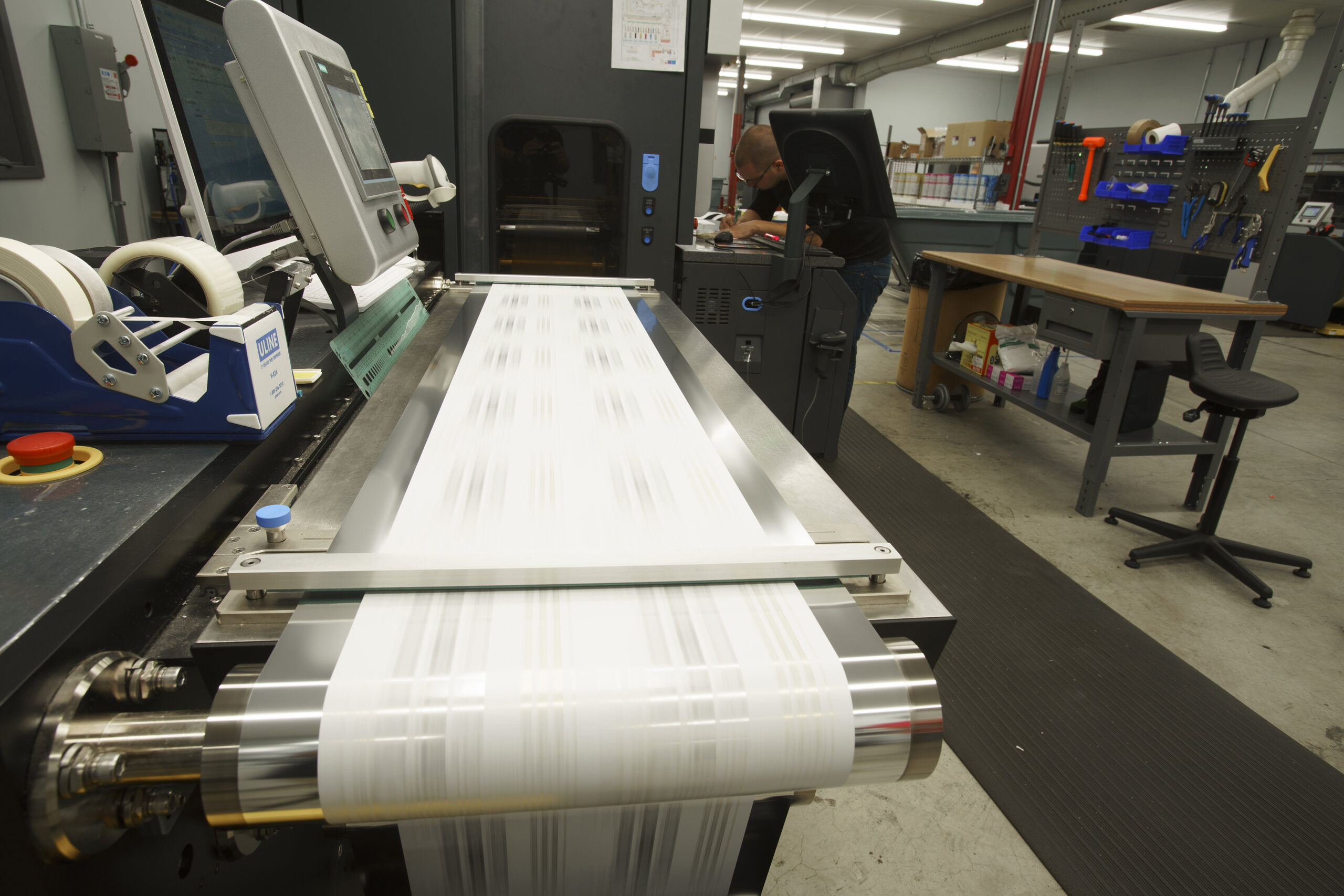
A digital label printing company working on specialty food labels.

Proper Food Dating

“Best by” and “sell by” dates are a common sight on food labels, but aside from infant formula, there are no federal regulations that require product dating. The FDA views dates as an indicator of product quality and have made efforts to move away from the usage of “best by” and “sell by” on labels.

According to the FDA, between 30 and 40 percent of food in the United States goes uneaten, which is partially caused by consumers confusing food product dating with safety concerns instead of quality. This miscommunication has led FSIS to recommend that food products use a “best if used by” date. However, the addition of this date is voluntary. If you do decide to include a date you also must include a phrase that explains what “best if used by” means to communicate that the date is a quality standard and not a safety indicator.

Quality Food Labels for Quality Products

Food safety is a big priority, and so is branding. The right food safety label needs to include all the proper information for your product, attract customers to buy your food, and do so while dealing with scratches, condensation, and any other potential hazards for your food packaging labels.

Fortunately, a good digital label printing company can help you accomplish all three goals. At Blue Label Packaging Company, we have the technology and expertise to create the product labels made specifically for your needs. Contact us today to talk to one of our experts about your next food label project.

Crowler Packaging: Guidelines and Rules to Know

Crowlers are great for several reasons. They’re extremely portable. They’re able to keep light out and help beer stay fresh for up to a month. They’re more convenient than lugging around a glass growler. In all, crowlers are a wonderful way to sell beverages in convenient 32 oz. containers—if they’re in accordance with the law, that is.

Like their glassy growler cousins, crowler packaging can run into some legal issues if you’re not careful. Consider the following legal guidelines for your custom crowler labels.
(more…)

Key Compliance Considerations You Need to Know for Your Kombucha Labels

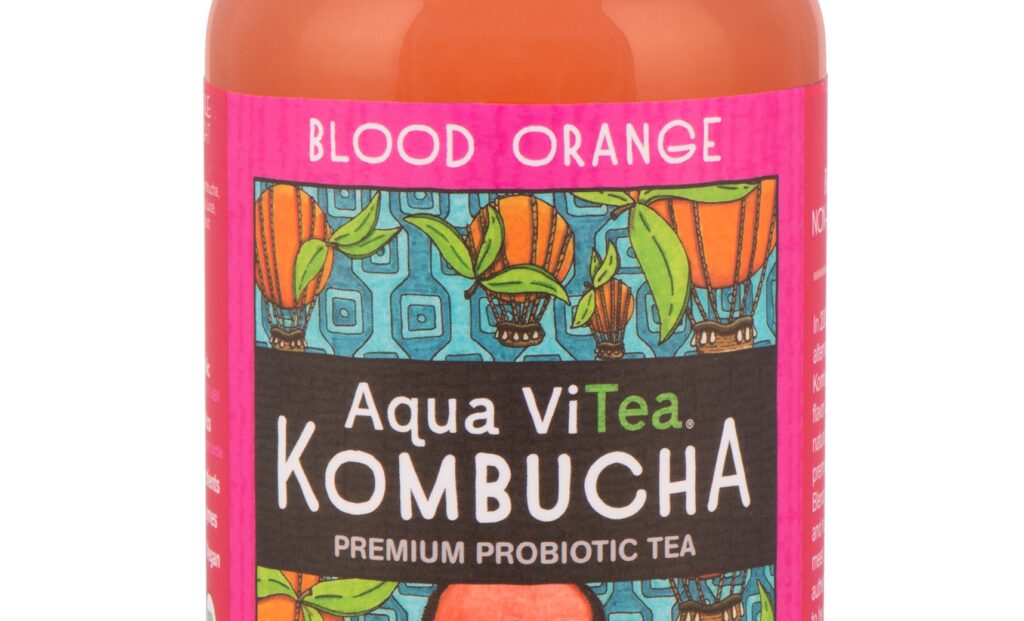
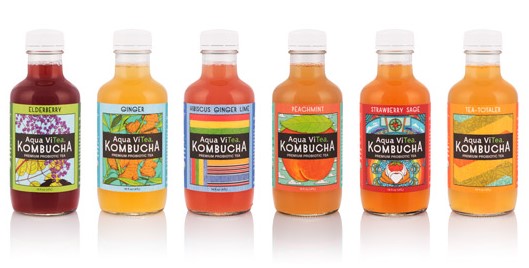
Once an underground sensation, kombucha is becoming big business. According to The Specialty Food Association, the kombucha market had $1.5 billion in sales in 2017 and is expected to grow 23 percent over the next five years. However, the growing kombucha market is drawing attention from more than just thirsty customers, which makes proper packaging even more important than before.

A kombucha label is more than just a way to brand your products. It also serves as a compliance tool to ensure that your products are labelled in accordance to any government regulations. Here are the kombucha basics and some important areas that can directly impact labels for kombucha.
(more…)

Organic Food Label Regulations and Labeling Requirements

⚞ The Highlights:

  • In the U.S., “organic” is a regulated term. It’s governed by the USDA’s National Organic Program, not the FDA.
  • There are four labeling categories based on organic content: 100% Organic, Organic (95%+), Made with Organic ingredients (70%+), and products with less than 70% organic ingredients.
  • Only “100% Organic” and “Organic” (95%+) products can display the USDA Organic seal.
  • If you sell more than $5,000 a year in organic products, you have to be certified by a USDA-accredited certifying agent before making organic claims.
  • The organic rules reach past the food itself. They restrict certain packaging materials, and the seal has its own design and legibility rules.

In the United States, “organic” is a legally regulated term, and the agency in charge is the USDA (through its National Organic Program), not the FDA. To label a food as organic, it has to meet a defined percentage of organic ingredients, and in most cases the business has to be certified by a USDA-accredited certifying agent. How you can describe the product, and whether you can use the USDA Organic seal, depends on which of four categories your product falls into.

We print labels for food and beverage brands every day, including plenty of organic ones, so we see where the rules meet the actual label: the percentages, the seal, and the packaging details that catch brands off guard. Here’s a plain-language walk through what it takes to label a food as organic. One note first: this is general guidance, not legal or compliance advice. For your specific product, confirm with the USDA or your certifying agent.

Who regulates organic food labels?

The USDA regulates organic food labeling in the U.S. through the National Organic Program (NOP), which sets the standards for what can be grown, produced, and sold as organic. People mix this up with the FDA all the time, so let’s be clear about it.

Is “organic” a regulated term?

Yes. Unlike “natural,” which has no strict federal definition for most foods, “organic” is legally defined and enforced. A business can’t simply decide to call a product organic. It has to meet the NOP standards and, in most cases, be certified before using the term on a label.

USDA or FDA: which regulates organic?

The USDA regulates organic claims, not the FDA. The FDA oversees general food labeling (things like the Nutrition Facts panel and ingredient list), but the organic claim itself falls under the USDA’s National Organic Program. So a packaged organic food follows FDA rules for its Nutrition Facts panel and the USDA’s rules for its organic claim at the same time.

The four USDA organic labeling categories

The USDA sorts organic products into four categories based on the percentage of organic ingredients by weight (excluding water and salt). The category decides how you can describe the product and whether you can use the seal.

Category Organic content USDA seal allowed? Front-panel claim
100% Organic 100% organic ingredients Yes “100% Organic”
Organic 95% or more organic Yes “Organic”
Made with Organic ___ At least 70% organic No “Made with organic [up to 3 ingredients or groups]”
Less than 70% organic Under 70% organic No No front claim; organic items listed only in the ingredient panel

100% Organic

Every ingredient has to be certified organic (water and salt don’t count toward the calculation). These products can carry the “100% Organic” claim and display the USDA Organic seal. This category mostly covers raw, single-ingredient products and minimally processed foods, since a multi-ingredient product is hard to keep fully organic.

Organic (95% or more)

At least 95% of the ingredients by weight are certified organic. The remaining 5% has to be either non-organic agricultural ingredients that aren’t commercially available in organic form, or approved substances from the National List. These products can be labeled “Organic” and can display the USDA Organic seal. This is the category most packaged organic foods aim for.

Made with Organic ___ (at least 70%)

At least 70% of the ingredients are organic. You can say “Made with organic [up to three named ingredients or food groups]” on the front panel, for example “made with organic oats and honey.” You cannot use the USDA Organic seal on these products. Worth knowing: products in this category still have to be certified through the same USDA process, even without the seal.

Less than 70% organic

If organic ingredients make up less than 70% of the product, you can’t make an organic claim on the front of the package and you can’t use the seal. You can only identify which specific ingredients are organic in the ingredient list on the information panel.

The USDA Organic seal

The USDA Organic seal is the round green-and-white (or black) mark you see on certified organic products. Shoppers recognize it and trust it. You can only use it if you qualify, though, and there are rules for how it appears on the package.

When can you use the USDA Organic seal?

You can use the seal only on products in the “100% Organic” and “Organic” (95%+) categories. Products in the “Made with Organic” and under-70% categories can’t display it, even though “Made with Organic” products are still certified.

What are the rules for displaying the seal?

The USDA provides the official seal artwork and expects it to be reproduced as-is. A few practical rules:

  • Approved colors only. The seal appears in its green-and-white form or in all black. You can’t recolor it to match your brand palette.
  • Keep it legible. It has to be clear and readable at the size you print it. There’s no single fixed minimum dimension, but a seal too small to read defeats the purpose and can draw scrutiny.
  • Don’t distort it. Keep the proportions. No stretching, cropping, or altering the mark.
  • Certifier name. The name of the certifying agent has to appear on the information panel of certified products.

Printing an organic label?

We help food and beverage brands get the USDA seal, the certifier statement, and the mandatory panels laid out and printed cleanly. We’ll make sure the seal reproduces correctly on your material.

Request a Quote    Get a Sample Pack


Getting certified organic

For most brands, using the word “organic” on a label starts with certification. Here’s how that works and who’s exempt.

How does organic certification work?

You work with a USDA-accredited certifying agent, who reviews your operation, your practices, and your ingredients against the NOP standards, then inspects your facility. Once you pass, you’re certified and can label qualifying products as organic. Certification is ongoing, with annual review and inspection to keep it current.

Who is exempt from certification?

Operations that sell $5,000 or less per year in organic products are exempt from certification. They still have to follow the NOP standards and label truthfully, but they don’t have to go through the full certification process. The catch: exempt operations cannot use the USDA Organic seal and cannot call their products “certified organic.” Certification is what unlocks the seal.

What happens if you make a false organic claim?

Mislabeling a product as organic when it doesn’t qualify can bring significant civil penalties per violation, on top of the reputational damage of a recall or public correction. The organic label carries a price premium precisely because it’s enforced, so the USDA takes false claims seriously. When in doubt about whether a claim is allowed, confirm with your certifying agent before you print.

Does organic certification cover your packaging and label?

Most brands think about organic rules in terms of ingredients. The rules reach the package too, and a lot of brands don’t realize it until they’re deep into certification. If organic is part of your brand promise, the packaging and label deserve the same attention as the recipe.

Packaging materials the organic rules restrict

The NOP restricts packaging materials, storage containers, and bins that come into contact with organic products. In particular, packaging that contains synthetic fungicides, preservatives, or fumigants isn’t allowed for certified organic products, and packaging can’t contaminate the food it holds. If you’re going through certification, your certifying agent will want to know what your packaging and labels are made of, so it’s worth confirming your materials early rather than after a run is printed.

What the seal and category rules mean for label design

The labeling category shapes the front of your package before a designer draws anything. If you’re in the “Made with Organic” category, the design can’t lean on the USDA seal, so the layout has to carry the organic story a different way. If you qualify for the seal, it needs space where it reproduces cleanly in its approved colors, and the certifier name needs a home on the information panel. Sorting this out up front keeps you from redesigning the label after certification tells you what you can and can’t show.

Pro tip: Decide your organic category before you finalize the label design, not after. The category controls whether the seal can appear and what front-panel claim is allowed, and those decisions ripple through the whole layout. It’s a lot cheaper to design around the rules than to redesign around them.

Other certifications you’ll see on organic labels

The USDA Organic program is the main event for U.S. organic claims, but a few other marks show up alongside it, especially for brands that sell internationally or lead with ethical sourcing.

Fair Trade certification

Fair Trade certification focuses on how a product is sourced, covering labor practices, fair pricing for producers, and sustainability. It’s a separate program from USDA Organic with its own certifying bodies and its own label. A product can be both organic and Fair Trade certified, but each claim has to be earned and documented on its own terms.

Canada Organic Regime (COR)

If you sell into Canada, you’ll run into the Canada Organic Regime and its COR seal. Canadian standards require that a product be at least 95% organic to carry the seal, similar to the U.S. “Organic” tier. The U.S. and Canada have an equivalency arrangement, but the labeling marks and some details differ, so products crossing the border need to meet both sets of rules. This is where the “COR” mark on food (which some shoppers ask about) comes from.

Getting your organic label right

Organic labeling comes down to three questions: what percentage of your product is organic, whether you’re certified, and which claim and seal that earns you. Answer those and the label rules fall into place. The part brands underestimate is that the rules touch the packaging and the seal itself, not just the ingredient list.

That’s where we can help. We print organic food and beverage labels and can make sure the seal, the certifier statement, and your material choices all line up with the rules. Request a sample pack to see our materials, including eco-friendly options, or get in touch and we’ll help you get a clean, compliant organic label to print.

Frequently asked questions

Is “organic” a regulated term?

Yes. In the United States, “organic” is a legally regulated term governed by the USDA’s National Organic Program. Unlike “natural,” which has no strict federal definition for most foods, “organic” is defined and enforced. A business can’t label a product organic without meeting the NOP standards and, in most cases, being certified first.

Does the USDA or the FDA regulate organic labeling?

The USDA regulates organic claims through the National Organic Program, not the FDA. The FDA oversees general food labeling such as the Nutrition Facts panel and ingredient list, while the organic claim itself falls under the USDA. A packaged organic food follows both sets of rules at once.

What percentage of ingredients must be organic to be labeled organic?

It depends on the category. “100% Organic” products contain only organic ingredients. “Organic” products contain at least 95% organic ingredients and can use the USDA seal. “Made with Organic” products contain at least 70% organic ingredients and can say “made with organic [ingredients]” but can’t use the seal. Products under 70% organic can only list organic items in the ingredient panel.

When can you use the USDA Organic seal?

The USDA Organic seal can only be used on products in the “100% Organic” and “Organic” (95% or more) categories. Products in the “Made with Organic” category and products under 70% organic can’t display the seal, even though “Made with Organic” products still have to be certified.

Do you have to be certified to label a product organic?

In most cases, yes. Operations selling more than $5,000 a year in organic products must be certified by a USDA-accredited certifying agent before making organic claims. Operations at or below $5,000 in organic sales are exempt from certification but still must follow the standards and can’t use the USDA seal or call their products “certified organic.”

Does organic certification cover packaging and labels?

Partly. The National Organic Program restricts packaging materials that contact organic products, including packaging that contains synthetic fungicides, preservatives, or fumigants, and packaging can’t contaminate the food. The USDA seal also has design rules: approved colors only, kept legible and undistorted, with the certifier’s name on the information panel.

What is the difference between “Made with Organic” and “USDA Organic”?

A USDA Organic product is at least 95% organic and can display the USDA Organic seal. A “Made with Organic” product is at least 70% organic, can name up to three organic ingredients or food groups on the front panel, but can’t display the seal. Both categories require certification.

Ready to print your organic label?

If you’re bringing an organic product to market, we can help you lay out the seal, the certifier statement, and the mandatory panels, and pick a material that fits both your brand and the organic rules. Request a sample pack to see our eco-friendly options, or get in touch and we’ll help you get it right before it prints.

More on food labeling and compliance: