What Label Materials are Best for Tincture Bottles?

Not all labels can stand up to oil, moisture, cold storage, or the curved surface of a tincture bottle.

If you’re figuring out which label material actually works for commercial tincture packaging, this guide walks you through what actually works and what to avoid when labeling commercial tincture bottles.

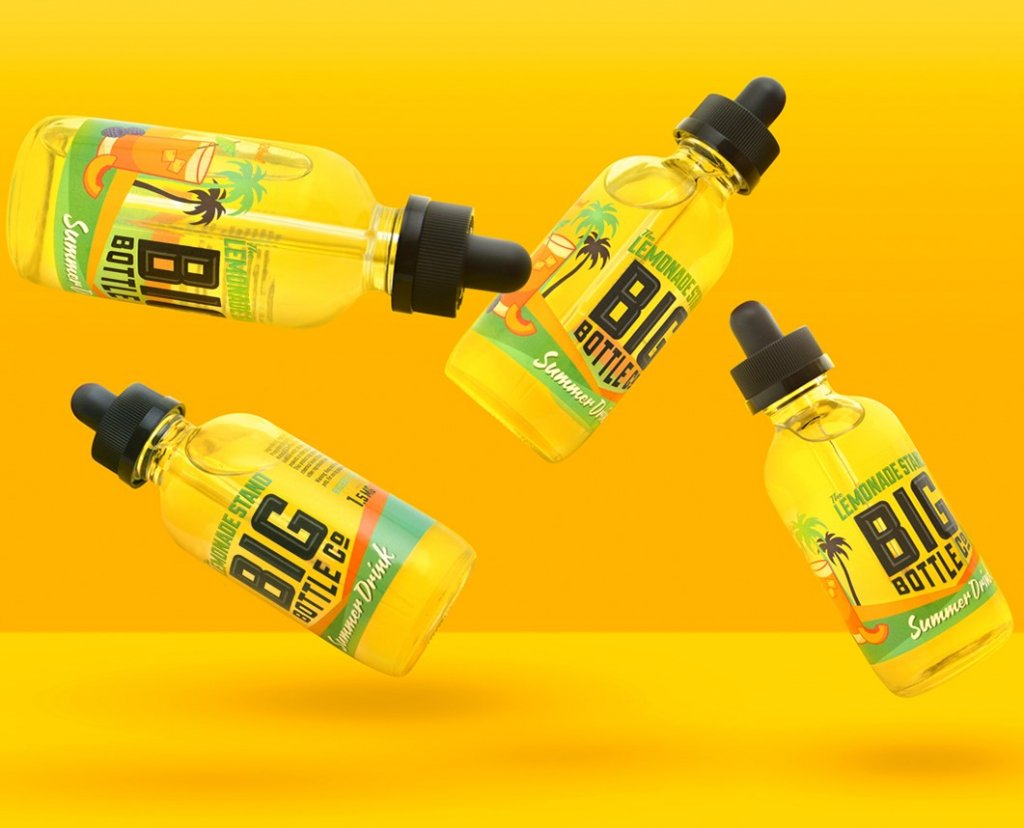
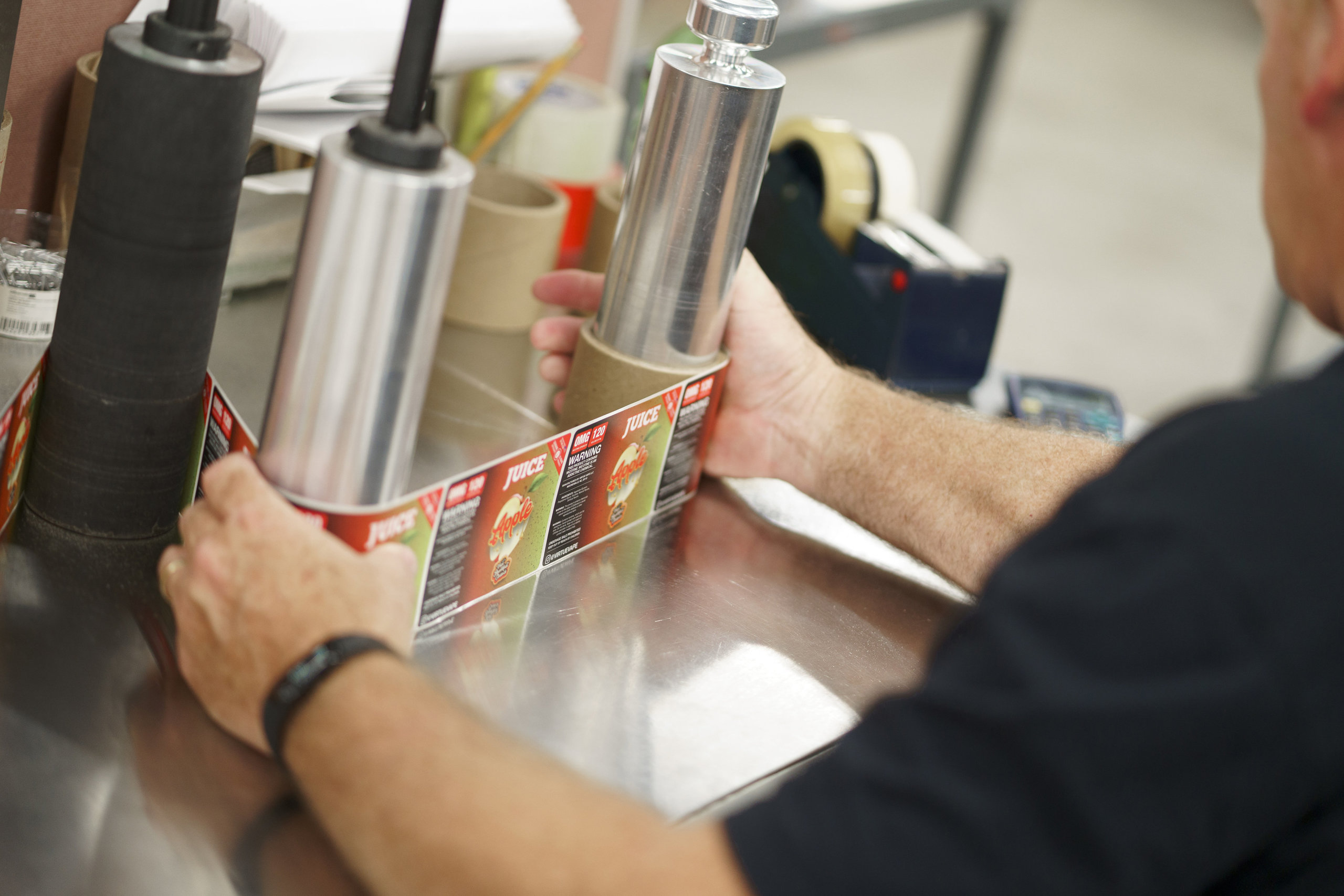
E-Juice bottles with custom clear labels

BOPP: Our Go-To for Durable, Versatile Tincture Labels

BOPP (biaxially oriented polypropylene) is a film-based label material, meaning it’s a thin plastic film made for strength and clarity. It’s one of the most commonly used label materials for commercial tincture bottles thanks to its durability, moisture resistance, and ability to conform to curved surfaces like 1 oz droppers.

Why we recommend BOPP for tinctures:

  • Resists moisture, oil, and abrasion. Great for bathroom cabinets, fridges, and a variety of shipping conditions.
  • Looks sharp. Available in clear, white, or metallic. Clear BOPP can give you that sleek “no-label” look.
  • Flexible and conformable. Especially important for 1oz or smaller dropper bottles.
  • Pairs well with finishes. Works great with gloss or matte lamination, spot varnish, foil stamping, and more.
  • Compatible adhesives. Permanent adhesives are designed specifically for curved bottles.

Best for: High-end CBD tinctures, essential oils, cosmetics, and anything that needs to survive real-world use without looking ragged in a month.

Shrink Sleeves: Full Coverage & Tamper-Evident in One

Shrink sleeves are printed on heat-sensitive plastic film (typically PETG, a common shrink film known for clarity and shrinkability) that conforms to your entire bottle when heat-shrunk.

You get full wraparound branding and the tamper-evident seal can be built in.

Why we recommend shrink sleeves for tinctures:

  • Full-body coverage. Great for premium branding or seasonal promotions.
  • Reverse printing. Protects the design under the film.
  • Waterproof and chemical-resistant. Holds up in fridges, wet environments, and heavy handling.
  • Tamper-evident. Shrinks over both bottle and cap.

What to watch out for:

  • Requires heat tunnel for application. Not always feasible for every production line.
  • Slightly more expensive. Shrink sleeves can run 20–25% more than BOPP at moderate run sizes (e.g., 5,000–25,000 units), especially when factoring in setup and heat tunnel requirements.
  • Be ready for more prep work upfront. Artwork needs to account for shrink distortion. (For example, text or logos placed near the neck of the bottle may warp during application if not adjusted in the design phase)

Best for: High-impact retail packaging, multiple SKUs, or products that require tamper evidence or full-body branding.

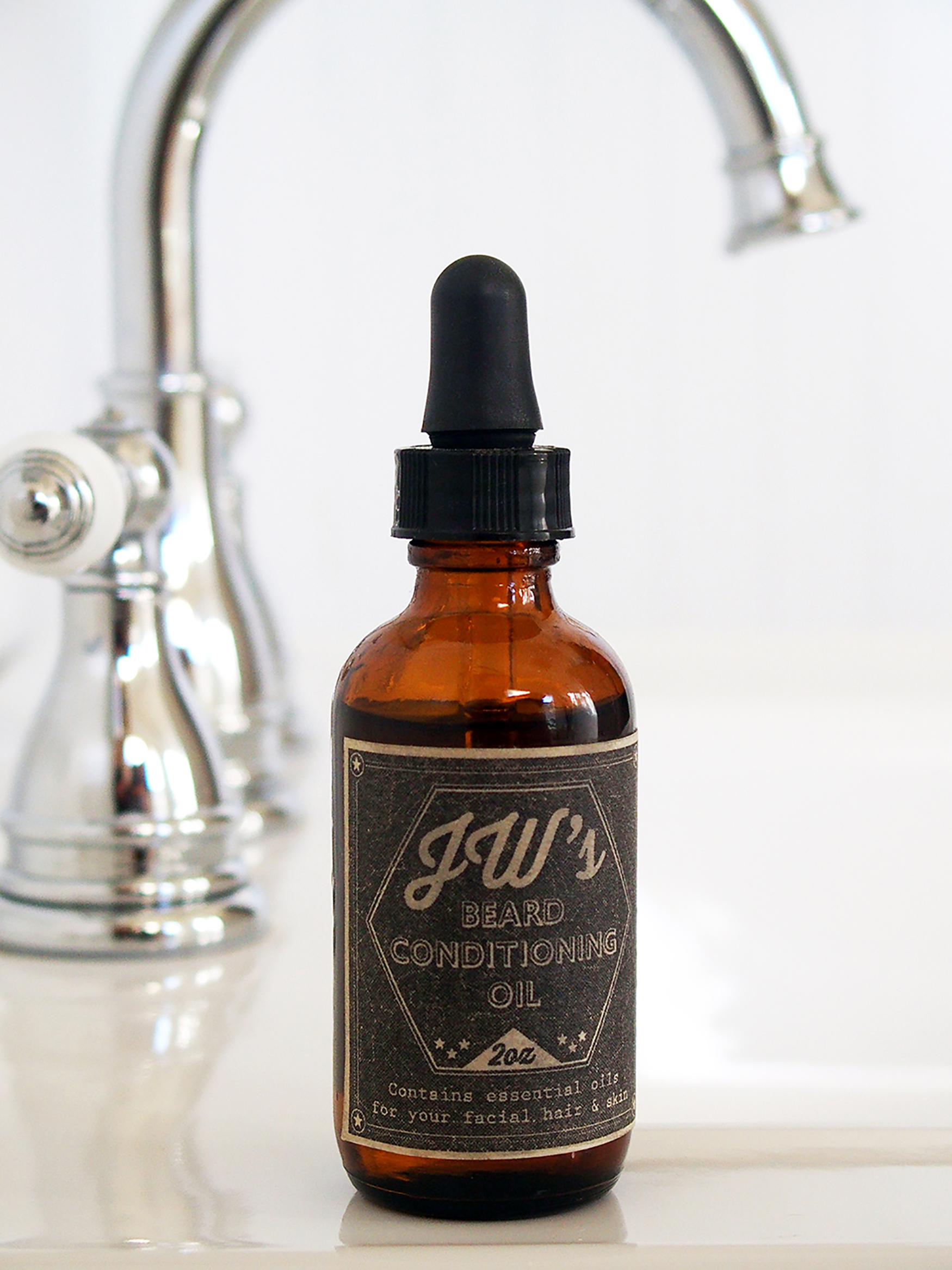
Beard oil bottle with custom label

Paper Labels: Textures & High Quality Finishes 

Paper labels still have a place in tincture packaging, particularly when you’re aiming for an artisan or eco-conscious brand vibe.

Why we recommend paper (sometimes):

  • Takes specialty finishes well. Works well with embossing, foil, matte/gloss varnish.
  • Great for short-run SKUs or limited editions. Especially if you need a quick turnaround.

What to watch out for:

  • Poor moisture and oil resistance. Uncoated paper labels generally struggle with moisture and oil exposure. However, adding lamination or using specialty-coated paper stocks can improve performance (though that often brings costs closer to film-based options like BOPP).
  • Less durable overall. Can scratch or scuff during shipping or handling if uncoated.
  • May lift on curved bottles. Especially if not applied with the right adhesive.

Best for: Dry-storage products, limited runs, or brands that want a more natural paper texture.

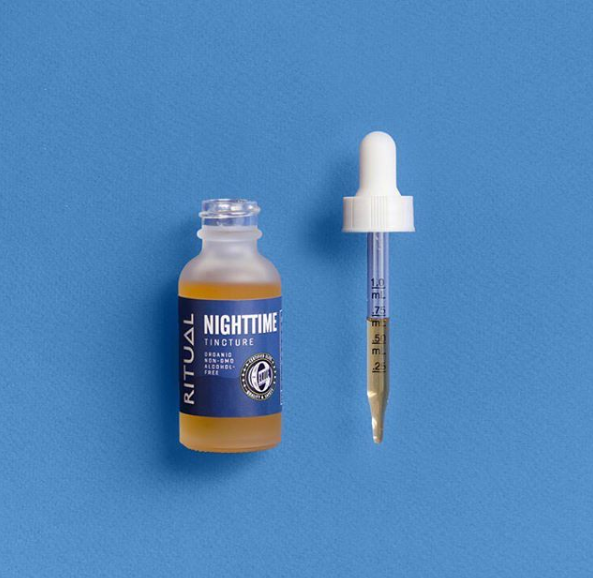
Tincture dropper bottle with custom label

Quick Comparison Table

Feature BOPP Shrink Sleeves Paper Labels
Water/Oil Resistance Excellent Excellent Poor (without laminate)
Durability High Very High Low-Medium
Cost per Unit $ $$$ $$
Print Finish Options High Very High High
Tamper Evidence No  Yes No
Good for Curved Bottles Yes Yes Sometimes

Material Recommendations by Use Case

  • Most commonly recommended material for glass tincture bottles: BOPP—Conforms to curves, resists oil and moisture, looks premium
  • Best for products that go in the fridge or bathroom: BOPP or Shrink Sleeves—Both stand up to humidity and water.
  • Best if you need tamper evidence built in: Shrink Sleeves—Eliminates the need for a separate seal.
  • Most embellishment options: Paper—Great option if you want to add more to the look of your product with texture or finishes. 

Wrap-Up

BOPP, shrink sleeves, and paper labels each bring different strengths to tincture packaging. Choosing the right one depends on where your product lives, how it’s handled, and how you want it to show up on the shelf.

Not sure which label material makes sense for your bottles? Contact us and we’ll walk you through it.

What Label Materials are Best for Shampoo and Body Wash Bottles?

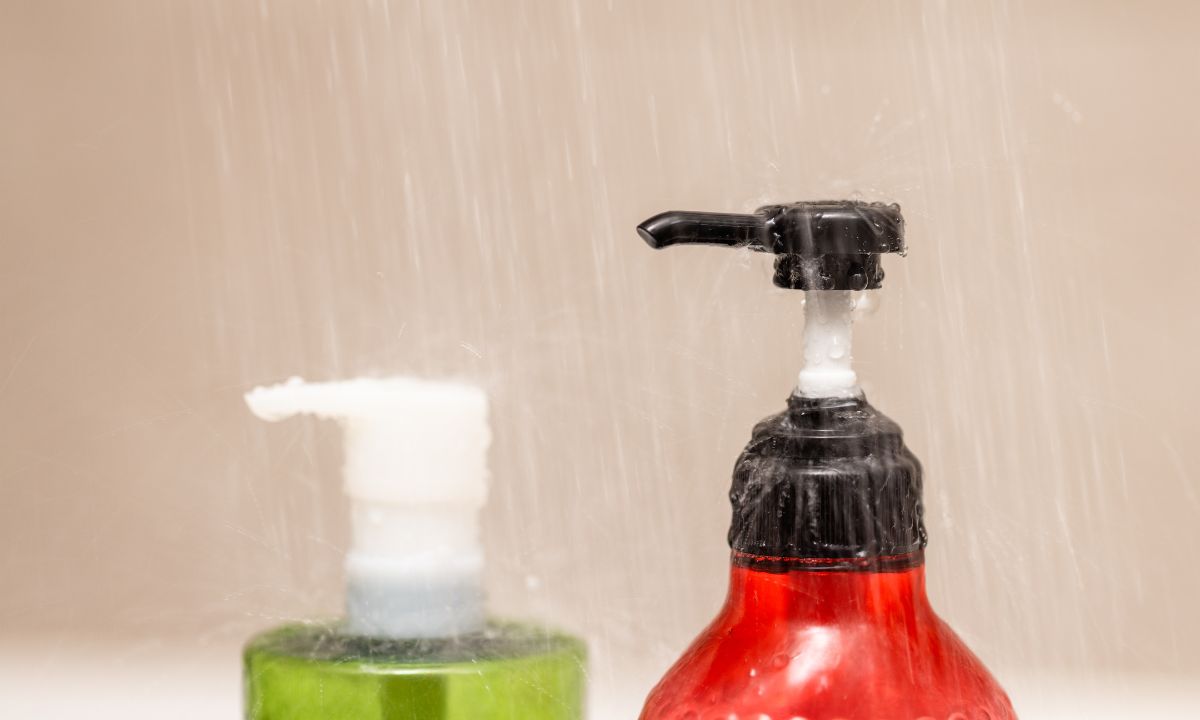
If you’re looking for label materials that can stand up to water, humidity, and daily handling without losing their grip or good looks, you’re in the right place. We’ve printed our fair share of shampoo and body wash labels, and there’s one material we keep recommending: MDO.

Different type of cosmetic, lotion and tube containers with custom Labels such as lotion, sunscreen bottle

MDO: Our Top Pick for Shampoo and Body Wash Bottles

MDO (machine direction oriented) film is a type of BOPP (biaxially oriented polypropylene), a plastic film used widely in durable product labeling. MDO is engineered for enhanced flexibility and clarity. In short: it flexes where it needs to, stays flat where it matters, and holds up through filling lines, transit, shelf life, and steamy showers.

Why we recommend MDO:

  • Designed for squeezable bottles. Unlike standard BOPP or PET, MDO flexes across the width of the label without wrinkling or peeling.
  • Clear and vibrant. With a haze rating up to 30% lower than standard films, MDO delivers sharper visual clarity and vibrant shelf appeal.
  • Waterproof and durable. MDO holds strong in the shower, on wet shelves, and during repeat handling.
  • Conformable without sacrificing strength. It resists stretching compared to other conformable films, and it hugs tight around curved bottles.

When to consider MDO:

  • You’re labeling squeezable shampoo, conditioner, or body wash bottles.
  • You want the option of a “no-label look” with excellent clarity.
  • You need labels that will last through shipping, shelf life, and steamy showers.

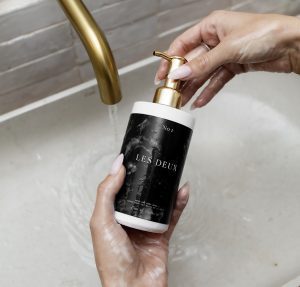
Hand soap bottle with custom label

BOPP: A Solid Choice with Some Flexibility Limits

BOPP (biaxially oriented polypropylene) is also a viable label option for many personal care products. It’s durable, moisture-resistant, and easy to print on.

Pros:

  • Excellent print quality with gloss, soft touch, or matte finishes.
  • Strong water and oil resistance.
  • Good chemical and abrasion durability.

Cons:

  • Not ideal for squeezable containers. Can wrinkle  too much under compression.
  • Slightly more rigid than MDO, which may impact application on curved or flexible packaging.

Best for:

  • Rigid shampoo bottles.
  • Products stored in wet environments but not squeezed.
  • Brands seeking durability on a budget.

PET: More Rigid

PET holds up well to scratches and moisture.

Pros:

  • Clear options and durable.
  • Strong resistance to water, oils, and chemicals.
  • Ideal for high-end shelf appeal and scratch resistance.

Cons:

  • Very rigid—not suitable for squeezable bottles. That rigidity means the label won’t flex with the bottle and could peel or wrinkle over time.
  • Slightly more expensive than BOPP or MDO

Best for:

  • Glass or rigid plastic bottles
  • Premium product lines where clarity and rigidity are more important than flexibility

Paper: Only for Dry, Decorative, or Secondary Packaging

Paper labels have a high-quality feel  and print beautifully, but they don’t belong in the shower.

Pros:

  • Affordable and widely available.
  • Excellent print quality and texture options for a more tactile feel.

Cons:

  • Poor water resistance.
  • Tears and discolors easily when wet.
  • Not suitable for humid or abrasive environments.

Best for:

  • Outer cartons or gift boxes.
  • Products stored away from moisture.
  • Brands prioritizing a natural or artisan look.

Finishing & Environmental Considerations

Regardless of the material, label performance depends on:

  • Adhesive pairing. Make sure your adhesive is compatible with your bottle type (HDPE, PET, etc.—common types of plastic used in shampoo bottles). We’ll work with you to make sure it performs reliably through production, shipping, and use.
  • Lamination. Gloss, matte, or soft-touch lamination can add durability and change the tactile feel.
  • UV coatings or varnishes. For added scratch and moisture protection.
  • Shelf and usage environment. Humidity, temperature, abrasion, and handling all affect performance.
  • Need to meet sustainability goals or compliance requirements? Many BOPP, MDO, and PET constructions can be spec’d to meet FDA labeling standards or support mono-material recyclability.

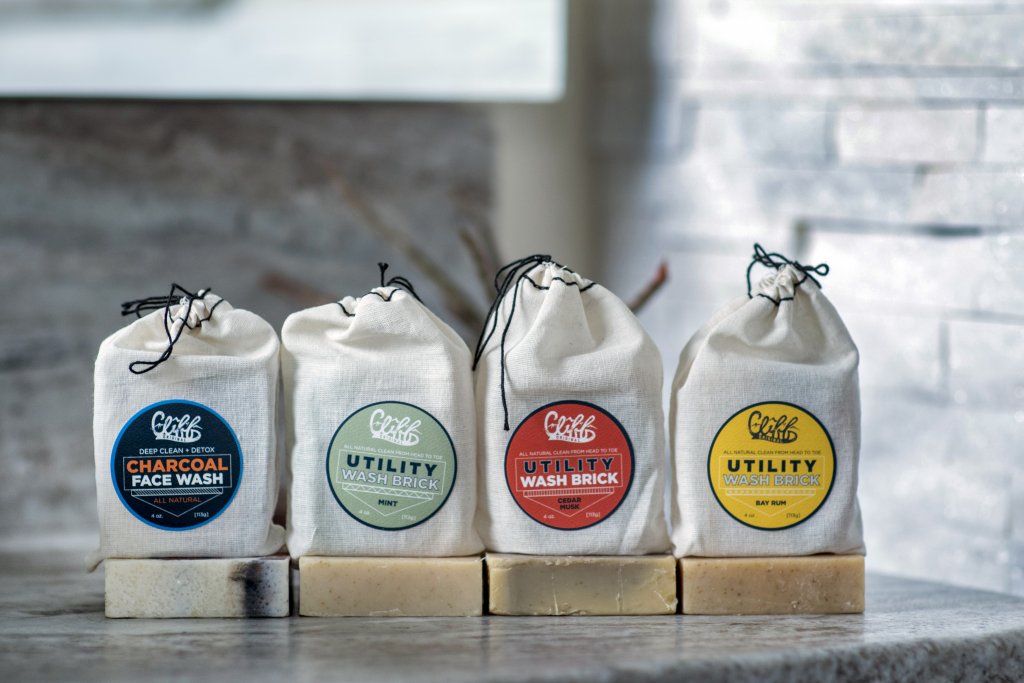
soap with custom labels

Quick Comparison

Material Water Resistance Flexibility Print Quality Best For
MDO Excellent High Excellent Squeezable bottles
BOPP Excellent Medium Excellent Rigid bottles
PET Excellent Low Excellent  Premium rigid packaging
Paper Poor Medium High  Decorative dry uses

What We Recommend (and Why)

  • Best material for squeezable shampoo or body wash bottles: MDO–Offers the right balance of clarity, flexibility, and durability, especially under squeeze stress.
  • Best material for rigid plastic or glass bottles: PET–durable, ideal for premium branding.
  • Most cost-effective waterproof label material: BOPP–Durable, widely used, and great for many rigid applications.
  • Best for dry packaging or cartons: Paper–Delivers strong shelf appeal for decorative or secondary packaging.

If your label needs to survive a steamy bathroom and constant handling (or squeezing), your choice of material matters. We recommend MDO for most shampoo and body wash bottles, especially when flexibility and moisture resistance are must-haves.

Not sure which material makes sense for your packaging? Contact us and we’ll walk you through it.
What Label Materials are Best for Snack Packaging?

What’s the right label material for snack packages? You want something tough, with sharp printing, that won’t fall apart from the factory all the way to your customer’s kitchen.

From our experience and testing, MDO is the go-to choice for most snack labels. Here’s why it works so well, and how it compares to the other options out there.

chip bags with custom labels

MDO

What is MDO?
MDO (that’s short for Machine Direction Orientation) is a specially stretched plastic film. Think of it like a super-strong, flexible wrap that molds perfectly around your product without wrinkling or puckering.

Why we recommend it:

  • Built to last: Tests and customer feedback show MDO stands up to moisture, scratches, and temperature changes way better than plain paper or regular BOPP labels, especially in damp or refrigerated places.
  • Fits like a glove: The label molds smoothly around most containers, even if they’re round, angled, or just plain weird-shaped, so you won’t get any annoying wrinkles or peeling.
  • Colors that pop: Its smooth surface helps colors stay bright and sharp, so your packaging catches the eye on crowded store shelves.
  • Good for the planet (and your wallet): MDO labels are thinner but tough, which means less plastic waste, and often a nicer surprise for your budget.
  • Ready for anything: It plays nicely with lamination, UV varnish, and hot foil stamping (which protect your label, add shine or texture, and make your packaging feel premium).

Best use:
If your snacks are hanging out in the fridge, getting handled a lot, or need that premium shelf presence, MDO is the label you want.

What to watch out for:
It can cost more upfront than basic paper or standard BOPP. But a lot of companies find that the sturdiness means fewer label headaches down the line, making that extra investment worth it.

Other Common Label Materials: How They Compare

Chocolate bar with custom label

Coated Paper

What’s good:

  • High-quality look and feel 
  • More embellishment options 
  • Biodegradable and eco-friendly.

Where it falls short:

  • Doesn’t like moisture or rough handling.
  • Tears, curls, or smudges are common unless you add lamination.

Best for:
Dry snacks at room temp 

Baked cookies with custom labels

Standard BOPP (Biaxially Oriented Polypropylene)

What’s good:

  • Handles moisture and chemicals better than paper.
  • Durable enough for refrigerated or damp conditions.
  • Still reasonably priced.

Where it falls short:

  • Not as stretchy or flexible as MDO, so it can wrinkle on oddly shaped or squeezable containers or products.
  • Print colors aren’t quite as vivid.

Best for:
Moisture or refrigerated-exposed snacks with simple packaging shapes.

PET (Polyester)

What’s good:

  • Handles heat well, great for hot-fill sauces.
  • Stands up to chemicals and abrasion.
  • Feels more premium than BOPP.

Where it falls short:

  • Costs more than paper or BOPP.
  • Not the best for fancy finishes like embossing or foil stamping.

Best for:
Premium sauces or snacks that need to go through heat processes.

Vinyl

What’s good:

  • Tough against UV, scratches, and moisture.
  • Sticks like glue.
  • Thicker material than BOPP.

Where it falls short:

  • Pricey and not so environmentally-friendly.
  • Usually more than you need for typical snacks.

Best for:
Specialty snacks facing extreme conditions.

Quick Comparison Table

Material Durability Moisture Resistance Print Quality Conformability Cost Best Use Case
MDO High Excellent Excellent Excellent Mid-High Most snack bottles, especially curved or refrigerated
Coated Paper Low Low Excellent Moderate Moderate Dry snacks, budget-conscious
Standard BOPP Moderate Good Good Moderate Low Moisture-exposed, simple shapes
PET Very High Very High Good Low High Heat-processed or premium snacks
Vinyl Very High Very High Good Low Very High Extreme environments


Material Recommendations by Application

  • Best for most snack packaging:MDO. Its stretch and stability prevent wrinkles and give your products a snug fit.
  • Most cost-effective for dry snacks: Coated paper, but be ready to laminate for durability.
  • Best for refrigerated or moist environments: MDO or standard BOPP—both resist moisture well, but MDO offers better conformability.
  • For hot-fill sauces or premium snacks: PET provides heat resistance and a high-end feel.
  • For specialty or extreme conditions: Vinyl is tough, but usually overkill for most snack packaging.

Wrapping Up

If you want a label that holds up and looks great doing it, MDO is your best bet. It balances toughness and print quality better than most.

Need to see it in action? Request a sample pack or get in touch and we’ll show you what works.

What Label Materials are Best for Jars?

Choosing the right label material for your jars isn’t just about looks. It’s about making sure your product endures its surroundings, from cold to hot and everything in between. Oh, and all while still looking great on the shelf.

Let’s break down the most common label materials used on commercial jars and what works best.

jar labels

BOPP Labels (Our Top Pick for Most Applications)

If your jars are going in a fridge, freezer, or just need to stand up to moisture, BOPP (biaxially oriented polypropylene) is our go-to for most jar products we see out in the real world.

Why We Recommend It:

  • Water- and oil-resistant: Great for refrigerated foods, skincare products, or anything prone to condensation or spills. For comparison, paper labels in these settings tend to wrinkle or peel.
  • Durable: Doesn’t tear easily, doesn’t wrinkle when wet, and resists fading over time.
  • Versatile options and finishes: Available in clear (for that “no-label” look), white, and metallic options. For finishes, the most common options are high-gloss, matte, or soft touch. 
  • Plays well with adhesives: BOPP works with standard and freezer-grade adhesives and holds up well on curved glass and plastic jars.

Where It Falls Short:

  • Not biodegradable: BOPP is recyclable, but not compostable. If your sustainability goals include compostable packaging, you’ll want to consider paper instead.
  • Heat-sensitive: It can shrink or warp in high-heat environments, like hot fill lines above 200°F.

Best For:

Refrigerated sauces, skincare jars, jelly jars, pickled products, oil-based cosmetics—you get it.

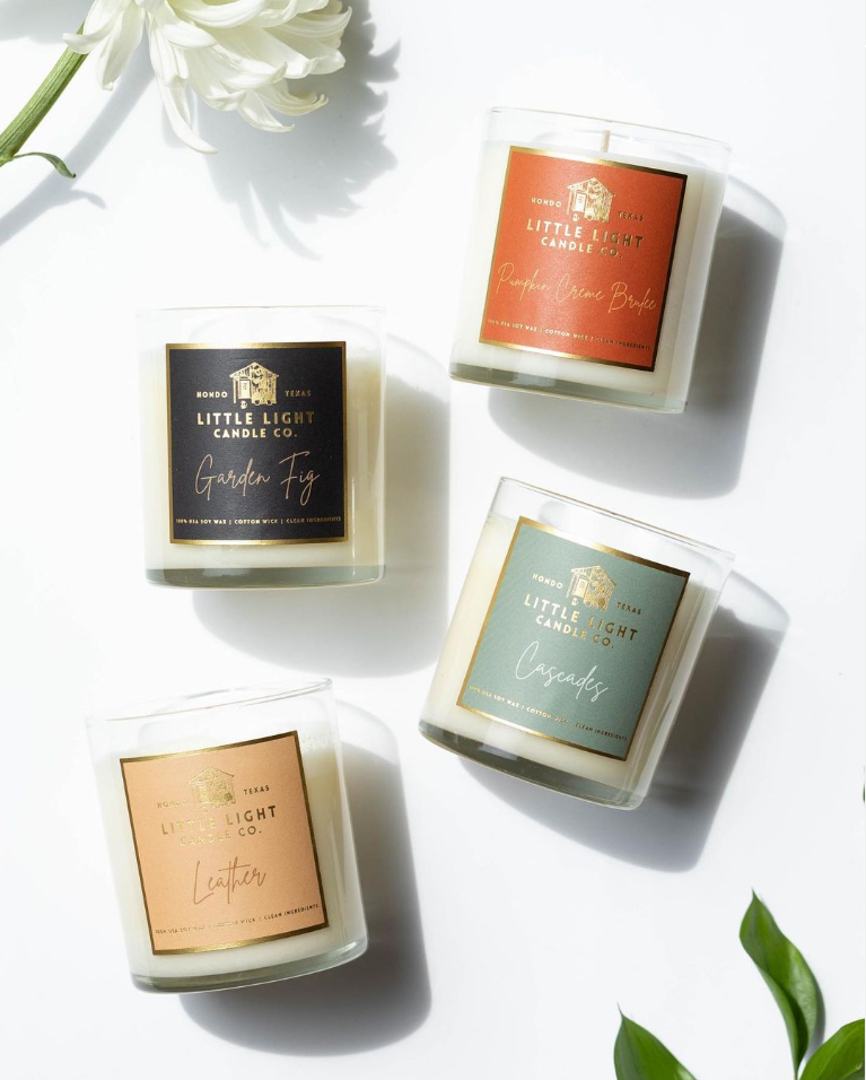
Candles with Labels

Paper Labels (Great for Dry Goods and an Artisanal Look)

Paper might not be as tough as BOPP, but it has its place, especially when looks come first.

Why We Recommend It:

  • Premium texture options: Estate paper, kraft, and other textured stocks give off a natural, high-end vibe. You’ll often see these on candle jars, boutique food products, and specialty gifts.
  • Embellishment options: A great option if you are looking for embellishments to enhance the look (screen printing, hot foil stamping, embossing, etc.)

Where It Falls Short:

  • Not moisture resistant: Paper can wrinkle, smudge, or peel when exposed to condensation or oils. If you’re committed to using paper, you can improve performance by adding a laminate or varnish.
  • Durability is limited: Without protection, paper labels can show wear quickly, especially in transit or on store shelves.
  • Sustainability varies: Paper labels can be recyclable and compostable, depending on the adhesives and coatings used.

Best For:

Candle jars, spice jars, honey, dry goods, and gift sets.

Vinyl Labels

Vinyl labels are the tough guys of the label world: rugged, thick, and built to last. That said, they’re not always the most practical choice for jar applications.

Pros:

  • High durability: Handles water, friction, and UV exposure with ease.
  • Flexible: Conforms well to curves and uneven surfaces.

Cons:

  • Pricey: Costs more than BOPP or paper.
  • Recyclability is limited: Most standard vinyl labels aren’t recyclable in municipal streams, though some specialized materials are emerging.

Best For:

Outdoor products, industrial jars, or harsh environments where extreme durability outweighs cost.

Polyester (PET) Labels

PET is built like a tank. Great for heavy-use stuff, but probably more than you need unless your jars are dealing with chemicals, heat, or direct sunlight.

Pros:

  • Excellent chemical and UV resistance
  • Tear- and heat-resistant
  • Great print quality

Cons:

  • You’ll pay for the performance: It’s not cheap.
  • Rigid: Not as flexible for smaller or curved jars.

Best For:

Medical jars, industrial creams, or long-life products exposed to chemicals or sunlight.

Quick Comparison Table

Material Durability Moisture Resistance Print Quality Cost Best Use Case
BOPP High Excellent Excellent Low Refrigerated or oily products
Paper Low-Med Poor (unless coated) Excellent Medium Dry goods, candles, artisan look
Vinyl Very High Excellent Good High Harsh environments
PET Very High Excellent Excellent Very High Chemical or UV exposure

Summary: Best Materials by Application

  • Best for refrigerated jars: BOPP—Moisture-resistant, holds up to condensation, and still looks sharp.
  • Best for dry, decorative jars: Paper—Affordable, great texture options, and a premium look.
  • Best for industrial or outdoor use: PET or Vinyl—Built for abuse, but may be more than you need for typical retail products.
  • Most eco-friendly (with a tradeoff): Paper—Can be recyclable and compostable, depending on coatings and adhesives.

Final Thoughts

For most commercial jar products, BOPP is your best bet. It holds up, looks great, and doesn’t quit when things get wet.

If you’re going for a more artisanal or natural look, paper can absolutely work as long as you plan for its limitations.

Need help choosing the right material? Request a sample pack or contact us and we’ll walk you through it.
 

What Label Materials are Best for Water Bottles?

Choosing the right label material for your water bottles matters, especially when your labels need to stay durable and firmly in place through everything from manufacturing lines to refrigerator shelves. Here’s what actually works.

Water bottles with custom labels

BOPP Labels: Durable, Clear, and Cost-Effective

BOPP (biaxially-oriented polypropylene) is widely used across the beverage industry as a reliable standard for high-volume water bottle labels—and for good reason. This film material is strong, stable, and offer clear options, which helps it hold up and look great under pressure.

Here’s what makes BOPP such a strong fit:

  • Durability: When paired with the right adhesive, BOPP labels handle moisture, condensation, and cold storage like a pro. You won’t get the peeling or bubbling that can happen with less durable materials.
  • Print Quality: You’ll get sharp detail, bright colors, and a clean finish.
  • Versatile Adhesives: Works with pressure-sensitive adhesives (they stick when pressed on—no heat, no water) that perform well on curved bottles and in wet environments.
  • Cost-effective: You get strong performance without blowing your budget, especially if you’re printing in higher volumes.

Limitations: BOPP doesn’t play well with embossing or hot foil stamping. It’s a bit too rigid and sensitive to heat, so if you want textured or metallic effects, we usually recommend going with a specialty paper label instead.

Shrink Sleeve Labels: Full Coverage and Shelf Impact

Shrink sleeves give you more space for your design, and more protection while doing it. They’re a great pick if you want serious shelf impact or have bottles that are curved, contoured, or just tricky to label:

  • 360° Branding: Full wrap coverage means you’re not limited to a front-and-back label. Your whole bottle becomes the canvas, and the inside-printed graphics are protected from scratches and moisture.
  • Tamper-Evident Seals: It’s easy to build in tamper-evident features, like perforated seals around the cap or sleeves that tear at the neck. That visual proof of product integrity is a win with consumers.
  • Durability and Versatility: Shrink sleeves hold up in just about any environment—cold, wet, or even outdoors—and stand up to rough handling during shipping.

Considerations: They’re usually more expensive than pressure-sensitive labels and require heat tunnels or steam applicators to apply. (These are machines that heat the sleeve so it conforms perfectly to the bottle.)

Shrink sleeves are great for premium branding, but may not be the best fit if you’re on a tight budget or working with basic packaging.

Other Label Materials

  • Paper Labels: Can look great, until they get wet. Without lamination (a clear film that protects against water and wear), paper labels tend to wrinkle, peel, or fall off. We only suggest paper for products that stay dry and don’t get much handling.
  • PET (Polyester) Labels: These are the tanks of the label world: durable, abrasion-resistant, and built to survive cold, heat, or rough transport. But they’re rigid and more expensive, which makes them overkill for most bottled water. That said, if your product’s headed for a freezer or getting tossed in a backpack all day, PET might be worth the upgrade.

Quick Comparison Table

Material Moisture Resistance Print Quality Cost-effectiveness Compatibility w/ Finishes Recyclability
BOPP Excellent High High Good (except embossing) Good (with right adhesives)
Shrink Sleeve Excellent High Moderate Limited (no embossing) Moderate (depends on material)
Paper Poor Moderate Moderate (but fragile) Excellent Moderate
PET Excellent High Low Good Good

Summary: Which Label Material is Right for You?

  • Best Overall for Standard Plastic Water Bottles: BOPP—widely used, durable, cost-effective, and print-friendly.
  • Best for Unique Shapes or Premium Branding: Shrink Sleeves—maximum visual impact and protection, especially for contoured bottles.
  • Best Material for Short-Term or Indoor Use Only: Paper Labels—More texture options  but only reliable when moisture isn’t a concern.
  • Most Robust (Extreme Conditions): PET—best for extended outdoor exposure, freezer storage, or heavy handling.

Make Your Label Decision Easy

Choosing the right water bottle label material doesn’t have to be complicated. Whether you’re looking for reliable performance, premium aesthetics, or something tailored to your product’s unique requirements, we’ve got you covered.

Not sure what’s best for your bottles? Request a sample pack or get in touch for a quote, and we’ll walk you through the best options for your bottles, budget, and production setup.

What Label Materials are Best for Juice Bottles?

If you’re bottling juice, your labels need to handle cold temperatures, moisture, and constant handling without failing. The right label material makes a big difference in how your juice performs on shelves and with customers.

Here’s why we recommend BOPP and shrink sleeves as the top label materials for juice bottles and why other options may fall short.

BOPP Labels: Durable, Clear, and Cost-Effective

We often recommend BOPP (biaxially oriented polypropylene) labels because they hit the sweet spot between performance and cost. Here’s why:

  • Moisture and cold resistance: BOPP withstands repeated refrigeration and condensation without peeling or bubbling.
  • Vibrant, high-quality printing: With BOPP, your colors and designs remain sharp and vivid, even in damp conditions.
  • Versatile adhesives: Permanent or freezer-grade adhesives help labels stick reliably from bottling line to fridge.
  • Durability: Strong enough to resist tearing during transit and on the shelf.
  • Eco-friendly considerations: BOPP can be recyclable (#5 plastic). However, recycling availability varies by region, so verify your local recycling options to ensure alignment with your sustainability goals.

Potential Downside:

  • Sensitive to extreme heat (above ~80°C), which can happen during high-temperature bottling or pasteurization, potentially deforming labels.

Finishing Techniques for BOPP:

Shrink Sleeves: Maximum Coverage, Maximum Impact

Shrink sleeves fully encase your bottle in a vibrant, tamper-evident wrap, making them perfect for uniquely shaped bottles or premium branding.

  • Complete 360° coverage: Full-wrap designs stand out on shelves, enhancing brand visibility.
  • Excellent durability: Resistant to scuffing, abrasion, and moisture, ideal for refrigerated environments.
  • Tamper-evident security: Protects product integrity and improves consumer trust.

Potential Downsides:

  • Higher production costs due to shrink tunnels (specialized heat equipment that shrinks labels securely onto bottles) and additional setup.
  • Less flexibility for frequent design changes.
  • Environmental complexity: PETG sleeves are recyclable; PVC sleeves usually aren’t recyclable due to chlorine content and recycling difficulties.

Finishing Techniques for Shrink Sleeves:

  • Supports UV spot varnish, tactile (sand) varnish, cold foil, and screen printing effectively

Other Materials

  • Paper Labels: Can be cost-effective but vulnerable to moisture and refrigeration, often failing quickly in typical juice environments. Lamination and other finishing techniques are recommended if used.
  • Vinyl and PET: Durable but can be  more rigid. These might work in niche situations where that rigidity is crucial, but usually, they’re not ideal for typical juice bottles.
  • Polyolefin: Flexible, but its elasticity makes precise finishes like embossing or foil stamping problematic.

Quick Comparison Table

Material Moisture Resistance Print Quality Cost Sustainability
BOPP Excellent Excellent Low Good
Shrink Sleeves (PETG) Excellent Excellent High  Good (PETG recyclable)
Paper Poor Good Moderate Good (compostable options)
Vinyl/PET Good Good High Poor (Vinyl)

Quick Guide: Best Materials by Use Case

  • Best overall for refrigerated bottles: BOPP – Durable, cost-effective, high print quality.
  • Best for uniquely shaped bottles or premium branding: Shrink Sleeves – Full coverage, vibrant designs, tamper-evident.
  • Most economical (but limited performance): Paper Labels – Low cost, but quickly degrade in moisture.

Final Thoughts

Choosing the right label material directly impacts your juice brand’s shelf presence and product integrity. Need help deciding or want to test materials yourself? Contact us or grab a sample pack, and we’ll help you find the perfect fit for your juice bottles.

What Label Materials are Best for Liquor Bottles?

Choosing the right label material for your liquor bottles isn’t just about looks, it’s about how that label performs from the production line to the bar top. Here’s our breakdown of the best materials for spirits, and why we recommend standard paper labels for whiskey bottles and EverOpaque® for vodka, tequila, and rum.

Liquor bottle with custom label

Standard Paper Labels (Best for Whiskey)

Whiskey usually lives on shelves, not in ice buckets, so you’ve got more flexibility when it comes to materials. Standard coated paper is a great fit here. The surface is treated to enhance print clarity and finish, giving your labels sharper detail and a smoother feel.

Pros:

Cons:

  • Limited moisture resistance without additional coatings or lamination.

Finishing Options:

  • Embossing, hot foil stamping, spot UV, varnish, and lamination (recommended if occasional moisture exposure is expected).

Bottom Line: For whiskey and similar spirits, standard paper produces sharp, high-contrast print and pairs well with embellishments like foil and embossing, making it ideal for premium whiskey branding without premium material costs.

Vodka bottle with custom label

EverOpaque® (Ideal for Vodka, Tequila, and Rum)

Clear spirits like vodka, rum, and tequila are all about purity. 

Many of these bottles also end up submerged in ice buckets or stored in refrigeration. EverOpaque® is made with wet-strength and cold-temp adhesives that hold up in these conditions, so your label stays put and maintains its look.

Pros:

  • Wet-strength performance built for chilled, wet environments.
  • Designed for premium clarity and a seamless look on clear bottles.
  • Strong print quality and durability.

Cons:

  • Higher upfront cost compared to standard paper.

Finishing Options:

  • Lamination (for ultimate moisture resistance), embossing, screen printing, foil stamping, spot UV, and varnish.

Bottom Line: For clear spirits where purity and shelf impact matter, EverOpaque® delivers both style and substance with wet strength that won’t quit in cold or damp conditions.

Other Label Options (When to Use Them and When to Skip Them)

Synthetic Films (BOPP, PET)

If your bottles are headed into ice buckets, coolers, or chaotic shipping conditions, synthetic films can handle the abuse. BOPP (biaxially oriented polypropylene) and PET (polyethylene terephthalate) are types of plastic film designed for waterproof and long-lasting labeling.

Pros:

  • Waterproof, abrasion-resistant, and UV-stable.
  • Typically a lower cost compared to paper materials.

Cons:

  • Less tactile than paper; the plastic feel can sometimes work against premium positioning.

Recommended Applications: Industrial or outdoor-focused packaging, products heavily exposed to moisture, or for cost-effective labels where ultra-premium aesthetics aren’t the top priority.

Vinyl Labels

Vinyl is tough. It’s highly durable and resistant to almost any environmental condition. Compared to synthetic films, vinyl offers even more durability but often sacrifices flexibility in finishing and design. It can also be less compatible with embellishment techniques like embossing, which require a more pliable substrate.

Pros:

  • Excellent durability and abrasion resistance.

Cons:

  • Plastic feel and limited compatibility with premium finishing techniques.
  • Higher cost and environmental concerns.

Recommended Applications: Long-term outdoor use, bar equipment labels, or spirits in rugged conditions.

Specialty Uncoated Papers

These are great when you’re going for a rustic, handmade look—just keep them away from moisture. These untreated paper stocks absorb ink and moisture more readily, giving you a natural feel but reduced durability.

Pros:

  • Unique, artisanal look.

Cons:

  • Vulnerable to moisture and handling.
  • Lower print vibrancy.

Recommended Applications: Dry-stored premium spirits aiming for a handcrafted aesthetic.

Quick Comparison Table

Material Moisture Resistance Print Quality Durability Premium Feel Cost
Standard Paper Low Excellent Moderate High Moderate
EverOpaque® XL High Excellent High High Higher
Synthetic Films High Good High Moderate Low
Vinyl High Good Very High Moderate High
Specialty Uncoated Low Fair Low Very High Moderate

Material Recommendations Summary

  • Best Overall for Whiskey Bottles: Standard Paper. Produces crisp print and supports premium finishes like foil and embossing.
  • Best for Chilled Spirits (Vodka, Tequila, Rum): EverOpaque®. Maintains branding and design integrity, plus it’s able to handle cold or frozen environments.

Not sure which material’s right for your bottles? Request a sample pack or contact us and we’ll help you choose the perfect material for your liquor or spirits bottles.

What Label Materials are Best for Wine Bottles?

We get a lot of questions about the right label materials for wine bottles. Most wineries or wine makers want a premium looking wine label, but it also has to stand up to ice buckets and transportation.

Here’s our input on picking the perfect label material to keep your bottles looking sharp from shelf to first sip.

Standard Paper Labels: Ideal for Red Wines

We typically recommend standard paper labels for red wines. Here’s why.

Pros:

  • Premium look and feel: Textured substrate finishes like linen or felt have that soft grain you can feel. It’s a small touch, but one that instantly signals quality.
  • Excellent print clarity: You get sharp details and vibrant colors on paper labels.
  • Cost-effective: Paper is generally an affordable, professional option, especially for high-volume runs.

Considerations:

  • Moisture sensitivity: We do not recommend laminating a textured paper since this will cause you to lose the look and feel of the texture. Consider this if your product will encounter ice buckets, spills, and other moist environments. 
  • Durability: Paper can suffer in harsh handling or damp storage conditions, causing wrinkling or peeling.

Best Applications:

  • Cellar-stored red wines
  • Ambient temperature retail displays
  • Premium labels with embossing, hot foil stamping, and spot varnishes (a clear coating used to highlight specific design elements with a glossy finish)

Wine Bottles with Labels

EverOpaque® Labels: Best for White Wines

If you produce white or rosé wines, we recommend taking a close look at EverOpaque® labels. These hybrid labels are widely used in commercial wine applications for their consistent performance in refrigerated and wet conditions, including extended time in ice buckets.

They combine the upscale feel of paper with the durability of film, giving you the best of both worlds.

Pros:

  • Ice-bucket tested: Maintains adhesion and appearance even after hours submerged in an ice bucket, something standard paper labels typically can’t handle without damage (if they’re not laminated).
  • Paper-like luxury: Retains a textured, premium finish that many wine consumers associate with tradition and craftsmanship.
  • Durable through distribution: Withstands handling, friction, and temperature swings during bottling, shipping, and retail handling.

Considerations:

  • Higher cost: Slightly pricier than standard paper, but the durability often justifies the investment.
  • Due to the film backing that this substrate pairs with, we are able to get a deeper emboss because we can push more without breaking the paper. 

Best Applications:

  • Chilled whites and rosés
  • Wines for outdoor or humid climates
  • Export products needing reliable durability

Film & Synthetic Labels

Film labels, typically made from materials like BOPP (biaxially oriented polypropylene) or PET (polyethylene terephthalate), are great in the right scenarios, but we don’t usually recommend them as a first choice.

Pros:

  • Exceptional durability: Resist abrasion, moisture, UV, and temperature extremes.
  • Sleek, modern aesthetic: Good for minimalist branding.

Considerations:

  • Reduced tactile quality: Less luxurious than textured paper or hybrid labels.
  • Cost: Less  than paper hybrids like EverOpaque.

Best Applications:

  • Outdoor or ultra-resilient packaging
  • Wines that require extremely durable labeling (e.g., export or long transit)

Quick Comparison Table

Material Durability¹ Moisture Resistance² Aesthetic Quality³ Cost⁴
Standard Paper Moderate Low Excellent Medium
EverOpaque® High Excellent Very Good High
Film/Synthetic Very High Excellent Moderate Lowest

¹ Based on abrasion resistance, shipping conditions, and handling wear.
² Performance in refrigerated, humid, or wet environments.
³ Includes print quality, texture, and visual appeal.
⁴ Relative material cost at scale; actual pricing varies by volume and customization.

Label Material Summary and Best Uses

  • Best for red wines: Standard Paper: Premium look at a great price, but not moisture-friendly without lamination or protective finishing techniques.
  • Best for white/rosé wines: EverOpaque®: Combines luxury appearance with robust durability, perfect for chilled storage.
  • Most durable: Film/Synthetic: Ideal for harsh conditions but lacks tactile elegance.

Wrapping Up

As you can see, picking the best label materials for your wine bottles isn’t just about looks. You also have to consider durability, cost, and compatibility with finishing techniques. Need more help? Contact us or request a sample pack and we’ll help you compare the options.

What Label Materials are Best for Beer Bottles?

Choosing the right label material for your beer bottles matters more than most people think. A smudged label or one that peels off in a cooler can make a high-quality beer look second-rate.

Beer Bottles with custom labels

BOPP Labels

Pros: BOPP (biaxially oriented polypropylene) labels are versatile, water-resistant, and oil-resistant. They perform exceptionally in refrigerated and wet conditions, making them ideal for beers stored in coolers or ice buckets.

Cons: Less eco-friendly compared to paper (but keep in mind, paper labels will have problems with moisture and durability).

Best applications: Standard production lines, large batches, breweries looking for consistent performance.

Finishing options: Compatible with lamination, UV varnish (a protective coating that adds gloss or matte texture), hot foil stamping (metallic accents pressed with heat), , screen printing, and spot UV (selective gloss coating to highlight areas).

Environmental factors: Performs well across cold storage, shipping friction, and handling. Resistant to moisture, abrasion, and temperature shifts. These labels won’t smudge or slide off when pulled from a cooler full of ice.

Shrink Sleeve Labels

Pros: Shrink sleeves offer 360-degree branding, meaning the label wraps entirely around the bottle, maximizing design space. They work perfectly for bottles with unique shapes and are highly durable and abrasion-resistant.

Cons: Higher upfront cost; you or your co-packer will need  to have specialized application equipment to apply the shrink sleeves to the container. Less environmentally friendly and more difficult to recycle compared to pressure-sensitive options unless you add a perforation and the consumer removes from the container prior to recycling

Best applications: Premium products, uniquely shaped bottles, full coverage branding.

Finishing options: UV varnishes, cold foil, screen printing, spot UV, tactile (sand) varnish. 

Environmental factors: Resistant to moisture and abrasion; heat sensitivity requires careful application control. Inner-printed sleeves are protected from scuffs during shipping and shelving.

Beer stout bottle with custom label

Paper Labels

Pros: More extensive embellishment options and good for a rustic or artisanal brand look.

Cons: Vulnerable to moisture unless coated or laminated, which can increase cost. In refrigerated or damp environments, untreated paper labels may absorb water and wrinkle or peel.

Best applications: Small batch, premium artisan beers, or products stored in dry conditions.

Finishing options: Die cutting, lamination, UV varnish, hot foil stamping, embossing, screen printing, and spot UV.

Environmental factors: Must be protected from moisture; less suitable for refrigerated or wet environments unless heavily treated.

Vinyl Labels

Pros: Durable, moisture-resistant, excellent for outdoor exposure and long-term storage.

Cons: Higher cost than paper or BOPP; adhesive compatibility is an important factor. May not be the best fit for high-volume runs due to cost.

Best applications: Beers frequently exposed to outdoor environments or harsh storage conditions—think beer garden seasonals or special event releases.

Finishing options: Compatible with die cutting, lamination, UV varnish, hot foil stamping, embossing, screen printing, and spot UV.

Environmental factors: Excellent performance in moisture, cold storage, UV exposure, and abrasion conditions. Maintains label clarity and adhesion even after extended outdoor use.

Quick Comparison Table

Material Durability Moisture Resistance Cost Best Application
BOPP High High Low General-purpose labeling
Shrink Sleeve Very High Very High High Unique shapes, premium branding
Paper Low Low (unless treated) Moderate Dry environments, artisanal look
Vinyl High High High Outdoor, harsh conditions

Choosing your label material means considering your production scale, product storage conditions, and desired brand impact. Need help deciding which material suits your specific needs? Contact us or request a sample pack and we’ll guide you through it.

A Guide to Water Bottle Labels: Material, Application, and Print Quality

Selecting the right custom labels for water bottles is about finding the right mix of looks, durability, and functionality. The right label can turn a simple bottle of water into a brand that consumers buy again and again.

Don’t think branding and packaging matters for a product as simple as water? Well just ask Fiji, LifeWtr, or Liquid Death, whose products rise above the expectations for just a bottle of water.

In this guide, we’ll walk through three areas to consider when choosing your custom labels: materials, adhesion and application, and print quality. These elements form the foundation of successful water bottle labeling strategies.

Material Choices for Bottled Water Labels

Choosing a material for your water bottles isn’t as simple as other products. Water bottles endure a wide variety of environments, from the hot temperatures of shipping trucks to cold refrigerators and buckets of half-melted ice.

Let’s take a look at some of the most popular material options.

Vinyl

Known for its robustness, vinyl stands up to moisture and wear-and-tear like a champ. Ideal for bottles that will see outdoor use or frequent handling, it combines longevity with vibrant print quality. Here are some of the characteristics that make vinyl an ideal label material for water bottles:

  1. Durability: Vinyl is highly durable and resistant to damage like tears, scratches, and abrasions.
  2. Water Resistance: Vinyl is water-resistant, so the label won’t deteriorate or peel off when the bottle gets wet.
  3. Flexibility: Vinyl is flexible, which allows it to conform easily to different sizes and shapes of water bottles.
  4. UV Resistance: Vinyl labels can be treated to withstand exposure to sunlight without fading or discoloration.
  5. Print Quality: Vinyl provides a smooth and clear surface for printing, allowing for high-quality, vibrant, and precise graphics in your labels.
  6. Adhesive Quality: Vinyl labels can be coated with various types of adhesives (we’ll touch on this later).

BOPP (Biaxially-Oriented Polypropylene)

A powerhouse in resisting water and oil, BOPP (sometimes known as “waterproof film labels”) is perfect for water bottles that need to maintain their look under wet conditions. Its flexibility makes it suitable for various shapes and sizes of bottles.

BOPP has many of the same characteristics that vinyl, including moisture resistance, durability, print quality, and cost-effectiveness, though there are a few differences:

  1. Chemical Resistance: BOPP is resistant to a wide range of chemicals, which can be helpful if your water bottles may come in contact with oils, greases, or other substances.
  2. Temperature Resistance: BOPP performs well in different temperature ranges—for water bottles that might be stored in extreme temperatures, from freezers to hot cars, this can be an added benefit.
  3. Clarity and Gloss: BOPP films can be manufactured to be crystal clear or with a high-gloss finish.
  4. Recyclability: BOPP is a type of polypropylene, which is recyclable. This makes BOPP labels a more environmentally friendly option compared to some other plastics.
  5. Cost-Effectiveness: Vinyl is a cost-effective option for producing labels, making it a popular choice when balancing looks with budget considerations.

PET (Polyester)

For those seeking strength plus clarity, PET materials offer superior resistance against water and UV rays—ensuring your label stays sharp and doesn’t fade over time. Once again, you’ll see similarities between PET and both vinyl and BOPP, but there are some key differentiators:

  1. Dimensional Stability: PET maintains its dimensions and does not shrink or stretch once applied, helping maintain the quality and appearance of the label over time.
  2. Sustainability: PET is also recyclable, which can appeal to eco-conscious consumers.

Finishing Options

While the label material is one part of the equation in protecting against the elements, label finishing can add not only protection, but extra visual appeal. Here are some of the options:

  • Lamination: A clear plastic film is applied over the label, providing a protective layer and shielding the label from water, dirt, and UV rays. Lamination can come in gloss, matte, or satin finishes.
  • UV Varnish: A UV varnish is another way to protect the printed area of the label or sticker from fading and wear. It also adds glossiness to the label, bringing out the vibrancy of colors. UV varnish can also be applied to selected areas (spot UV) for adding emphasis and texture contrast on specific parts of the label.
  • Foil Stamping: This finishing process applies a metallic foil to the label to create a shiny effect. Foil stamping can be used for logos, brand names, or any elements where you want to catch the light and draw attention.
  • Embossing and Debossing: These techniques create raised (embossed) or recessed (debossed) images on the label. They add texture and physical feel to the label.
  • Thermal Coating: For labels that might be exposed to wide temperature ranges, a thermal protective coating can be applied to help resist the effects of high heat or freezing.

Water bottle label options

Application and Adhesion

Stickiness is not just about glue—it’s about labels staying put under various conditions. Here’s what you need to know to make sure your labels stay put under varying conditions:

Types of Adhesives

There are numerous adhesive choices for labels, but for water bottles, it boils down to finding an option that sticks well to plastic, metal, or glass surfaces. Each material interacts differently with adhesives:

  • For Plastic: Look for adhesives designed specifically for synthetic surfaces which can bond firmly without peeling.
  • For Metal: Opt for stronger glues capable of handling smooth, non-porous surfaces.
  • For Glass: Choose water-resistant label adhesives since condensation can be a common issue.

Facing the Elements

Temperature fluctuations and moisture exposure are two big challenges in maintaining adhesive effectiveness:

  • High heat can weaken some adhesives causing them to lose their grip. Acrylic adhesives are generally more resistant to temperature extremes, making them a better choice than rubber-based adhesives.
  • Constant exposure to water demands waterproof or at least highly water-resistant glue formulations. Once again, acrylic adhesives make for a better choice for moist environments compared to rubber-based adhesives.

Water bottle label

Permanent Adhesives vs. Removable Adhesives

When choosing between permanent and removable adhesives, it’s important to think about the intended use of the water bottles.

Permanent adhesives offer a strong, lasting bond that is ideal for most water bottles intended for long-term use or exposure to wide temperature ranges, frequent handling, moisture, and temperature variations.

On the other hand, removable adhesives provide the flexibility to peel off labels without leaving residue, which may be better for promotional items, temporary labeling, or for consumers who prefer a label-free bottle after purchase. Removable adhesives are also ideal where the label needs to be removed cleanly, such as in reusable water bottles that might be repurposed or recycled.

Print Quality

Not everyone gets as excited about the details of printing as we do, so here are some tips to evaluate a label printer based on print capabilities and quality:

  1. Resolution: The resolution of a printer, measured in dots per inch (DPI), will determine how sharp and clear images and text appear. Higher DPI values produce finer detail, which is essential for labels with intricate designs or small text.
  2. Color Accuracy: The printer’s ability to accurately reproduce colors is important for maintaining brand consistency. At Blue Label, our HP presses can achieve accurate PANTONE emulations up to 97% using additional HP Indigo Electroinks (orange, violet, and green). 
  3. Print Speed: While not directly affecting label appearance, faster printers can handle larger batches of labels more efficiently.
  4. Ink Type: The type of ink used by the printer can impact both the quality and durability of the print. For water bottles, it’s important to use inks that are water-resistant and fade-resistant. UV inks and solvent inks are commonly used for their durability and color quality.
  5. Label Material Compatibility: The printer must be compatible with the specific materials used for your labels, such as vinyl, BOPP, or PET. Different materials may require different types of inks or printing technologies to achieve the best results.
  6. Finishing Capabilities: At Blue Label, we offer built-in finishing options like lamination, die-cutting for different label shapes, and foil stamping.
  7. Printer Technology: The type of technology used by the printer affects print quality and suitability for different label types. Blue Label uses digital printing, which offers the highest image quality, a wide range of colors, and the ability to print even small runs at a cost-effective price.
  8. Software and Integration: The software that accompanies the printer should offer color management tools that allow for precise control over the color of the labels.

Sustainability Considerations

Let’s face it, plastic water bottles are a significant contributor to global waste and pollution. A study in Science Advances reported that only 9% of all plastic ever produced has been recycled, with the rest accumulating in landfills or even the natural environment (including bodies of water).

While you can’t control what consumers ultimately do with your bottle water, you do have options for more eco-friendly and sustainable label options.

  • Sustainable Materials: Materials like BOPP or PET are known for their durability but also their recyclability. Beyond these options, there are label materials made from recycled content or even biodegradable.
  • Eco-Friendly Inks: Certain water-based and soy-based inks can be eco-friendly choices as they emit fewer VOCs compared to traditional inks.
  • Printing Technology: Digital printing technology is generally more eco-friendly than traditional printing methods because it requires less energy, wastes less ink, and eliminates the need for plates and chemicals common in conventional printing methods.
  • Removable Labels: Adhesives that allow for easy label removal make the recycling process much easier.

The Cost of Water Bottle Labels

Depending on your product, you may be looking at high-end labels with premium materials and advanced finishing techniques, or you may be considering cost-efficient materials that showcase your brand without fading or peeling.

Here are some factors to consider when evaluating the cost of custom water bottle labels:

  1. Material Selection: Opting for materials that offer a mix of durability and visual appeal at a reasonable price point can help reduce costs.
  2. Print Methods: Digital printing eliminates the need for expensive plates and setup costs, making it ideal for both short runs and larger production runs.
  3. Forecast Needs: Estimate your label requirements accurately to leverage quantity discounts without overstocking.

Get Started

Explore Blue Label Packaging’s label printing options and finishing techniques. Our experts will guide you in selecting the right label face stock, adhesive, and printing method to withstand moisture, temperature changes, and sun exposure. From durable vinyl to flexible film labels, we’ll guide you to the perfect label or sticker for the job.