Can Foil Labels Be Used on Wine Bottles?

Foil labels can add a bold, eye-catching look to your wine bottles, but only if they’re made to last through bottling, cold storage, and everything in between. Whether you’re using Bordeaux or Burgundy bottles, here’s what to keep in mind before going with foil.

What to Consider Before Choosing Foil Labels

Bottle Shape & Label Fit

Wine bottles come in a variety of shapes: Bordeaux, Burgundy, Alsace, Champagne, and more. Each bottle shape brings its own label considerations:

  • Bordeaux bottles have tall, straight sides that typically work well with foil labels.
  • Burgundy bottles have gentle curves that can cause labels to lift at the edges if the wrong material or adhesive is used. A paper stock with the right adhesive, or a polyester (PET) film, is often the safest bet here. Paper provides a classic look, while PET adds extra flexibility and strength to contour to curves.
  • Alsace bottles are taller and more tapered, which can be even more challenging. For these, using a narrower label or a  custom die-cut shape can help ensure full contact and a smoother application. Narrower shapes reduce the amount of stress on the edges, helping avoid wrinkles.
  • Champagne bottles often have pronounced curves and subtle texture, requiring extra care in both design and material choice. Textured papers with strong adhesives can handle these surfaces, minimizing bubbling and lifting.

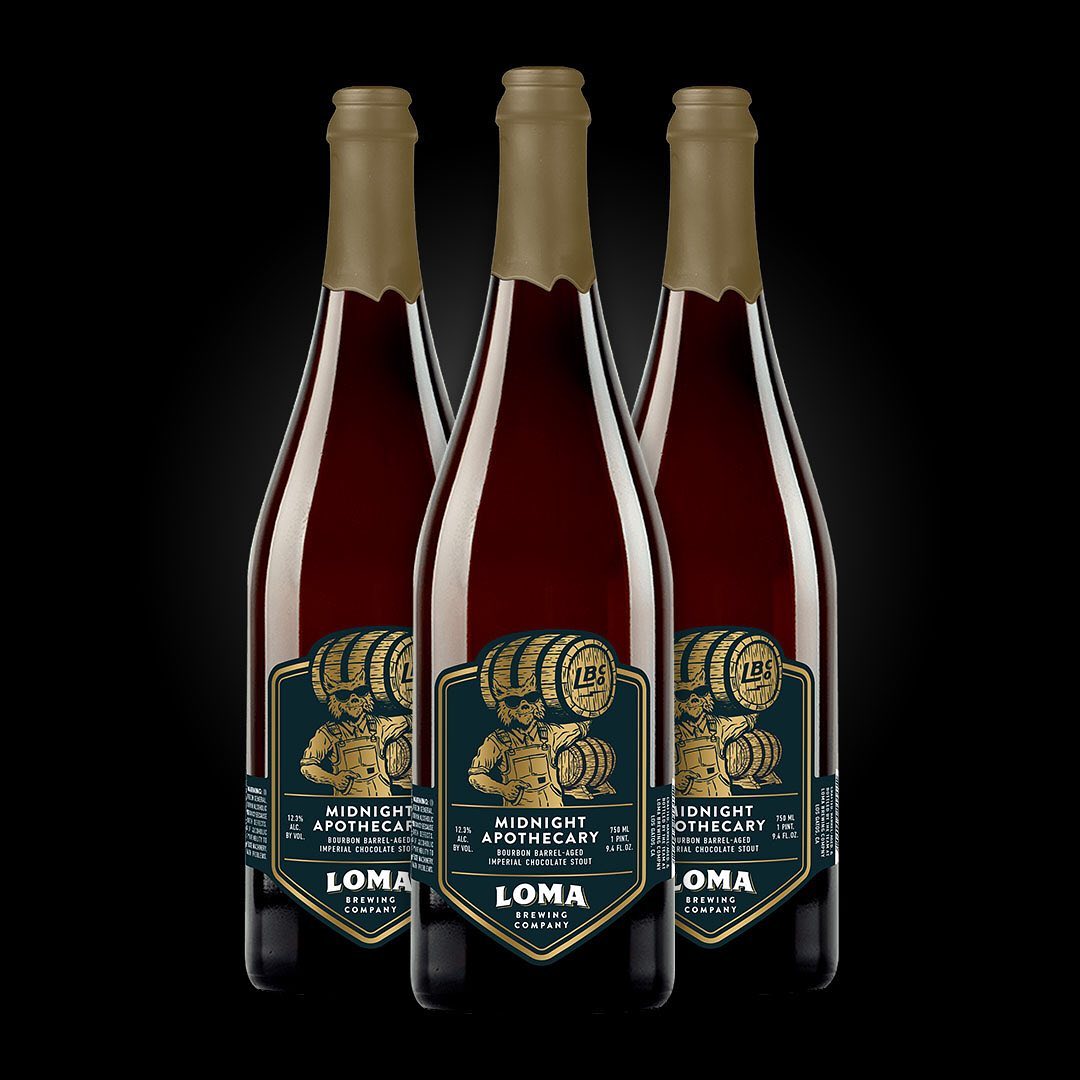
Most wine labels are printed on paper stocks designed specifically for wine and spirits. These papers can be coated or uncoated and are compatible with foil stamping. For added durability, polyester (PET) film is another strong option that resists tearing and handles curves well. Both materials are widely used in the wine industry and work effectively with foil embellishments

If you’re unsure, ask us to test-fit the materials on your actual bottles. It can save you a major headache, and a lot of wasted labels, down the road.

Moisture, Cold, & Real-World Handling

From the time your bottles hit the bottling line to chilling in ice bins and shipping, your labels will almost certainly face moisture and abrasion. That’s why we recommend wine-grade paper stocks with wet-strength treatments or polyester (PET) film that resist moisture, won’t break down in cold or wet environments, and are fully compatible with foil stamping.

To protect the foil, finishes like gloss or matte laminates work well with PET materials, while varnishes and protective coatings are often paired with paper labels. Gloss laminates help colors pop and are best for vibrant designs, while matte laminates give a softer, upscale look. Varnishes can also be used, but they’re better for spot treatments or short-run bottles where heavy abrasion isn’t a concern.

These coatings help your foil resist water, scuffs, and handling damage, so your label stays crisp from bottling to the final pour.

Foil Compatibility with Other Finishes

Foil gives your label a nice shimmer, but there’s more than one way to achieve this look. Think about how foil behaves with other finishes or materials. For example:

  • Hot foil uses heat and pressure to apply metallic foil, creating sharp, reflective accents.
  • Spot UV adds a high-gloss coating to specific areas like your brand name or logo for contrast and emphasis.
  • Soft-touch is a matte finish that adds a velvety feel, often paired with foil to create a high-end tactile effect.

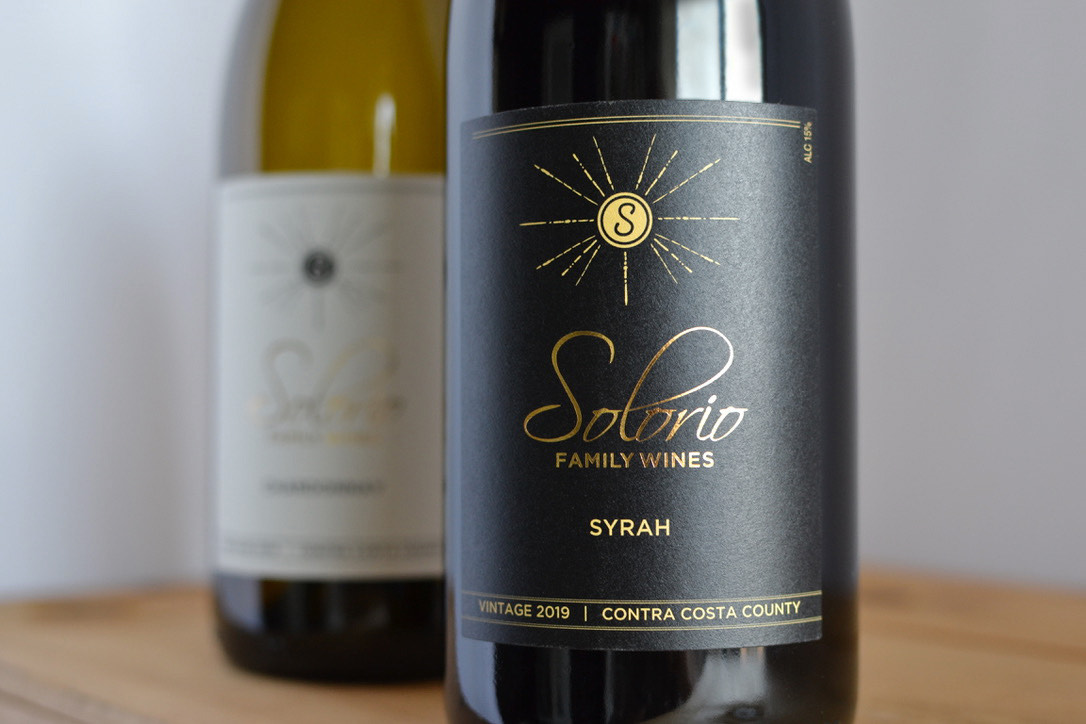
We’ve seen hot foil combined with soft-touch stocks on wine labels to highlight logos. This creates a striking contrast of shimmer against a velvety background. This kind of pairing delivers premium shelf appeal and reinforces the sense of quality.

In our experience, foil often pairs well with bold typography or custom die-cut shapes that emphasize contrast and precision.

Regulatory & Legibility Requirements

Wine labels have to meet TTB and FDA standards, such as listing alcohol content, sulfites, and vintage.

Metallic surfaces can sometimes make fine print hard to read, especially in low light. It’s important to test your label under different lighting and distances to make sure everything’s easy to read. For example, check it in bright retail lighting, dim restaurant settings, and natural daylight. Then double-check that it lines up with TTB rules on things like font size and layout.

Sustainability Considerations

If sustainability is part of your packaging goals, here are a few ways to make foil labels work in that direction:

  • Choose substrates with wash-off adhesives that let labels come off cleanly during the glass recycling process.
  • Use FSC-certified papers if you’re working with paper-based labels. Many of these are now designed for wine applications and are compatible with foil.
  • For film-based options, recyclable PET is a better choice than other plastics since it can be processed in more recycling streams.
  • Think about how foil placement or backing materials affect recyclability.

Quick Checklist: Will Foil Labels Work for Your Wine Bottles?

Before you commit, here are a few questions worth running through with your label printing partner:

  • Is your label material, whether paper or PET, flexible enough to stay flat on curved or tapered bottles without lifting?
  • Have you picked a protective finish that works with foil and stands up to cold and moisture if required?
  • Does your design use foil in a way that highlights key elements without sacrificing readability?
  • Have you checked how your foil label looks under different lighting conditions such as retail stores or restaurants, and at shelf distance?
  • Have you looked into foil-compatible papers and PET films that support recyclability, if this is important to your brand?

Can Foil Labels Be Used on Wine Bottles?

We’ve seen winemakers use foil to create a more high-end, polished look that helps their bottles stand out on the shelf. When you pair the right materials and finishes with a design that works, foil can hold up through bottling, chilling, and everything in between.

Not sure which type of foil or finish makes the most sense for your bottles? Contact us and we’ll walk you through it.
How To Prevent Labels from Peeling in the Refrigerator

No brand wants a great looking product only for the label to peel off in the customers’ fridge. Fortunately, with the right materials, adhesives, and preparation, you can keep your product’s labels firmly in place even in chilled environments.

Why Labels Peel in Refrigerated Conditions

Let’s start with the usual suspects behind label peeling in the cold. The culprits usually include:

  • Moisture and condensation
  • Improper adhesive or material selection
  • Poor surface preparation
  • Temperature fluctuations

Below we take a closer look at how each of these factors can cause problems, and how to make the right decisions to avoid issues down the line.

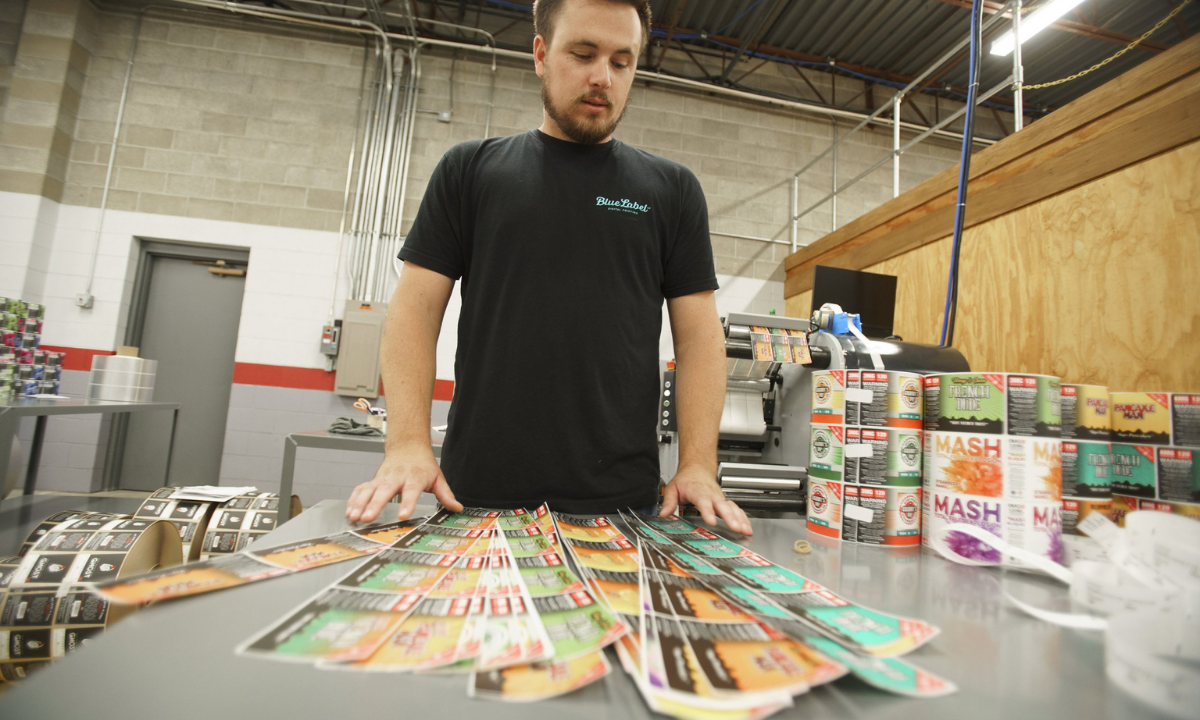
Designer looking at product labels

Choose the Right Label Material

Your label material makes a huge difference in refrigeration performance. Consider these materials:

  • Welded Paper Stock: Combines the tactile appeal of paper with a BOPP film core for moisture protection and excellent opacity. These labels resist degrading in ice bucket immersion and condensation while still allowing for embellishments like embossing, foil, or die cuts. Welded paper stock is ideal when you want a premium look that also performs under chilled conditions.
  • BOPP (Biaxially Oriented Polypropylene) and MDO (Polypropylene): Durable, moisture-resistant, and ideal for beverages, dairy, sauces and more.
  • Polyester (PET): Strong and moisture-resistant, commonly used for refrigerated medicines and supplements, specialty foods, and more.
  • Vinyl (PVC): Flexible and sticks better to curved surfaces like squeeze bottles (MDO works great for curved surfaces and squeeze bottles as well).

For most plastic or glass containers, we recommend using water-resistant films or welded paper stocks, which give you the durability to withstand chilled environments and moisture.

Select Adhesives That Stick

Most standard adhesives struggle in cold, damp environments where moisture and condensation interfere with adhesion. Instead, consider freezer-grade options:

  • Acrylic Adhesives: Excellent moisture resistance and long-term adhesion.
  • Freezer-Grade: Immediate strong adhesion at lower temperatures.

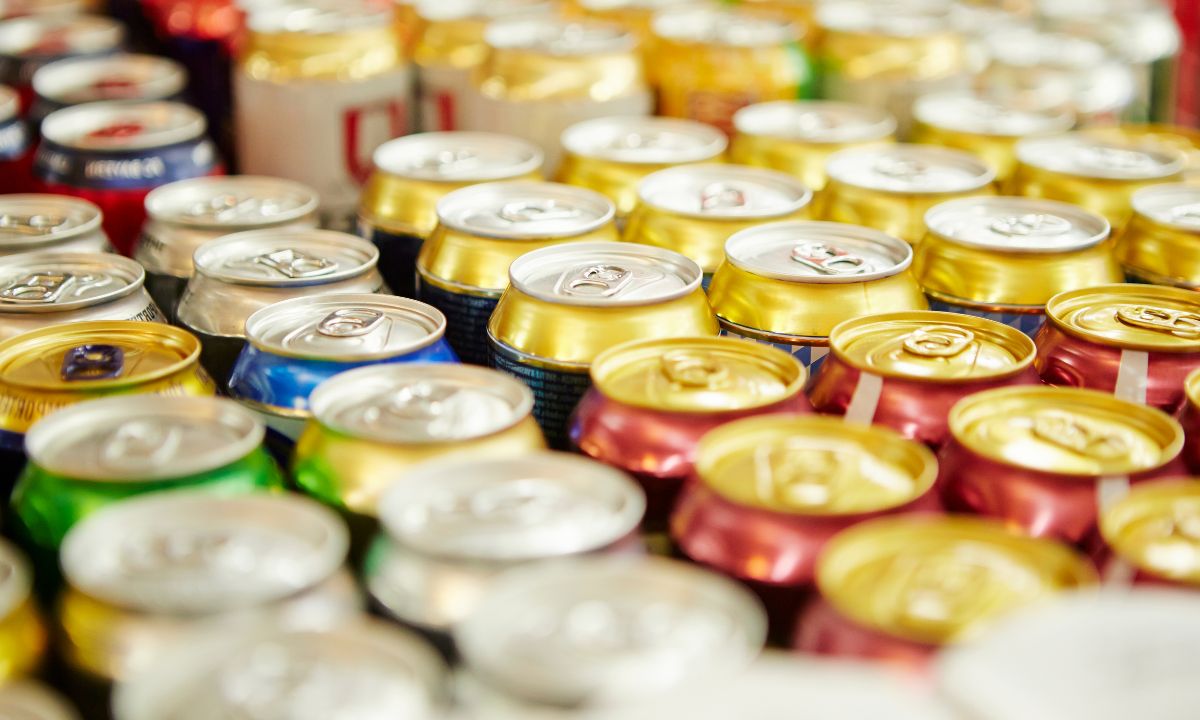
Beer can labeling line

Prep Your Surfaces Properly

We’ve seen it plenty of times: labels that just won’t stick because the container wasn’t clean or dry. Here’s how to avoid that:

  • Always clean and dry your containers before applying labels.
  • Apply labels at room temperature whenever possible. Cold surfaces mean weaker initial bonds.
  • Allow enough dwell time (ideally 24 hours) before refrigerating to make sure your adhesive fully sets.

Add Extra Protection with Finishing

A protective layer goes a long way toward preventing peeling, smudging, or abrasion:

  • Lamination: Adds a water-resistant barrier and increases durability.
  • UV Coating: Protects against moisture and keeps labels looking vibrant.

While finishes like lamination and UV coating can add a small cost, they often prevent smudging or damage that could otherwise make your product look worn before it even reaches the shelf.

Test Before You Scale

It can be important to test your labels in real-world refrigerated conditions, especially before committing to a large full run. This helps you feel confident that they’ll perform the way you need them to. Here’s how (don’t worry, we can help with this):

  • Conduct freeze-thaw cycles and check for peeling.
  • Simulate actual handling and transport conditions.
  • Evaluate adhesion after at least 24 hours in your target refrigerated environment.

Quick Checklist to Avoid Label Peeling

  1. Choose the right material. We recommend EverOpaque, BOPP, PET, vinyl, or wet-strength paper.
  2. Select acrylic or freezer grade adhesives that will perform at the correct temperature.
  3. Clean and dry all containers before application.
  4. Apply labels at room temperature.
  5. Allow 24-hour dwell time before refrigerating.
  6. Consider protective finishing like lamination or UV coating.
  7. Always test labels thoroughly in real conditions.

Prevent Your Label from Peeling in Refrigerated Environments

Label peeling in cold storage doesn’t have to be a problem. With the right materials, adhesives, preparation, and testing, your labels can withstand even the chilliest conditions. Not sure where to start? Contact us and we’ll help you select labels that stick, no matter the temperature.

Can Vinyl Labels Be Used on Plastic Bottles?

If you’re trying to figure out whether vinyl labels will actually work on your plastic bottles, here’s what you need to know.

What You Should Consider

Plastic bottle shapes and sizes

Bottle Surface & Shape

Vinyl labels are thicker, more stiff, and perform best on flat or mildly curved surfaces.

If you’re labeling PET beverage bottles (the clear, rigid plastic used for things like water and soda), HDPE bottles (the sturdy plastic often used for personal care and household products), or LDPE squeeze tubes (the softer, more flexible plastic you’ll see in things like lotions or gels), vinyl labels may wrinkle or lift.

BOPP labels, on the other hand, are thinner and conform easily to cylindrical containers. And if your container is squeezable, a material like MDO is likely the way to go.

Questions to ask yourself:

  • Is your bottle curved, textured, or flexible?
  • Does the label wrap around tapered shoulders or full body?

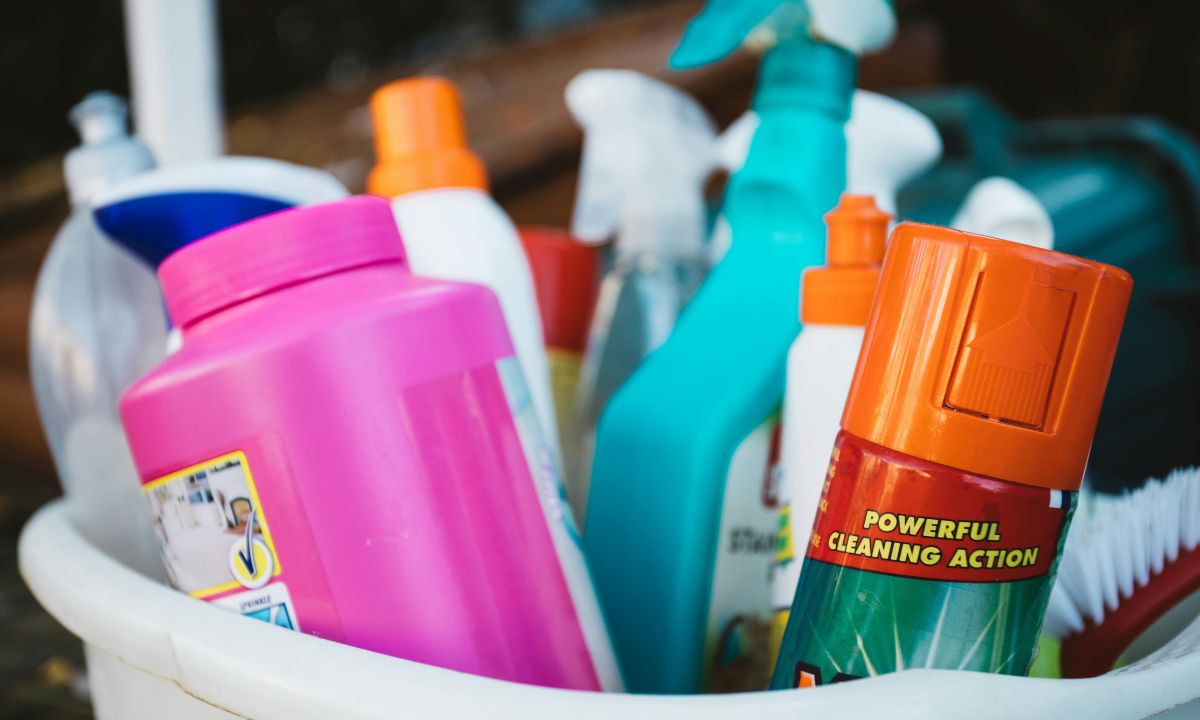
Cleaning products in plastic bottles

Product Exposure

Vinyl holds up really well against water, oils, sunlight, scratches, and even chemicals. It’s often used in harsh wash-down or outdoor environments.

BOPP also performs great in most everyday settings, especially for beverages, cosmetics, and products stored at room temperature or in the fridge. Vinyl might be the better choice for products like outdoor-use cleaning sprays, automotive fluids, or industrial degreasers that face frequent handling, UV exposure, or contact with harsh chemicals that could break down BOPP over time.

Consider:

  • Will the product be susceptible to heavy scuffing?
  • Is there exposure to oil, chemicals, friction, or sunlight?
  • Will the bottle go through sanitizing or heavy handling?

If you expect any of those, vinyl might be the way to go.

Print Quality & Visual Design

Vinyl has a slightly textured surface, so fine detail, transparent graphics, or sharp text can sometimes look a little soft.

BOPP, for comparison’s sake, has a smoother surface that gives you sharper print quality and better compatibility with high-end finishes. Finishes like spot UV (that glossy highlight on logos or text) or cold foil just stand out better on BOPP.

If your design includes:

  • Clear “no-label” look
  • Foil accents, embossing, fine typography
  • Spot UV or matte/gloss laminate

Then BOPP or MDO is likely a stronger fit.

Compliance & Recycling

Vinyl (PVC) adhesives often carry higher VOCs (volatile organic compounds), which can affect indoor air quality during label application and may not align with clean label initiatives. The film itself isn’t accepted in most curbside recycling streams.

On the other hand, BOPP is compatible with APR (Association of Plastic Recyclers) guidelines, meaning it can stay on PET or HDPE containers during recycling without causing problems. It also typically uses lower-VOC adhesives.

Ask yourself:

  • Will these bottles enter consumer recycling systems?
  • Do you need food-safe or skin-contact approved materials?
  • Are VOC emissions a concern?

Quick Decision Checklist

Factor Vinyl BOPP
Bottle Shape Best on flat or moderate curves Fits cylindrical bottles
Moisture & Chemical Exposure Excellent Good for most consumer products
Print Quality & Finish Good saturation; less sharp detail High clarity, supports embellishments
Regulatory & Food Compliance Acceptable when certified Widely accepted for food & cosmetics
Recyclability & VOCs Poor (not recyclable, higher VOCs) Recyclable, lower VOC footprint
Cost & Efficiency Higher cost, heavier material Lower cost, easier application

Why We Usually Recommend BOPP

We’ve labeled thousands of consumer products, so we’ve seen what sticks and what doesn’t. Unless your product lives in a rugged or industrial space, BOPP consistently gives you:

  • Clean applications on bottles
  • Superior print results
  • Recyclability
  • Strong performance under moisture and shelf life demands

Bottom Line

Yes, you can use vinyl labels on plastic bottles. But unless your application demands extreme durability (like marine, industrial, wash-down environments) we recommend BOPP for most consumer and retail products.

Not sure which material makes sense for your bottles? Contact us and we’ll walk you through it.

How To Prevent Labels from Smudging in Humid Environments

If your product lives in or passes through humid environments like showers or even humid shipping trucks, the label can be susceptible to smudging or peeling. Fortunately, label smudging is preventable with the right combination of materials, adhesives, and protective techniques.

Here’s how to keep your labels looking clear, even in humid conditions.

Start with the Right Label Material

In humid conditions, standard uncoated paper labels can be problematic, especially without the right finishing techniques. Some wet-strength papers can hold up okay in light moisture, but they’re usually not built for high-humidity environments.

Synthetic materials are generally a safer bet:

  • BOPP and MDO (Polypropylene): Both are great for products like refrigerated beverages, personal care items, or household cleaners that deal with condensation; however, MDO may be the better option depending on the container.
  • PET (Polyester): Handles moisture and temperature swings; ideal for outdoor goods, frozen items, or cosmetic packaging.
  • Vinyl: Flexible and reliable on curved surfaces like lotion bottles or spray containers.
  • Welded Paper Stocks: If paper is required, wet strength or welded options will help lock out some of the humidity.

Each of these resists water absorption and ink bleed better than paper.

Products with labels in a humid shower environment

Match Adhesives to Humidity Conditions

The best label material won’t matter if the adhesive can’t hold up. High humidity can break down weaker adhesives, so it’s worth being picky here:

  • Permanent acrylic adhesives: A dependable choice for products stored in coolers, steamy bathrooms, or humid warehouses.
  • Freezer-grade adhesives: Designed to stick to containers that are cold, wet, or even frosty right off the line.

Protect Your Labels with Finishes and Coatings

Even durable label materials can use some extra protection. Protective finishes help lock in the ink and guard against water, scratches, and general wear and tear.

  • Lamination: A clear film that seals the label surface to protect it from water, oils, and friction. 
  • UV or coatings: Lighter than lamination but still helpful for moisture resistance and visual appeal.

For anything going in a fridge, freezer, or damp environment, lamination is usually the safest bet.

Surface Preparation and Storage

A few good habits to avoid label failure from improper application or storage:

  • Store labels right: Keep unused rolls in a climate-controlled space (think 50% humidity and around 70°F). That’s the storage sweet spot that we recommend.
  • Apply to dry surfaces: Moisture or condensation can mess with adhesion and cause bubbling or peeling.

Labeling cold containers? Try warming them slightly or applying labels before cooling, if your process allows.

Test Before You Commit

Before you commit to a full label run, test how your labels actually hold up in humid environments. You don’t want surprises after you’ve labeled a few thousand units.

Here’s what we recommend:

  • Condensation tests: Apply labels to chilled containers, bring them to room temp, and watch for smudging or peeling.
  • Wipe tests: Run a damp cloth over the surface to see how the ink holds up.
  • Try a sample pack: Test a few options on your real packaging before you commit.

At Blue Label, we put our labels through rigorous testing in these real-life environments to make sure they stand up and stay on.

Quick Label Durability Checklist

  1. Choose water-resistant materials matched to your product’s environment (don’t worry, we can help).
  2. Use moisture-resistant adhesives.
  3. Apply protective finishes like lamination or UV coatings.
  4. Prepare surfaces properly and store labels in climate-controlled conditions.

Avoiding Label Smudging in Humid Environments

If you want your labels to survive humidity without smudging or peeling, you’ll need the right combo of substrate (material), adhesive, finish, and good application practices. Need help finding the right solution? Contact us and we’ll show you what works.

Shrink Sleeves vs. Pressure-Sensitive Labels: Which Is Right for Your Product?

We’ve worked with thousands of brands, many of which ask this exact question: shrink sleeves or pressure-sensitive labels? Both options can help your product stand out, but the right choice depends on your product, container shape, design goals, and budget.

We put together this guide to break down market trends, key differences, compliance considerations, eco-friendly options, and questions to ask as you decide which path option fits your product best.

Consumer & Market Trends

Shrink Sleeve Label Trends

Shrink sleeves are a popular choice because they offer 360-degree, full-container designs, they can fit just about any container and offer built-in tamper-evident protection, they are resistant to moisture, and offer a number of eco-friendly material options. 

Their popularity is especially strong in categories like beverages, nutraceuticals, and personal care. Consumers are drawn to shrink sleeves because they give products a “premium” look and often feel more modern.

For many brands, the choice comes down to aesthetics: if you want a full-covered can or bottle, shrink sleeves are typically the better option.

Pressure-Sensitive Label Trends

Pressure-sensitive labels continue to be a dominant choice across industries like beverage, food, health, and more due to their adaptability, affordability, and print versatility.

Consumers still want clear, legible, high-quality labels, and digital label printers can provide fast turnaround and a wide range of customization. Pressure-sensitive labels come in a wide range of materials and even offer some eco-friendly options for brands focused on sustainability. Brands can customize their label to appeal to changing consumer interests by using stocks with texture, foils, and finishes from matte to glossy, metallics, die cutting, and embossing.

Another advantage: pressure-sensitive labels can use specialty materials like glitter or holographic film. To achieve a similar effect with shrink sleeves, you’d need to use foil stamping.

Key Differences Between Shrink Sleeves and Pressure-Sensitive Labels

Here’s a side-by-side look at how shrink sleeves and pressure-sensitive labels compare:

Feature Shrink Sleeves Pressure-Sensitive Labels
Coverage Full 360-degree design covering the entire container Typically cover the front/back or wrap partially around the container
Container Compatibility Great for unique or contoured shapes; works best on smooth container surfaces; works with glass, PET, HDPE, aluminum, and other rigid materials Works best with flat or slightly curved surfaces; works across glass, plastic, cardboard, and metal
Embellishment Options Gloss, satin, or soft touch varnish; screen printing; spot UV (most finishing techniques available, though effects like glitter/holographic require foil stamping) Lamination, UV varnish, foil, embossing, spot UV, textured varnish, screen printing (plus unique stocks like glitter or holographic films)
Application Process Requires heat application (special equipment) Applied with pressure, simpler equipment or can be applied by hand.
Compliance Features Easily integrate tamper-evident seals Can incorporate tamper-evident closures, but often require additional materials
Sustainability Typically harder to recycle, though recyclable shrink films are emerging Eco-friendly material options (e.g., recycled, FSC-certified, compostable)
Cost Considerations Higher application and material costs, but high impact (not cost-effective until you’re producing in the thousands; at that point, specialized application equipment like heat tunnels is usually required) Cost-effective for small to large runs, flexible pricing options (a better fit for smaller operations running fewer than 1,000 labels, since application is simpler and doesn’t require heat equipment)

How Labels Handle Environmental Factors

Labels need to survive manufacturing, storage, shipping, and real-world use. Here’s a comparison of how shrink sleeves and pressure-sensitive labels compare in real-world conditions:

Product with shrink sleeve label

Shrink Sleeves

  • Perform Well: High-moisture environments (think refrigerated beverages, frozen foods, or bath products) where sleeves protect graphics under a film layer. They’re also scuff-resistant, making them ideal for shipping and handling.
  • Use Caution: Extreme heat in storage or transit can distort sleeves. Textured or flexible containers may not shrink evenly, leading to distortion.

Beer cans with labels

Pressure-Sensitive Labels

  • Perform Well: Dry, stable environments like pantry goods, shelf-stable beverages, or cosmetics. With the right materials and adhesives, they are more resistant to refrigeration, moisture, and even some oils.
  • Use Caution: Long-term exposure to condensation, freezing, or rough handling can cause edges to peel, wrinkle, or scuff.

Eco-Friendly Options

Both shrink sleeves and pressure-sensitive labels have eco-friendly options, with shrink sleeves increasingly adopting recyclable films and thinner materials, while pressure-sensitive labels currently offer a broader range of recyclable and sustainable choices.

  • Shrink Sleeves: Traditional shrink films are more difficult to recycle, but options like perforated sleeves that separate from containers are becoming more common.
  • Pressure-Sensitive Labels: These labels offer a wider variety of eco-friendly substrates, including recycled content, FSC-certified papers, and compostable materials. For brands prioritizing sustainability, pressure-sensitive labels often provide more options today.

Compliance and Safety

Certain products require features like tamper-evident seals or extra label space for regulatory information. Here’s how shrink sleeves and pressure-sensitive labels stack up:

  • Shrink Sleeves can double as both a label and a tamper-evident seal by extending over the cap or lid, which is a strong advantage for food, beverage, and pharmaceutical products.
  • Pressure-Sensitive Labels can also accommodate compliance features, but tamper-evident solutions may require additional materials, such as neck bands or secondary seals.

[Checklist] Questions to Ask Before Choosing

  • Does my container have a unique or contoured shape that might be better served by shrink sleeves?
  • Am I trying to maximize visual impact with full 360-degree coverage, or do I prefer a classic look with front/back panels or a label that partially wraps around the container?
  • What’s the aesthetic I want: bold, full-coverage graphics or a more traditional panel look?
  • What compliance requirements (tamper-evident seals, ingredient space) do I need to meet?
  • Is sustainability a major priority for my brand, and which material aligns better with that goal?
  • How many labels am I applying: fewer than 1,000, or in the thousands?
  • Do I have (or need to invest in) the right equipment, like a heat tunnel, to apply shrink sleeves?
  • What’s my budget for both label printing and application equipment?
  • How important is speed and ease of application in my production process?
  • What kind of environment will my product/label be exposed to?

Ready to Decide?

Shrink sleeves can be a better choice when you want bold, high-impact designs or need tamper-evident features built in. Pressure-sensitive labels remain the most versatile option, with more sustainable material choices and cost-effective production for a wide range of products.

The right fit comes down to your product, your container, and your brand. Need help deciding? Contact us and we’ll walk you through the options.

Can Paper Labels Be Used on Wine Bottles?

If you’re wondering whether paper labels can hold up on your wine bottles, you’re not alone.

Paper labels are a go-to for a lot of wine brands, especially when you want a high-end or handcrafted look. But if you’re producing at scale, there’s more to the decision than just aesthetics, you’ve got to make sure the label performs.

Bottle Shape and Surface

The shape and texture of your wine bottles directly impact how well paper labels perform. Many wine bottles have curved or slightly tapered surfaces, and some feature embossed or textured glass.

These shapes can cause labels to lift, wrinkle, or peel if you’re not using the right materials.

Here’s how to keep your labels from becoming a pain later:

  • Choose pressure-sensitive adhesives formulated to conform to curved surfaces without lifting or wrinkling.
  • Use die-cut labels (labels that are cut to a custom shape) to match the bottle’s shape to help reduce wrinkling.
  • For embossed or textured bottles, a stronger adhesive is usually necessary.

Moisture and Temperature Exposure

Your wine bottles will likely face many different environments, from bottling lines to store shelves to chilling in ice buckets.

Uncoated or untreated paper labels are prone to wrinkling or peeling when exposed to moisture or cold temperatures, so here’s how to ensure your paper labels survive:

  • Choose wet-strength paper (specially treated paper that resists tearing or peeling when exposed to moisture) or a coated paper that adds a water-resistant barrier.
  • Use moisture-resistant adhesives to maintain adhesion even under condensation.
  • Consider lamination or a protective varnish to add an extra barrier against moisture and abrasion. A varnish is a thin coating that adds light protection and aesthetic finish, while a laminate is a film layer that offers heavier-duty protection. Learn more about lamination options.

Rectangle Wine Bottle Labels

Label Durability and Handling

Labels that look great when first applied can quickly degrade due to friction and handling during transport and retail display. Paper labels are particularly susceptible to this kind of abrasion. But the right finish can go a long way.

  • Use matte or gloss varnish to minimize scuffing during distribution.
  • Choose an overlaminate film for extra protection, especially if bottles are frequently handled.
  • Consider textured or embossed paper stocks that hide minor imperfections effectively.

Design and Embellishments

Paper labels offer fantastic design flexibility, giving you options for premium finishes to make your label and bottle stand out. But some techniques work better on certain paper types:

  • Foil stamping, embossing, and debossing pair exceptionally well with textured paper stocks.
  • Because uncoated or textured papers tend to absorb ink or varnish unevenly, techniques like spot UV (a glossy coating applied to highlight parts of the design) may require special primers or adjustments to ensure a clean finish.

Compliance Considerations

Your labels need to meet TTB (Alcohol and Tobacco Tax and Trade Bureau) rules, which means key info like alcohol content and health warnings has to stay readable from bottling all the way to the customer’s hands.

Like we said before, make sure your paper labels:

  • Have strong adhesives that prevent lifting and peeling.
  • Are durable enough to stay intact during typical handling and storage scenarios.

Sustainability and Recycling

Many wine brands value sustainability, and paper labels can support those efforts when chosen carefully. Options like FSC-certified paper or recycled-content paper offer more environmentally responsible choices for wine producers focused on sustainability.

If sustainability matters to your brand, here’s how to make paper labels part of the solution:

  • Use FSC-certified or recycled-content paper.
  • Opt for water-based adhesives or wash-off adhesives if participating in recycling programs or bottle reuse initiatives.
  • Add your sustainability credentials directly to your label to communicate your values.

Wine bottles with custom labels

Quick Checklist for Paper Labels on Wine Bottles

  • Pressure-sensitive adhesive for curved and tapered bottles
  • Wet-strength or coated paper stock
  • Moisture-resistant adhesive
  • Protective varnish or laminate
  • Tested embellishments (foil, embossing)
  • Compliance with TTB durability guidelines
  • Sustainable material and adhesive options

Wrapping It Up

Yes, you can, and often should, use paper labels on wine bottles. The key is knowing exactly what materials, adhesives, and finishes will perform reliably.

Need help finding the perfect label material for your bottles? Contact us and we’ll walk you through it.
What Label Materials are Best for Lip Balm and Lip Stick Tubes?

Choosing the right label material for lip balm and lipstick tubes comes down to looks and performance. Between tight curves, constant handling, and moisture exposure, your labels need to hold up without peeling, fading, or smudging.

Here’s a breakdown of the best (and not-so-best) materials for the job.

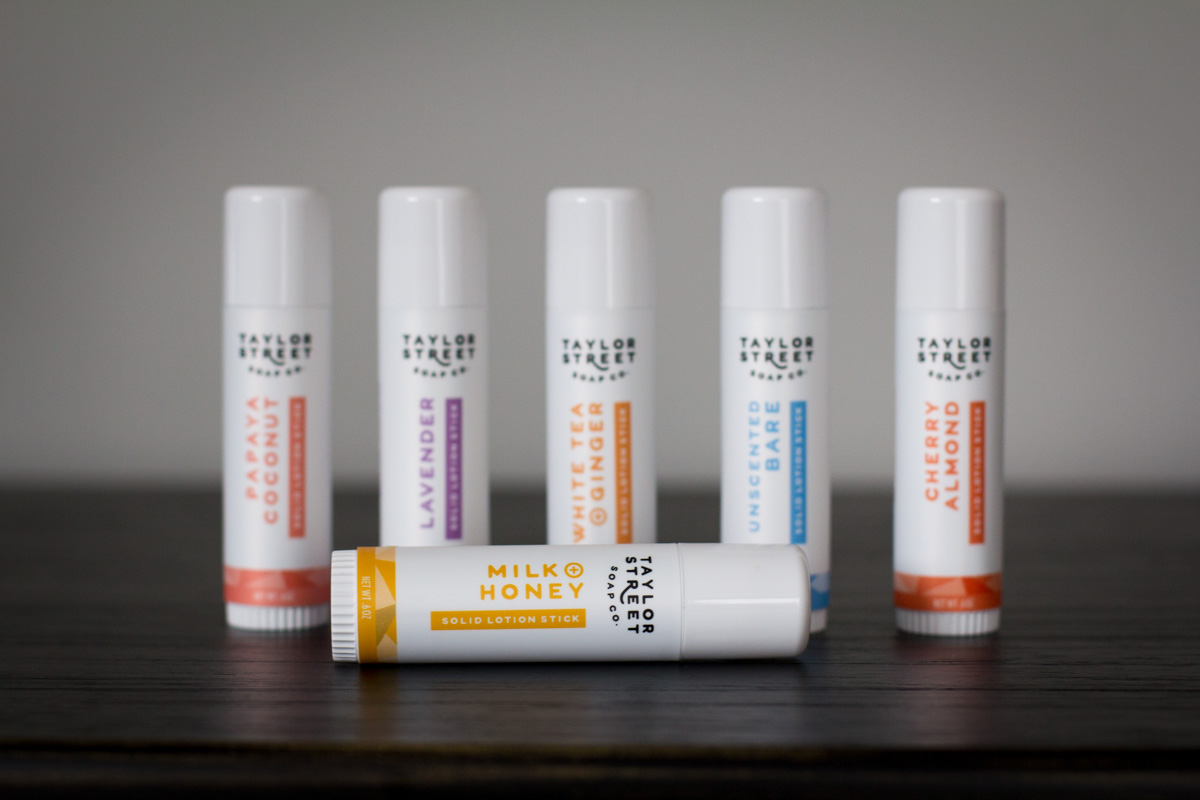
Lip lotion with custom labels

MDO (Machine Direction Oriented Film)

We recommend MDO for most curved lip balm and lipstick tubes, especially smaller-diameter formats like chapstick-style containers.

MDO is a film stretched in one direction during manufacturing, which gives it added flexibility, ideal for wrapping around small, curved surfaces.

Why it works:

  • Conformability: MDO is semi- to fully-conformable, which makes it one of the most reliable options for wrapping around tight curves without bubbling or peeling at the edges (what’s known as “edge lift”).
  • Durability: Resistant to oils, water, and abrasion, which is key in bathrooms, purses, and pockets.
  • Print Quality: Excellent surface for high-resolution printing, foiling, and varnishes.

Finishing compatibility:

Best for:

  • Small cylindrical tubes
  • Brands prioritizing label longevity and sustainability
  • Designs requiring tight-wrap performance with premium finishes

BOPP (Biaxially Oriented Polypropylene)

We also recommend BOPP, especially for standard-sized tubes or slightly flatter surfaces.

Why it works:

  • Durability: Water-resistant, oil-resistant, and UV-stable, BOPP performs well in common product environments like handbags, bathrooms, and refrigerated storage.
  • Printability: Delivers sharp graphics and vibrant colors.
  • Material Options: Available in white, metallic, and clear (which creates a “no-label look,” where the label blends in with the container like it was printed directly on it).

Finishing compatibility:

  • Ideal for foil stamping, screen printing, gloss/matte laminates, and spot UV

Best for:

  • PET (polyethylene terephthalate, or a type of plastic), polypropylene (another type of plastic), or metal lip balm tubes with moderate curvature
  • Brands needing that premium shelf presence
  • Products going into fridges, handbags, or humid environments

PET (Polyester Film)

If you’re working with a rigid container and need maximum durability, PET can be a strong option.

Pros:

  • Extremely resistant to heat, moisture, and abrasion
  • Strong dimensional stability
  • Excellent print surface

Cons:

  • Rigid, not suitable for tight curves
  • Higher cost than MDO or BOPP

Best for:

  • Flat or slightly curved surfaces
  • Premium products where durability outweighs cost

Paper

Paper labels have their place, but they’re rarely the right fit for lip care products.

Pros:

  • More embellishment options 
  • Great print quality (initially)

Cons:

  • Not moisture- or oil-resistant
  • Can scuff, peel, or warp over time depending on handling
  • In most cases, you’ll need to laminate it just to keep it from breaking down during regular handling

Best for:

  • Dry, indoor environments
  • Products with low handling or short shelf lives

Quick Reference Guide

Use Case Recommended Material Why It Works
Tight curved lip balm tubes MDO Flexible and conformable without edge lift
Standard lip balm or lipstick tubes BOPP Rigid, durable, and print-friendly
Premium rigid containers PET Maximum durability and temperature resistance
Budget-conscious indoor products Paper More embellishment options but Poor performance in high-handling environments

Final Thoughts

For most lip balm and lipstick tubes, MDO and BOPP are your best bets. They offer the right mix of durability, print quality, and application performance. Both are commonly used in FDA-compliant packaging when the label might come close to the product like on a lip balm tube.

Not sure which one fits your tube best? Contact us and we’ll walk you through it.
What Label Materials are Best for Pre-Roll Tubes?

If you’re trying to figure out what label material will actually hold up on your pre-roll tubes, you’re in the right place. We’re talking about high-quality, professionally printed label materials that hold their shape, stick through friction and humidity, and make your brand look good on a shelf or in someone’s hand.

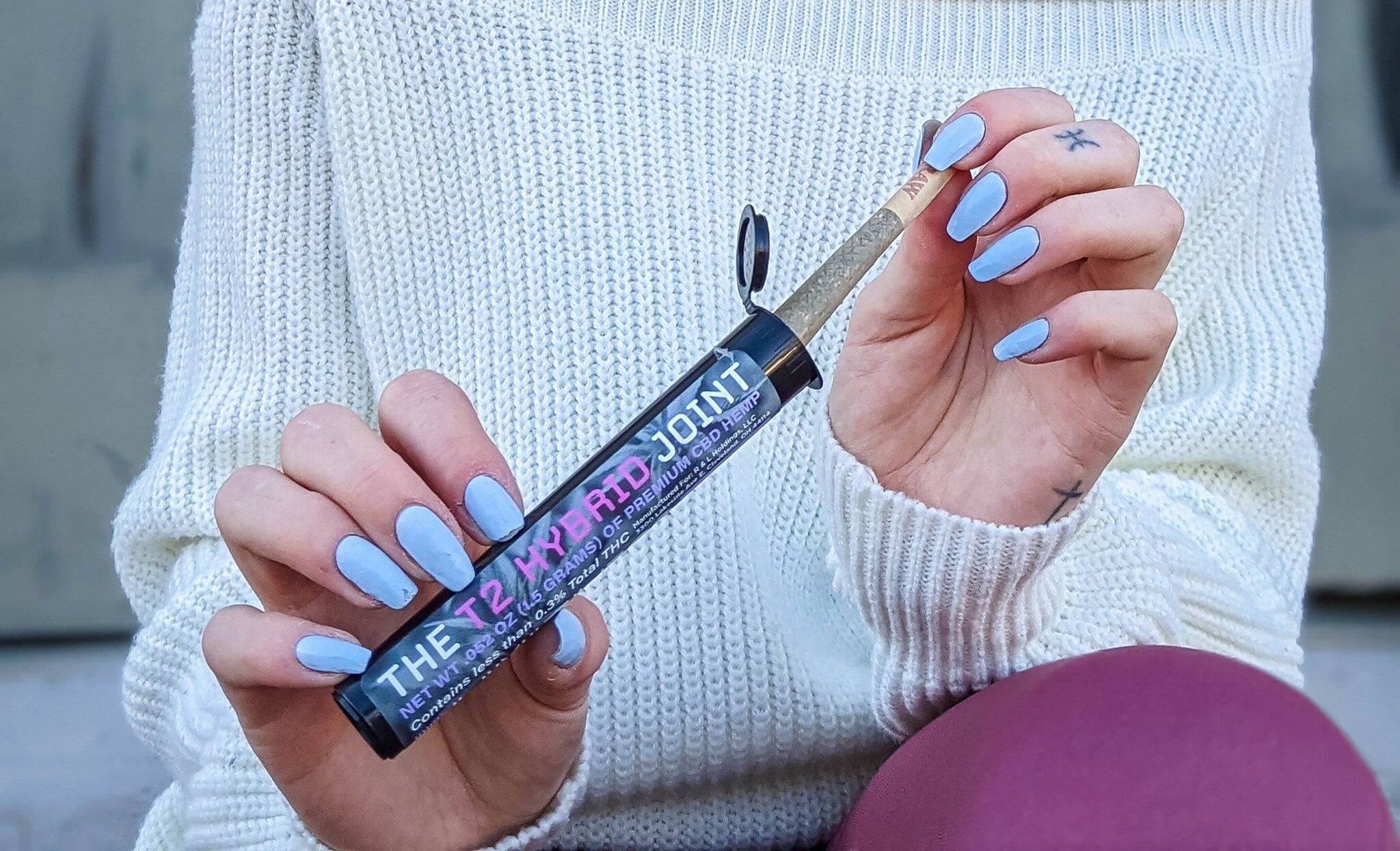
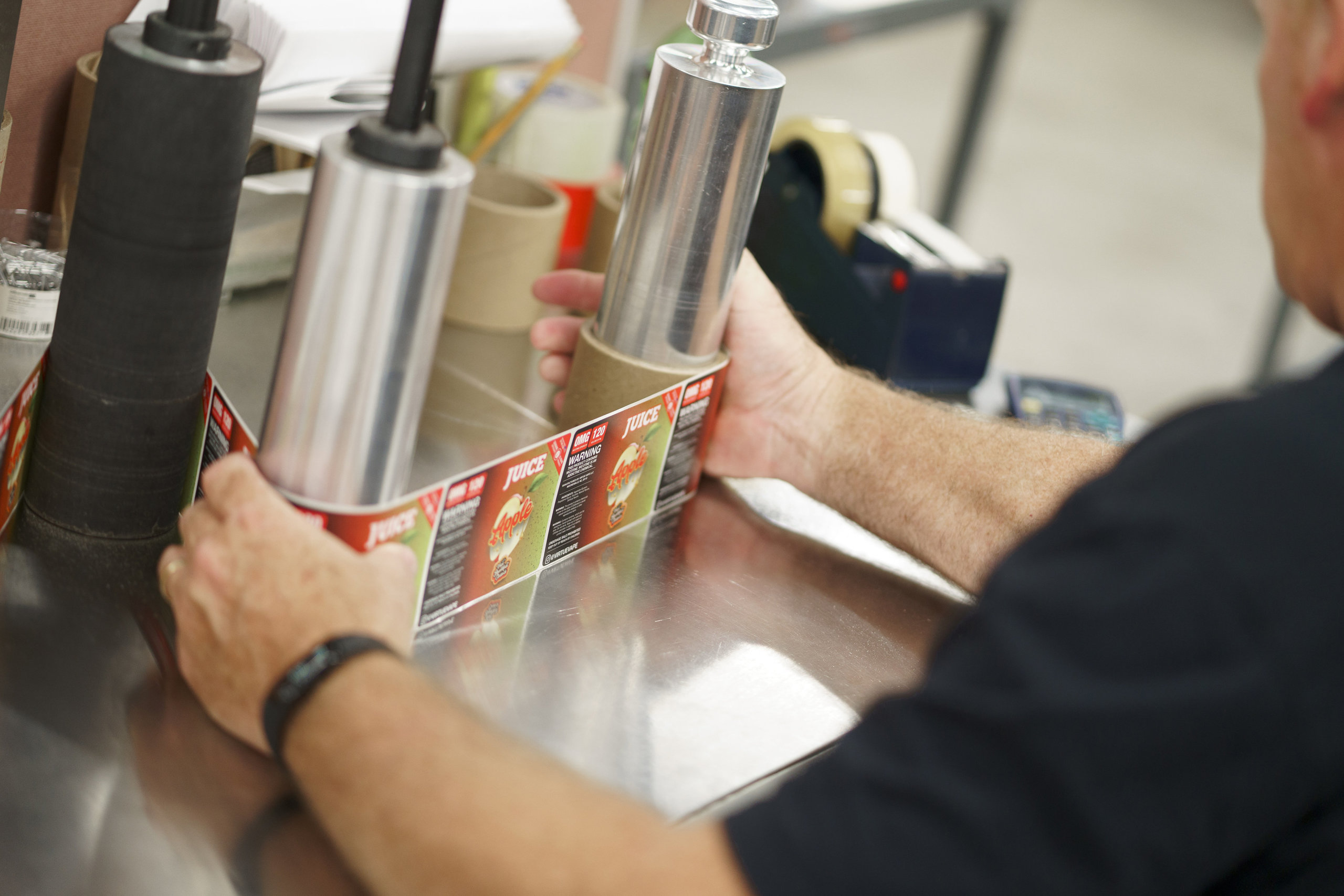
Pre-roll labels

BOPP Labels: Durable, Versatile, and Cost-Effective

We recommend BOPP (biaxially oriented polypropylene) labels for the majority of pre-roll tube applications.

BOPP is a strong, flexible plastic film that’s stretched in two directions, which makes it clearer, tougher, and more resistant to tearing and moisture. We’ve printed thousands of pre-roll labels for cannabis and wellness brands, and BOPP consistently delivers, from production to shipping to dispensary shelves.

Why BOPP Works So Well for Pre-Roll Tubes

  • Moisture & oil resistance: BOPP repels humidity, resin residue, and oily fingers without curling or peeling.
  • Print clarity: It handles fine lines, small compliance text, and vibrant colors extremely well.
  • Flexible adhesives: Available with tight-radius adhesives designed specifically for small-diameter tubes (like pre-roll packaging).
  • Multiple finishes: Clear (for the no-label look), white, or metallic, plus options for gloss, matte, or soft-touch laminate.
  • Cost-effective at scale: It performs like a premium material without the premium price tag.

Finishing Options for BOPP

  • Lamination (gloss for shine, matte for a softer look, or soft-touch for a premium feel)
  • Spot UV (adds a glossy contrast on top of matte finishes)
  • Screen printing for bold, high-opacity ink effects

What to Watch Out For: If your tubes have an unusual shape or texture, testing is important to ensure the adhesive performs well.

Bottom line: If you need a label that holds up in high-touch, humid, or oily environments (sound like any dispensaries you know?), BOPP is a smart, scalable choice that balances durability and cost.

Shrink Sleeves: 360° Branding + Built-In Tamper Evidence

If your pre-roll tubes need full-wrap graphics, tamper-evident features, or a truly premium look, shrink sleeves are your best bet.

Why Shrink Sleeves Are a Strong Choice

  • Full 360° coverage: Unlike pressure-sensitive labels, shrink sleeves conform to the entire shape of the tube, including curves and caps.
  • Tamper-evident by design: Built-in perforations can eliminate the need for extra seals or stickers and help meet cannabis packaging regulations.
  • High-impact branding: You can get photo-quality graphics printed around the entire tube.
  • Durability: Resistant to water, abrasion, and friction during shipping and handling.

Finishing Options for Shrink Sleeves

  • Spot gloss or matte varnishes (for highlighting logos or accents)
  • Cold foil accents
  • Reverse printing (on the inside of the sleeve) to protect ink from scratches or moisture

What to Consider

  • Shrink sleeves require specialized equipment, typically a heat tunnel or steam applicator. These range from benchtop machines for small operations to full tunnel systems for larger production runs.
  • Artwork needs to be “pre-distorted,” meaning it’s intentionally adjusted (stretched or warped slightly) in the design file so it appears correct after the sleeve shrinks to fit the tube (don’t worry, we can help with this).
  • Typically more expensive per unit than BOPP, especially for smaller quantities.

If you’re planning to sell through dispensaries or retailers, where shelf presence and tamper resistance matter, shrink sleeves offer unmatched real estate and visual impact.

Vinyl Labels: Extra Tough for Niche Use Cases

Vinyl labels are extremely durable and flexible, but for most pre-roll tubes, they offer more performance than necessary and come at a higher cost.

When Vinyl Might Make Sense: If your tubes will face extreme handling, heavy abrasion, or wide temperature swings.

Drawbacks to Vinyl

  • Higher cost: typically 25–30% more per unit than BOPP.
  • Less environmentally friendly due to its non-recyclability and higher VOC emissions during production.

Vinyl can be useful in rugged conditions like outdoor storage or heavy handling, but most pre-roll brands just don’t need that level of durability.

Paper Labels: Great for Texture, Risky for Moisture

Paper labels give you that natural, textured feel, but they can be higher-maintenance.

Where Paper Labels Fit

  • Premium or artisanal brands that want a textured, organic look.
  • Tubes that are sold in multipacks or secondary boxes where labels won’t be touched as often.

Why Paper Can Be Problematic for Pre-Rolls

  • Even with lamination, paper absorbs moisture over time, which can lead to wrinkling or adhesive failure, especially in refrigerated settings or humid climates.
  • Easier to scuff, tear, or wrinkle in shipping or on display.
  • Adhesives may struggle to bond with smooth plastic tubes unless specially formulated.

If you love the look of paper, we can recommend specialty coatings or hybrid materials to help protect it, but be prepared for some tradeoffs.

Label Material Quick Guide for Pre-Roll Tubes

Use Case Best Material Why It Works
Most common / all-around use BOPP Moisture-resistant, cost-effective, reliable for small tubes
Premium retail branding + tamper evidence Shrink Sleeve Full-wrap visuals, built-in perforations for compliance
Rugged environments or outdoor use Vinyl Ultra-durable, but often unnecessary and higher cost
Natural, artisanal brand positioning Paper Textured appearance, but requires protection from moisture

Final Thoughts

For most pre-roll tubes, you can’t go wrong with BOPP or shrink sleeves. They both check the boxes for durability, branding, and compliance.

If you’re not sure what material is right for your tubes, contact us and we’ll help you see the difference firsthand.

What Label Materials are Best for Tincture Bottles?

Not all labels can stand up to oil, moisture, cold storage, or the curved surface of a tincture bottle.

If you’re figuring out which label material actually works for commercial tincture packaging, this guide walks you through what actually works and what to avoid when labeling commercial tincture bottles.

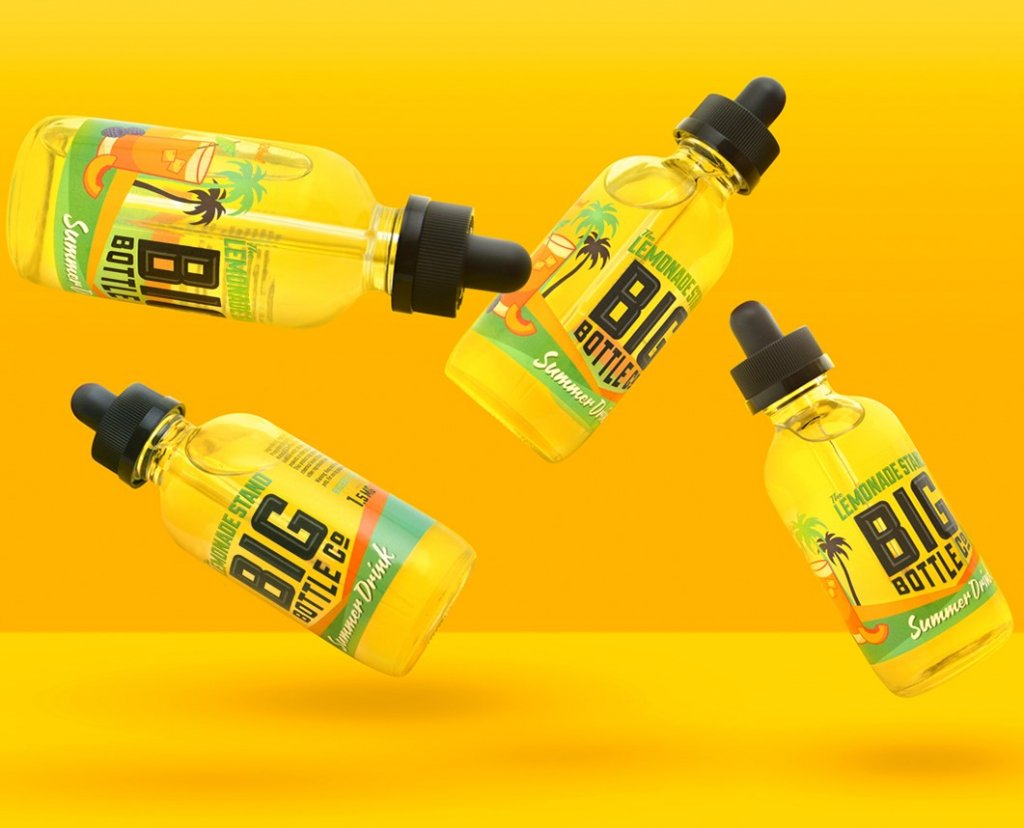
E-Juice bottles with custom clear labels

BOPP: Our Go-To for Durable, Versatile Tincture Labels

BOPP (biaxially oriented polypropylene) is a film-based label material, meaning it’s a thin plastic film made for strength and clarity. It’s one of the most commonly used label materials for commercial tincture bottles thanks to its durability, moisture resistance, and ability to conform to curved surfaces like 1 oz droppers.

Why we recommend BOPP for tinctures:

  • Resists moisture, oil, and abrasion. Great for bathroom cabinets, fridges, and a variety of shipping conditions.
  • Looks sharp. Available in clear, white, or metallic. Clear BOPP can give you that sleek “no-label” look.
  • Flexible and conformable. Especially important for 1oz or smaller dropper bottles.
  • Pairs well with finishes. Works great with gloss or matte lamination, spot varnish, foil stamping, and more.
  • Compatible adhesives. Permanent adhesives are designed specifically for curved bottles.

Best for: High-end CBD tinctures, essential oils, cosmetics, and anything that needs to survive real-world use without looking ragged in a month.

Shrink Sleeves: Full Coverage & Tamper-Evident in One

Shrink sleeves are printed on heat-sensitive plastic film (typically PETG, a common shrink film known for clarity and shrinkability) that conforms to your entire bottle when heat-shrunk.

You get full wraparound branding and the tamper-evident seal can be built in.

Why we recommend shrink sleeves for tinctures:

  • Full-body coverage. Great for premium branding or seasonal promotions.
  • Reverse printing. Protects the design under the film.
  • Waterproof and chemical-resistant. Holds up in fridges, wet environments, and heavy handling.
  • Tamper-evident. Shrinks over both bottle and cap.

What to watch out for:

  • Requires heat tunnel for application. Not always feasible for every production line.
  • Slightly more expensive. Shrink sleeves can run 20–25% more than BOPP at moderate run sizes (e.g., 5,000–25,000 units), especially when factoring in setup and heat tunnel requirements.
  • Be ready for more prep work upfront. Artwork needs to account for shrink distortion. (For example, text or logos placed near the neck of the bottle may warp during application if not adjusted in the design phase)

Best for: High-impact retail packaging, multiple SKUs, or products that require tamper evidence or full-body branding.

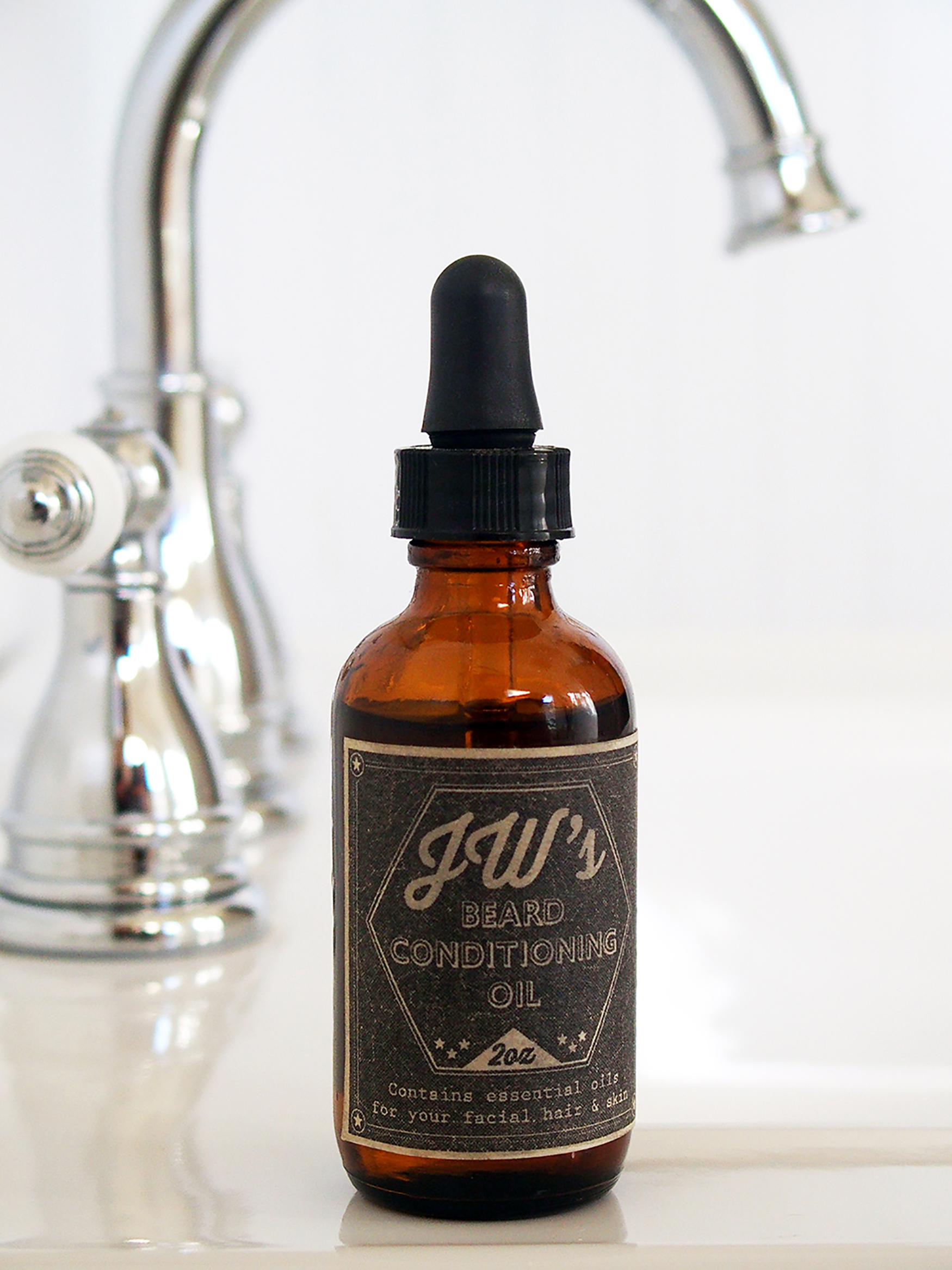
Beard oil bottle with custom label

Paper Labels: Textures & High Quality Finishes 

Paper labels still have a place in tincture packaging, particularly when you’re aiming for an artisan or eco-conscious brand vibe.

Why we recommend paper (sometimes):

  • Takes specialty finishes well. Works well with embossing, foil, matte/gloss varnish.
  • Great for short-run SKUs or limited editions. Especially if you need a quick turnaround.

What to watch out for:

  • Poor moisture and oil resistance. Uncoated paper labels generally struggle with moisture and oil exposure. However, adding lamination or using specialty-coated paper stocks can improve performance (though that often brings costs closer to film-based options like BOPP).
  • Less durable overall. Can scratch or scuff during shipping or handling if uncoated.
  • May lift on curved bottles. Especially if not applied with the right adhesive.

Best for: Dry-storage products, limited runs, or brands that want a more natural paper texture.

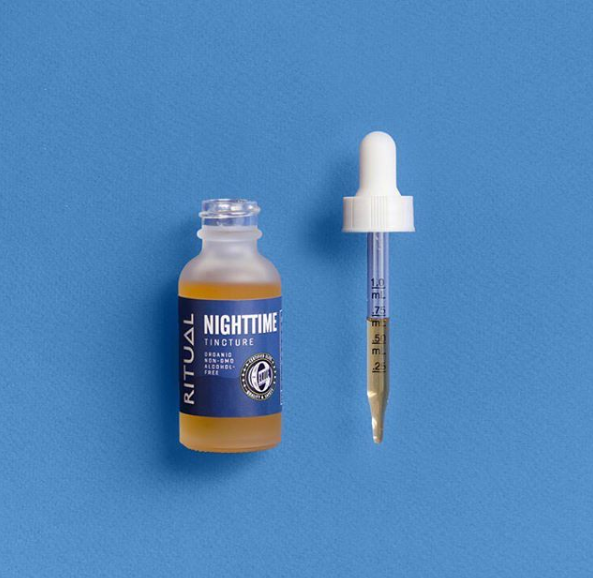
Tincture dropper bottle with custom label

Quick Comparison Table

Feature BOPP Shrink Sleeves Paper Labels
Water/Oil Resistance Excellent Excellent Poor (without laminate)
Durability High Very High Low-Medium
Cost per Unit $ $$$ $$
Print Finish Options High Very High High
Tamper Evidence No  Yes No
Good for Curved Bottles Yes Yes Sometimes

Material Recommendations by Use Case

  • Most commonly recommended material for glass tincture bottles: BOPP—Conforms to curves, resists oil and moisture, looks premium
  • Best for products that go in the fridge or bathroom: BOPP or Shrink Sleeves—Both stand up to humidity and water.
  • Best if you need tamper evidence built in: Shrink Sleeves—Eliminates the need for a separate seal.
  • Most embellishment options: Paper—Great option if you want to add more to the look of your product with texture or finishes. 

Wrap-Up

BOPP, shrink sleeves, and paper labels each bring different strengths to tincture packaging. Choosing the right one depends on where your product lives, how it’s handled, and how you want it to show up on the shelf.

Not sure which label material makes sense for your bottles? Contact us and we’ll walk you through it.
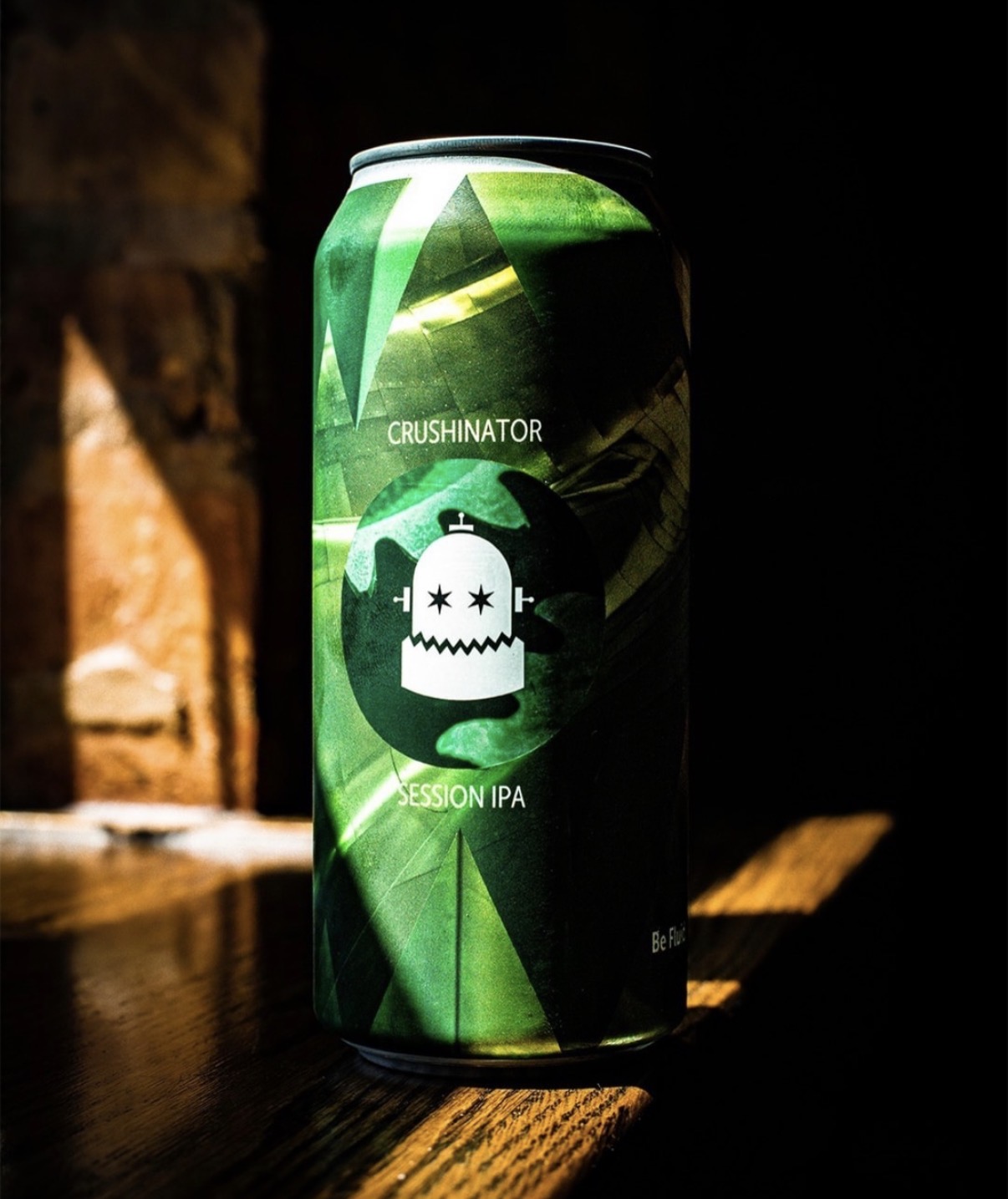
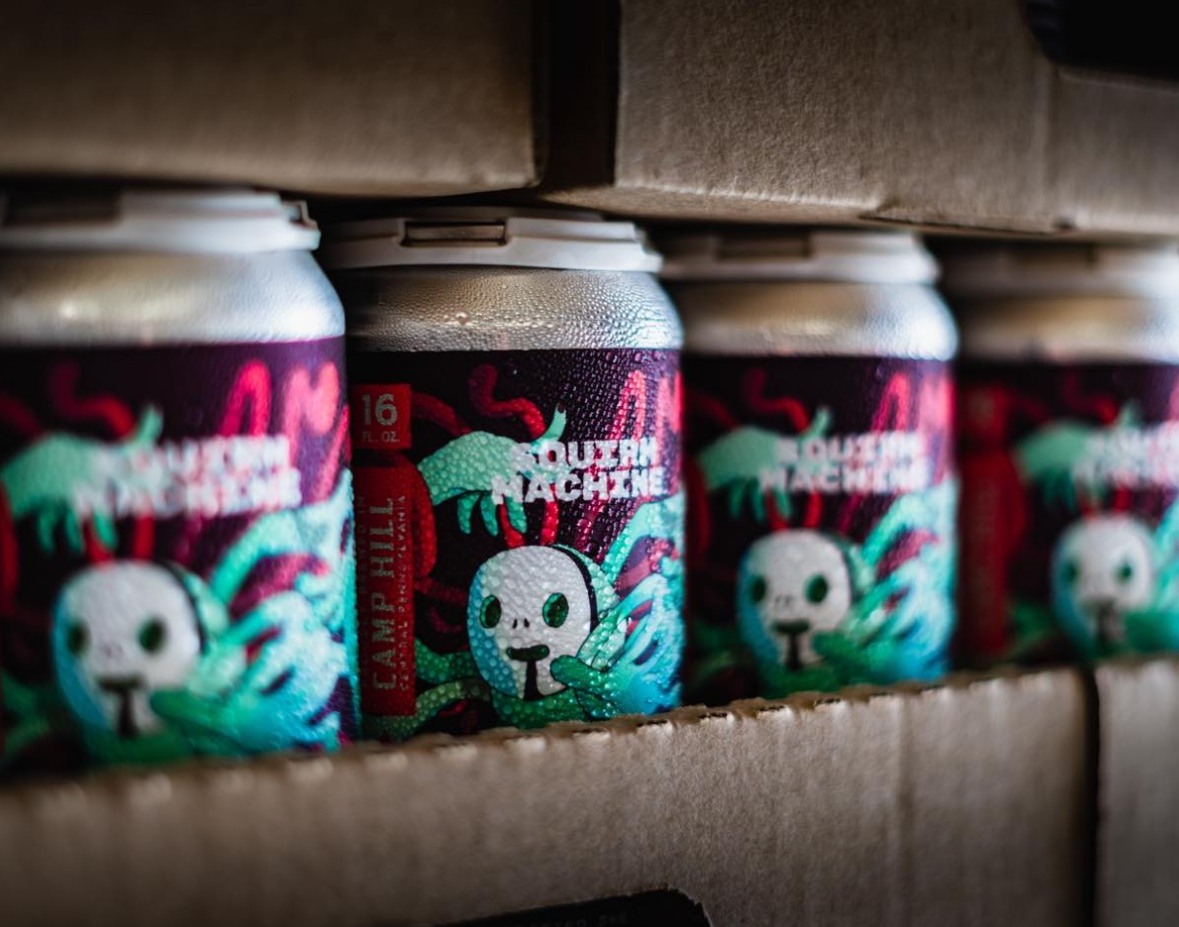
What Label Materials are Best for Beer Cans?

When you’re sourcing labels for your beer cans, you’re making a choice that affects your production line, shelf appeal, and whether your label survives the trip from brewery to backyard cooler. We’ll walk you through your options and what each label material can realistically handle.

Pressure-Sensitive Film Labels (BOPP, PET)

This is one of the most common label materials used for beer cans, especially among craft breweries and beer producers. You’ll usually see these made from polypropylene (BOPP), which is lightweight and cost-effective, or polyester (PET) if you need a tougher, more scuff-resistant label. These materials hold up well in cold-fill conditions and sticky, wet environments like the canning line.

Pros:

  • Water-resistant and scuff-resistant with the right laminate
  • Works with most modern applicators
  • Fast changeovers for SKUs
  • Wide range of finish options (gloss, matte, soft-touch)

Cons:

  • Needs proper adhesive selection for cold and wet application
  • Not curbside recyclable unless label is removed

Best for:

  • Flagship SKUs, seasonal releases

Finishing Options:

Environmental Considerations:

  • Performs well in condensation, temperature-controlled environments, and even submerged in ice buckets (when paired with cold-wet adhesive, a pressure-sensitive adhesive specifically made to maintain tack and bond strength on cold, wet surfaces)
  • Can scuff in pallet transit or fridge rub if unlaminated

Pressure-Sensitive Paper Labels

Pressure-sensitive paper can give a can a premium, handcrafted feel. They’re a go-to when your brand leans into a traditional look or you want a label that has a tactile feel. Just know you’ll need the right adhesive and coatings to keep things looking clean.

Pros:

  • Distinctive feel that conveys quality
  • Works well with foil and embossing

Cons:

  • Less durable in wet or high-friction environments
  • Needs lamination or varnish to prevent scuffing and fiber breakdown
  • Costs more than BOPP

Best for:

  • Limited releases, barrel-aged beers

Finishing Options:

  • Excellent for emboss, foil, and matte varnishes

Environmental Considerations:

  • More prone to damage in cold fill or ice buckets unless laminated
  • May degrade in humid storage or cooler bags

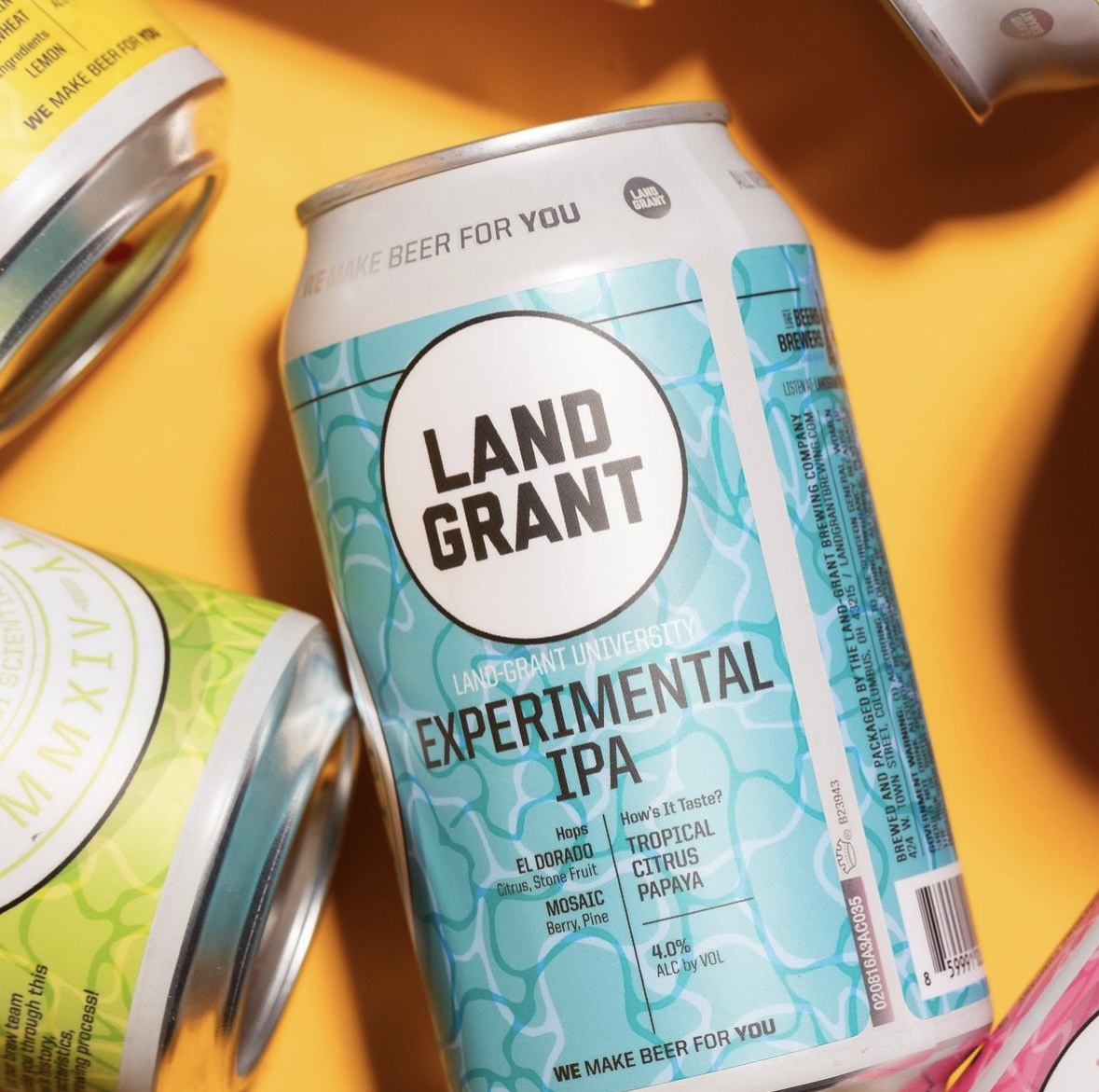
Beer can with label

Shrink Sleeves

Shrink sleeves offer 360° coverage and vibrant, full-can graphics. They’re printed flat, then shrunk to fit the can using steam or radiant tunnels (equipment that uses heat or steam to shrink the sleeve tightly to the can’s shape).

Pros:

  • Full-body design real estate
  • Excellent moisture and abrasion resistance
  • Hides can imperfections (like dents)

Cons:

  • Requires shrink tunnel and seam orientation equipment
  • Can add cost and complexity compared to pressure sensitive labels
  • Can interfere with aluminum recycling unless perforated for removal

Best for:

  • Year-round products with high shelf visibility

Finishing Options:

  • UV varnishes, cold foil, screen printing, spot UV, tactile (sand) varnish 

Environmental Considerations:

  • Durable in coolers and cold chain
  • Look for recyclable polyolefin or perforated sleeves to reduce recycling issues

Summary: Which Material Fits Where?

  • Most versatile overall: BOPP
    • Balances cost, performance, and compatibility with cold-fill, short runs, and embellishments.
  • Best for premium tactile branding: Textured Pressure Sensitive Label Paper
    • Ideal for seasonal or specialty products with foil and embossing.
  • Best for full-can design & high shelf impact: Shrink Sleeves
    • Wrap-around visuals and strong durability, as long as you can manage the tunnel.
  • Best for high-speed, high-volume lines: Cut-and-Stack Paper Wraps
    • Extremely cost-effective at scale, though less flexible for seasonal releases.

There’s no one right label for every beer, but there’s a best label for the way you brew, fill, ship, and sell.

Need help figuring out what works for your production setup? Contact us and we’ll walk you through it.