What Label Materials are Best for Beer Cans?
When you’re sourcing labels for your beer cans, you’re making a choice that affects your production line, shelf appeal, and whether your label survives the trip from brewery to backyard cooler. We’ll walk you through your options and what each label material can realistically handle.
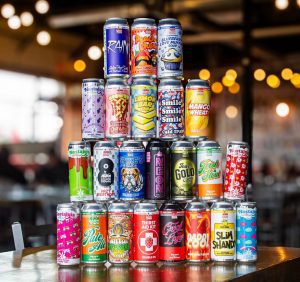
Pressure-Sensitive Film Labels (BOPP, PET)
This is one of the most common label materials used for beer cans, especially among craft breweries and beer producers. You’ll usually see these made from polypropylene (BOPP), which is lightweight and cost-effective, or polyester (PET) if you need a tougher, more scuff-resistant label. These materials hold up well in cold-fill conditions and sticky, wet environments like the canning line.
Pros:
- Water-resistant and scuff-resistant with the right laminate
- Works with most modern applicators
- Fast changeovers for SKUs
- Wide range of finish options (gloss, matte, soft-touch)
Cons:
- Needs proper adhesive selection for cold and wet application
- Not curbside recyclable unless label is removed
Best for:
- Flagship SKUs, seasonal releases
Finishing Options:
- Compatible with hot foil, spot UV, screen printing, gloss/matte laminates, and even soft touch
Environmental Considerations:
- Performs well in condensation, temperature-controlled environments, and even submerged in ice buckets (when paired with cold-wet adhesive, a pressure-sensitive adhesive specifically made to maintain tack and bond strength on cold, wet surfaces)
- Can scuff in pallet transit or fridge rub if unlaminated
Pressure-Sensitive Paper Labels
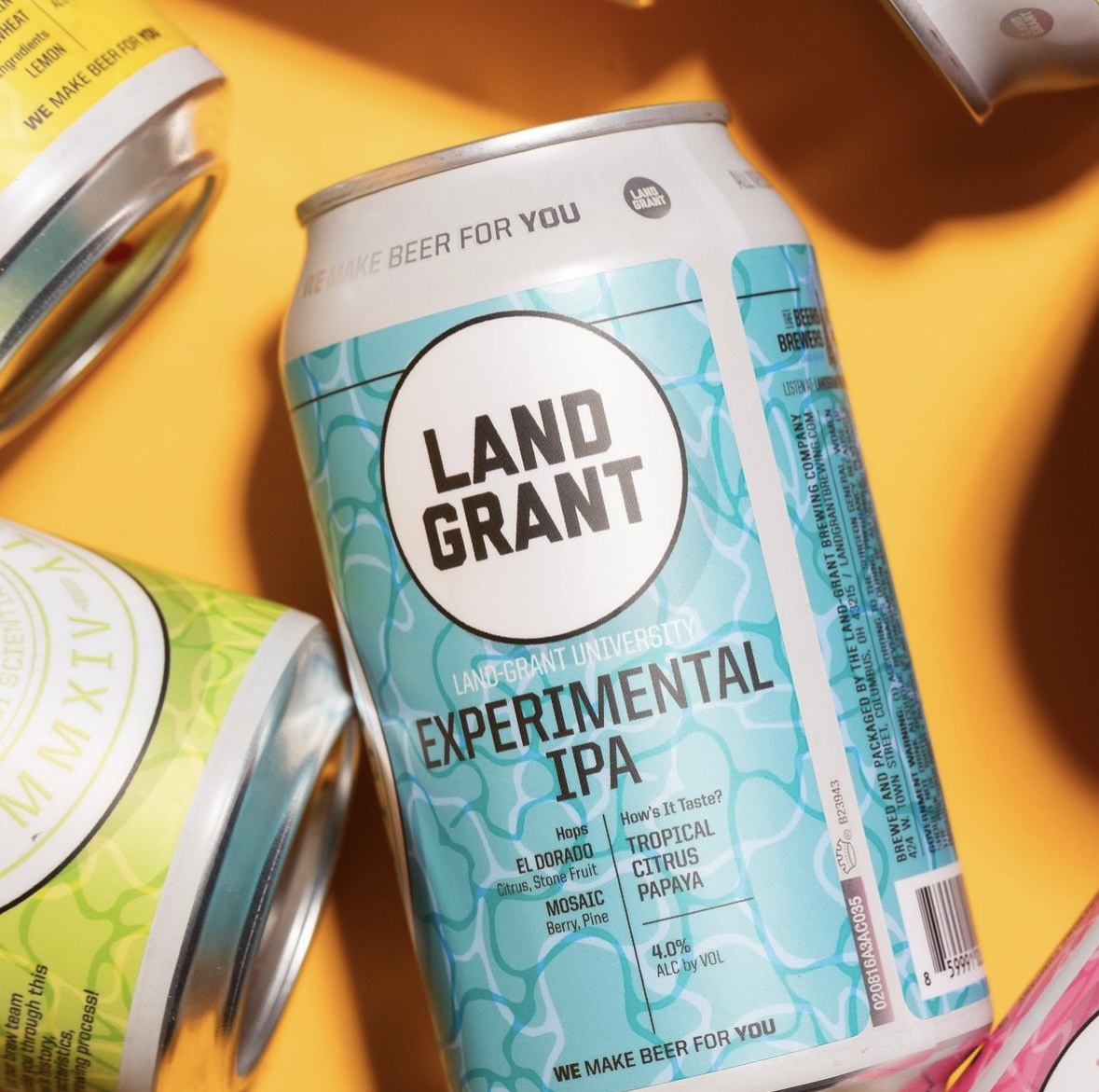
Pressure-sensitive paper can give a can a premium, handcrafted feel. They’re a go-to when your brand leans into a traditional look or you want a label that has a tactile feel. Just know you’ll need the right adhesive and coatings to keep things looking clean.
Pros:
- Distinctive feel that conveys quality
- Works well with foil and embossing
Cons:
- Less durable in wet or high-friction environments
- Needs lamination or varnish to prevent scuffing and fiber breakdown
- Costs more than BOPP
Best for:
- Limited releases, barrel-aged beers
Finishing Options:
- Excellent for emboss, foil, and matte varnishes
Environmental Considerations:
- More prone to damage in cold fill or ice buckets unless laminated
- May degrade in humid storage or cooler bags
Shrink Sleeves
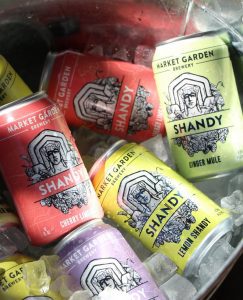
Shrink sleeves offer 360° coverage and vibrant, full-can graphics. They’re printed flat, then shrunk to fit the can using steam or radiant tunnels (equipment that uses heat or steam to shrink the sleeve tightly to the can’s shape).
Pros:
- Full-body design real estate
- Excellent moisture and abrasion resistance
- Hides can imperfections (like dents)
Cons:
- Requires shrink tunnel and seam orientation equipment
- Can add cost and complexity compared to pressure sensitive labels
- Can interfere with aluminum recycling unless perforated for removal
Best for:
- Year-round products with high shelf visibility
Finishing Options:
- UV varnishes, cold foil, screen printing, spot UV, tactile (sand) varnish
Environmental Considerations:
- Durable in coolers and cold chain
- Look for recyclable polyolefin or perforated sleeves to reduce recycling issues
Summary: Which Material Fits Where?
- Most versatile overall: BOPP
- Balances cost, performance, and compatibility with cold-fill, short runs, and embellishments.
- Best for premium tactile branding: Textured Pressure Sensitive Label Paper
- Ideal for seasonal or specialty products with foil and embossing.
- Best for full-can design & high shelf impact: Shrink Sleeves
- Wrap-around visuals and strong durability, as long as you can manage the tunnel.
- Best for high-speed, high-volume lines: Cut-and-Stack Paper Wraps
- Extremely cost-effective at scale, though less flexible for seasonal releases.
There’s no one right label for every beer, but there’s a best label for the way you brew, fill, ship, and sell.
Need help figuring out what works for your production setup? Contact us and we’ll walk you through it.