Can Clear Labels Be Used on Dark Containers?
- clear labels
- dark containers
- materials
Yes, clear labels can work on dark containers, but only if the material, adhesive, and application setup are properly matched to your container. When done right, you can achieve a “no-label” look even on dark packaging.
We’ll walk through what works, what doesn’t, and what to watch for based on your container type.
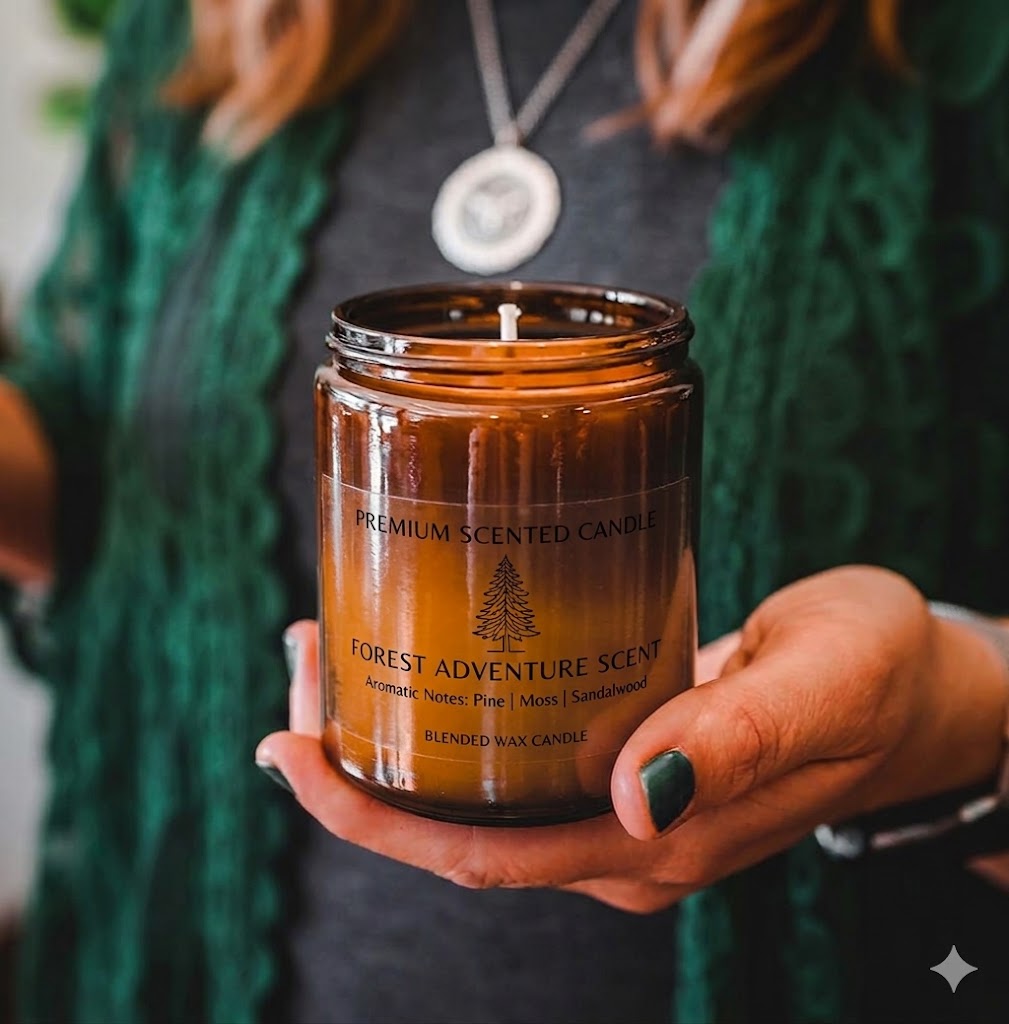
Labeling Dark Plastic Containers (PET, HDPE, LDPE)
These plastics show up in everything from beverage bottles (PET) to detergent jugs (HDPE) to squeezable tubes and pouches (LDPE), so here’s what you need to know before applying clear labels to each one.
Can clear labels be used on containers made with these materials?
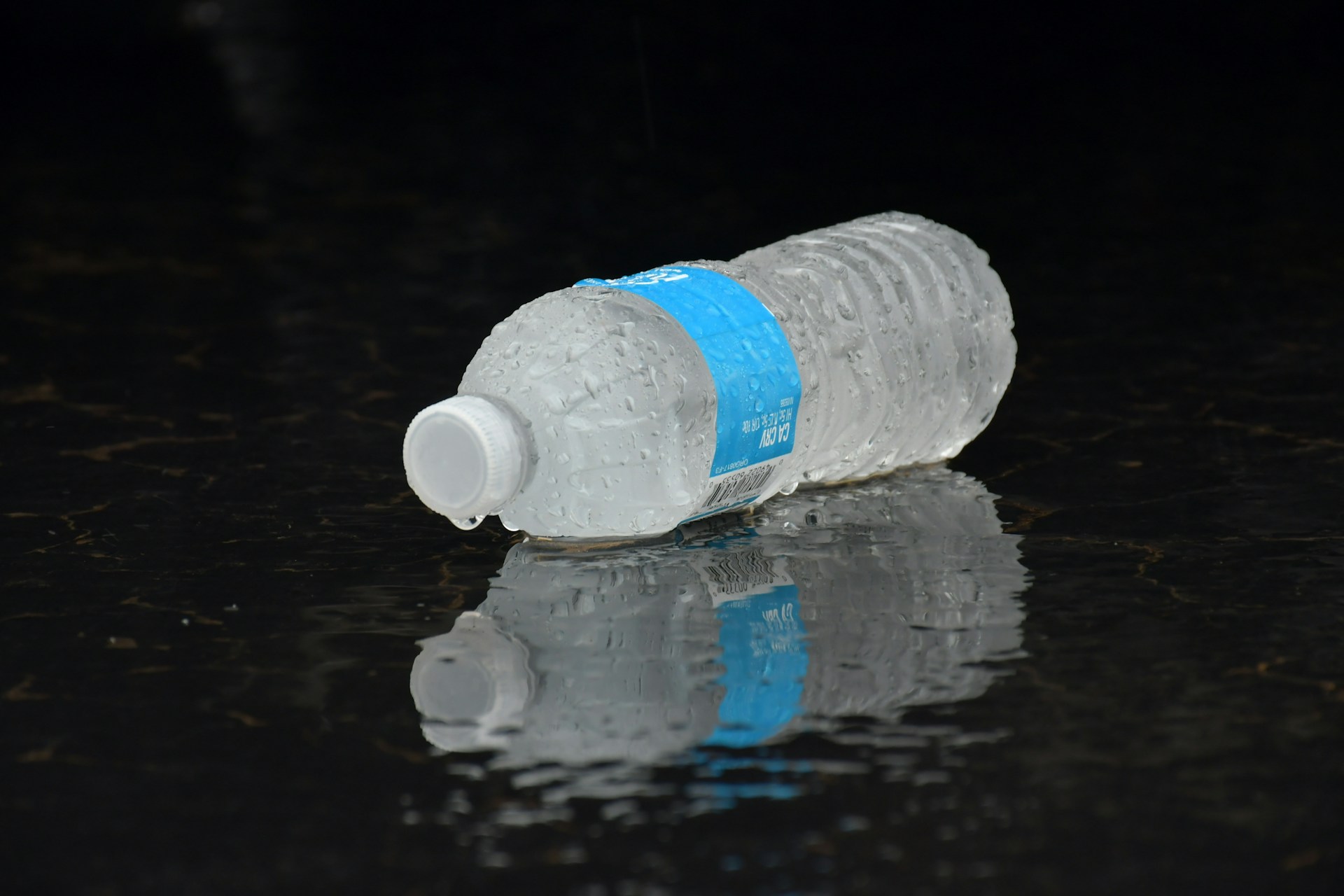
Yes, clear labels can be used on PET, HDPE, and LDPE containers. You’ll get good results as long as the container is properly prepared, the label includes a white underprint for readability, and you choose an adhesive that’s designed to bond well with each plastic type.
What to know
Clear labels can look great on PET, HDPE, and LDPE containers, but each plastic comes with specific challenges. Here’s what to expect and how to solve it:
- Bubbling from outgassing. Freshly molded containers can release small amounts of gas that get trapped under the label. Let containers sit for 24–72 hours before labeling to reduce bubbling.
- Poor legibility on dark plastics. Dark containers can wash out artwork or text. Add a white underprint behind any design elements that need to stay readable.
- Adhesion issues on HDPE and LDPE. These plastics, such as detergent jugs (HDPE) and squeezable tubes or pouches (LDPE), have low surface energy, which makes it harder for adhesives to bond. Use a high-tack adhesive and consider pre-treating the container to help the label stick.
- Choosing the right film. PET offers stiffness and clarity for smooth, rigid surfaces. BOPP is better for flexible bottles or squeezable containers.
- Surface preparation matters. Make sure containers are clean, dry, and smooth before applying labels. Even minor oils or residues can cause lift or bubbling.
Finishing Options
- UV varnish for abrasion resistance
- Protective laminates if exposure to water or friction is expected
- Avoid matte finishes that reduce transparency or emphasize surface defects
Labeling Glass Containers (Amber or Dark-Colored)
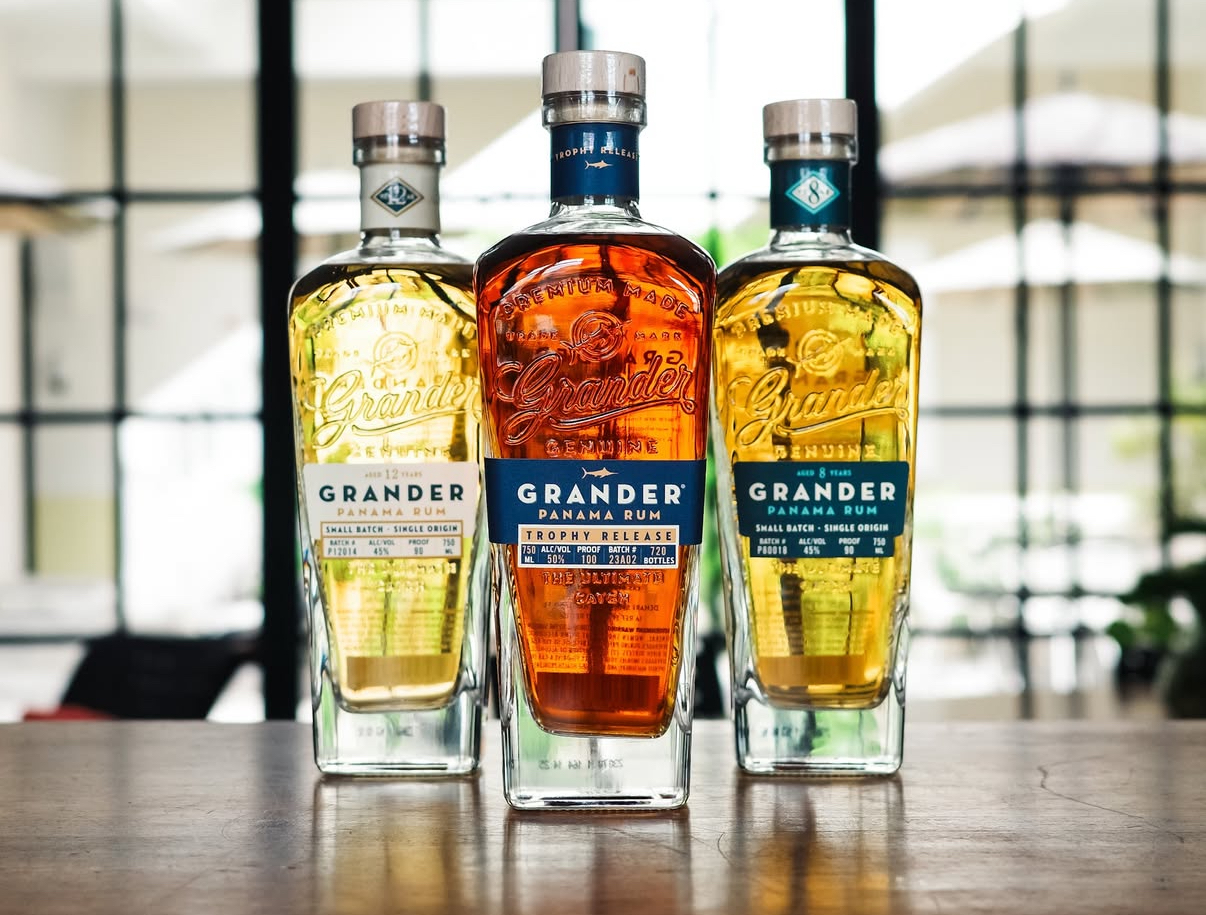
Clear labels can work well on darker glass, and darker-colored glass actually helps hide the label edges, which brings out the seamless effect.
What to know
- Artwork can disappear on dark surfaces. Use a white layer (underprint) behind key design elements to keep text and graphics readable on amber, brown, cobalt, or black glass.
- Curved or embossed bottles may cause wrinkles or edge lift. Choose a slightly more flexible clear BOPP on bottles with heavy curves or embossing.
- Dust and fingerprints show more on clear labels. Clean the glass before application to avoid trapped particles and visible smudges.
- Choose the right film for the container. Clear PET works best on smooth, rigid dark glass because of its clarity and stiffness. Clear BOPP can be a better fit for slightly curved bottles.
Finishing Options
- Gloss laminates enhance clarity and make the label “disappear” into the dark glass
- Spot coatings add texture or emphasis without reducing the clear effect
Labeling Aluminum or Metal Containers
Clear labels work well on aluminum and metal containers. These surfaces are smooth and consistent, which helps labels bond cleanly and makes it easier to achieve a polished look.
What to know
- Bubbling or trapped air is more visible on metal. Metal surfaces show imperfections clearly. Consider running a few test labels to confirm clean application and adjust pressure or speed if needed.
- Any surface flaw will show through the label. Small dents, scratches, or coating variations will become more visible under a clear film. Inspect containers before labeling.
- Some finishes may require extra prep. Anodized or coated aluminum can reduce adhesion. Use a high-tack permanent adhesive or consider a primer when surfaces are difficult to bond.
- Choose the right film for the job. Clear BOPP is usually the best match for aluminum because it balances durability, flexibility, and clarity.
Finishing Options
- Gloss or soft-touch laminates depending on the brand look you want
- Foil-enhanced elements that play nicely with the metallic background
Comparison Table: Clear Label Use on Dark Containers
| Container Material | Best Film | Adhesive Type |
| PET (Plastic) | Clear BOPP | Clear acrylic |
| HDPE/LDPE (Plastic) | Clear BOPP | High-tack acrylic |
| Glass (dark/amber) | Clear PET | Standard clear |
| Aluminum/Metal | Clear BOPP | Strong permanent |
Matching Materials and Containers
- Best material for dark PET bottles: Clear BOPP with acrylic adhesive. It’s clear, flexible, and performs well with careful surface prep.
- Most forgiving substrate: Glass. High surface energy means great bonding and low bubbling risk.
- Best for premium gloss finish: Clear PET on smooth glass or metal. This provides superior transparency and stiffness.
- Most cost-effective for dark plastics: Clear BOPP. It’s budget-friendly but needs good prep and a white underprint.
- HDPE with low-tack adhesive: High bubbling risk. Avoid untreated or freshly molded containers.
Clear Labels on Dark Containers
Clear labels can absolutely work on dark containers, but success depends on using materials, surface prep, and the application environment.
Request a sample pack or contact us and we’ll show you what works.