How to Prevent Labels from Scratching or Abrasion During Shipping and Handling

If your labels look great coming off the line but arrive damaged at their destination, friction and abrasion during shipping and handling are likely the culprits. Fortunately, you can solve these problems by choosing the right materials, adhesives, and finishes. 

Here’s what you need to consider to protect your labels from scratching, rubbing, and peeling.

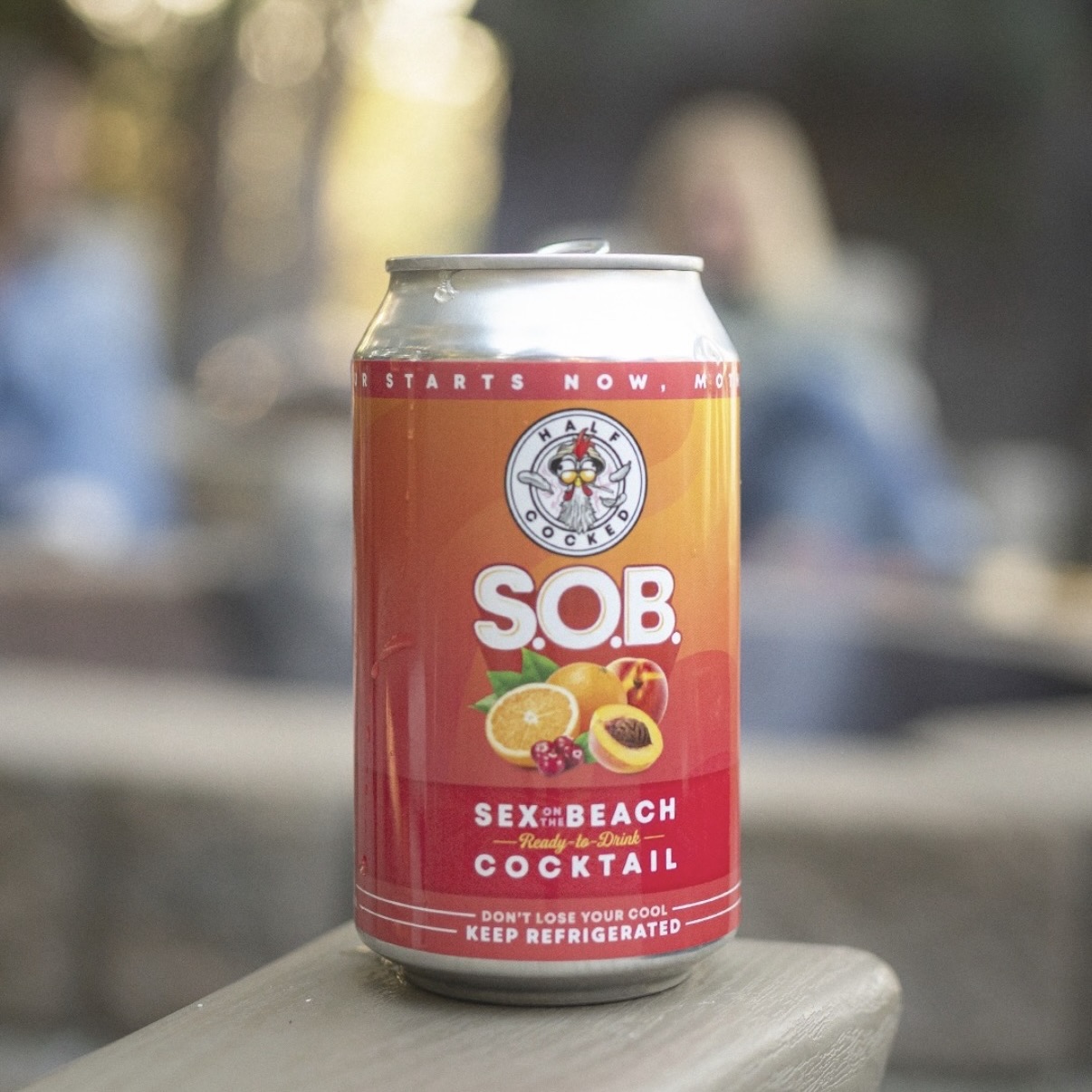
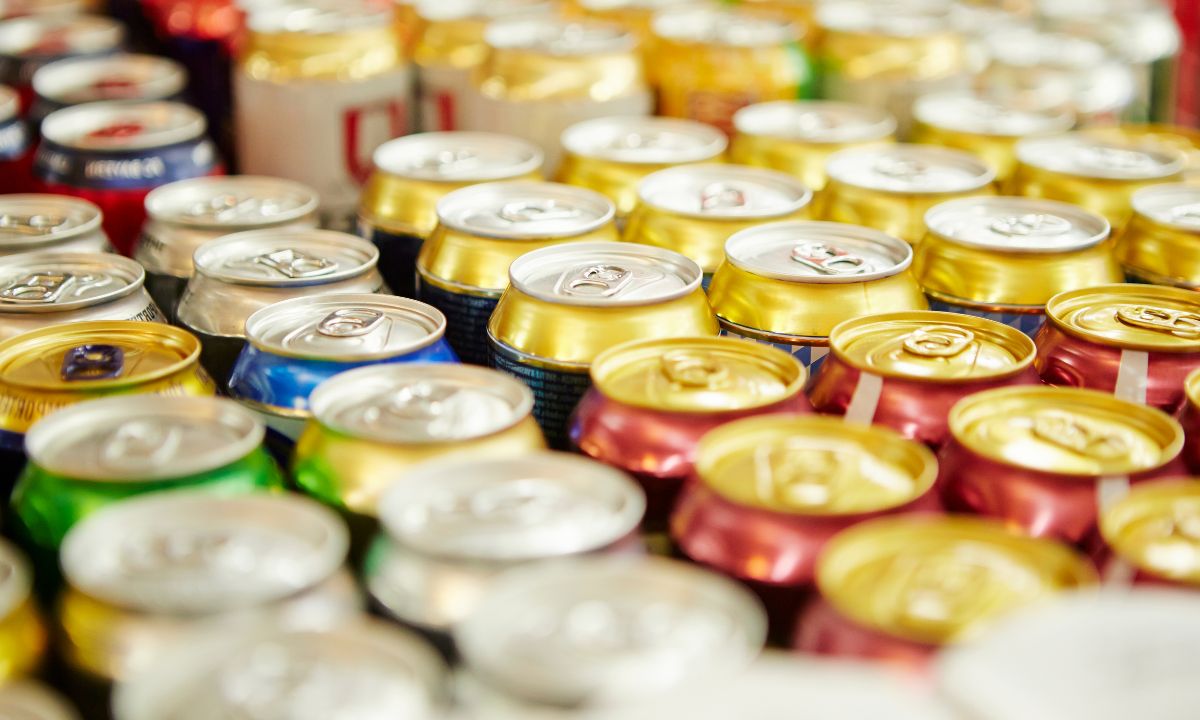
Beer cans with labels

Pick the Right Label Material for Your Packaging Type

Not all label materials handle friction equally, and the right choice depends on your packaging and environment:

  • Polypropylene (BOPP): Flexible and moisture-resistant. Great for bottles, jars, and pouches in food, beverage, and personal care.
  • Polyester (PET): Strong, chemical-resistant, and built to take a beating. A go-to for electronics, home goods, or anything with a rough transport.
  • Vinyl: Very flexible, used for curved surfaces or squeeze containers. Should be paired with a strong finish.

We usually recommend PET or BOPP for anything that’s going to get tossed, stacked, or bumped in transit.

Match Your Adhesive to Your Packaging and Conditions

A mismatched adhesive can cause labels to lift or curl, making them easy targets for abrasion. Here’s how to make sure yours sticks:

  • Permanent acrylic adhesives are solid choices for corrugate, plastic, or glass.
  • High-tack adhesives grip tight to tough surfaces like HDPE (think: detergent bottles).
  • Cold-temperature adhesives are good in refrigerated or frozen environments.

Tip: Apply labels in clean, dry, and temperature-controlled conditions. If a label isn’t stuck down properly, it’s more likely to rub, shift, or catch, which can lead to damage.

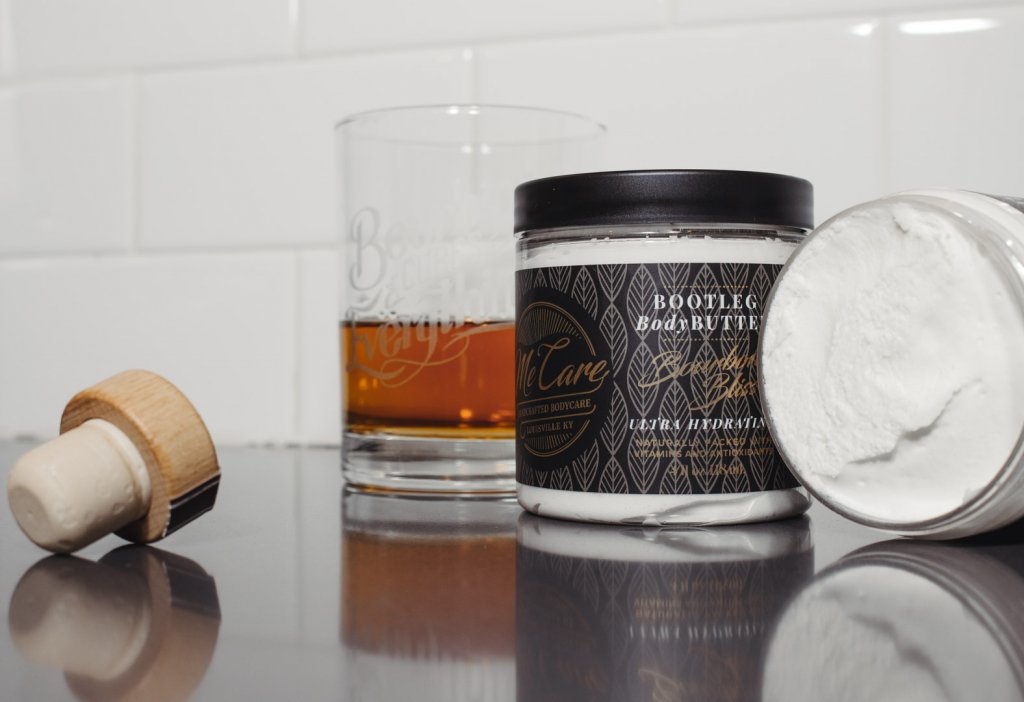
Skincare products with custom labels

Add a Protective Finish That Matches Risk and Budget

A good finish is like body armor for your label—it helps it survive the bumps, scrapes, and scuffs that happen after it leaves your hands:

  • Lamination (polypropylene or polyester): The go-to for rough shipping environments like pallets or cold chain logistics. See our lamination options.
  • High-rub varnish: Perfect for rigid containers and folding cartons. It holds up well for day-to-day handling without the higher price tag of full lamination.
  • UV varnish: A solid middle ground if you want extra protection against moisture and chemicals while keeping the label look intact.

Comparing Protective Finishes

Checklist: Prevent Label Abrasion

  • Choose abrasion-resistant materials (BOPP, PET)
  • Match adhesives to your packaging material and conditions
  • Apply lamination or high-rub varnish based on product exposure
  • Check about abrasion testing with your printer
  • Apply labels in clean, controlled conditions

What to Ask Your Label Printer

You don’t have to figure it out on your own. Ask these questions to make sure your printer understands what your packaging is up against:

  • Which label materials and adhesives fit my product and shipping conditions?
  • What protective finishes do you recommend for scratch-prone surfaces?
  • Can I compare varnish and laminate side by side?
  • What durability tests have you done on these combinations?

If you’re experiencing label abrasion issues or just want to avoid them in the future, contact us and we’ll walk you through the right materials, adhesives, and finishes for your products.

Tier Construction Use Case Why It Fits
Good BOPP + gloss varnish Dry shelf goods with minimal rubbing Budget-friendly, moderate protection
Better BOPP + high-rub matte varnish Retail items with light handling Increased scratch resistance
Best BOPP or PET + full laminate Cold chain, rough shipping, pallets Highest durability under harsh conditions

How to Prevent Labels from Melting or Warping in Hot-Filled Products

If you’ve ever had labels warp, peel, or slide right off bottles or jars after hot filling, you know how frustrating and costly that can be. We’ve seen it all, and we know what works (and what doesn’t). It’s always best to apply labels on a clean, dry, and room temperature container. But, sometimes it is necessary to hot fill.

Here’s what you need to know to keep your labels intact in hot-fill conditions.

Quick Checklist to Avoid Hot-Fill Label Failures:

  • Select heat-resistant label materials (like BOPP or PET)
  • Use adhesives specifically rated for high temperatures
  • Make sure containers are clean, dry, and prepped right
  • Choose label finishes that add durability (laminates, varnishes)
  • Test label performance in real-world conditions before scaling up

Pick the Right Label Material

The first thing to get right is your label material. Not all of them handle heat the same way. We recommend:

  • BOPP (Biaxially Oriented Polypropylene): Durable, heat-tolerant, and reliable. 
  • PET (Polyester): Excellent heat resistance and dimensional stability.
  • MDO: Similar to BOPP in terms of durability, heat tolerance, and reliability, MDO may be the better option depending on the container due to its flexibility.

Standard paper labels? Paper labels are possible for hot-fill products but be mindful of the type of adhesive used. 

Not sure which material makes sense for your product? Contact us and we’ll walk you through it.
Choose Heat-Resistant Adhesives

Your adhesive is just as important as your material (if not more). Without the right one, even the best label will fail. 

Most high-temp adhesives are rated for around 180–200°F, but results can vary depending on your container and fill speed. Always check the adhesive spec sheet and make sure it’s tested for your exact application.

Add Label Finishing for Extra Protection

Finishes help your label survive the journey from fill line to store shelf. They protect against scuffs, moisture, and the occasional warehouse disaster. Here’s what we like:

  • Clear polypropylene or PET lamination: Great for moisture and abrasion resistance. Check out our lamination options.
  • UV Varnishes: Good for extra durability without changing the feel too much.

Some finishes can change the look or feel a bit, so test them out before you commit.

Prep Your Containers the Right Way

Labels don’t stand a chance on a wet or dirty surface. And if you’re labeling plastics like polypropylene or HDPE, you’re starting with a tough surface to bond to. Here’s what helps:

  • Dry the containers completely. Use air knives or drying tunnels.
  • Wipe away oils, dust, or residue.

Prep won’t fix everything, but it goes a long way toward keeping your labels where they belong.

Apply Labels Under the Right Conditions

When it comes to applying labels after a hot fill, timing and pressure make all the difference:

  • Temperature: Wait until containers cool to below 90°F before labeling.
  • Pressure: Use consistent pressure so the label fully bonds.
  • Dwell Time: Let the adhesive cure for at least 24–72 hours before handling or shipping. That gives it time to fully settle in, especially in humid or changing environments.

Running at scale? Run a small test batch first and check with your applicator manufacturer for pressure settings.

Validate and Test Before You Go All In

Even with the right setup, things can go sideways. That’s why testing is key. We suggest:

  • Run a short trial batch.
  • Mimic your exact fill and cooling process.
  • Check your labels right away, then again after 24 and 72 hours.

Look for curling, peeling, bubbling, or anything that could get worse later. A little testing up front can save you a lot of headaches later.

Quick Summary

If you want labels that stay put after hot filling, you need the right combo of materials, adhesive, prep, and finishing.

Need help figuring it out? Contact us and we’ll help you find the right setup for your product, container, and process.

How To Prevent Labels from Peeling in the Freezer

Labels that peel, wrinkle, or become unreadable in freezer conditions can throw off production, waste product, and frustrate your customers. Making sure your labels stick (and stay that way) comes down to a handful of decisions about materials, adhesives, and how everything’s applied.

Quick Checklist: Preventing Label Peeling in Freezers

  • Choose freezer-grade adhesives that match your packaging and storage needs
  • Use facestocks that holds up to cold, moisture, and handling
  • Make sure surfaces are clean, dry, and label-ready
  • Add finishing options that protect the print and edges
  • Test in real-world conditions before full rollout

1. Choose the Right Freezer-Grade Adhesive

Adhesives are often the culprit behind labels falling off in the cold. Many standard options stop working when the temperature drops. Instead, you’ll want to choose adhesives designed specifically for frozen environments.

Also, make sure your adhesive pairs well with your container material, whether that’s plastic, glass, or something else, and meets any required food safety regulations.

Here’s a quick reference guide:

  • Plastic containers (like HDPE, LDPE, or PP): These are low surface energy materials, so you’ll want a high-tack adhesive like a freezer-grade hot melt or specially formulated acrylic.
  • Glass jars or bottles: Most freezer adhesives bond well, but rubber-based or acrylic adhesives offer good clarity and adhesion when surfaces are clean and dry.
  • Corrugate and paperboard: Acrylic adhesives work well thanks to their quick grab, even on rough surfaces.
  • Foil or metalized film pouches: Choose an adhesive that accommodates slight surface texture and expansion, typically a flexible acrylic or rubber-based formula.

2. Use Durable Label Materials

Freezer environments are tough on materials. Moisture, cold, and physical handling can cause lower-quality materials to degrade fast. Synthetic face stocks are your best bet:

    • BOPP (Biaxially Oriented Polypropylene): Moisture-resistant and stable, great for flat or round, rigid surfaces.
    • Welded Paper Stocks: Combines the tactile appeal of paper with a BOPP film core for moisture protection and excellent opacity. 

Uncoated paper usually isn’t a great fit unless it’s laminated and used in dry freezer settings. It just doesn’t hold up well in moisture-heavy environments.

3. Prepare Surfaces Correctly

Even the best label setup will fail if the surface isn’t ready. Here’s how to set yourself up for success:

  • Clean and dry the surface: Any moisture, frost, grease, or dust can prevent adhesion. If you can see condensation or residue, wait until it’s clear.
  • Apply at the right temperature: Many freezer-grade adhesives need to be applied at a certain temperature to bond properly.
  • Use firm, even pressure: This helps the adhesive stick fully and prevents peeling or bubbling later.

A common mistake? Labeling products right after they’ve been washed or frozen. Moisture ruins the bond.

4. Apply Finishing & Protective Techniques

Once your label is stuck on, you want it to stay readable and intact. That’s where finishing comes in:

  • Lamination: Adds a tough layer that resists moisture, scratches, and friction, ideal for freezer aisles and products that get handled a lot. Explore lamination options.
  • UV Varnish or Overcoat: A lighter option for some moisture and scuff resistance.
  • Label shape matters: Rounded corners can reduce the chances of edge lift, especially on curved or flexible containers.

5. Conduct Testing

Spec sheets only go so far. It’s helpful to test labels in the real conditions they’ll face:

  • Adhesion tests: Apply labels to your actual packaging and check adhesion after 24–48 hours in the freezer.
  • Freeze–thaw cycles: See how the label holds up to repeated storage and temperature changes.
  • Print durability: Make sure barcodes, lot numbers, and branding stay readable and scannable, even after condensation or handling.

Whenever possible, test a few different label constructions side-by-side to see what performs best.

Final Takeaway

If your products need to survive the freezer, your labels need to be up for the challenge. That means choosing the right adhesive and material, prepping your surfaces, protecting your print, and putting everything to the test.

Ready to find a label that sticks? Contact Blue Label Packaging to explore custom freezer-grade label solutions built around your needs.

How To Prevent Labels from Peeling in the Refrigerator

No brand wants a great looking product only for the label to peel off in the customers’ fridge. Fortunately, with the right materials, adhesives, and preparation, you can keep your product’s labels firmly in place even in chilled environments.

Why Labels Peel in Refrigerated Conditions

Let’s start with the usual suspects behind label peeling in the cold. The culprits usually include:

  • Moisture and condensation
  • Improper adhesive or material selection
  • Poor surface preparation
  • Temperature fluctuations

Below we take a closer look at how each of these factors can cause problems, and how to make the right decisions to avoid issues down the line.

Designer looking at product labels

Choose the Right Label Material

Your label material makes a huge difference in refrigeration performance. Consider these materials:

  • Welded Paper Stock: Combines the tactile appeal of paper with a BOPP film core for moisture protection and excellent opacity. These labels resist degrading in ice bucket immersion and condensation while still allowing for embellishments like embossing, foil, or die cuts. Welded paper stock is ideal when you want a premium look that also performs under chilled conditions.
  • BOPP (Biaxially Oriented Polypropylene) and MDO (Polypropylene): Durable, moisture-resistant, and ideal for beverages, dairy, sauces and more.
  • Polyester (PET): Strong and moisture-resistant, commonly used for refrigerated medicines and supplements, specialty foods, and more.
  • Vinyl (PVC): Flexible and sticks better to curved surfaces like squeeze bottles (MDO works great for curved surfaces and squeeze bottles as well).

For most plastic or glass containers, we recommend using water-resistant films or welded paper stocks, which give you the durability to withstand chilled environments and moisture.

Select Adhesives That Stick

Most standard adhesives struggle in cold, damp environments where moisture and condensation interfere with adhesion. Instead, consider freezer-grade options:

  • Acrylic Adhesives: Excellent moisture resistance and long-term adhesion.
  • Freezer-Grade: Immediate strong adhesion at lower temperatures.

Beer can labeling line

Prep Your Surfaces Properly

We’ve seen it plenty of times: labels that just won’t stick because the container wasn’t clean or dry. Here’s how to avoid that:

  • Always clean and dry your containers before applying labels.
  • Apply labels at room temperature whenever possible. Cold surfaces mean weaker initial bonds.
  • Allow enough dwell time (ideally 24 hours) before refrigerating to make sure your adhesive fully sets.

Add Extra Protection with Finishing

A protective layer goes a long way toward preventing peeling, smudging, or abrasion:

  • Lamination: Adds a water-resistant barrier and increases durability.
  • UV Coating: Protects against moisture and keeps labels looking vibrant.

While finishes like lamination and UV coating can add a small cost, they often prevent smudging or damage that could otherwise make your product look worn before it even reaches the shelf.

Test Before You Scale

It can be important to test your labels in real-world refrigerated conditions, especially before committing to a large full run. This helps you feel confident that they’ll perform the way you need them to. Here’s how (don’t worry, we can help with this):

  • Conduct freeze-thaw cycles and check for peeling.
  • Simulate actual handling and transport conditions.
  • Evaluate adhesion after at least 24 hours in your target refrigerated environment.

Quick Checklist to Avoid Label Peeling

  1. Choose the right material. We recommend EverOpaque, BOPP, PET, vinyl, or wet-strength paper.
  2. Select acrylic or freezer grade adhesives that will perform at the correct temperature.
  3. Clean and dry all containers before application.
  4. Apply labels at room temperature.
  5. Allow 24-hour dwell time before refrigerating.
  6. Consider protective finishing like lamination or UV coating.
  7. Always test labels thoroughly in real conditions.

Prevent Your Label from Peeling in Refrigerated Environments

Label peeling in cold storage doesn’t have to be a problem. With the right materials, adhesives, preparation, and testing, your labels can withstand even the chilliest conditions. Not sure where to start? Contact us and we’ll help you select labels that stick, no matter the temperature.

How To Prevent Labels from Smudging in Humid Environments

If your product lives in or passes through humid environments like showers or even humid shipping trucks, the label can be susceptible to smudging or peeling. Fortunately, label smudging is preventable with the right combination of materials, adhesives, and protective techniques.

Here’s how to keep your labels looking clear, even in humid conditions.

Start with the Right Label Material

In humid conditions, standard uncoated paper labels can be problematic, especially without the right finishing techniques. Some wet-strength papers can hold up okay in light moisture, but they’re usually not built for high-humidity environments.

Synthetic materials are generally a safer bet:

  • BOPP and MDO (Polypropylene): Both are great for products like refrigerated beverages, personal care items, or household cleaners that deal with condensation; however, MDO may be the better option depending on the container.
  • PET (Polyester): Handles moisture and temperature swings; ideal for outdoor goods, frozen items, or cosmetic packaging.
  • Vinyl: Flexible and reliable on curved surfaces like lotion bottles or spray containers.
  • Welded Paper Stocks: If paper is required, wet strength or welded options will help lock out some of the humidity.

Each of these resists water absorption and ink bleed better than paper.

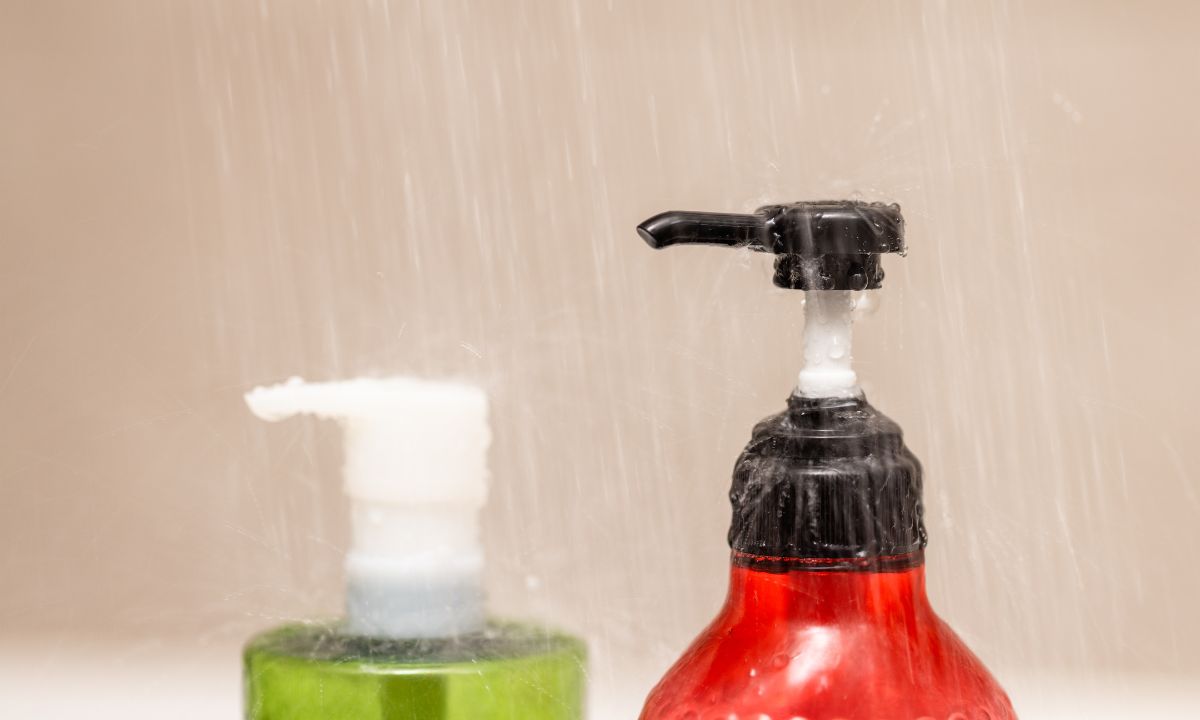
Products with labels in a humid shower environment

Match Adhesives to Humidity Conditions

The best label material won’t matter if the adhesive can’t hold up. High humidity can break down weaker adhesives, so it’s worth being picky here:

  • Permanent acrylic adhesives: A dependable choice for products stored in coolers, steamy bathrooms, or humid warehouses.
  • Freezer-grade adhesives: Designed to stick to containers that are cold, wet, or even frosty right off the line.

Protect Your Labels with Finishes and Coatings

Even durable label materials can use some extra protection. Protective finishes help lock in the ink and guard against water, scratches, and general wear and tear.

  • Lamination: A clear film that seals the label surface to protect it from water, oils, and friction. 
  • UV or coatings: Lighter than lamination but still helpful for moisture resistance and visual appeal.

For anything going in a fridge, freezer, or damp environment, lamination is usually the safest bet.

Surface Preparation and Storage

A few good habits to avoid label failure from improper application or storage:

  • Store labels right: Keep unused rolls in a climate-controlled space (think 50% humidity and around 70°F). That’s the storage sweet spot that we recommend.
  • Apply to dry surfaces: Moisture or condensation can mess with adhesion and cause bubbling or peeling.

Labeling cold containers? Try warming them slightly or applying labels before cooling, if your process allows.

Test Before You Commit

Before you commit to a full label run, test how your labels actually hold up in humid environments. You don’t want surprises after you’ve labeled a few thousand units.

Here’s what we recommend:

  • Condensation tests: Apply labels to chilled containers, bring them to room temp, and watch for smudging or peeling.
  • Wipe tests: Run a damp cloth over the surface to see how the ink holds up.
  • Try a sample pack: Test a few options on your real packaging before you commit.

At Blue Label, we put our labels through rigorous testing in these real-life environments to make sure they stand up and stay on.

Quick Label Durability Checklist

  1. Choose water-resistant materials matched to your product’s environment (don’t worry, we can help).
  2. Use moisture-resistant adhesives.
  3. Apply protective finishes like lamination or UV coatings.
  4. Prepare surfaces properly and store labels in climate-controlled conditions.

Avoiding Label Smudging in Humid Environments

If you want your labels to survive humidity without smudging or peeling, you’ll need the right combo of substrate (material), adhesive, finish, and good application practices. Need help finding the right solution? Contact us and we’ll show you what works.

Label Application Issues: How to Prevent Common Label Defects

A good label makes an important statement to potential customers. Unfortunately, improper application can turn a promising opportunity into a bad look for your product. Label defects come in a variety of forms ranging from minor errors to complete failure. Typical issues include:

  • Wrinkles
  • Darting
  • Air bubbles
  • Cupping
  • Edge lift
  • Tearing during application
  • Adhesive not sticking

Whether it’s due to improper adhesives, applicator issues, or a harsh environment, one thing is certain: defects detract from your product labels. Each fault will negatively impact the appearance of your brand (and that’s if the labels are able to stick to your container in the first place). As such, it’s important to identify the source behind these issues and take steps to solve the situation.

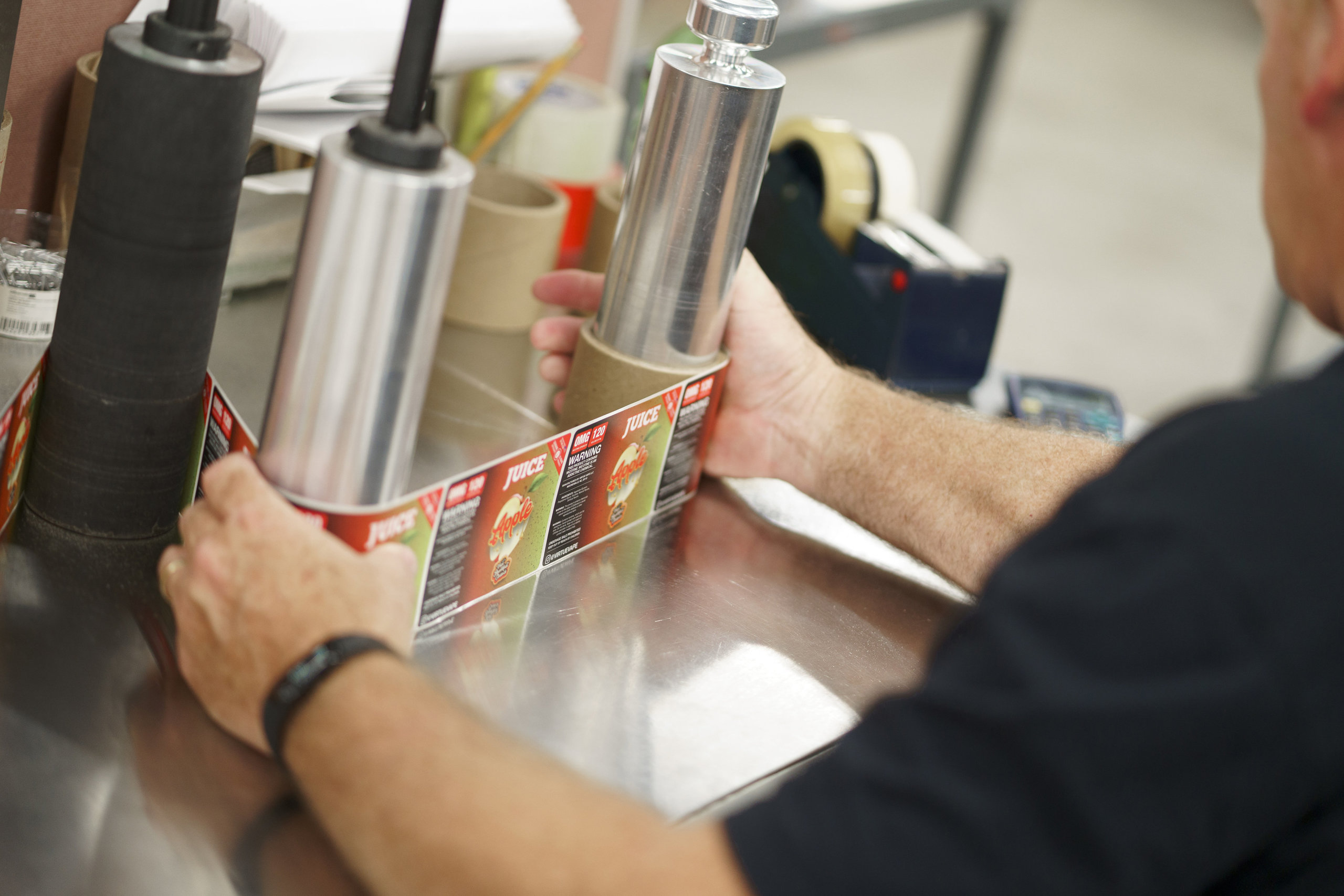
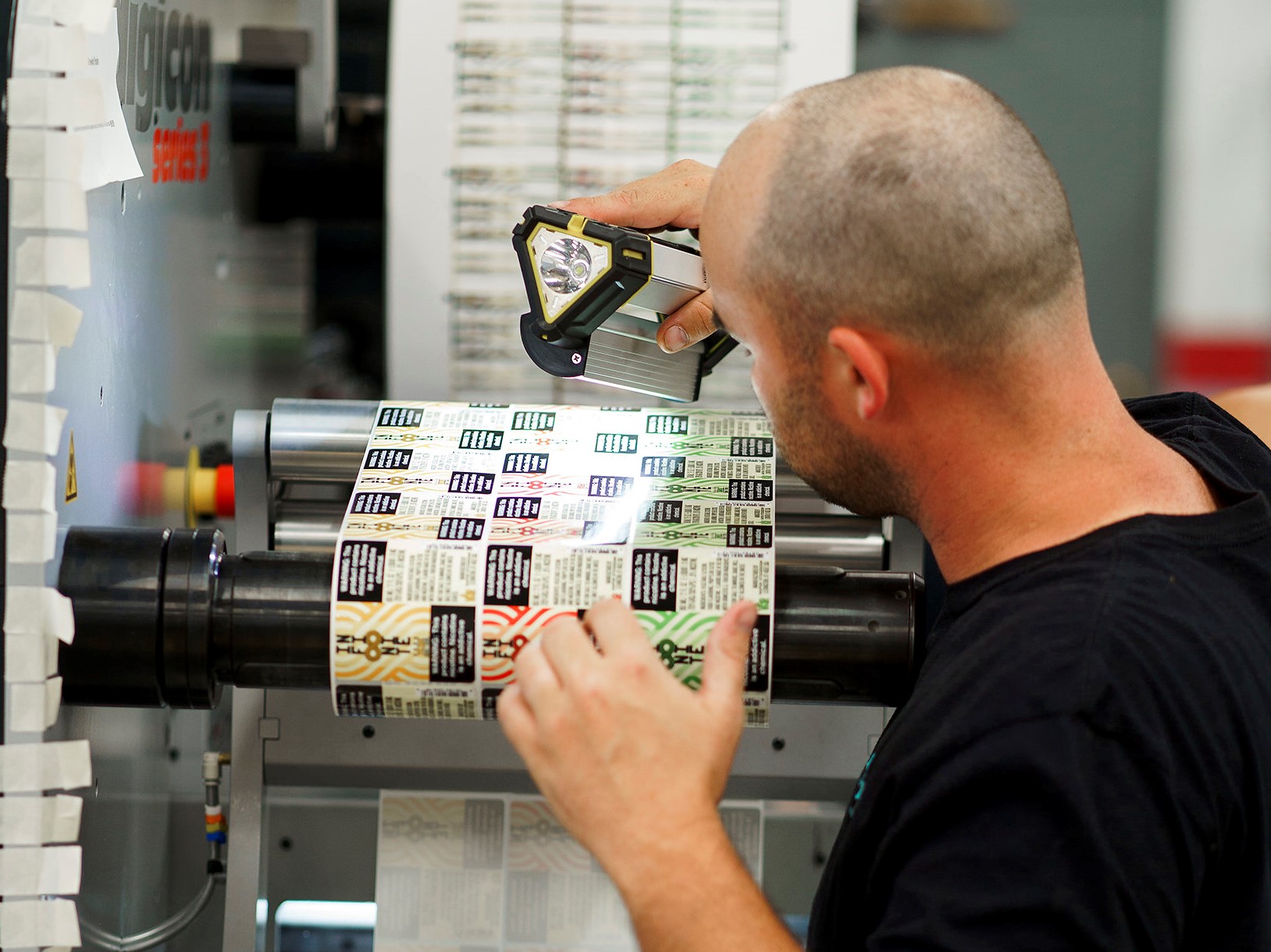
A man examining printed labels for defects.

Potential Causes of Label Application Issues

There are several different reasons why a label would wrinkle, cup, or fall off entirely. Of course, each situation can depend on multiple factors, to name a couple: the type of product you sell or the material and adhesive combination chosen for your label. Once the issue is identified, your label manufacturer and applicator can make the appropriate adjustments to help ensure optimal label performance. To identify the source of your label failure, you’ll want to consider the following potential reasons for label defects.

The container

One of the early steps in identifying potential issues involves knowing your container. It’s important to know the dimensions of your container so that you can base your design around them. The downfall of not knowing your container’s dimensions is that your label could wrinkle or trap in air bubbles upon application. For example, a square label won’t properly apply to a tapered bottle without issue. By tapering your label to fit your dimensions, you can help prevent darting or wrinkles early on in the process.

If you need these dimensions, you should contact the manufacturer of your container for this information. If you use glass bottles, you may have already received something called a “mechanical,” which is essentially a spec sheet for your containers.

It’s also important to recognize that the surface of your container can impact label application. For example, lower quality glass may be pitted or more rigid than smooth. These little peaks and valleys on the surface of your container will trap air under your label upon application, which will result in a higher likelihood of visible bubbles.

The applicating environment and process

In addition to considering the container itself, it’s also important to weigh the condition of the container and the environment surrounding it during application. Environmental factors make a massive impact on which materials and adhesives are right for your labels. Factors like temperature, the presence of moisture, and potential contamination will directly cause peeling or label failure if you don’t plan for them.

Beer labels are a common example of this issue. If a brewery prefills the can and applies a lid, there’s a rinse in the process that makes the cans wet. This situation would call for some type of wet apply adhesive. These options aren’t bulletproof given the nature of water and adhesive, but it will be much more successful than a standard adhesive. If existing moisture is still an issue, you can add what’s called an air knife to blow condensation off the can and lessen the chances of label defects.

Of course, these issues can’t be addressed until you examine your applicating environment and share these details with your label manufacturer. Even small details may help you avoid lengthy troubleshooting. For example, you may need a different adhesive or material solution for a sour beer compare to a standard lager because the acidity from the fruit in the sour beer can cause oxidation between aluminum can and a metallic BOPP material.

Belt problems

Another area of potential concern involves the wrap belt on an applicator. In certain instances, the belt can create a static charge as it moves the cans forward. That static charge can tug on the label and make the label crooked or completely pull it off in the belt area. As this happens, whoever is at the end of the applicator will need to fix affected containers – and that’s if you have an adhesive that you can remove after application.

This static charge can be caused by a few factors. In some cases, there may be too much pressure on the belt. In other, there may not be enough pressure on the belt. Certain circumstances may also call for some form of anti-skid tape to limit the amount of friction and static on the belt. This process is especially helpful for labels with matte or soft touch laminations. These laminations are very hydrophilic, which can cause the wipe down pads to accidentally suck labels off containers. Adding anti-skid tape or even sandpaper will give the backing pad lower surface energy than the lamination, which in turn lowers the odds of accidental label removal.

Liner issues

In some situations, your liner label can be the source of application issues. Labels have either paper or clear plastic liners, but some applicators can’t use one type of liner and vice versa.

Your choice of liner doesn’t cause a lot of issues, but it does impact the die cut. When you cut out the shape of the label, you’re basically pushing down on that liner. You can push down harder on the clear liner because it’s plastic. If you push too hard on the paper, it can make a small hairpin split that’s hard to see. However, if that slightly split paper line is hooked up to an applicator, the pressure and tension used in that applicator can rip the liner and force you to stop production and splice the roll back together.

In this situation, the solution would be to opt for a clear liner as long as your applicator can handle a change. Each applicator has a sensor, but some aren’t set up to work correctly with clear liner. Imagine if you’re trying to scan something that’s clear – it doesn’t always register. In this case, you may need to get a special sensor to avoid potential tearing.

Improper storage

Another potential source of label defects stems from the way labels a stored before application. Certain environmental factors can impact the success of your labels, such as keeping them in a place that’s too hot, cold, dry, or wet. Typically, you want labels stores in a temperature controlled environment – the exact temperature and humidity varies based on your specific label, so make sure to get these details from your label printer if you plan on storing them before use.

While environmental factors can impact all labels during storage, shrink sleeve labels are particularly tricky. Shrink sleeves are made with special materials that make them more susceptible to potential damage prior to application. Excess heat, cold, or other uncontrolled environmental factors can cause shrink sleeves to warp or even melt, leading to distortion or complete failure. As such, these labels require refrigerated trailers for shipping and have particular storage needs to prevent avoidable waste.

Shelf life is another key consideration for potential defects. Typically there’s a one-year warranty on labels, so you don’t want to wait past that time because the adhesive can lose effectiveness if you let it sit that long.

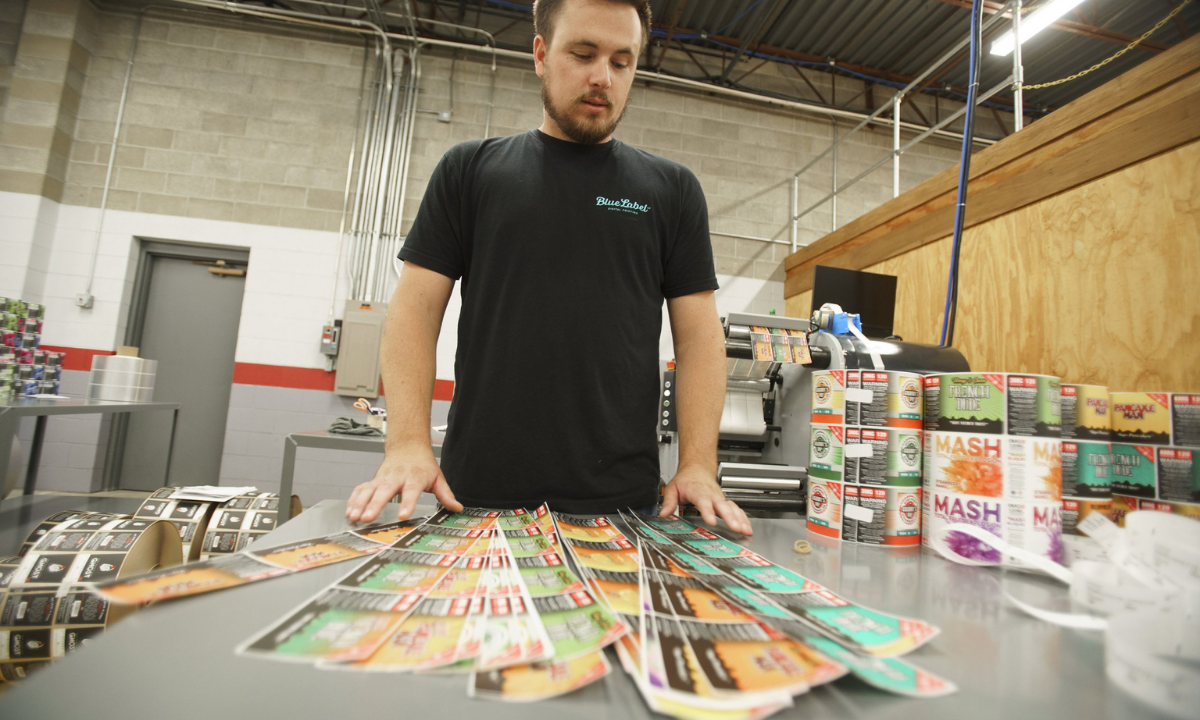
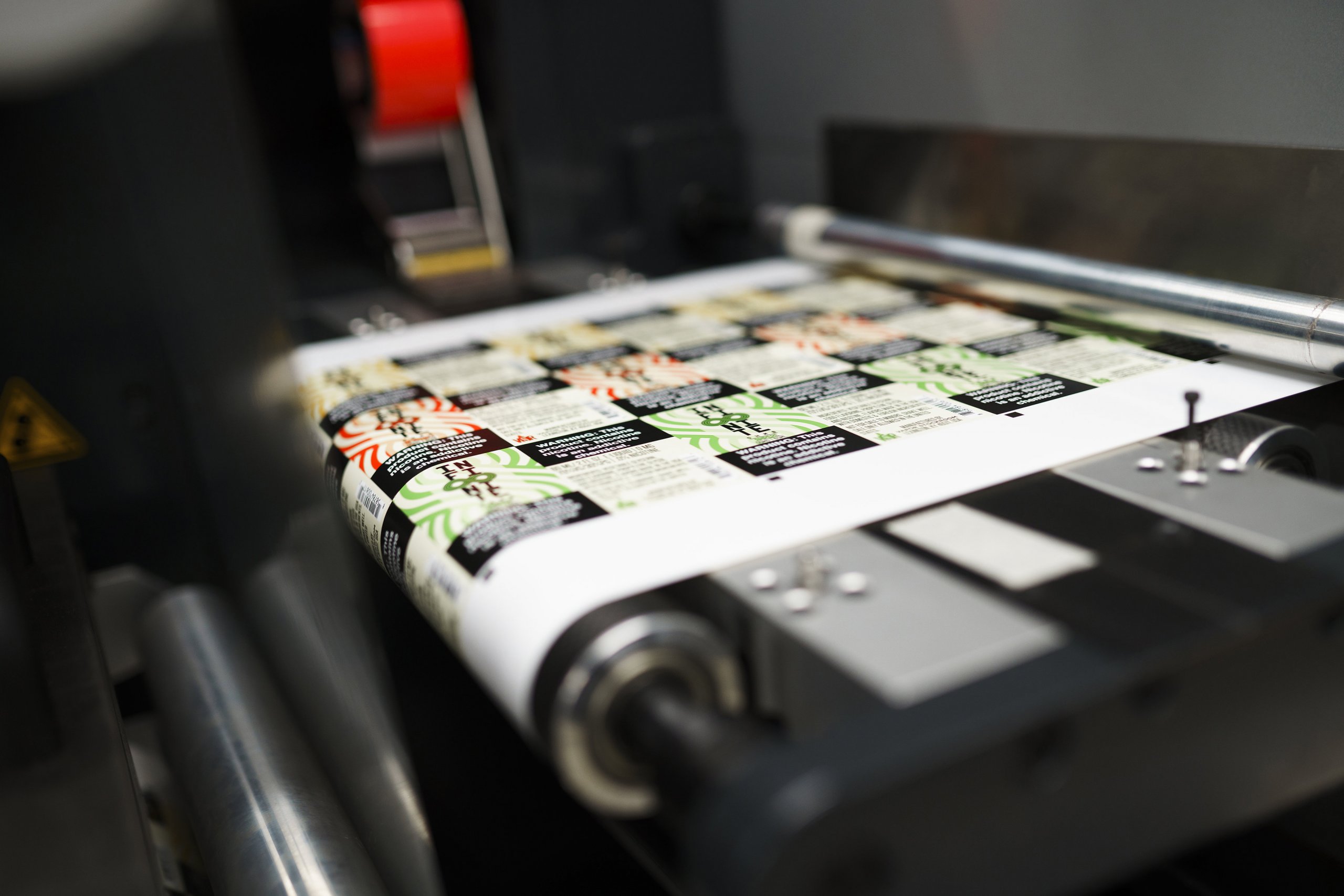
A run of labels made with a collaborative digital label printer.

Work with a Collaborative Label Printing Company

The best tool for preventing label defects is communication. From air bubbles to wrinkles, Blue Label works with you to identify potential hazards and deliver solutions for your label problems. Our experts develop a collaborative relationship with our customers to understand the ins and outs of their label process to avoid issues ahead of time or troubleshoot defects over time.

Ready to work with a collaborative label printing company for your product labels? Contact us today to request label samples or talk to one of our experts about your needs.

Hot or Cold? The Role of Temperature in Label Durability

If your products will get hot or cold, it’s important to make sure your choice of label is just right. Whether your containers encounter hot or cold temperatures during application or sometime after, temperature can play a prominent role in identifying the right label for your situation. Here are some specific problems where hot and cold temperatures can wreak havoc with the durability of your product labels.

Heat or Cold Can Make Some Adhesives Fail

Behind every good label is some very important ‘glue’ – literally. Without the adhesive, you’d be stuck with some really nice leaflets to hand out with some blank containers. Unfortunately, hot or cold temperatures can be a dividing force that tears your containers and labels apart.

Temperatures issues can happen right away during the application process. Label adhesives have varying minimum application temperatures. If you apply a label with a certain adhesive outside of its recommended temperature range, it may not have the tack or adhesion necessary to stay on a container. For example, an acrylic adhesive may be a good choice for products that are hot-filled or exposed to higher temperatures, but it may pose problems in colder applicating conditions.

Different temperatures can also cause adhesives to fail at some point after initial application. For example, extreme cold or heat can cause removable label adhesives to break down. After a stay in the freezer or some time in direct sunlight on a summer day, your labels may start to peel off or fall off their containers altogether. In these instances, it would be better to opt for a permanent label designed to handle difficult, environmental factors.

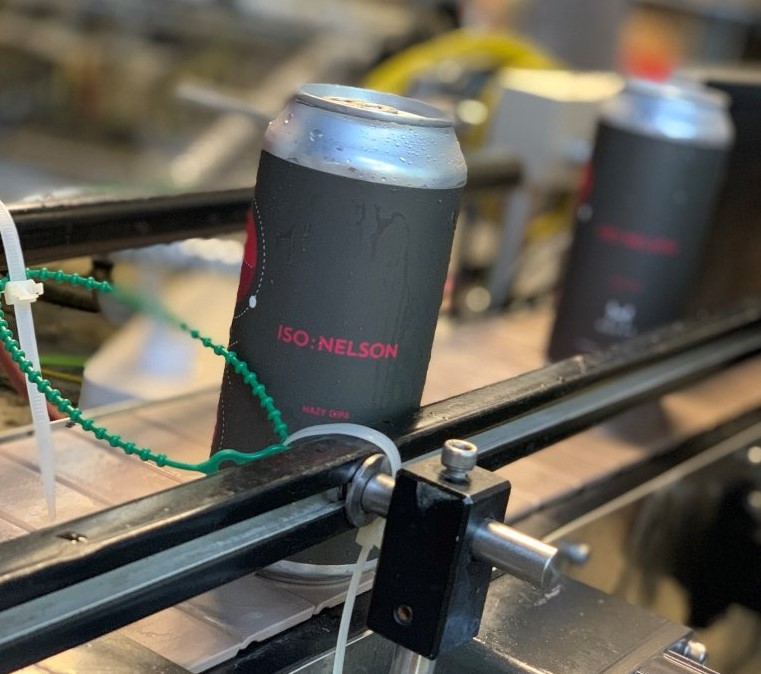
A cold, wet beer can with a pressure sensitive label going through a filling machine.

Some Face Stocks Can’t Face Certain Temperatures

In addition to your adhesive, there’s another critical layer of your label that can be negatively affected by hot or cold temperatures: your face stock. Certain label materials can run into performance issues when forced into environments that are too hot or cold. Fortunately, a little planning can make sure your choice of substrate is perfect for your exact needs.

The first step is to think about exactly where your products and their labels will be in the future? Are they a bottle label that will end up in a refrigerator or a cooler? Will these products end up sitting out in the hot sun or a steamy bathroom? Will they potentially sit in a storage space for a while? Each environment can pose it’s own temperature issues, along with other environmental factors like moisture, humidity, and sunlight.

When it comes to face stocks, film substrates offer better resistance to heat and other damaging elements. Utilizing a material like a BOPP or PET substrate can help give you more peace of mind if your product will encounter any environmental hazards in its future. While paper stocks don’t have quite the durability of their film compatriots, UV varnishes or thicker paper materials can help mitigate the impacts of various temperatures and other issues.

Heat and Cold Can Make Shrink Sleeves Warp

Pressure-sensitive labels aren’t the only labeling option affected by varying temperatures. Shrink sleeve labels also require some care and planning to protect your investment.

While shrink sleeves are a great option for anyone looking for a label that provides 360-degree coverage, one downside is that these labels are very sensitive to environmental factors before application. If shrink sleeves get too hot or cold before they’re applied, they can warp. Not only can this destroy part of your design, it may ruin some shrink sleeves altogether.

To solve this, you’ll want to make sure that your shipping and storage situation can accommodate your shrink sleeves. Depending on the time of year and your location, that can mean temperature-controlled shipping or utilizing temperature gauge labels to check a shipment before you apply damaged sleeves. As for storage, you’ll want a climate-controlled space – or at least one that won’t become freezing cold or sweltering hot when the weather shifts.

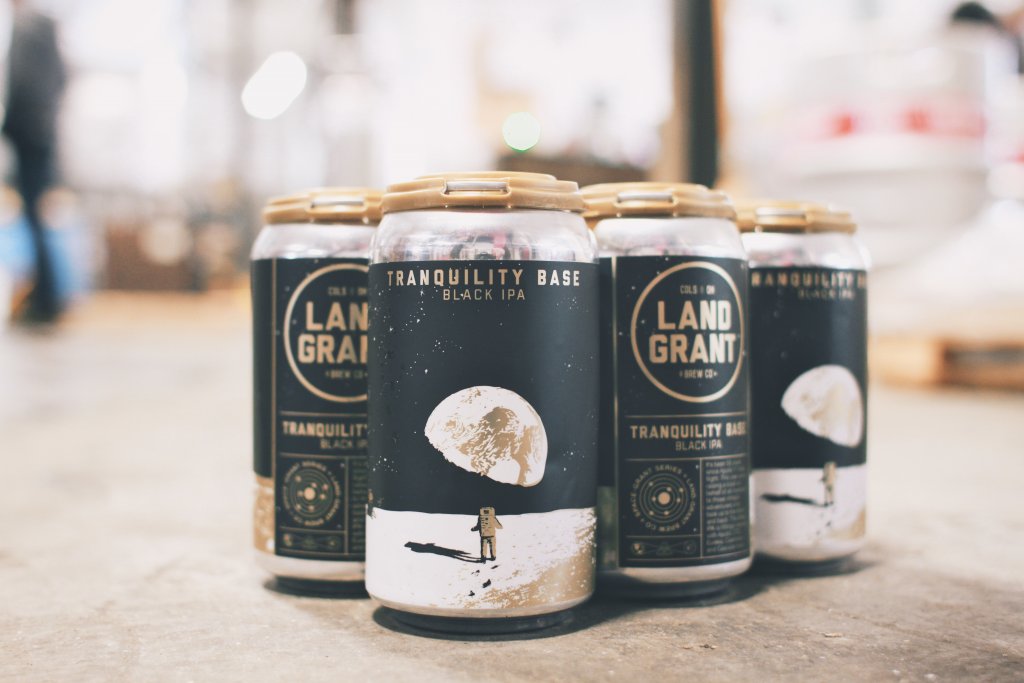
A six-pack of beer with durable product labels sitting on a storage space floor.

Invest in the Durable Labels for Your Environments

There’s a lot more to a label than just the design. From the liner to the top coat, every part plays a role in your label. When you work with Blue Label, we help you invest in durable labels designed for your specific performance and budget needs – all while ensuring that your design dazzles your customers.

Want to work with a company that can provide you with quality, cost-effective labels that can stand the heat (or cold)? Contact us today about your next label printing project.