Sustainability and Recyclability of Printed Cans

If you’re considering digitally printed cans, sustainability usually comes up, either because it matters to your brand, your customers, or sometimes even regulators.

Here’s the short version: digitally printed cans don’t magically make packaging sustainable, but they do remove some of the biggest environmental inefficiencies found in labeled or shrink-sleeved cans.

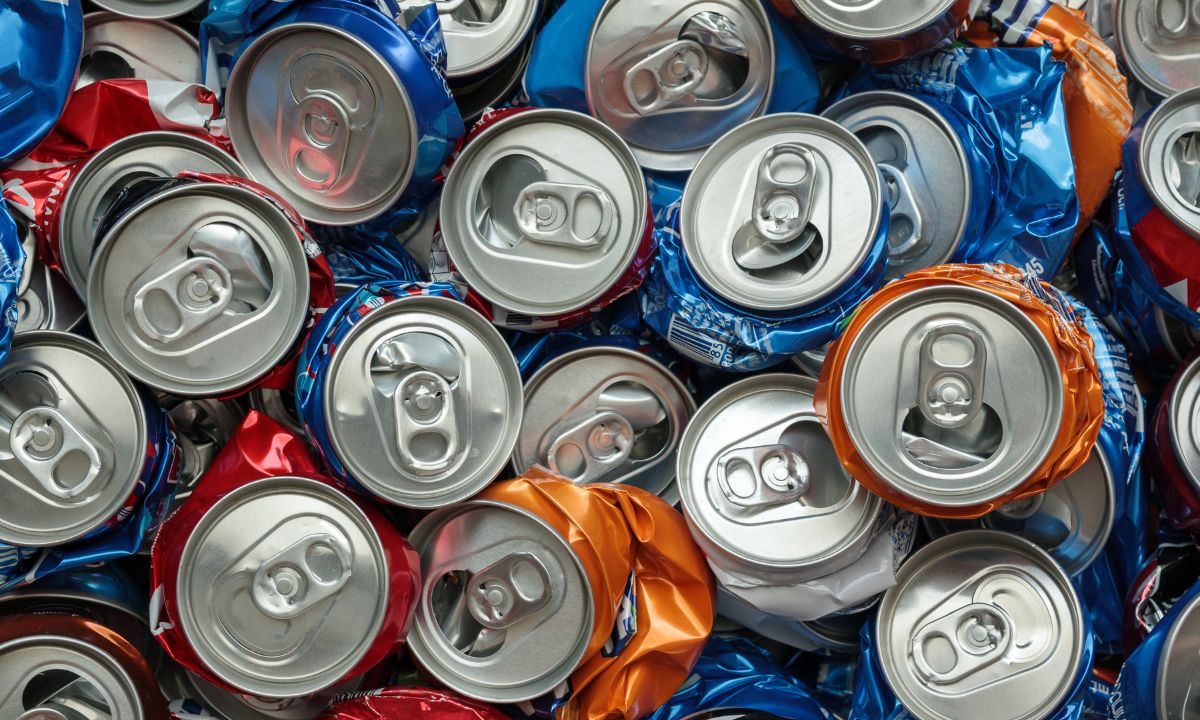
Printed cans being recycled

Recyclability of Printed Cans

Aluminum cans are already one of the most recyclable packaging formats available. They can be recycled repeatedly without losing quality, and recycling aluminum uses up to 95% less energy than producing new aluminum from raw material.

The sustainability difference is not the can itself, but how the can is decorated.

Digitally printed cans preserve aluminum’s recyclability because:

  • decoration is applied directly to the can as a very thin ink layer
  • there are no plastic sleeves or label films
  • there are no adhesives to remove during recycling
  • recyclers can process the aluminum with fewer steps

Cans with shrink sleeves or pressure-sensitive labels are still recyclable, but recyclers typically must:

  • burn off plastic sleeves or label materials
  • remove adhesives and coatings
  • process additional non-aluminum waste

That extra processing does not prevent recycling, but it does add energy use, waste, and complexity to the recycling stream.

In simple terms, digitally printed cans keep aluminum packaging closer to a single-material recycling process by eliminating secondary decoration materials.

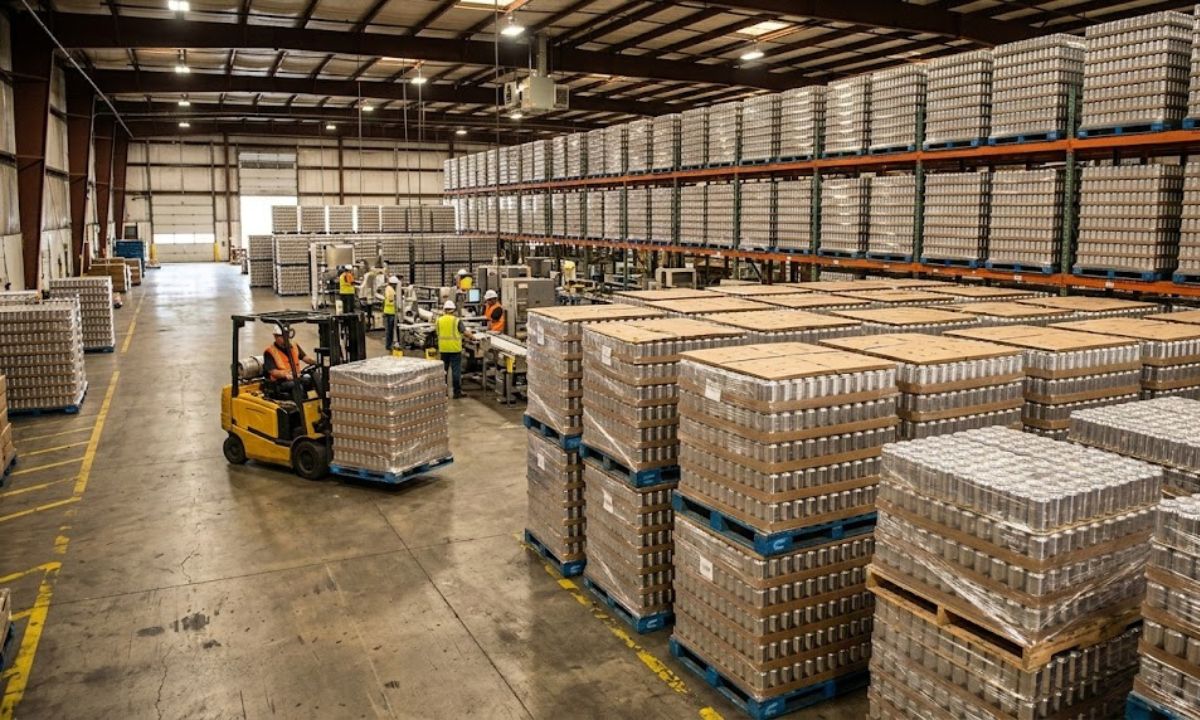
Warehouse of cans on pallets

Inventory Waste and Overproduction

With digitally printed cans, inventory planning becomes an important part of sustainability and cost control. Digital printing gives brands more flexibility than offset printing, but digital (especially printed cans) still requires the right planning.

Digitally printed cans allow brands to:

  • print smaller production runs compared to traditionally high minimum order quantities
  • combine multiple SKUs into a single order to improve efficiency
  • reduce the risk of large quantities of unused decorated cans
  • better align packaging orders with production schedules

But digitally printed cans still require forecasting and coordination. Unlike labels applied to blank cans, decorated cans can’t be repurposed if branding, compliance information, or products change.

Brands using digitally printed cans should plan for:

  • product demand across SKUs
  • product shelf life and production timing
  • storage space for pallets of printed cans
  • potential design updates or seasonal packaging changes
  • coordination with co-packers or filling schedules

If a product isn’t selling or a design changes, unused printed cans may become unusable. That risk exists with any pre-decorated can format, but digital printing can reduce the scale of that risk by lowering minimum order quantities and allowing SKU mixing.

Regulatory Pressure Is Increasing

Several U.S. states are implementing Extended Producer Responsibility (EPR) laws that assign costs to packaging that is harder to recycle.

States that have already passed packaging EPR legislation as of 2026 include California, Colorado, Oregon, and Maine, with other states actively considering similar policies.

Beverage brands can check current state-by-state packaging EPR requirements through the Product Stewardship Institute’s packaging EPR tracker.

In some cases, packaging with:

  • plastic shrink sleeves
  • applied labels
  • mixed materials

…may incur additional recycling or disposal fees depending on how recyclability is evaluated within those programs.

Digitally printed cans avoid those secondary materials entirely. This can make them easier to align with emerging packaging regulations.

Consumer Perception Matters Too

Beverage brands often want to know how to talk about digitally printed cans in a way that is accurate and meaningful to eco-conscious consumers.

When communicating about sustainability, brands using digitally printed cans can focus on clear, specific language tied to recyclability and waste reduction.

Recycling label on a beer can

Examples of sustainability language include:

Recyclability-focused language

  • “Please recycle this can”
  • “Aluminum cans can be recycled again and again”

Waste-reduction language

  • “Designed to reduce packaging materials”
  • “No secondary packaging materials attached to the can”

This type of language helps brands communicate real sustainability improvements without making vague or hard-to-support claims.

For most beverage companies, the goal is not to position printed cans as “perfectly sustainable,” but to show that their packaging decisions reduce unnecessary materials and support recyclable aluminum packaging.

The Practical Sustainability Summary

Printed cans are typically more sustainable than shrink sleeves or pressure-sensitive labels because they eliminate plastic decoration materials and simplify the recycling process. Sustainability is only one factor alongside cost, aesthetics, production setup, and order volumes.

If you’re comparing labeling options for your cans, contact us to talk through your options, request a quote, or see samples of our digitally printed can work.

Printed Cans 101: What to Know Before Ordering

Printed cans are a great option for beverage brands that want shelf impact, consistency, and operational simplicity. But keep in mind the process is not the same as ordering pressure‑sensitive labels or shrink sleeves. The brands that have the smoothest first run are the ones that plan ahead for printed cans beyond just design decisions.

This guide is for beverage brands moving to digitally printed cans who want to make sure their orders go exactly as planned. We’ll walk through what matters before you place an order, including artwork, finishes, logistics, and other details that help prevent surprises.

1. Preparing Artwork for Printed Cans

With printed cans, you can get great consistency and durability, but only if artwork is prepared properly.

What to confirm before submitting files

  • High‑resolution artwork is non‑negotiable. Low‑res images that might pass on a label will show immediately on a printed can.
  • Understand resolution differences. Digitally printed cans don’t reproduce ultra‑fine detail quite the same way pressure‑sensitive labels do. Very small text, thin lines, and subtle textures need extra attention so they stay crisp once printed on aluminum.
  • CMYK only. RGB files introduce color shifts that can be amplified on aluminum.
  • Bleed and seam awareness matter. Your design must account for the can seam and safe zones so critical elements aren’t distorted or hidden.
  • Metallic interaction is real. Even with a white base, aluminum subtly influences color density and contrast.

If you’re used to prepping artwork for labels, expect more scrutiny at this stage.

Prototyping Printed Cans

A physical proof or prototype can be helpful in letting you validate:

  • Color accuracy
  • Text legibility at real size
  • How gradients, fine lines, and solids behave on a curved surface
  • How embellishments or decoration appears (we’ll touch on this later)

This is where most issues are caught, and where the smartest brands pay special attention.

2. Finishing and Embellishment

Digitally printed cans can look incredible, but embellishments work differently than they do on labels.

What’s typically available, and what to confirm

Based on real‑world digital can production capabilities:

  • Gloss or matte overall finishes are the most common and reliable options.
  • Selective effects are limited. Digitally printed cans allow for different areas to be different finishes, allowing spot varnished matte or gloss areas. It is also possible to create an embossing effect by printing a higher concentration of varnish. But, digital printing directly on aluminum doesn’t offer the same variety of finishes and textures possible with pressure sensitive labels or shrink sleeves. 
  • Design contrast does the heavy lifting. Texture and premium feel often come from smart color use, negative space, and finish selection.

If your brand relies heavily on tactile embellishments from labels, this will be a shift. Printed cans trade the wide embellishment options offered by labels for consistency and a label-less look.

Products being shipped on a pallet

3. Logistics & Planning

Digitally printed cans force you to change how you think about inventory, storage, and shipping.

Minimums and order sizing

While digitally printed cans allow lower minimums than traditional offset printing, they are still a manufactured container, not a roll of labels.

Key considerations:

  • Order quantities should align with realistic fill schedules.
  • Small test runs are possible, but extremely small shipments can increase per‑unit logistics costs.
  • Partial pallets or mixed shipments require extra planning.

Shipping methods matter

Shipping Method Best For Approx. Can Quantities
Full truckload (FTL) Large runs ~200,000+ cans (varies by format)
Less-than-truckload (LTL) Mid-size runs ~5,000–200,000 cans
Parcel / small pack Samples, pilots Dozens to a few hundred cans

Cans are durable, but printed cans still need proper handling. Our recommendation is to match your order size to the right shipping method early (we can help with this), use full pallets whenever possible, and confirm packaging and handling requirements so cans arrive fill-ready and on schedule.

Storage and Delivery Timing

Some brands ship printed cans directly to their filler (which may be onsite or elsewhere). Others choose to store cans and schedule deliveries over time based on their fill plan. The right choice depends on:

  • Fill cadence: If you fill weekly or bi‑weekly, storing inventory and receiving cans in smaller deliveries might make sense. If you fill monthly or in large runs, direct‑to‑filler shipments are usually simpler and more cost‑effective.
  • Warehouse space: Limited space favors just‑in‑time deliveries or scheduled deliveries. If you have room to store full pallets safely, receiving larger shipments can reduce freight complexity.
  • Cash flow: Smaller, scheduled orders spread cost over time but may increase per‑unit logistics costs. Larger orders require more upfront spend but are typically more efficient on a per‑can basis.

Beer Cans

4. Testing Printed Cans

Testing matters with any packaging, but there are a few extra considerations with digitally printed cans, especially if you’re used to working with labels or shrink sleeves.

Beverage compatibility testing

Your beverage still needs to be compatible with aluminum and internal can linings under real conditions. That makes it important to confirm the following areas of performance:

  • Liner testing for ‘hard to hold’ beverages: If the cans contents have a high level of alcohol, low pH level, or cannabinoids (or other active ingredients), the beverage might need to be tested to ensure the liner won’t erode and damage the integrity of the can. 
  • Pasteurization or tunnel exposure, if applicable: Beverages that run through tunnel pasteurization or high‑heat rinsing should be tested to ensure the printed graphics maintain appearance and durability under those conditions.

If you’re coming from labels or sleeves, this may take more consideration because any issues impact the can itself, not just an applied label.

Fill-line considerations

We do durability testing as part of the printed can process, but it’s still important to know what to watch for once those cans hit your fill line. Digitally printed cans behave a little differently than labeled or sleeved cans, and being aware of that up front helps avoid surprises.

When you begin running printed cans, pay close attention to:

  • Abrasion and scuffing: Printed graphics are exposed during conveying, rinsing, and packing. Points of friction that may have been masked by a label or sleeve can show up more clearly on a printed surface.
  • Seam and handling performance: Because the graphics are printed directly on the can, any handling or seam-related issues affect the finished container itself, not a removable component.

The goal isn’t to slow down production, but to know where printed cans may behave differently so adjustments can be made early, before small issues become larger ones in distribution.

5. How Production Differs from Labels and Shrink Sleeves

If you’re coming from pressure‑sensitive labels or shrink sleeves, digitally printed cans introduce a few differences and planning considerations.

  • Artwork is locked in earlier. With labels or sleeves, artwork can sometimes be adjusted later in the process or corrected with a reprint. With printed cans, artwork approval is a point of no return. This makes seam placement, resolution, and color proofing more important up front.
  • Resolution and fine detail require consideration. Ultra‑small text, thin line work, and subtle textures that reproduce well on labels may soften slightly on printed cans. Designs often benefit from slightly heavier type, stronger contrast, and simpler detail.
  • Lead times shift. Printed cans are produced as finished containers, not decorated after the fact. That means lead times should be planned more like packaging procurement than label reorders.
  • Inventory planning becomes more deliberate. Instead of ordering labels as needed, you’re planning can quantities that align with fill schedules, storage capacity, and cash flow. Over‑ or under‑ordering has bigger downstream implications.

Printed Cans Done Right

When artwork, production, logistics, and testing are all working together, printed cans make life easier and give your product a seamless look. But when things are rushed, especially with printed cans, issues tend to show up fast.

At Blue Label, we work with beverage brands every day to make sure their printed cans launch smoothly, not just visually, but operationally. Whether you’re planning your first run or switching from another printed can provider, we’re happy to help. You can always reach out to our team or take a look at our Printed Cans page to learn more and see if it’s a good fit.

Printed Cans: How to Compare with Shrink Sleeves and Labels

Most beverage brands comparing printed cans are trying to answer practical questions about cost, risk, flexibility, performance, and long-term fit.

We put together this guide to help you compare printed cans directly against the most common alternatives: pressure-sensitive labels, shrink sleeves, and traditional offset printed cans.

Why Printed Cans Are Showing Up More Often

Printed cans have been around for a long time, but they’ve become far more accessible in recent years. Historically, printed cans were limited to very large runs with long lead times.

Digital printing has changed that. Modern direct-to-object digital printing can now achieve high production speeds while supporting smaller runs, faster turnaround, and easier SKU variation. That makes printed cans a realistic option for more and more beverage brands.

We also see beverage brands reevaluating printed cans because of broader industry shifts: more SKUs, shorter product lifecycles, sustainability pressure, and the operational burden of managing multiple packaging components.

Questions Teams Ask Before Switching to Printed Cans

Before making a change, beverage brands typically want to know a few things:

  • How printed cans would change operations, planning, and scheduling
  • What flexibility they gain or give up around design and SKUs
  • How inventory considerations shift compared to labels or sleeves
  • How printed cans perform in real beverage environments

Printed cans vs. pressure sensitive labels

Printed Cans vs. Pressure-Sensitive Labels

Pressure-sensitive labels are popular because they’re cost-effective, widely accepted by consumers, and flexible across many products. Printed cans become intriguing by comparison when brands want a more integrated feel, fewer materials, and less operational complexity.

Aesthetics

  • Printed cans offer a seamless, label-free look with no edges, seams, or application variation. The graphics feel like part of the can.
  • Pressure-sensitive labels can achieve very high print quality and specialty finishes, but the label remains a separate element applied to the can.

Printed cans often win on visual consistency (no seams, full coverage) and that label-less look, while pressure-sensitive labels can be a good option when considering certain specialty finishes or ultra-fine details.

Application

  • Printed cans arrive decorated and ready to fill, no post-fill labeling step.
  • Pressure-sensitive labels require labeling equipment, changeovers, and ongoing calibration.

Printed cans simplify the filling process, while pressure-sensitive labels give brands more flexibility later in production.

Cost

  • Printed cans typically have a higher per-can printing cost, but that cost replaces the label itself, adhesives, liners, and application. The print-on-demand capability also reduces storage and inventory costs, as production can be dynamically adjusted to meet exact demand without producing too much.
  • Pressure-sensitive labels usually have lower per-unit printing costs and feel safer for short runs, but add recurring material and application costs. For small to mid-size runs. Labels also simply take up less storage space than pallets of printed cans.

Performance

  • Printed cans hold up well in wet, cold, and refrigerated environments because there’s no adhesive or label edge exposed to moisture.
  • Pressure-sensitive labels can perform well when planned correctly, but keep in mind that results will depend on adhesive choice and application conditions (don’t worry, we can help you make the right picks). Modern pressure-sensitive labels can use wash-off adhesives and recyclable films that maintain performance while supporting sustainability goals.

Printed cans vs. shrink sleeves

Printed Cans vs. Shrink Sleeves

Shrink sleeves have been widely used because they offer full-can coverage, high image resolution, and compatibility across many can sizes and processing conditions. Printed cans appeal by comparison because they eliminate a secondary packaging layer and simplify the overall system.

Aesthetics

  • Printed cans deliver that clean, integrated look with optional metallic effects and built-up ink directly on the can.
  • Shrink sleeves also give you that full 360-degree coverage with very high image resolution and photographic detail.

Shrink sleeves often win on photorealism and high-resolution detail. Printed cans tend to support simpler, bolder, or more minimal looks (don’t worry, we can help you pick which one works if detail and resolution is a factor).

Application

  • Printed cans remove the need for sleeve applicators, heat tunnels, and distortion mapping.
  • Shrink sleeves require specialized equipment and careful setup to avoid common issues like seam distortion, wrinkling, or other problems that can increase production scrap.

Cost

  • Printed cans consolidate printing and decoration into the can itself.
  • Shrink sleeve costs lie in the materials (sleeve film and inks), specialized equipment (heat tunnels), changeovers, and potential waste.

Performance

  • Printed cans perform reliably in refrigerated and wet environments.
  • Shrink sleeves need to be kept in cooler temperature prior to application and in transit or shrink on the roll. 

Though many material reclamation facilities (MRFs) accept cans with shrink sleeves, some regions may not recycle shrink sleeved cans or many add a surcharge if sleeves aren’t removed.

Printed Cans vs. Traditional Offset Printed Cans

Traditional offset printed cans have long been the standard for large beverage brands because they deliver high print quality and low per-can costs at scale. That efficiency depends on long print runs, designs that don’t change, and plate-based schedules that can slow production down when plans change.

Digitally printed cans are often considered when brands want to move faster, support more SKUs, or adapt designs without waiting on plate-based timelines.

Aesthetics

  • Printed cans make it easier to support seasonal designs, multiple SKUs, variety packs, or frequent artwork updates. Digital cans are printed with four-color inks (CMYK), so they can achieve a full range of colors. 
  • Offset printed cans deliver excellent consistency, but even small changes require new plates and setup. For the most part, offset printed cans are limited to six spot colors.

Application

  • Printed cans typically offer shorter and more predictable lead times, especially for small to mid-sized runs. Printed cans can be produced in as quick as 10 days from artwork approval.
  • Offset printed cans require longer lead times due to plate creation, press setup, and scheduling windows. Offset printed cans often take weeks to months to produce from artwork approval, so proper planning is necessary.

Cost

  • Printed cans have higher per-unit costs at very large volumes, but reduce risk when demand or artwork changes. The ability to produce on-demand helps avoid the inventory holding costs and waste associated with overproduction.
  • Offset printed cans deliver the lowest per-unit cost at scale, but are most efficient when volumes and designs remain stable. Large minimum order quantities (often 150,000 cans or more) make this method less suitable for smaller brands or seasonal products.

Performance

  • Printed cans and offset printed cans are generally comparable in durability and performance across common beverage environments.

Are Printed Cans the Right Choice for Your Beverage Brand?

Luckily, your brand doesn’t have to switch to printed cans all at once. You can start with a test run, compare real costs and timelines against your current process, and see how the cans perform with your product and your customers.

If you’re trying to decide whether printed cans fit your operation, we can help you run the numbers on your specific volumes, SKU count, and production setup.

Can Clear Labels Be Used on Glass Bottles?

Clear labels can absolutely work on glass bottles as long as you’ve got the right materials and process in place. Not all combinations work the same, and issues usually come from skipping key steps (don’t worry, we’ll walk through them below).

Here’s what it takes to get a clean “no-label look” that performs beautifully and consistently on glass packaging. We’ll cover the materials, design choices, and real-world considerations that make clear labels work on glass bottles.

Clear Label

Making Clear Labels Stick (and Stay)

Match Material and Adhesive to Your Bottle

Glass is rigid and smooth. Film materials like BOPP, PET, or vinyl,hold up better when your bottles face moisture, scuffing, or changes in temperature. We often suggest BOPP or PET films paired with protective lamination for durability and polish.

Equally important is the adhesive. For glass, you’ll want a clear permanent adhesive that can handle temperature shifts and moisture without fogging or lifting around the edges. For recyclable bottles, a wash-off adhesive helps labels cleanly separate during recycling.

Consider Shape, Finish, and Surface Texture

The shape and surface of your glass container play a big role in how your label will look and perform. Here are a few things to consider:

  • Shape: Curved or tapered bottles can make it harder for labels to lay flat or align correctly. Choosing a flexible film, like MDO, helps labels conform smoothly to those curves.
  • Surface texture: Uneven or textured glass can cause tiny bubbles or wrinkles during application. A smooth, consistent surface gives the adhesive the best chance to bond cleanly.
  • Glass Finish: High-gloss glass surfaces can make small label imperfections, like bubbles or wrinkles, more noticeable because of how light reflects off the surface. Frosted or matte glass containers, on the other hand, help mask these minor flaws and create a softer, more forgiving appearance. The surface finish of your container can influence how visible label edges appear.

Clear Label on Glass Bottle

Designing Labels for Transparency

Creating a clear label design takes some planning, especially when you want your product to maintain its legibility. Here’s what to think about when designing for transparency:

  • Use a white layer strategically: This is a layer of white ink printed beneath parts of your design so colors stay bold and readable on clear material. Think of it as a background layer that makes your text, graphics, or barcodes visible instead of blending into the bottle. Without it, colors can appear washed out or disappear against the product.
  • Test transparency levels: You don’t need to apply a white layer everywhere. Adjust opacity levels in select areas to control how much of the bottle or liquid shows through.
  • Balance design and legibility: Keep brand colors and small text over printed white, but let less critical elements remain transparent for depth and visual appeal.

Prepare for Real-World Handling

Most products encounter conditions like cold storage, condensation, shipping, and frequent handling. Labels must survive all of that without peeling, bubbling, or fading. In our experience working with beverage, food, and personal care brands, film labels with strong adhesives hold up well through cold storage, transit, and shelf scuffs.

If recyclability is a priority, ask about adhesives that more easily come off with hot water. These let labels cleanly separate from glass during recycling.

Finishing Options for Clear Labels

When planning finishes, start with the most common and impactful design decisions first, matte versus gloss, before layering on embellishments like foil for extra texture and shine.

You can explore more of these finishing techniques here.

Stay Compliant and Scannable

If your product falls under FDA or EU labeling rules, you need to make sure all the required info is easy to read and in the right place, even with transparent materials. If you’re not sure, it’s best to check with your regulatory team or compliance partner.

Quick Checklist: Clear Labels on Glass Bottles

No two bottles or labels are exactly the same, but this checklist covers the big things you don’t want to miss.

  • Pick a clear film and pair it with a laminate (matte, gloss, soft touch) .
  • Evaluate your bottle shape and surface to pair the right materials and adhesives.
  • Add a white layer and test label proofs on actual bottles and contents.
  • Prep for real-world exposure by choosing moisture and abrasion-resistant materials.
  • Use embellishments like  foil to elevate design.
  • Double-check regulatory readability and ingredient placement.

We’ve been helping brands bring clear labels to life across products and packaging types. Need to see it for yourself? Contact us and we’ll show you what works.
How to Prevent Label Curling and Cracking on Flexible Packaging

When your labels peel, crack, or curl, you risk relabeling costs, compliance headaches, and most importantly, a less-than-ideal-looking product. We’ll walk you through how to avoid those headaches with the right materials, processes, and practical design.

Pick the Right Material

We recommend MDO film for flexible or squeezable applications, especially where flexibility, durability, and container conformity are priorities. MDO film flexes in multiple directions, which makes it great for curved or squeezable containers. That’s why it’s often used for products like yogurt pouches, lotion tubes, and flexible household goods.

If you’re focused on recyclability or need serious barrier protection, a varnish might make more sense. It all depends on your priorities.

BOPP is a solid choice for flat, rigid containers where flexibility isn’t as critical.

Paper stocks don’t hold up well to moisture or repeated squeezing. They’re prone to tearing, curling, or ink smudging when wet.

Match Your Adhesive Carefully

Adhesives aren’t one-size-fits-all. If you’re labeling containers made from plastics with slick, waxy-feeling surfaces, such as LDPE or PP, you’ll need a high-tack adhesive designed to bond with that type of material. 

Where your product goes matters too. If it’s headed for a fridge, freezer, or just a humid warehouse, you’ll need adhesives built to handle cold, wet conditions without letting go. Think freezer meals, refrigerated dairy, or cold beverages stored in ice.

Prep the Surface

You’d be surprised how often oil residue, moisture, or dust causes curling. Always apply labels to clean, dry containers, like those free of lotion residue, condensation, or warehouse dust. And give the adhesive time to bond, ideally 24 hours, before refrigeration, freezing, or shipment. That window helps your label lock in properly and stay put.

Consider the Container Shape

Label shape impacts label and adhesive performance on flexible packaging. Sharp corners are more likely to lift, especially on curved surfaces. Rounded corners tend to hold better.

If your container has a tapered shape, like a squeeze tube or gusseted pouch, your label should be tapered too. Think of it like trying to wrap a square sticker around a tube of toothpaste. The edges will wrinkle or lift if the shape doesn’t match the curve. Designing your label to follow the shape of the container helps avoid peeling and bubbling.

Protect Your Labels Without Losing Flexibility

Laminates and varnishes protect your labels from scuffs, moisture, and abrasion, but not all finishing options behave the same.

We recommend flexible finishes like matte varnish or soft-touch varnish when labeling flexible packaging. These finishes move with the container and help preserve label integrity without making the label too stiff.

Soft-touch has a premium feel, smooth and velvety, often used on premium beauty products. Matte varnish delivers a clean, non-glossy finish that holds up well to scuffing and is common in food and beverage.

Not every finish fits every application, though. For example, soft-touch varnish may not hold up well in high-friction or moisture-heavy environments, such as refrigerated juice pouches where condensation builds up.

Quick Flexible Packaging Labeling Checklist

  1. Choose MDO for flexible or squeezable packaging where flexibility and conformability are key.
  2. Match your adhesive to your plastic type and storage environment, especially for slick containers or cold storage.
  3. Clean and dry surfaces before applying. Let adhesives set for 24+ hours before exposure to moisture or cold.
  4. Design labels to match the container’s shape; use rounded corners and consider tapering for curved or gusseted packaging.
  5. Use flexible finishes like matte varnish or soft-touch, and know where each performs best.

Keep Your Flexible Packaging Labels from Cracking and Curling

You want labels that hold up through production, shipping, handling, and daily use. Choose MDO, pair it with the right adhesive, prep your surface, design smart, and finish it right. Do that, and your labels will stay put.

Not sure what label setup makes the most sense for your packaging? Contact us and we’ll help you figure it out based on real-world results.


Can Metallic Labels Be Used on Cans?

If you’re a beverage manufacturer, whether you’re producing craft beer, craft soda, cold brew, or ready-to-drink cocktails, you may be wondering whether metallic labels can hold up on aluminum cans. The short answer is yes. Metallic labels can look stunning and perform well when you choose the right adhesives and finishes for your fill process, storage conditions, and handling needs.

Metallic labels are especially well-suited for brands looking to highlight premium quality with added durability such as energy drinks, sparkling waters, or ready-to-drink cocktails. 

Here’s what to consider:

Fit and Material Compatibility

Metallic labels, like metallized BOPP, flex well over curved aluminum cans. But there are other considerations to help them stay put. Here’s what to check:

Adhesive Strength

Use a cold-wet adhesive (formulated for condensation or cold-surface application) or a pressure-sensitive adhesive, the standard type most beverage companies use, made for chilled, condensation-prone surfaces. Cold-wet adhesives are designed to bond to cold, sometimes damp cans during application.

Pressure-sensitive adhesives stick on contact, no heat or water needed, and you can get versions that hold strong through cold, wet conditions.

Handling Cold, Moisture, and Abrasion

Chilled cans, ice buckets, and transport can provide some additional challenges when it comes to durability. Consider the following:

  • Film labels (BOPP, PET) handle water and cold well.
  • Durable PET film adds scuff resistance, especially when cans get jostled or stacked.
  • Don’t skip lamination. Gloss, matte, or soft-touch laminate protects your label from scratches, wet conditions, and handling damage.

Design and Visual Impact

Want to know how to get that metallic to pop?

  • Metallic labels give you foil-like shine without extra steps. Smart use of matte areas or spot varnish helps contrast and prevents everything from looking like a full mirror-like finish.
  • If you’re adding text or brand elements, underprinting white (white layer) on metallized surfaces is a must for legibility. Without that base layer, colors and text can appear translucent or washed out. Think of it as a primer; it helps your design show up clearly and consistently. As a rule of thumb, apply white ink beneath all design elements that you do not want to appear metallic. If you’re not sure, we can walk you through your options.

Recyclability and Environmental Considerations

If you’re concerned about sustainability, consider the following:

  • Removable film labels usually don’t cause problems, but it’s smart to check with your local recycler or packaging partner to be sure.
  • Some label material options are designed to separate cleanly from containers during recycling and meet APR and How2Recycle standards.
  • If your brand leans into environmentally-friendly messaging, call out how you’ve chosen materials that meet recycling center specs or that qualify for certain “recycle-ready” label standards.

Compliance and Label Specs

Don’t forget the essentials for compliance depending on your beverage type:

  • Alcoholic beverages need to meet all TTB labeling requirements, including brand name, alcohol % ABV, net contents, address, and a few more. The TTB still expects you to include all the usual info, no matter how shiny your label is.
  • For quick reference, you can review the TTB Beverage Labeling Guide to confirm you’re including all required elements such as government warning text and proper net content placement.
  • Keep fonts legible on shiny backgrounds by using white underlayers, high contrast, and bold text where needed.

Quick-Check: Will These Labels Work for You?

Condition What You Should Do
Cold, moisture, condensation Use film label, cold-wet adhesive, add laminate
Abrasion or shelf wear Go with PET or add gloss, matte, or soft-touch laminate
Recycling goals Choose peelable film, avoid non-removable sleeves
Labeling compliance Stick with TTB rules. Legible information is still required

We’ve handled metallic labels for beverage brands that wanted that shelf magnet look without losing performance. If you’re ready to try it yourself, or just want a second opinion, contact us and we’ll walk through what works best for your cans.

What Label Material Is Best for Wet Environments?

When your product encounters moisture, whether that’s condensation in cold storage, hours in an ice bucket, or humidity in steamy bathrooms, your label material needs to stay adhered, resist damage, and protect your brand from application, to shipping, to consumer use.

To help you choose the right label material, start by considering three key factors:

  1. Container type: Glass, metal, rigid plastic, squeezable or contoured plastic.
  2. Moisture exposure level: Light moisture (condensation), moderate moisture (ice buckets, splash exposure), or heavy/waterproof (long-term submersion).
  3. Brand presentation needs: Paper texture, clear film, premium finishes, sustainability preferences.

Using these factors, you can narrow down which materials offer the best combination of durability, appearance, and cost efficiency.

We’ll show you the most common label materials for wet conditions, how they perform, and when you should use each.

BOPP (Biaxially Oriented Polypropylene)

BOPP is one of our go-to’s for wet environments. It’s durable, affordable, and prints cleanly. It’s moisture-resistant, stable, and available in white, clear, or matte finishes. With the right adhesive, BOPP can handle condensation, cold storage, and even short-term submersion.

Pros:

  • Excellent moisture resistance
  • Works with clear label applications (no-label look)
  • Flexible for flat and slightly curved containers
  • Cost-effective for large runs

Cons:

  • Can develop a cloudy or hazy look after extended time in ice or water
  • Not ideal for very long-term submersion (PET performs better here)
  • Can appear more “plastic” than paper if you need a highly tactile, premium paper feel
  • On very squeezable or highly contoured containers, PE or MDO films are usually a better fit

Best applications:

Finishing options:

  • Matte or gloss varnishes to cut glare and protect print
  • Overlaminates for extra scuff and water resistance. These also add another moisture barrier, keeping labels intact through handling and transport.

Wet-Strength Papers (e.g., EverOpaque®)

Why they work: Sometimes you need the look and feel of paper, even if the bottle is exposed to moisture. Wet-strength papers like EverOpaque® are built to hold up better than standard papers. They stay opaque, hold embossing or foil, and resist greying or falling apart when damp.

Pros:

  • Premium paper appearance with moisture resistance
  • High opacity covers dark bottles and embossing
  • Compatible with embellishments like foil and embossing

Cons:

  • Not truly waterproof. Long submersion can still cause edge issues
  • Needs cold-wet adhesives for ice bucket conditions. These adhesives bond instantly to wet or cold glass so your labels don’t peel or float away when submerged.

Best applications:

  • Wine and spirits where presentation matters as much as durability
  • Premium beverages that want paper’s tactile quality but can’t risk soggy failure

Finishing options:

  • Foil stamping, embossing, debossing
  • Protective coatings help prevent scuffing during shipping and handling

MDO Films

Why they work:
PE and MDO films flex with your container instead of peeling off. MDO (machine-direction oriented) means it’s designed to wrap smoothly around curved or squeezable containers without curling or lifting. They’re a smart choice for squeezables and contoured bottles that see regular handling and moisture.

Pros:

  • Excellent flexibility for squeezables
  • Moisture and chemical resistance similar to BOPP

Cons:

  • Slightly less clear than BOPP for “no-label” designs
    Still requires special adhesives on plastics like HDPE. Without them, you’ll often see “edge lift” (corners peeling up) or “flagging” (labels curling away from the container).

Best applications:

Finishing options:

  • Overlaminates for durability
  • Matte finishes for premium look and scuff resistance

Standard Paper (Why It’s Limited)

Why people consider it:
Standard paper is inexpensive, easy to print, and works fine in dry environments.

Where it struggles:
Paper can work for dry or lightly chilled products, but in environments with condensation, ice, or washdowns, it’s much more likely to fail compared to wet-strength papers or films.

  • Fibers swell and wrinkle with moisture
  • Adhesives stop sticking, which leads to peeling or labels detaching in moisture
  • Print can smudge, fade, or bleed

Quick Comparison Table

Material Moisture Resistance Best For Watch Outs
BOPP High Beverages, food, clear labels Whitening (that cloudy haze), LSE plastics (hard-to-stick containers)
Wet-Strength Paper (e.g., Welded) Strong Wine & spirits, premium looks Long submersion
MDO High Squeezables, contoured plastics Slightly less clear, LSE adhesives
Standard Paper Low Dry goods only Wrinkling, smudging, peeling

Best-Fit Recommendations

  • Best for glass bottles in ice buckets: Wet-strength paper (e.g., Welded). Premium look that resists greying after hours on ice. BOPP films are also an option if you prefer a more modern film aesthetic.
  • Most cost-effective for beer cans or bottles: BOPP. Affordable, durable, and versatile for high-volume runs.
  • Best for squeezable plastic containers: MDO film. Keeps labels intact through constant flexing.

Label Materials for Wet Environments

Films like BOPP hold strong, while wet-strength papers keep your wine bottles looking sharp on ice. Which one’s right for you depends on your container and the kind of abuse your label needs to take.

Need to see what works on your product? Request a sample pack and we’ll show you how these materials perform in real life.

How to Prevent Labels from Cracking or Curling in Cold Storage

Cold storage is tough on labels. Between condensation, big temperature swings, and freezing temps, it’s easy for labels to curl, crack, or peel off if you don’t plan ahead. With the right choices in materials, adhesives, and finishes, your labels can hold up through the cold chain.

Cracking is usually a material problem. Papers tend to become brittle in the cold. Curling is usually an adhesive or application problem, such as the wrong temperature rating, moisture at application, or not enough bonding pressure.

Most of the time, the recipe for success is simple: pair a cold-rated adhesive with a moisture-resistant film and a protective finish.

Cold storage warehouse

Choosing the Right Label Materials for Cold Storage

The material your label is printed on sets the foundation for durability, and can be the difference between a label that cracks or curls and one that holds up.

For cold storage, some of the best material choices include:

  • BOPP (biaxially oriented polypropylene): A flexible plastic film that resists water and tearing. Think of it as the go-to for frozen dinners, ice cream, and beverages that end up in ice buckets.
  • PET Films: A tougher, slightly stiffer plastic that offers extra durability and holds its shape well. Often used in pharmaceuticals or premium products that require added toughness.

While those materials are good options, be more careful of these materials that could give you problems:

  • Coated paper: Works for dry, refrigerated cartons, but in humid coolers or freezers it’s prone to curling or smearing. Specialty freezer papers exist, but they’re usually best for secondary packaging.
  • Textured/uncoated papers: They may look great on a wine bottle at room temp, but in a cooler or freezer they soak up water and start peeling.

Rule of Thumb: If your product may sweat, freeze, or sit in an ice bath, films (BOPP or PET) are usually the safer choice. Paper is generally limited to dry, refrigerated environments.

Using the Right Adhesives

Adhesives are one of the most critical factors in whether your label will hold. Even the best label material or finish can fail if the adhesive isn’t matched to your application and storage environment.

First, you should know two different measures of temperature:

  • Application Temperature = the temperature when you apply the label.
    Example: applying to a frosty beer can at 35 °F.
  • Service Temperature = the temperature where the product stays.
    Example: a frozen entrée stored at –10 °F.

Knowing that for your specific product(s), you can then identify an adhesive that is compatible with your product’s environment:

  • All-Temperature Acrylics: Apply at ~20–40 °F, service down to –40 °F. Best for refrigerated foods, dairy, and beverages.
  • Freezer-Grade Acrylics / Hot-Melts: Apply as low as –20 °F, service down to –60 °F. These are designed for aggressive tack on frosty or wet cartons.

Note: These ranges are based on supplier specifications (Avery Dennison, UPM Raflatac, etc.), but it’s always important to double-check that the numbers line up with how you actually run your line.

Rules of Thumb: Refrigerated → all-temp. Frozen → freezer-grade. 

Surface preparation for bottles

Prepare the Surface Properly

Even the right material and adhesive can fail if the application surface isn’t ready.

  • Clean & Dry Surfaces: Moisture, frost, or dust prevent adhesives from bonding.
  • Wet Applies: For cold-fill beverages or condensation-prone lines, use a wet-apply freezer adhesive designed for these conditions.

Protecting Your Labels

Finishes shield against water, abrasion, and smudging. Here are some options:

  • Gloss or matte laminate: Provides strong moisture protection to keep labels from whitening or peeling in cold storage. Matte laminates can still offer comparable durability while delivering a more soft or premium look.
  • Gloss or satin varnish: Offers a more subtle finish but generally provides less moisture protection than laminates. Best for applications on paper substrates where moisture exposure is minimal or texture and embellishment effects take priority.

Recommendation: For cold storage, pair a film base material (like BOPP) with a laminate for the most reliable protection. 

Cold storage in grocery store

What Else to Consider?

A few additional factors will be helpful to share with your label printing partner so that your labels perform well throughout the cold chain:

  • Container Material: Adhesives interact differently with glass, PET, corrugated, or HDPE. For example, glass often benefits from freezer-grade acrylics for stronger bonding.
  • Temperature Cycling: Will your product move freezer → retail shelf → consumer fridge? Each swing stresses both adhesive and base material.
  • Moisture Exposure: Is your product sitting dry in a carton, or submerged in an ice bucket?
  • Regulatory Needs: Food and pharma labels must remain legible, include FDA-required information, and be barcode scannable for retail. Peeling or smudging can create compliance issues.

Quick Checklist for Avoiding Failures

  1. Choose BOPP or PET films for refrigerated or frozen storage.
  2. Match adhesive to your application & service temps.
  3. Use wet-apply adhesives for cold-fill or condensation-prone lines.
  4. Add a laminate for moisture-heavy environments.
  5. Apply to clean, dry containers whenever possible.
  6. Test labels through your actual cold chain, for example by running freezer-to-fridge-to-room temp cycles, and check for peeling, whitening, or smudging before scaling.

Preventing Cracking or Curling in Cold Storage

With the right safeguards in place, your labels will stay sharp and secure in cold storage. Not sure which label material makes sense for your products? Contact us and we’ll walk you through it.

Can Paper Labels Be Used on Plastic Containers?

Considering paper labels for products in plastic bottles or jars? They can work, but only if you match the right materials to the right conditions.

Here’s what to keep in mind to make sure your labels stay put:

What to Consider

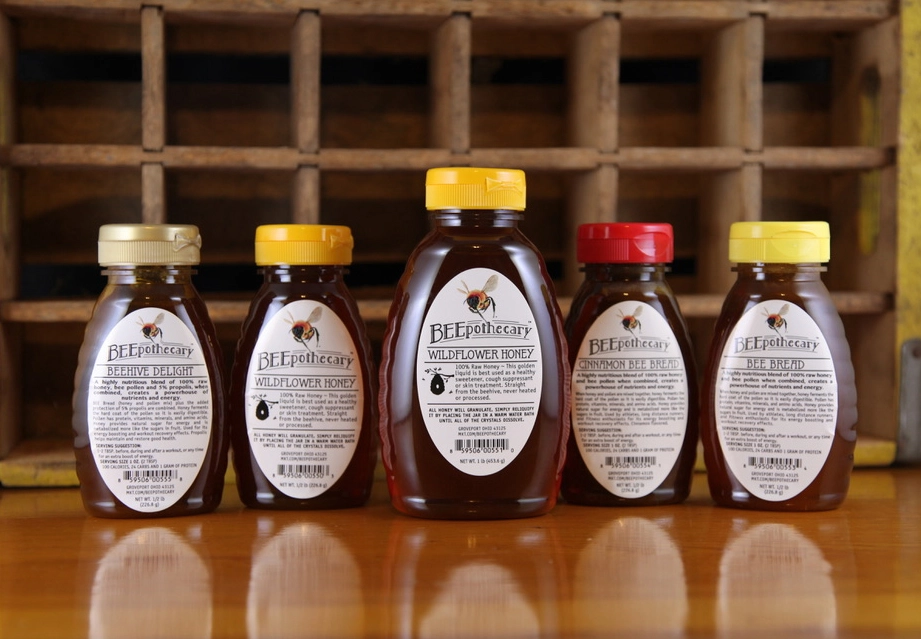
Pressure Sensitive Labels on honey jars

1. Plastic Surfaces: Material, Shape and Texture

Plastic containers are usually smooth and non-porous. That means plain uncoated paper struggles to stick reliably. You need coated, flexible paper plus adhesives designed for plastics like polyethylene (HDPE) or polypropylene (PP).

Note: You can see some of our coated paper options on our Materials page.

If your containers are curved, tapered, or squeezable, you’re likely better off with another material altogether, like MDO for squeezable containers or shrink sleeves for curved or tapered containers.

2. Product Environments and Label Performance

Your labels go through more than just the environment at application. Think about:

  • Application line – cold sensors or fast application speeds can impact adhesive bond
  • Warehousing – humid or cold storage may weaken paper labels or cause curling
  • Shipping/handling – scratching or abrasion can happen from friction in boxing, stacking, or retail displays
  • End-user use – exposure to moisture, oils, refrigeration, or grease can smudge, smear, or damage labels

Coated paper offers improved moisture resistance, but it’s not waterproof.

If your packaging is exposed to refrigeration or wet conditions, you’ll definitely need to use a laminate or UV coating for protection. For products like this, we often recommend tougher label materials like BOPP for these types of environments.

Body butter jars with custom labels

3. Design & Finishing Options That Work on Paper

Paper labels do offer premium print performance and support embellishments like spot UV, matte or gloss lamination, hot‑foil stamping, screen printing, and embossing.

Spot UV works well on coated paper and adds contrast or glossy accents, perfect for brand names or logos. It also gives scratch resistance when used selectively.

Finishes like foil or embossing can elevate the look of paper labels, but in high-friction or moisture-heavy environments, you’ll want to protect those surfaces with lamination or varnish to maintain shelf appeal and label integrity.

4. Regulatory and Compliance Considerations

If your product falls into food, beverage, cosmetic, or health categories (even if the label doesn’t directly touch the product) you’ll need materials that meet FDA guidelines for indirect food contact.

That means the paper, adhesive, and inks must all be safe to use under FDA rules like this one for adhesives and this one for paper coatings. We can help you sort through the right choices.

5. Sustainability & Recycling Impacts

Paper labels can interfere with plastic recycling, especially with PET bottles.

During recycling, bottles are washed to remove labels. If leftover paper fibers mix into the recycled plastic, they can mess with the clarity or consistency of rPET.

The Association of Plastic Recyclers (APR) recommends keeping label coverage under 60–70% and avoiding metallic inks or foils that complicate sorting.

Paper labels are often easier to remove than film labels, which can help with container reuse or composting. If recyclability is a priority, film labels made from the same type of plastic as your container (like polypropylene on polypropylene) can be a better match.

6. How to Match Adhesive, Facestock & Container Type

Matching your coated paper label to the correct adhesive makes all the difference. Here’s a general starting point:

Container Plastic Suggested Paper + Adhesive Pairing
Polypropylene (PP) or HDPE Coated paper + high‑tack adhesive designed for low-energy surfaces
PET Standard coated paper + acrylic adhesive
Curved or squeeze bottle Shrink sleeves for curved containers or MDO for squeeze bottles
(no, they’re not paper, but they’re better options)

Final Thoughts

Paper labels can be an option for plastic containers as long as you know where they work and where they might fall short (or fall off). With the right materials and adhesives, they can hold strong and look great doing it.

Not sure which label material makes sense for your bottles? Contact us and we’ll walk you through it.

How to Prevent Labels from Scratching or Abrasion During Shipping and Handling

If your labels look great coming off the line but arrive damaged at their destination, friction and abrasion during shipping and handling are likely the culprits. Fortunately, you can solve these problems by choosing the right materials, adhesives, and finishes. 

Here’s what you need to consider to protect your labels from scratching, rubbing, and peeling.

Beer cans with labels

Pick the Right Label Material for Your Packaging Type

Not all label materials handle friction equally, and the right choice depends on your packaging and environment:

  • Polypropylene (BOPP): Flexible and moisture-resistant. Great for bottles, jars, and pouches in food, beverage, and personal care.
  • Polyester (PET): Strong, chemical-resistant, and built to take a beating. A go-to for electronics, home goods, or anything with a rough transport.
  • Vinyl: Very flexible, used for curved surfaces or squeeze containers. Should be paired with a strong finish.

We usually recommend PET or BOPP for anything that’s going to get tossed, stacked, or bumped in transit.

Match Your Adhesive to Your Packaging and Conditions

A mismatched adhesive can cause labels to lift or curl, making them easy targets for abrasion. Here’s how to make sure yours sticks:

  • Permanent acrylic adhesives are solid choices for corrugate, plastic, or glass.
  • High-tack adhesives grip tight to tough surfaces like HDPE (think: detergent bottles).
  • Cold-temperature adhesives are good in refrigerated or frozen environments.

Tip: Apply labels in clean, dry, and temperature-controlled conditions. If a label isn’t stuck down properly, it’s more likely to rub, shift, or catch, which can lead to damage.

Skincare products with custom labels

Add a Protective Finish That Matches Risk and Budget

A good finish is like body armor for your label—it helps it survive the bumps, scrapes, and scuffs that happen after it leaves your hands:

  • Lamination (polypropylene or polyester): The go-to for rough shipping environments like pallets or cold chain logistics. See our lamination options.
  • High-rub varnish: Perfect for rigid containers and folding cartons. It holds up well for day-to-day handling without the higher price tag of full lamination.
  • UV varnish: A solid middle ground if you want extra protection against moisture and chemicals while keeping the label look intact.

Comparing Protective Finishes

Checklist: Prevent Label Abrasion

  • Choose abrasion-resistant materials (BOPP, PET)
  • Match adhesives to your packaging material and conditions
  • Apply lamination or high-rub varnish based on product exposure
  • Check about abrasion testing with your printer
  • Apply labels in clean, controlled conditions

What to Ask Your Label Printer

You don’t have to figure it out on your own. Ask these questions to make sure your printer understands what your packaging is up against:

  • Which label materials and adhesives fit my product and shipping conditions?
  • What protective finishes do you recommend for scratch-prone surfaces?
  • Can I compare varnish and laminate side by side?
  • What durability tests have you done on these combinations?

If you’re experiencing label abrasion issues or just want to avoid them in the future, contact us and we’ll walk you through the right materials, adhesives, and finishes for your products.

Tier Construction Use Case Why It Fits
Good BOPP + gloss varnish Dry shelf goods with minimal rubbing Budget-friendly, moderate protection
Better BOPP + high-rub matte varnish Retail items with light handling Increased scratch resistance
Best BOPP or PET + full laminate Cold chain, rough shipping, pallets Highest durability under harsh conditions