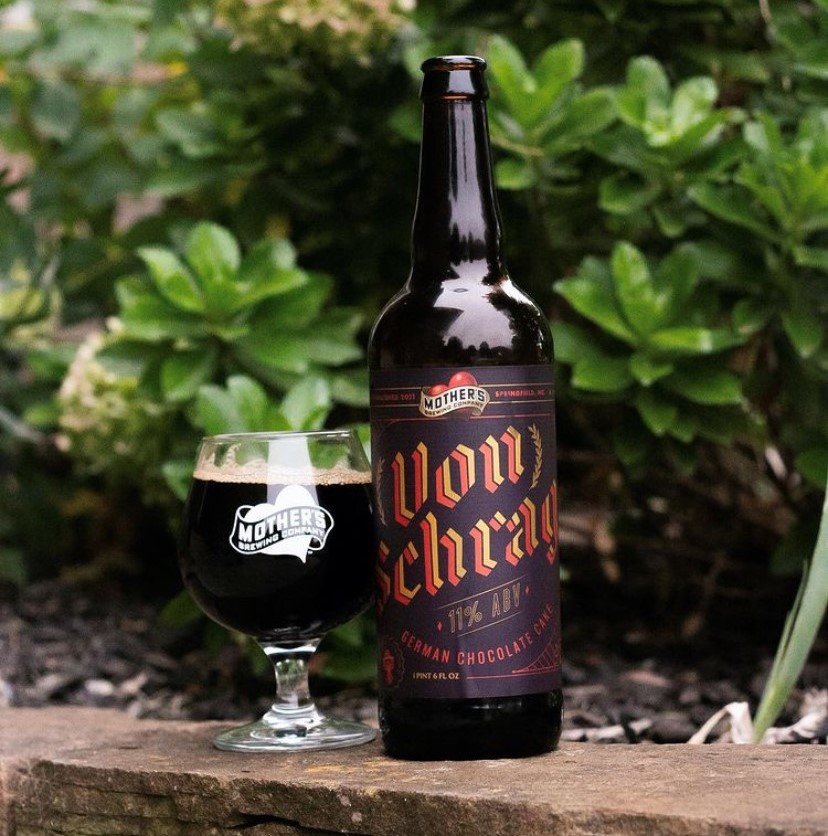
What Makes a Good Beer Label? Lessons From 4.5 Million Beer Reviews
- beer packaging
- craft beer
⚞ The Highlights:
- About 1 in 22 BeerAdvocate reviews brings up the label, can or artwork, in a review that’s supposed to be about how the beer tastes.
- About 8,175 reviews describe buying a beer because of its packaging.
- Reviewers who praised a label rated the beer’s taste higher than reviewers who criticized one.
- The quality beer fans praise most in a label is how easy it is to recognize.
- Rebrands and labels that look cheap or AI-made can cost you fans, sometimes for good.
Ask a craft beer fan what they care about and you’ll hear about the beer: the hops, the yeast, the flavor notes. But those same people decide what to buy before they ever taste it, usually while standing at a cooler door with a few hundred other options in front of them. So how much of that choice comes down to the label?
We went to where beer fans were already talking to each other. We read through 4.5 million reviews on BeerAdvocate and RateBeer and pulled out every time someone brought up the label or packaging without being asked. Here’s what they told us about what makes a good beer label.
Most of the Sale Happens Before the First Sip
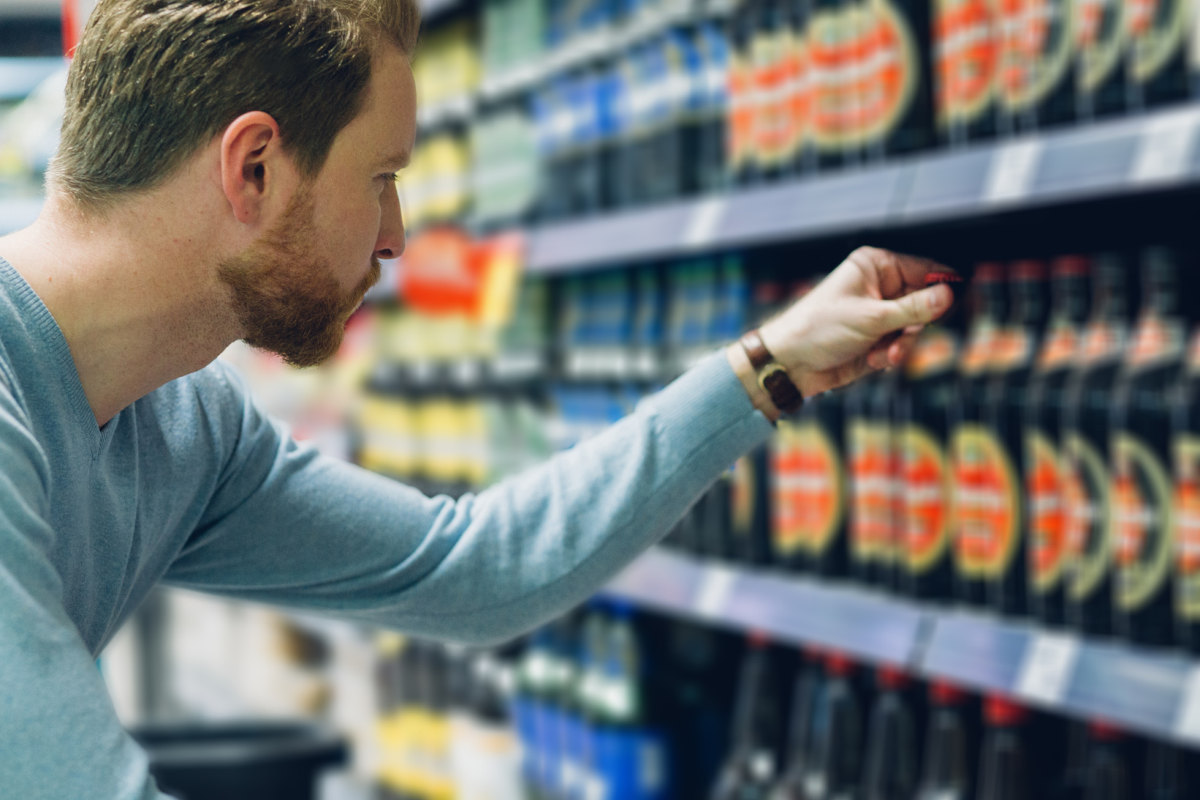
Published research lines up with what reviewers told us. Most craft beer shoppers walk in without a plan.
- 70% of craft beer buyers make their decision at the shelf, not in advance (Nielsen, 2017).
- 84% of shoppers arrive without a specific beer in mind (Quad eye-tracking study).
- 66% of craft beer buyers say they’re very or extremely likely to buy a beer based on its packaging (Nielsen, 2017).
That gives your can a few seconds at the cooler to make its case. One reviewer summed up their whole buying process in a sentence:
“I go with the can design that captures my eye the best.”
Do People Really Buy Beer for the Label?
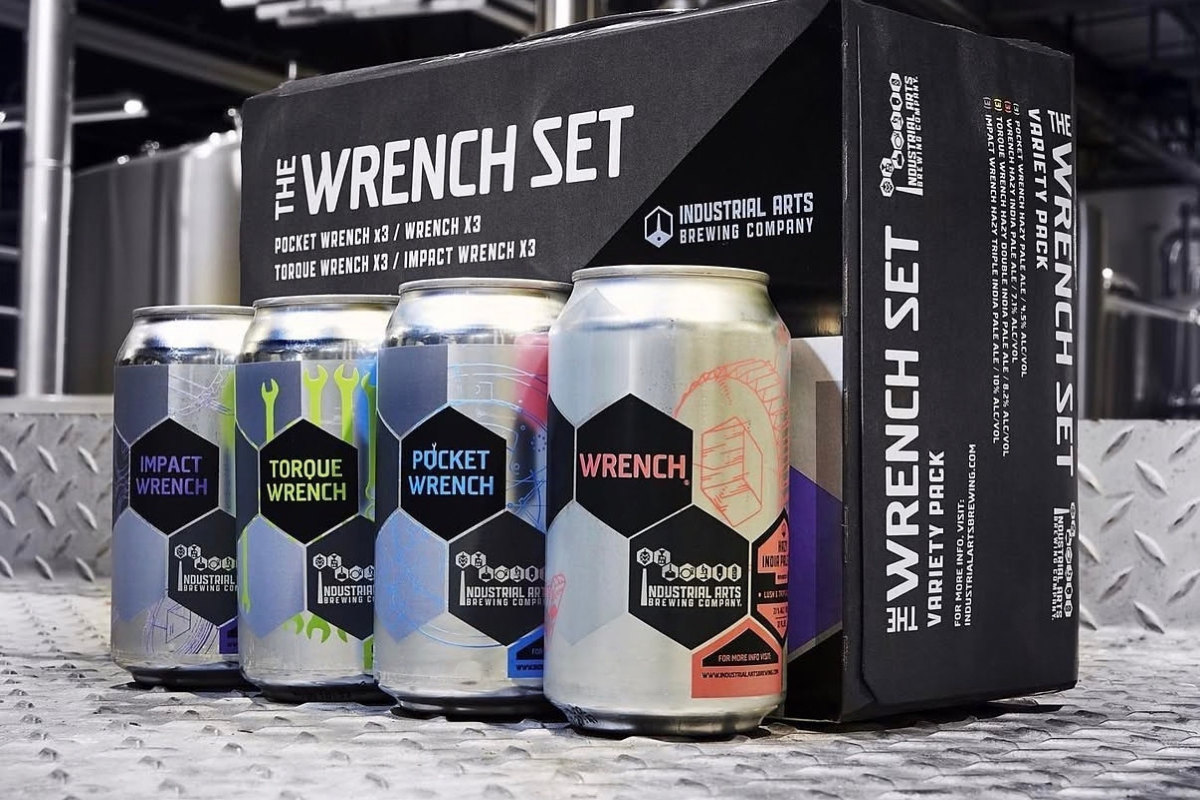
Yes, and they say so on their own. In reviews that are supposed to be about how a beer tastes, about 8,175 describe buying it because of the packaging. That count comes from just two review sites.
When beer fans explain why they picked up a beer, one phrase comes up more than any other: the label caught their eye.
“It was the packaging that sold me. It caught my eye.”
“I’ve bought many beers because the label artwork caught my eye. I’d buy these no matter what was in the can.”
Some beer fans will pick up your beer, taste unknown, purely because the can looked great. Nielsen found the same pattern: 71% of craft beer buyers say they prefer to try new brands with eye-catching packaging. Your label is out there recruiting new fans for you.
Does a Great Label Make People Expect a Great Beer?
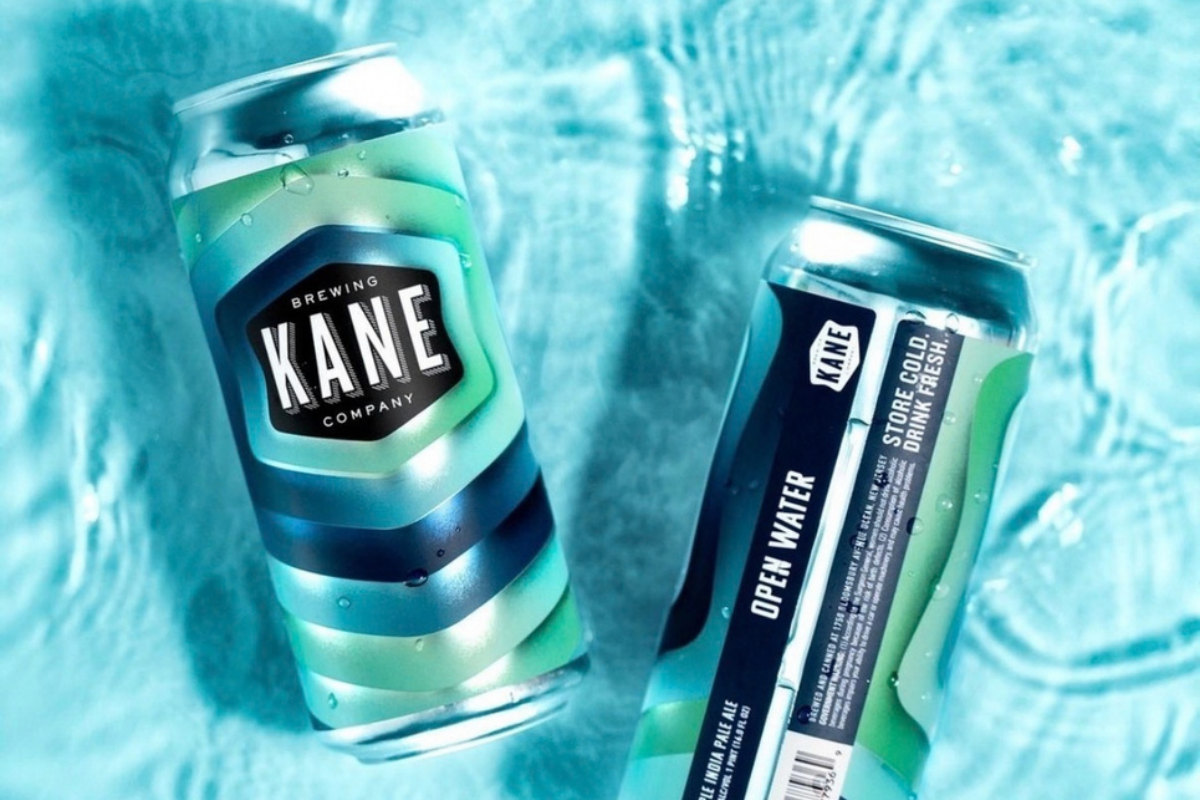
For a lot of beer fans, the label says something about the quality of what’s inside. A can that looks like someone cared about it suggests the beer got the same attention. A can that looks slapped together suggests the opposite.
“Show me you put some thought into it, and I’ll assume the same about the beer.”
“Cutting corners on something as simple as the can art is a red flag. If they’re cutting corners here, where else?”
We get into this more in our post on building trust through your beer labels.
Some reviewers even score the beer higher
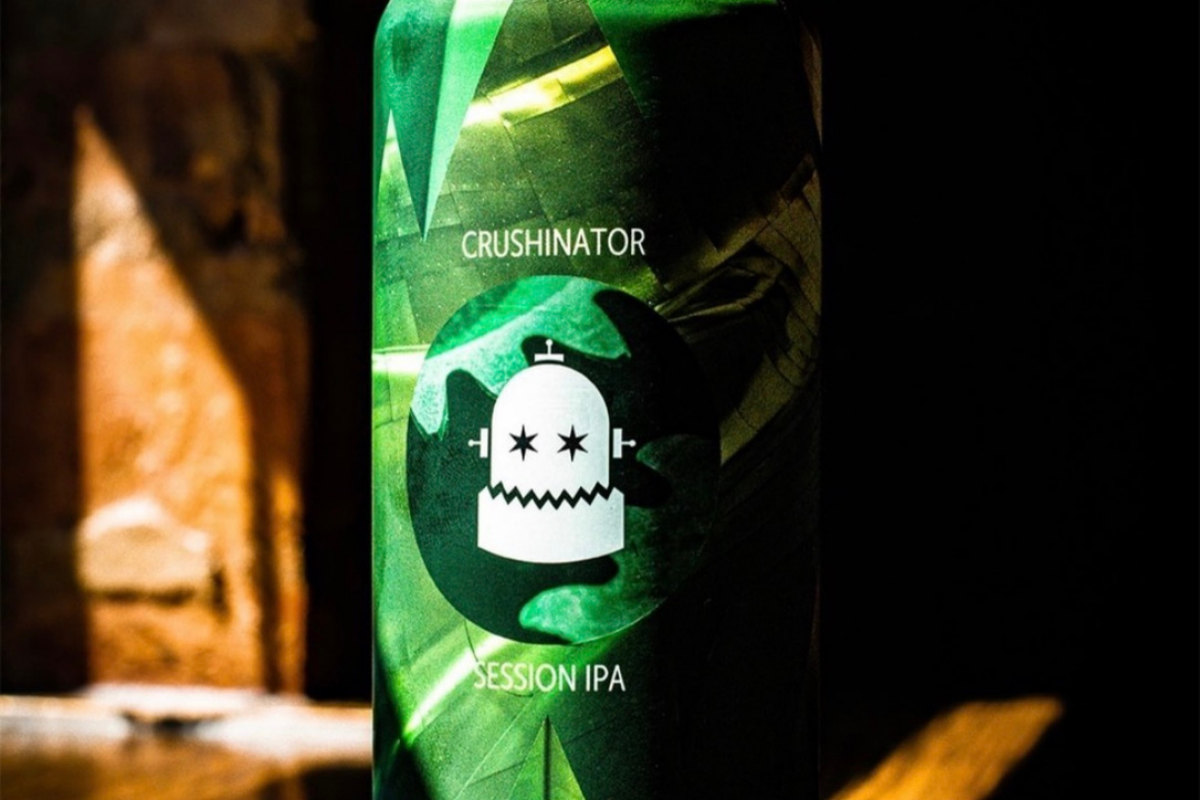
A few go further and say outright that the label changed the score they gave the beer:
“+1 appearance point for the label.”
“I’m up-rating this for the label alone. It’s brilliant.”
The numbers point the same way. Reviewers who praised a label rated the beer’s taste higher than reviewers who criticized one: 0.19 points higher on BeerAdvocate and 0.28 points higher on RateBeer, on a five-point scale. These are different reviews of different beers, so we can’t say the label caused the higher score. But people who like what they see also tend to like what they taste.
What Makes a Good Beer Label?
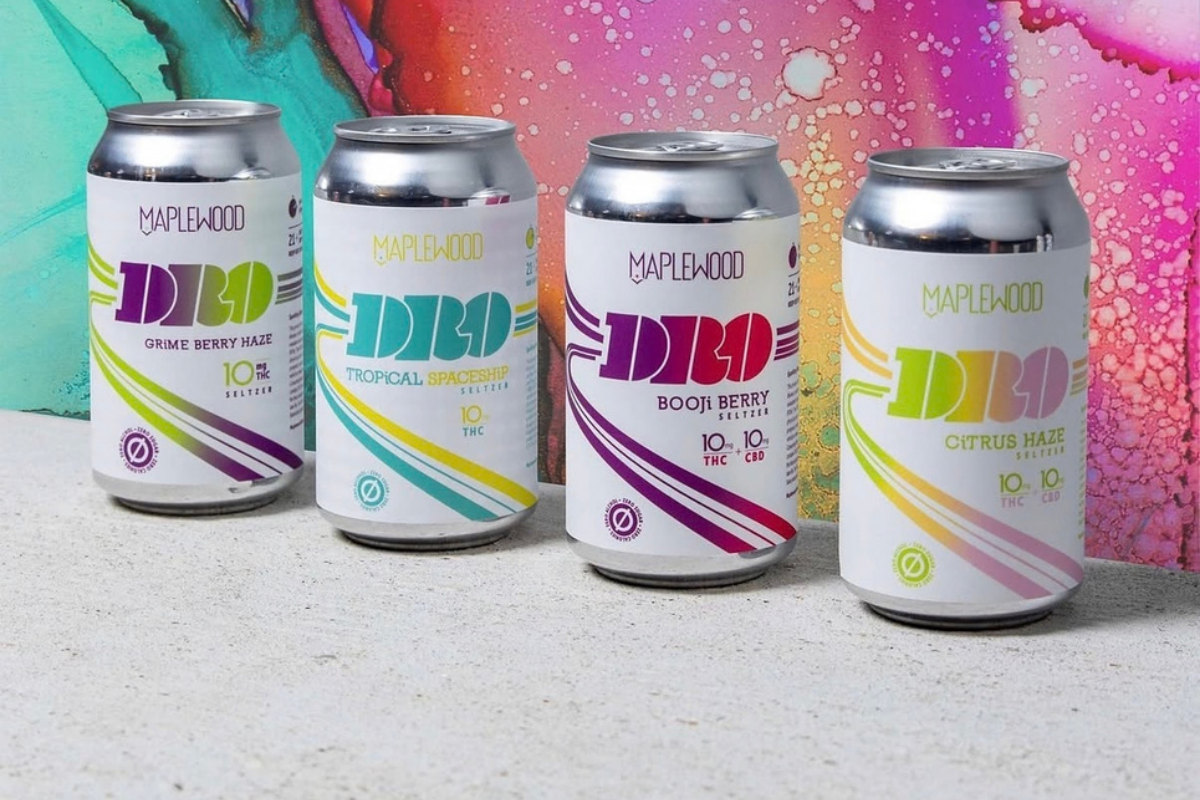
A good beer label is easy to recognize. That’s the quality beer fans praised most in the reviews we read, ahead of any color, art style or finish. They said it in a lot of different words:
“I can spot it instantly.”
“Give me classic labels I can recognize at arm’s length.”
“If I can recognize it, I know who it is.”
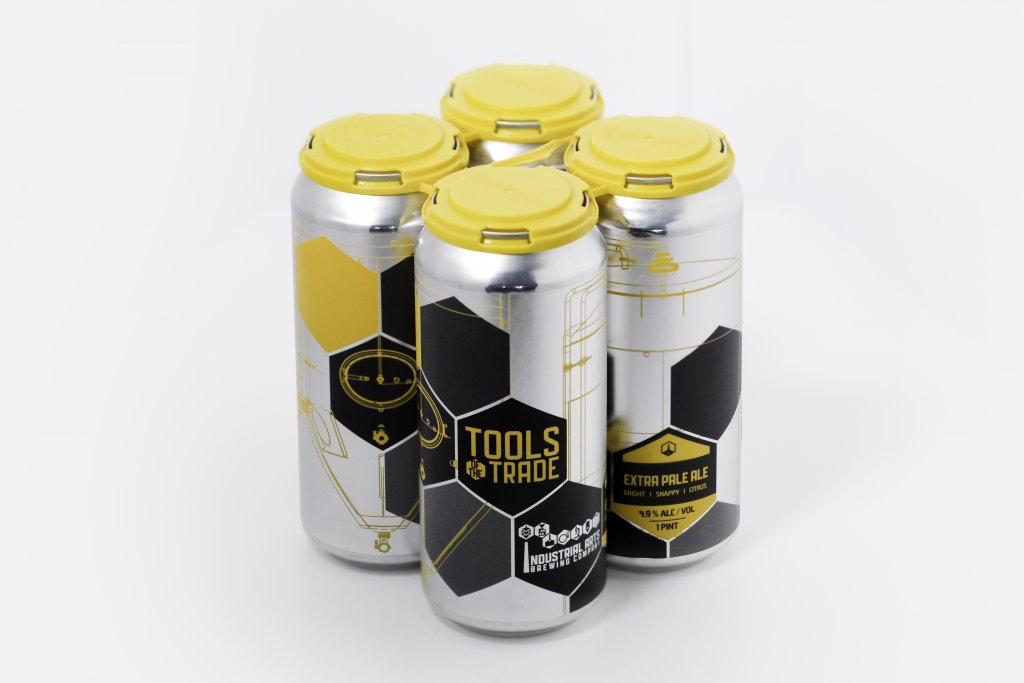
Recognizable doesn’t have to mean loud. It means a beer fan can find you in a crowded cooler. Pick one element that never changes (a badge, a shape, a color block, a typeface) and carry it across every beer in your lineup.
Why Rebrands Can Cost You Loyal Fans
When a label people love changes, some of them leave, and they won’t keep quiet about it. The reactions we found were blunt, personal and often permanent. One comment on r/CraftBeer calling a change the “worst craft rebrand ever” pulled 158 upvotes. Plenty of fans shared exactly when they stopped buying:
“Haven’t bought a pack since they rebranded.”
“Now I won’t buy anything from them.”
“I stopped drinking it after the label change. Not out of principle. It just didn’t strike me the same.”
You can still update your look. Just plan the rebrand with your regulars in mind. Keep the one element they recognize you by, so they have something familiar to hold onto while the rest changes.
What Pulls Beer Fans In, and What Pushes Them Away
What pulls beer fans in
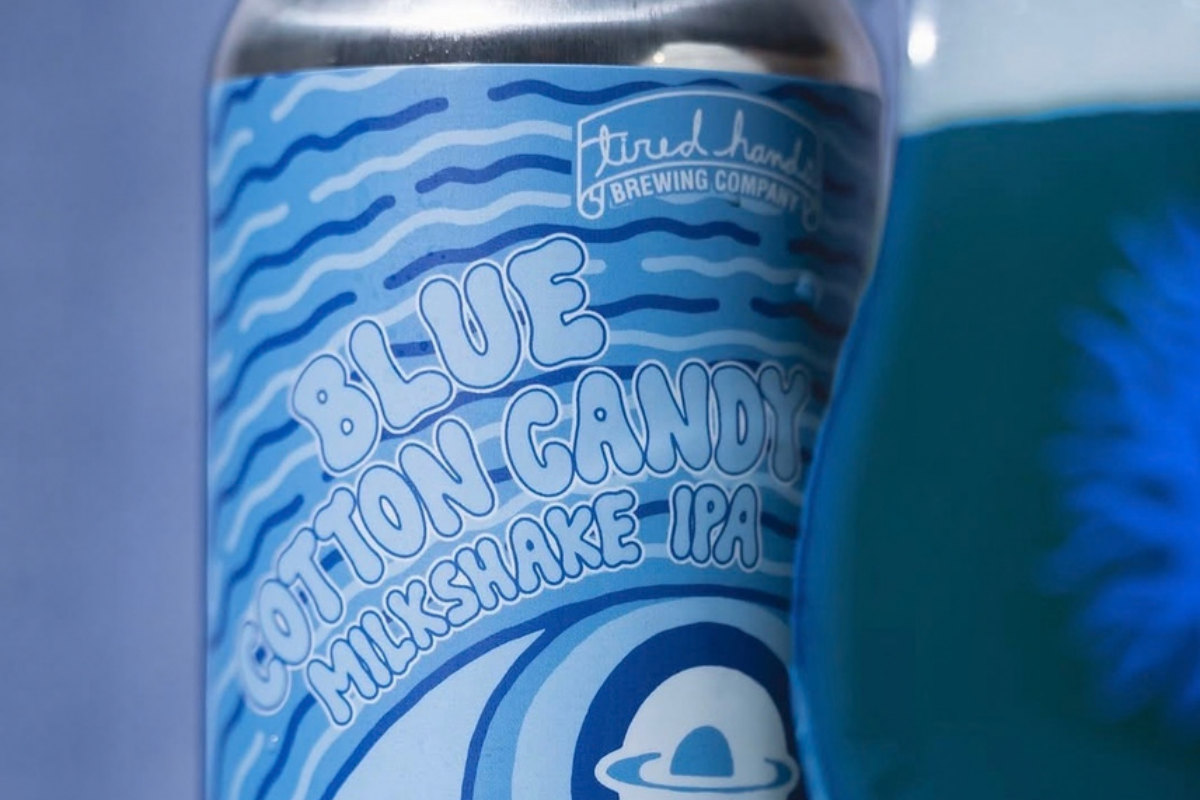
- Simple and distinctive. The most-loved labels get called “clean,” “classic” and “instantly recognizable.”
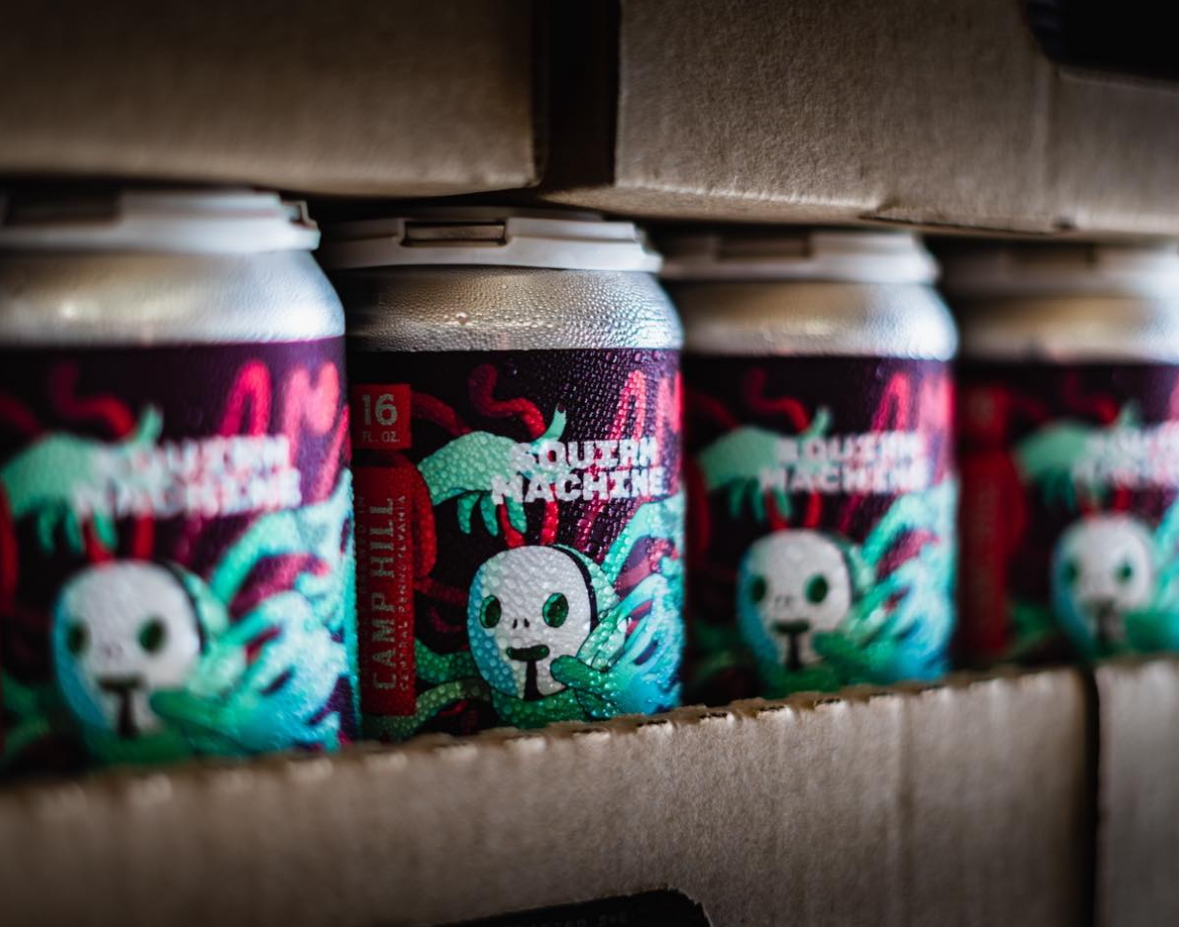
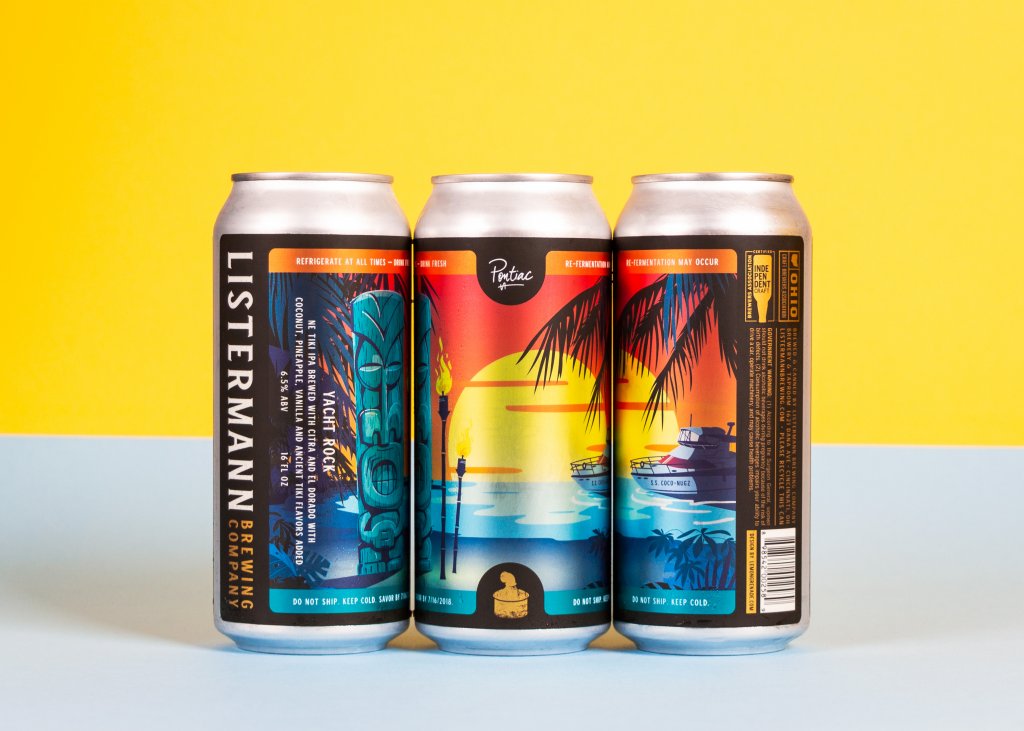
- Real art. Original illustration, a great character, a look you can’t get anywhere else. One reviewer admitted to being “a sucker for cool beer art.”
- A finish you can feel. Beer fans notice texture. One label mimicked paper tape so well it “compels you to feel it.” Eye-tracking research from Clemson University points the same way: printing the same design on different label materials changed how fast shoppers noticed the bottle and how long they looked at it.
If you want to add texture, embossed labels and the other options in our label decoration breakdown are a good place to start.
What pushes beer fans away
- Anything that looks cheap. The insults were specific and harsh: “printed off an inkjet,” “looks like Canva,” “a seven-year-old with a box of markers.”
- One bad label hurts more than one beer. Fans who dislike a label often write off the whole brewery. As one put it: “I refuse to buy anything from them based on their artwork.”
Can Beer Fans Spot an AI Label?
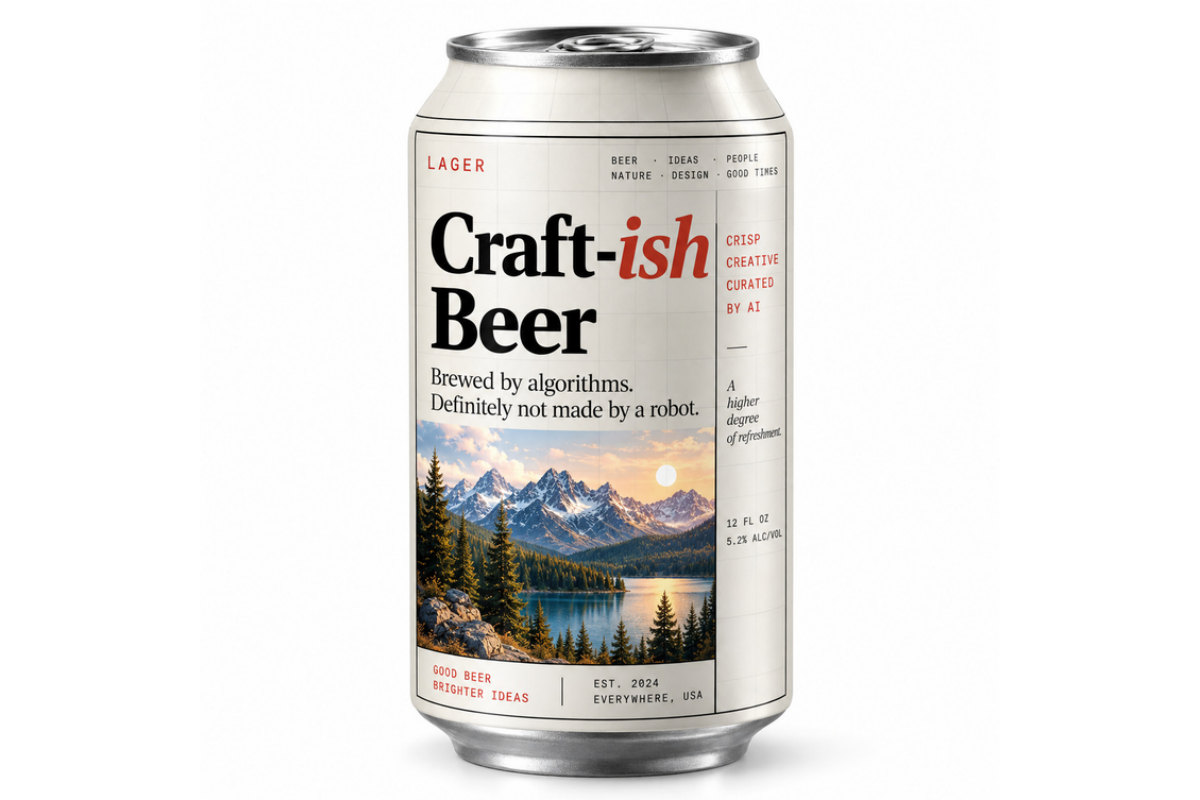
Plenty of them can, and they don’t like what they see. As AI-generated art starts appearing on cans, craft beer fans are noticing right away.
“I’ve stopped buying cans with clearly AI art.”
“If it’s craft, the visuals should be craft too.”
To this audience, a label that looks AI-made is the ultimate cut corner. It drags their opinion of the beer down with it, the same way a cheap-looking label does. If you skipped the effort on the can, what else did you skip?
AI still has a place earlier in the design process. Our guide to using AI for label design covers where it helps, like brainstorming and rough concepts, and why the final artwork still needs a designer.
Labels Matter Most for the First Try
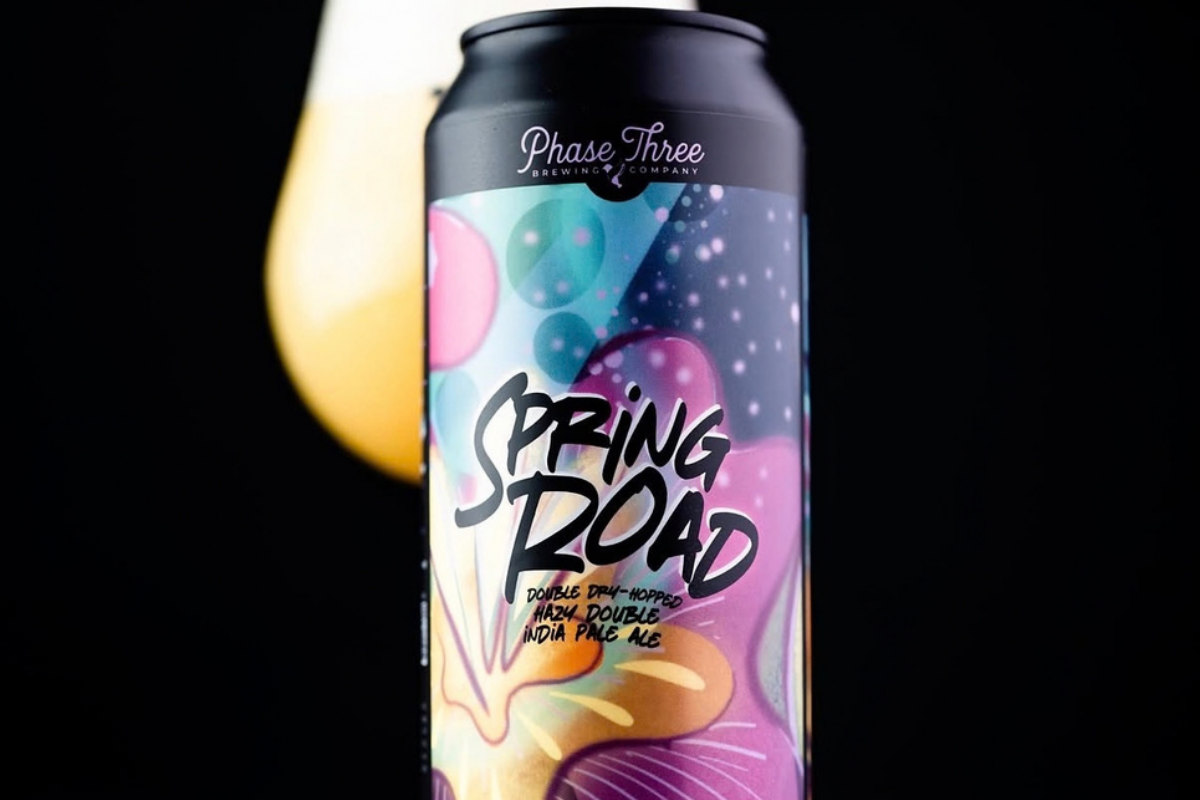
“Half the battle of picking up a new beer is being attracted to a nice label.”
The label matters less to the regular who knows your beer by heart. It matters a lot to the person deciding whether your beer is worth a first try. Brewers often tell us they want packaging that helps them “attract new customers.” That first try is where packaging does its best work.
A great label gets a stranger to try your beer once. From there, the beer itself turns them into a regular who recommends you to friends.
How We Did This Research
We pulled what beer fans say to each other, unprompted, from three places:
- BeerAdvocate and RateBeer. We searched all 4.5 million reviews on both sites for comments about labels and packaging. That surfaced about 107,700 packaging mentions and about 8,175 reviews describing a purchase made because of the packaging. These reviews were written between 1998 and 2011.
- Reddit’s craft beer communities (r/CraftBeer, r/beer and r/beerporn), including an archive search from 2016 through 2025 for how people describe buying beer by the label.
- Published research from Nielsen (2017), Quad’s eye-tracking study and Clemson University’s label-material research.
A few notes, in the spirit of showing our work. The review-site archives are older, but beer fans on Reddit still describe labels the same way, so the pattern has held up. Reviewers are dedicated beer fans (the people who post and rate beers) more than the casual buyer, so treat our percentages as observations rather than a headcount. Quotes have been lightly edited for length and readability, and we’ve shared them anonymously.
Thinking About Your Own Labels?
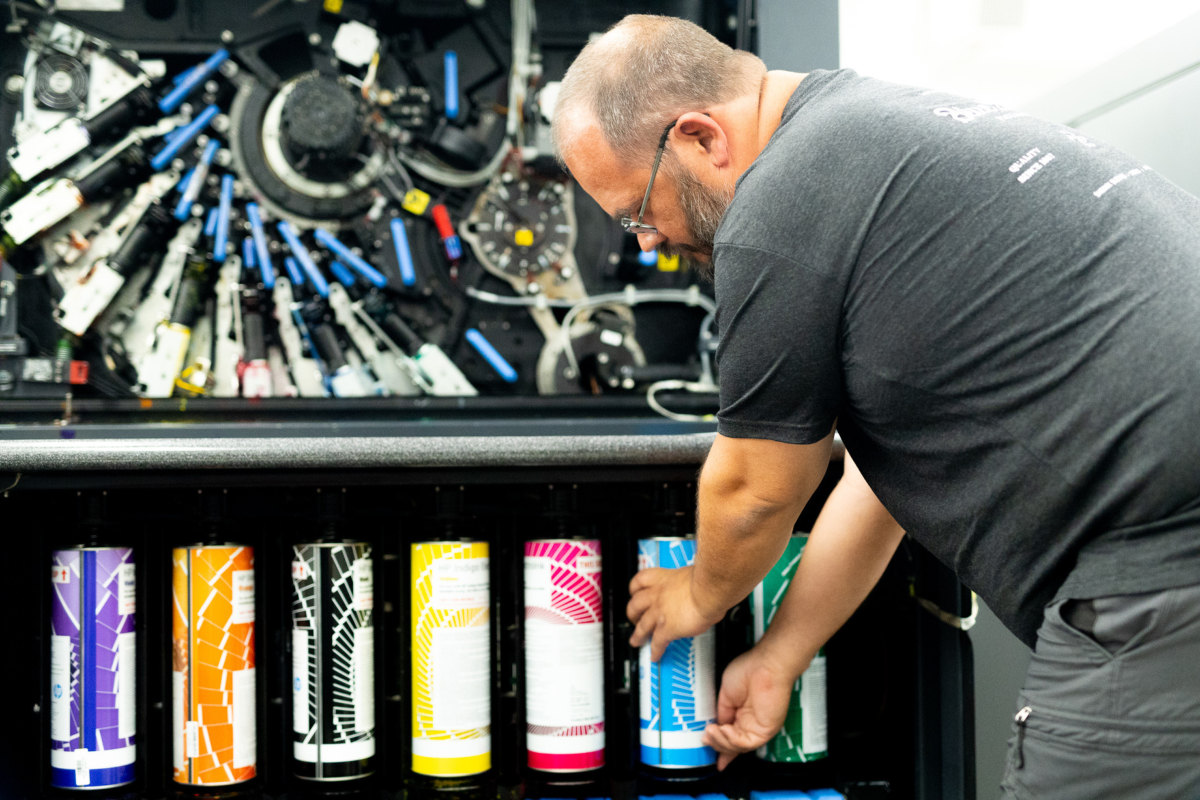
We’re a label and packaging printer, and the question “does the label actually matter?” comes up with breweries all the time. We figured beer fans themselves were the best people to answer it.
If you’re working on your own craft beer labels, beer can labels or digitally printed cans, whether that’s a first run, a new finish or a rebrand you want to get right, reach out to our team. We’re always happy to talk it through.