Can Clear Labels Be Used on Glass Bottles?

Clear labels can absolutely work on glass bottles as long as you’ve got the right materials and process in place. Not all combinations work the same, and issues usually come from skipping key steps (don’t worry, we’ll walk through them below).

Here’s what it takes to get a clean “no-label look” that performs beautifully and consistently on glass packaging. We’ll cover the materials, design choices, and real-world considerations that make clear labels work on glass bottles.
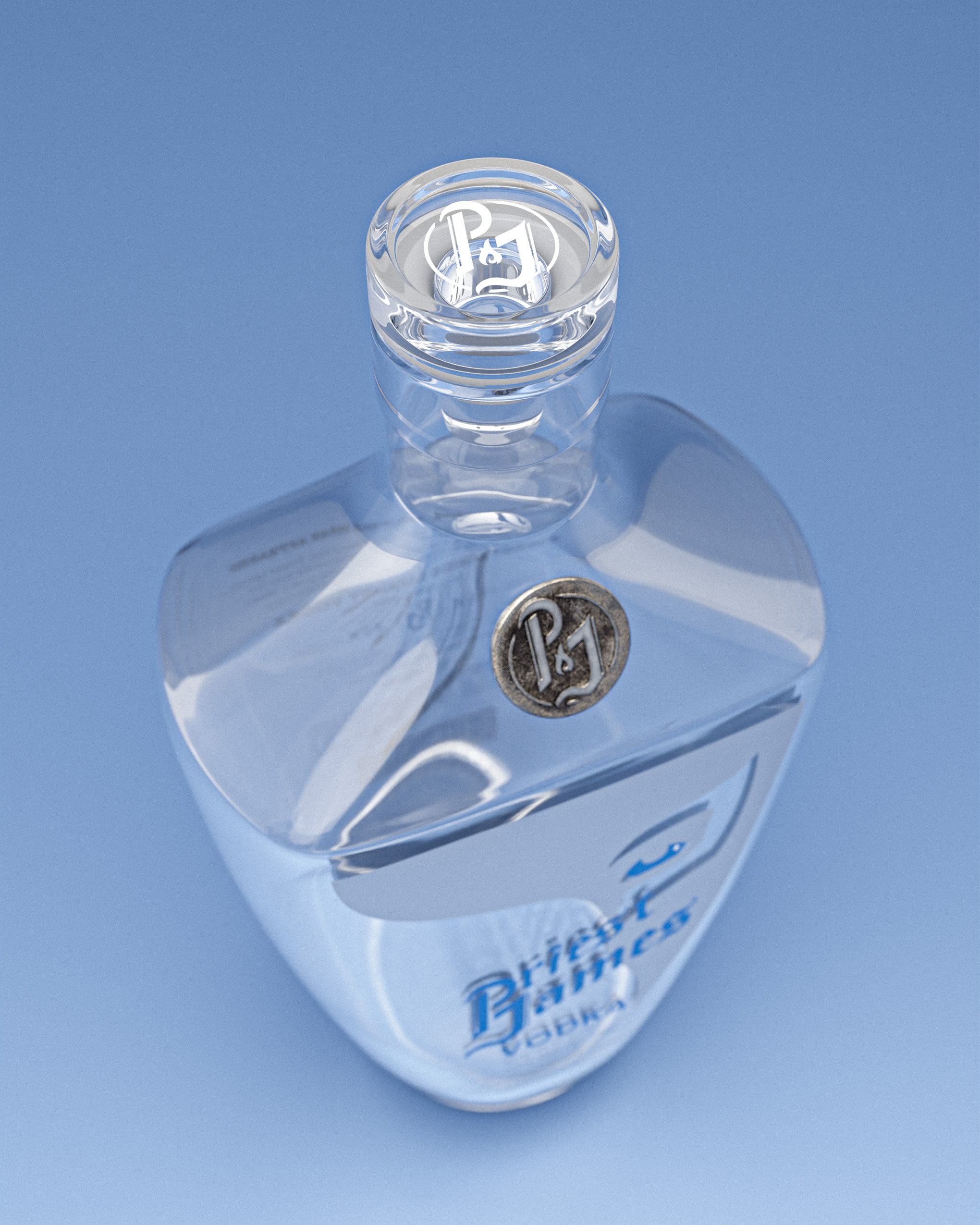
Clear Label

Making Clear Labels Stick (and Stay)

Match Material and Adhesive to Your Bottle

Glass is rigid and smooth. Film materials like BOPP, PET, or vinyl,hold up better when your bottles face moisture, scuffing, or changes in temperature. We often suggest BOPP or PET films paired with protective lamination for durability and polish.

Equally important is the adhesive. For glass, you’ll want a clear permanent adhesive that can handle temperature shifts and moisture without fogging or lifting around the edges. For recyclable bottles, a wash-off adhesive helps labels cleanly separate during recycling.

Consider Shape, Finish, and Surface Texture

The shape and surface of your glass container play a big role in how your label will look and perform. Here are a few things to consider:

  • Shape: Curved or tapered bottles can make it harder for labels to lay flat or align correctly. Choosing a flexible film, like MDO, helps labels conform smoothly to those curves.
  • Surface texture: Uneven or textured glass can cause tiny bubbles or wrinkles during application. A smooth, consistent surface gives the adhesive the best chance to bond cleanly.
  • Glass Finish: High-gloss glass surfaces can make small label imperfections, like bubbles or wrinkles, more noticeable because of how light reflects off the surface. Frosted or matte glass containers, on the other hand, help mask these minor flaws and create a softer, more forgiving appearance. The surface finish of your container can influence how visible label edges appear.
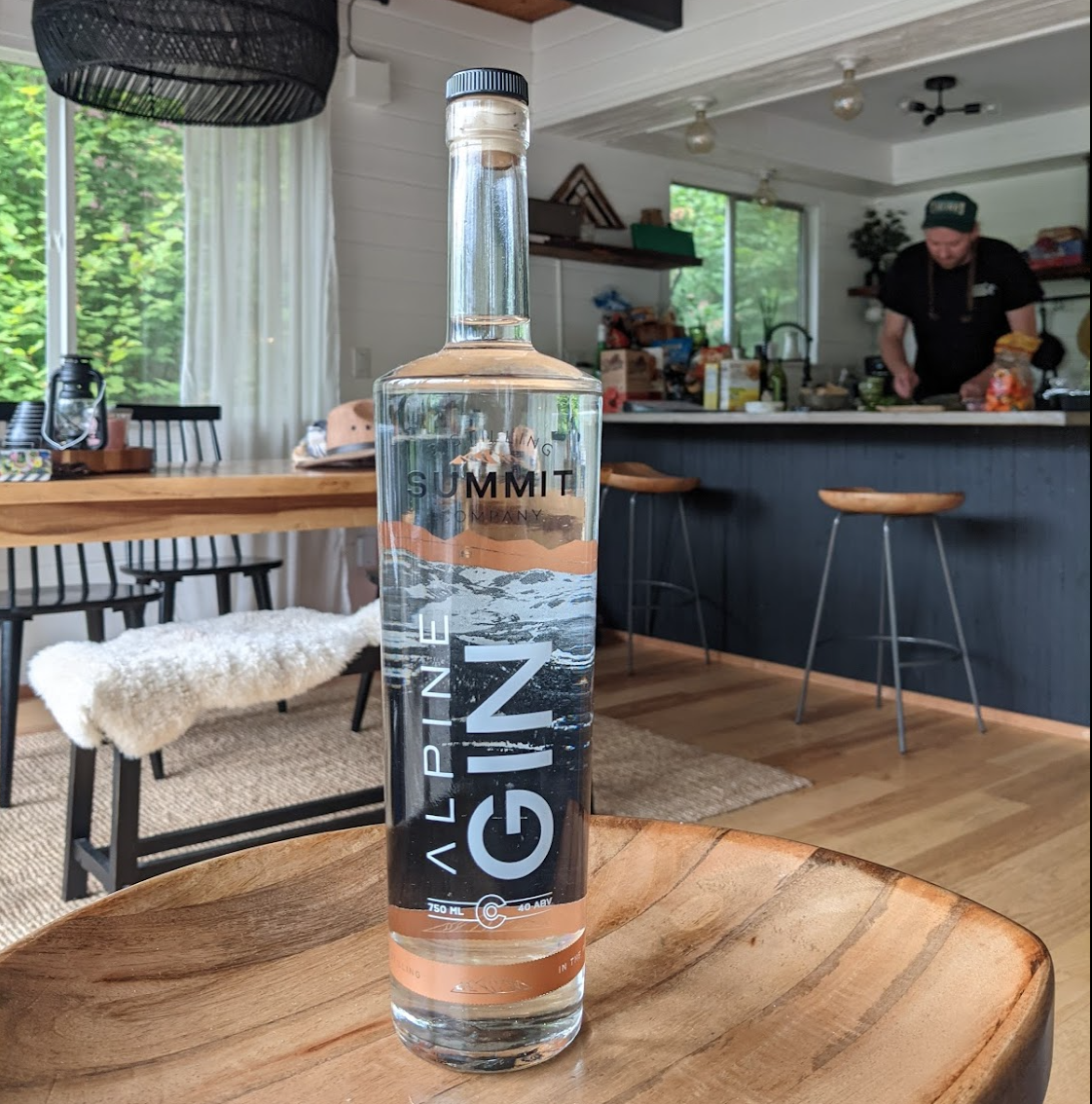
Clear Label on Glass Bottle

Designing Labels for Transparency

Creating a clear label design takes some planning, especially when you want your product to maintain its legibility. Here’s what to think about when designing for transparency:

  • Use a white layer strategically: This is a layer of white ink printed beneath parts of your design so colors stay bold and readable on clear material. Think of it as a background layer that makes your text, graphics, or barcodes visible instead of blending into the bottle. Without it, colors can appear washed out or disappear against the product.
  • Test transparency levels: You don’t need to apply a white layer everywhere. Adjust opacity levels in select areas to control how much of the bottle or liquid shows through.
  • Balance design and legibility: Keep brand colors and small text over printed white, but let less critical elements remain transparent for depth and visual appeal.

Prepare for Real-World Handling

Most products encounter conditions like cold storage, condensation, shipping, and frequent handling. Labels must survive all of that without peeling, bubbling, or fading. In our experience working with beverage, food, and personal care brands, film labels with strong adhesives hold up well through cold storage, transit, and shelf scuffs.

If recyclability is a priority, ask about adhesives that more easily come off with hot water. These let labels cleanly separate from glass during recycling.

Finishing Options for Clear Labels

When planning finishes, start with the most common and impactful design decisions first, matte versus gloss, before layering on embellishments like foil for extra texture and shine.

You can explore more of these finishing techniques here.

Stay Compliant and Scannable

If your product falls under FDA or EU labeling rules, you need to make sure all the required info is easy to read and in the right place, even with transparent materials. If you’re not sure, it’s best to check with your regulatory team or compliance partner.

Quick Checklist: Clear Labels on Glass Bottles

No two bottles or labels are exactly the same, but this checklist covers the big things you don’t want to miss.

  • Pick a clear film and pair it with a laminate (matte, gloss, soft touch) .
  • Evaluate your bottle shape and surface to pair the right materials and adhesives.
  • Add a white layer and test label proofs on actual bottles and contents.
  • Prep for real-world exposure by choosing moisture and abrasion-resistant materials.
  • Use embellishments like  foil to elevate design.
  • Double-check regulatory readability and ingredient placement.

We’ve been helping brands bring clear labels to life across products and packaging types. Need to see it for yourself? Contact us and we’ll show you what works.

What Label Material Is Best for Wet Environments?

When your product encounters moisture, whether that’s condensation in cold storage, hours in an ice bucket, or humidity in steamy bathrooms, your label material needs to stay adhered, resist damage, and protect your brand from application, to shipping, to consumer use.

To help you choose the right label material, start by considering three key factors:

  1. Container type: Glass, metal, rigid plastic, squeezable or contoured plastic.
  2. Moisture exposure level: Light moisture (condensation), moderate moisture (ice buckets, splash exposure), or heavy/waterproof (long-term submersion).
  3. Brand presentation needs: Paper texture, clear film, premium finishes, sustainability preferences.

Using these factors, you can narrow down which materials offer the best combination of durability, appearance, and cost efficiency.

We’ll show you the most common label materials for wet conditions, how they perform, and when you should use each.

BOPP (Biaxially Oriented Polypropylene)

BOPP is one of our go-to’s for wet environments. It’s durable, affordable, and prints cleanly. It’s moisture-resistant, stable, and available in white, clear, or matte finishes. With the right adhesive, BOPP can handle condensation, cold storage, and even short-term submersion.

Pros:

  • Excellent moisture resistance
  • Works with clear label applications (no-label look)
  • Flexible for flat and slightly curved containers
  • Cost-effective for large runs

Cons:

  • Can develop a cloudy or hazy look after extended time in ice or water
  • Not ideal for very long-term submersion (PET performs better here)
  • Can appear more “plastic” than paper if you need a highly tactile, premium paper feel
  • On very squeezable or highly contoured containers, PE or MDO films are usually a better fit

Best applications:

Finishing options:

  • Matte or gloss varnishes to cut glare and protect print
  • Overlaminates for extra scuff and water resistance. These also add another moisture barrier, keeping labels intact through handling and transport.

Wet-Strength Papers (e.g., Welded)

Why they work: Sometimes you need the look and feel of paper, even if the bottle is exposed to moisture. Wet-strength papers, or Welded, are built to hold up better than standard papers. They stay opaque, hold embossing or foil, and resist greying or falling apart when damp.

Pros:

  • Premium paper appearance with moisture resistance
  • High opacity covers dark bottles and embossing
  • Compatible with embellishments like foil and embossing

Cons:

  • Not truly waterproof. Long submersion can still cause edge issues
  • Needs cold-wet adhesives for ice bucket conditions. These adhesives bond instantly to wet or cold glass so your labels don’t peel or float away when submerged.

Best applications:

  • Wine and spirits where presentation matters as much as durability
  • Premium beverages that want paper’s tactile quality but can’t risk soggy failure

Finishing options:

  • Foil stamping, embossing, debossing
  • Protective coatings help prevent scuffing during shipping and handling

MDO Films

Why they work:
PE and MDO films flex with your container instead of peeling off. MDO (machine-direction oriented) means it’s designed to wrap smoothly around curved or squeezable containers without curling or lifting. They’re a smart choice for squeezables and contoured bottles that see regular handling and moisture.

Pros:

  • Excellent flexibility for squeezables
  • Moisture and chemical resistance similar to BOPP

Cons:

  • Slightly less clear than BOPP for “no-label” designs
    Still requires special adhesives on plastics like HDPE. Without them, you’ll often see “edge lift” (corners peeling up) or “flagging” (labels curling away from the container).

Best applications:

Finishing options:

  • Overlaminates for durability
  • Matte finishes for premium look and scuff resistance

Standard Paper (Why It’s Limited)

Why people consider it:
Standard paper is inexpensive, easy to print, and works fine in dry environments.

Where it struggles:
Paper can work for dry or lightly chilled products, but in environments with condensation, ice, or washdowns, it’s much more likely to fail compared to wet-strength papers or films.

  • Fibers swell and wrinkle with moisture
  • Adhesives stop sticking, which leads to peeling or labels detaching in moisture
  • Print can smudge, fade, or bleed

Quick Comparison Table

Material Moisture Resistance Best For Watch Outs
BOPP High Beverages, food, clear labels Whitening (that cloudy haze), LSE plastics (hard-to-stick containers)
Wet-Strength Paper (e.g., Welded) Strong Wine & spirits, premium looks Long submersion
MDO High Squeezables, contoured plastics Slightly less clear, LSE adhesives
Standard Paper Low Dry goods only Wrinkling, smudging, peeling

Best-Fit Recommendations

  • Best for glass bottles in ice buckets: Wet-strength paper (e.g., Welded). Premium look that resists greying after hours on ice. BOPP films are also an option if you prefer a more modern film aesthetic.
  • Most cost-effective for beer cans or bottles: BOPP. Affordable, durable, and versatile for high-volume runs.
  • Best for squeezable plastic containers: MDO film. Keeps labels intact through constant flexing.

Label Materials for Wet Environments

Films like BOPP hold strong, while wet-strength papers keep your wine bottles looking sharp on ice. Which one’s right for you depends on your container and the kind of abuse your label needs to take.

Need to see what works on your product? Request a sample pack and we’ll show you how these materials perform in real life.