What Label Materials are Best for Wine Bottles?
- custom wine labels
- materials
- wine label printing
We get a lot of questions about the right label materials for wine bottles. Most wineries or wine makers want a premium looking wine label, but it also has to stand up to ice buckets and transportation.
Here’s our input on picking the perfect label material to keep your bottles looking sharp from shelf to first sip.
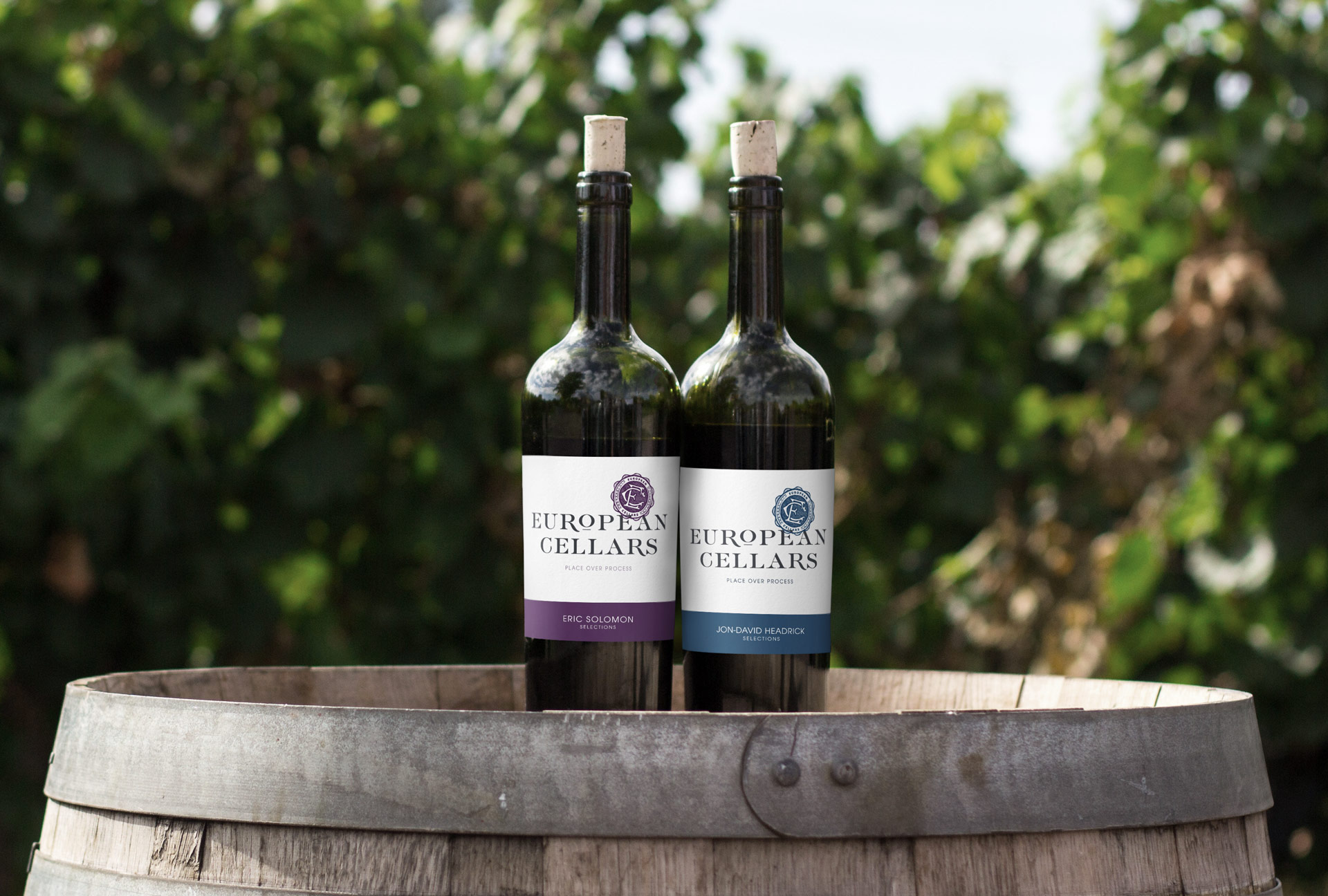
Standard Paper Labels: Ideal for Red Wines
We typically recommend standard paper labels for red wines. Here’s why.
Pros:
- Premium look and feel: Textured substrate finishes like linen or felt have that soft grain you can feel. It’s a small touch, but one that instantly signals quality.
- Excellent print clarity: You get sharp details and vibrant colors on paper labels.
- Cost-effective: Paper is generally an affordable, professional option, especially for high-volume runs.
Considerations:
- Moisture sensitivity: We do not recommend laminating a textured paper since this will cause you to lose the look and feel of the texture. Consider this if your product will encounter ice buckets, spills, and other moist environments.
- Durability: Paper can suffer in harsh handling or damp storage conditions, causing wrinkling or peeling.
Best Applications:
- Cellar-stored red wines
- Ambient temperature retail displays
- Premium labels with embossing, hot foil stamping, and spot varnishes (a clear coating used to highlight specific design elements with a glossy finish)
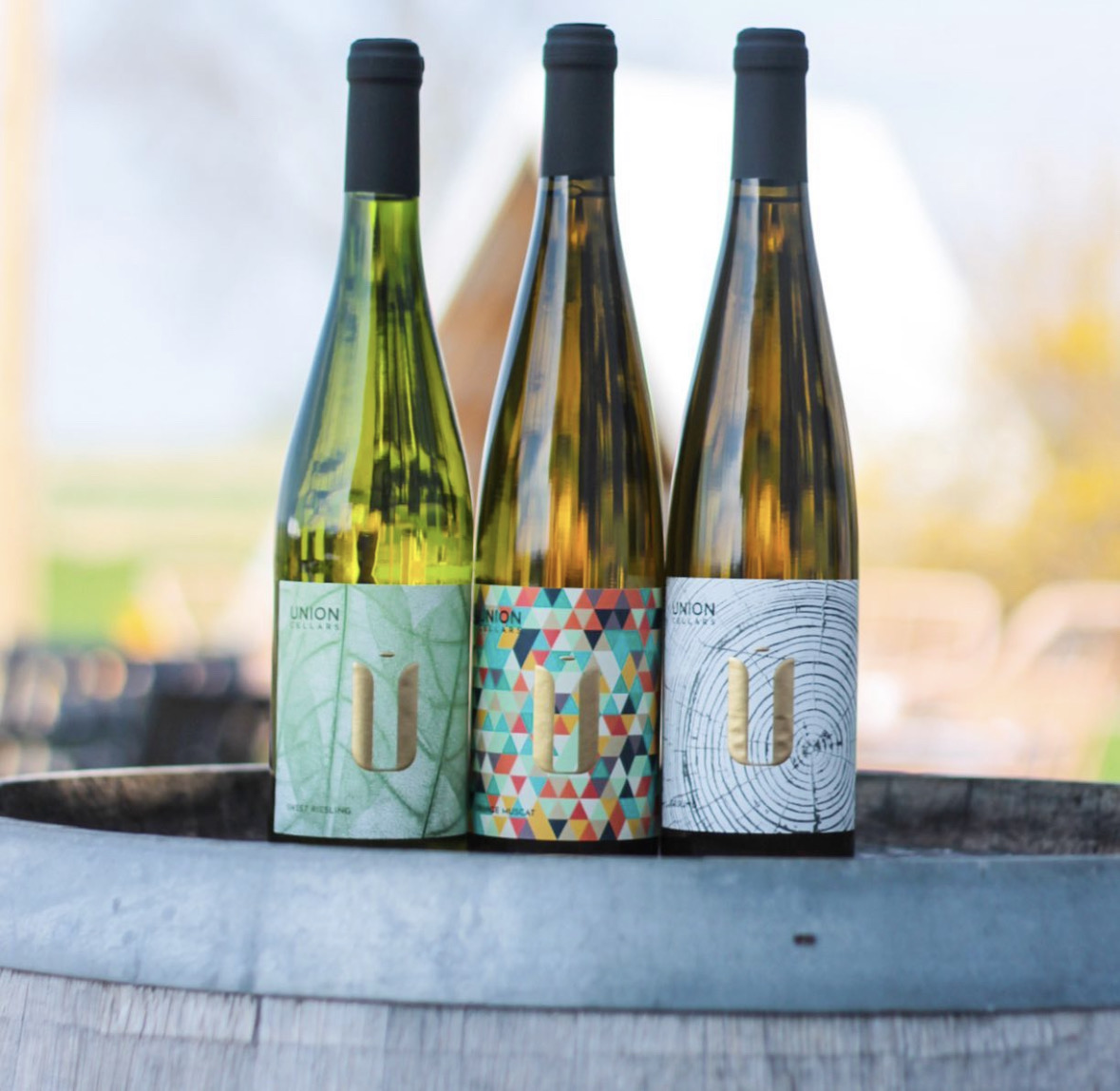
EverOpaque® Labels: Best for White Wines
If you produce white or rosé wines, we recommend taking a close look at EverOpaque® labels. These hybrid labels are widely used in commercial wine applications for their consistent performance in refrigerated and wet conditions, including extended time in ice buckets.
They combine the upscale feel of paper with the durability of film, giving you the best of both worlds.
Pros:
- Ice-bucket tested: Maintains adhesion and appearance even after hours submerged in an ice bucket, something standard paper labels typically can’t handle without damage (if they’re not laminated).
- Paper-like luxury: Retains a textured, premium finish that many wine consumers associate with tradition and craftsmanship.
- Durable through distribution: Withstands handling, friction, and temperature swings during bottling, shipping, and retail handling.
Considerations:
- Higher cost: Slightly pricier than standard paper, but the durability often justifies the investment.
- Due to the film backing that this substrate pairs with, we are able to get a deeper emboss because we can push more without breaking the paper.
Best Applications:
- Chilled whites and rosés
- Wines for outdoor or humid climates
- Export products needing reliable durability
Film & Synthetic Labels
Film labels, typically made from materials like BOPP (biaxially oriented polypropylene) or PET (polyethylene terephthalate), are great in the right scenarios, but we don’t usually recommend them as a first choice.
Pros:
- Exceptional durability: Resist abrasion, moisture, UV, and temperature extremes.
- Sleek, modern aesthetic: Good for minimalist branding.
Considerations:
- Reduced tactile quality: Less luxurious than textured paper or hybrid labels.
- Cost: Less than paper hybrids like EverOpaque.
Best Applications:
- Outdoor or ultra-resilient packaging
- Wines that require extremely durable labeling (e.g., export or long transit)
Quick Comparison Table
| Material | Durability¹ | Moisture Resistance² | Aesthetic Quality³ | Cost⁴ |
| Standard Paper | Moderate | Low | Excellent | Medium |
| EverOpaque® | High | Excellent | Very Good | High |
| Film/Synthetic | Very High | Excellent | Moderate | Lowest |
¹ Based on abrasion resistance, shipping conditions, and handling wear.
² Performance in refrigerated, humid, or wet environments.
³ Includes print quality, texture, and visual appeal.
⁴ Relative material cost at scale; actual pricing varies by volume and customization.
Label Material Summary and Best Uses
- Best for red wines: Standard Paper: Premium look at a great price, but not moisture-friendly without lamination or protective finishing techniques.
- Best for white/rosé wines: EverOpaque®: Combines luxury appearance with robust durability, perfect for chilled storage.
- Most durable: Film/Synthetic: Ideal for harsh conditions but lacks tactile elegance.
Wrapping Up
As you can see, picking the best label materials for your wine bottles isn’t just about looks. You also have to consider durability, cost, and compatibility with finishing techniques. Need more help? Contact us or request a sample pack and we’ll help you compare the options.