What Label Material Is Best for Wet Environments?
- label materials
- wet environments
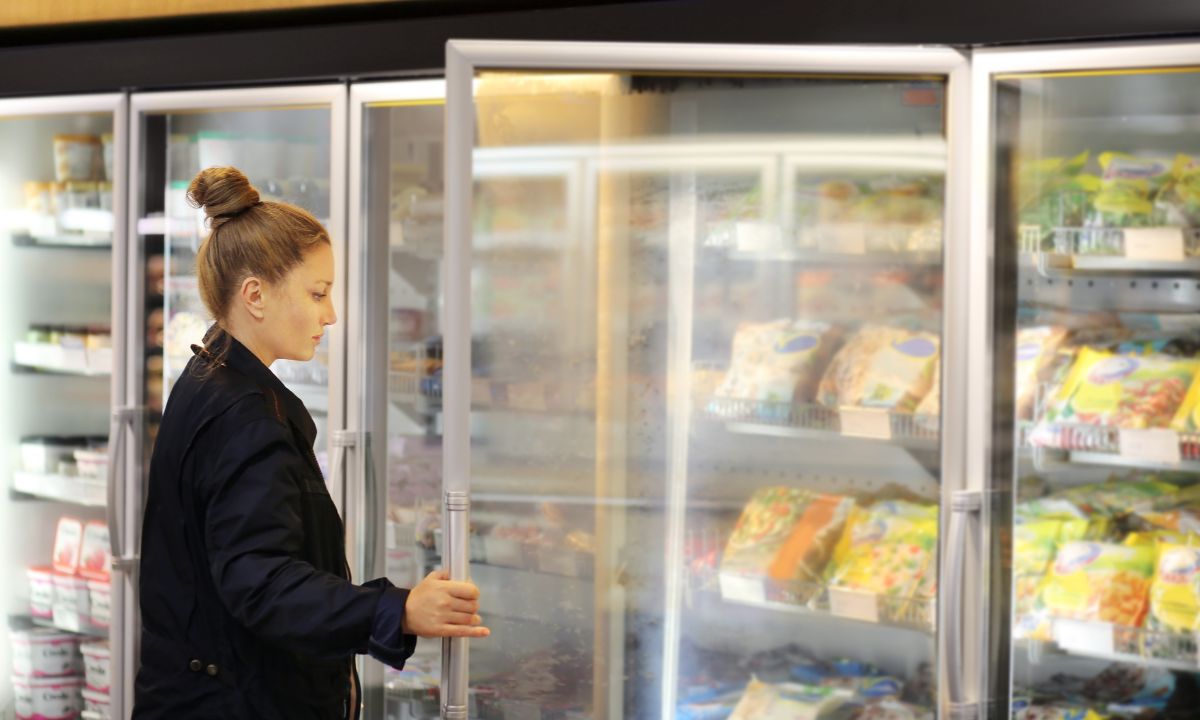
When your product encounters moisture, whether that’s condensation in cold storage, hours in an ice bucket, or humidity in steamy bathrooms, your label material needs to stay adhered, resist damage, and protect your brand from application, to shipping, to consumer use.
To help you choose the right label material, start by considering three key factors:
- Container type: Glass, metal, rigid plastic, squeezable or contoured plastic.
- Moisture exposure level: Light moisture (condensation), moderate moisture (ice buckets, splash exposure), or heavy/waterproof (long-term submersion).
- Brand presentation needs: Paper texture, clear film, premium finishes, sustainability preferences.
Using these factors, you can narrow down which materials offer the best combination of durability, appearance, and cost efficiency.
We’ll show you the most common label materials for wet conditions, how they perform, and when you should use each.
BOPP (Biaxially Oriented Polypropylene)
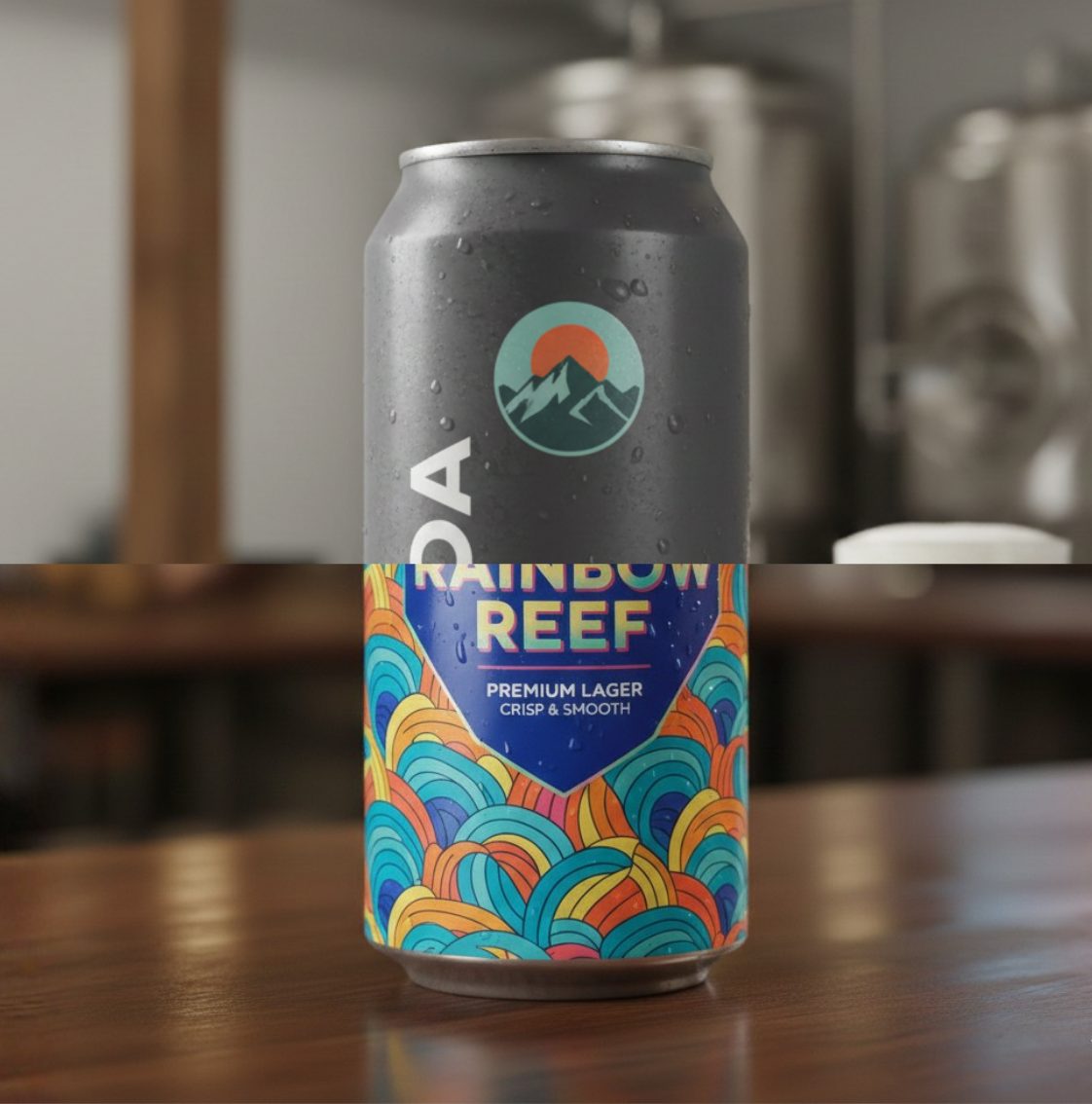
BOPP is one of our go-to’s for wet environments. It’s durable, affordable, and prints cleanly. It’s moisture-resistant, stable, and available in white, clear, or matte finishes. With the right adhesive, BOPP can handle condensation, cold storage, and even short-term submersion.
Pros:
- Excellent moisture resistance
- Works with clear label applications (no-label look)
- Flexible for flat and slightly curved containers
- Cost-effective for large runs
Cons:
- Can develop a cloudy or hazy look after extended time in ice or water
- Not ideal for very long-term submersion (PET performs better here)
- Can appear more “plastic” than paper if you need a highly tactile, premium paper feel
- On very squeezable or highly contoured containers, PE or MDO films are usually a better fit
Best applications:
- Beverages (beer, seltzer, soft drinks) that may sit in cold boxes
- Food products in chilled or moist packaging
- Personal care products where a clean, modern look is important
Finishing options:
- Matte or gloss varnishes to cut glare and protect print
- Overlaminates for extra scuff and water resistance. These also add another moisture barrier, keeping labels intact through handling and transport.
Wet-Strength Papers (e.g., Welded)
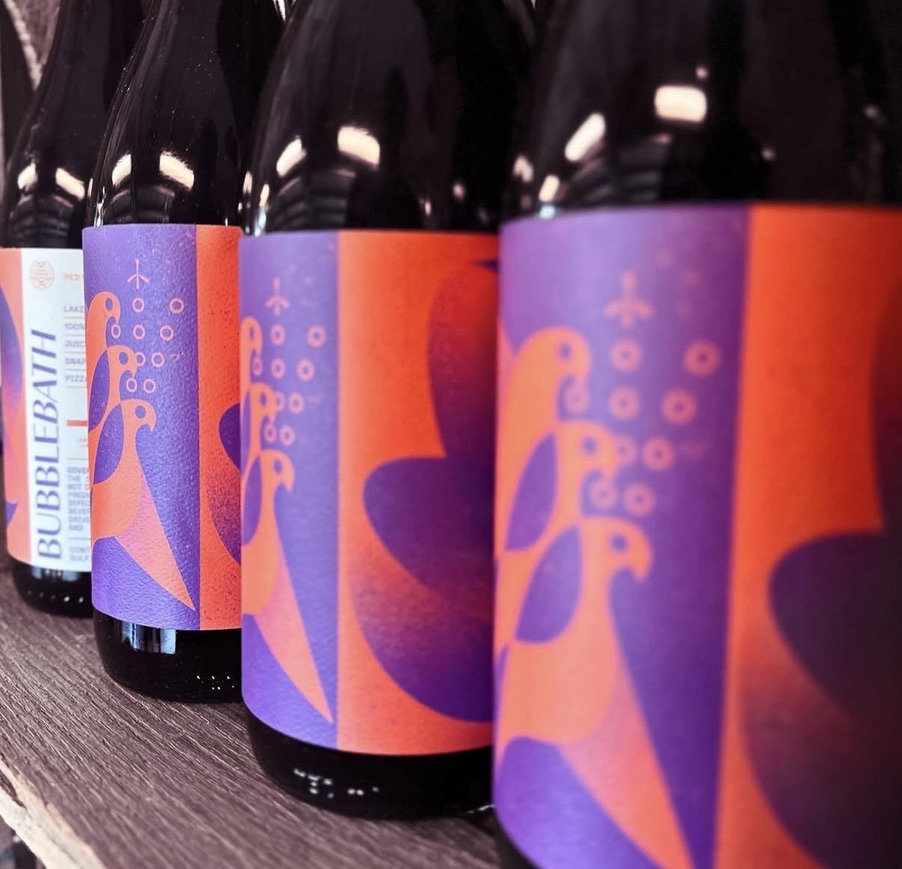
Why they work: Sometimes you need the look and feel of paper, even if the bottle is exposed to moisture. Wet-strength papers, or Welded, are built to hold up better than standard papers. They stay opaque, hold embossing or foil, and resist greying or falling apart when damp.
Pros:
- Premium paper appearance with moisture resistance
- High opacity covers dark bottles and embossing
- Compatible with embellishments like foil and embossing
Cons:
- Not truly waterproof. Long submersion can still cause edge issues
- Needs cold-wet adhesives for ice bucket conditions. These adhesives bond instantly to wet or cold glass so your labels don’t peel or float away when submerged.
Best applications:
- Wine and spirits where presentation matters as much as durability
- Premium beverages that want paper’s tactile quality but can’t risk soggy failure
Finishing options:
- Foil stamping, embossing, debossing
- Protective coatings help prevent scuffing during shipping and handling
MDO Films
Why they work:
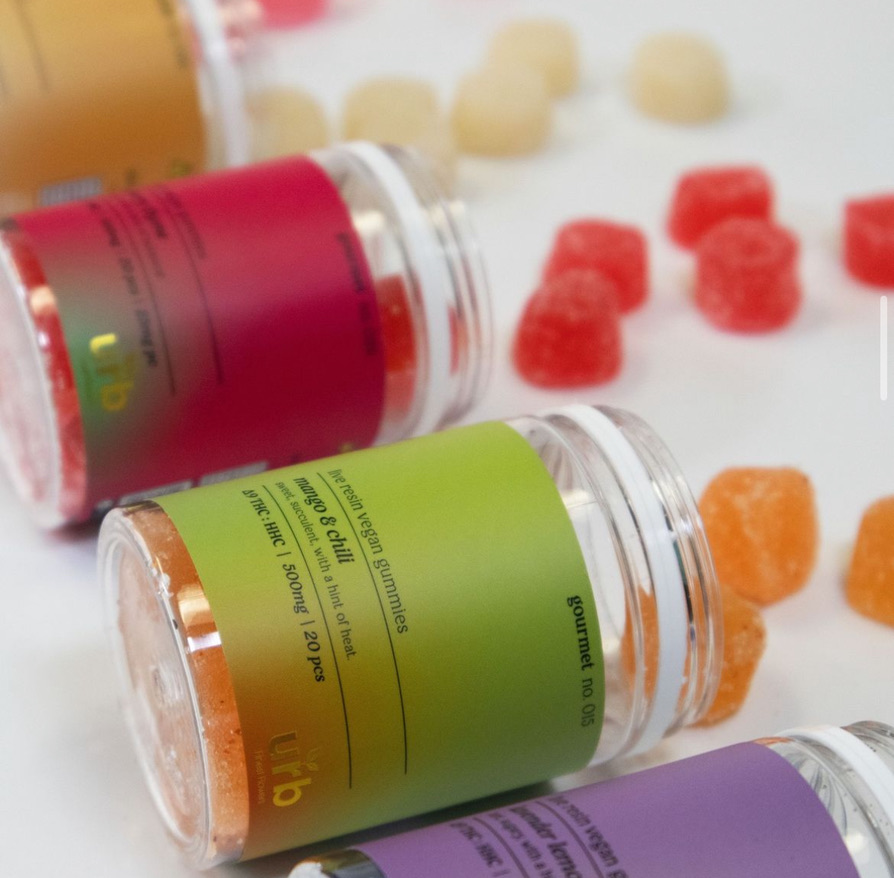
PE and MDO films flex with your container instead of peeling off. MDO (machine-direction oriented) means it’s designed to wrap smoothly around curved or squeezable containers without curling or lifting. They’re a smart choice for squeezables and contoured bottles that see regular handling and moisture.
Pros:
- Excellent flexibility for squeezables
- Moisture and chemical resistance similar to BOPP
Cons:
- Slightly less clear than BOPP for “no-label” designs
Still requires special adhesives on plastics like HDPE. Without them, you’ll often see “edge lift” (corners peeling up) or “flagging” (labels curling away from the container).
Best applications:
- Personal care and household products in squeezable bottles
- Detergents, lotions, and bath products exposed to humidity and water
Finishing options:
- Overlaminates for durability
- Matte finishes for premium look and scuff resistance
Standard Paper (Why It’s Limited)
Why people consider it:
Standard paper is inexpensive, easy to print, and works fine in dry environments.
Where it struggles:
Paper can work for dry or lightly chilled products, but in environments with condensation, ice, or washdowns, it’s much more likely to fail compared to wet-strength papers or films.
- Fibers swell and wrinkle with moisture
- Adhesives stop sticking, which leads to peeling or labels detaching in moisture
- Print can smudge, fade, or bleed
Quick Comparison Table
| Material | Moisture Resistance | Best For | Watch Outs |
| BOPP | High | Beverages, food, clear labels | Whitening (that cloudy haze), LSE plastics (hard-to-stick containers) |
| Wet-Strength Paper (e.g., Welded) | Strong | Wine & spirits, premium looks | Long submersion |
| MDO | High | Squeezables, contoured plastics | Slightly less clear, LSE adhesives |
| Standard Paper | Low | Dry goods only | Wrinkling, smudging, peeling |
Best-Fit Recommendations
- Best for glass bottles in ice buckets: Wet-strength paper (e.g., Welded). Premium look that resists greying after hours on ice. BOPP films are also an option if you prefer a more modern film aesthetic.
- Most cost-effective for beer cans or bottles: BOPP. Affordable, durable, and versatile for high-volume runs.
- Best for squeezable plastic containers: MDO film. Keeps labels intact through constant flexing.
Label Materials for Wet Environments
Films like BOPP hold strong, while wet-strength papers keep your wine bottles looking sharp on ice. Which one’s right for you depends on your container and the kind of abuse your label needs to take.
Need to see what works on your product? Request a sample pack and we’ll show you how these materials perform in real life.