What Label Material Is Best for Humid Environments?
- humid environment
- label materials
Labels can fail in humidity not only because of the label material, but because adhesives start to fail or lose sticking power, finishes wear down, or the material doesn’t match the container surface or application method.
To prevent edge lift, sliding, smudging, or peeling, you need to match the right material, adhesive, finish, and container surface based on how and where your product will be stored, shipped, and used.
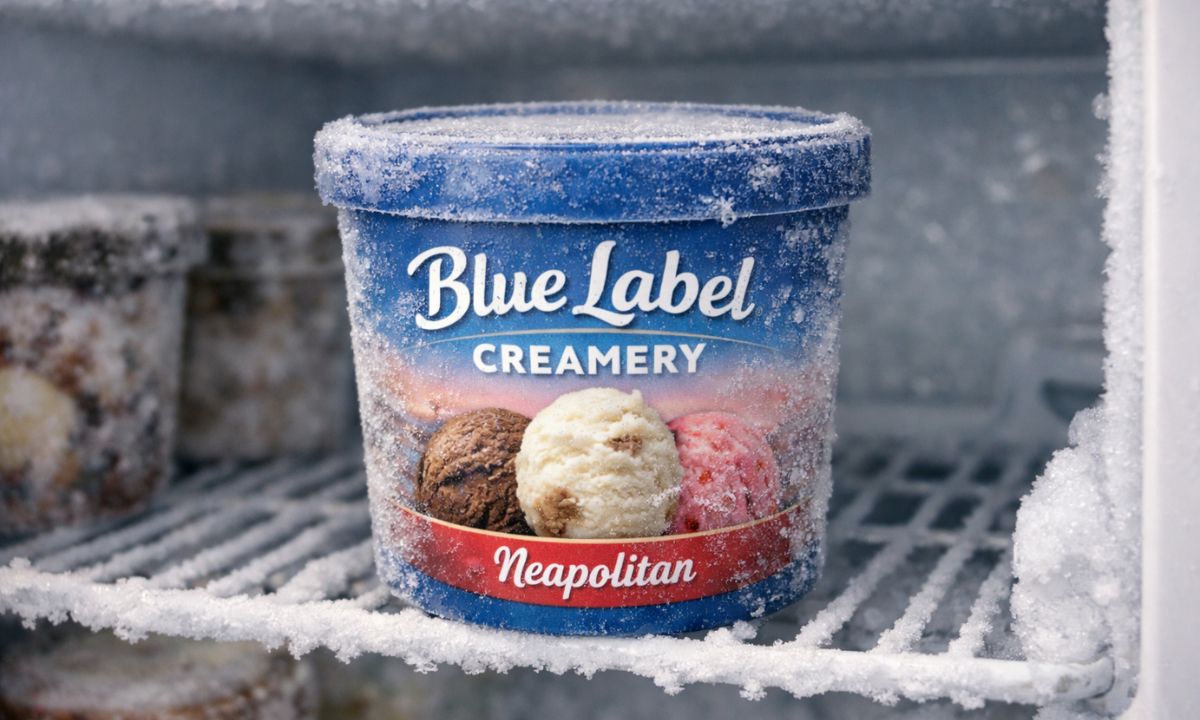
If your products face condensation, chilled storage, wet hands, ice buckets, or refrigerated shipping, here’s how the main material options compare, and when to use them.
Start with Your Environment and Container Surface
Before choosing a material, think about where the product (and the label) will live.
Environmental Conditions
Consider which of these apply to your product. Even one of these conditions can influence which label material and adhesive performs best:
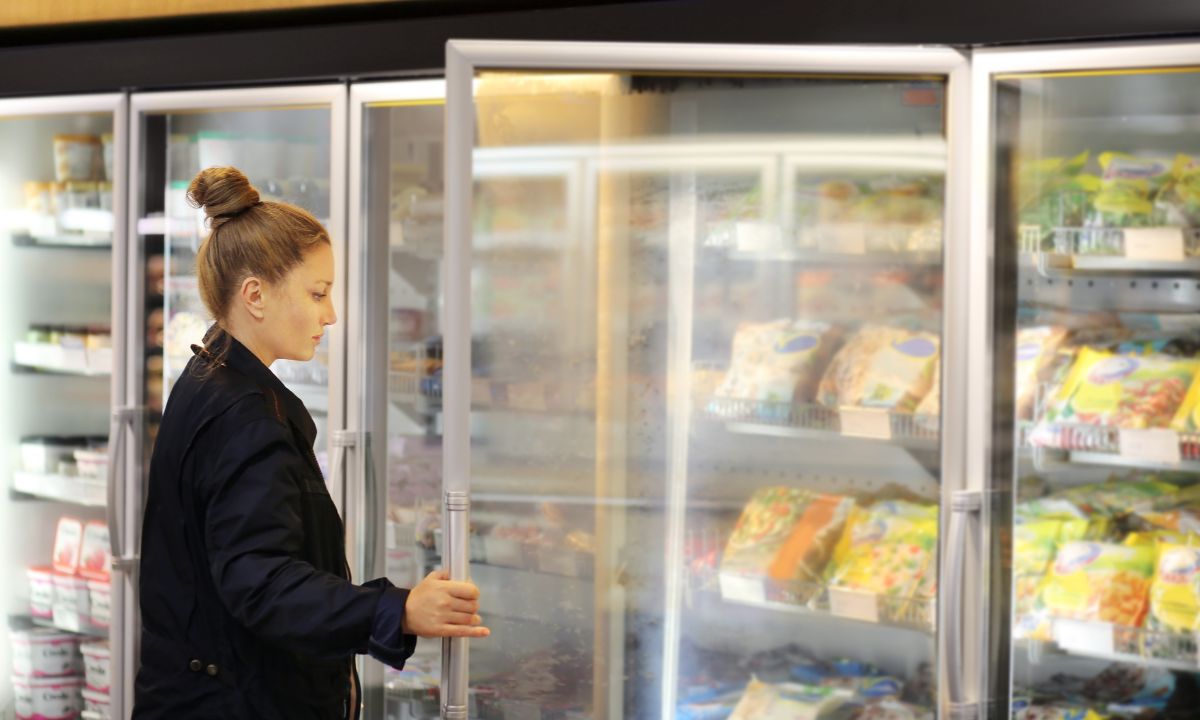
- Refrigeration or cold storage (risk of condensation and edge lift)
- Condensation or temperature cycling (labels may bubble or slide)
- Direct contact with water, oils, or chemicals (requires water-resistant films or protective finishes)
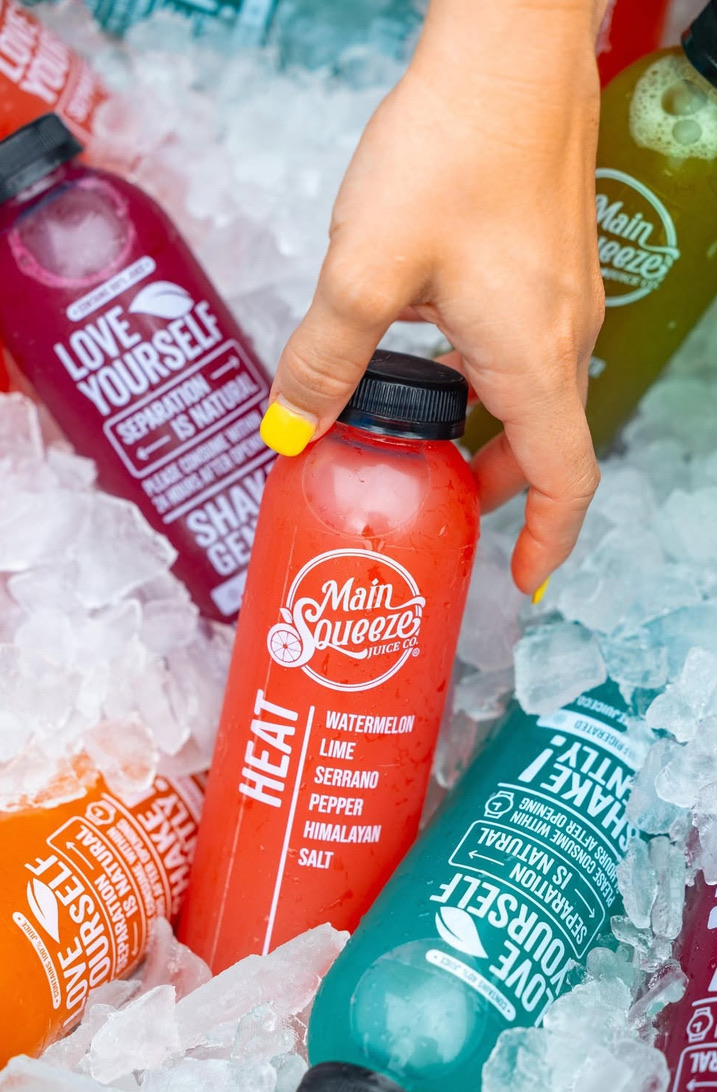
- Ice buckets or wet retail displays (laminated films hold up more reliably)
Container & Application Factors
These container surface and application details directly affect which materials and adhesives will adhere properly:
- Smooth glass, textured plastic, squeezable tubes, or metal (surface texture affects adhesion)
- Flat or curved surface (curved or squeezable requires flexible films like MDO)
- Manual or automated label application (rigid materials can jam high-speed applicators)
Now let’s look at how each material performs in real conditions. look at how each material performs in real conditions.
BOPP: The Most Reliable Label Film for Humidity
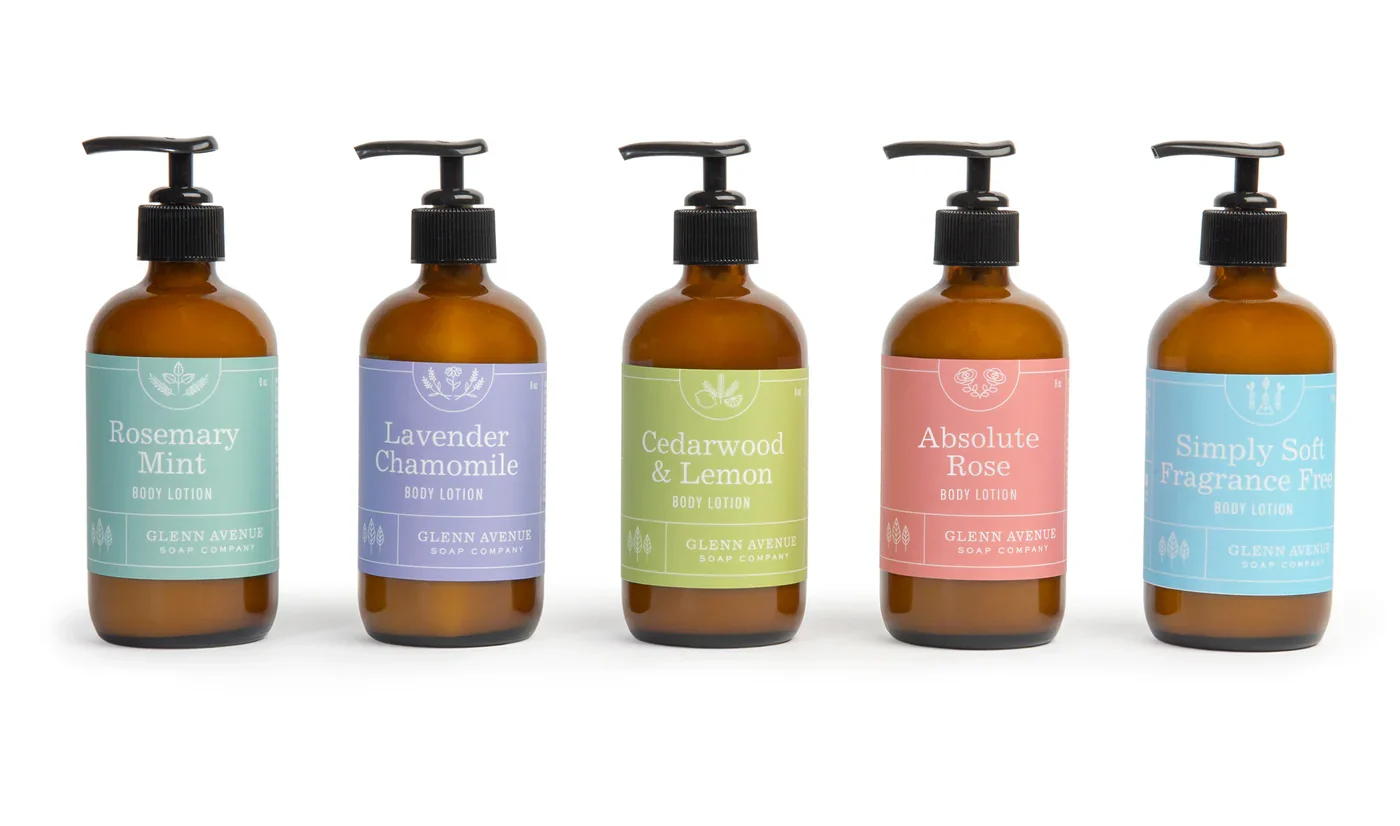
BOPP (Biaxially Oriented Polypropylene) is the go-to film for moisture-heavy environments because it balances performance, cost, and print quality across most product types.
Why it works:
- Resists water, oils, and condensation without swelling or curling
- Holds adhesive bond strength well on smooth, rigid surfaces
- Works well with most labeling equipment, including high-speed applicators
- Compatible with laminates and varnishes for added durability
- Affordable, making it ideal for high-volume production
Best for:
- Beverage bottles or cans
- Refrigerated foods
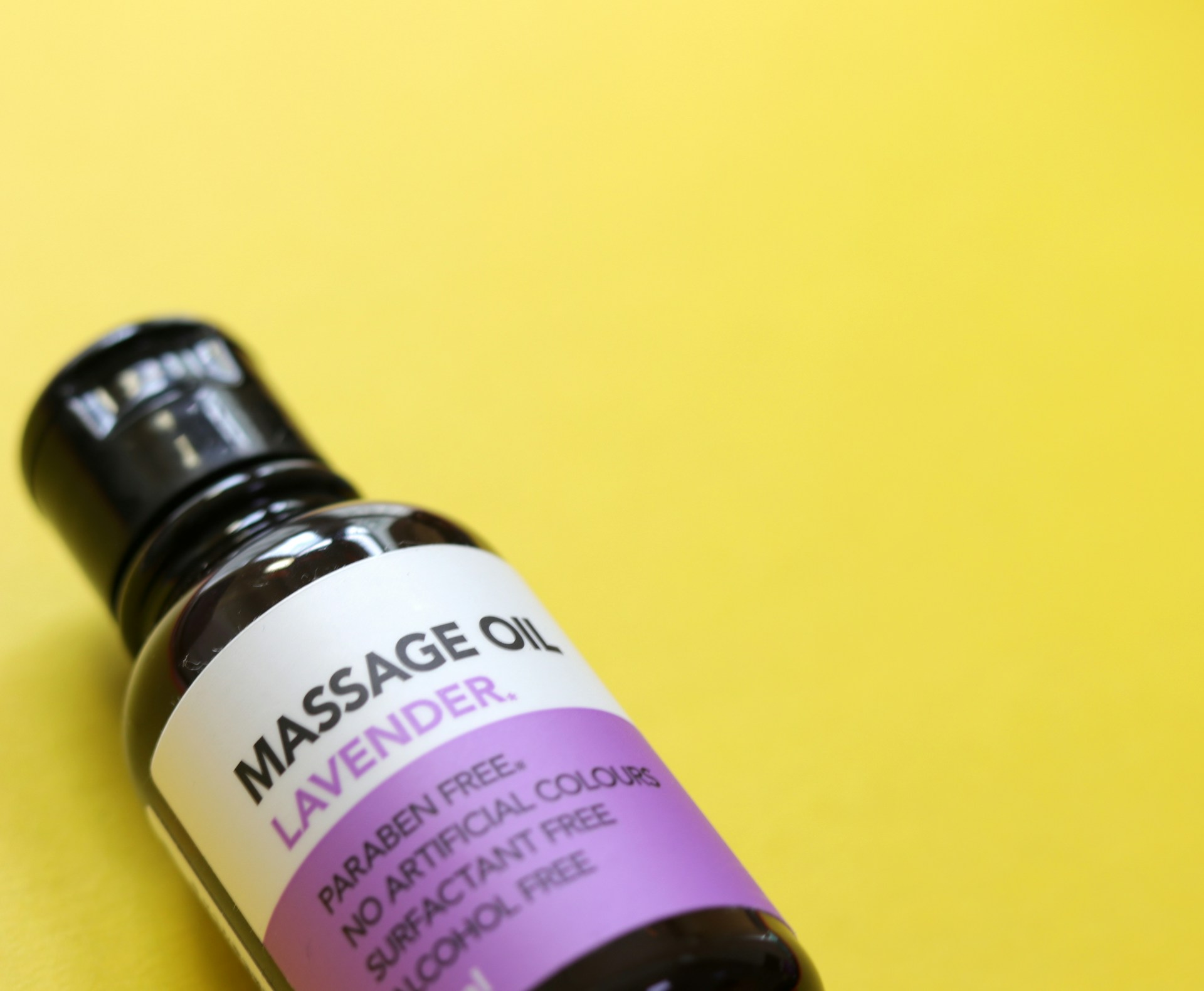
- Skincare products
- Household goods
- Standard commercial packaging
BOPP doesn’t conform well to highly curved or squeezable containers, so be aware of that as you approach a label material decision. It’s also not ideal for waxy or textured surfaces unless paired with a specialty adhesive.
Welded Material: Paper Texture with Enhanced Wet Strength
If you need a premium paper look without sacrificing moisture performance, Welded wet-strength paper is a strong middle ground.
Why it works:
- Reinforced paper fibers designed to handle moisture better than standard paper prevent sagging, peeling, and “label sliding, when labels slowly shift out of position on cold bottles” on cold or wet bottles
- Higher opacity helps block dark glass or busy backgrounds
- Performs well during short-term chilling or condensation
- Accepts high-end finishes like foil, embossing, and tactile coatings
Best for:
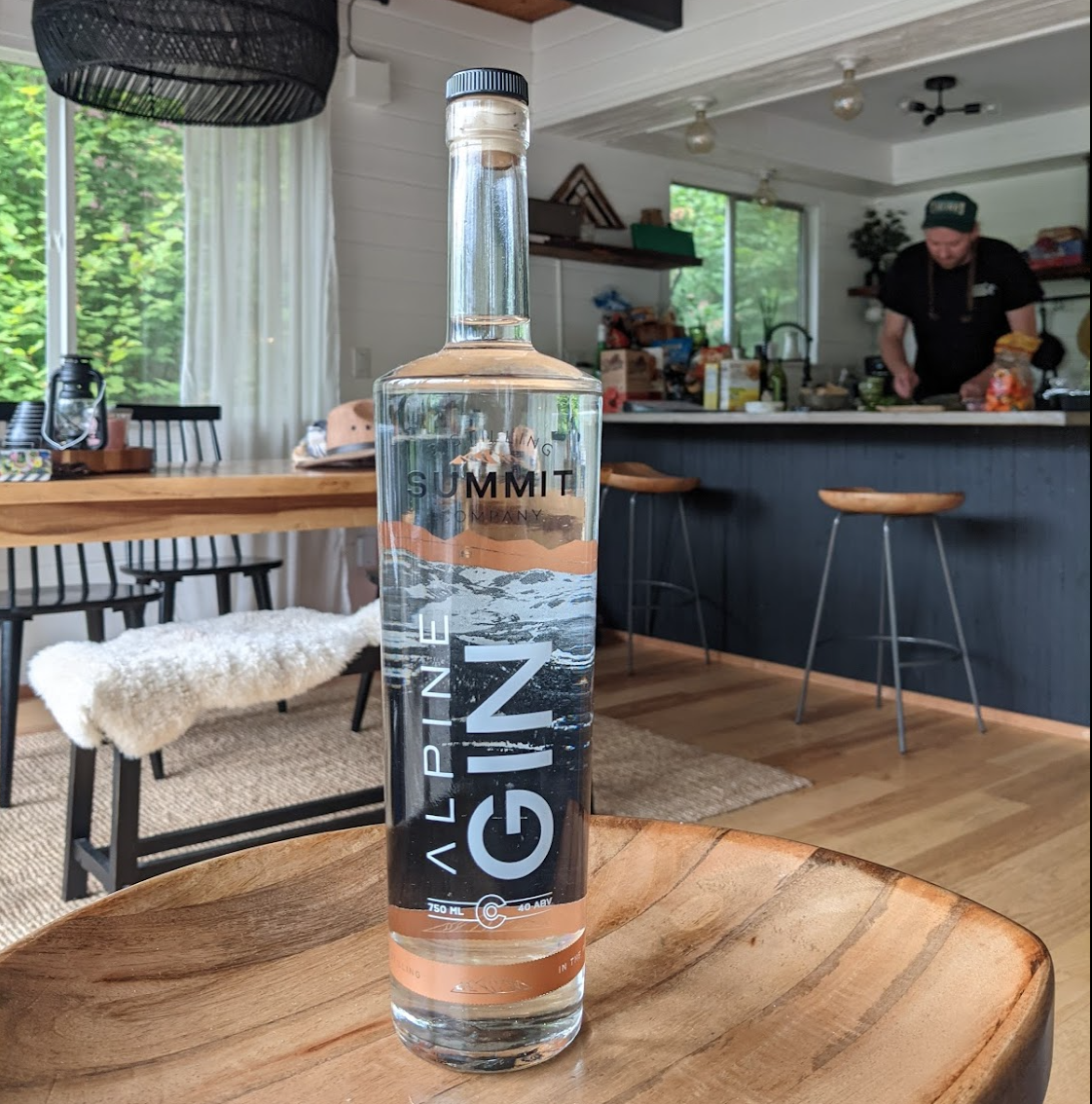
- Wine bottles
- Spirits
- Premium beverage brands
- High-end packaging that needs a tactile or textured feel
While Welded materials are moisture-resistant, they are not waterproof. For extended ice bucket or outdoor use, film materials like BOPP or PET are more reliable.
PET: High-Durability for Extreme Environments
PET (polyester) is the most rugged option when durability is critical. It’s often used for products that face temperature swings, shipping abrasion, or long-term storage.
Why it works:
- Moderate moisture barrier performance
- Highly resistant to tearing, stretching, and chemical exposure
- Maintains shape and print quality even in harsh conditions
- Useful for labels that legally must stay readable, like safety warnings or ingredients
Best for:
- Industrial goods
- Outdoor products
- Chemical packaging
- Long-term storage
- Freezer applications
PET is durable but less flexible than BOPP or MDO, so it can be too rigid for squeezable containers and may need stronger adhesives to properly adhere to textured surfaces.
MDO: Best for Curves, Tubes, and Squeezable Containers
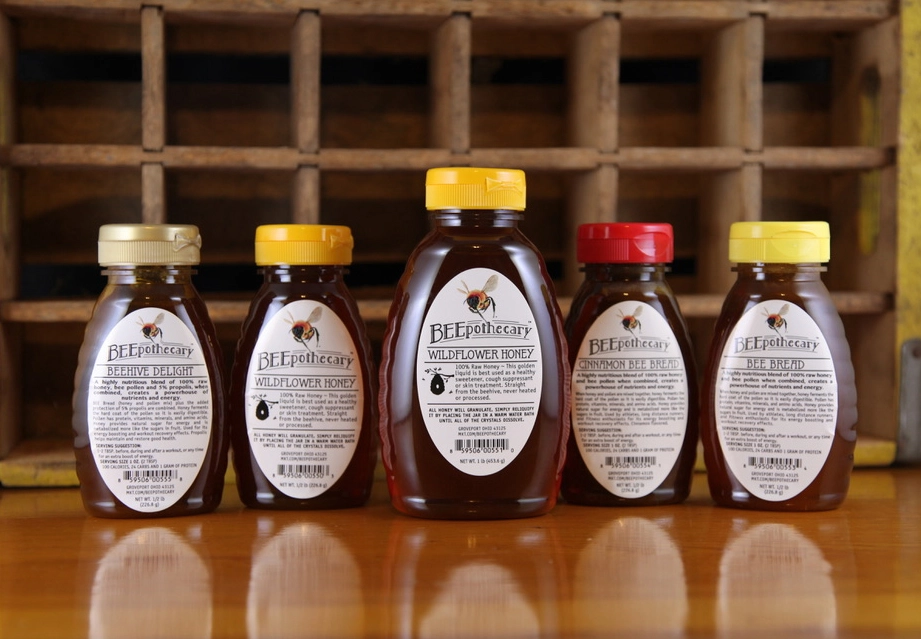
MDO is useful when flexibility matters more than maximum durability. It adheres well to complex shapes but needs protection when exposed to moisture or abrasion.
Why it works:
- Conforms to curves, squeezable packaging, and unusual shapes
- Moisture-resistant but benefits significantly from lamination
- Works well when paired with specialty adhesives for textured surfaces
Best for:
- Tubes
- Custom-shaped packaging
- Flexible containers
- Squeezable containers
MDO is flexible and great for unique shapes, but it can scratch more easily without a laminate and isn’t the best choice for prolonged water exposure unless protected.
Coated Paper: Fine Indoors, But Not Built for Moisture
Coated paper labels are common in dry, indoor environments, but they struggle once moisture enters the picture.
Why it fails in humid environments:
- Absorbs water, causing swelling, curling, and peeling
- Adhesives break down faster due to paper fiber structure
- Print can smudge or fade unless laminated
Best only for:
- Dry indoor use
- Short-term packaging
- Products that won’t encounter moisture
Quick Comparison: Label Materials in Humid Environments
| Material | Moisture Resistance | Flexibility | Cost | Best Use Case |
| BOPP | High | Moderate | Low | Most consumer goods |
| Welded | Moderate | Moderate | High | Premium beverages |
| PET | Very High | Low | Medium | Industrial / outdoor use |
| MDO | Moderate | Very High | Medium | Tubes / curved surfaces |
| Coated Paper | Low | Moderate | High | Dry indoor use only |
How to Decide Which Label Material to Use in Humid Environments
- For condensation or refrigerated storage: BOPP or Welded
- For ice buckets or wet retail displays: BOPP or PET (
- For squeezable or curved packaging: MDO
- For extended outdoor, chemical, or industrial environments: PET
Labels and Humidity
Humidity impacts more than the label surface. It affects adhesive performance, container compatibility, and long-term durability.
Need help matching material, adhesive, and finish for your specific packaging? Request a sample pack or contact us and we’ll help you find what works best for your environment and container.