Printed Cans 101: What to Know Before Ordering
- Cans
- materials
- Printed
Printed cans are a great option for beverage brands that want shelf impact, consistency, and operational simplicity. But keep in mind the process is not the same as ordering pressure‑sensitive labels or shrink sleeves. The brands that have the smoothest first run are the ones that plan ahead for printed cans beyond just design decisions.
This guide is for beverage brands moving to digitally printed cans who want to make sure their orders go exactly as planned. We’ll walk through what matters before you place an order, including artwork, finishes, logistics, and other details that help prevent surprises.
1. Preparing Artwork for Printed Cans
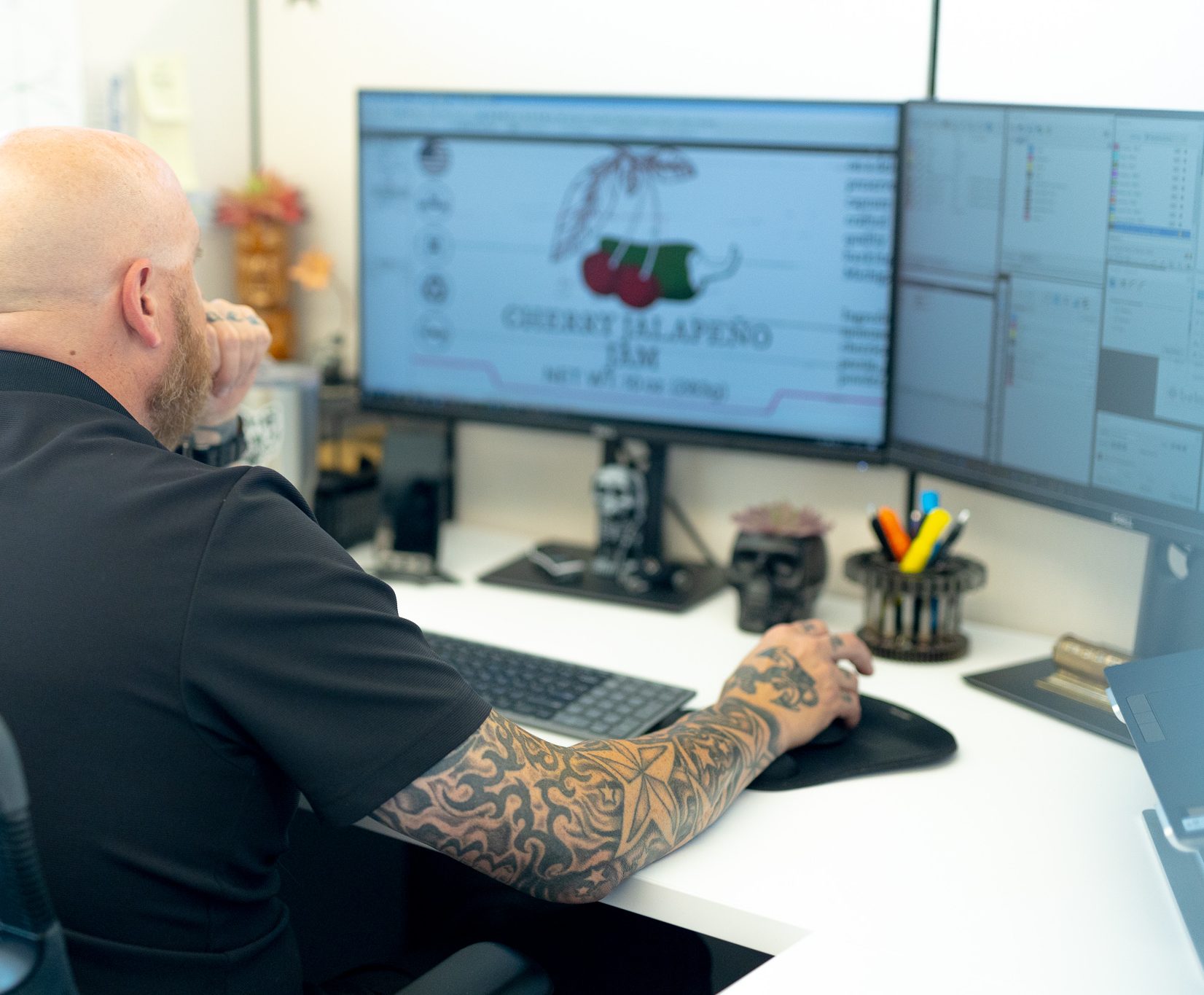
With printed cans, you can get great consistency and durability, but only if artwork is prepared properly.
What to confirm before submitting files
- High‑resolution artwork is non‑negotiable. Low‑res images that might pass on a label will show immediately on a printed can.
- Understand resolution differences. Digitally printed cans don’t reproduce ultra‑fine detail quite the same way pressure‑sensitive labels do. Very small text, thin lines, and subtle textures need extra attention so they stay crisp once printed on aluminum.
- CMYK only. RGB files introduce color shifts that can be amplified on aluminum.
- Bleed and seam awareness matter. Your design must account for the can seam and safe zones so critical elements aren’t distorted or hidden.
- Metallic interaction is real. Even with a white base, aluminum subtly influences color density and contrast.
If you’re used to prepping artwork for labels, expect more scrutiny at this stage.
Prototyping Printed Cans
A physical proof or prototype can be helpful in letting you validate:
- Color accuracy
- Text legibility at real size
- How gradients, fine lines, and solids behave on a curved surface
- How embellishments or decoration appears (we’ll touch on this later)
This is where most issues are caught, and where the smartest brands pay special attention.
2. Finishing and Embellishment
Digitally printed cans can look incredible, but embellishments work differently than they do on labels.
What’s typically available, and what to confirm
Based on real‑world digital can production capabilities:
- Gloss or matte overall finishes are the most common and reliable options.
- Selective effects are limited. Digitally printed cans allow for different areas to be different finishes, allowing spot varnished matte or gloss areas. It is also possible to create an embossing effect by printing a higher concentration of varnish. But, digital printing directly on aluminum doesn’t offer the same variety of finishes and textures possible with pressure sensitive labels or shrink sleeves.
- Design contrast does the heavy lifting. Texture and premium feel often come from smart color use, negative space, and finish selection.
If your brand relies heavily on tactile embellishments from labels, this will be a shift. Printed cans trade the wide embellishment options offered by labels for consistency and a label-less look.
3. Logistics & Planning
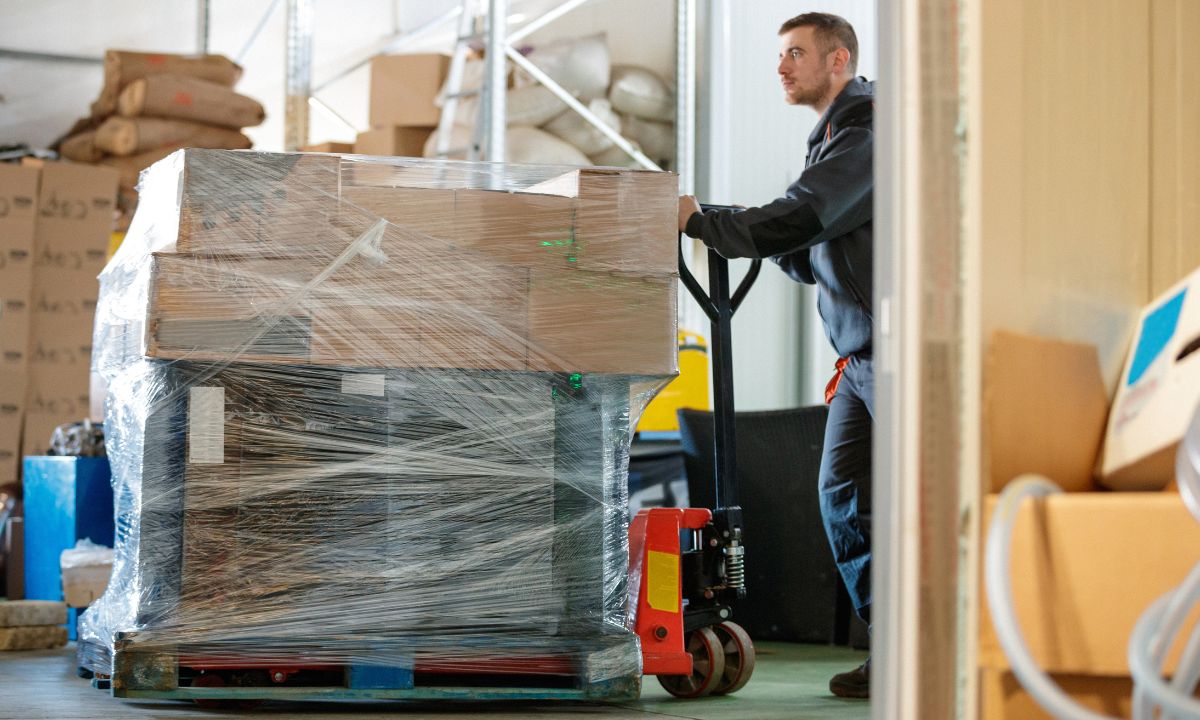
Digitally printed cans force you to change how you think about inventory, storage, and shipping.
Minimums and order sizing
While digitally printed cans allow lower minimums than traditional offset printing, they are still a manufactured container, not a roll of labels.
Key considerations:
- Order quantities should align with realistic fill schedules.
- Small test runs are possible, but extremely small shipments can increase per‑unit logistics costs.
- Partial pallets or mixed shipments require extra planning.
Shipping methods matter
| Shipping Method | Best For | Approx. Can Quantities |
| Full truckload (FTL) | Large runs | ~200,000+ cans (varies by format) |
| Less-than-truckload (LTL) | Mid-size runs | ~5,000–200,000 cans |
| Parcel / small pack | Samples, pilots | Dozens to a few hundred cans |
Cans are durable, but printed cans still need proper handling. Our recommendation is to match your order size to the right shipping method early (we can help with this), use full pallets whenever possible, and confirm packaging and handling requirements so cans arrive fill-ready and on schedule.
Storage and Delivery Timing
Some brands ship printed cans directly to their filler (which may be onsite or elsewhere). Others choose to store cans and schedule deliveries over time based on their fill plan. The right choice depends on:
- Fill cadence: If you fill weekly or bi‑weekly, storing inventory and receiving cans in smaller deliveries might make sense. If you fill monthly or in large runs, direct‑to‑filler shipments are usually simpler and more cost‑effective.
- Warehouse space: Limited space favors just‑in‑time deliveries or scheduled deliveries. If you have room to store full pallets safely, receiving larger shipments can reduce freight complexity.
- Cash flow: Smaller, scheduled orders spread cost over time but may increase per‑unit logistics costs. Larger orders require more upfront spend but are typically more efficient on a per‑can basis.
4. Testing Printed Cans
Testing matters with any packaging, but there are a few extra considerations with digitally printed cans, especially if you’re used to working with labels or shrink sleeves.
Beverage compatibility testing
Your beverage still needs to be compatible with aluminum and internal can linings under real conditions. That makes it important to confirm the following areas of performance:
- Liner testing for ‘hard to hold’ beverages: If the cans contents have a high level of alcohol, low pH level, or cannabinoids (or other active ingredients), the beverage might need to be tested to ensure the liner won’t erode and damage the integrity of the can.
- Pasteurization or tunnel exposure, if applicable: Beverages that run through tunnel pasteurization or high‑heat rinsing should be tested to ensure the printed graphics maintain appearance and durability under those conditions.
If you’re coming from labels or sleeves, this may take more consideration because any issues impact the can itself, not just an applied label.
Fill-line considerations
We do durability testing as part of the printed can process, but it’s still important to know what to watch for once those cans hit your fill line. Digitally printed cans behave a little differently than labeled or sleeved cans, and being aware of that up front helps avoid surprises.
When you begin running printed cans, pay close attention to:
- Abrasion and scuffing: Printed graphics are exposed during conveying, rinsing, and packing. Points of friction that may have been masked by a label or sleeve can show up more clearly on a printed surface.
- Seam and handling performance: Because the graphics are printed directly on the can, any handling or seam-related issues affect the finished container itself, not a removable component.
The goal isn’t to slow down production, but to know where printed cans may behave differently so adjustments can be made early, before small issues become larger ones in distribution.
5. How Production Differs from Labels and Shrink Sleeves
If you’re coming from pressure‑sensitive labels or shrink sleeves, digitally printed cans introduce a few differences and planning considerations.
- Artwork is locked in earlier. With labels or sleeves, artwork can sometimes be adjusted later in the process or corrected with a reprint. With printed cans, artwork approval is a point of no return. This makes seam placement, resolution, and color proofing more important up front.
- Resolution and fine detail require consideration. Ultra‑small text, thin line work, and subtle textures that reproduce well on labels may soften slightly on printed cans. Designs often benefit from slightly heavier type, stronger contrast, and simpler detail.
- Lead times shift. Printed cans are produced as finished containers, not decorated after the fact. That means lead times should be planned more like packaging procurement than label reorders.
- Inventory planning becomes more deliberate. Instead of ordering labels as needed, you’re planning can quantities that align with fill schedules, storage capacity, and cash flow. Over‑ or under‑ordering has bigger downstream implications.
Printed Cans Done Right
When artwork, production, logistics, and testing are all working together, printed cans make life easier and give your product a seamless look. But when things are rushed, especially with printed cans, issues tend to show up fast.
At Blue Label, we work with beverage brands every day to make sure their printed cans launch smoothly, not just visually, but operationally. Whether you’re planning your first run or switching from another printed can provider, we’re happy to help. You can always reach out to our team or take a look at our Printed Cans page to learn more and see if it’s a good fit.