Digital vs. Offset Printed Cans: How to Choose
- Cans
- Printed Cans
⚞ The Highlights:
- Offset printed cans are usually sold by the full truckload per design and they cost the least per can at that scale.
- Digitally printed cans start at a few pallet layers per order, arrive in weeks instead of months, and let you change art between orders.
- Lots of flavors, seasonal releases, or artwork that’s still evolving usually points to digital.
- One or two high-volume flagships with artwork that rarely changes can save money on offset. Plenty of brands use both digital and offset.
Digital and offset printed cans may look the same, but they differ in what you have to commit to up front, in cans, costs, storage space, and waiting time.
For most brands the choice comes down to how many designs you run, how many cans of each you go through, and how often your artwork changes. We print cans digitally at Blue Label, but we’ll still lay out when offset is the better fit.
What’s the Difference Between Digital and Offset Printed Cans?
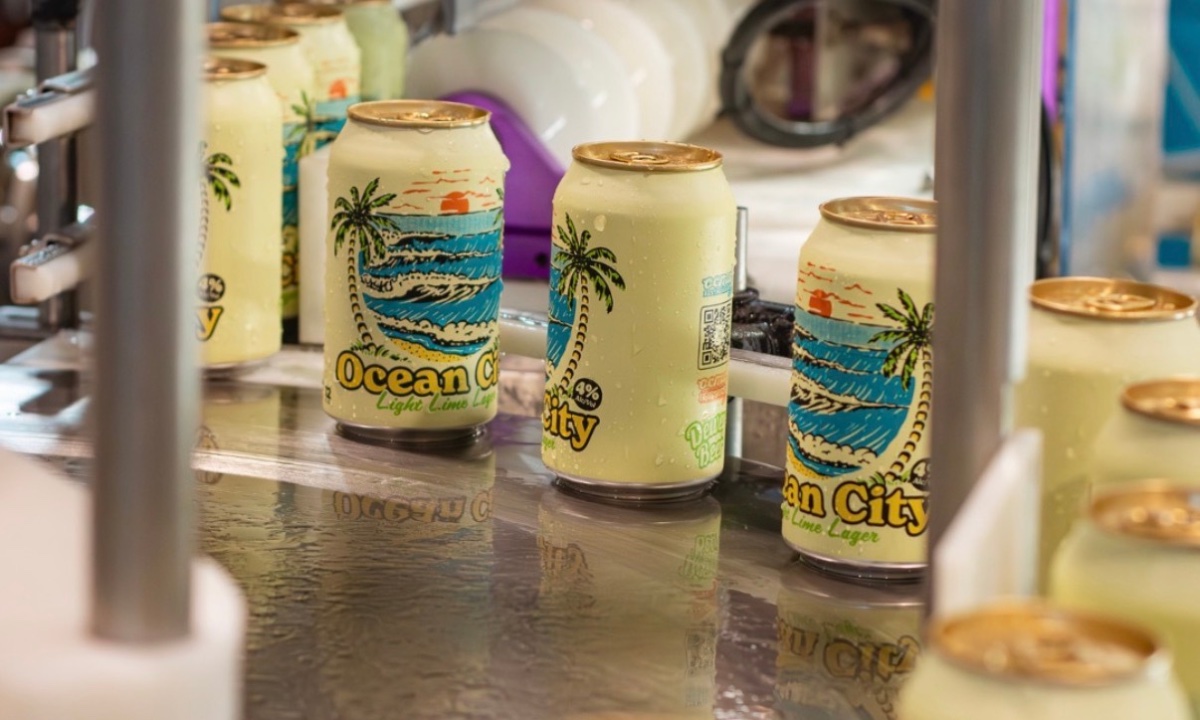
Offset printed cans are printed on high-speed lines that churn out thousands of cans a minute. Each design needs its own printing plates, and that setup only pays off across a very large run, usually a full truckload of a single design (roughly 200,000 cans).
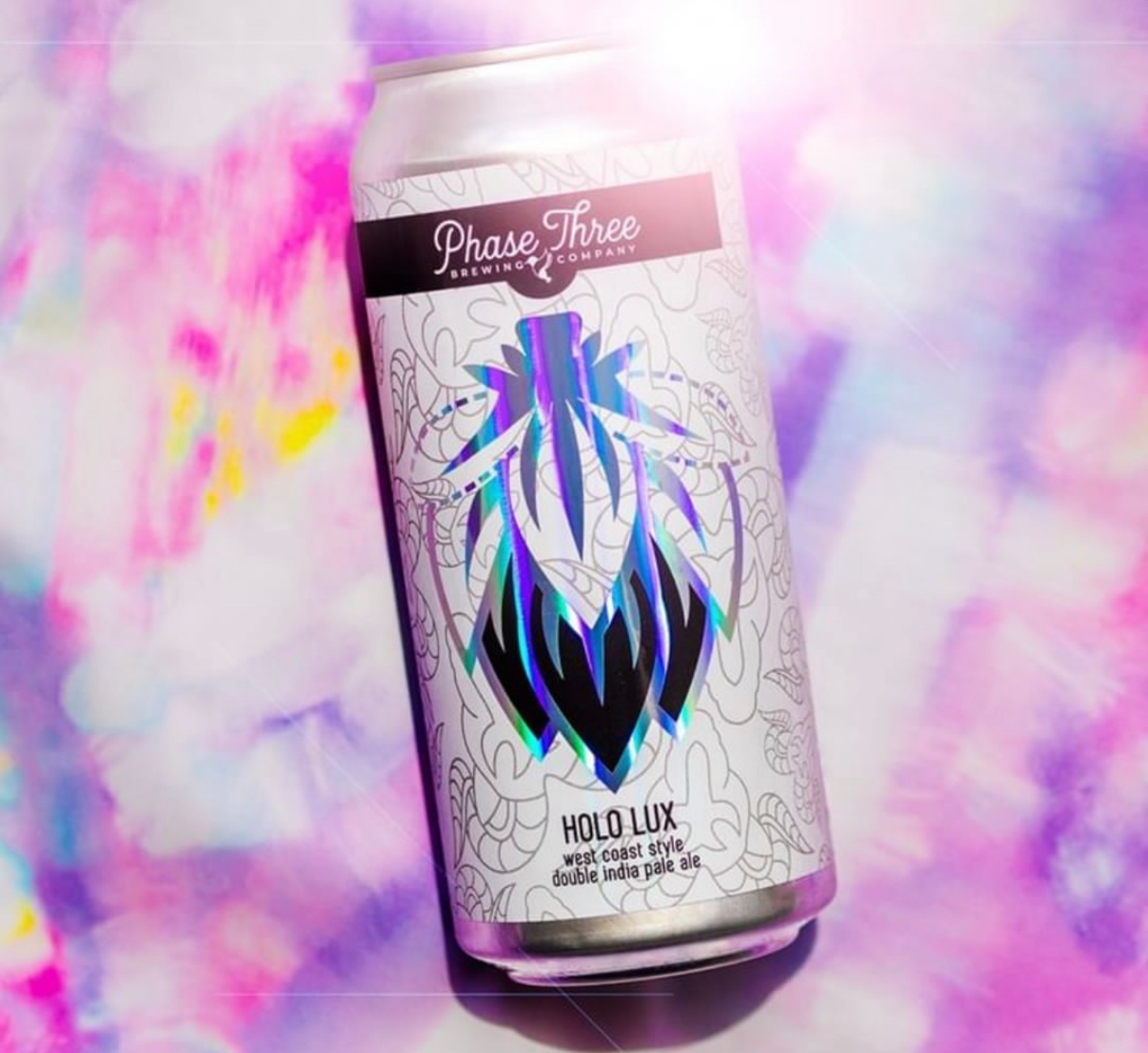
Digitally printed cans are printed straight from your art file onto finished cans. Because no custom tooling has to be made for each design before printing starts, small orders and design changes are more practical.
Here’s how to compare the two options on minimums, cost, timing, design changes, and look:
| Digital printed cans | Offset printed cans | |
|---|---|---|
| Typical minimum | A few pallet layers per order (1,556 to 2,024 cans at Blue Label, depending on can size) | About a full truckload per design (204,225 cans for a 12 oz standard can) |
| Cost per can | Higher per can, much smaller spend per order | Lowest per can, but you buy a truckload at a time |
| Lead time | About three weeks from proof approval at Blue Label | Typically six to eight weeks, longer in summer |
| Changing your design | Change it on your next order | Wait until the truckload is used up |
| Many flavors or SKUs | Order a couple thousand cans of each flavor | Every flavor needs its own truckload, so four flavors means four truckloads |
| Several designs on one pallet | Yes | Each design ships by the truckload |
| Look | Full-color photos and blends, with no limit on how many colors a design uses | Built from a set number of premixed inks, usually six, so every can matches exactly but photos and complex blends are harder |
If you’re also weighing labels or shrink sleeves, our printed cans comparison guide covers those side by side.
Do Digitally Printed Cans Look Different From Offset Cans?
They can, mostly in the kind of artwork each one handles best.
Offset designs are built from a small set of solid colors, while digital printing can reproduce photographic images. So bold, flat artwork suits offset well and stays consistent across huge runs. Photos, smooth color fades, and detailed illustrations are a more natural fit for digital.
Our digital press covers over 95% of the Pantone color library, so most brand colors can be matched very closely. You can also leave parts of your design unprinted so the bare aluminum shows through and gives those areas a metallic look.
Finish options on our digitally printed cans include:
- Matte, a soft look without shine
- Gloss, a shiny, reflective look
- Spot gloss and matte, a combination of gloss and matte where only part of the design (a logo, for example) is glossy or matte and the rest of the design is the other.
- High build (raised texture), which gives parts of the design an embossed feel you notice when you pick up the can
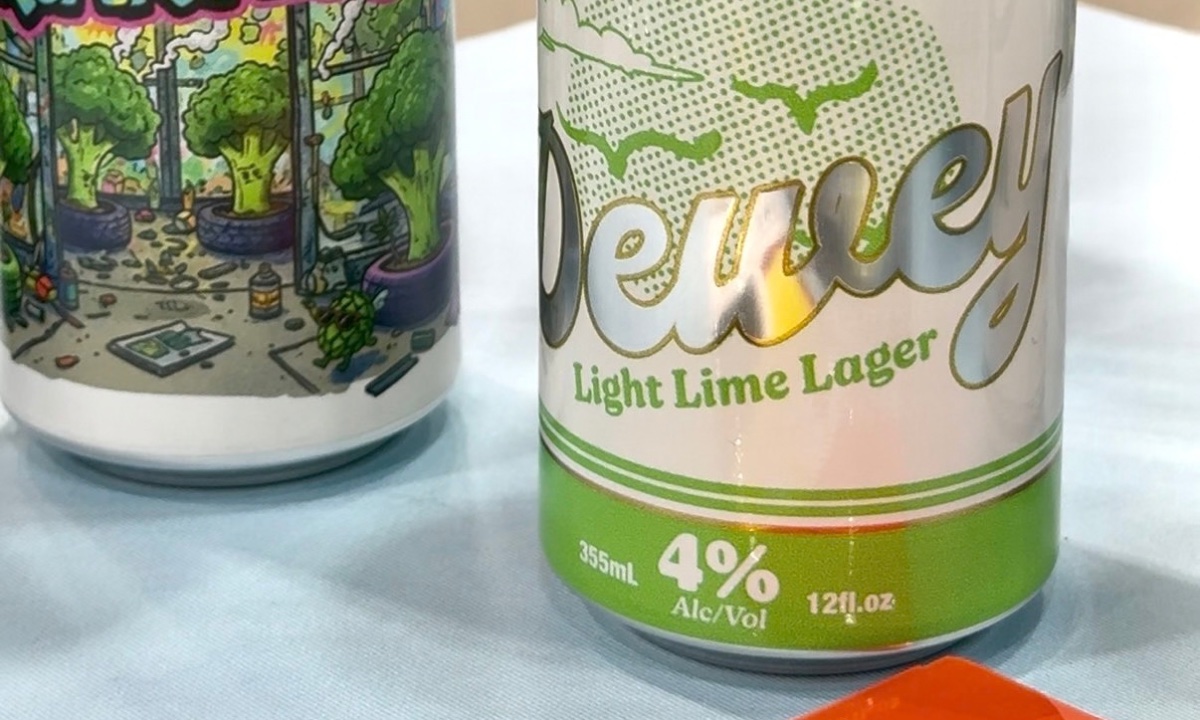
Good to know: the tapered neck at the top of a can prints a little softer than the straight body. Keep small text and fine detail below the neck. Our guide to designing for printed cans has more tips like this.
How Minimums, Cost Per Can, and Lead Times Compare for Digital and Offset Cans
Offset cans are typically sold by the truckload. For a 12 oz standard can, that’s 204,225 cans (about 8,500 cases of 24) per design. At that volume, offset gives you the lowest price per can.
Something to consider: a truckload of one design has to be stored until you fill it. Warehousing printed cans adds cost, and you can’t change the artwork on cans you’ve already bought.
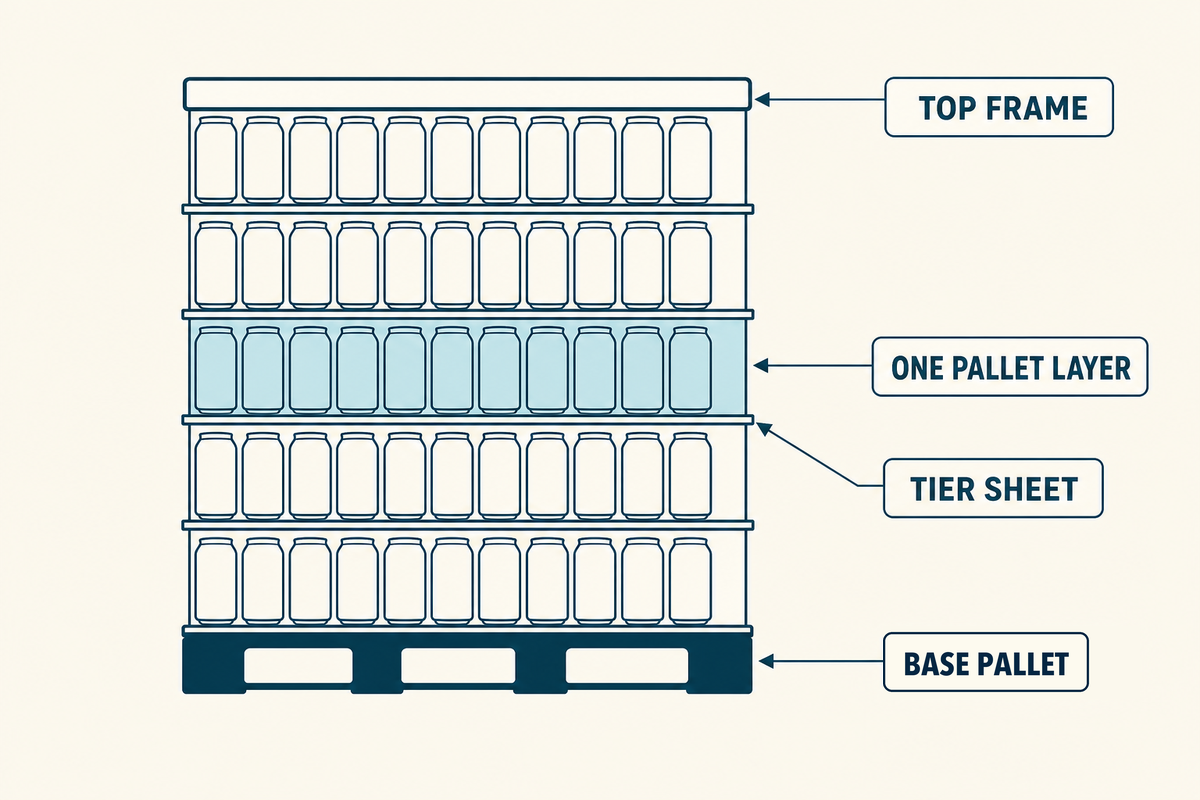
Digital minimums are much smaller. Ours are set by pallet layers (a layer is one flat tier of cans on the pallet, with a sheet between it and the tier above).
| Can size | Cans per layer | Minimum order |
|---|---|---|
| 12 oz standard | 389 | 1,945 cans (5 layers) |
| 12 oz sleek | 506 | 2,024 cans (4 layers) |
| 16 oz standard | 389 | 1,556 cans (4 layers) |
Our standard pricing is built for smaller orders per design. Volume price breaks are available depending on your yearly order volume.
Timing is the other big gap. Offset lead times are typically around six to eight weeks, stretching to as long as 16 weeks during busy summer months, and first orders can take even longer. For our digitally printed cans:
- Pilot can (a sample of your finished can): within 5 business days of approving your digital proof
- Production: within 10 business days of approving your pilot can
What Happens When You Change a Can Design or Add a Flavor?
With offset, your design stays the same until the truckload is gone. A new tagline, an updated nutrition panel, or a rebrand means waiting or writing off cans you’ve already paid for. Every new flavor is its own truckload too, so launching three flavors on offset means buying three truckloads.
With digital, you can update artwork between orders and add a flavor at a few pallet layers. We can also put several designs on one pallet, stacked in the order you want to pull them off. A brewery with four seasonal beers or a soda brand launching three flavors gets one mixed delivery instead of a separate pallet for each flavor.
How to Choose Between Digital and Offset Printed Cans
A few questions about your lineup usually settle the choice:
| Your situation | Leans digital | Leans offset |
|---|---|---|
| Number of designs | Several flavors, seasonals, one-offs | One or two core designs |
| Cans of each design per year | Well under a truckload (<200K cans) | Several truckloads (>200k cans) |
| How often the art changes | A few times a year, or still evolving | Rarely |
| When you need cans | In a few weeks | You can plan months ahead |
| Testing a new product | Want a small run first | Already a proven seller |
| Storage and cash | Limited space, want more liquidity | Warehouse space and budget to spare |
Digital is probably the better fit if:
- You run several flavors or release seasonal and limited beers
- Each design sells under a truckload (~200k cans) a year
- Your artwork is still changing, or you want to test a new product first
- You need cans in weeks, not months
Offset is worth pricing out if:
- One or two designs sell several truckloads a year
- Those designs rarely change
- You have storage space and can plan orders months ahead
- Getting the lowest price per can at a high volume matters most
Still deciding whether printed cans make sense at all? Our post on when your brand is ready for printed cans is a good place to start.
Can You Use Both Digital and Offset Printed Cans?
Plenty of brands run digital and offset cans side by side: offset for a flagship that sells year-round, digital for everything else.
In 2022, Sun King Brewing in Indianapolis told The Brewer Magazine it still tries to print its flagship beers traditionally for the volume savings. Digital printing allowed the brewery to do smaller runs it couldn’t otherwise, and helped cover flagships when traditional lead times ran long.
Digital cans are also a low-risk way to prove a new product before committing to a truckload. Launch on digital and consider moving a design to offset once sales are strong and the art is settled.
Where to Start if Digitally Printed Cans Fit Your Brand
The easiest first step is a pilot can, which is an inexpensive way to see the final version of your can before a full run. Our Printed Cans 101 guide covers what to have ready, and our digitally printed cans page shows sizes and finishes.
Weighing digital against offset for your own lineup? Tell us what you’re looking for and we’ll help you figure out which route makes sense.