Can Paper Labels Be Used in Damp or Wet Environments?
- Damp Environment
- Labels
- materials
- paper labels
- wet environments
If your product is headed for a cooler, fridge, ice bucket, or even just a humid environment, the wrong label material will curl, peel, or smear before your customer even uses the product. If you’re wondering whether paper labels can hold up in those environments, yes, they can, but not just any paper.
Here’s how to evaluate your options, when paper makes sense, and when you’ll need to consider something tougher.
Standard Paper Labels: Where They Fall Short
Let’s get this out of the way first: standard uncoated paper labels aren’t built for moisture. They’ look great on dry shelves, but in damp or wet conditions, they’re at risk for:
- Curling and peeling from moisture weakening the adhesive
- Smudging or bleeding if ink isn’t properly protected
- Layers separating or peeling apart when moisture soaks in
- Edge lifting as water creeps in through the sides, causing bubbling or distortion
You’ll typically see these used on products with little to no moisture exposure. Think pantry items, dry goods, or short-term promotional products where longevity isn’t critical.
Not recommended for: refrigerated beverages, bathroom products, outdoor retail displays, or any humid or wet environment.
Wet-Strength Paper Labels: Paper That Can Take a Hit
Wet-strength paper is engineered with additives that help the paper fibers hold together when wet. This isn’t your average paper. It’s designed to maintain its structure during short-term moisture exposure.
Wet-strength means water-resistant, not waterproof. These labels can handle dampness but not extended soaking.
Pros:
- Retains shape and legibility when damp
- Offers the look and feel of traditional paper
- Compatible with a wide range of adhesives, especially those rated for cool or humid conditions
Cons:
- Still vulnerable to long-term moisture exposure
- May need laminates or varnishes for added durability
Best for:
- Products that will be refrigerated but not soaked
- Wine bottles stored in ice buckets for short durations
- Personal care items used in humid bathrooms
Finish options:
- Laminates or varnishes for added moisture resistance and durability
- Tactile or textured papers for premium looks
When to choose it: Use wet-strength paper if your product only faces occasional condensation and you want a classic paper look
Welded Materials: A Step Above in Moisture-Resistant Paper
Welded materials are wet-strength label stocks designed to withstand chilled and damp conditions. Developed primarily for wine and spirits, this paper includes wet-strength additives and a multi-layer construction that resists condensation.
It’s often paired with a cold-temp adhesive designed to perform under moisture and condensation. We can help you choose the right adhesive based on your product’s storage temperature and surface.
What makes it different:
- Handles ice bucket conditions for extended periods (several hours)
- Retains a premium paper texture
- Built with moisture resistance throughout, not just as a coating
Ideal for:
- Wine, spirits, and beer bottles that will sweat or chill
- Specialty foods in glass jars or bottles
- Products that need a premium aesthetic
If your product lives in a fridge and faces occasional splashes, wet-strength paper will likely do the job. If it’s going to spend serious time in an ice bucket or chilled water, Welded materials are your safer bet.
Note: Even with its durability, welded materials aren’t ideal for wet shipping environments or heavy scuffing. For those, synthetic labels are the next step.
When to choose it: If appearance matters as much as performance, like with premium beverage or food packaging, EverOpaque delivers both visual appeal and moisture defense.
Synthetic Labels: When You Need Waterproof, Not Just Water-Resistant
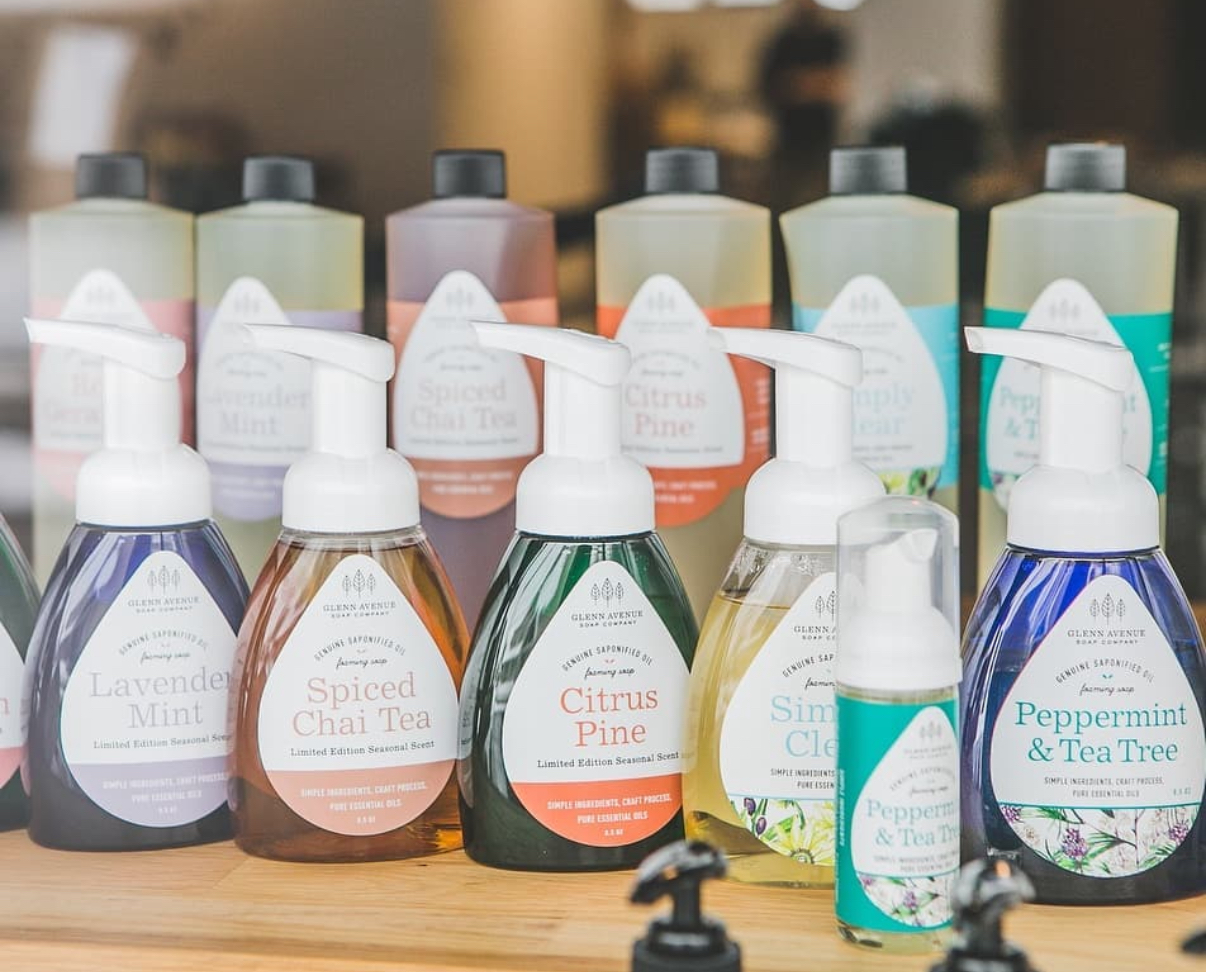
If your product is likely to get soaked, handled aggressively, or exposed to chemicals or abrasion, it’s time to step up to synthetic labels like polypropylene (including BOPP, a durable plastic film), polyester, or vinyl.
These plastics can handle water, abrasion, and handling without falling apart.
Pros:
- Fully waterproof
- Won’t swell, peel, or separate
- Excellent long-term durability in rough conditions
- Compatible with adhesives that perform on cold or damp surfaces
- Can mimic the look of matte or paper finishes
Cons:
- Potentially higher cost than paper
- Less tactile than real paper
- Recyclability varies by material and facility
Best for:
- Juice bottles, kombucha, or anything stored in ice or water for multiple hours
- Bath and body products in consistently wet environments
- Outdoor or industrial applications
When to choose it: If your label will be fully submerged, constantly exposed to condensation, or shipped through wet environments, synthetics guarantee performance where paper can’t.
Comparison at a Glance
Use this chart as a quick decision guide when comparing moisture exposure, aesthetics, and cost.
| Material | Moisture Resistance | Best For | Looks Like Paper? | Cost |
| Standard Paper | Low | Dry shelves only | Yes | $$ |
| Wet-Strength Paper | Medium | Refrigerated or damp settings | Yes | $$ |
| Welded Materials | Medium-High | Ice buckets, chillers | Yes (premium) | $$$ |
| Synthetic Film | High | Soaked or rough conditions | Can mimic paper | $ |
Best Material by Application
- Glass bottles stored in chillers: Welded materials. Stays readable even after hours in an ice bucket.
- Cost-effective beer bottle label: Wet-strength paper with varnish. Handles condensation and splashes.
- Cosmetics or personal care in bathrooms: Polypropylene. Resistant to humidity and water.
- Premium wine label that won’t curl: Felt stock with a film welded to create a moisture barrier. Combines aesthetics and durability.
- Water bottles or items in ice tubs: Synthetic film. Zero risk of peeling or distortion.
So, Can Paper Labels Be Used in Damp or Wet Environments?
Paper labels can survive damp and wet environments, but only if you’re using the right kind of paper. Wet-strength and Welded materials are reliable for moderate moisture, while synthetic labels like BOPP remain the gold standard for full waterproof performance.
Need help deciding? Request a sample pack and test materials in your own environment to see how they perform. Or contact us and we’ll help you pick the perfect materials for your product.