White Vinyl: An Ideal Option for Outdoor and Water-Resistant Product Labels
- materials
- water resistant
If you’ve been searching for durable label materials, you might have come across white vinyl as one of the top options. It’s a type of vinyl used for product labeling in commercial and industrial applications, including food and beverages, outdoor, health and beauty, home, and industrial products.
White vinyl is a good material choice for many reasons. It’s water-resistant, flexible, and thicker than other label options—all thanks to its powerful polyvinyl chloride (PVC) resin composition. This makes white vinyl an ideal material for both indoor and outdoor products.
Should you use white vinyl labels for your product label? Let’s take a look at some of the considerations, benefits, and uses of white vinyl, along with some of its limitations.
What Is White Vinyl?
White vinyl is best known for its water resistance and protection from UV light and has a smooth, glossy finish. If you’re looking for a label that maintains its integrity and appearance even in the face of tough environments, white vinyl may be a good choice.
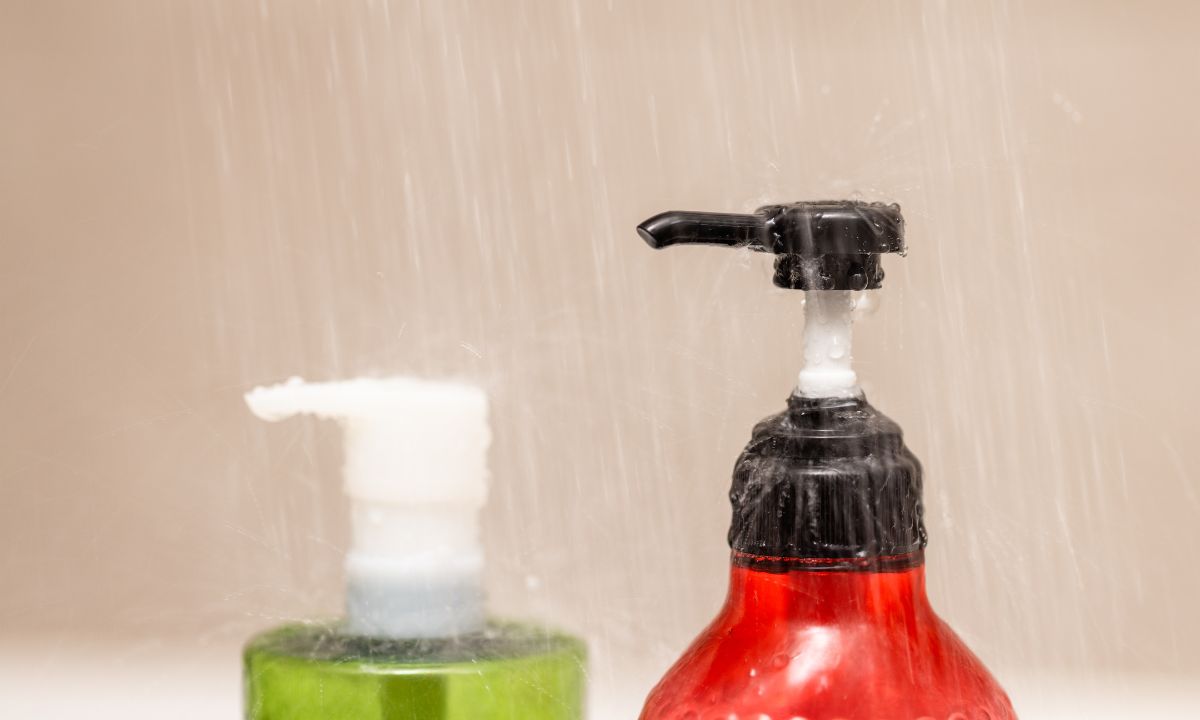
Water Resistance and Performance of White Vinyl Labels in Humid or Wet Environments
If your product will encounter moisture or humidity, white vinyl might be a good choice of material. As we’ve mentioned, it’s known for its exceptional water resistance. While white vinyl will maintain its integrity when exposed to moisture, other materials like paper labels can deteriorate or peel when wet.
While a product with a peeling or deteriorating label isn’t a good look, beyond that it’s important for labels to stick to maintain important product safety, compliance, and even ingredient information.
Some of the industries that commonly use white vinyl for their product labels include:
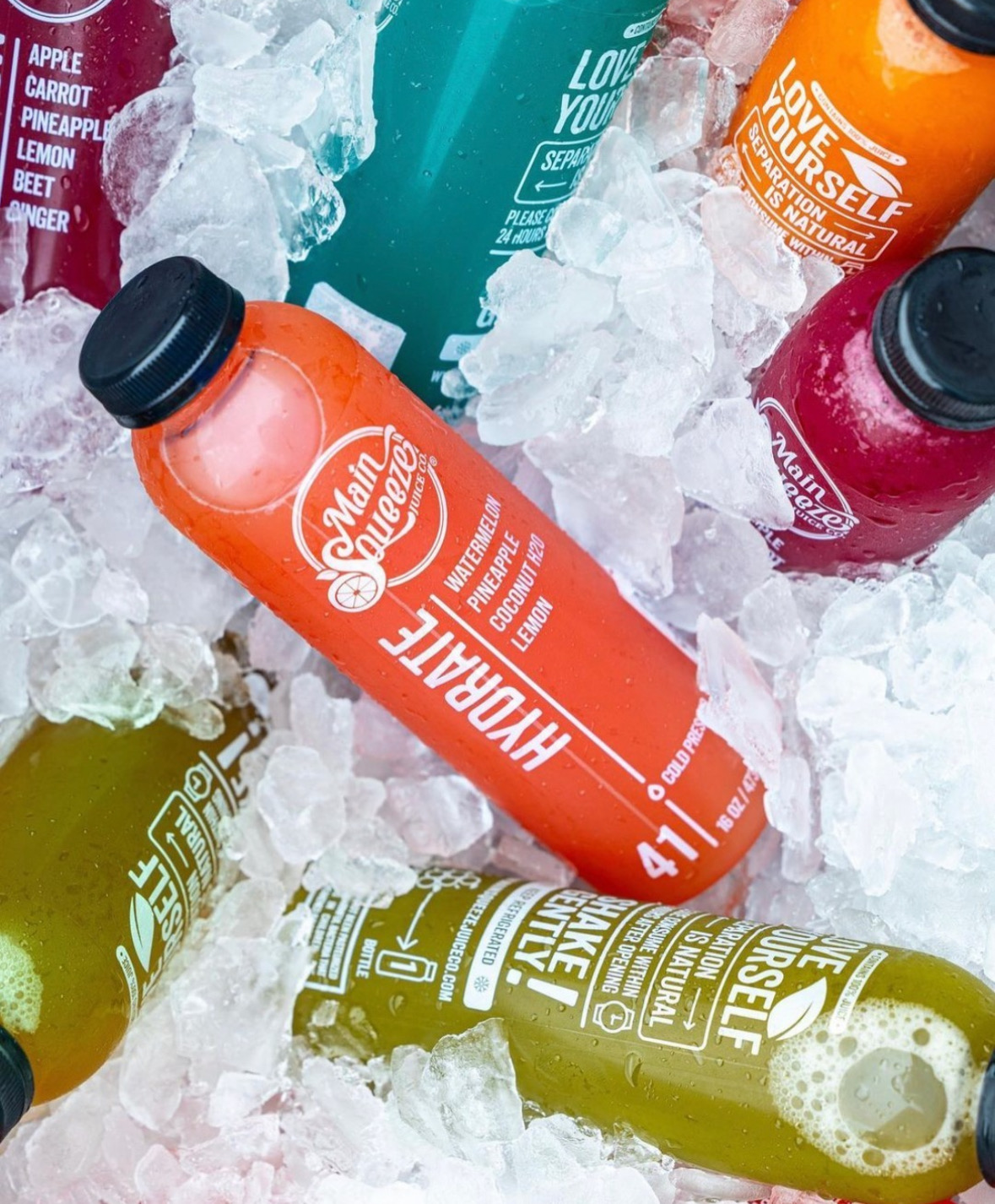
- Beverages: Labels for beer, water, juice, and other drinks are commonly exposed to ice, moisture, and spills from the liquid inside.
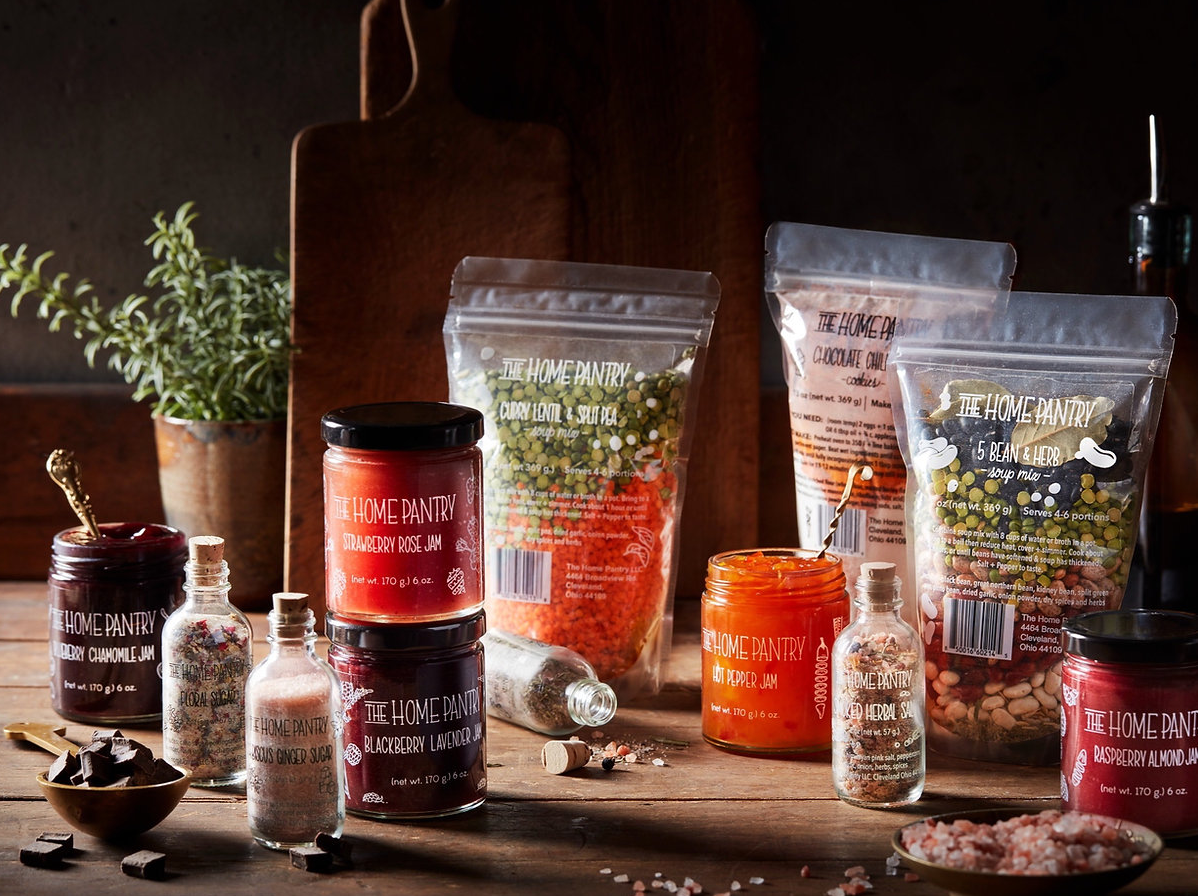
- Food: Labels for jars, cans, and other containers that need to be refrigerated, frozen, or may be exposed to spills from contents.
- Cosmetic Products: Labels for lotions, shampoos, and other bathroom essentials that live in humid bathroom environments or are susceptible to oils from the product inside.
- Cleaning Supplies: Labels for detergents, sprays, and other household cleaners need to withstand moisture and mist from the products inside.
Durability and Suitability of White Vinyl for Outdoor Use
While other materials may be more likely to fade, crack, or peel under harsh weather conditions, white vinyl is more likely to maintain its appearance and adhesion to its container.
Outdoor products that commonly use white vinyl for their product labels include:
- Lawn and Garden: Whether its lawn tools or fertilizers, durable vinyl labels withstand outdoor storage conditions.
- Sports Equipment: Labels for outdoor gear like bicycles, surfboards, and kayaks need the durability of a material like vinyl.
- Outdoor Furniture: Labels for chairs, tables, and umbrellas need to endure sun and rain on patios and decks.
Adhesive Performance of White Vinyl on Different Surfaces
In addition to their durability, white vinyl is also known for having strong adhesive properties, making it a suitable label choice for a wide range of container and product surfaces.
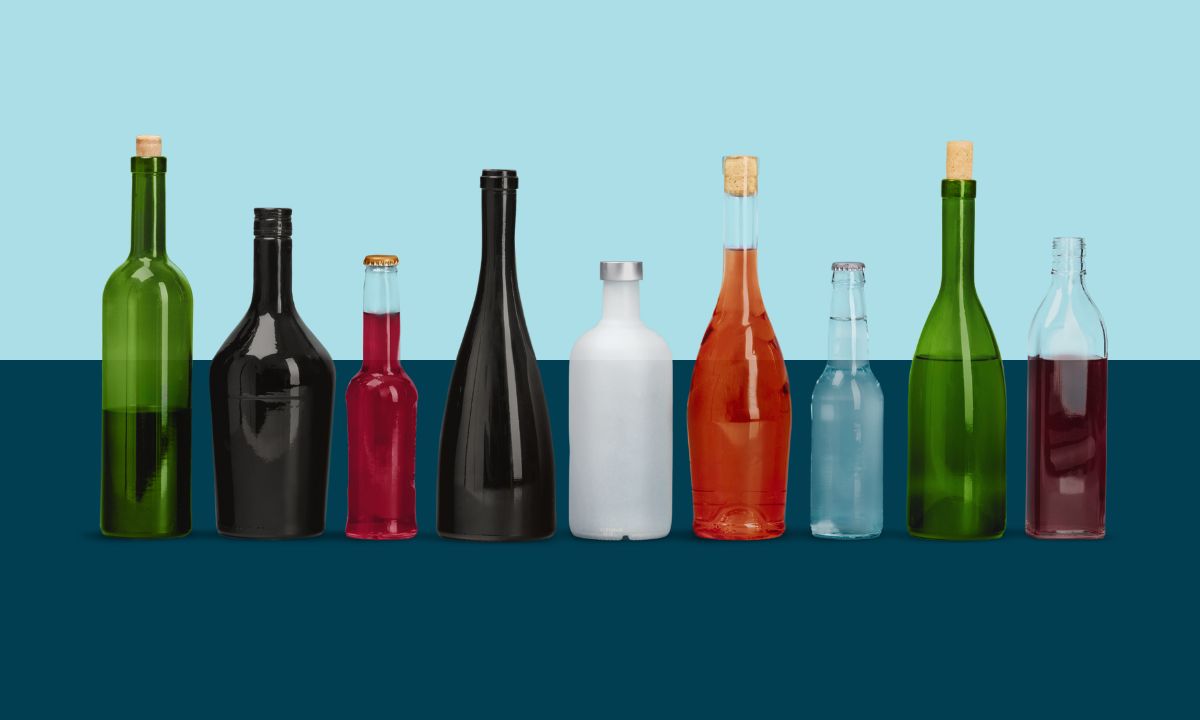
Here are some of the many suitable surfaces that white vinyl works with:
- Plastic: For bottles, containers, and even products made from plastic, white vinyl will adhere well.
- Glass: Bottles, cleaning supplies, and even windows, white vinyl works on transparent and translucent products or containers.
- Metal: From outdoor machinery to tools, white vinyl adheres well especially on smooth and clean surfaces.
- Wood: Home goods, furniture, and even tools, white vinyl has good adhesion on smooth, treated wood surfaces.
While white vinyl is versatile in many ways, it does have its limitations. The material won’t perform well on rough, textured, oily, or greasy surfaces. It may also degrade under extreme heat.
Permanent vs. Removable Adhesives
White vinyl will work with both permanent and removable adhesives as long as the surface has been prepared appropriately. Not sure which adhesive is right for your application? Consider this:
- Permanent: Best for long-lasting applications that need to stay in place for a product’s lifetime. These will be difficult to remove without leaving residue.
- Removable: Better suited for temporary labels that will come off clean without damaging the surface of leaving residue.
Printing Quality and Capabilities of White Vinyl Labels
You might be thinking “since white vinyl is so versatile in its durability, there must be limitations in print quality…” In fact, white vinyl labels happen to be known for their high print quality as well.
The smooth and glossy surface of white vinyl helps to enhance the vibrancy of label designs. This surface actually makes the material an excellent choice for high-res graphics, detailed text, and vivid colors.
Available Shapes and Sizes of White Vinyl Labels
White vinyl labels are available in different sizes and shapes to suit labeling needs in different environments. Depending on your intended use, you can get white vinyl labels in shapes like:
- Oval
- Square
- Rectangle
- Circle
White vinyl labels can also be die-cut to virtually any shape or size to accommodate customized designs and specialty container shapes.
Safety and Compliance Considerations of White Vinyl Labels
With any label or packaging material, it’s important to be aware of each industry’s compliance and regulatory requirements. Industries like food and beverage and health and beauty tend to have more regulatory standards that should be considered.
Compliance With Food Regulations
When white vinyl is used for food products, make sure that it’s made from materials that are FDA-approved for food contact.
If the label will have direct contact with food, it must meet specific safety standards to avoid contamination. This would include labels of fresh produce, meat packaging, or any item where the label directly touches the food.
If the label will have indirect contact (i.e. labels on the exterior of food packaging), it must still meet FDA regulations to ensure it doesn’t leach harmful substances into the food product.
Compliance With Health and Beauty
Once again, these labels must comply with FDA regulations. That means the labels must be free from harmful chemicals that could affect the product or, ultimately, the consumer.
Ready for More Information?
As you’ve seen, white vinyl is a workhorse material that’s not only durable, but can provide excellent print quality for a variety of product applications. Whether you have a product that will be exposed to moisture and humidity, or a product that will be exposed to the elements outside, white vinyl can help ensure your label remains intact and legible over time.
Ready to discover if white vinyl is right for your labeling project? Learn more about the materials that Blue Label offers, or contact us to talk to our experts about the perfect material for your products.