Which Foods Are Not Required to Have a Nutrition Label?
- compliance
- food labels
- nutrition labels
If you’re researching label requirements for food products, you’re in the right place. Most packaged foods sold in the U.S. require a Nutrition Facts panel, but not all. Below, we break down the key exemptions so you can determine whether your product qualifies and what to consider during the packaging process.
Most Foods Require a Nutrition Label
FDA regulations state that almost all packaged foods intended for human consumption and sold at retail must include a Nutrition Facts label. You can see a visual example from the FDA here.
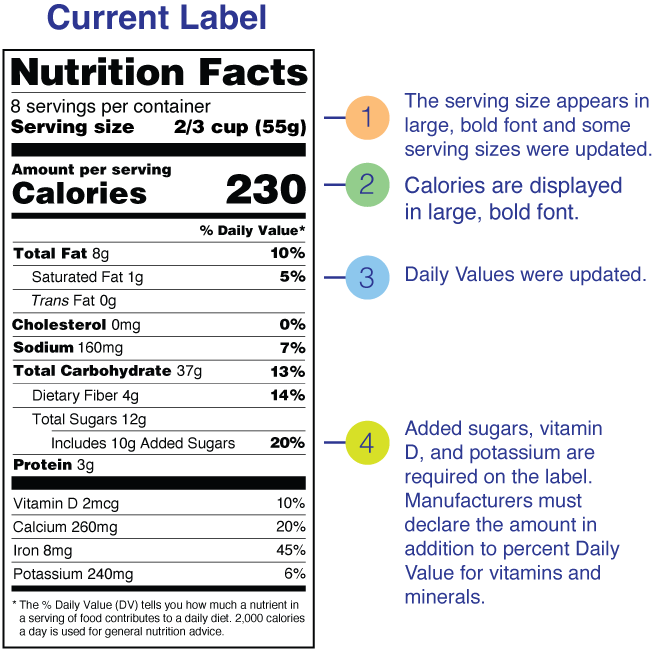
Source: FDA.gov
This panel must follow a standardized format, including calories, fat, sodium, carbohydrates, protein, and other required nutrients per serving.
But there are a few exceptions based on what the product is and how (or by whom) it’s sold.
Foods That Don’t Need a Nutrition Label: Key Exemptions
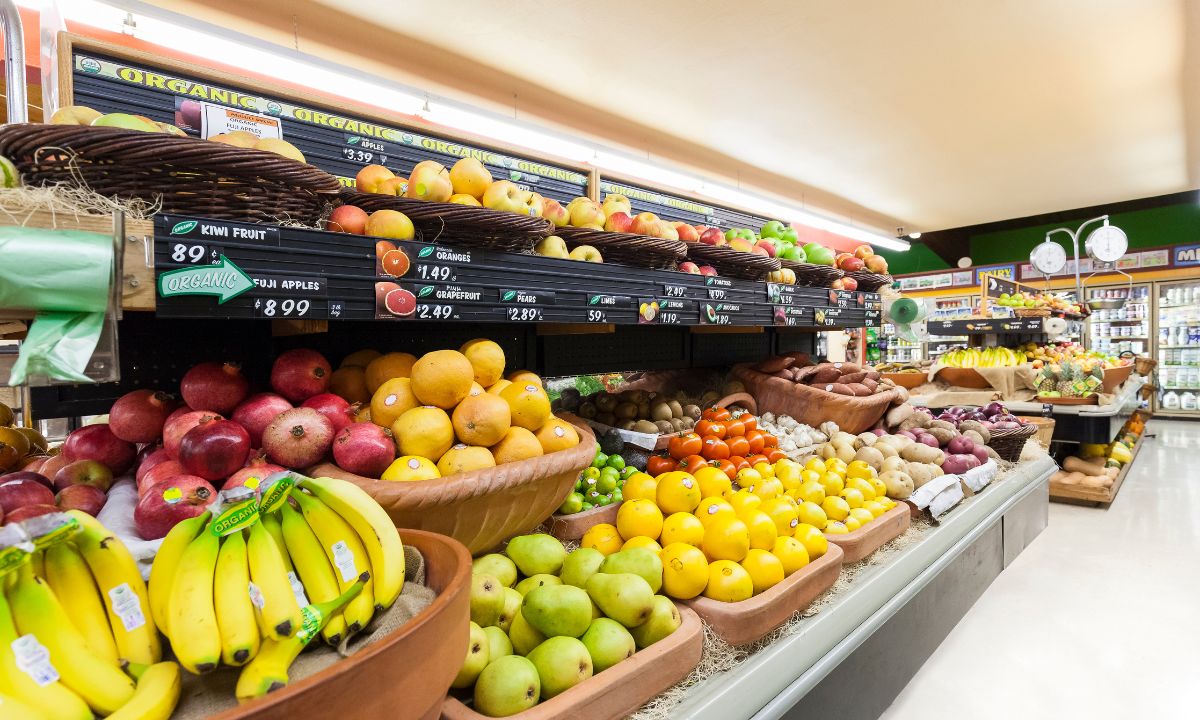
1. Raw Fruits, Vegetables, and Fish
If you’re selling raw, single-ingredient produce or fish without making any nutrient or health claims, you’re likely exempt. These products fall under a voluntary nutrition labeling program overseen by the FDA, under FDA guidelines (specifically 21 CFR § 101.45). You can find more guidance on this program through the FDA’s Food Labeling Guide.
2. Foods with Insignificant Nutritional Value
Items like plain coffee beans, tea leaves, food colors, and flavor extracts may be exempt if they don’t contribute meaningful calories, fat, sugar, or other nutrients that typically appear in a Nutrition Facts panel.
If your product has measurable calories, fat, sugars, or protein, it’s likely not excempt.
3. Foods Sold for Immediate Consumption
This exemption only applies to food prepared and sold for immediate consumption on-site like restaurant meals or freshly made deli items not packaged for later sale. If the item is prepackaged and sold at retail for later use, it will generally require a nutrition label.
4. Foods in Very Small Packages
If your product is in a package with less than 12 square inches of total label space, you may be exempt, as long as you don’t include a nutrient or health claim (like “low fat,” “good source of calcium,” or “supports heart health”). Claims like this, whether on the label or in marketing materials, require you to include the full Nutrition Facts panel regardless of package size.
5. Bulk Foods for Further Processing
Foods not sold directly to consumers like ingredients shipped in bulk to other manufacturers for further processing are exempt from nutrition labeling requirements as long as they are not intended for retail sale and don’t display any nutrition or health claims.
6. Small Business / Low Volume Exemption
This only applies to very small manufacturers. If your company has fewer than 100 full-time employees and sells fewer than 100,000 units of a product per year, you may qualify.
To claim this exemption, you must file an annual notice with the FDA through its Small Business Nutrition Labeling Exemption website, which outlines eligibility requirements and includes the necessary forms for submission.
You can do this through the FDA’s Small Business Nutrition Labeling Exemption website, which outlines eligibility requirements and includes the necessary forms for submission. For mid-sized manufacturers, this typically doesn’t apply.
How to Verify if Your Product Needs a Nutrition Label
Don’t guess, just verify it before making any packaging decisions. If you’re planning a new label or SKU, check to make sure your packaging accommodates regulatory requirements:
Ask yourself:
- Is my product packaged for retail sale?
- Is it intended for immediate consumption, or further processing?
- Does the label or marketing include any nutrition or health claims?
- Does it contain significant amounts of calories, fat, sugar, or protein?
- Do I qualify as a small business (under 100 employees and <100,000 units annually)?
If you answered “yes” to the first and “no” to the rest, a full Nutrition Facts label is likely required. When in doubt, check with the FDA resources or your regulatory team.
- FDA’s Food Labeling Guide – View PDF
- 21 CFR § 101.9(j) – The federal regulation listing all exemptions
- FDA’s Small Business Nutrition Labeling Exemption – View Page
Even If You’re Exempt, Some Labeling Is Still Required

Exemption from a nutrition label doesn’t mean you don’t need labeling at all. You still need to include:
- Statement of identity (common name of the food)
- Net quantity of contents
- Name and address of the manufacturer, packer, or distributor
- Ingredient list, if more than one ingredient
- Allergen declarations for major allergens (milk, eggs, fish, shellfish, tree nuts, peanuts, wheat, soybeans)
And remember, if you make any nutrient content or health claim (like “low sodium,” “good source of fiber,” etc.), you must include the full Nutrition Facts panel, even if you would otherwise qualify for an exemption.
Nutrition Labels and Food Products
Most packaged foods will require a nutrition label, especially if you’re selling at scale. But if you think your product qualifies for an exemption, use the FDA resources above to confirm your product’s labeling status before starting design or ordering labels. This helps avoid costly reprints, missed deadlines, or label issues that could hold up your product launch.
Our team can work with you to make sure your label meets all requirements from day one.