Can Estate Paper Be Used on Wine Bottles?

If you’re wondering whether estate paper can be used on your wine labels, you’re in the right place. We’ll walk you through what matters most so you can trust the label won’t fail when it counts.

Rectangle Wine Bottle Labels

What Is Estate Paper?

Estate paper is an uncoated, textured label material designed primarily for higher-end wines and spirits. It feels high-end, like vellum or bright white felt , and absorbs ink well for textured, detailed designs. These papers are often treated to handle moisture better, so they don’t peel or fall apart when things get a little damp. That treatment is called wet-strength (basically, it’s moisture resistance built into the paper).

It’s a favorite in the wine and spirits world because it looks great, prints cleanly, and works well with high-end finishes like foil and embossing.

Durability

Estate paper with wet-strength treatment holds up well in chilled storage or refrigerated shipping (wet-strength just means the paper’s been treated to resist moisture). But it’s not invincible.

Considerations:

  • It performs well in a wine fridge or tasting room setting with moderate humidity.
  • If you’re chilling bottles in ice buckets or exposing them to constant condensation, you may see edge-lifting or smudging unless the label is protected.

A laminate (clear film) or varnish (a printed-on coating) adds protection against moisture so your labels last longer in damp settings. For high-moisture environments, synthetic or blended materials might be a better fit. Blended materials combine the texture of paper with the durability of film.

If you’re curious about longevity, most wet-strength papers can withstand hours of exposure in humid or chilled environments. They aren’t meant for full immersion or extended ice-bucket submersion.

Matching the Label to Bottle Shape & Application

Estate paper works reliably on standard cylindrical bottles and is compatible with automated bottling lines.

On tapered or curved surfaces, the rigidity of the paper may cause wrinkles or edge-lift during application. If your bottle is narrower at the top than the base or has curved edges where the label sits, it’s worth testing the material before a full run.

For non-standard shapes, more flexible materials like film or paper-film hybrid options are worth considering. If you’re bottling on a mobile or automated line, make sure to test label curl and adhesive setup to confirm smooth application.
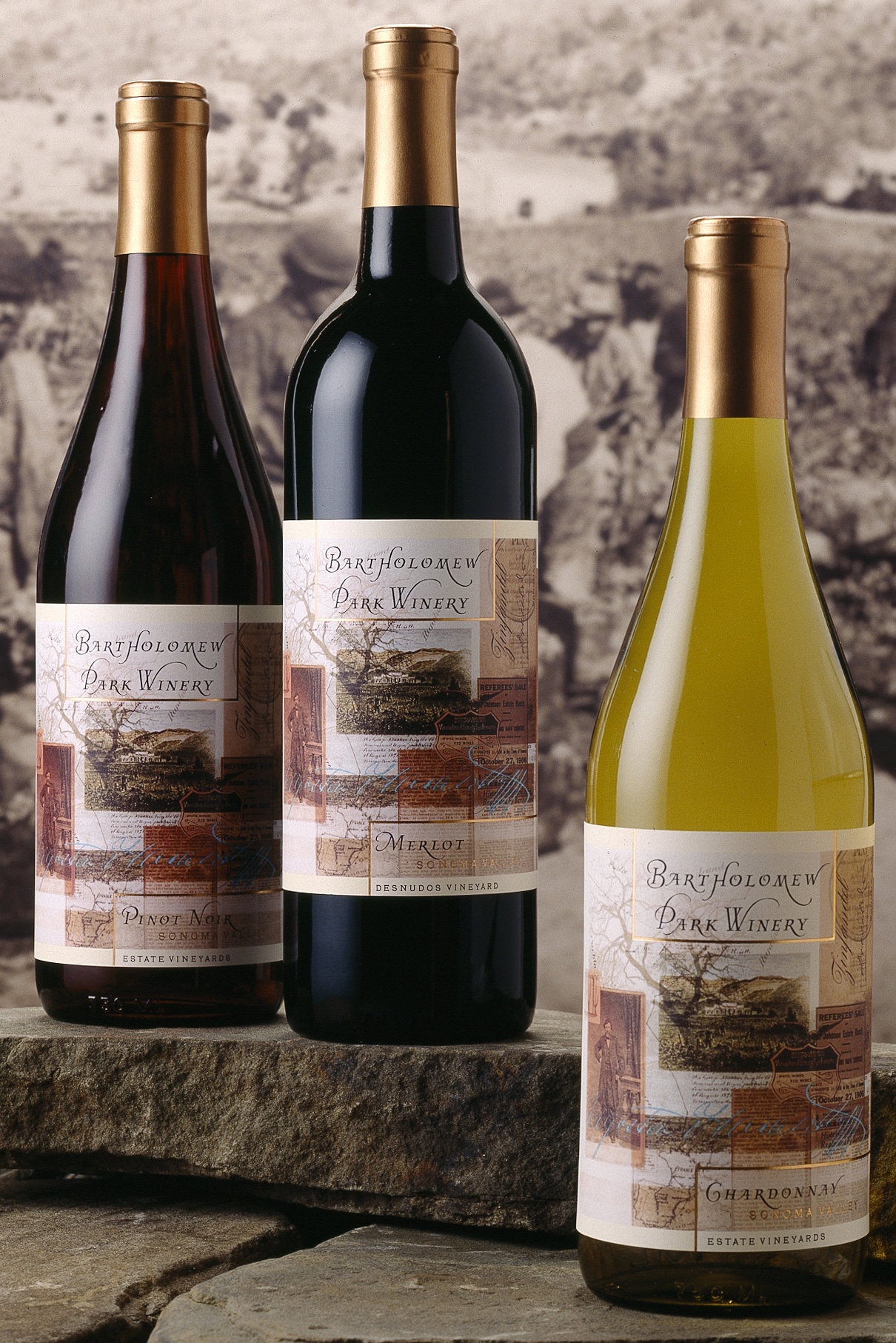
Wine bottles with paper labels

Design & Finishing Options

Estate paper enhances premium finishing techniques like foil stamping, embossing, and debossing. Its natural texture helps create depth and contrast, especially when applied with the right pressure and temperature settings.

Some examples:

  • Estate #8: A bright white, subtly textured stock that works well for clean, modern label designs.
  • Estate #9: A cream-toned, laid-finish stock ideal for traditional, artisanal, or heritage branding.

Other textured papers like Cotton or Linen offer similar tactile appeal with slightly different fibers and finishes. They’re worth considering if you’re going for a unique texture or tone. We recommend getting a sample pack to get a feel for how each performs with your brand.

Adhesive Options — Permanent vs. Removable

Most estate paper applications use a permanent adhesive, which helps your label stay put through filling, chilling, and transit.

But if your brand values sustainability, reusability, or bottle collection, you can pair estate paper with wash-off or water-soluble adhesives to make removal easier for the end user. Adhesives are chosen separately from the label material, so you can still use estate paper even if you need a removable solution.

Keep in mind that wash-off adhesives may require specific conditions (like soaking time or water temperature) to work cleanly. If label removal matters to you, definitely test it first so you know exactly what to expect.

Sustainability Options

Plenty of estate paper stocks are FSC-certified (Forest Stewardship Council) and recyclable, so you can keep things premium without giving up your sustainability goals. Some estate papers include recycled content, though availability varies by mill and supplier. Not every version of estate paper is certified, so we’ll help you find the right stock if that’s a priority.

If your bottles end up in ice buckets or get a lot of moisture, a synthetic or blended label might be a safer bet. You’ll avoid issues like peeling or smudging and avoid reprints down the line.

Quick Checklist Before You Order

  • Test the label fit if your bottle has a taper or unusual shape
  • Add a protective finish if you’re expecting any moisture exposure
  • Think through adhesive needs, permanent or removable
  • Consider moisture-heavy use cases before locking in paper-only stock

Yes, estate paper works for wine bottles, and in most cases, it does the job well. Like any material, it has its strengths and tradeoffs. If you want premium texture and dependable performance, it all comes down to pairing the right stock, adhesive, and finish for your environment.

Not sure which label material makes sense for your bottles? Contact us and we’ll walk you through it.

Can Foil Labels Be Used on Wine Bottles?

Foil labels can add a bold, eye-catching look to your wine bottles, but only if they’re made to last through bottling, cold storage, and everything in between. Whether you’re using Bordeaux or Burgundy bottles, here’s what to keep in mind before going with foil.

What to Consider Before Choosing Foil Labels

Bottle Shape & Label Fit

Wine bottles come in a variety of shapes: Bordeaux, Burgundy, Alsace, Champagne, and more. Each bottle shape brings its own label considerations:

  • Bordeaux bottles have tall, straight sides that typically work well with foil labels.
  • Burgundy bottles have gentle curves that can cause labels to lift at the edges if the wrong material or adhesive is used. A paper stock with the right adhesive, or a polyester (PET) film, is often the safest bet here. Paper provides a classic look, while PET adds extra flexibility and strength to contour to curves.
  • Alsace bottles are taller and more tapered, which can be even more challenging. For these, using a narrower label or a  custom die-cut shape can help ensure full contact and a smoother application. Narrower shapes reduce the amount of stress on the edges, helping avoid wrinkles.
  • Champagne bottles often have pronounced curves and subtle texture, requiring extra care in both design and material choice. Textured papers with strong adhesives can handle these surfaces, minimizing bubbling and lifting.

Most wine labels are printed on paper stocks designed specifically for wine and spirits. These papers can be coated or uncoated and are compatible with foil stamping. For added durability, polyester (PET) film is another strong option that resists tearing and handles curves well. Both materials are widely used in the wine industry and work effectively with foil embellishments

If you’re unsure, ask us to test-fit the materials on your actual bottles. It can save you a major headache, and a lot of wasted labels, down the road.

Moisture, Cold, & Real-World Handling

From the time your bottles hit the bottling line to chilling in ice bins and shipping, your labels will almost certainly face moisture and abrasion. That’s why we recommend wine-grade paper stocks with wet-strength treatments or polyester (PET) film that resist moisture, won’t break down in cold or wet environments, and are fully compatible with foil stamping.

To protect the foil, finishes like gloss or matte laminates work well with PET materials, while varnishes and protective coatings are often paired with paper labels. Gloss laminates help colors pop and are best for vibrant designs, while matte laminates give a softer, upscale look. Varnishes can also be used, but they’re better for spot treatments or short-run bottles where heavy abrasion isn’t a concern.

These coatings help your foil resist water, scuffs, and handling damage, so your label stays crisp from bottling to the final pour.

Foil Compatibility with Other Finishes

Foil gives your label a nice shimmer, but there’s more than one way to achieve this look. Think about how foil behaves with other finishes or materials. For example:

  • Hot foil uses heat and pressure to apply metallic foil, creating sharp, reflective accents.
  • Spot UV adds a high-gloss coating to specific areas like your brand name or logo for contrast and emphasis.
  • Soft-touch is a matte finish that adds a velvety feel, often paired with foil to create a high-end tactile effect.

We’ve seen hot foil combined with soft-touch stocks on wine labels to highlight logos. This creates a striking contrast of shimmer against a velvety background. This kind of pairing delivers premium shelf appeal and reinforces the sense of quality.

In our experience, foil often pairs well with bold typography or custom die-cut shapes that emphasize contrast and precision.

Regulatory & Legibility Requirements

Wine labels have to meet TTB and FDA standards, such as listing alcohol content, sulfites, and vintage.

Metallic surfaces can sometimes make fine print hard to read, especially in low light. It’s important to test your label under different lighting and distances to make sure everything’s easy to read. For example, check it in bright retail lighting, dim restaurant settings, and natural daylight. Then double-check that it lines up with TTB rules on things like font size and layout.

Sustainability Considerations

If sustainability is part of your packaging goals, here are a few ways to make foil labels work in that direction:

  • Choose substrates with wash-off adhesives that let labels come off cleanly during the glass recycling process.
  • Use FSC-certified papers if you’re working with paper-based labels. Many of these are now designed for wine applications and are compatible with foil.
  • For film-based options, recyclable PET is a better choice than other plastics since it can be processed in more recycling streams.
  • Think about how foil placement or backing materials affect recyclability.

Quick Checklist: Will Foil Labels Work for Your Wine Bottles?

Before you commit, here are a few questions worth running through with your label printing partner:

  • Is your label material, whether paper or PET, flexible enough to stay flat on curved or tapered bottles without lifting?
  • Have you picked a protective finish that works with foil and stands up to cold and moisture if required?
  • Does your design use foil in a way that highlights key elements without sacrificing readability?
  • Have you checked how your foil label looks under different lighting conditions such as retail stores or restaurants, and at shelf distance?
  • Have you looked into foil-compatible papers and PET films that support recyclability, if this is important to your brand?

Can Foil Labels Be Used on Wine Bottles?

We’ve seen winemakers use foil to create a more high-end, polished look that helps their bottles stand out on the shelf. When you pair the right materials and finishes with a design that works, foil can hold up through bottling, chilling, and everything in between.

Not sure which type of foil or finish makes the most sense for your bottles? Contact us and we’ll walk you through it.