What Label Materials are Best for Jars?
Choosing the right label material for your jars isn’t just about looks. It’s about making sure your product endures its surroundings, from cold to hot and everything in between. Oh, and all while still looking great on the shelf.
Let’s break down the most common label materials used on commercial jars and what works best.

BOPP Labels (Our Top Pick for Most Applications)
If your jars are going in a fridge, freezer, or just need to stand up to moisture, BOPP (biaxially oriented polypropylene) is our go-to for most jar products we see out in the real world.
Why We Recommend It:
- Water- and oil-resistant: Great for refrigerated foods, skincare products, or anything prone to condensation or spills. For comparison, paper labels in these settings tend to wrinkle or peel.
- Durable: Doesn’t tear easily, doesn’t wrinkle when wet, and resists fading over time.
- Versatile options and finishes: Available in clear (for that “no-label” look), white, and metallic options. For finishes, the most common options are high-gloss, matte, or soft touch.
- Plays well with adhesives: BOPP works with standard and freezer-grade adhesives and holds up well on curved glass and plastic jars.
Where It Falls Short:
- Not biodegradable: BOPP is recyclable, but not compostable. If your sustainability goals include compostable packaging, you’ll want to consider paper instead.
- Heat-sensitive: It can shrink or warp in high-heat environments, like hot fill lines above 200°F.
Best For:
Refrigerated sauces, skincare jars, jelly jars, pickled products, oil-based cosmetics—you get it.
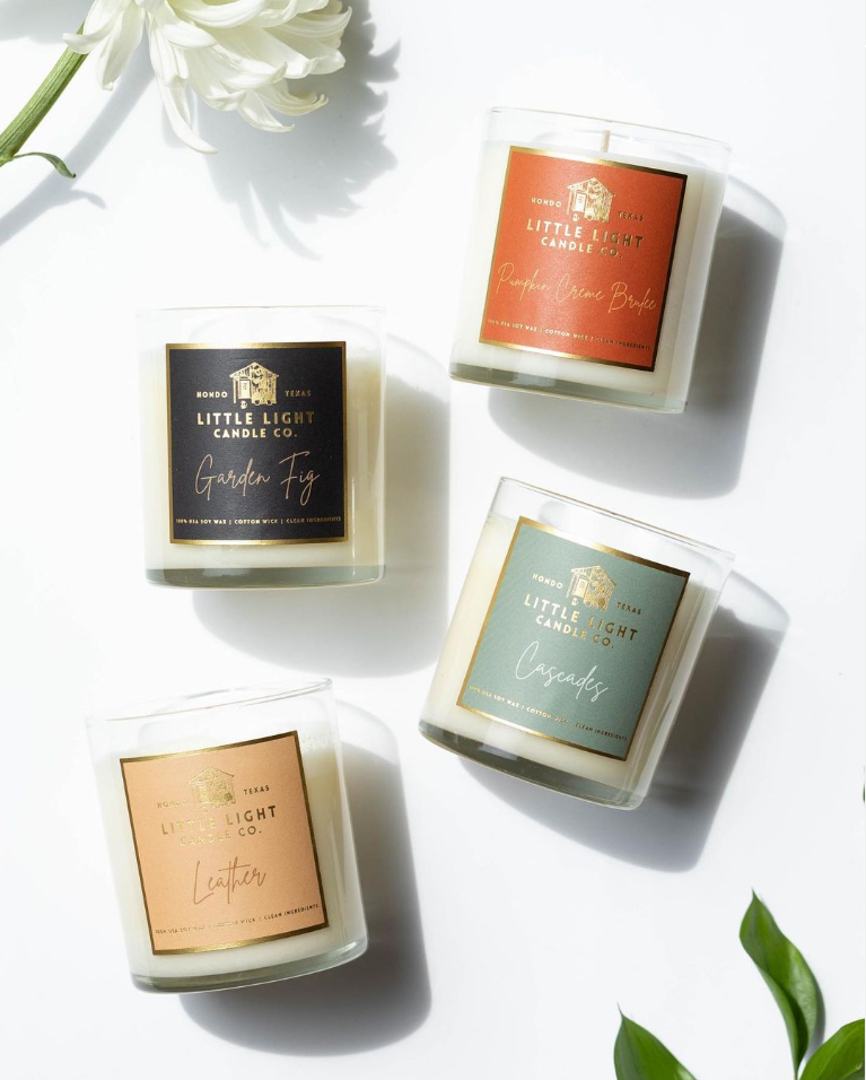
Paper Labels (Great for Dry Goods and an Artisanal Look)
Paper might not be as tough as BOPP, but it has its place, especially when looks come first.
Why We Recommend It:
- Premium texture options: Estate paper, kraft, and other textured stocks give off a natural, high-end vibe. You’ll often see these on candle jars, boutique food products, and specialty gifts.
- Embellishment options: A great option if you are looking for embellishments to enhance the look (screen printing, hot foil stamping, embossing, etc.)
Where It Falls Short:
- Not moisture resistant: Paper can wrinkle, smudge, or peel when exposed to condensation or oils. If you’re committed to using paper, you can improve performance by adding a laminate or varnish.
- Durability is limited: Without protection, paper labels can show wear quickly, especially in transit or on store shelves.
- Sustainability varies: Paper labels can be recyclable and compostable, depending on the adhesives and coatings used.
Best For:
Candle jars, spice jars, honey, dry goods, and gift sets.
Vinyl Labels
Vinyl labels are the tough guys of the label world: rugged, thick, and built to last. That said, they’re not always the most practical choice for jar applications.
Pros:
- High durability: Handles water, friction, and UV exposure with ease.
- Flexible: Conforms well to curves and uneven surfaces.
Cons:
- Pricey: Costs more than BOPP or paper.
- Recyclability is limited: Most standard vinyl labels aren’t recyclable in municipal streams, though some specialized materials are emerging.
Best For:
Outdoor products, industrial jars, or harsh environments where extreme durability outweighs cost.
Polyester (PET) Labels
PET is built like a tank. Great for heavy-use stuff, but probably more than you need unless your jars are dealing with chemicals, heat, or direct sunlight.
Pros:
- Excellent chemical and UV resistance
- Tear- and heat-resistant
- Great print quality
Cons:
- You’ll pay for the performance: It’s not cheap.
- Rigid: Not as flexible for smaller or curved jars.
Best For:
Medical jars, industrial creams, or long-life products exposed to chemicals or sunlight.
Quick Comparison Table
| Material | Durability | Moisture Resistance | Print Quality | Cost | Best Use Case |
| BOPP | High | Excellent | Excellent | Low | Refrigerated or oily products |
| Paper | Low-Med | Poor (unless coated) | Excellent | Medium | Dry goods, candles, artisan look |
| Vinyl | Very High | Excellent | Good | High | Harsh environments |
| PET | Very High | Excellent | Excellent | Very High | Chemical or UV exposure |
Summary: Best Materials by Application
- Best for refrigerated jars: BOPP—Moisture-resistant, holds up to condensation, and still looks sharp.
- Best for dry, decorative jars: Paper—Affordable, great texture options, and a premium look.
- Best for industrial or outdoor use: PET or Vinyl—Built for abuse, but may be more than you need for typical retail products.
- Most eco-friendly (with a tradeoff): Paper—Can be recyclable and compostable, depending on coatings and adhesives.
Final Thoughts
For most commercial jar products, BOPP is your best bet. It holds up, looks great, and doesn’t quit when things get wet.
If you’re going for a more artisanal or natural look, paper can absolutely work as long as you plan for its limitations.
Need help choosing the right material? Request a sample pack or contact us and we’ll walk you through it.