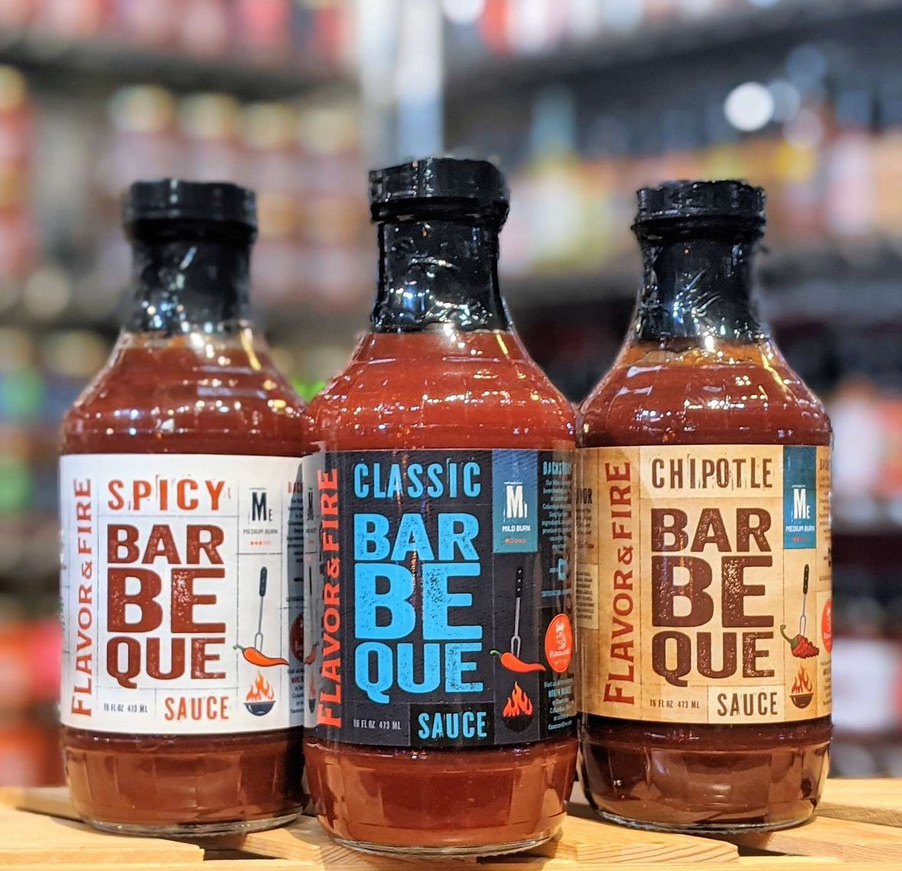
The Best Label Materials for Curved Surfaces

Labeling curved containers comes with real risks: labels can wrinkle, bubble, or lift at the edges, which leads to costly reapplication, compliance issues if critical information becomes unreadable, and weak shelf appeal when branding looks distorted or poorly applied.

This guide focuses on shrink sleeves, vinyl, and BOPP, and we’ll walk through which material performs best based on container shape, durability needs, and production requirements.
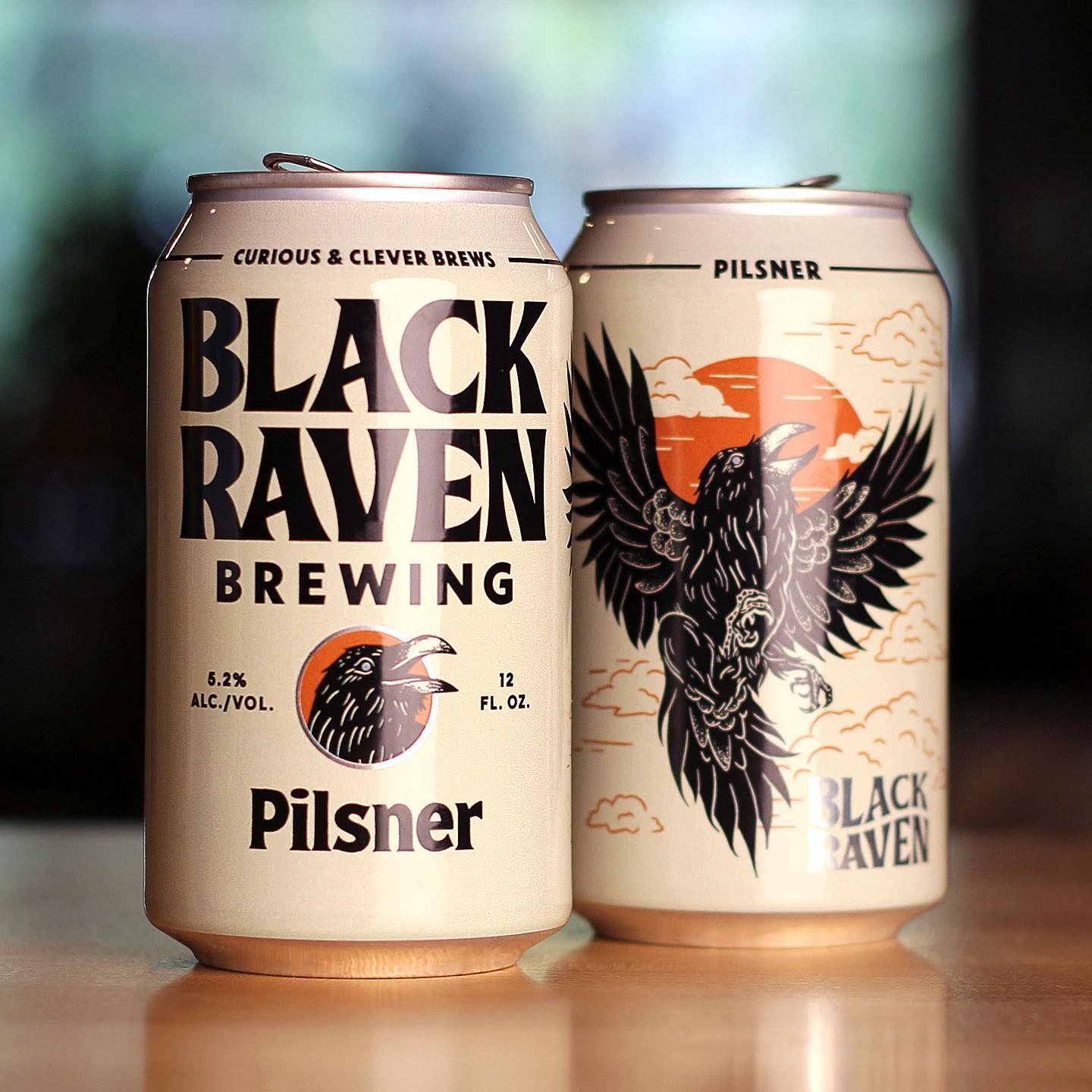
Beer can with shrink sleeve

Shrink Sleeves: Best for Tight, Complex, or Irregular Curves

Shrink sleeves are typically the best option once your container goes beyond light curvature into moderate tapers and smooth contours.

Before we go any further—very aggressive tapers, sharp corners, or deep textures can still be challenging and usually require different approaches to avoid distortion or poor film laydown.

Why Shrink Sleeves Fit Curved Surfaces So Well

Shrink sleeves start as printed film tubes that slide over your container. With heat, the film shrinks and grips every curve for a clean, wrinkle-free fit. Picking the right shrink film helps it conform smoothly to your container’s shape and avoids puckering or distortion.

Use Cases and Examples

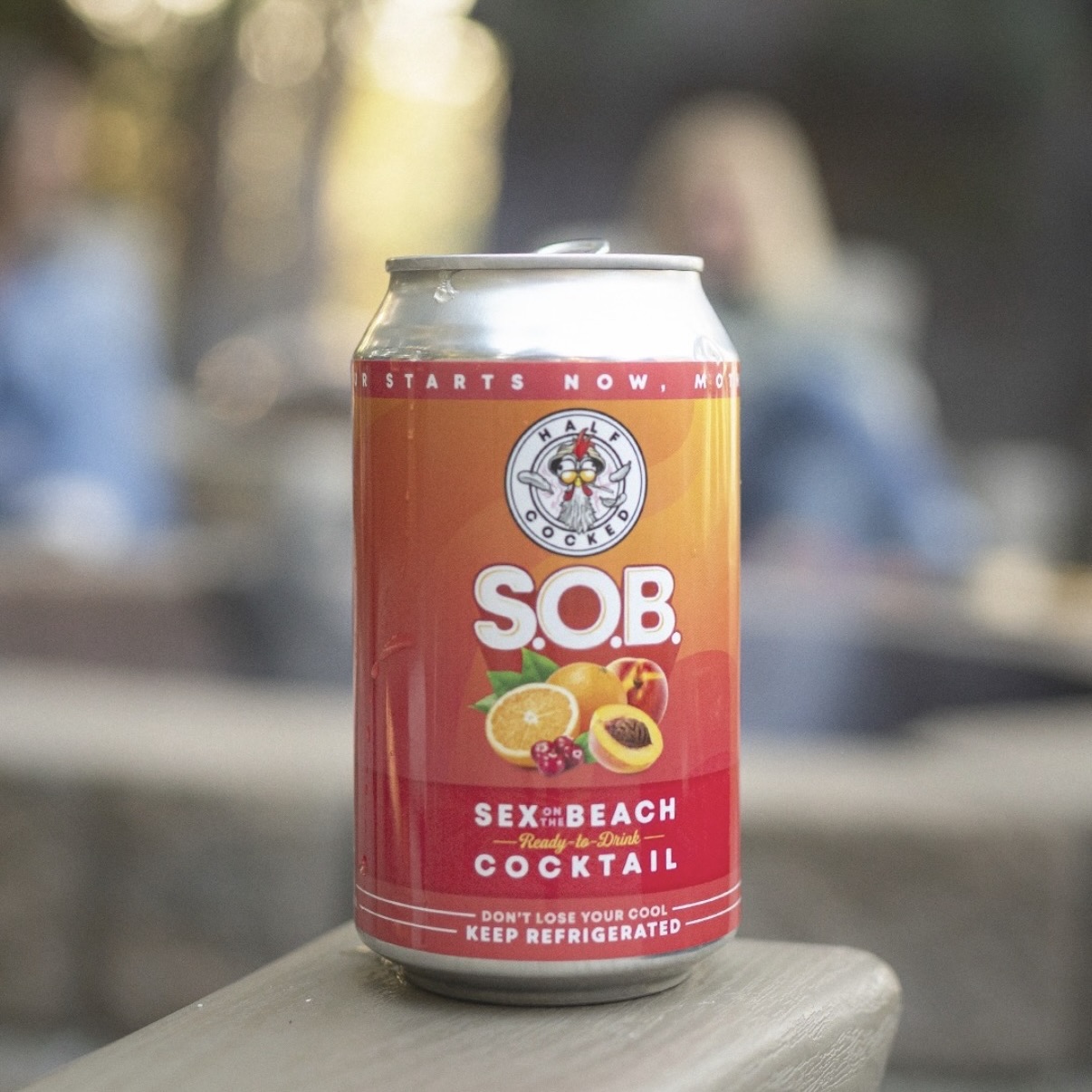
  • Beer, soda, energy drink, and ready-to-drink cans that require full 360° coverage and strong shelf appeal
  • Contoured vitamin bottles, kombucha bottles, sport drink bottles, and cleaning spray bottles
  • Uniquely shaped personal care or wellness packaging where full shrink coverage prevents lifting or wrinkling

Benefits

  • Conforms cleanly to tight curves without lifting or wrinkling
  • Full 360° design coverage for strong shelf presence
  • Built-in tamper-evident options through perforation or seal band
  • Holds up well in moisture, abrasion, and refrigerated conditions

Considerations and How to Address Them

  • Requires a heat tunnel for application
  • Artwork needs pre-distortion to account for shrink behavior (don’t worry, we can help with that)
  • Recycling performance varies by film

Finishing Options: Matte, gloss, soft-touch, and spot varnish accents.
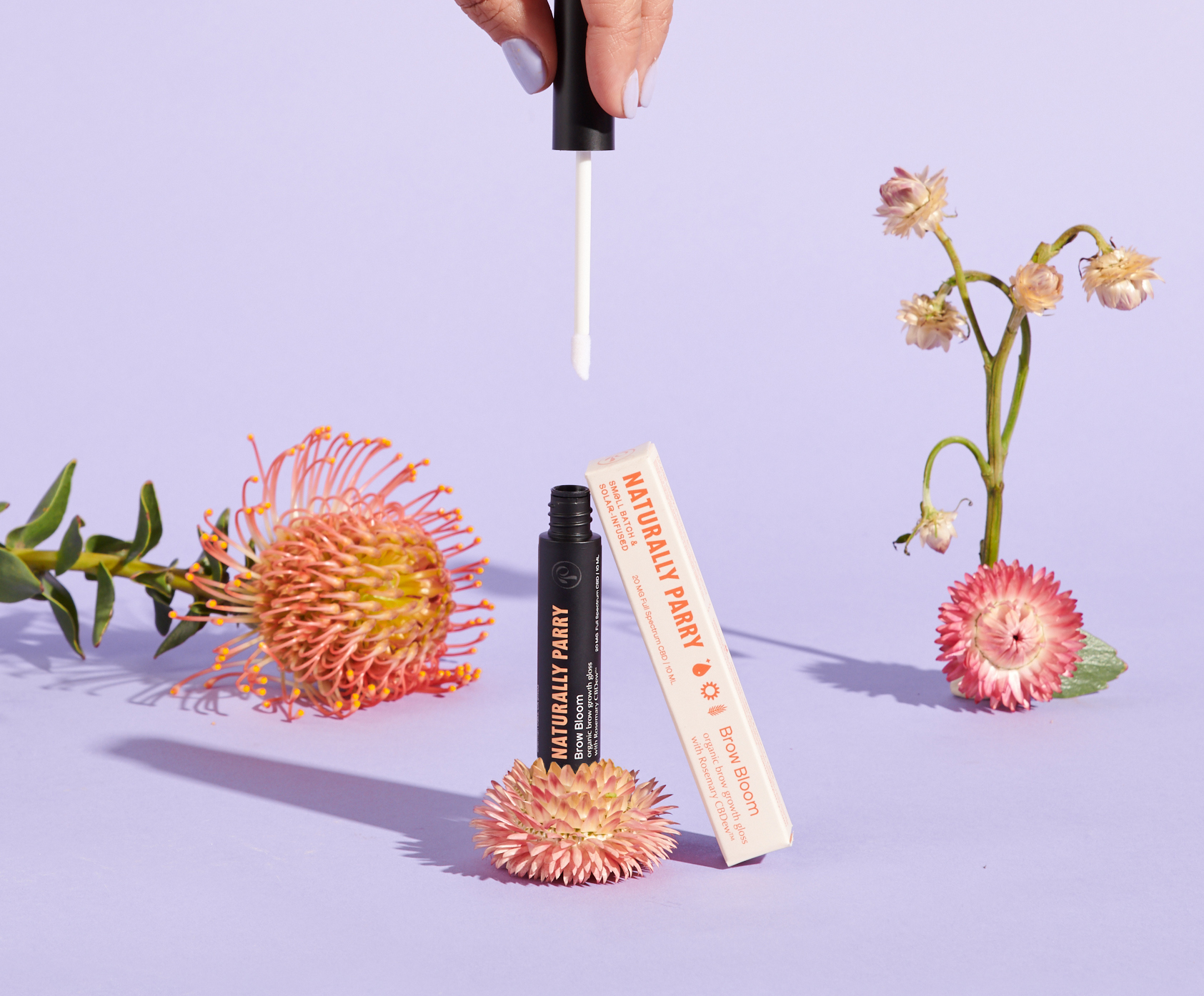
Cosmetic packaging and labels

MDO: Best for Moderate Flexibility and Premium Look

MDO labels are more flexible than standard films and perform well on mild to moderately curved surfaces. They stretch slightly to accommodate curvature, making them a good option when shrink sleeves aren’t necessary but BOPP may lift or wrinkle.

Use Cases and Examples

  • Cosmetic tubes, lotion bottles, aluminum spray bottles, shampoo bottles, and squeezable personal care containers
  • Premium skincare jars, CBD products, beauty serums, and soft-touch wellness packaging
  • Products needing matte, metallic, or tactile finishes

Benefits

  • More flexibility than BOPP, better fit on curved or squeezable surfaces
  • Ideal for premium finishes and tactile coatings
  • Works well for short to medium production runs
  • No heat equipment needed

Considerations and How to Address Them

  • Can still wrinkle or lift on sharper curves
  • Slightly more expensive than BOPP
  • Adhesive must be matched to container surface and conditions (cold, moisture, squeezability)
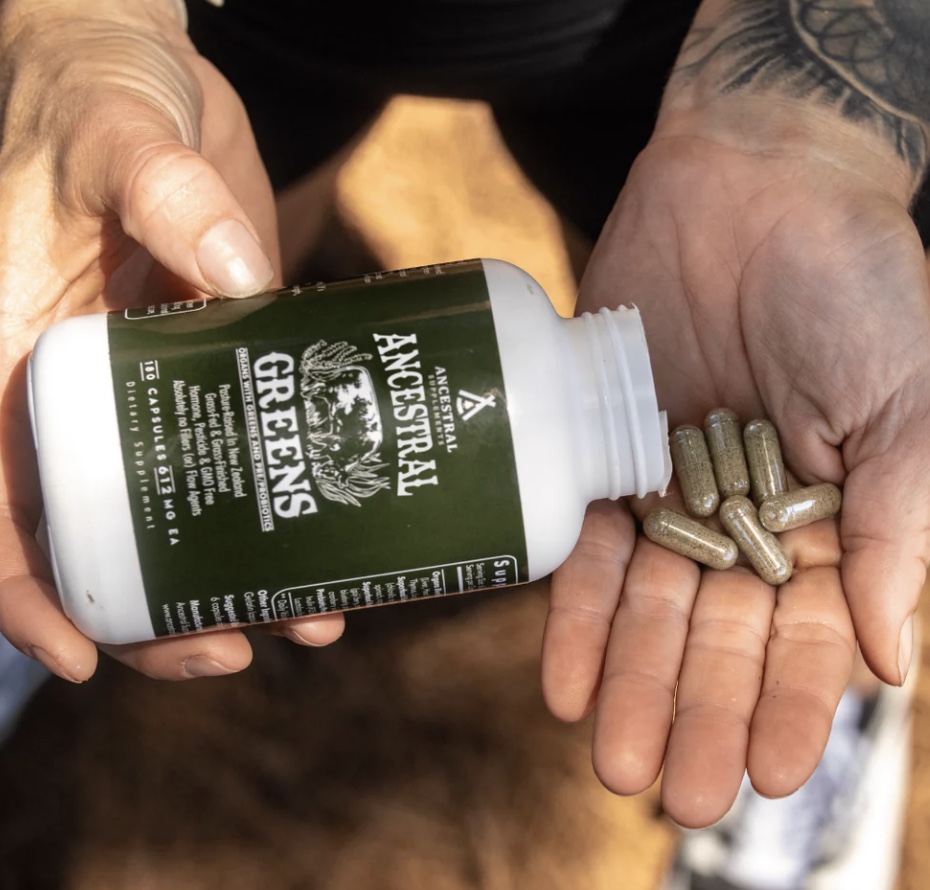
supplement labels

BOPP: Best for Cost-Effective Runs on Mild Curves

BOPP is a durable, moisture-resistant film used widely for product labels. It performs well on flat or lightly curved surfaces but does not flex as well as vinyl when curvature increases.

Use Cases and Examples

  • Flat or lightly curved plastic jars like spices, peanut butter, bath salts, and pantry items
  • Lightly curved beverage bottles, such as juice, cold brew, iced tea, and kombucha
  • Cost-effective packaging for household products, condiments, and cleaning supplies

Benefits

  • Strong, water-resistant, and scuff-resistant
  • Cost-effective
  • Available in white, clear, and metallic
  • Works well with digital 

Considerations and How to Address Them

  • Limited flexibility, may lift on sharper curves
  • Adhesive selection is critical for cold, wet, or textured surfaces
  • Not suitable for deep tapers, ridges, or heavy contouring

Label Material Comparison for Curved Surfaces

Label Type Best For Coverage Curvature Fit Equipment Needed Recyclability Durability
Shrink Sleeves  Extreme curves, full-body branding 360° Excellent Heat tunnel Good  High
MDO Mild to moderate curves, flexible containers Front/side (≤75%) Good None Variable Medium
BOPP Light curves, cost-effective runs Front panel or wrap (≤60%) Limited None Variable Medium

Not sure which label makes the most sense for your container? Contact us and we’ll help you make the right call.

How to Stop Labels from Peeling on Curved Surfaces

Nothing kills a good-looking product faster than a label that won’t stick. But don’t worry, with the right know-how (and a few smart material choices), keeping your labels smooth on a curved container, whether that’s a beer can, lip balm tube, or lotion bottle, is easier than you think.

Choose the Right Materials That Bend, Not Break

Labels on curves need to flex. Here’s what we recommend:

  • Shrink sleeves are often the best option for curved surfaces. Because the material is heat-shrunk to fit the container, it conforms to the container’s shape and provides full-coverage decoration.
  • MDO films are a type of film designed to stretch in multiple  directions, which helps them wrap smoothly around cylindrical and slightly tapered containers.
  • Flexible films like BOPP, or vinyl can work well, but be mindful of the curve. They’re reliable on gentle slopes and cylinders but can struggle on sharp tapers or irregular shapes where tension can cause lifting.

Lip balm tube labels

Match Adhesives to the Curve and Conditions

The label material matters, but it won’t do the job alone. If the adhesive isn’t right, your label’s going to lift.

  • Tight-mandrel adhesives, which are formulated specifically for narrow-diameter containers like lip balm tubes or small bottles, offer strong initial tack and the flexibility to hold under constant tension.
  • High-tack, flexible adhesives are better suited for curved or contoured areas. They provide immediate bonding strength, which helps prevent labels from lifting during or after application.
  • For slick or slippery surfaces like HDPE lotion bottles or yogurt tubs, use adhesives made for plastics that are notoriously hard for labels to stick to. These adhesives are engineered to grab hold of materials that most standard adhesives simply slide off of.
  • For labels applied to cold, wet, or moist surfaces, ask for adhesives that stick even if your container is damp or chilled.

Surface Prep: Clean, Dry, and Controlled

Once you have the right material and adhesive, preparing the container’s surface is the next important step:

  • Make sure there is no dust, oil, or condensation that could interfere with bonding.
  • Make sure containers are completely dry before label application.
  • Apply labels in a stable, controlled environment whenever possible. For best adhesion, room temperature conditions with moderate humidity are ideal. Try to avoid labeling in refrigerated warehouses or hot, humid loading docks where adhesion can fail quickly.

RTD Custom Can Label

Label Design and Application: Make It Fit and Stick

You’re here because you want your labels to stick, but don’t forget that with curves in your container come some label design considerations as well. Good design helps your label stay where it belongs:

If you’re using shrink sleeves, design your artwork with pre-shrink distortion in mind. Think of it like sketching on a balloon before you blow it up. Your artwork needs to land in the right spot after shrinking. Always place seams and folds away from key visual elements.

You’ll also want to consider some label decisions outside of the design itself:

  • Round label corners to reduce flagging and edge lift. Sharp corners tend to catch and peel over time.
  • Use tapered labels when your container narrows or flares. These follow the container’s shape and reduce tension that would otherwise lead to lifting.
  • Use rollers or automated application equipment for consistent pressure and alignment. Manual application can leave air pockets, uneven tension, or weak edges.

Don’t worry, we put together a guide on designing for tapered labels.

custom labels in short sauce bottles container

Protect for Wear: Laminates and Varnishes

Labels on curved containers often face friction from handling, transportation, and storage.

  • Laminates act like a clear protective shell. They help your label survive scratches, spills, and all the handling that comes with retail shelves or shipping. Choose laminates if your product is heavily handled, like beverage cans or personal care items. Options include gloss, matte, soft-touch, and textured finishes.
  • Varnishes are cured coatings that protect the printed surface while adding visual effects. They’re a more subtle option. Choose varnish if you want a sleeker look on wine bottles or gourmet foods where customers won’t handle the container as often.

Keep Your Labels from Peeling on Curved Surfaces

The right label won’t just stick, it’ll stay stuck. Choosing flexible materials, matching adhesives to your container and environment, and prepping properly makes all the difference. Not sure which label material makes sense for your bottles or tubes? Contact us and we’ll walk you through it.