What Label Materials are Best for Liquor Bottles?

Choosing the right label material for your liquor bottles isn’t just about looks, it’s about how that label performs from the production line to the bar top. Here’s our breakdown of the best materials for spirits, and why we recommend standard paper labels for whiskey bottles and EverOpaque® for vodka, tequila, and rum.

Liquor bottle with custom label

Standard Paper Labels (Best for Whiskey)

Whiskey usually lives on shelves, not in ice buckets, so you’ve got more flexibility when it comes to materials. Standard coated paper is a great fit here. The surface is treated to enhance print clarity and finish, giving your labels sharper detail and a smoother feel.

Pros:

Cons:

  • Limited moisture resistance without additional coatings or lamination.

Finishing Options:

  • Embossing, hot foil stamping, spot UV, varnish, and lamination (recommended if occasional moisture exposure is expected).

Bottom Line: For whiskey and similar spirits, standard paper produces sharp, high-contrast print and pairs well with embellishments like foil and embossing, making it ideal for premium whiskey branding without premium material costs.
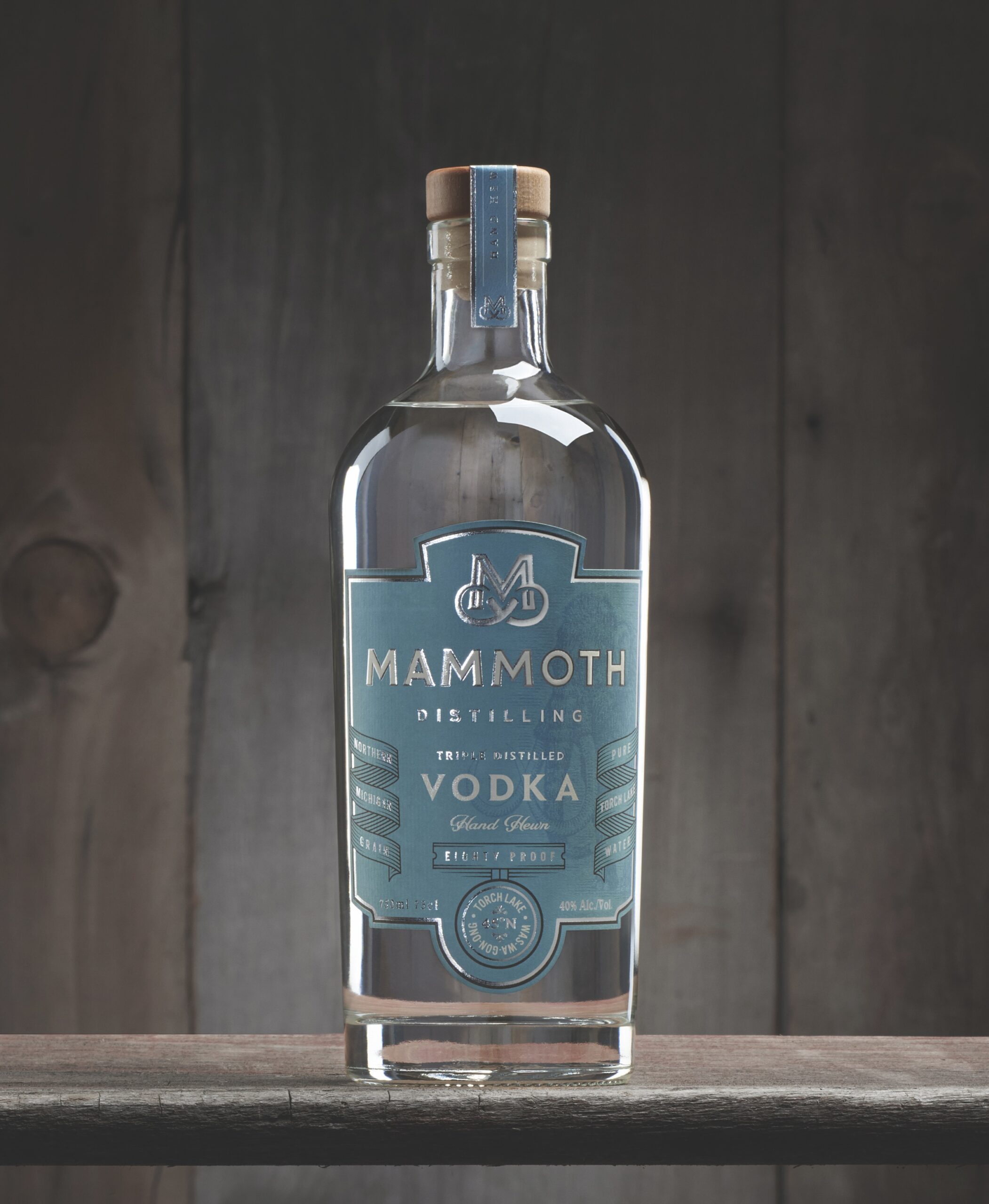
Vodka bottle with custom label

EverOpaque® (Ideal for Vodka, Tequila, and Rum)

Clear spirits like vodka, rum, and tequila are all about purity. 

Many of these bottles also end up submerged in ice buckets or stored in refrigeration. EverOpaque® is made with wet-strength and cold-temp adhesives that hold up in these conditions, so your label stays put and maintains its look.

Pros:

  • Wet-strength performance built for chilled, wet environments.
  • Designed for premium clarity and a seamless look on clear bottles.
  • Strong print quality and durability.

Cons:

  • Higher upfront cost compared to standard paper.

Finishing Options:

  • Lamination (for ultimate moisture resistance), embossing, screen printing, foil stamping, spot UV, and varnish.

Bottom Line: For clear spirits where purity and shelf impact matter, EverOpaque® delivers both style and substance with wet strength that won’t quit in cold or damp conditions.

Other Label Options (When to Use Them and When to Skip Them)

Synthetic Films (BOPP, PET)

If your bottles are headed into ice buckets, coolers, or chaotic shipping conditions, synthetic films can handle the abuse. BOPP (biaxially oriented polypropylene) and PET (polyethylene terephthalate) are types of plastic film designed for waterproof and long-lasting labeling.

Pros:

  • Waterproof, abrasion-resistant, and UV-stable.
  • Typically a lower cost compared to paper materials.

Cons:

  • Less tactile than paper; the plastic feel can sometimes work against premium positioning.

Recommended Applications: Industrial or outdoor-focused packaging, products heavily exposed to moisture, or for cost-effective labels where ultra-premium aesthetics aren’t the top priority.

Vinyl Labels

Vinyl is tough. It’s highly durable and resistant to almost any environmental condition. Compared to synthetic films, vinyl offers even more durability but often sacrifices flexibility in finishing and design. It can also be less compatible with embellishment techniques like embossing, which require a more pliable substrate.

Pros:

  • Excellent durability and abrasion resistance.

Cons:

  • Plastic feel and limited compatibility with premium finishing techniques.
  • Higher cost and environmental concerns.

Recommended Applications: Long-term outdoor use, bar equipment labels, or spirits in rugged conditions.

Specialty Uncoated Papers

These are great when you’re going for a rustic, handmade look—just keep them away from moisture. These untreated paper stocks absorb ink and moisture more readily, giving you a natural feel but reduced durability.

Pros:

  • Unique, artisanal look.

Cons:

  • Vulnerable to moisture and handling.
  • Lower print vibrancy.

Recommended Applications: Dry-stored premium spirits aiming for a handcrafted aesthetic.

Quick Comparison Table

Material Moisture Resistance Print Quality Durability Premium Feel Cost
Standard Paper Low Excellent Moderate High Moderate
EverOpaque® XL High Excellent High High Higher
Synthetic Films High Good High Moderate Low
Vinyl High Good Very High Moderate High
Specialty Uncoated Low Fair Low Very High Moderate

Material Recommendations Summary

  • Best Overall for Whiskey Bottles: Standard Paper. Produces crisp print and supports premium finishes like foil and embossing.
  • Best for Chilled Spirits (Vodka, Tequila, Rum): EverOpaque®. Maintains branding and design integrity, plus it’s able to handle cold or frozen environments.

Not sure which material’s right for your bottles? Request a sample pack or contact us and we’ll help you choose the perfect material for your liquor or spirits bottles.
What are Embossed Labels?

⚞ The Highlights:

  • Embossed labels are created with a process that raises or recesses parts of your design to give your packaging a premium, tactile finish
  • They add depth and texture to your label, making your product stand out on the shelf with a more upscale look
  • When planning for embossing, check that your label material and design details are compatible with the process to ensure clarity and durability

Who doesn’t want their labels to pop on the shelf? We know that when you’re creating consumer products—from beer and wine to cosmetics and cannabis—every detail matters. Embossed labels aren’t just about looking good; they add a tactile element that can influence buying decisions and boost your brand.

In this post, we’ll walk through what embossed labels are, how they’re made, and why they’re a smart investment for your products.

What Are Embossed Labels?

Embossed labels feature raised designs or lettering that give your labels a three-dimensional look. By pressing a custom pattern into the label material, you not only catch the eye but also invite customers to feel the difference. This technique is popular for products like wine bottles, beauty items, and much more.

“Embossing adds a tactile dimension that transforms a product from merely being seen to being experienced.”

Label & Narrow Web

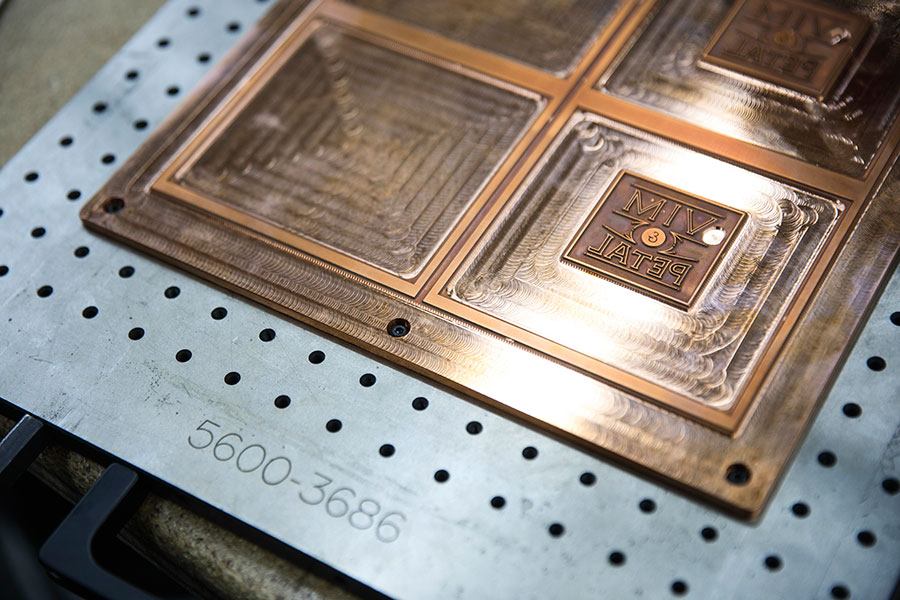
Label embossing die.

How Are Embossed Labels Made?

We begin by crafting a custom die—basically a specialized metal tool that brings your design to life by imprinting it onto your labels. Here’s a closer look at our process:

Custom Die Creation

We design a custom die based on your specific requirements (imagine it as a tailor-made metal stencil). This tool can capture everything from individual lettering to intricate patterns or even an all-over design.

Pressing Process

Next, the die is pressed against each label, so your design comes out raised and uniform every time. We often pair this with hot foil stamping—where heated, metalized foil is applied to the raised areas to create extra contrast and depth.

(Hot foil stamping really makes the design pop.)

Artwork Preparation

For the best results, your design files should be high-resolution (at least 300 DPI) and saved in the right format (typically AI, EPS, or PDF). This helps every detail be captured accurately during embossing. Follow our artwork guidelines closely to avoid hiccups during production.

The Benefits of Embossed Labels

We’ve seen firsthand that embossed labels can really boost your product’s appeal and help set your brand apart. Here’s why they’re worth considering:

Enhanced Aesthetics and Tactile Appeal

When customers can see and feel the detail in your label, it reinforces the premium quality of your product. Research in the Journal of Marketing shows that packaging encouraging consumers to touch can increase purchase likelihood.

Increased Shelf Impact

In a crowded retail space, the added texture and depth of embossed labels can make your product stand out. Studies from Bocconi University and the University of Innsbruck suggest that tactile interaction often sways consumer choice in visually busy settings.

In fact, some industry studies suggest that premium packaging—like embossed labels—can boost consumer interaction by as much as 12% in markets such as cosmetics and spirits. It’s impressive to see how a little extra texture can make a big difference!

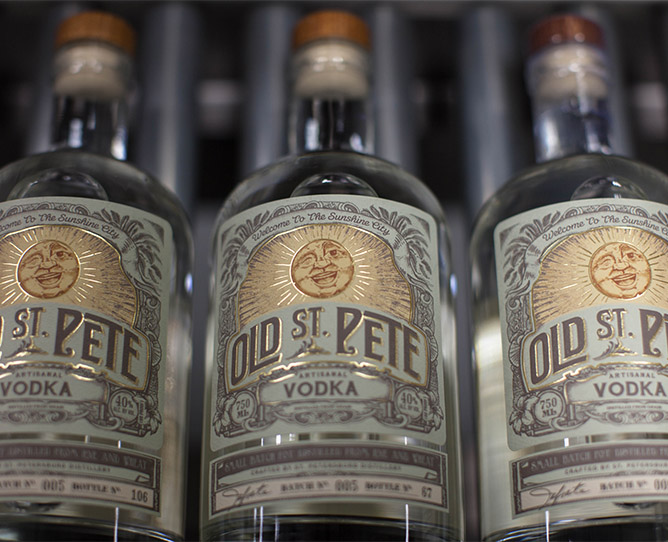
Embossed labels for bottles.

Design Considerations and Artwork Preparation

We know that adding embossed labels to your production line might raise some technical questions. Here are our best practices to help you get it right:

  • File Specifications: Stick to high-resolution files (at least 300 DPI) in AI, EPS, or PDF format so your design translates perfectly during embossing.
  • Design Limitations: Keep your design bold and simple—overly intricate patterns might not emboss well and could lose clarity.

Cost Analysis and ROI

We get it—cost is a big factor. Here’s a closer look at the numbers:

Production Cost Breakdown:

  • Die Creation: Custom dies need an upfront investment, but that cost gets spread out over large runs.
  • Material Selection: The substrate (the base material, like paper, synthetic films, or eco-friendly options) you choose affects both the look and durability of your labels.
  • Labor & Finishing Processes: Extra touches like hot foil stamping add to the cost but also boost that premium feel.

Considering Return on Investment (ROI)

Investing in embossed labels can allow you to charge higher price points and improve shelf impact. Some industry studies indicate that premium packaging can boost consumer interaction by up to 12% in competitive sectors like cosmetics and spirits. A Smithers Pira report even suggests that embossed finishes can drive a 12–15% lift in engagement.

Did You Know? If a custom die costs $1,000 and you produce 10,000 labels, your cost per unit for the die might be just $0.10—a small fraction compared to the potential sales boost from enhanced packaging.

(Remember, your actual ROI will depend on your production scale and market conditions, so it’s a good idea to run your own numbers.)

Material Selection, Compliance & Sustainability

When it comes to choosing materials for embossed labels, here are a few things to consider:

  • Substrate Options: Not every material embosses equally. Your substrate—the base material of your label—could be paper, synthetic film, or an eco-friendly alternative. For example, synthetic film might be great for durability in tough environments, while eco-friendly paper appeals to sustainable brands.
  • Regulatory Compliance: If you’re in a regulated industry (like food, beverages, or cannabis), it’s essential that your labels meet all the necessary standards. Our labels are designed to comply with guidelines such as FDA requirements for food packaging. We work with you to ensure your embossed labels are fully compliant.
  • Sustainable Practices: More brands are opting for eco-friendly options. We can help you choose sustainable materials and production methods—like using FSC-certified paper or Green Seal-approved processes—that match your environmental goals without compromising quality.

How to Choose a Reliable Embossing Partner

Finding the right partner is as important as nailing your design. Here’s what you should look for:

  • Proven Expertise: Look for a partner with a solid track record in producing high-quality embossed labels. Check their portfolio, certifications, and testimonials.
  • Customization Capabilities: Your design should come to life exactly as you envision it. Work with a partner who offers consultative services, samples, and test runs.
  • Efficient Turnaround: Time is money. Choose a supplier who can meet your production timelines without cutting corners on quality.

At Blue Label Packaging, we’re all about quality and speed. We’re proud of our quick turnaround times and the way we work side-by-side with you to nail every detail.

Ready to Emboss?

If you’re excited to see how embossed labels can transform your product’s packaging, we’re here to help. Contact us today to discuss your project, review cost breakdowns, and learn how we can work together to make your labels—and your products—truly unforgettable.

Glossary of Terms

  • Custom Die: A specialized metal tool used to imprint a design onto the label material.
  • Hot Foil Stamping: A technique where heated, metalized foil is applied to raised areas of a label to create contrast and added depth.
  • Substrate: The base material of a label, such as paper, synthetic film, or eco-friendly alternatives.
  • Calibration: The process of adjusting equipment settings to ensure consistent quality in production.

Bottle Label Printing Considerations for Distilleries

No spirits bottle deserves a boring label. Distilleries live and die on the success of their products, and labels give you a chance to tell your story and give consumers a sense about the quality and personality of your products within a few seconds, whether they’re on the store shelf or behind the bar.

Of course, great designs don’t automatically translate into a great spirits labels for distilleries. There are many parts of the bottle label printing process that can factor into the end result, whether it’s a special printing capability or a challenge with the bottle itself. Here are a few factors you should consider when your distillery needs a new bottle label.
(more…)

Craft Spirits Packaging and Label Design Trends

If you are in the craft spirits industry, you know that the competition has gotten more fierce in recent years. More small brewers and distillers are entering the game, and setting yourself apart is the only way to capture a narrow — but rapidly growing — market. While you have to make a smooth concoction to keep loyal customers coming back, sparking that initial interest is a bit more difficult. Unique, eye-catching labels help to garner interest in your brand that can quickly grow into a loyal following.

Here are trends in labeling that you should consider as you decide on the alcohol bottle label design for your craft spirit labels.

(more…)