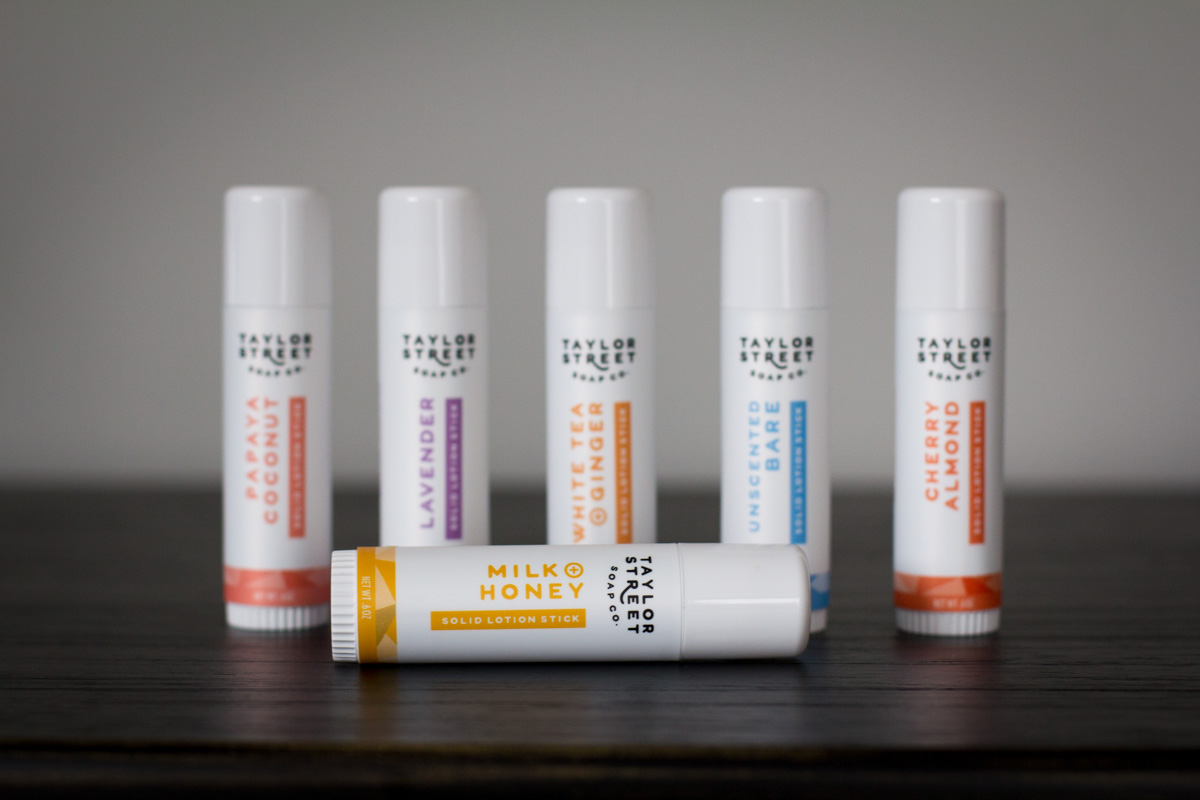
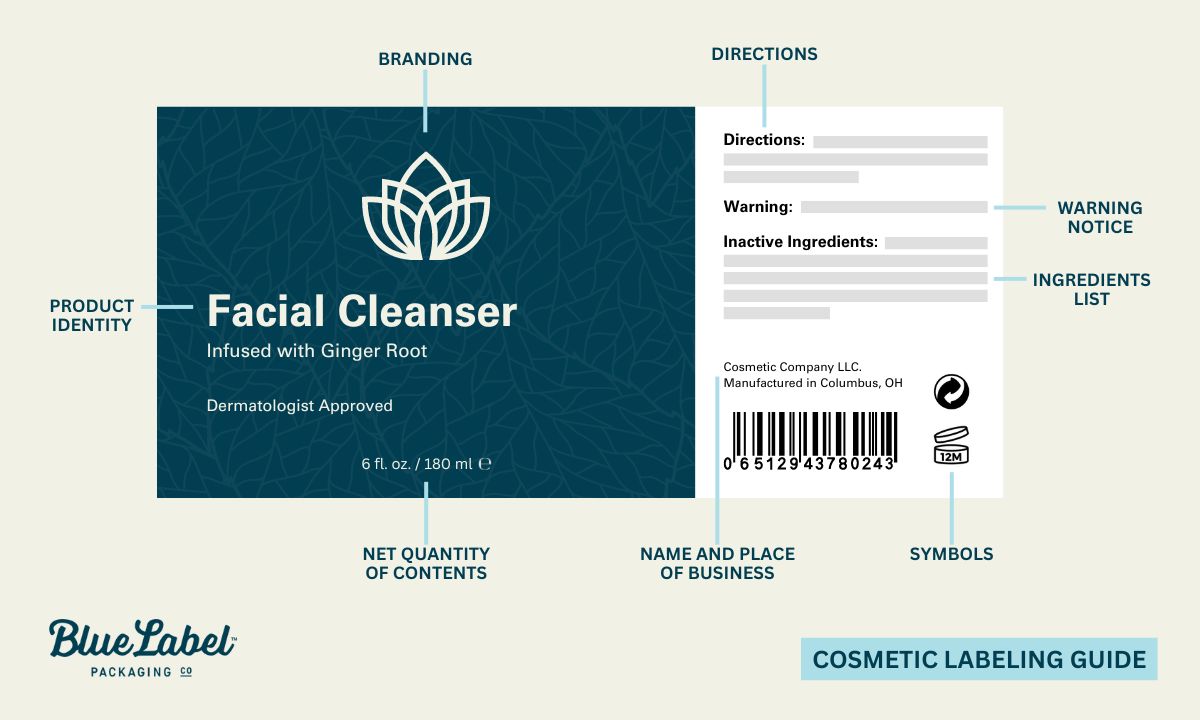
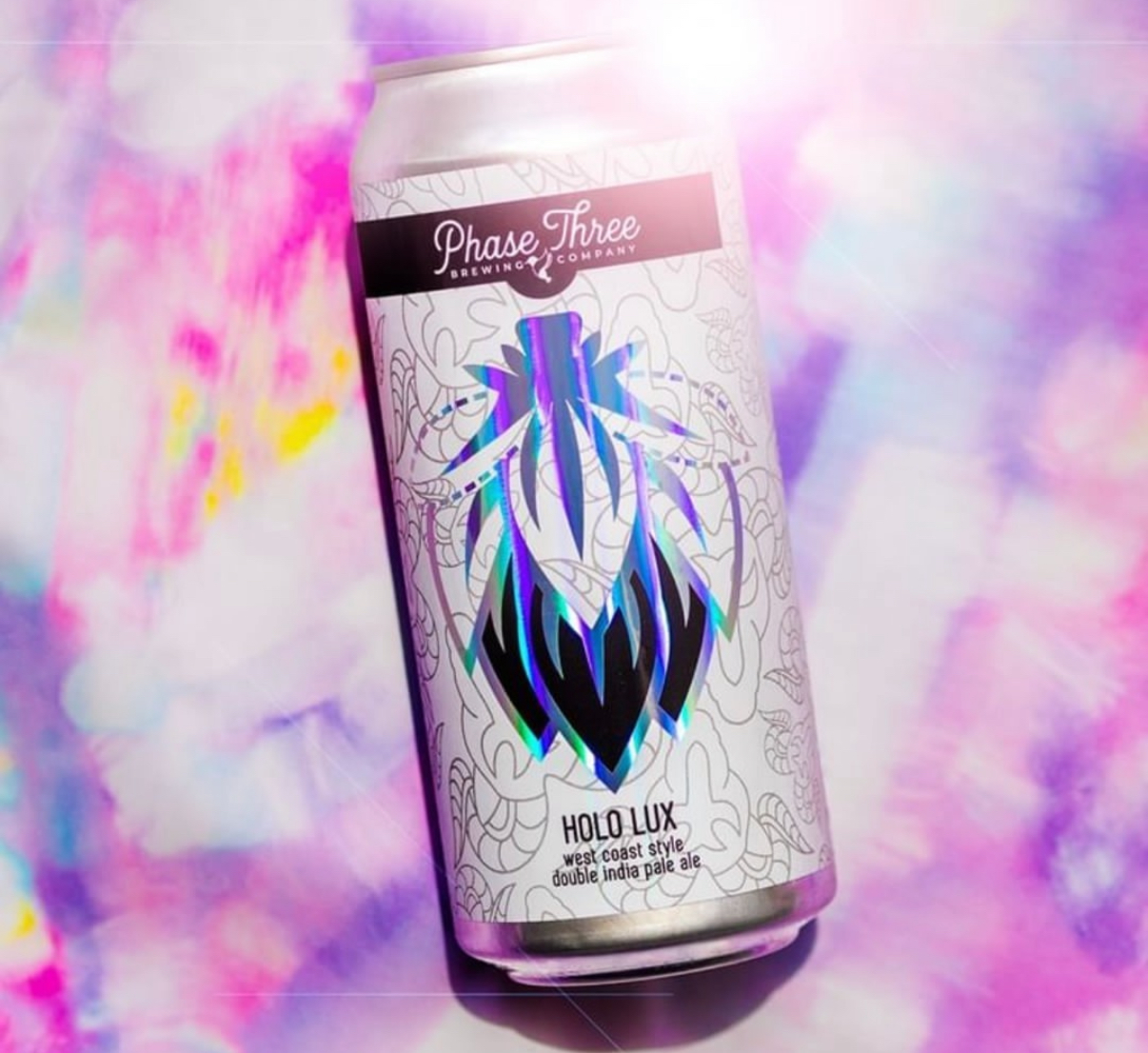
Can Metallic Labels Be Used on Cosmetic Containers?
- cosmetic labels
- Metallic Labels
Metallic labels can look great on cosmetic containers, as long as the label and the packaging actually work together. When they don’t, that’s when things go sideways: peeling, bubbling, or fading.
If you’re deciding whether metallic labels fit your product line, consider how they align with your brand image and product durability needs. Metallics can add a premium look to skincare or luxury products while adding matte or soft-touch finishes might better suit minimalist or eco-focused brands.
Below, we’ll walk through what actually makes a metallic label perform well on a cosmetic container, from material compatibility to design execution, so your labels don’t end up peeling, scratching, or underwhelming on the shelf.
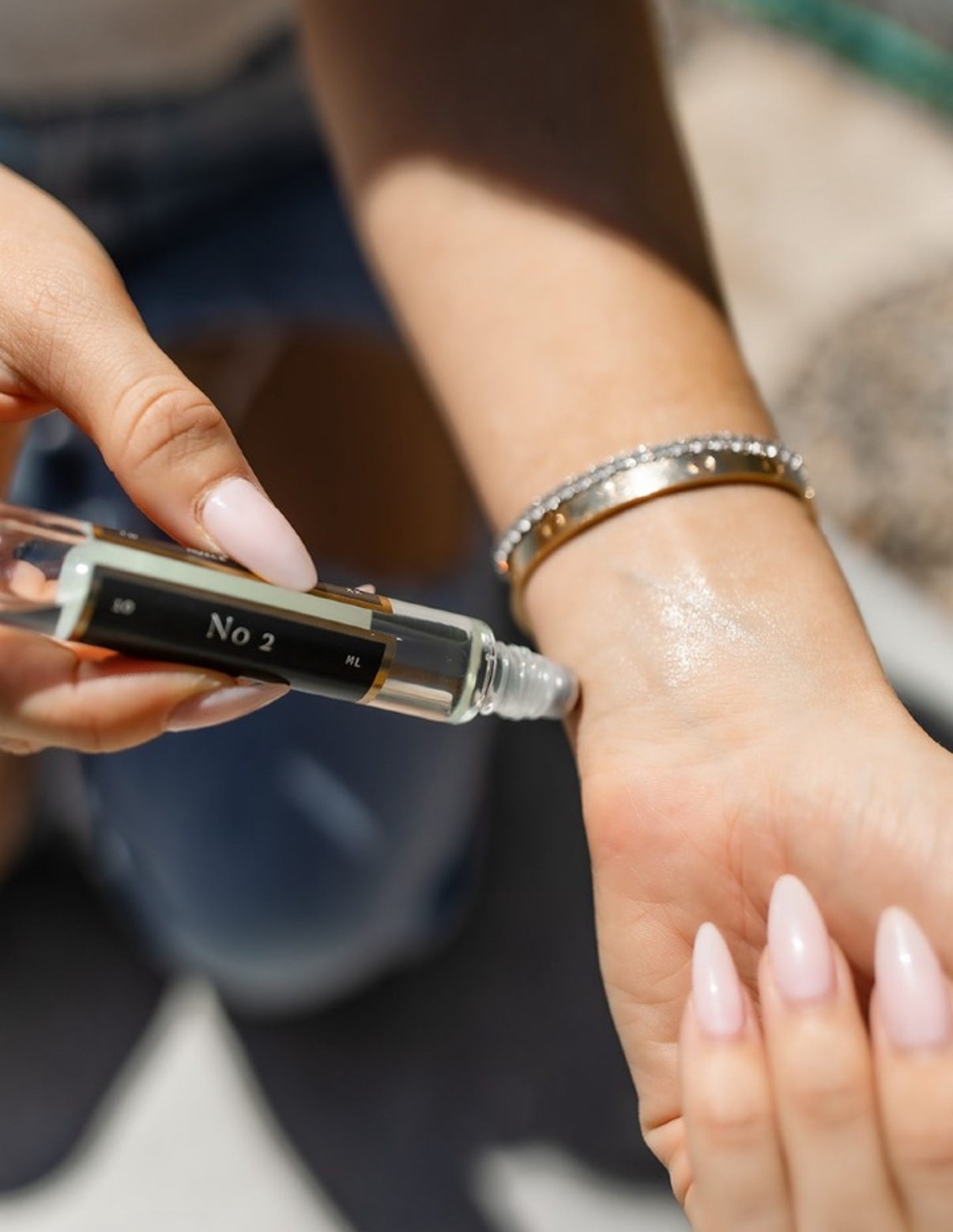
What Can Cause Metallic Label Failure on Cosmetic Containers?
Metallic labels are often used to enhance the look of skincare, personal care, and beauty products. But without the right specs, they can:
- Bubble or lift on curved or textured surfaces
- Scratch or smudge during shipping or use
- Dull or discolor due to oils or moisture
- Fail to meet FDA cosmetic labeling standards
Let’s break down what you need to consider to make sure that doesn’t happen.
Label Adhesion (Depends on the Container Material and Shape)
One of the most common causes of metallic label issues is an unexpected interaction between the label material and the container. Even high-quality labels can fail if the container surface isn’t compatible with the adhesive or material.
Common cosmetic container materials include:
- Glass: Typically rigid and smooth, glass is ideal for metallic labels because it offers great adhesion and print clarity. However, textured or frosted glass can create uneven surfaces that make it harder for labels to fully bond, so proper adhesive selection and surface testing are important.
- PET or HDPE plastic: Often used for lightweight or squeezable bottles and jars. These plastics have lower surface energy, meaning they naturally resist adhesives more easily unless you’re using the right adhesive. The label material itself also needs to flex with the container, so options like MDO or other conformable films are often ideal for these applications.
- Polypropylene (PP): Soft-touch or matte-finish Polypropylene bottles or jars can cause challenges unless the label film and adhesive are matched properly. For these types of containers, we typically recommend flexible materials like MDO or conformable metallic BOPP combined with a high-tack adhesive. These options maintain strong adhesion while allowing the label to move with the container, preventing edge lifting or wrinkling.
- Aluminum or metal containers: These offer great adhesion potential, but surface oils or condensation can interfere with label performance if not accounted for. We generally recommend choosing a durable film like metallic BOPP or PET with an aggressive adhesive formulated for metal substrates.
Container shape also matters:
- Flat or slightly curved containers work well with metallic films.
- Tapered, irregular, or squeezable containers require a conformable label material like metallic BOPP with a flexible adhesive setup, or a shrink sleeve for full 360° coverage and complex shapes; metallic effects are possible on shrink sleeves via metallic inks/films, but they require distortion compensation and pre-production testing.
Environmental Exposure
From production lines to bathroom counters, your products might take a beating. Every stage adds something: scratches, moisture, oil, or friction.
Here’s what your metallic labels might need to withstand:
- Moisture and humidity in bathrooms, shipping containers, and storage
- Oil exposure from skincare formulas like moisturizers, balms, and serums
- Abrasion from being tossed in bags or drawers
- Temperature swings from warehouse storage or transportation (and those fancy skincare fridges)
- Friction between containers in boxes or on store shelves
To avoid fading or peeling, we often recommend using a laminate (like gloss, matte, or soft-touch) to protect the metallic surface. Learn more about lamination options here.
In production environments, factors like humidity, line speed, and container temperature during labeling can all affect performance. For example, labeling cold or damp containers can cause bubbling or lifting unless the adhesive is matched to those conditions. Make sure your label supplier knows how and where you’re applying labels.
Design and Print Execution
A metallic label only works if it gives you the effect you’re going for, and that comes down to thoughtful design and the right print approach.
Here’s how to get that right:
- Use white ink underlays beneath your CMYK colors to create contrast and block out the metallic background in certain areas. Without this layer, colors can appear washed out or behave unpredictably. Think of it like priming a wall before you paint; it helps your colors show up the way you expect. White ink isn’t automatically added when printing on metallic materials, it has to be called out in your artwork or discussed during setup.
- Metallic BOPP vs. foil stamping:
- Metallic BOPP gives your entire label a subtle, metallic sheen and is ideal for full designs or longer production runs.
- Foil stamping is an embellishment that adds reflective metallic accents like gold, silver, or copper to specific areas such as logos or borders.
- Finish: Soft-touch or matte laminates tone down reflectivity for a more elegant feel. Gloss finishes enhance shine.
- Spot embellishments like cold foil, screen printing, or spot UV can draw attention to logos or product names.
When preparing artwork, make sure your designer specifies white ink layers and metallic effects in vector format (AI or PDF files). Clearly label these layers so they can be processed correctly during print setup.
Compliance and Labeling Requirements
Cosmetic products sold in the U.S. must comply with FDA regulations (21 CFR 701) and, if applicable, ISO 22715. That includes requirements around:
- Label durability and legibility under normal storage and use
- Ingredient disclosure and readability (especially on metallic surfaces)
- Label permanence meaning the printed information must stay attached and readable even after repeated handling, exposure to oils, or sitting on a bathroom counter
If your label flakes, smears, or fades out, that’s not just a bad look, it could be a labeling problem too.
For example, if ingredient text on a metallic label fades due to oil exposure, that could trigger a reprint or even a compliance issue. Simple adjustments like using an opaque white underlayer, increasing font weight, or selecting a protective laminate can prevent costly issues across product lines.
Sustainability and Recyclability
Most metallic labels, especially those made from metallic BOPP or PET, are not curbside recyclable unless the label is removed before recycling. If sustainability is a core priority, there are label options that can help you balance both goals:
- Wash-off adhesives that allow labels to be removed cleanly during the recycling process, especially helpful if your containers are PET or glass and you want them to be fully recyclable
- Cold foil embellishment over a recyclable face stock, which uses less material than full metallized films
- Eco-friendly label materials made from post-consumer waste or engineered to minimize environmental impact
If sustainability matters to your brand, we’ll help you source the right materials and adhesives that meet your packaging and environmental goals. Look for certifications like FSC® or APR where your materials meet recognized recycling or sustainability standards.
Quick Checklist: Is Your Metallic Label Ready for Cosmetic Containers?
- Container is smooth or only slightly curved
- Label material is flexible (e.g., metallic BOPP)
- Adhesive is matched to the container surface and environment
- Laminate protects against oils, abrasion, and moisture
- White ink is used for legibility and color accuracy
- Text meets FDA readability and durability standards
- Application conditions (temperature, surface prep) are controlled
- Sustainability options are considered if needed
Not sure if metallic BOPP will stick to your container? Contact us and we’ll send samples or talk through what you’re working with. We’ve printed metallic labels for skincare bottles, jars, and high-end cosmetics, and we’ll help you make the right decision.