Can Paper Labels Be Used on Wine Bottles?
If you’re wondering whether paper labels can hold up on your wine bottles, you’re not alone.
Paper labels are a go-to for a lot of wine brands, especially when you want a high-end or handcrafted look. But if you’re producing at scale, there’s more to the decision than just aesthetics, you’ve got to make sure the label performs.
Bottle Shape and Surface
The shape and texture of your wine bottles directly impact how well paper labels perform. Many wine bottles have curved or slightly tapered surfaces, and some feature embossed or textured glass.
These shapes can cause labels to lift, wrinkle, or peel if you’re not using the right materials.
Here’s how to keep your labels from becoming a pain later:
- Choose pressure-sensitive adhesives formulated to conform to curved surfaces without lifting or wrinkling.
- Use die-cut labels (labels that are cut to a custom shape) to match the bottle’s shape to help reduce wrinkling.
- For embossed or textured bottles, a stronger adhesive is usually necessary.
Moisture and Temperature Exposure
Your wine bottles will likely face many different environments, from bottling lines to store shelves to chilling in ice buckets.
Uncoated or untreated paper labels are prone to wrinkling or peeling when exposed to moisture or cold temperatures, so here’s how to ensure your paper labels survive:
- Choose wet-strength paper (specially treated paper that resists tearing or peeling when exposed to moisture) or a coated paper that adds a water-resistant barrier.
- Use moisture-resistant adhesives to maintain adhesion even under condensation.
- Consider lamination or a protective varnish to add an extra barrier against moisture and abrasion. A varnish is a thin coating that adds light protection and aesthetic finish, while a laminate is a film layer that offers heavier-duty protection. Learn more about lamination options.

Label Durability and Handling
Labels that look great when first applied can quickly degrade due to friction and handling during transport and retail display. Paper labels are particularly susceptible to this kind of abrasion. But the right finish can go a long way.
- Use matte or gloss varnish to minimize scuffing during distribution.
- Choose an overlaminate film for extra protection, especially if bottles are frequently handled.
- Consider textured or embossed paper stocks that hide minor imperfections effectively.
Design and Embellishments
Paper labels offer fantastic design flexibility, giving you options for premium finishes to make your label and bottle stand out. But some techniques work better on certain paper types:
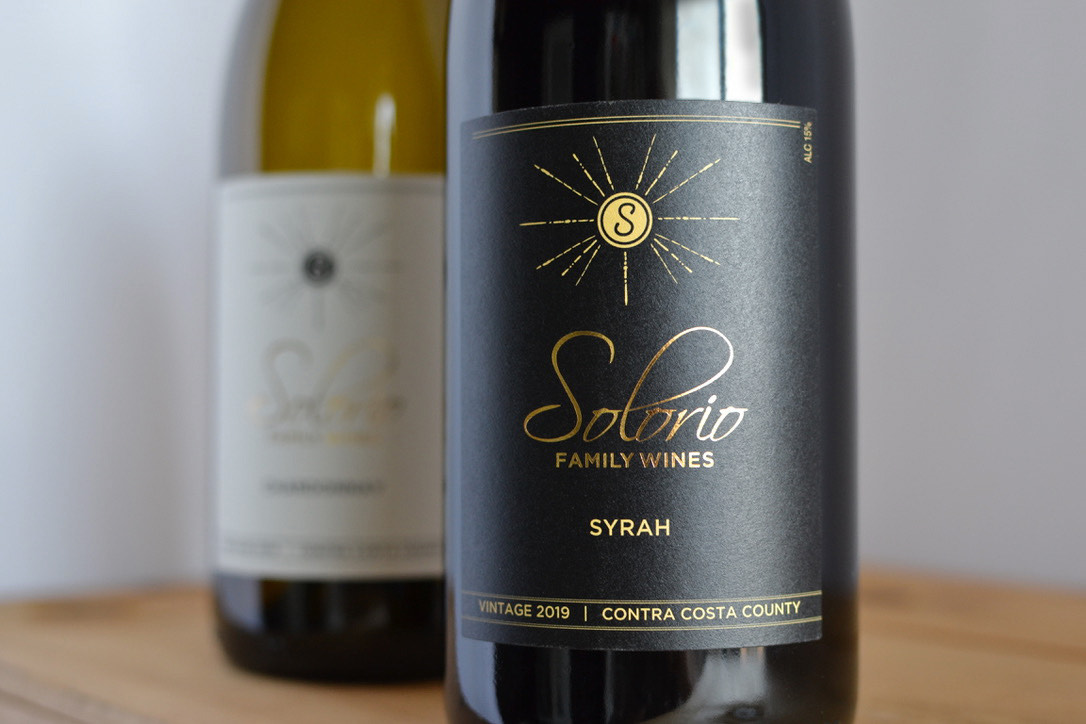
- Foil stamping, embossing, and debossing pair exceptionally well with textured paper stocks.
- Because uncoated or textured papers tend to absorb ink or varnish unevenly, techniques like spot UV (a glossy coating applied to highlight parts of the design) may require special primers or adjustments to ensure a clean finish.
Compliance Considerations
Your labels need to meet TTB (Alcohol and Tobacco Tax and Trade Bureau) rules, which means key info like alcohol content and health warnings has to stay readable from bottling all the way to the customer’s hands.
Like we said before, make sure your paper labels:
- Have strong adhesives that prevent lifting and peeling.
- Are durable enough to stay intact during typical handling and storage scenarios.
Sustainability and Recycling
Many wine brands value sustainability, and paper labels can support those efforts when chosen carefully. Options like FSC-certified paper or recycled-content paper offer more environmentally responsible choices for wine producers focused on sustainability.
If sustainability matters to your brand, here’s how to make paper labels part of the solution:
- Use FSC-certified or recycled-content paper.
- Opt for water-based adhesives or wash-off adhesives if participating in recycling programs or bottle reuse initiatives.
- Add your sustainability credentials directly to your label to communicate your values.
Quick Checklist for Paper Labels on Wine Bottles
- Pressure-sensitive adhesive for curved and tapered bottles
- Wet-strength or coated paper stock
- Moisture-resistant adhesive
- Protective varnish or laminate
- Tested embellishments (foil, embossing)
- Compliance with TTB durability guidelines
- Sustainable material and adhesive options
Wrapping It Up
Yes, you can, and often should, use paper labels on wine bottles. The key is knowing exactly what materials, adhesives, and finishes will perform reliably.
Need help finding the perfect label material for your bottles? Contact us and we’ll walk you through it.