What Label Materials are Best for Wine Bottles?

We get a lot of questions about the right label materials for wine bottles. Most wineries or wine makers want a premium looking wine label, but it also has to stand up to ice buckets and transportation.

Here’s our input on picking the perfect label material to keep your bottles looking sharp from shelf to first sip.
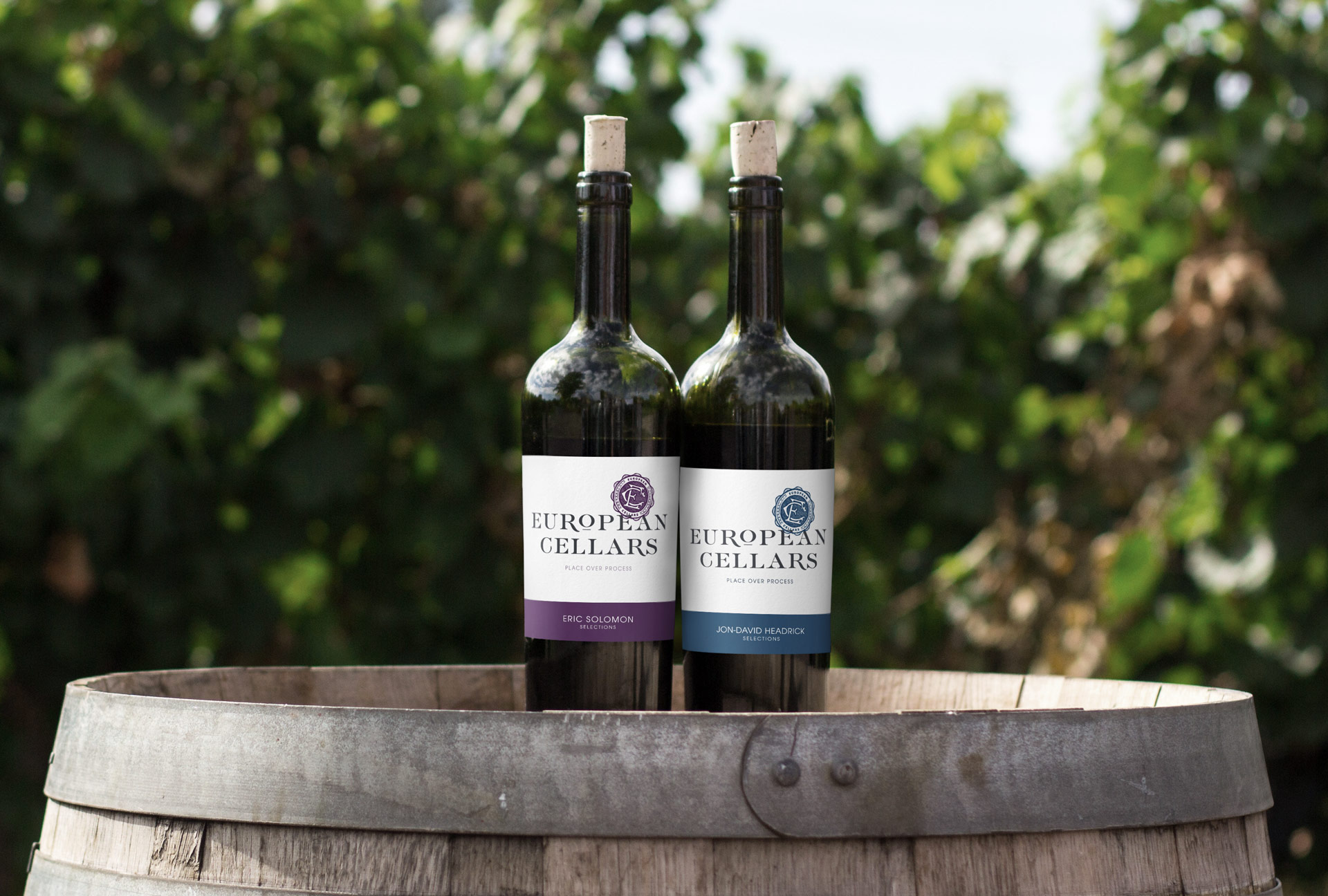
Standard Paper Labels: Ideal for Red Wines

We typically recommend standard paper labels for red wines. Here’s why.

Pros:

  • Premium look and feel: Textured substrate finishes like linen or felt have that soft grain you can feel. It’s a small touch, but one that instantly signals quality.
  • Excellent print clarity: You get sharp details and vibrant colors on paper labels.
  • Cost-effective: Paper is generally an affordable, professional option, especially for high-volume runs.

Considerations:

  • Moisture sensitivity: We do not recommend laminating a textured paper since this will cause you to lose the look and feel of the texture. Consider this if your product will encounter ice buckets, spills, and other moist environments. 
  • Durability: Paper can suffer in harsh handling or damp storage conditions, causing wrinkling or peeling.

Best Applications:

  • Cellar-stored red wines
  • Ambient temperature retail displays
  • Premium labels with embossing, hot foil stamping, and spot varnishes (a clear coating used to highlight specific design elements with a glossy finish)
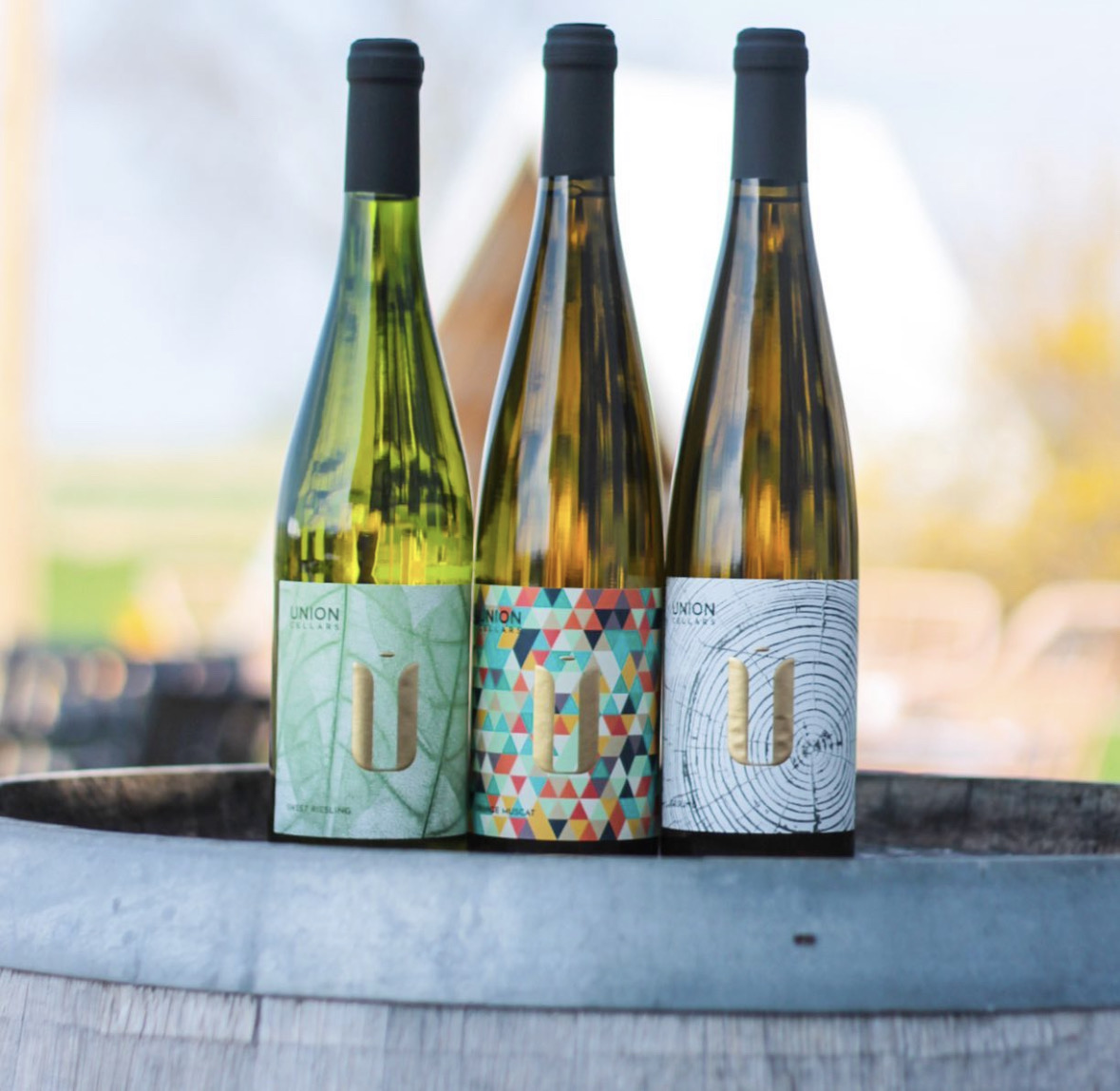
Wine Bottles with Labels

EverOpaque® Labels: Best for White Wines

If you produce white or rosé wines, we recommend taking a close look at EverOpaque® labels. These hybrid labels are widely used in commercial wine applications for their consistent performance in refrigerated and wet conditions, including extended time in ice buckets.

They combine the upscale feel of paper with the durability of film, giving you the best of both worlds.

Pros:

  • Ice-bucket tested: Maintains adhesion and appearance even after hours submerged in an ice bucket, something standard paper labels typically can’t handle without damage (if they’re not laminated).
  • Paper-like luxury: Retains a textured, premium finish that many wine consumers associate with tradition and craftsmanship.
  • Durable through distribution: Withstands handling, friction, and temperature swings during bottling, shipping, and retail handling.

Considerations:

  • Higher cost: Slightly pricier than standard paper, but the durability often justifies the investment.
  • Due to the film backing that this substrate pairs with, we are able to get a deeper emboss because we can push more without breaking the paper. 

Best Applications:

  • Chilled whites and rosés
  • Wines for outdoor or humid climates
  • Export products needing reliable durability

Film & Synthetic Labels

Film labels, typically made from materials like BOPP (biaxially oriented polypropylene) or PET (polyethylene terephthalate), are great in the right scenarios, but we don’t usually recommend them as a first choice.

Pros:

  • Exceptional durability: Resist abrasion, moisture, UV, and temperature extremes.
  • Sleek, modern aesthetic: Good for minimalist branding.

Considerations:

  • Reduced tactile quality: Less luxurious than textured paper or hybrid labels.
  • Cost: Less  than paper hybrids like EverOpaque.

Best Applications:

  • Outdoor or ultra-resilient packaging
  • Wines that require extremely durable labeling (e.g., export or long transit)

Quick Comparison Table

Material Durability¹ Moisture Resistance² Aesthetic Quality³ Cost⁴
Standard Paper Moderate Low Excellent Medium
EverOpaque® High Excellent Very Good High
Film/Synthetic Very High Excellent Moderate Lowest

¹ Based on abrasion resistance, shipping conditions, and handling wear.
² Performance in refrigerated, humid, or wet environments.
³ Includes print quality, texture, and visual appeal.
⁴ Relative material cost at scale; actual pricing varies by volume and customization.

Label Material Summary and Best Uses

  • Best for red wines: Standard Paper: Premium look at a great price, but not moisture-friendly without lamination or protective finishing techniques.
  • Best for white/rosé wines: EverOpaque®: Combines luxury appearance with robust durability, perfect for chilled storage.
  • Most durable: Film/Synthetic: Ideal for harsh conditions but lacks tactile elegance.

Wrapping Up

As you can see, picking the best label materials for your wine bottles isn’t just about looks. You also have to consider durability, cost, and compatibility with finishing techniques. Need more help? Contact us or request a sample pack and we’ll help you compare the options.
What Is A Soft-Touch Label And Why Should Product Manufacturers Consider It?

If your brand of consumer goods has a line of luxury products, how do you set them apart? Soft-touch labels show customers that they’re in for a unique experience when they’ll buy your premium products—even before they’ve tried the product. 

You’ve likely come across soft-touch labels many times at high-end stores. Their smooth, velvety feel gives product packaging a different tactile experience. Here’s what soft-touch labels are, and why you should choose them for your products.

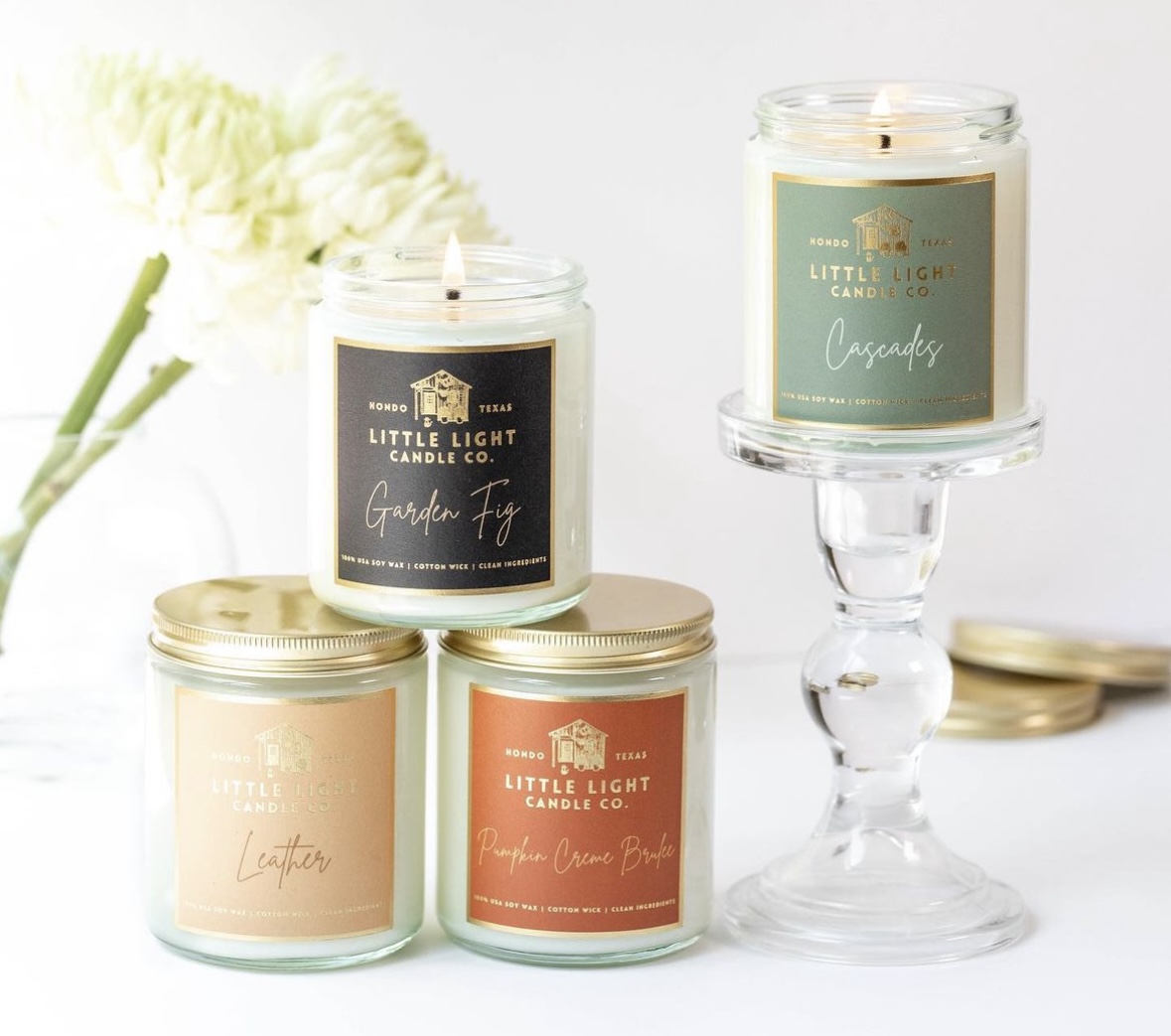
Candles with custom labels

How Soft Touch Labels Achieve That Soft Feel 

We make soft touch labels using polyurethane compounds that give the label a smooth, velvety feel. In the first step, the label is flood-coated with an adhesive. Then, a soft-touch finish is applied to the sticky side and cured with UV light. Once it cures, the coating becomes much more durable and long-lasting. 

What Products Are Well-Suited For Soft Touch Labels 

Wondering if soft-touch labels align with your brand and product line? Here are some common product types that commonly use these labels: 

  • Personal Care Items: Cosmetics, lotions, fragrances, and skincare are all examples of personal care items where soft-touch labels can make a positive impression on customers. The soft texture contributes to a premium feel and positions your brand as luxurious. 
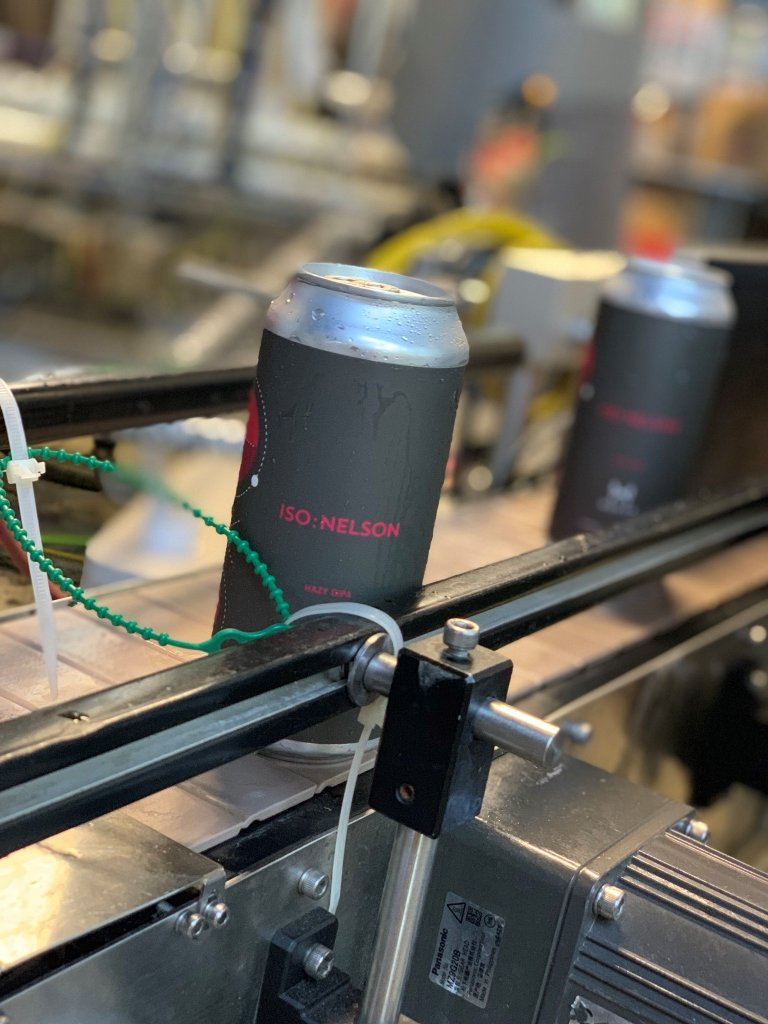
  • High-End Alcoholic Beverages: Soft-touch labels are a common choice for wines, spirits, and even specialty craft beers. The smooth, matte finish can make your product appear upscale and sophisticated. These labels are especially common for premium product lines and limited edition collections. 
  • Luxury Food and Beverages: Having soft-touch labels for premium food and beverage products can make them stand out on the shelves. For example, high-end chocolates, specialty coffee, and artisanal teas can reflect a refined experience when you see them. 
  • Nutraceuticals: High-end nutraceutical and supplement brands use soft-touch labels to show customers that they value providing a high-end product. 

Benefits Of Choosing Soft Touch Labels 

There’s more to these premium product labels than their luxurious appearance and feel. Here are some of the other benefits: 

Soft Touch Labels Are Durable 

Despite the delicate and sophisticated appearance, soft touch finishing can protect your product from fading, smudging, and scratches. The coating on top of the label protects the ink underneath, leading to minimal wear and tear. 

Soft Touch Labels Don’t Peel 

A label that starts peeling soon after you buy a product is a sign of poor quality. With soft-touch labels, you won’t have to worry about that, since the process uses premium adhesive. A good example of this is labeling high-quality wine bottles. Even if the bottle is put on ice, you won’t have to worry about the label peeling, fading, or scratching. 

Customers Love the Feel

Today, more consumers are seeking unique buying experiences from the brands they love. They perceive high-quality packaging as a reflection of your product’s value, which is why many customers view soft-touch labels positively. 

Soft Touch Labels Are Compatible With Different Containers 

Another advantage is that soft-touch labels are compatible with plastic, metal, and glass packaging. From jars and containers to bottles, these labels easily adhere to different types of packaging for consumer products. 

You Can Combine Soft Touch With Other Techniques 

Another way you can customize your brand’s soft touch labels is by combining them with other finishing techniques, like foil stamping or spot UV finishing. This improves the visual and tactile appeal of your labels. Many brands prefer combining different techniques for their premium product labels. 

Considerations of Choosing Soft Touch Labels

Sure, soft-touch labels come with some impressive benefits, but there are a few considerations, too. 

It May Add to the Cost of Labels 

Getting a soft touch finish may add to your cost of labels because the coating process is more expensive than that of regular finishes. The process requires specialized materials and extra steps, which can increase your per label cost. 

Choose Soft Touch Label Printing For An Attractive Finish 

Soft-touch labels are a great way to communicate that you value the customer’s buying experience and are delivering a premium product. These labels have a smooth, velvety feel that protects the information on your label. They don’t peel, are compatible with plastic, metal, and glass containers, and come in different finishes. You can also customize the final look by combining a soft-finish coating with other techniques like foil stamping. 

Interested in soft touch labels for your products? Get in touch with the experts at Blue Label Packaging. Check out our materials, get a sample pack, or request a quote.