Seasonal Beer Labels: Trends, Consumer Demand, and Design
Studies show that holiday or limited-edition packaging can double purchase preference compared to standard packaging for beverages. That’s a pretty compelling reason to consider offering seasonal beers, right?
Consumers also see “limited edition” designs as collectible, which can drive incremental purchases. Limited-edition packaging works by creating a feeling of scarcity and exclusivity (Journal of Consumer Marketing).
When you time your beer to an occasion, people pay attention.
Which Seasons Matter Most?
Beer consumer data shows that there are several ideal seasons and holidays in the U.S. where beer consumption and interest in seasonal beers spike.
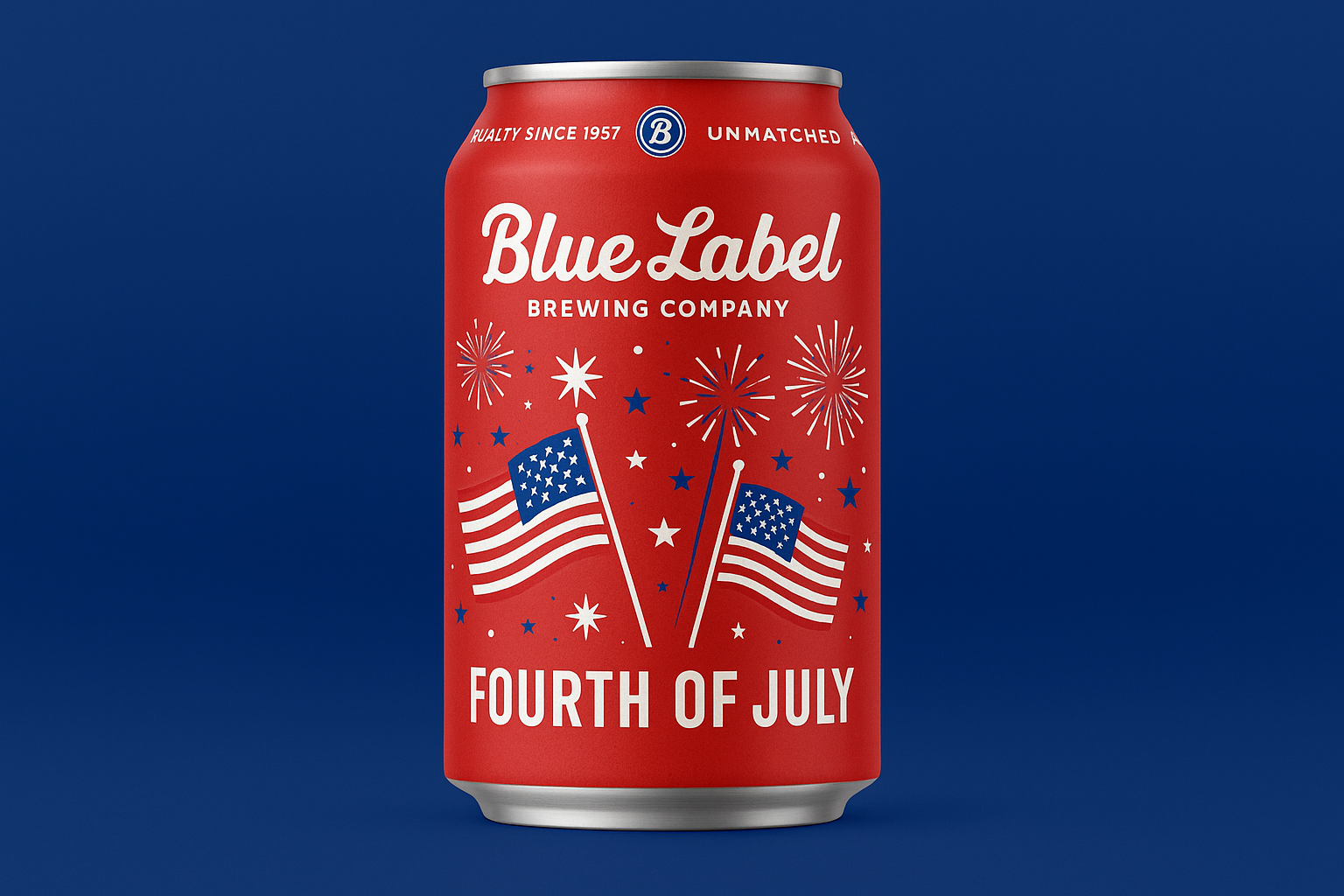
Fourth of July
The biggest beer week of the year, every year. NielsenIQ and NBWA data consistently rank Independence Day as beer’s top sales week.
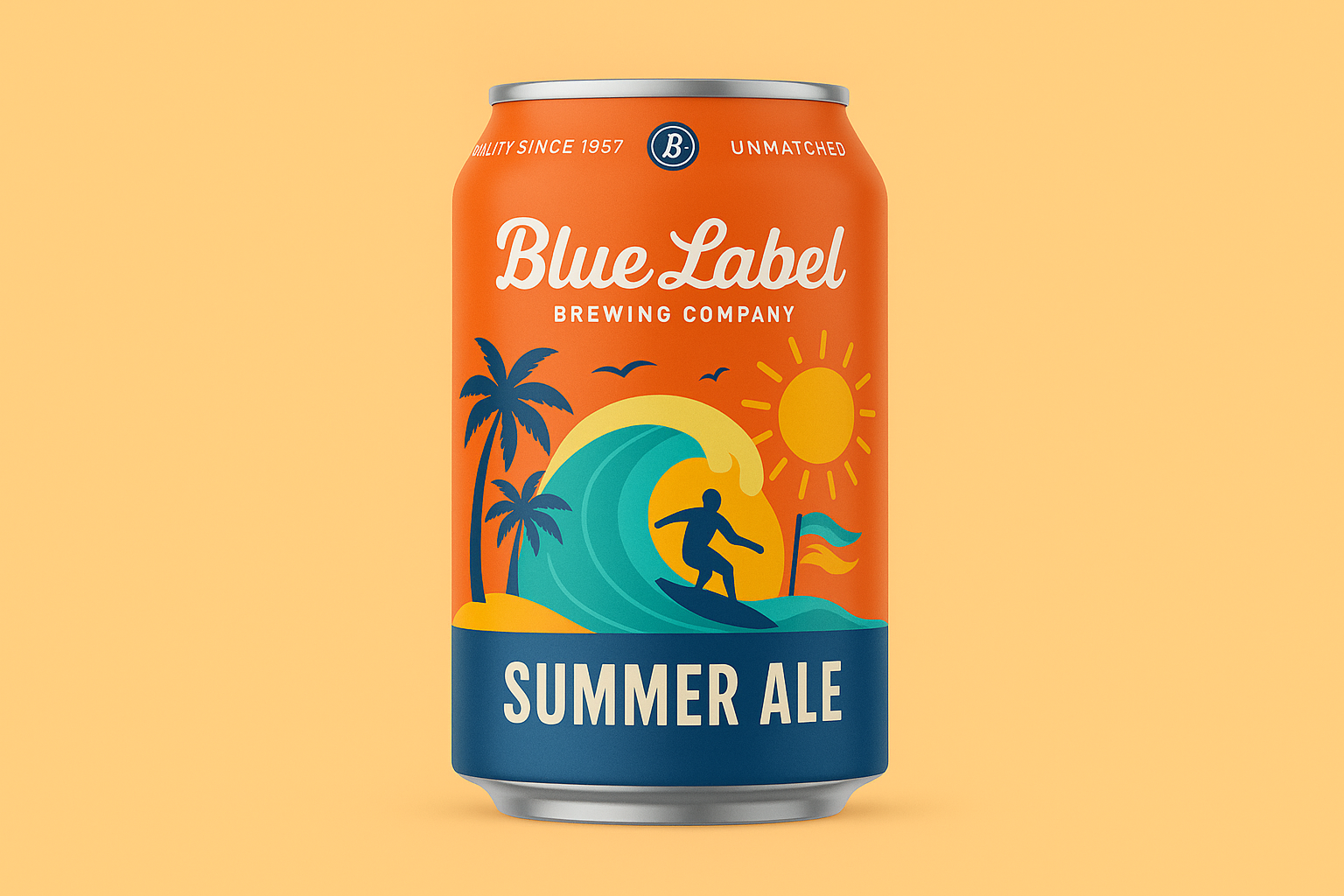
Summer
Nearly 40% of annual beer sales occur May–August, with July 4th and Labor Day surges. Weekly deliveries can run 50% higher than average during this period (Good Beer Hunting citing NBWA/Nielsen).
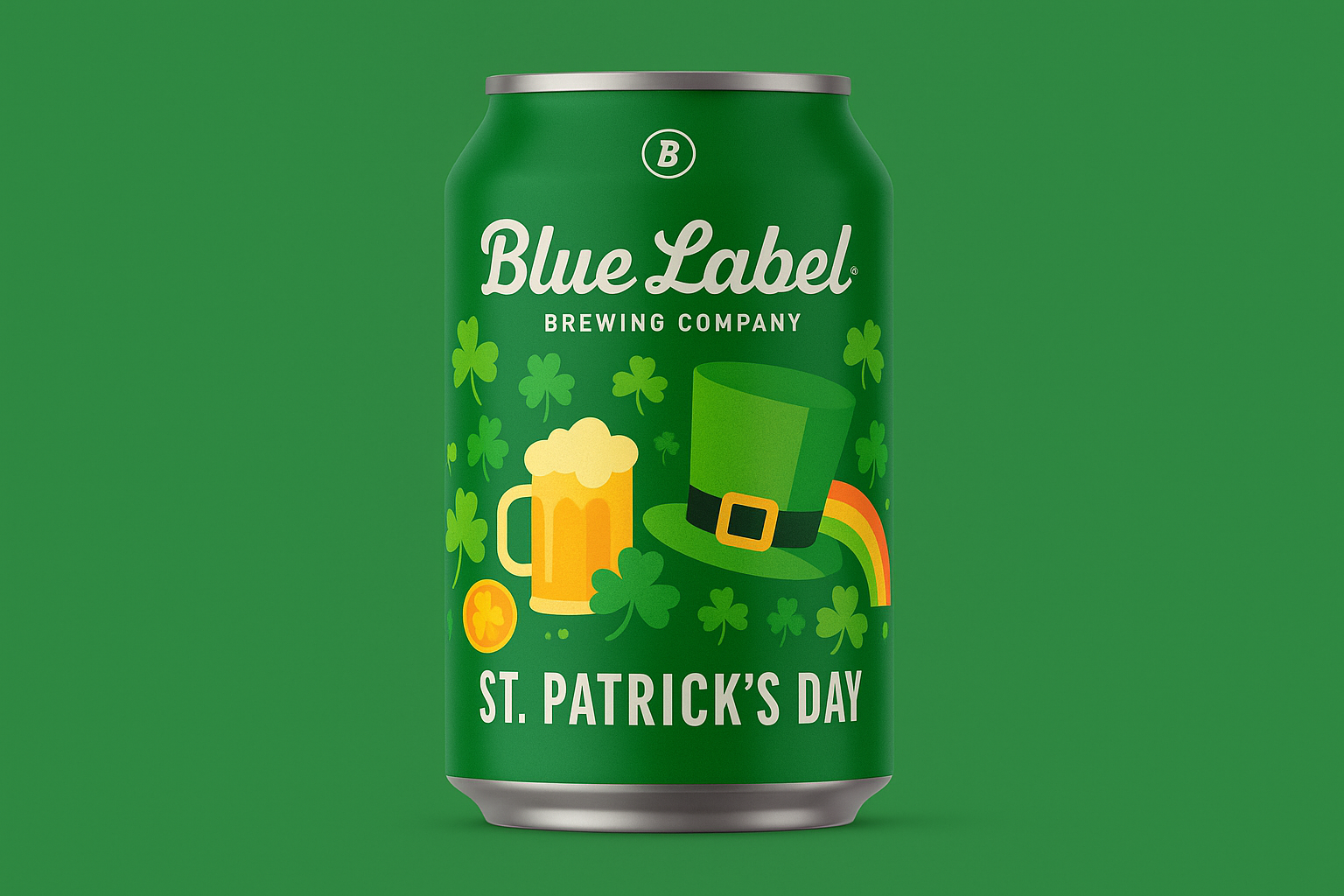
St. Patrick’s Day
The #1 on-premise beer sales day of the year for bars and restaurants according to NIQ CGA.
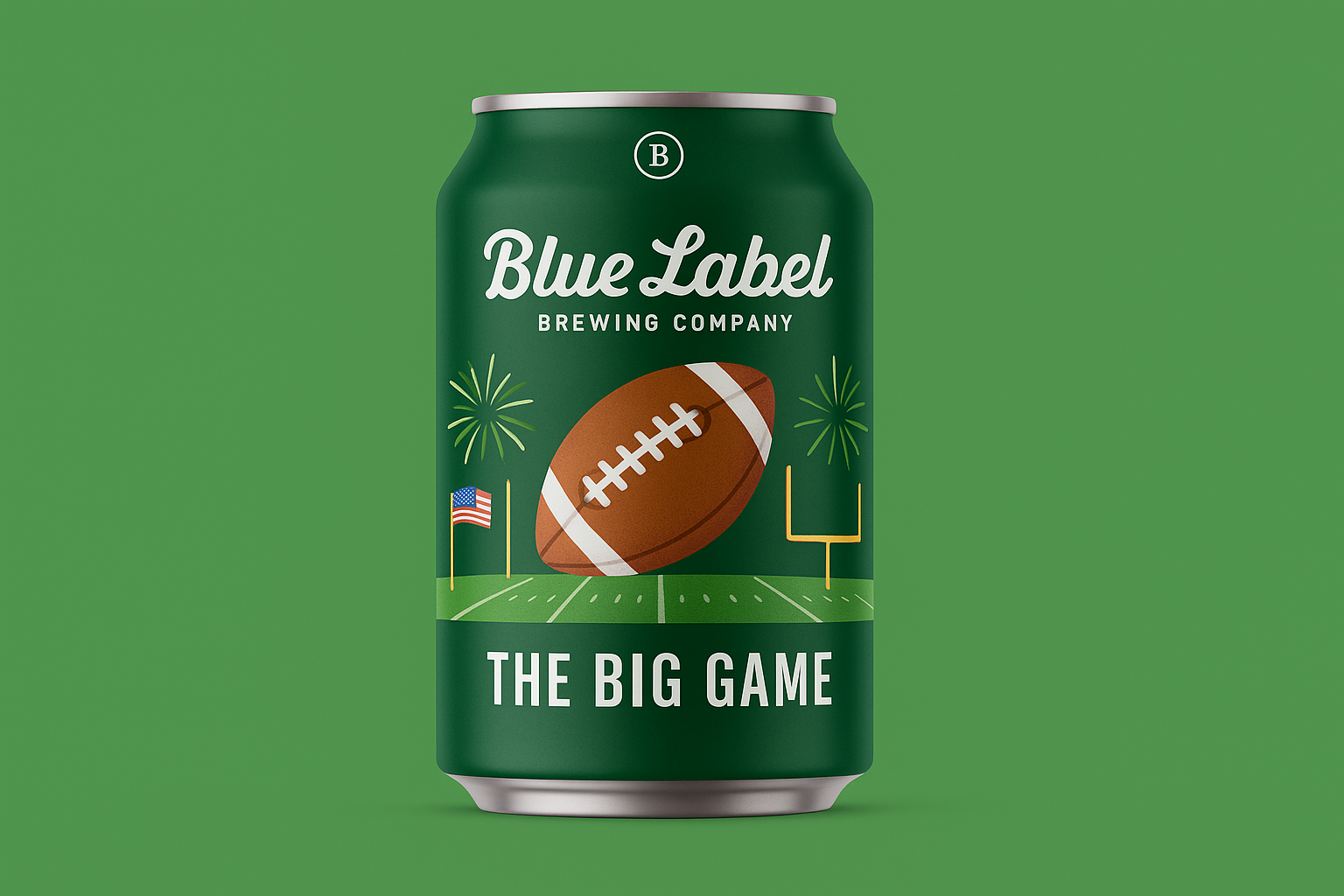
The Super Bowl
More than $1.4B in off-premise beer sales occur around the Super Bowl (NIQ).
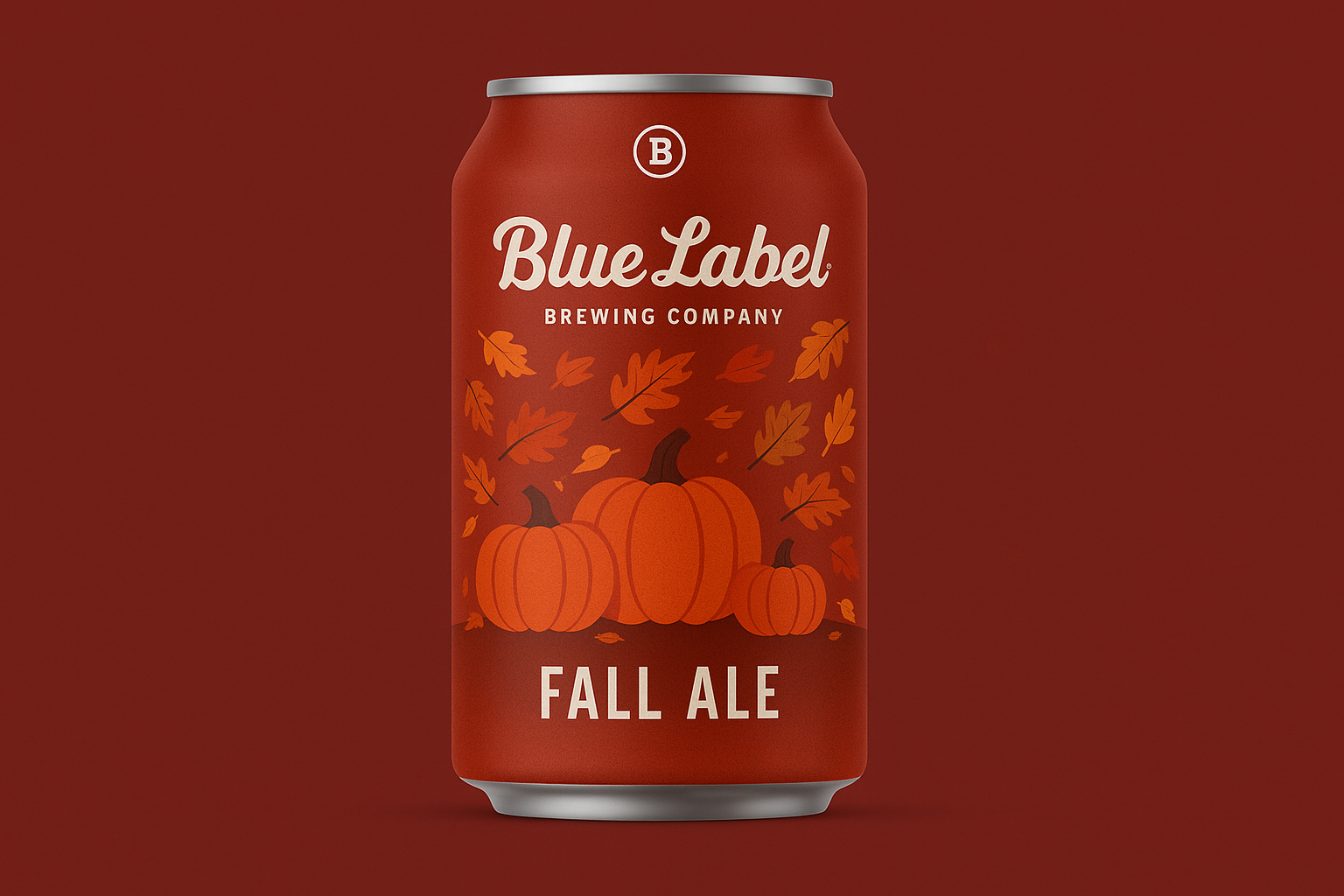
Halloween & Fall
IRI scan data shows seasonals account for ~11.6% of their annual volume in October, with Märzen specifically at ~9.5% (Brewers Association/IRI). On-premise, Oktoberfest beers can outperform pumpkin beers, commanding higher prices (Union POS Data).
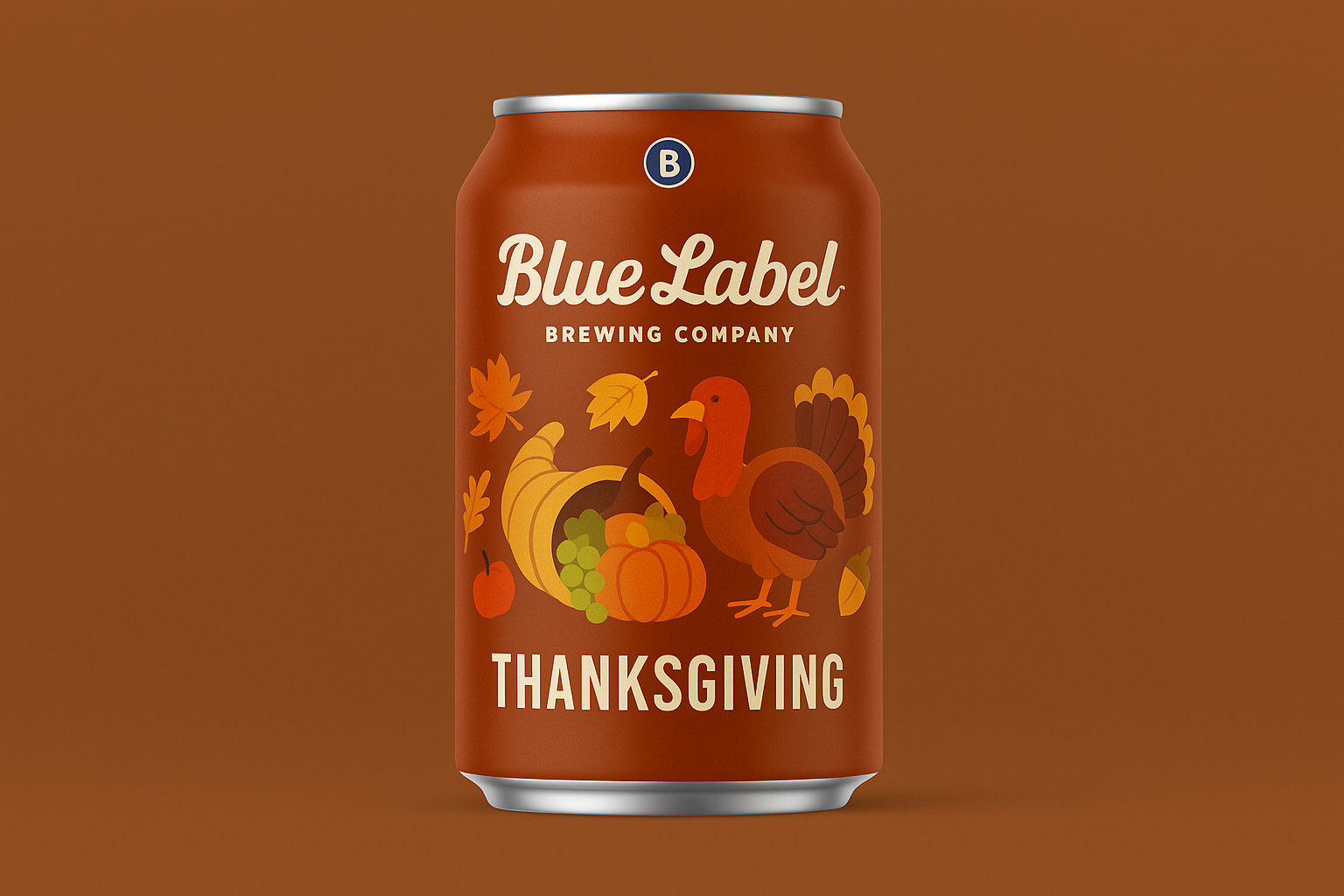
Thanksgiving Eve (“Drinksgiving”)
Consistently a top-5 night for on-premise sales. Lightspeed data shows beer orders up +85% vs. a normal Wednesday (Lightspeed), while BeerBoard confirms significant spikes in traffic.
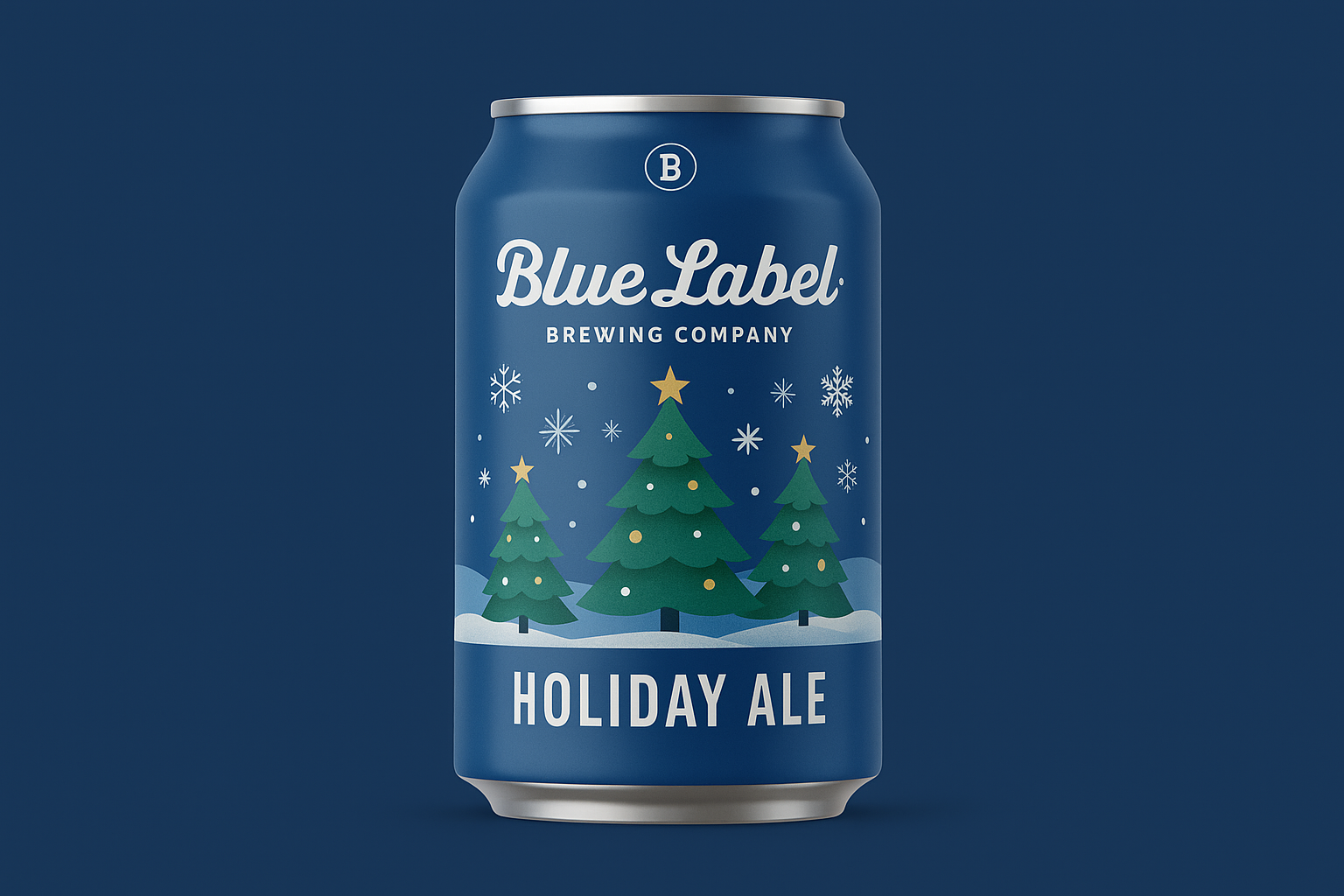
Winter Holidays
Early December Saturdays rank among the top on-premise sales days of the year (NIQ CGA). Off-premise, Circana reports Thanksgiving alone delivers a $2.4B lift in alcohol sales vs. an average week.
Great Lakes Brewing’s Christmas Ale is a case study in winter seasonals’ power, ranking as a top-15 craft brand nationally over just eight weeks (Brewbound).
Bottom line: the best bets are summer, St. Patrick’s, Super Bowl, fall (Halloween + Oktoberfest), and early December holidays.
How to Approach Seasonal Beer Labels
Research shows that label design directly impacts shopper attention and purchase. In Quad’s 2025 shelf study (they used real planograms and eye-tracking), beer shoppers gravitated to labels with strong color blocking, clear beer style callouts, and simplified hierarchies.
Here are some research-backed to put together an appealing seasonal label:
Design Considerations
Contrast and clarity
Eye-tracking studies show modern, clean labels earn more visual attention and selection than dense, illustrated designs (Systematic Review). For seasonals, make sure the beer style is legible at a glance and avoid overcrowding your design.
Color psychology
A peer-reviewed experiment with Danish beer drinkers found that warm label colors and specific bottle forms significantly influenced perceived quality, liking, and expected price. Consider leaning into warm palettes for fall or winter releases and brighter, high-contrast colors for summer offerings.
Occasion cues
Research on packaging and occasion-linked alcohol products shows simple seasonal cues (shamrocks, snow, fall textures) help position beers as timely choices (Alcohol Focus Group Study).
- Always highlight the beer style name prominently. Seasonal buyers want quick recognition (e.g., “Oktoberfest Märzen” or “Holiday Ale”).
- Incorporate one or two clear seasonal visuals (like snowflakes, leaves, or shamrocks) rather than cluttering the label with many small details.
- Balance brand identity with seasonal cues: keep core brand elements consistent so your seasonal releases still look like they’re part of your portfolio.
- Consider limited-edition cues (like “Only this season” or numbered runs) to play into collectability and scarcity.
Materials & Finishes by Season
Summer (ice buckets, patios, coolers):
- BOPP films with condensation-resistant adhesives to prevent peeling and water whitening.
- Wet-strength papers with high wet opacity for premium looks that survive ice-bucket immersion.
Fall (Oktoberfest, Halloween):
- Textured/kraft or uncoated wet-strength papers for rustic, autumnal cues that can still pass moisture tests.
- Soft-touch coatings increase perceived quality and willingness to pay more (~+5%) in studies.
- Tactile UV for raised seasonal details (leaves, steins).
- Blacklight inks
Winter (Christmas ales, gift packs):
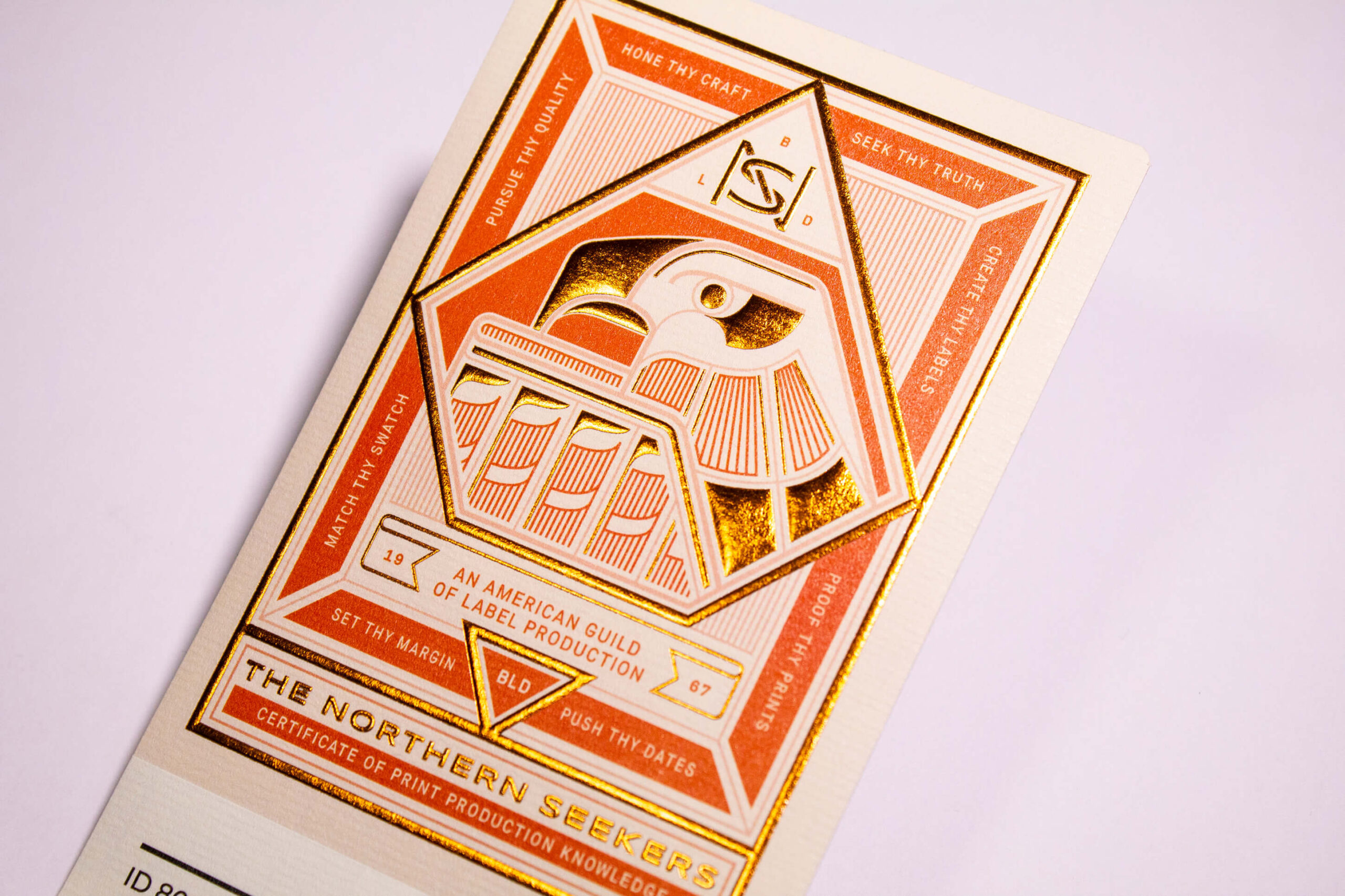
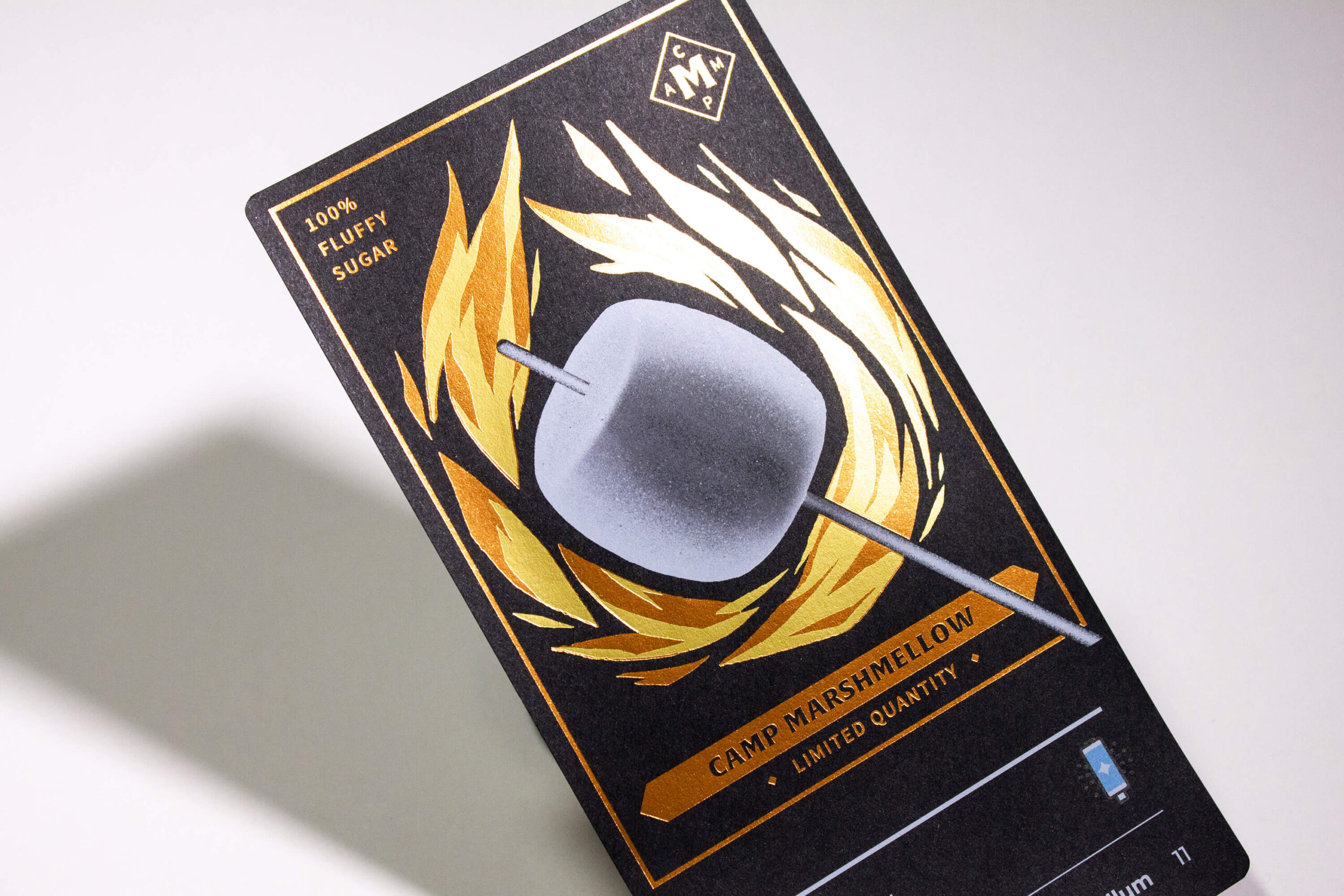
- Metalized papers or metallized BOPP for holiday shimmer (Label Industry Reports).
- Foil stamping (gold/silver) + emboss/deboss create premium cues widely used in holiday packaging (Craft Brewing Business Case Study).
- Soft-touch overprint with spot gloss is supported by tactile packaging research showing elevated quality perception.
Sustainability Considerations
- Shrink sleeves: Many breweries use shrink sleeves to get full-bottle designs, but not all are equally friendly to recycling. Look for versions that can be removed easily during the recycling process so your bottles and cans don’t get rejected. (APR Guidance)
- Pressure-sensitive labels: These are the standard labels most brewers use. To support sustainability, consider options that are easier to wash off or recycle so your packaging doesn’t cause problems in reuse or recycling streams (UPM Wash-Off Case Study).
- Paper facestocks: Choosing paper made with certified or lower-carbon materials is another way to lower your environmental footprint, especially when you’re producing multiple seasonal runs each year (UPM Label Life).
Key Takeaways
Seasonal beers succeed because they tie your brand to a moment. With the right mix of timing, design, materials, and finishes, your next fall seasonal, Super Bowl lager, or Christmas ale can stand out on the shelf and or at the bar.
Ready to talk about your next seasonal? Request a quote or get a sample pack to see what’s possible.