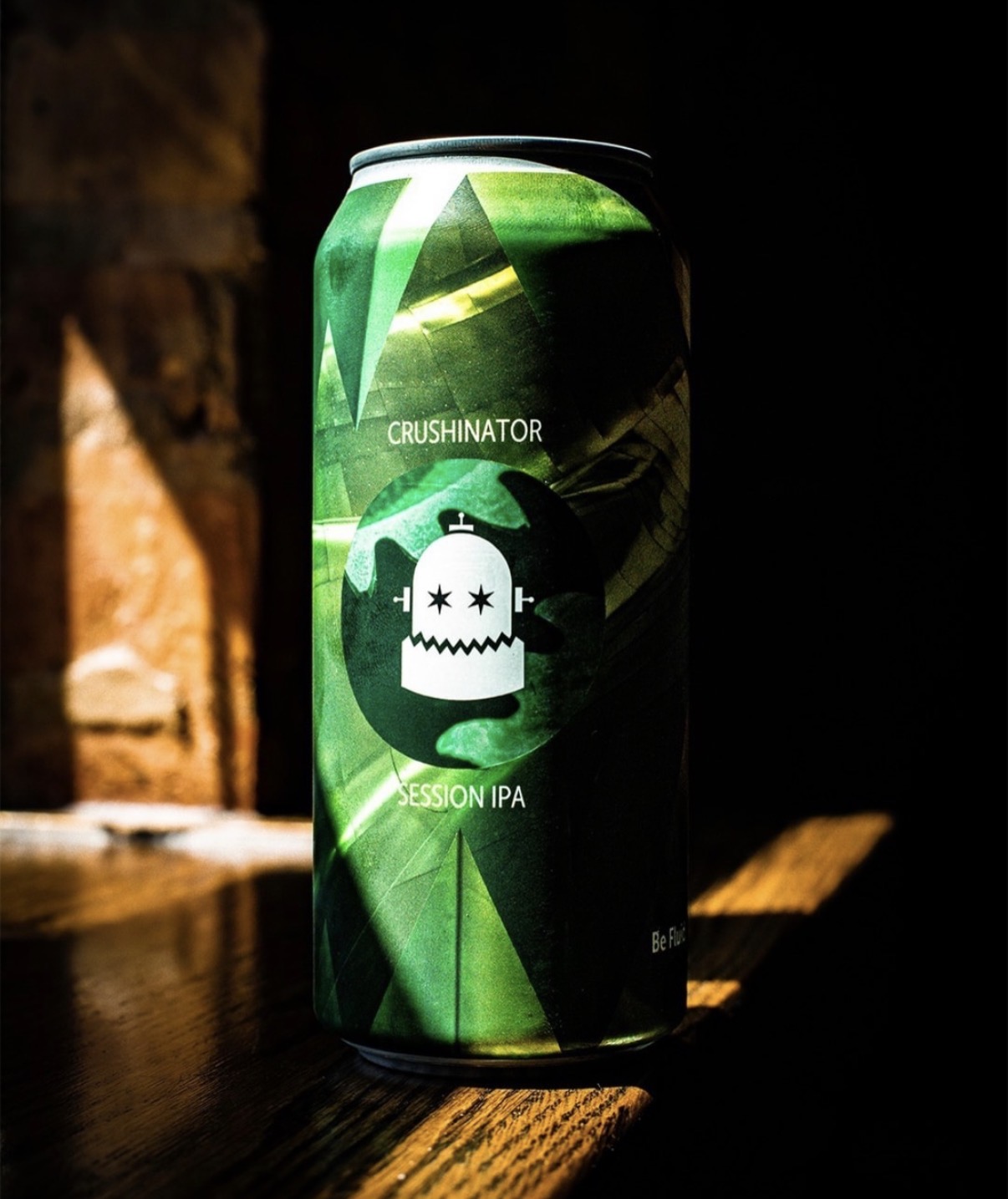
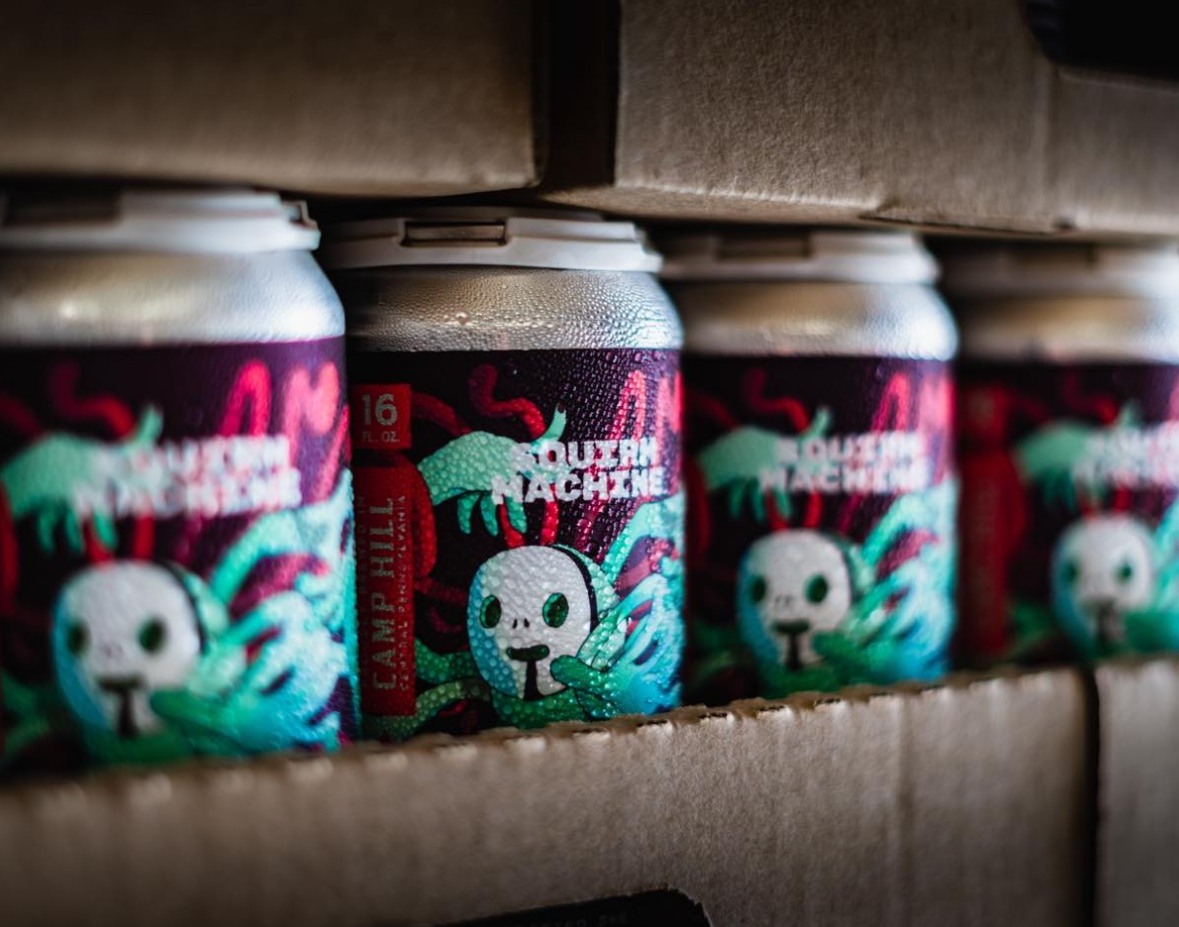
What Are Can Wraps? A Guide for Breweries and Beverage Brands
⚞ The Highlights:
- A can wrap is the printed label or sleeve that goes around a can you sell. Brewers use the term for wrap-around labels and for shrink sleeves.
- Wrap-around labels have no minimum and cost the least at small volumes. They cover the straight wall of the can.
- Shrink sleeves cover the can top to bottom but need a heat tunnel to go on.
- Printed cans skip the wrap entirely. They make sense once a design runs a couple thousand cans or more.
If you sell a drink in a can, a can wrap is how your design gets onto a blank can. Most brewers use the term for a wrap-around label. Some use it for shrink sleeves too. (If you’re shopping for a silicone cover that makes a beer look like a soda, that’s a different product. This guide covers beer can wraps for cans you sell.)
Below, we compare the two kinds of can wraps with a third option, printed cans, and walk through how to choose. If you already know what you need, go straight to our custom beer can labels, shrink sleeves, or printed cans.
Why do breweries and beverage brands use can wraps?
Most craft breweries fill blank aluminum cans, which brewers call bright cans. A can wrap turns a bright can into your can. With wraps, every release can have its own look without a separate order of printed cans for each beer.
Printed cans from the big can makers have long come with huge minimums. In 2022, Ball, one of the largest can makers in the country, raised its printed-can minimum for brewers without a supply contract to five truckloads per design, which is more than a million cans of a single beer (Brewbound). A brewery with a dozen rotating beers can’t tie up that much cash and warehouse space for each one. Wraps let you buy bright cans in bulk and decide what goes on them later.
What are the different types of can wraps?
Wrap-around can labels
Most brewers who say “can wrap” mean a wrap-around label. It comes on a roll and wraps around the body of the can, with the two ends overlapping slightly at the back. In the print world these are called pressure-sensitive labels, which is a fancy way of saying the adhesive is already on the back. You peel each label off the roll and press it on.
A wrap-around label covers the straight wall of the can. The tapered top and bottom stay bare aluminum, with a thin edge visible where the label overlaps itself. Most of our can labels print on water-resistant BOPP film (a durable plastic film) with a permanent adhesive. That pairing holds up through cold filling, condensation, and a trip through a watery cooler.
Finishes include gloss, matte, and soft-touch, with foil or embossing for a release that deserves extra attention. Labels go on with an applicator, a machine that peels each label and presses it around the can. Yours might be a tabletop unit, an inline labeler on your canning line, or one your mobile canner brings along.
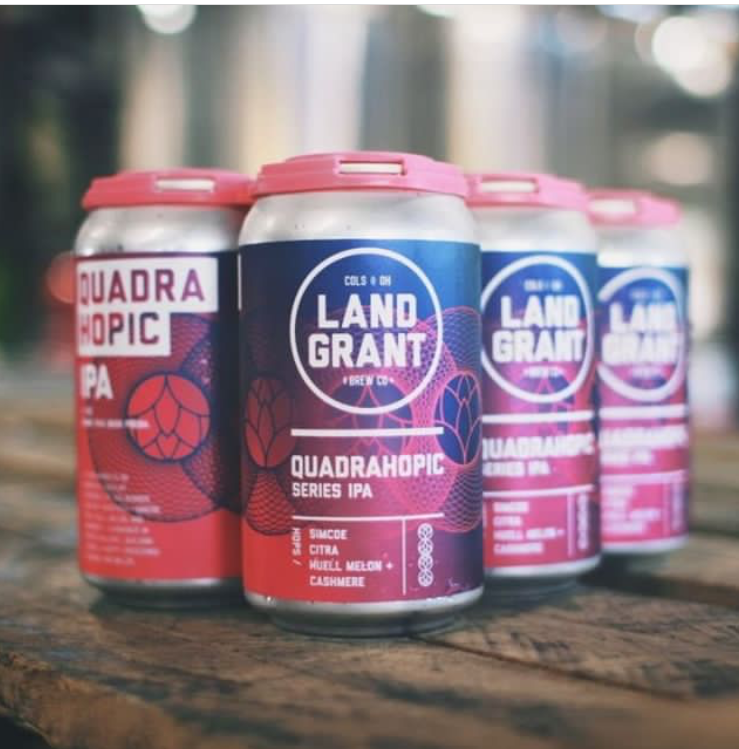
Shrink sleeves
A shrink sleeve is a printed tube of plastic film that slides over the can and shrinks to fit when it passes through heat. It covers the can top to bottom, including the curved shoulder, so your design can use the whole surface. Sleeves use no adhesive. The artwork prints on the inside of the film, which puts the design behind the plastic where ice and shipping cases can’t scuff it.
Sleeves take more equipment to apply. The cans have to ride through a steam or heat tunnel (a heated chamber that shrinks the film), and many small breweries don’t have one in-house. Plenty of co-packers and contract canners do, so check with yours before you order.
Sleeves are also printed with the artwork slightly stretched so it lands in the right place after shrinking. Your printer handles that when they set up the file. Our guide to shrink sleeve labels covers sleeves in more depth, and our custom shrink sleeves for cans page has sizes, films, and finishes.
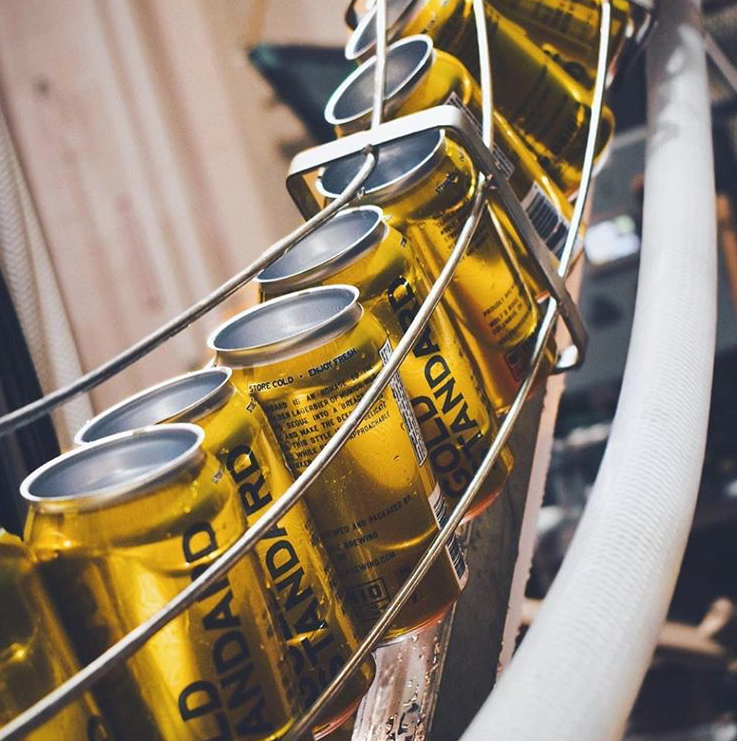
Printed cans (the no-wrap option)
Printed cans are the option most brewers weigh against a wrap. The design prints right on the aluminum, so there’s no label edge and no sleeve seam. We print cans digitally on 12 oz standard, 12 oz sleek, and 16 oz standard cans.
Digital printing skips the printing plates that traditional can printing needs, which is a big reason the minimums are so much lower. Ours run 1,556 to 2,024 cans per design, depending on can size. Before the full run, you approve a physical pilot can, ready 5 business days after you sign off on the proof. Production takes 10 business days after that. Our printed cans page has the full specs.
How do can labels, shrink sleeves, and printed cans compare?
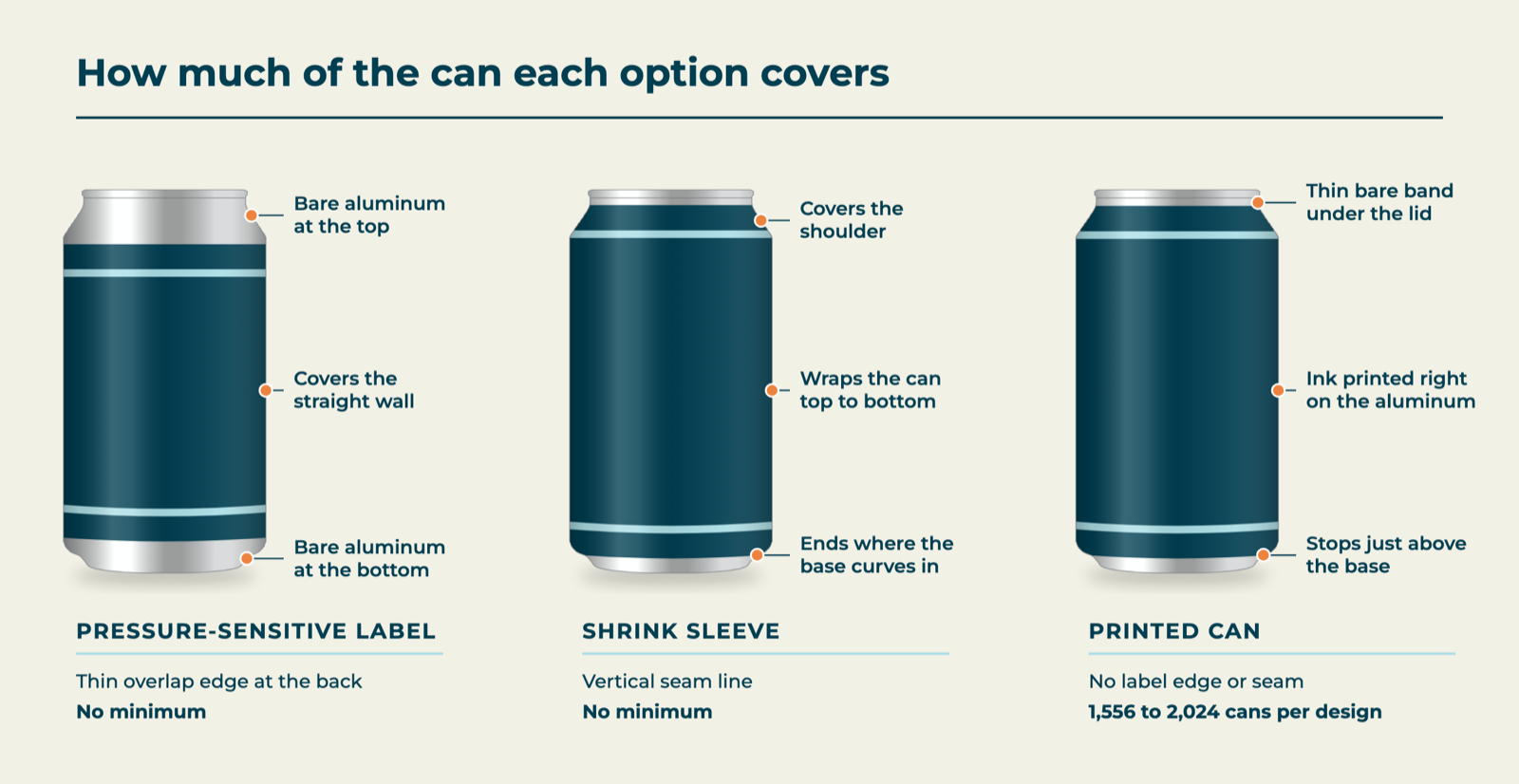
| Pressure-sensitive labels | Shrink sleeves | Printed cans | |
|---|---|---|---|
| What it covers | The straight wall of the can. Top and bottom stay bare. | From the shoulder down to where the base curves in | From the shoulder to just above the base, much like a sleeve, with a thin bare band under the lid |
| What you’ll notice up close | A thin overlap edge at the back | A vertical seam line | No edge or seam |
| Minimum order | No minimum | No minimum | 1,556 to 2,024 cans per design |
| What you need to apply it | A label applicator (tabletop, inline, or your mobile canner’s) | A steam or heat tunnel, often at a co-packer or contract canner | Nothing. Cans arrive ready to fill. |
| Timing | Most print within 5 business days of artwork approval | Confirm with your quote. Plan a bit more time than labels. | Pilot can in 5 business days, then 10 business days of production |
| Cost at small volumes | Lowest per can | More per can than labels | Not available below the minimum |
| Usually the best fit for | Small batches, one-offs, crowlers, and frequent design changes | A full-can look on small and mid-size runs, if you have heat tunnel access | Any design you’ll fill at least a couple thousand cans of |
Which can wrap is right for your beer?
When brewers ask us where to start, we ask how many cans of each design they’ll fill and who will apply the wraps.
- Wrap-around labels fit small batches, one-offs, taproom crowlers, and any lineup that changes often. With no minimum and no setup fee between designs, a porter, an IPA, and a one-off sour can all run in the same order.
- Shrink sleeves are worth considering if you want the full-can look before you’re ready for printed-can minimums. They make the most sense when your canner or co-packer can run them through a heat tunnel.
- Printed cans fit any design you’ll fill at least a couple thousand cans of without them sitting in the warehouse. That might be your flagship or a bigger seasonal.
Some breweries use two formats at once, with printed cans for their larger batches and labels for everything smaller. If you’re wondering whether you’re ready for printed cans, When Is Your Brand Ready for Printed Cans? walks through the signs.
Wrapping kegs as well as cans? Our keg wraps turn a stainless-steel keg into a branded surface, sized for half-barrel and sixtel kegs.
Is “shrink wrap” the same as a shrink sleeve?
People use “shrink wrap” and “shrink sleeve” interchangeably, but the two words can mean different things. A question about shrink wrap for beer cans usually means a shrink sleeve, the printed film that becomes the can’s label. Shrink wrap can also mean the clear plastic that holds a tray or case of cans together for shipping. That plastic packages the case rather than decorating the can. When you ask a printer for a quote, saying “shrink sleeve” gets you the right answer the first time.
What should you know before ordering can wraps?
- Your exact can. Standard 12 oz, sleek 12 oz, 16 oz, 19.2 oz, and 32 oz crowler cans all take different label sizes. Our guide to beer label sizing and dimensions lists them.
- How the wraps will go on. Labels come on rolls. The roll has to match the machine applying it, including which direction the labels come off and the size of the cardboard core in the middle. Ask your canner or check your applicator’s manual, and we’ll set up the rolls to match. For sleeves, confirm who has the heat tunnel before you order.
- Cold and wet conditions. Cans get filled cold, sweat in the fridge, and sit in ice. Water-resistant film with a permanent adhesive handles all of that. Labels grab best on a dry can, so plan your labeling step around condensation. Our post on water-resistant labels covers more.
- Where the overlap and shoulder land. On a wrap-around label, keep text and barcodes away from the overlap at the back. On a sleeve, artwork near the shoulder stretches as the film shrinks, so keep key text on the straight part of the can. Our team checks sleeve fit on your can size before anything prints.
- A test before the big order. A sample pack lets you see and feel our materials and finishes. On a first run, a small quantity lets you check the wraps on your own line before you commit to more.
Frequently asked questions about can wraps
What is a can wrap?
A can wrap is the printed label or sleeve that covers a beverage can. Breweries usually mean a wrap-around label around the body of the can. The term also covers shrink sleeves, which cover the can top to bottom. Either one lets you decorate blank cans in small quantities instead of ordering printed cans for every design.
Are can wraps and shrink sleeves the same thing?
A shrink sleeve is one kind of can wrap. The other common kind is a wrap-around label with adhesive on the back. Labels cover the straight wall of the can and go on with a label applicator. Sleeves cover the whole can without adhesive, and they need a steam or heat tunnel to shrink into place.
Will can wraps hold up in a cooler?
They should, as long as they’re made for it. Our can labels print on water-resistant BOPP film with a permanent adhesive that handles cold filling, condensation, and ice. Shrink sleeves have no adhesive to let go. Their artwork prints on the inside of the film, so ice and handling don’t scuff it.
Is there a minimum order for can wraps?
Can labels and shrink sleeves have no minimum order with us, so you can order for a single batch. Printed cans work differently. Our printed-can minimums run 1,556 to 2,024 cans per design, depending on can size.
Can you put a can wrap on a crowler?
Yes. Crowlers are 32 oz aluminum cans that take a wrap-around label like any other can. A typical crowler label is about 9 inches by 5.625 inches, printed on water-resistant film so it survives the fridge. See our crowler labels for options.
Can I apply can labels by hand?
For a small batch, yes, though it’s slow and hard to keep every label straight. Once you’re labeling more than a few cases at a time, a tabletop or inline applicator saves time and keeps labels even. Tell us how you’ll apply them, and we’ll set up the rolls to fit.
Let’s figure out the right can wrap for your beer
After you pick a wrap, smaller choices follow, like the film, the finish, and whether to add foil. For years, we’ve reviewed each new Sun King Brewery can label and suggested where metallic accents would add the most. You can see the results in our Sun King case study.
Tell us about your cans, your volumes, and how you fill. We’ll help you sort out the right fit. Request a quote and you’ll hear back within 24 hours, or get a sample pack to see the materials in person.
More on decorating cans: