What is a Batch Number and Why Does it Matter for Product Labeling?
⚞ The Highlights:
- A batch number is a unique combination of numbers, letters, and symbols that identifies a specific production run of a product. It tracks the product through manufacturing, processing, and distribution.
- Batch numbers are required by the FDA for food, beverages, infant formula, and pharmaceuticals. They’re also a quality-control standard under ISO 9001:2015.
- Batch numbers, lot numbers, and serial numbers are related but distinct: batch and lot are usually interchangeable; serial numbers identify individual units, not groups.
- Place the batch number in a clearly readable spot on the information panel, with a font size that meets regulatory minimums (typically 1/16 inch)
A batch number tells you which production run a specific product came from. If something goes wrong. A contamination event, a quality issue, a recall. The batch number is the thread that lets you find every other unit affected and pull them off shelves quickly. It’s a small piece of information that does a lot of work.
Batch number vs. lot number vs. serial number vs. SKU
These terms get used interchangeably, but they refer to different things.
| Term | What it identifies | Typical use | Example |
|---|---|---|---|
| Batch number | A specific production run (group of products made together) | Food, beverage, supplements, pharmaceuticals, cosmetics | B25315A or 240115-01 |
| Lot number | A specific production lot (often interchangeable with batch number) | Same as batch in most contexts; sometimes used for raw materials | L2024-052 |
| Serial number | An individual product unit | Items where each unit needs to be tracked individually (electronics, medical devices, firearms) | SN-489201 |
| SKU (Stock Keeping Unit) | A specific product variant in inventory | Internal inventory and stock management | SKU-12oz-IPA |
The short version: batch and lot numbers identify a group; serial numbers identify a unit; SKU identifies a product type. A single product can carry all four pieces of information on its label or packaging.
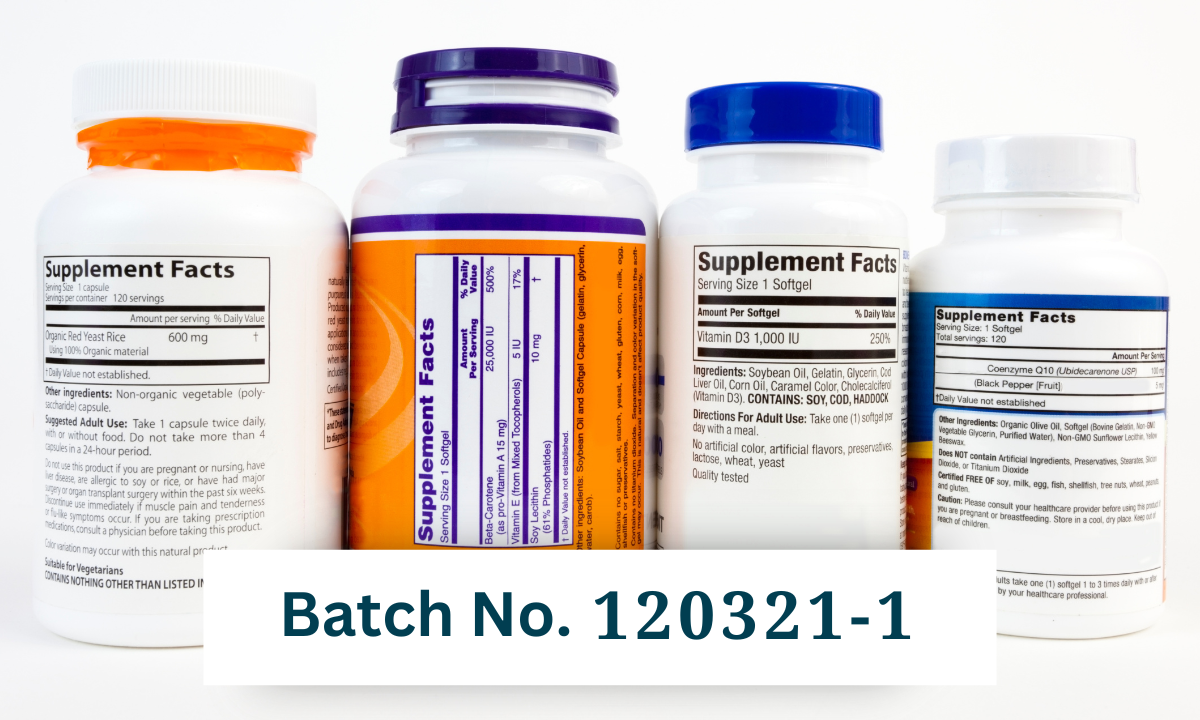
Understanding batch numbers
According to the FDA’s Code of Federal Regulations, a product batch number is “a distinct combination of numbers, letters and symbols detailing a product’s manufacturing, processing, and distribution history.”
Companies assign codes to groups of products manufactured together during a single production run. That code lets manufacturers, distributors, and regulators track every unit in that batch through the supply chain.
What information do batch numbers typically include?
A well-structured batch number encodes details that uniquely identify the production run:
- Manufacturing date. When the product was made, often in Julian date format (YYDDD) for compactness. Critical for traceability during recalls.
- Production time. Some industries, especially food and beverage, encode the production time for quality control and shelf-life management.
- Location. Companies running multiple production sites include a location code for precise traceability across facilities.
- Product code. The specific SKU or product variant the batch corresponds to, so distributors can distinguish between product variants in the same batch family.
- Serial number or sequence. When multiple batches are produced on the same day or shift, a sequence number distinguishes them.
- Expiration date or shelf-life code. Common in cosmetics, food, beverage, and pharmaceuticals.
Why batch numbers matter for product labeling
The ISO 9001:2015 quality management standard establishes batch numbering as a traceability best practice across production stages. In several industries, it’s a legal requirement.
Traceability
Batch numbers on product labels provide a precise audit trail from manufacturing through distribution. If a quality issue surfaces, the batch number is how you find every affected unit quickly.
Regulatory compliance
Industries with strict regulations require batch numbers:
- Food and beverage: FDA mandates batch numbers on packaged food products.
- Pharmaceuticals: Required under FDA pharmaceutical labeling rules.
- Infant formula: Required by FDA for safety and recall management.
- Cosmetics: Increasingly expected, especially for products subject to MoCRA reporting.
- Supplements: Required under DSHEA for dietary supplement traceability.
Inventory management
Batch numbers let you track exactly what’s in stock, by run, by date, by site. That precision feeds better demand forecasting and reduces both stockouts and over-ordering.
Efficient recalls
If a safety issue emerges, a clean batch numbering system means the recall is targeted to affected units rather than blanket. That’s the difference between pulling 5,000 units off shelves vs. recalling an entire product line.
Industry examples of batch numbers in practice
- Craft beer. Many breweries encode the brew date and tank/batch number in the format
YYJJJ-T(year, Julian day, tank). Lets the brewery trace any quality complaint back to a specific brew run. - Cosmetics. Often paired with a “PAO” (period after opening) symbol. The batch number tells the manufacturer when the product was made; the PAO tells the consumer how long after opening it remains usable.
- Supplements. Batch numbers are critical for cGMP (current Good Manufacturing Practices) compliance under DSHEA and for any third-party testing certifications (NSF, USP, Informed Sport).
- Pharmaceuticals. Batch (or lot) numbers are mandatory and used in serialization and track-and-trace systems under the Drug Supply Chain Security Act.
- Specialty food. Hot sauces, jams, and sauces often use batch numbers as part of artisan storytelling. “Batch 47” or “Limited Run #12” doubles as both compliance and brand narrative.
Best practices for batch number placement and printing
Placement and printing rules vary by industry, but a few standards apply broadly:
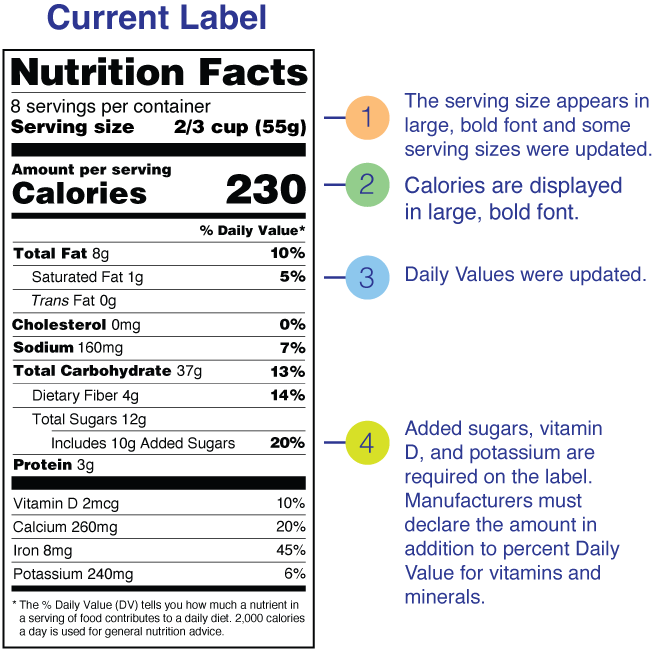
- Place the batch number on a clearly readable, accessible part of the label. The information panel is the standard location.
- Use a font size that meets regulatory minimums. The FDA generally requires approximately 1/16 inch for smaller labels (21 CFR §201.15 for pharmaceutical labeling; food and cosmetic minimums vary).
- Print in high-contrast color against the label background so the batch number is legible after weeks or months on shelf.
- Keep batch numbers consistent in format across SKUs so anyone reading the label knows where to find them and how to interpret them.
Creating and managing batch numbers
Most companies use software to generate and track batch numbers:
- Small-scale: Craftbase, Unleashed Software, QuickBooks Enterprise
- Large-scale: NetSuite, SAP ERP, BatchMaster ERP, Inciflo
For very small operations, a spreadsheet with a structured numbering convention works as a starting point. The system grows as production volume grows.
Adding multiple batch numbers in one label run
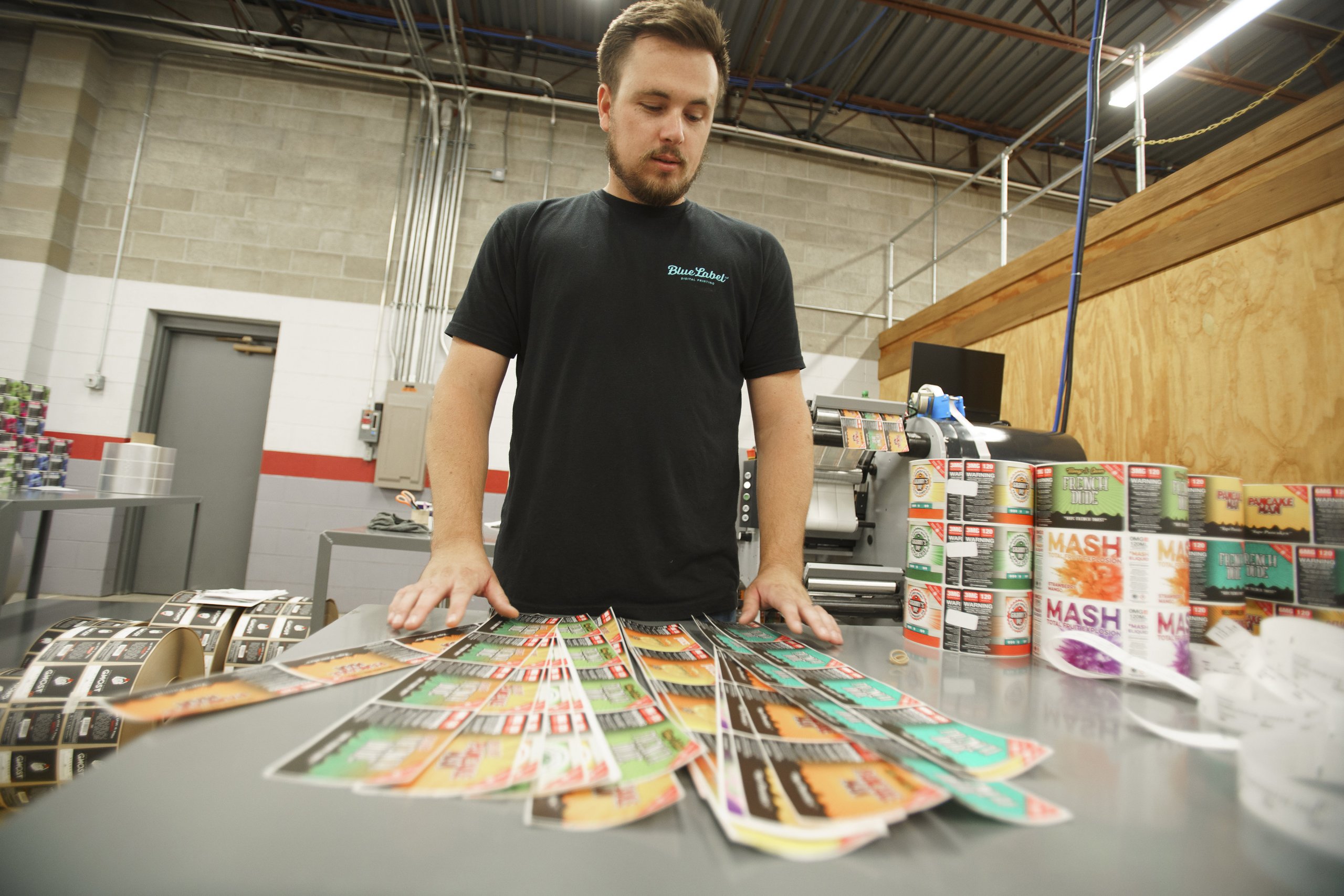
If you produce multiple batches but want to print labels in a single run, variable data printing is the answer. It lets the printer change a specific element (the batch number, the date code) on every label or every Nth label without stopping the press. That keeps per-label cost low while accommodating variable batch information.
For most digital label printing setups, variable data printing is straightforward to set up. Send the printer a CSV or Excel file with the batch numbers in sequence and they handle the rest.
Frequently asked questions
What is a batch number on a product label?
A batch number is a unique combination of numbers, letters, and symbols that identifies a specific production run of a product. It allows manufacturers and distributors to track every unit in that batch through manufacturing, processing, and distribution. Batch numbers are critical for traceability during recalls and for regulatory compliance in food, beverage, supplement, cosmetic, and pharmaceutical industries.
What’s the difference between a batch number and a lot number?
In most contexts they’re used interchangeably. Both identify a specific production lot. Some industries use “lot number” specifically for raw materials (an incoming lot of ingredients) and “batch number” for finished products made from those materials. The FDA and ISO use both terms in similar ways. The format and information they encode are essentially the same.
What’s the difference between a batch number and a serial number?
A batch number identifies a group of products produced together in one run (potentially thousands of identical units). A serial number identifies a single individual product unit. Serial numbers are common for items where each unit needs to be tracked individually (electronics, medical devices, firearms). Batch numbers are common for consumer products where group-level tracking is sufficient.
Are batch numbers required by law?
Yes for several industries. The FDA mandates batch numbers on food products, beverages, infant formula, and pharmaceuticals. Cosmetic and supplement industries also have batch number requirements (cosmetics increasingly under MoCRA; supplements under DSHEA cGMP rules). For other product categories, batch numbers aren’t legally required but are still considered a quality-control best practice under ISO 9001:2015.
Where should the batch number go on a product label?
Place the batch number on a clearly visible, accessible part of the label. The information panel is the standard location. Use a font size that meets regulatory minimums (approximately 1/16 inch for smaller labels) and print in high-contrast color so the number stays legible. Keep the format consistent across SKUs so the placement is predictable for inspectors, retailers, and consumers.
How do I generate batch numbers for my products?
Most companies use inventory or ERP software (Craftbase, Unleashed, QuickBooks Enterprise for smaller operations; NetSuite, SAP, BatchMaster for larger ones). For very small operations, a structured spreadsheet works as a starting point. The numbering format should encode useful information. Manufacturing date (often Julian format), location, product code, and a sequence number. So the batch number itself tells you what you need to know about the run.
Can I print different batch numbers on a single label run?
Yes, through variable data printing. The printer can change specific elements (batch number, date code) on every label or every Nth label without stopping the press, so you can run multiple batches’ worth of labels in one production run while keeping per-label cost low. Send your printer a CSV or Excel file with the batch numbers in sequence.
Add batch numbers to your labels
If you’re setting up a batch numbering strategy or moving from manual to printed batch codes, we can help. Take a look at our label printing options, or request a sample pack to see how batch numbers print on real label stock. Get in touch if you have specific questions about variable data printing or batch number placement.