Which Foods Are Not Required to Have a Nutrition Label?

If you’re researching label requirements for food products, you’re in the right place. Most packaged foods sold in the U.S. require a Nutrition Facts panel, but not all. Below, we break down the key exemptions so you can determine whether your product qualifies and what to consider during the packaging process.

Most Foods Require a Nutrition Label

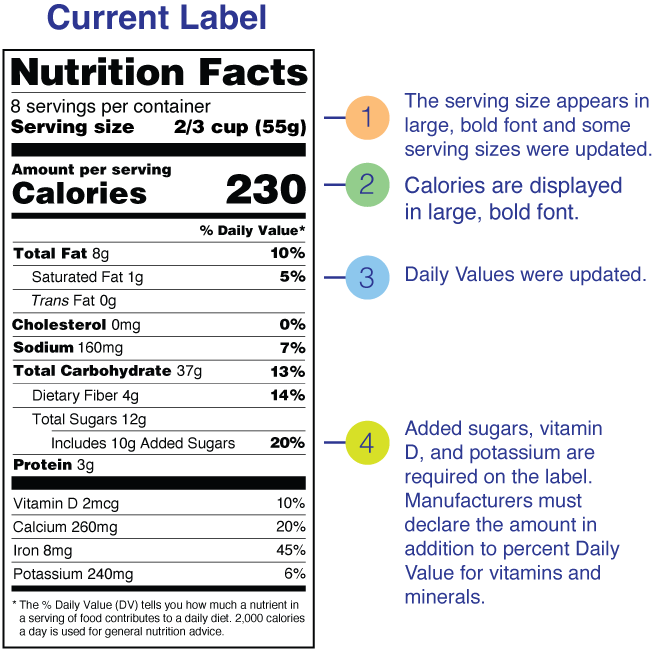
FDA regulations state that almost all packaged foods intended for human consumption and sold at retail must include a Nutrition Facts label. You can see a visual example from the FDA here.

FDA Nutrition Label

Source: FDA.gov

This panel must follow a standardized format, including calories, fat, sodium, carbohydrates, protein, and other required nutrients per serving.

But there are a few exceptions based on what the product is and how (or by whom) it’s sold.

Foods That Don’t Need a Nutrition Label: Key Exemptions

Produce in grocery store

1. Raw Fruits, Vegetables, and Fish

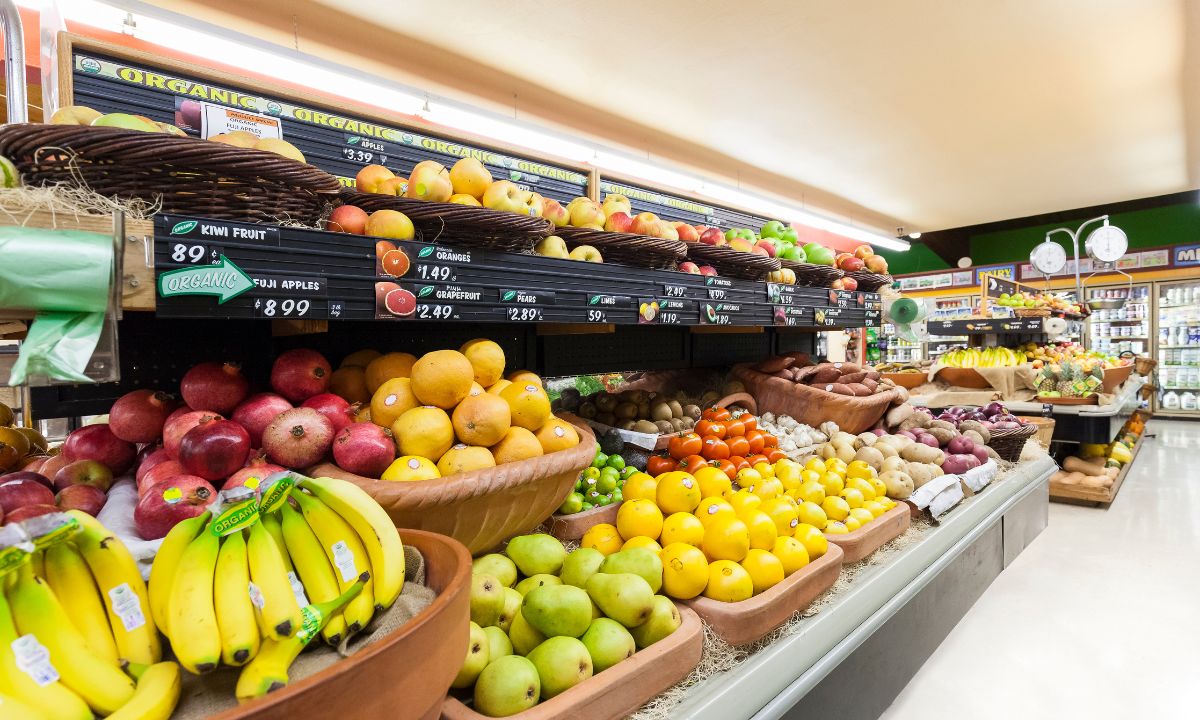
If you’re selling raw, single-ingredient produce or fish without making any nutrient or health claims, you’re likely exempt. These products fall under a voluntary nutrition labeling program overseen by the FDA, under FDA guidelines (specifically 21 CFR § 101.45). You can find more guidance on this program through the FDA’s Food Labeling Guide.

2. Foods with Insignificant Nutritional Value

Items like plain coffee beans, tea leaves, food colors, and flavor extracts may be exempt if they don’t contribute meaningful calories, fat, sugar, or other nutrients that typically appear in a Nutrition Facts panel.

If your product has measurable calories, fat, sugars, or protein, it’s likely not excempt.

3. Foods Sold for Immediate Consumption

This exemption only applies to food prepared and sold for immediate consumption on-site like restaurant meals or freshly made deli items not packaged for later sale. If the item is prepackaged and sold at retail for later use, it will generally require a nutrition label.

4. Foods in Very Small Packages

If your product is in a package with less than 12 square inches of total label space, you may be exempt, as long as you don’t include a nutrient or health claim (like “low fat,” “good source of calcium,” or “supports heart health”). Claims like this, whether on the label or in marketing materials, require you to include the full Nutrition Facts panel regardless of package size.

5. Bulk Foods for Further Processing

Foods not sold directly to consumers like ingredients shipped in bulk to other manufacturers for further processing are exempt from nutrition labeling requirements as long as they are not intended for retail sale and don’t display any nutrition or health claims.

6. Small Business / Low Volume Exemption

This only applies to very small manufacturers. If your company has fewer than 100 full-time employees and sells fewer than 100,000 units of a product per year, you may qualify.

To claim this exemption, you must file an annual notice with the FDA through its Small Business Nutrition Labeling Exemption website, which outlines eligibility requirements and includes the necessary forms for submission.

You can do this through the FDA’s Small Business Nutrition Labeling Exemption website, which outlines eligibility requirements and includes the necessary forms for submission. For mid-sized manufacturers, this typically doesn’t apply.

How to Verify if Your Product Needs a Nutrition Label

Don’t guess, just verify it before making any packaging decisions. If you’re planning a new label or SKU, check to make sure your packaging accommodates regulatory requirements:

Ask yourself:

  • Is my product packaged for retail sale?
  • Is it intended for immediate consumption, or further processing?
  • Does the label or marketing include any nutrition or health claims?
  • Does it contain significant amounts of calories, fat, sugar, or protein?
  • Do I qualify as a small business (under 100 employees and <100,000 units annually)?

If you answered “yes” to the first and “no” to the rest, a full Nutrition Facts label is likely required. When in doubt, check with the FDA resources or your regulatory team.

  • FDA’s Food Labeling GuideView PDF
  • 21 CFR § 101.9(j) – The federal regulation listing all exemptions
  • FDA’s Small Business Nutrition Labeling ExemptionView Page

Even If You’re Exempt, Some Labeling Is Still Required

Food label allergen information

Exemption from a nutrition label doesn’t mean you don’t need labeling at all. You still need to include:

  • Statement of identity (common name of the food)
  • Net quantity of contents
  • Name and address of the manufacturer, packer, or distributor
  • Ingredient list, if more than one ingredient
  • Allergen declarations for major allergens (milk, eggs, fish, shellfish, tree nuts, peanuts, wheat, soybeans)

And remember, if you make any nutrient content or health claim (like “low sodium,” “good source of fiber,” etc.), you must include the full Nutrition Facts panel, even if you would otherwise qualify for an exemption.

Nutrition Labels and Food Products

Most packaged foods will require a nutrition label, especially if you’re selling at scale. But if you think your product qualifies for an exemption, use the FDA resources above to confirm your product’s labeling status before starting design or ordering labels. This helps avoid costly reprints, missed deadlines, or label issues that could hold up your product launch.

Our team can work with you to make sure your label meets all requirements from day one.

What Label Materials are Best for Jars?

Choosing the right label material for your jars isn’t just about looks. It’s about making sure your product endures its surroundings, from cold to hot and everything in between. Oh, and all while still looking great on the shelf.

Let’s break down the most common label materials used on commercial jars and what works best.

jar labels

BOPP Labels (Our Top Pick for Most Applications)

If your jars are going in a fridge, freezer, or just need to stand up to moisture, BOPP (biaxially oriented polypropylene) is our go-to for most jar products we see out in the real world.

Why We Recommend It:

  • Water- and oil-resistant: Great for refrigerated foods, skincare products, or anything prone to condensation or spills. For comparison, paper labels in these settings tend to wrinkle or peel.
  • Durable: Doesn’t tear easily, doesn’t wrinkle when wet, and resists fading over time.
  • Versatile options and finishes: Available in clear (for that “no-label” look), white, and metallic options. For finishes, the most common options are high-gloss, matte, or soft touch. 
  • Plays well with adhesives: BOPP works with standard and freezer-grade adhesives and holds up well on curved glass and plastic jars.

Where It Falls Short:

  • Not biodegradable: BOPP is recyclable, but not compostable. If your sustainability goals include compostable packaging, you’ll want to consider paper instead.
  • Heat-sensitive: It can shrink or warp in high-heat environments, like hot fill lines above 200°F.

Best For:

Refrigerated sauces, skincare jars, jelly jars, pickled products, oil-based cosmetics—you get it.

Candles with Labels

Paper Labels (Great for Dry Goods and an Artisanal Look)

Paper might not be as tough as BOPP, but it has its place, especially when looks come first.

Why We Recommend It:

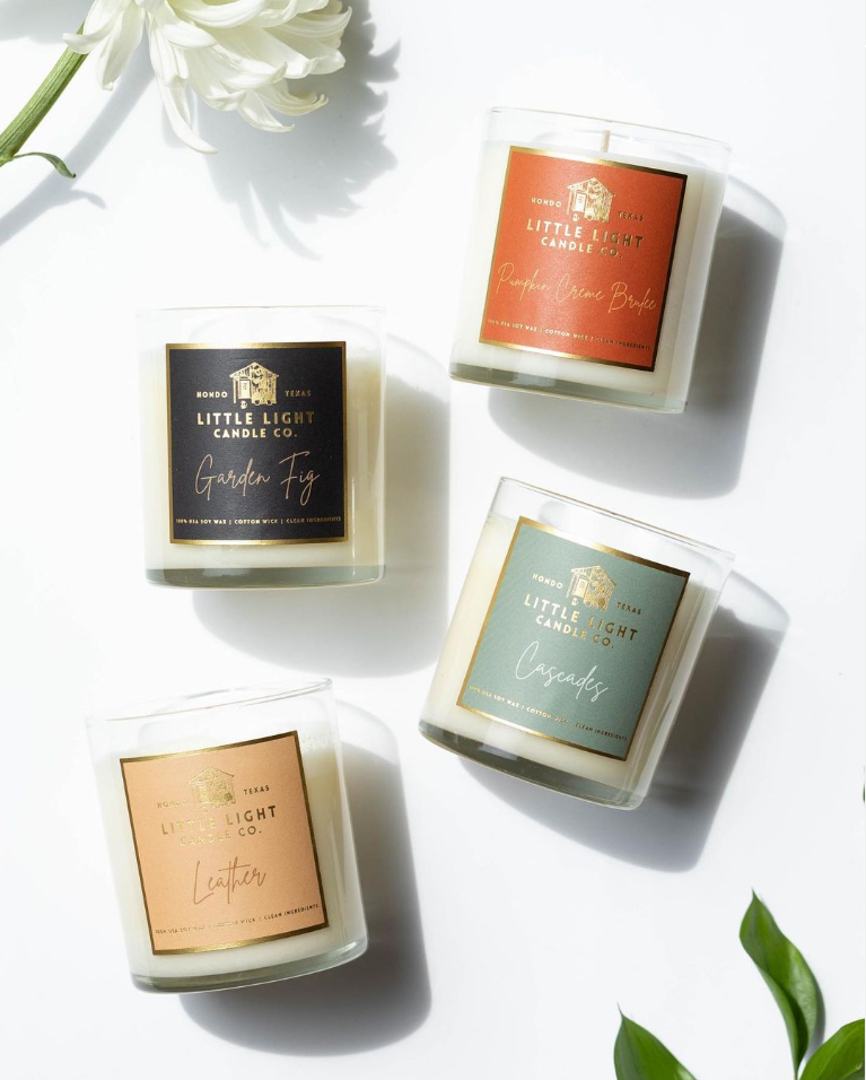
  • Premium texture options: Estate paper, kraft, and other textured stocks give off a natural, high-end vibe. You’ll often see these on candle jars, boutique food products, and specialty gifts.
  • Embellishment options: A great option if you are looking for embellishments to enhance the look (screen printing, hot foil stamping, embossing, etc.)

Where It Falls Short:

  • Not moisture resistant: Paper can wrinkle, smudge, or peel when exposed to condensation or oils. If you’re committed to using paper, you can improve performance by adding a laminate or varnish.
  • Durability is limited: Without protection, paper labels can show wear quickly, especially in transit or on store shelves.
  • Sustainability varies: Paper labels can be recyclable and compostable, depending on the adhesives and coatings used.

Best For:

Candle jars, spice jars, honey, dry goods, and gift sets.

Vinyl Labels

Vinyl labels are the tough guys of the label world: rugged, thick, and built to last. That said, they’re not always the most practical choice for jar applications.

Pros:

  • High durability: Handles water, friction, and UV exposure with ease.
  • Flexible: Conforms well to curves and uneven surfaces.

Cons:

  • Pricey: Costs more than BOPP or paper.
  • Recyclability is limited: Most standard vinyl labels aren’t recyclable in municipal streams, though some specialized materials are emerging.

Best For:

Outdoor products, industrial jars, or harsh environments where extreme durability outweighs cost.

Polyester (PET) Labels

PET is built like a tank. Great for heavy-use stuff, but probably more than you need unless your jars are dealing with chemicals, heat, or direct sunlight.

Pros:

  • Excellent chemical and UV resistance
  • Tear- and heat-resistant
  • Great print quality

Cons:

  • You’ll pay for the performance: It’s not cheap.
  • Rigid: Not as flexible for smaller or curved jars.

Best For:

Medical jars, industrial creams, or long-life products exposed to chemicals or sunlight.

Quick Comparison Table

Material Durability Moisture Resistance Print Quality Cost Best Use Case
BOPP High Excellent Excellent Low Refrigerated or oily products
Paper Low-Med Poor (unless coated) Excellent Medium Dry goods, candles, artisan look
Vinyl Very High Excellent Good High Harsh environments
PET Very High Excellent Excellent Very High Chemical or UV exposure

Summary: Best Materials by Application

  • Best for refrigerated jars: BOPP—Moisture-resistant, holds up to condensation, and still looks sharp.
  • Best for dry, decorative jars: Paper—Affordable, great texture options, and a premium look.
  • Best for industrial or outdoor use: PET or Vinyl—Built for abuse, but may be more than you need for typical retail products.
  • Most eco-friendly (with a tradeoff): Paper—Can be recyclable and compostable, depending on coatings and adhesives.

Final Thoughts

For most commercial jar products, BOPP is your best bet. It holds up, looks great, and doesn’t quit when things get wet.

If you’re going for a more artisanal or natural look, paper can absolutely work as long as you plan for its limitations.

Need help choosing the right material? Request a sample pack or contact us and we’ll walk you through it.


What Label Materials are Best for Water Bottles?

Choosing the right label material for your water bottles matters, especially when your labels need to stay durable and firmly in place through everything from manufacturing lines to refrigerator shelves. Here’s what actually works.

Water bottles with custom labels

BOPP Labels: Durable, Clear, and Cost-Effective

BOPP (biaxially-oriented polypropylene) is widely used across the beverage industry as a reliable standard for high-volume water bottle labels—and for good reason. This film material is strong, stable, and offer clear options, which helps it hold up and look great under pressure.

Here’s what makes BOPP such a strong fit:

  • Durability: When paired with the right adhesive, BOPP labels handle moisture, condensation, and cold storage like a pro. You won’t get the peeling or bubbling that can happen with less durable materials.
  • Print Quality: You’ll get sharp detail, bright colors, and a clean finish.
  • Versatile Adhesives: Works with pressure-sensitive adhesives (they stick when pressed on—no heat, no water) that perform well on curved bottles and in wet environments.
  • Cost-effective: You get strong performance without blowing your budget, especially if you’re printing in higher volumes.

Limitations: BOPP doesn’t play well with embossing or hot foil stamping. It’s a bit too rigid and sensitive to heat, so if you want textured or metallic effects, we usually recommend going with a specialty paper label instead.

Shrink Sleeve Labels: Full Coverage and Shelf Impact

Shrink sleeves give you more space for your design, and more protection while doing it. They’re a great pick if you want serious shelf impact or have bottles that are curved, contoured, or just tricky to label:

  • 360° Branding: Full wrap coverage means you’re not limited to a front-and-back label. Your whole bottle becomes the canvas, and the inside-printed graphics are protected from scratches and moisture.
  • Tamper-Evident Seals: It’s easy to build in tamper-evident features, like perforated seals around the cap or sleeves that tear at the neck. That visual proof of product integrity is a win with consumers.
  • Durability and Versatility: Shrink sleeves hold up in just about any environment—cold, wet, or even outdoors—and stand up to rough handling during shipping.

Considerations: They’re usually more expensive than pressure-sensitive labels and require heat tunnels or steam applicators to apply. (These are machines that heat the sleeve so it conforms perfectly to the bottle.)

Shrink sleeves are great for premium branding, but may not be the best fit if you’re on a tight budget or working with basic packaging.

Other Label Materials

  • Paper Labels: Can look great, until they get wet. Without lamination (a clear film that protects against water and wear), paper labels tend to wrinkle, peel, or fall off. We only suggest paper for products that stay dry and don’t get much handling.
  • PET (Polyester) Labels: These are the tanks of the label world: durable, abrasion-resistant, and built to survive cold, heat, or rough transport. But they’re rigid and more expensive, which makes them overkill for most bottled water. That said, if your product’s headed for a freezer or getting tossed in a backpack all day, PET might be worth the upgrade.

Quick Comparison Table

Material Moisture Resistance Print Quality Cost-effectiveness Compatibility w/ Finishes Recyclability
BOPP Excellent High High Good (except embossing) Good (with right adhesives)
Shrink Sleeve Excellent High Moderate Limited (no embossing) Moderate (depends on material)
Paper Poor Moderate Moderate (but fragile) Excellent Moderate
PET Excellent High Low Good Good

Summary: Which Label Material is Right for You?

  • Best Overall for Standard Plastic Water Bottles: BOPP—widely used, durable, cost-effective, and print-friendly.
  • Best for Unique Shapes or Premium Branding: Shrink Sleeves—maximum visual impact and protection, especially for contoured bottles.
  • Best Material for Short-Term or Indoor Use Only: Paper Labels—More texture options  but only reliable when moisture isn’t a concern.
  • Most Robust (Extreme Conditions): PET—best for extended outdoor exposure, freezer storage, or heavy handling.

Make Your Label Decision Easy

Choosing the right water bottle label material doesn’t have to be complicated. Whether you’re looking for reliable performance, premium aesthetics, or something tailored to your product’s unique requirements, we’ve got you covered.

Not sure what’s best for your bottles? Request a sample pack or get in touch for a quote, and we’ll walk you through the best options for your bottles, budget, and production setup.

What Label Materials are Best for Juice Bottles?

If you’re bottling juice, your labels need to handle cold temperatures, moisture, and constant handling without failing. The right label material makes a big difference in how your juice performs on shelves and with customers.

Here’s why we recommend BOPP and shrink sleeves as the top label materials for juice bottles and why other options may fall short.

BOPP Labels: Durable, Clear, and Cost-Effective

We often recommend BOPP (biaxially oriented polypropylene) labels because they hit the sweet spot between performance and cost. Here’s why:

  • Moisture and cold resistance: BOPP withstands repeated refrigeration and condensation without peeling or bubbling.
  • Vibrant, high-quality printing: With BOPP, your colors and designs remain sharp and vivid, even in damp conditions.
  • Versatile adhesives: Permanent or freezer-grade adhesives help labels stick reliably from bottling line to fridge.
  • Durability: Strong enough to resist tearing during transit and on the shelf.
  • Eco-friendly considerations: BOPP can be recyclable (#5 plastic). However, recycling availability varies by region, so verify your local recycling options to ensure alignment with your sustainability goals.

Potential Downside:

  • Sensitive to extreme heat (above ~80°C), which can happen during high-temperature bottling or pasteurization, potentially deforming labels.

Finishing Techniques for BOPP:

Shrink Sleeves: Maximum Coverage, Maximum Impact

Shrink sleeves fully encase your bottle in a vibrant, tamper-evident wrap, making them perfect for uniquely shaped bottles or premium branding.

  • Complete 360° coverage: Full-wrap designs stand out on shelves, enhancing brand visibility.
  • Excellent durability: Resistant to scuffing, abrasion, and moisture, ideal for refrigerated environments.
  • Tamper-evident security: Protects product integrity and improves consumer trust.

Potential Downsides:

  • Higher production costs due to shrink tunnels (specialized heat equipment that shrinks labels securely onto bottles) and additional setup.
  • Less flexibility for frequent design changes.
  • Environmental complexity: PETG sleeves are recyclable; PVC sleeves usually aren’t recyclable due to chlorine content and recycling difficulties.

Finishing Techniques for Shrink Sleeves:

  • Supports UV spot varnish, tactile (sand) varnish, cold foil, and screen printing effectively

Other Materials

  • Paper Labels: Can be cost-effective but vulnerable to moisture and refrigeration, often failing quickly in typical juice environments. Lamination and other finishing techniques are recommended if used.
  • Vinyl and PET: Durable but can be  more rigid. These might work in niche situations where that rigidity is crucial, but usually, they’re not ideal for typical juice bottles.
  • Polyolefin: Flexible, but its elasticity makes precise finishes like embossing or foil stamping problematic.

Quick Comparison Table

Material Moisture Resistance Print Quality Cost Sustainability
BOPP Excellent Excellent Low Good
Shrink Sleeves (PETG) Excellent Excellent High  Good (PETG recyclable)
Paper Poor Good Moderate Good (compostable options)
Vinyl/PET Good Good High Poor (Vinyl)

Quick Guide: Best Materials by Use Case

  • Best overall for refrigerated bottles: BOPP – Durable, cost-effective, high print quality.
  • Best for uniquely shaped bottles or premium branding: Shrink Sleeves – Full coverage, vibrant designs, tamper-evident.
  • Most economical (but limited performance): Paper Labels – Low cost, but quickly degrade in moisture.

Final Thoughts

Choosing the right label material directly impacts your juice brand’s shelf presence and product integrity. Need help deciding or want to test materials yourself? Contact us or grab a sample pack, and we’ll help you find the perfect fit for your juice bottles.

What Label Materials are Best for Liquor Bottles?

Choosing the right label material for your liquor bottles isn’t just about looks, it’s about how that label performs from the production line to the bar top. Here’s our breakdown of the best materials for spirits, and why we recommend standard paper labels for whiskey bottles and EverOpaque® for vodka, tequila, and rum.

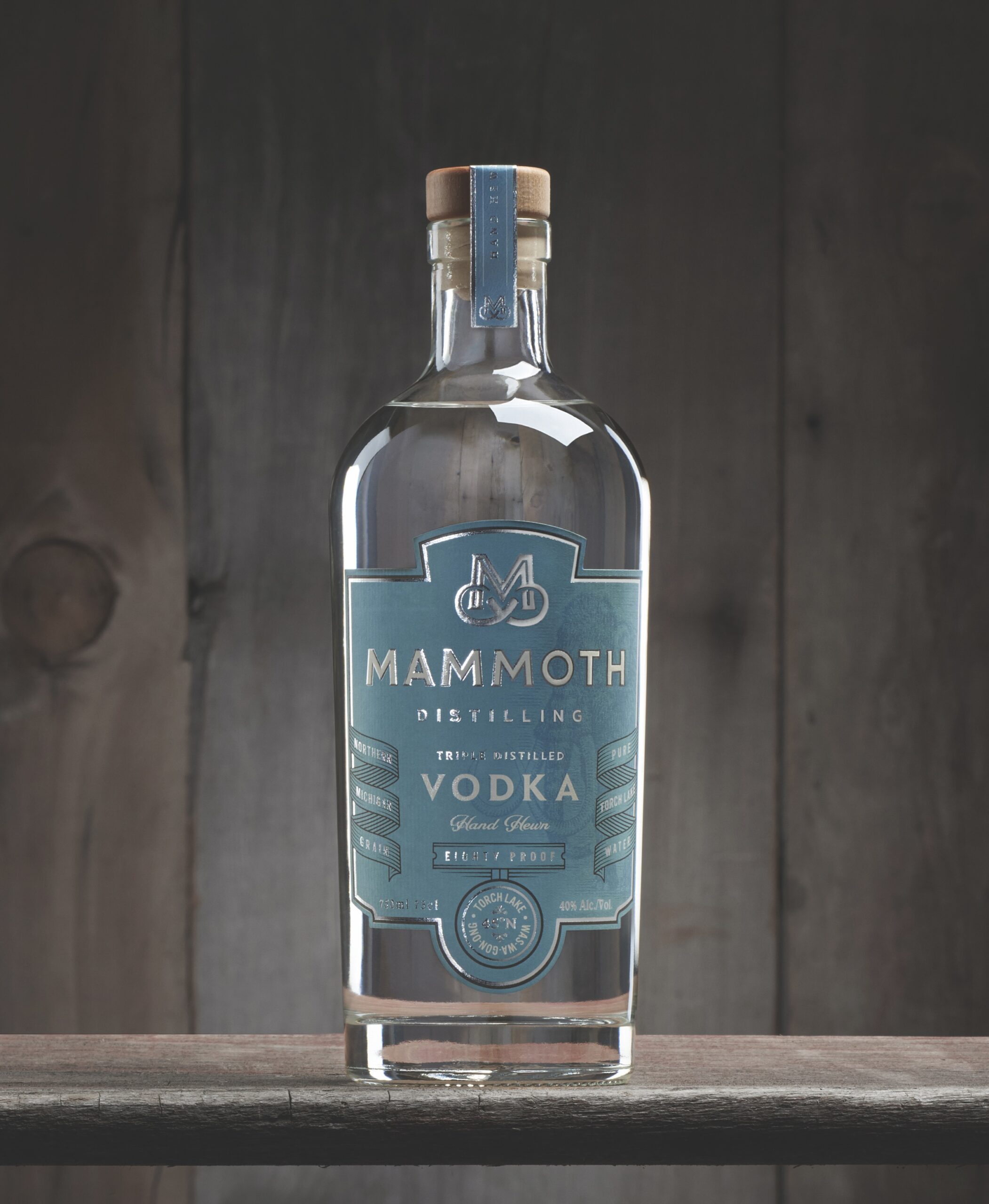
Liquor bottle with custom label

Standard Paper Labels (Best for Whiskey)

Whiskey usually lives on shelves, not in ice buckets, so you’ve got more flexibility when it comes to materials. Standard coated paper is a great fit here. The surface is treated to enhance print clarity and finish, giving your labels sharper detail and a smoother feel.

Pros:

Cons:

  • Limited moisture resistance without additional coatings or lamination.

Finishing Options:

  • Embossing, hot foil stamping, spot UV, varnish, and lamination (recommended if occasional moisture exposure is expected).

Bottom Line: For whiskey and similar spirits, standard paper produces sharp, high-contrast print and pairs well with embellishments like foil and embossing, making it ideal for premium whiskey branding without premium material costs.

Vodka bottle with custom label

EverOpaque® (Ideal for Vodka, Tequila, and Rum)

Clear spirits like vodka, rum, and tequila are all about purity. 

Many of these bottles also end up submerged in ice buckets or stored in refrigeration. EverOpaque® is made with wet-strength and cold-temp adhesives that hold up in these conditions, so your label stays put and maintains its look.

Pros:

  • Wet-strength performance built for chilled, wet environments.
  • Designed for premium clarity and a seamless look on clear bottles.
  • Strong print quality and durability.

Cons:

  • Higher upfront cost compared to standard paper.

Finishing Options:

  • Lamination (for ultimate moisture resistance), embossing, screen printing, foil stamping, spot UV, and varnish.

Bottom Line: For clear spirits where purity and shelf impact matter, EverOpaque® delivers both style and substance with wet strength that won’t quit in cold or damp conditions.

Other Label Options (When to Use Them and When to Skip Them)

Synthetic Films (BOPP, PET)

If your bottles are headed into ice buckets, coolers, or chaotic shipping conditions, synthetic films can handle the abuse. BOPP (biaxially oriented polypropylene) and PET (polyethylene terephthalate) are types of plastic film designed for waterproof and long-lasting labeling.

Pros:

  • Waterproof, abrasion-resistant, and UV-stable.
  • Typically a lower cost compared to paper materials.

Cons:

  • Less tactile than paper; the plastic feel can sometimes work against premium positioning.

Recommended Applications: Industrial or outdoor-focused packaging, products heavily exposed to moisture, or for cost-effective labels where ultra-premium aesthetics aren’t the top priority.

Vinyl Labels

Vinyl is tough. It’s highly durable and resistant to almost any environmental condition. Compared to synthetic films, vinyl offers even more durability but often sacrifices flexibility in finishing and design. It can also be less compatible with embellishment techniques like embossing, which require a more pliable substrate.

Pros:

  • Excellent durability and abrasion resistance.

Cons:

  • Plastic feel and limited compatibility with premium finishing techniques.
  • Higher cost and environmental concerns.

Recommended Applications: Long-term outdoor use, bar equipment labels, or spirits in rugged conditions.

Specialty Uncoated Papers

These are great when you’re going for a rustic, handmade look—just keep them away from moisture. These untreated paper stocks absorb ink and moisture more readily, giving you a natural feel but reduced durability.

Pros:

  • Unique, artisanal look.

Cons:

  • Vulnerable to moisture and handling.
  • Lower print vibrancy.

Recommended Applications: Dry-stored premium spirits aiming for a handcrafted aesthetic.

Quick Comparison Table

Material Moisture Resistance Print Quality Durability Premium Feel Cost
Standard Paper Low Excellent Moderate High Moderate
EverOpaque® XL High Excellent High High Higher
Synthetic Films High Good High Moderate Low
Vinyl High Good Very High Moderate High
Specialty Uncoated Low Fair Low Very High Moderate

Material Recommendations Summary

  • Best Overall for Whiskey Bottles: Standard Paper. Produces crisp print and supports premium finishes like foil and embossing.
  • Best for Chilled Spirits (Vodka, Tequila, Rum): EverOpaque®. Maintains branding and design integrity, plus it’s able to handle cold or frozen environments.

Not sure which material’s right for your bottles? Request a sample pack or contact us and we’ll help you choose the perfect material for your liquor or spirits bottles.

What Label Materials are Best for Wine Bottles?

We get a lot of questions about the right label materials for wine bottles. Most wineries or wine makers want a premium looking wine label, but it also has to stand up to ice buckets and transportation.

Here’s our input on picking the perfect label material to keep your bottles looking sharp from shelf to first sip.

Standard Paper Labels: Ideal for Red Wines

We typically recommend standard paper labels for red wines. Here’s why.

Pros:

  • Premium look and feel: Textured substrate finishes like linen or felt have that soft grain you can feel. It’s a small touch, but one that instantly signals quality.
  • Excellent print clarity: You get sharp details and vibrant colors on paper labels.
  • Cost-effective: Paper is generally an affordable, professional option, especially for high-volume runs.

Considerations:

  • Moisture sensitivity: We do not recommend laminating a textured paper since this will cause you to lose the look and feel of the texture. Consider this if your product will encounter ice buckets, spills, and other moist environments. 
  • Durability: Paper can suffer in harsh handling or damp storage conditions, causing wrinkling or peeling.

Best Applications:

  • Cellar-stored red wines
  • Ambient temperature retail displays
  • Premium labels with embossing, hot foil stamping, and spot varnishes (a clear coating used to highlight specific design elements with a glossy finish)

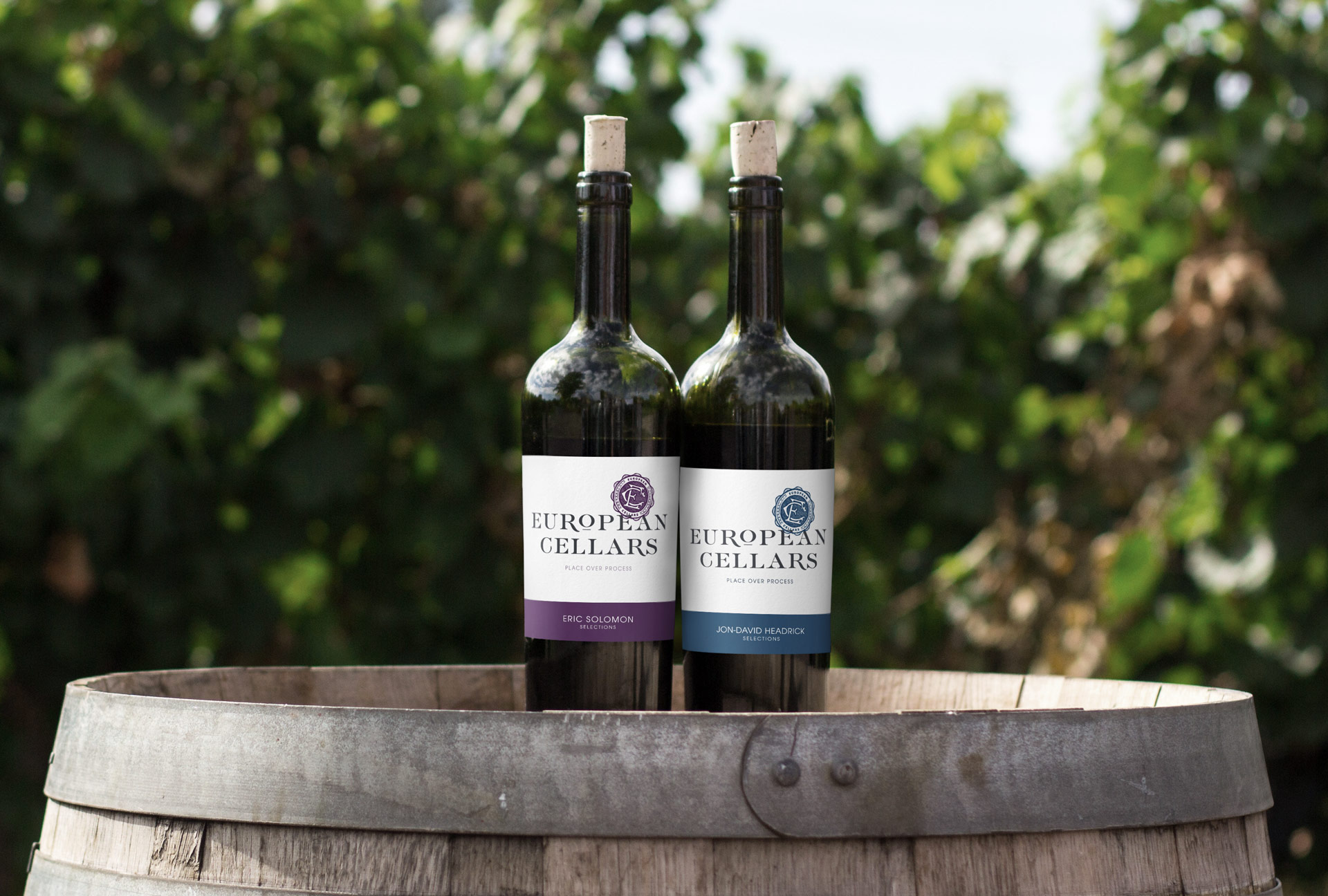
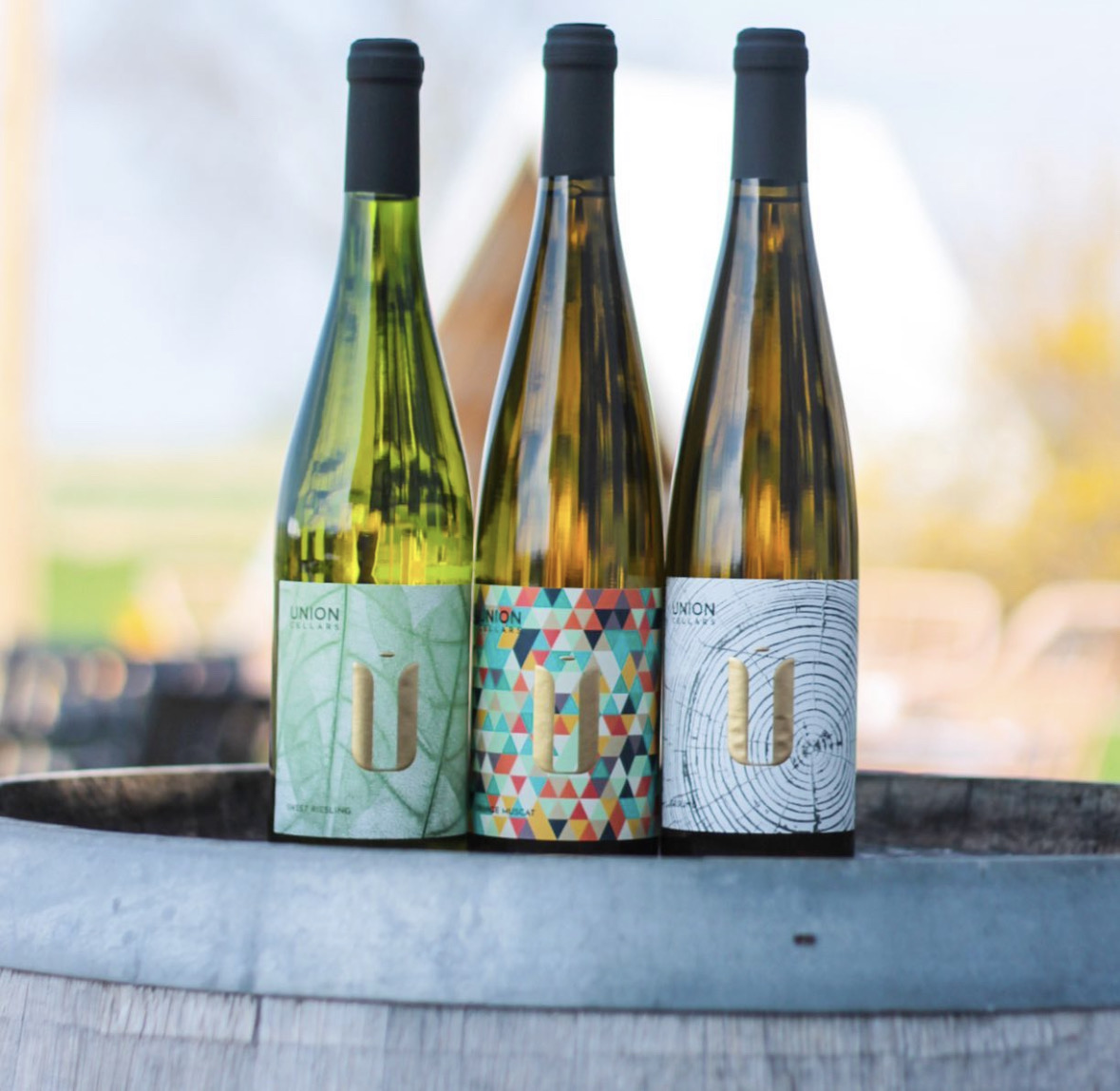
Wine Bottles with Labels

EverOpaque® Labels: Best for White Wines

If you produce white or rosé wines, we recommend taking a close look at EverOpaque® labels. These hybrid labels are widely used in commercial wine applications for their consistent performance in refrigerated and wet conditions, including extended time in ice buckets.

They combine the upscale feel of paper with the durability of film, giving you the best of both worlds.

Pros:

  • Ice-bucket tested: Maintains adhesion and appearance even after hours submerged in an ice bucket, something standard paper labels typically can’t handle without damage (if they’re not laminated).
  • Paper-like luxury: Retains a textured, premium finish that many wine consumers associate with tradition and craftsmanship.
  • Durable through distribution: Withstands handling, friction, and temperature swings during bottling, shipping, and retail handling.

Considerations:

  • Higher cost: Slightly pricier than standard paper, but the durability often justifies the investment.
  • Due to the film backing that this substrate pairs with, we are able to get a deeper emboss because we can push more without breaking the paper. 

Best Applications:

  • Chilled whites and rosés
  • Wines for outdoor or humid climates
  • Export products needing reliable durability

Film & Synthetic Labels

Film labels, typically made from materials like BOPP (biaxially oriented polypropylene) or PET (polyethylene terephthalate), are great in the right scenarios, but we don’t usually recommend them as a first choice.

Pros:

  • Exceptional durability: Resist abrasion, moisture, UV, and temperature extremes.
  • Sleek, modern aesthetic: Good for minimalist branding.

Considerations:

  • Reduced tactile quality: Less luxurious than textured paper or hybrid labels.
  • Cost: Less  than paper hybrids like EverOpaque.

Best Applications:

  • Outdoor or ultra-resilient packaging
  • Wines that require extremely durable labeling (e.g., export or long transit)

Quick Comparison Table

Material Durability¹ Moisture Resistance² Aesthetic Quality³ Cost⁴
Standard Paper Moderate Low Excellent Medium
EverOpaque® High Excellent Very Good High
Film/Synthetic Very High Excellent Moderate Lowest

¹ Based on abrasion resistance, shipping conditions, and handling wear.
² Performance in refrigerated, humid, or wet environments.
³ Includes print quality, texture, and visual appeal.
⁴ Relative material cost at scale; actual pricing varies by volume and customization.

Label Material Summary and Best Uses

  • Best for red wines: Standard Paper: Premium look at a great price, but not moisture-friendly without lamination or protective finishing techniques.
  • Best for white/rosé wines: EverOpaque®: Combines luxury appearance with robust durability, perfect for chilled storage.
  • Most durable: Film/Synthetic: Ideal for harsh conditions but lacks tactile elegance.

Wrapping Up

As you can see, picking the best label materials for your wine bottles isn’t just about looks. You also have to consider durability, cost, and compatibility with finishing techniques. Need more help? Contact us or request a sample pack and we’ll help you compare the options.

What Label Materials are Best for Beer Bottles?

Choosing the right label material for your beer bottles matters more than most people think. A smudged label or one that peels off in a cooler can make a high-quality beer look second-rate.

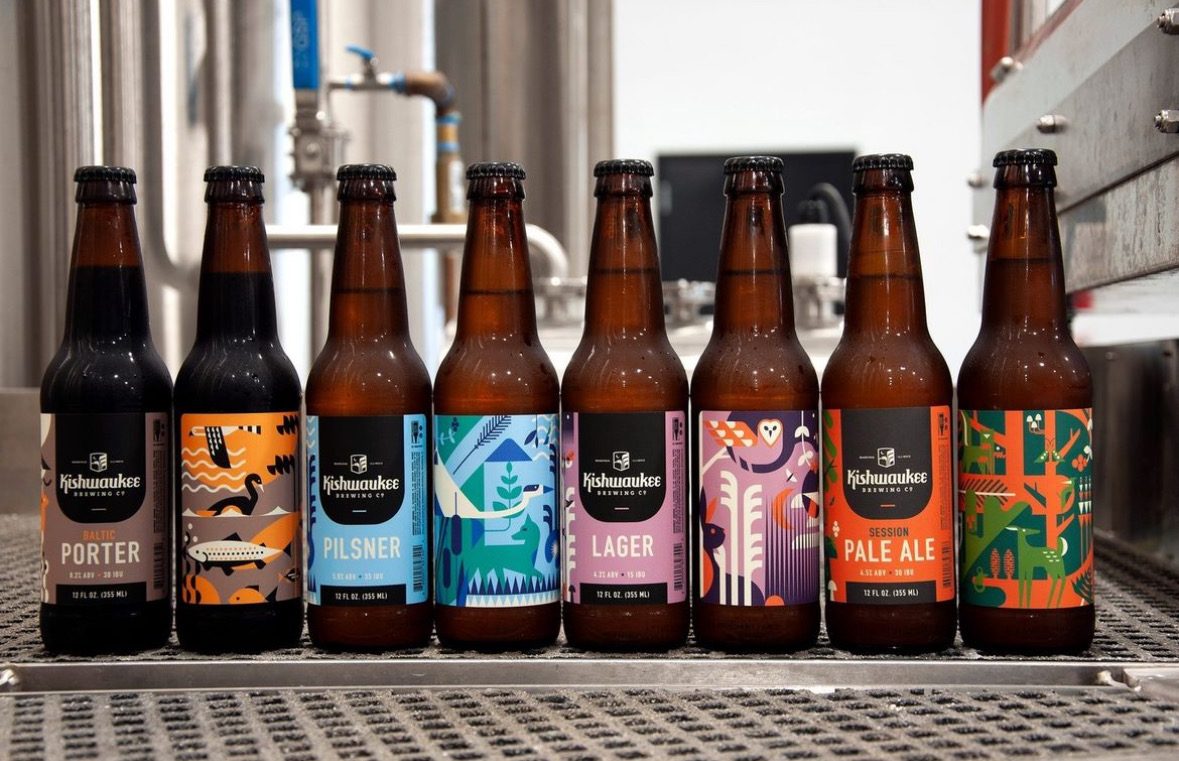
Beer Bottles with custom labels

BOPP Labels

Pros: BOPP (biaxially oriented polypropylene) labels are versatile, water-resistant, and oil-resistant. They perform exceptionally in refrigerated and wet conditions, making them ideal for beers stored in coolers or ice buckets.

Cons: Less eco-friendly compared to paper (but keep in mind, paper labels will have problems with moisture and durability).

Best applications: Standard production lines, large batches, breweries looking for consistent performance.

Finishing options: Compatible with lamination, UV varnish (a protective coating that adds gloss or matte texture), hot foil stamping (metallic accents pressed with heat), , screen printing, and spot UV (selective gloss coating to highlight areas).

Environmental factors: Performs well across cold storage, shipping friction, and handling. Resistant to moisture, abrasion, and temperature shifts. These labels won’t smudge or slide off when pulled from a cooler full of ice.

Shrink Sleeve Labels

Pros: Shrink sleeves offer 360-degree branding, meaning the label wraps entirely around the bottle, maximizing design space. They work perfectly for bottles with unique shapes and are highly durable and abrasion-resistant.

Cons: Higher upfront cost; you or your co-packer will need  to have specialized application equipment to apply the shrink sleeves to the container. Less environmentally friendly and more difficult to recycle compared to pressure-sensitive options unless you add a perforation and the consumer removes from the container prior to recycling

Best applications: Premium products, uniquely shaped bottles, full coverage branding.

Finishing options: UV varnishes, cold foil, screen printing, spot UV, tactile (sand) varnish. 

Environmental factors: Resistant to moisture and abrasion; heat sensitivity requires careful application control. Inner-printed sleeves are protected from scuffs during shipping and shelving.

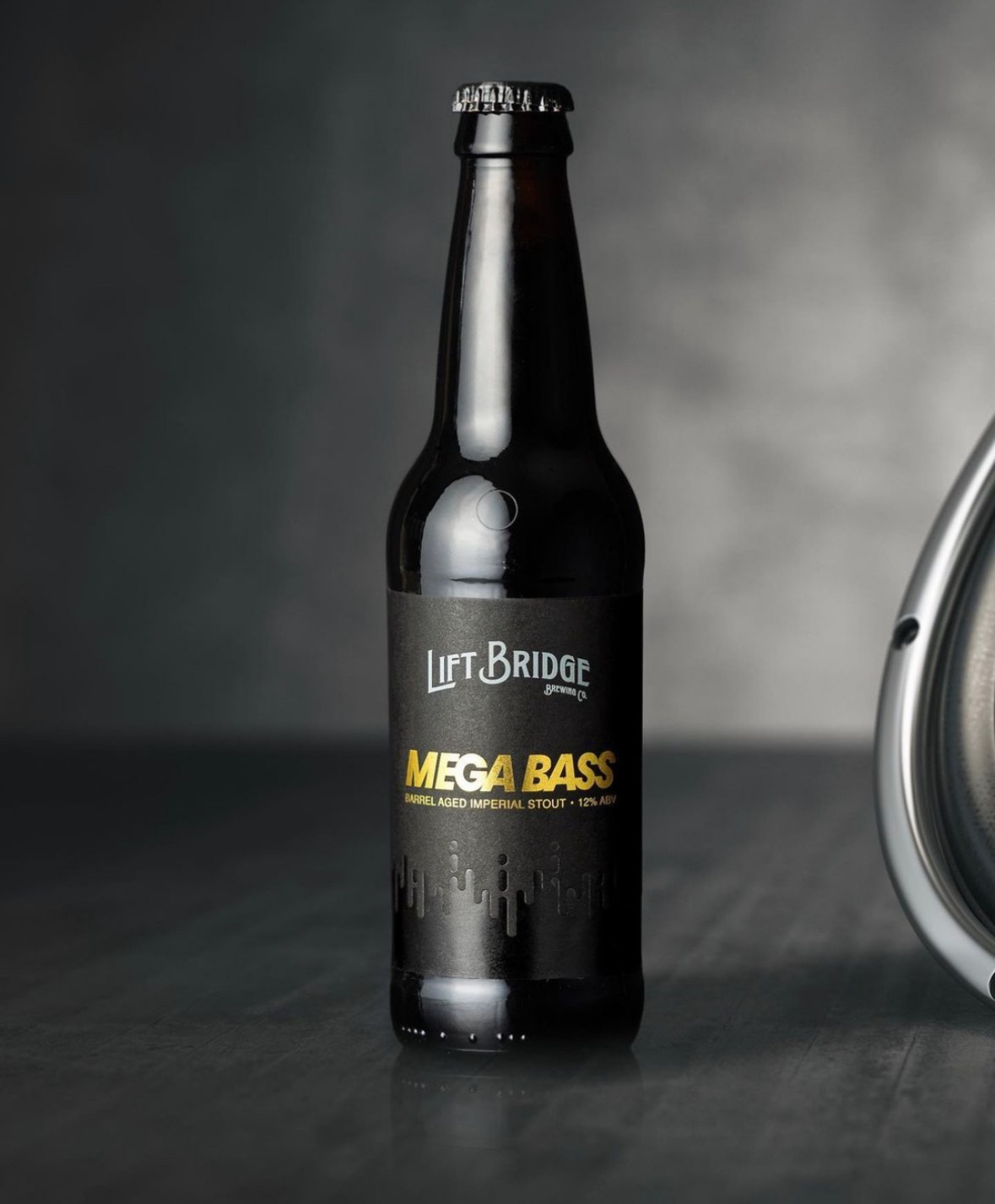
Beer stout bottle with custom label

Paper Labels

Pros: More extensive embellishment options and good for a rustic or artisanal brand look.

Cons: Vulnerable to moisture unless coated or laminated, which can increase cost. In refrigerated or damp environments, untreated paper labels may absorb water and wrinkle or peel.

Best applications: Small batch, premium artisan beers, or products stored in dry conditions.

Finishing options: Die cutting, lamination, UV varnish, hot foil stamping, embossing, screen printing, and spot UV.

Environmental factors: Must be protected from moisture; less suitable for refrigerated or wet environments unless heavily treated.

Vinyl Labels

Pros: Durable, moisture-resistant, excellent for outdoor exposure and long-term storage.

Cons: Higher cost than paper or BOPP; adhesive compatibility is an important factor. May not be the best fit for high-volume runs due to cost.

Best applications: Beers frequently exposed to outdoor environments or harsh storage conditions—think beer garden seasonals or special event releases.

Finishing options: Compatible with die cutting, lamination, UV varnish, hot foil stamping, embossing, screen printing, and spot UV.

Environmental factors: Excellent performance in moisture, cold storage, UV exposure, and abrasion conditions. Maintains label clarity and adhesion even after extended outdoor use.

Quick Comparison Table

Material Durability Moisture Resistance Cost Best Application
BOPP High High Low General-purpose labeling
Shrink Sleeve Very High Very High High Unique shapes, premium branding
Paper Low Low (unless treated) Moderate Dry environments, artisanal look
Vinyl High High High Outdoor, harsh conditions

Choosing your label material means considering your production scale, product storage conditions, and desired brand impact. Need help deciding which material suits your specific needs? Contact us or request a sample pack and we’ll guide you through it.

What is Spot UV and When Should Product Manufacturers Consider it for Packaging and Labels?

Ever noticed how labels for premium products have some elements with a distinct, glossy texture? This is thanks to spot UV, also known as spot gloss or spot varnish, which adds a thick varnish to certain areas of the label.

From beauty and wellness brands to wineries, distilleries and breweries, companies are using spot UV to give their products a unique or high-end look. We’ll discuss spot UV technology, why you should consider using it for labels, where you can add spot UV, and different label materials this technique is compatible with. 

Spot UV printing

What is Spot UV? 

When you use spot UV for product labels, you’re applying a UV coating to a certain area of a printed label instead of covering the entire surface. As the stock of labels goes through the printing press, rollers cover a board with UV coating. Then, the machine spreads a UV varnish over a cut template. This is a thin film that’s positioned over the label to make sure that only specific design elements are coated.

This technique is different from UV lamination because it doesn’t cover the entire label, just certain elements. 

Why Consider Spot UV Labels 

Gives Products a Premium Look 

A major reason why brands prefer getting spot UV labels is that it gives their products a sophisticated look. By giving your packaging a sleek and polished appearance, it increases the perceived value of your brand.

A study in the Journal of the Academy of Marketing Science even found that consumers associate luxury packaging with superior product quality and are willing to pay a premium for such products.

Improves Durability 

Spot UV adds a UV coating over key visuals, making them resistant to scratching and fading. This ensures that important parts of the label, like your brand, logo, and product’s name, will remain intact.

Provides a Tactile Experience

With spot UV, you get a raised, smooth texture on some elements, creating a contrast with the rest of the label. This doesn’t just make the label visually attractive, but gives the customer a tactile experience, too. 

In another study, it was found that products that are “aesthetically pleasing through touch” (for example, through spot UV), help build stronger emotional connections and consumer loyalty. Techniques like spot UV can help consumers differentiate your product from the others on the shelf.

Where To Add Spot UV to Labels 

You can use spot UV on just about any part of the label, but it’s most commonly used here:

  • Logos, to help draw attention to your brand identity 
  • Brand name
  • Borders or frames, which give the label a polished look 
  • Product features or key ingredients
  • Elements or entire images
  • QR codes or other promotional elements

Spot UV is Compatible With The Following Materials 

Spot UV is a versatile finishing technique for labels and can be used with the following types of materials: 

  • Paper Labels: Matte or glossy paper are the best choices for spot UV labels because they allow precise application and adhesion of the UV coating. 
  • Film Labels (BOPP or PET): Spot UV adheres nicely to smooth plastic surfaces like BOPP and PET labels. This makes them well-suited to durable labels, particularly for products exposed to moisture-prone environments. 
  • Vinyl Labels: You can also apply spot UV to vinyl labels, which are commonly used for their waterproof qualities.

Some surfaces aren’t very compatible with spot UV finishing, like uncoated paper, textured paper, and fabric-based labels. To learn more about compatibility with your product label, we recommend speaking with our experts at Blue Label Packaging. 

Preparing Label Artwork For Spot UV 

Here’s how to set up your artwork before sending designs to the printer: 

  • Artwork is typically created using software like Adobe Illustrator or Photoshop.
  • Open the artwork in a new file and isolate the elements that will have spot UV printing into a separate file or layer. Design elements that won’t have special effects should be in another file or layer.
  • Elements that will have a spot UV effect need a spot color. This can be cyan, black, or magenta.
  • Label each file for your printer clearly so they know which elements need special effects. You should also send them the final rendering so they know what you’re expecting from the final product.
  • Make sure the final design is saved in an Adobe Illustrator or high-resolution PDF file format. 

Get Spot UV Labels For Your Products 

Spot UV labels can give your product a premium and luxurious appearance. It’s particularly useful for products that come in bottles, making them a great choice for beer, wine, and liquor labels.

At Blue Label Packaging, we specialize in creating unique effects for your product label and packaging. Get in touch with us today to request a quote on our spot UV labels.

Choosing the Right Imagery for Your Product Labels: Tips for Effective Design

Apple visionary Steve Jobs once said, “Packaging can be theatre. It can create a story.” Imagery examples, such as minimal and bold like those on an Apple product, locally themed and intricate on a craft beer bottle label, or timeless and luxe like the embossed and foiled label on Godiva chocolates, serve as the lead narrator of your brand’s story.

How all-powerful is product label design? How can you level up your existing label with imagery and accents matching your mission and target customer? Let’s explore four key concepts for creating impactful brand imagery.

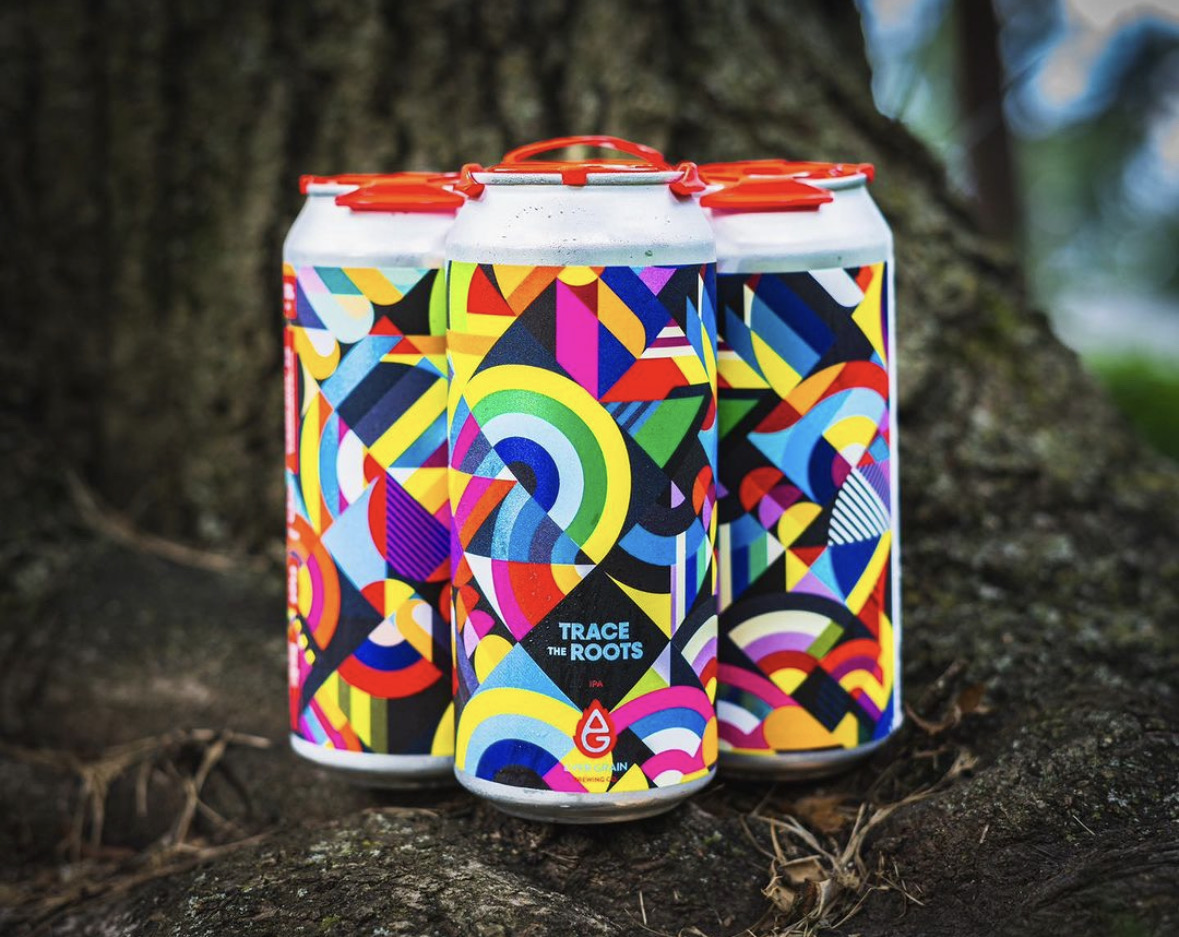
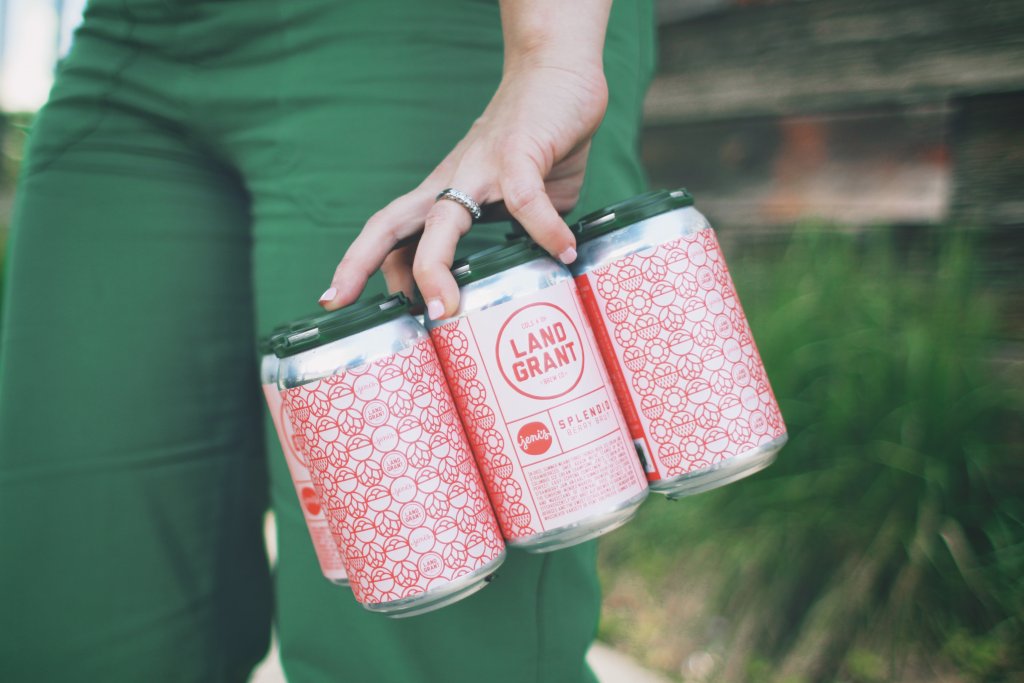
Beer Cans with Labels

1. The Value of Design and Imagery in Product Labels and Packaging

First Impressions Are Crucial

A product that is new to your customer will only get one shot at grabbing their attention. When your product sits on a physical shelf, the imagery on your label is your brand’s last expression and our customer’s first impression. Studies estimate that 60% of consumers decide in the first 30 seconds! How does imagery help your consumer decide?

Evoke Emotions

Imagery evokes emotions — one of the key catalysts for buying behavior. They influence our buying decisions, preferences, and attitudes toward your brand. According to the Harvard Business Review, “emotional motivators” give a better insight into a customer’s future value than any other metric (including brand awareness and customer satisfaction), making them a key driver of growth and profitability.

For example, Nike’s imagery of athletes pushing the limit can spark inspiration and motivation, while depictions of happy people can lend themselves to joy and nostalgia.

Your Label as Brand Narrator

Labels and the imagery you choose to create a visual narrative about your company will shape how your business is perceived. It is your brand’s story and intention in a nutshell, and it should align with your brand identity by bringing photography, illustration, or both together.

You Get One Shot — or 313 Milliseconds — at a First Impression

Your label should provide clarity and relevance. It should act as a key building block to trust building. A visually striking package can capture attention quickly, making it more likely that people will pick up your product out of curiosity and interest. That initial spark of attraction — which one study says can happen in as little as 313 milliseconds — is often the first step toward a purchase decision.

Catch the Attention of New Adaptors

Strong imagery allows your label to attract new customers unfamiliar with your brand. Impactful visuals allow your product to project itself on a shelf amongst a sea of competing items. This gets the attention of new adaptors, who will then go on to evaluate whether this product solves a problem or fulfills a want or need.

2. Eye-Catching Appeal: How to Use Imagery in Label and Packaging Design

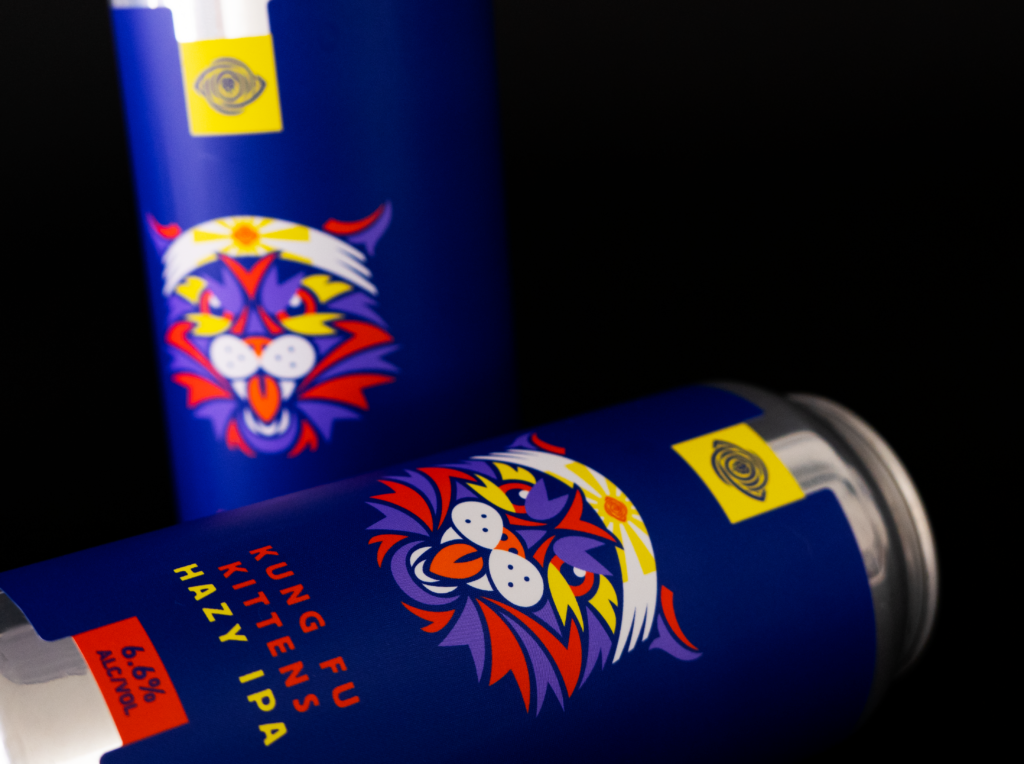
Beer can with photography

Photography vs. Illustration

When should you use photography over illustration? Can you use both in a label design for your product? Real product photography works best for food, beverage, and beauty products where trust and authenticity are important. Illustrations are ideal for abstract or complex concepts — the kind of label where the consumer could look several times and still see different details. Adding illustrations to photography can help fill the gaps for any information the photo doesn’t project.

Beer can with typography

Typography as Imagery

Fonts and text placement are the unsung heroes of label design. Bold, creative fonts can become as much a part of the main visual as photography and illustration. Delicate fonts can message sophistication and elegance or become a decorative element. Fonts are also functional, guiding the customer’s eye to important information.

Visual Hierarchy

As we mentioned above, you may have less than a second to talk to a prospective customer. Organizing the label so that imagery, text, and key product information like features and benefits are easily scannable is key to getting your message across quickly and concisely.

beer cans with pattern on label

Textures and Patterns

Your label may be one-dimensional, but your design doesn’t have to be. Textures can convey a message with just as much impact as imagery. Adding a tactile touch through raised UV coating used in screen printing or embossing can give a luxurious feel.

Visual patterns in your design through debossing or foiling can complement imagery, enhance appeal, and create a sensory connection.

Complimentary colors on labels

Complementary Use of Color

Colors have a psychological impact on our buying. This feeling can trigger the emotions we touched on above. Color experts recommend these colors to enhance the impact of your imagery.

  • Green is associated with joy, tranquility, and nature.
  • White is calming and conveys a sense of cleanliness. It tends to make individuals feel safe.
  • Black is linked to stability and intelligence, sophistication and elegance.
  • Blue inspires creativity and joy; different shades encourage trust and dependability.
  • Orange signifies energy, appetite, and a sense of adventure.

3. Building Trust & Authenticity

Real Product Photography

The first step in gaining consumer trust? Using real product photography, especially in industries like food and beauty, where authenticity is critical. Customers are more consumer savvy than ever and can spot shortcuts, which can build distrust.

Authentic Representation

Building on using real product photos, you can ensure authentic representation by using photographic or illustrated imagery that realistically reflects what’s inside the package. Fool them once, and well — there might not be another time.

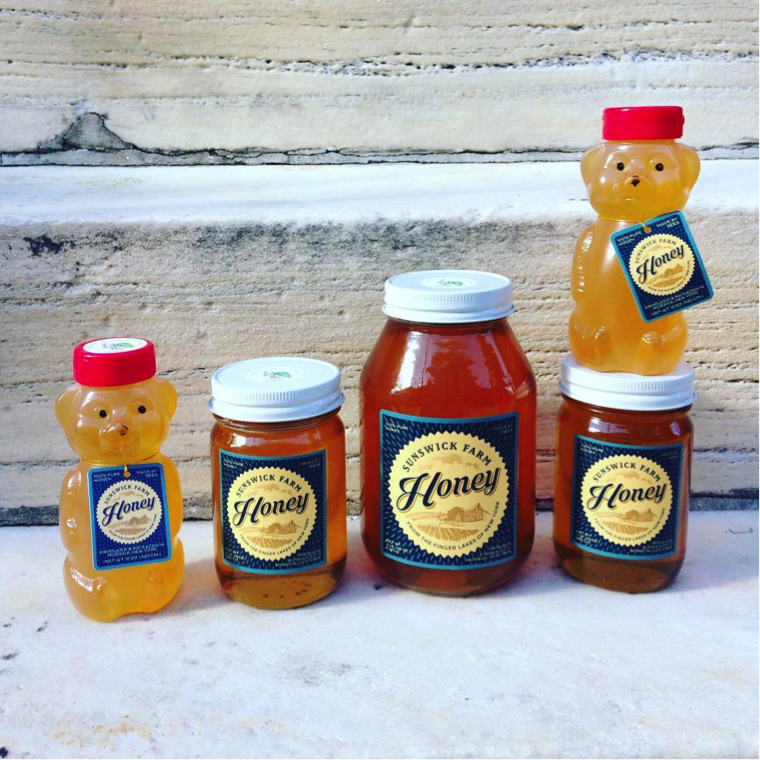
Honey storage container with custom lables

Transparency in Packaging

Discerning customers want to know where their money is going, and a window directly into the product can help! Consider transparent or partially clear packaging to show the actual product and establish trust through honest representation.

4. How Material Choices and Embellishments Can Make Imagery Stand Out

Give your customers a full sensory experience. Materials like the wide range offered by Blue Label Packaging are as important as the images on them. Glossy, matte, or textured labels give different qualities to the appearance of imagery, user experience, and overall impact.

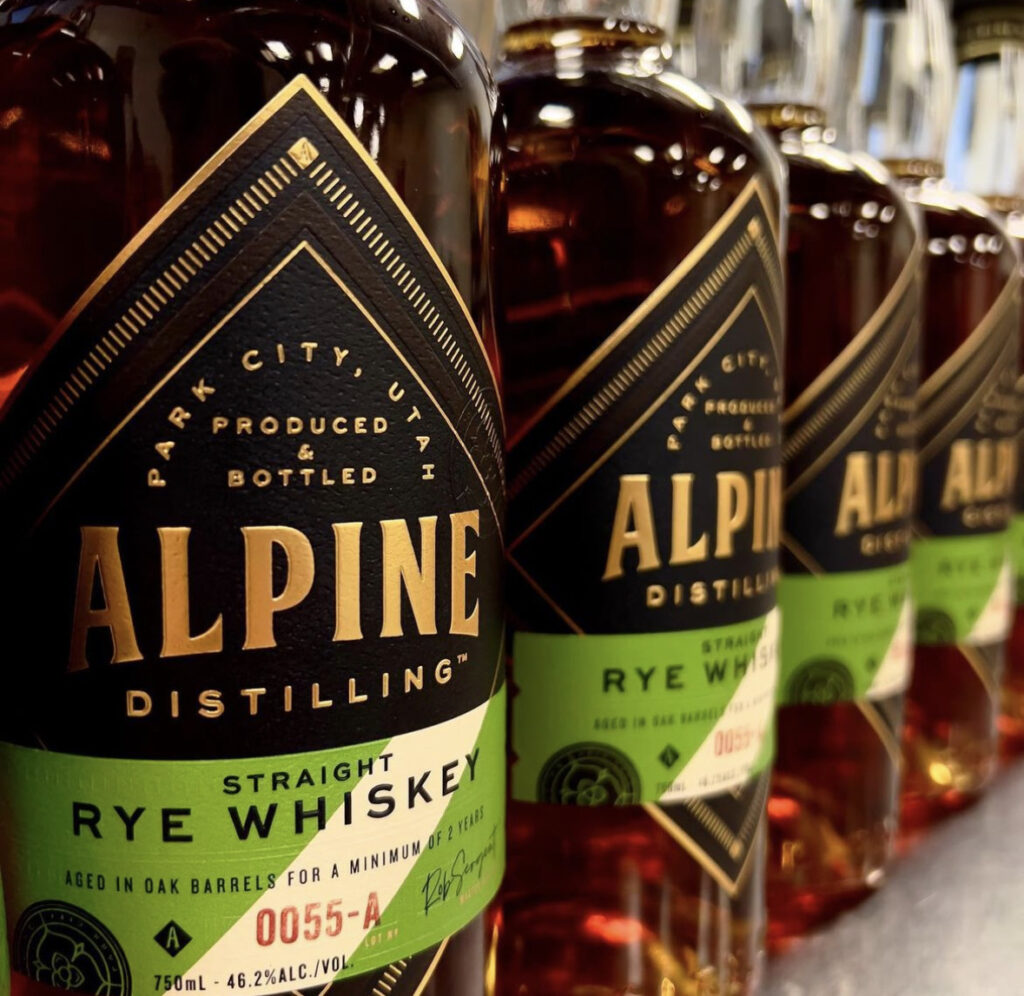
Rye Whiskey bottle with custom label

Embossing, Debossing, and Foil Stamping

These are all excellent accent techniques to add to any product packaging design. They help draw attention to certain priority areas of a label, like the brand name and logo. Features like embossing and debossing can also add depth to the design. Shiny and reflective foil stamping enhances visual appeal by highlighting specific features, such as logos, text, images, and borders.

Let Blue Label Packaging Bring Your Imagery to Life

Well-thought imagery plays a big role in attracting new customers and significantly impacting profitability. What is the key to selecting the right imagery? It truly lies in understanding both your product and the style that aligns with your brand’s identity and also resonates with your target audience.

Remember — it’s not just about aesthetics and what’s trendy. Quite the opposite, it’s about standing apart from the rest and crafting a memorable visual narrative that resonates with your audience.

Blue Label Packaging can help you curate the perfect custom label that will best suit your imagery and user experience. Check out our designer directory, get a sample pack, or request a quote today!

How to Translate Your Brand Identity into Packaging and Labels: A Step-by-Step Guide

While you might not judge a person based on one meeting, products often don’t get a second chance on a crowded shelf. Let’s face it — when it comes to shopping, customers all judge a book by its cover, or in this case, a product by its packaging. Studies say about 70% of consumers make snap decisions based on packaging alone — tough for your amazing product on the inside!

Let’s dive into the consumer psyche and how your packaging choices can help you connect to your ideal audience.

The Significance of Brand Identity in Packaging and Labeling

It’s not only your choice of color palette and the feel of a quality product label design that matters. Nearly two-thirds of shoppers feel more connected with brands that share their values, often thanks to clever packaging that tells a story. If a product’s packaging catches the consumer’s eye in the first few seconds, we are a whopping 81% more likely to toss it into our cart.

What is this magic that compels consumers to pick one product over another? One ingredient is a well-communicated brand identity.

What Is Brand Identity?

Author and branding guru Seth Godin once said, “A brand is the set of expectations, memories, stories and relationships that, taken together, account for a consumer’s decision to choose one product or service over another.”
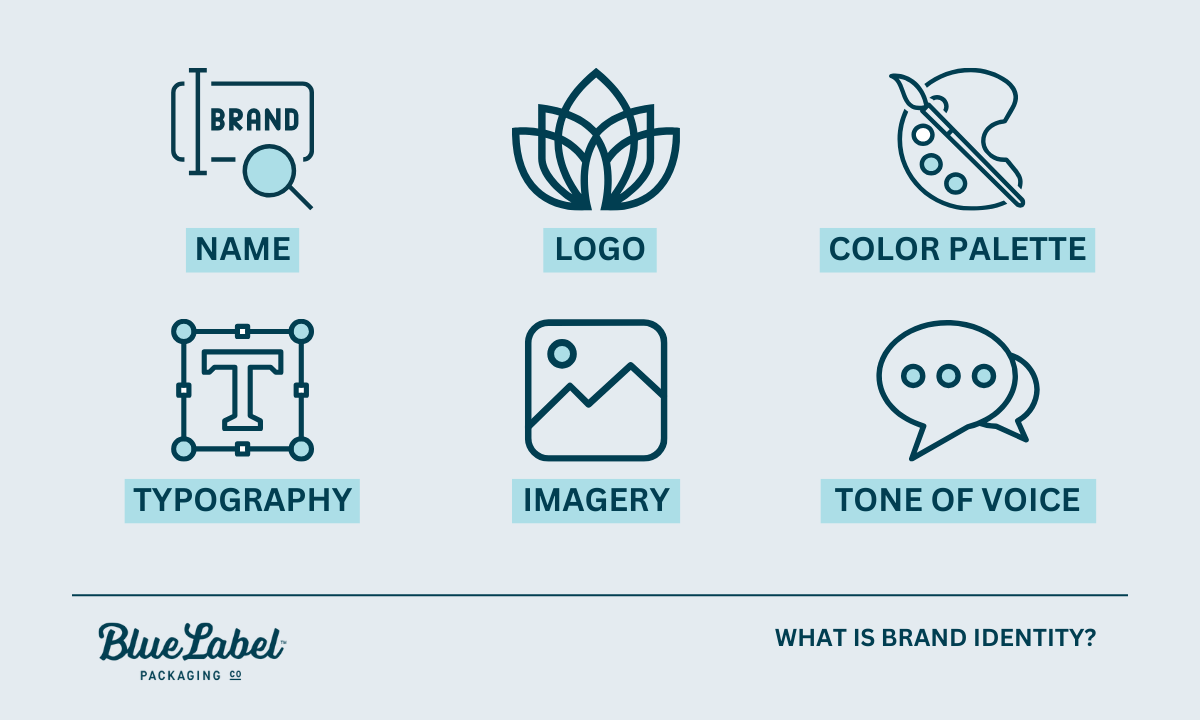
What is brand identity? Infographic

Brand identity encompasses the visible elements of a brand, including its:

  • Name
  • Logo
  • Color palette
  • Typography
  • Imagery
  • Tone of voice

Together, they create a unique image in the consumer’s mind. These components work in harmony to convey the brand’s message and values.

Where Packaging and Labeling Meet Brand Identity

Packaging and labeling play a crucial role as the physical embodiment of a brand’s identity. They are often the first touchpoint a consumer has with a product, making them essential in creating lasting impressions.

Well-designed packaging not only attracts attention on the shelf but also communicates the brand’s essence, values, and intentions. Effective packaging can enhance a consumer’s experience, reflecting quality and care in the product within.

Once you’ve started growing a loyal fanbase, consistent design elements, packaging, and labels can reinforce brand recognition, fostering customer trust and loyalty.

Key Visual Elements of Brand Identity
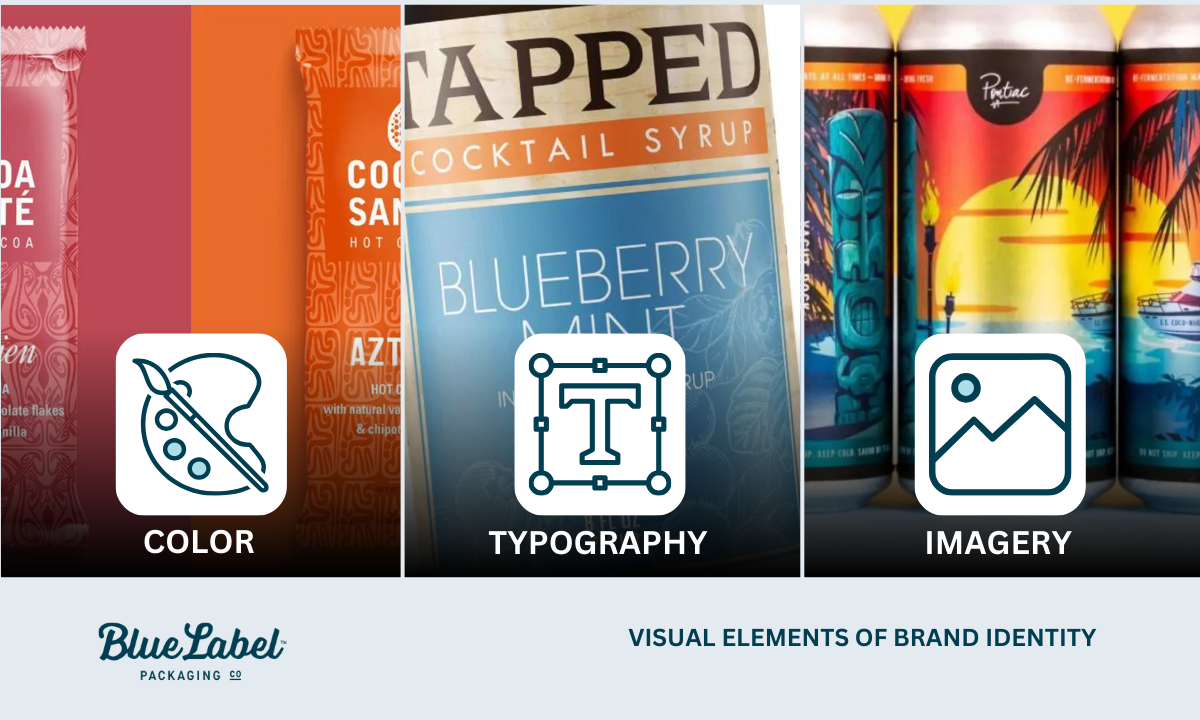
Key elements of brand identity—color, typography, and imagery

When translating brand identity into packaging, several key visual elements must be considered:

  • Color: The choice of colors in packaging influences consumer perception and can evoke specific emotions. For example, blue often conveys trust and reliability, while green is associated with eco-friendliness and health.
  • Typography: The fonts selected for packaging should align with the brand’s personality and tone. Elegant script fonts might suggest luxury, while bold, sans-serif fonts can impart a modern, approachable feel.
  • Imagery: The visuals used, whether photographs, illustrations, or graphics, should resonate with the brand’s message and audience. They can enhance storytelling, making the product more relatable and memorable.

The Impact of Branding and Design on Profitability and Marketability

Branding and design are two of the biggest parts of your brand equity. They shape consumer perceptions and can significantly influence purchasing decisions. Here’s how they impact your bottom line:

  • Generates Organic Word of Mouth (WOM) Marketing: A strong brand identity attracts new customers and helps retain existing customers, leading to repeat purchases and valuable word-of-mouth promotion.
  • Accelerates Growth Through Recognition: Unique packaging and label design make your product memorable and easy to find—that’s what we call brand recognition.
  • Adds Perceived Value: Eye-catching design helps your product stand out, helping you justify your price point.
  • Simplifies Marketing Efforts: A clear and consistent brand across products and platforms makes sales and marketing easier.

Shopper Psychology: How Packaging Influences Consumer Perception

Packaging is far more than just a protective layer for products; it is the first touchpoint between consumers and your brand — and it turns out that most of the time, the average shopper doesn’t know they’re being judgemental.

Harvard Business School professor Gerald Zaltman highlights in his book How Customers Think: Essential Insights into the Mind of the Market that as much as 95% of the decisions customers make when purchasing occur within our subconscious mind.

The design, color, shape, and material of packaging can significantly affect consumer perceptions and buying decisions. Eye-catching packaging can evoke emotions and attract attention, driving impulse purchases and establishing a brand’s identity in a crowded marketplace. Packaging can signal quality and sustainability, influencing consumers’ choices in an increasingly eco-conscious market.
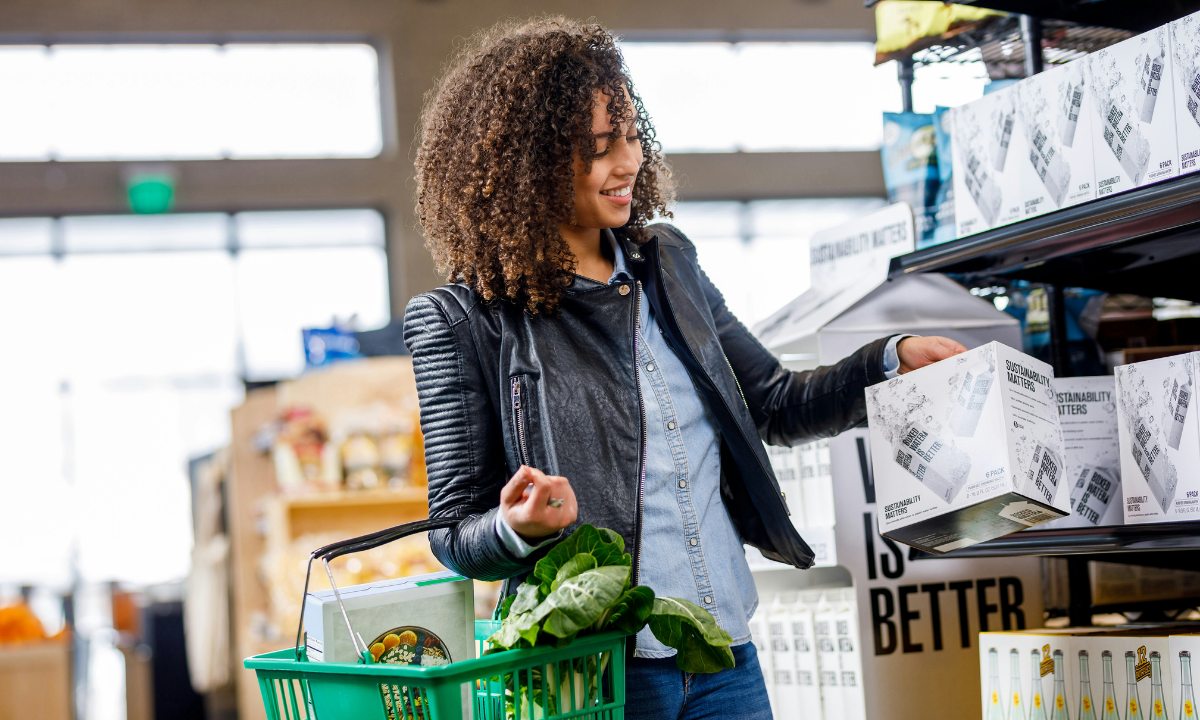
Woman shopping in a supermarket

Designing for Your Target Market

A deep understanding of their preferences, values, and lifestyles is essential to ensure that packaging resonates with your target audience. Here are some tips for creating effective packaging:

  • Research Demographics: Conduct market research to understand your audience’s characteristics, including age, gender, and interests.
  • Visual Elements: Use colors and graphics that appeal to your demographic. Younger consumers might prefer bold, playful designs, while older consumers may appreciate classic and understated elegance.
  • Functional Design: Consider the practical needs of your target market, such as ease of use, convenience, and portability, ensuring that your packaging meets their expectations.

How Types of Packaging Speak to Different Demographics

Packaging should speak to your brand’s key personas.

  • Eco-Friendly Packaging: Brands like Method and Haagen-Dazs have successfully adopted sustainable packaging that appeals to environmentally conscious consumers, reinforcing their commitment to sustainability.
  • Luxury Packaging: Companies like Chanel use elegant, minimalist designs to convey a sense of exclusivity and high quality, resonating with affluent clients seeking premium products.
  • Whimsical Packaging: Brands targeting families and children, like M&M’s, often employ vibrant colors and playful illustrations, making their products visually appealing to younger audiences and their parents alike.

  • Label designers looking at color swatches

How to Communicate Brand Identity Effectively to a Designer

Before you talk to the designer, you’ll need to get your ducks in a row. This means creating a clear common language to communicate with each other.

  • Define Your Brand’s Vision and Values: Outlining the core principles that drive your brand. What is its mission and vision? Articulate the values you want the brand to embody and the problem you want to solve with your product.
  • Identify Your Target Audience: purchasing behaviors. This information helps the designer understand whom they are designing for.
  • Choose a Tone and Voice: Describe the tone of communication that your brand will use — will it be playful, serious, modern, or nostalgic? This will guide the designer in selecting colors, typography, and styles that align with your brand personality.
  • Create a Brand Guide or Identity Brief: Your brand will include all the above plus examples of your buyer persona, logo use, brand colors, and fonts. (Pro tip: look at other industry-adjacent brand language and style guides to get a feel for what to include and then customize it to your brand’s voice and audience.)

What to Give to a Designer

It’s helpful to include a few extras along with the brand guide. Most experienced designers can seamlessly switch between brand aesthetics, but they tend to work better with visual references than only verbal ones.

  • Provide Visual Inspiration: Include mood boards, examples of competitor brands, or any visuals that resonate with your brand’s identity. This will help the designer visualize your expectations.
  • Outline Specific Requirements: Specify any essential elements or constraints in the design, such as logo usage, color palettes, and typography guidelines. Be clear about what must and must not be included.

Collaboration Strategies

These are some tips to keep the design process smooth. Really solid communication will save you time and money.

  • Be Clear and Concise: Use straightforward language and avoid jargon when discussing your brand identity. Ensure that all key points are easy to understand and direct.
  • Encourage Questions: Foster an open atmosphere by inviting the designer to ask questions for clarity. This helps prevent misunderstandings and aligns expectations.
  • Provide Context: Explain why certain elements are important to your brand. Sharing the reasoning behind your choices gives the designer a deeper understanding of your vision.
  • Regular Check-Ins: Schedule periodic meetings to discuss progress and address any concerns. This keeps everyone on the same page and allows for adjustments based on client feedback.
  • Constructive Feedback: Offer feedback that is specific and actionable. Instead of saying you don’t like a design, explain what aspects do not align with your vision and why.
  • Celebrate Milestones: Acknowledge completed phases in the design process to maintain motivation. Recognizing efforts helps build a positive working relationship and encourages designers to deliver their best work.
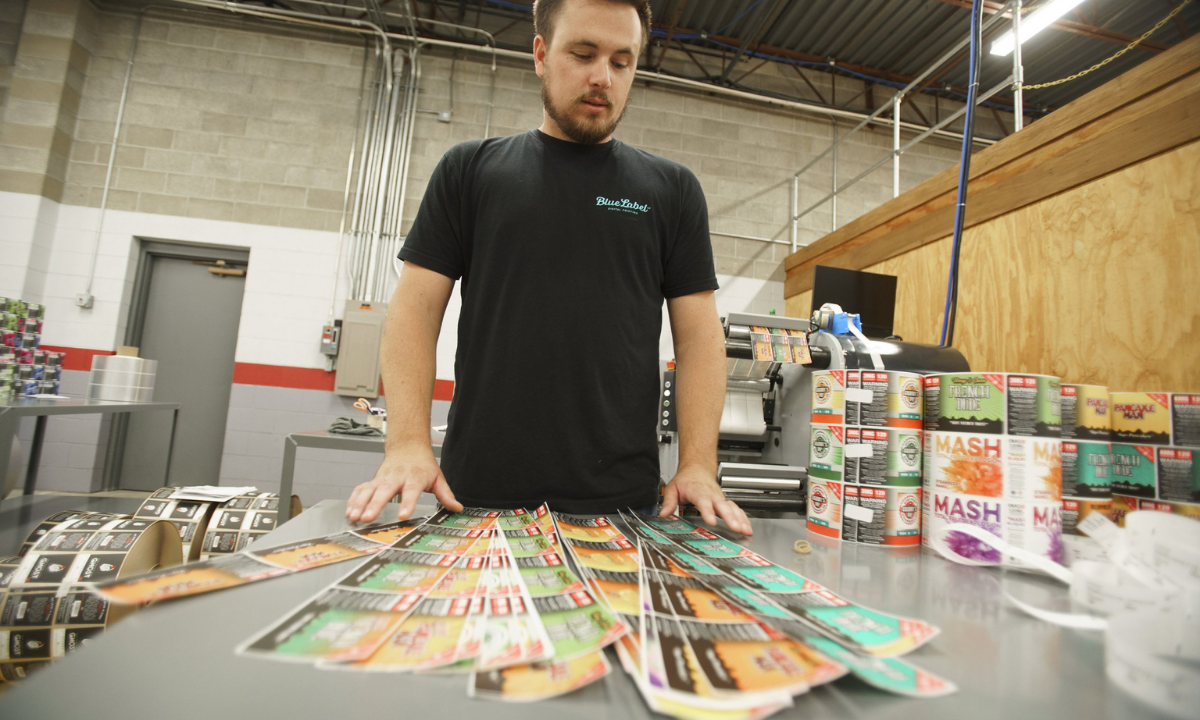
Designer looking at product labels

Choosing the Right Materials and Styles Based on Your Brand Identity

Material Selection

When selecting materials for your packaging, it’s crucial to consider how each option can align with and enhance your brand identity.

For instance, paper offers a classic, eco-friendly choice that can be tailored with various textures and finishes for a unique touch.

BOPP (Biaxially Oriented Polypropylene) is a versatile and durable material that works well for products requiring moisture protection while maintaining a clear design aesthetic.

Vinyl, known for its vibrant colors and flexibility, can convey a modern and durable impression, making it suitable for brands looking to stand out in a competitive market.

Style Considerations

Your packaging style should ultimately serve to reflect and elevate your brand’s identity and values.

A minimalist approach, like the one famously used by Apple, can communicate sophistication and modernity, appealing to consumers who value simplicity and elegance.

On the other hand, luxury packaging often employs high-quality materials and intricate designs to create an impression of exclusivity and prestige. The perfume industry does an excellent job using custom packaging and high-end label finishes to speak to a high-end buyer.

Eco-friendly packaging can resonate with environmentally conscious consumers, showcasing a commitment to sustainability. Lush is a great example, showcasing bold, eco-friendly packaging that aligns with their ethical stance.

The Importance of Brand Consistency Across Products and Product Lines

Keeping your brand consistent across all products and packaging is key to building consumer trust. When customers see a uniform brand experience, it boosts their recognition and makes them feel more connected to your products. This connection can lead to increased loyalty, as people tend to stick with brands they know well.

To achieve this, brands should create clear brand guidelines for visual elements like logos, colors, and typography and ensure that teams are trained on these standards.

Should you live and die by your brand guide? Not always. When launching new products or entering different markets, it’s vital to adjust your branding thoughtfully, maintaining your core identity while appealing to local tastes. By focusing on consistency, companies can grow while solidifying their presence in the market.

Blue Label Can Help Connect Your Brand to Your Packaging

Next time you’re designing labeling or packaging, remember that a little thought toward branding, materials, and intent can go a long way toward turning heads and creating a loyal customer base.

Contact us today for a quote for custom labels or just go get answers to any of your labeling or packaging questions.